Last updated: Apr 19, 2026
Iowa's frequent hail and wind events create high roofing claim activity in Des Moines, especially after spring storm outbreaks. The risk isn't just cosmetic bruising; bruised shingles can mask underlying granule loss, compromised waterproofing, and accelerated wear. You may see asphalt shingles with dark bruising spots, lifted tabs, or hairline granule loss that signals deeper damage. In wind-prone winds, flashing around chimneys, skylights, and vent pipes can suffer micro-tears or separation that invite moisture intrusion during the next freeze-thaw cycle. This climate pattern means homeowners often face storm-driven replacement decisions soon after the most disruptive storms, not simply because a roof has aged, but because the insurer and the local storm sequence are aligned toward replacement when damage is visible or suspected.
In practical terms, storms arrive in tight clusters, and the same roofs that looked solid in late winter can look markedly different after April or May hail events. The cycle locks you into a high-stakes timeline: assess promptly, document thoroughly, and plan for a replacement window that aligns with insurer expectations and crew availability during peak spring and fall windows. If your neighbor's roof shows bruising or lifted tabs, that becomes a reference point for your own claim, because adjusters expect to see both surface evidence and the potential for concealed damage beneath the surface. The urgency isn't just about making a claim; it's about preventing further interior risks from wind-driven moisture and avoiding delays caused by weather-front backlogs.
After a storm, adjuster-facing documentation must capture the full scope of impact beyond cosmetic damage. Take clear photos of shingle bruising, lifted tabs, and any granule loss that shows up as dark specks along eave lines or gutters. Photograph flashing damage around vent areas, chimneys, and skylights, as well as any dented gutters or fascia boards. Document collateral impacts such as roof deck sagging signs, interior attic stains, or condensation on attic insulation that could indicate concealed leaks. A thorough record helps an adjuster see the risk, not merely the surface. In many cases, wind-driven damage to edging and seals can lead to wind liability that triggers new-for-old replacement discussions. Having a dated, organized photo log and a simple diagram of the roof's planes can accelerate review times and reduce back-and-forth questions that stall repairs.
Be ready to contrast damaged areas with areas that survived recent storms. Insurance reviewers look for consistency: if many nearby homes have similar bruising patterns, the aggregate evidence strengthens a replacement case. It's not only about one bad shingle; it's about whether the roof systems-including underlayment, flashing, and vent seals-bear the load of successive storm seasons. A homeowner often benefits from a straightforward, honest narrative of what each storm delivered-hail size, wind intensity, and observed changes to the roof surface. Clear, precise communication reduces delays and helps align expectations with adjuster assessments.
When large hail seasons come through, insurers scrutinize wind resistance and overall roof resilience as part of the replacement decision. If the existing roof shows signs of repetitive hailmark damage or weak wind performance, the path to replacement becomes more likely, especially in the wake of major storm events. This means you should approach reroofing with a mindset geared toward long-term performance rather than short-term fixes. Choose materials and installation methods that address common Des Moines stressors: robust impact resistance, reinforced flashing, and secure fastenings that hold up under strong spring and fall gusts. Materials that demonstrate improved wind resistance may be favored in insurer discussions, particularly if they mitigate the risk of future losses after a single hail season. In this climate, a proactive replacement plan that matches insurer expectations and storm-proven performance reduces the likelihood of repeat claims and helps preserve the integrity of the home through the next cycle of storms.
Delgado's Roofing
(515) 770-4615 delgadosroofing.com
10040 County Line Rd, Des Moines, Iowa
5.0 from 109 reviews
Delgado's is a premier roofing contractor which was established by Mario Delgado almosttwenty-fiveyears ago in Des Moines Iowa. Ever since Delgado's Roofing has focused solely in providing the highest quality roofing services to general contractors and homeowners in Des Moines and Central Iowa. Delgado's Roofing is a family business committed to the development needs of home builders, Realtors, and homeowners in Iowa.
Recon Roofing & Construction
(515) 489-0123 www.reconroof.com
455 SW 5th St C, Des Moines, Iowa
4.9 from 571 reviews
Recon Roofing & Construction is your trusted partner for all your exterior home improvement needs in Central and Eastern Iowa. We specialize in roofing, siding, gutters, and windows, offering expert installation, repair, and replacement services. Our team of experienced professionals is committed to delivering exceptional craftsmanship and customer satisfaction. Contact us today for a free estimate!
BIG Roofing
(515) 355-8969 bigroofingllc.com
5751 NE 22nd St Suite #304, Des Moines, Iowa
5.0 from 105 reviews
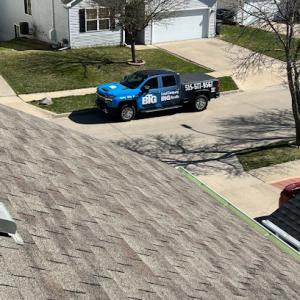
We are a LOCAL, family-owned company based in Des Moines, IA and surrounding communities. BIG Roofing focuses on residential and commercial roofing. We specialize in standard asphalt shingle roofs, as well as metal and rubber roofs. BIG Roofing can also take care of all gutter and siding projects. Inspections and quotes are free of charge, and we can assist in the process of working with insurance claims. We are a Local Company with BIG Results! Go BIG for your Home!
Ultimate Exteriors
(515) 419-7459 www.ultimateexteriorsofiowa.com
3839 Merle Hay Rd Suite #260, Des Moines, Iowa
4.9 from 124 reviews
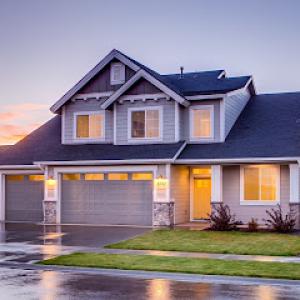
Combining years of experience with a dedication to client satisfaction, Ultimate Exteriors has established itself as the local leader in Roof replacement, Roofing Repair, Shingle Roofs, Siding replacement, gutter replacement Services in Des Moines.
For Sure Roofing
(515) 367-7873 www.forsureroofing.com
6545 NE 14th St, Des Moines, Iowa
4.9 from 116 reviews
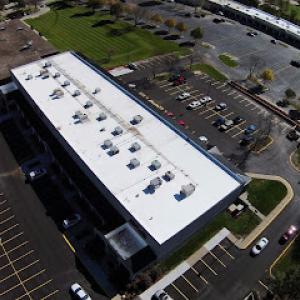
For Sure Roofing and Sheet Metal is a premier commercial roofing contractor company in Des Moines, IA that also can serve the surrounding states. Along with new constructions projects, we also repair and replace all types of commercial roofs for all types of buildings, including churches, retail spaces, warehouses, manufacturing plants, and industrial facilities. We are experienced and pride ourselves on our quality of work. Our ability to re-roof a building with minimal disruptions to the daily operations of the tenants is our priority. We also fabricate and install sheet metal flashing and associated accessory metal such as coping cap, counter flashing, gutters, and downspouts. We provide free estimates and consultation!
Heartland Roofing, Siding, & Solar
(515) 415-1174 heartlandroofingandsiding.com
2519 NW 66th Ave, Des Moines, Iowa
4.8 from 610 reviews
Heartland Roofing, Siding, and Solar, based in Des Moines, IA, is your trusted contractor for roofing, siding, windows, and solar installations. Since 2013, our Owens Corning Platinum Preferred Contractor team has delivered top-quality work with integrity and unmatched customer service. We handle storm damage, insurance claims, and full exterior remodels. At Heartland, we prioritize building long-term relationships with our clients, ensuring your home gets the care it deserves.
Andrews Roofing Company
(515) 664-7968 andrewsroofingdm.com
1544 2nd Ave, Des Moines, Iowa
4.9 from 134 reviews
Andrew's Roofing Company is a locally owned and family operated roofing business. With 17 years of experience, we are focused on providing high-quality and excellent service. From minor repairs to complete roof replacements, our experienced team of professionals are dedicated to delivering superior results and outstanding customer service. Contact us today to schedule a free consultation and discover how we can help protect and enhance your property with our top-notch roofing services.
American Dream Exteriors
(515) 348-1388 dreamteamexteriors.com
4012 E 14th St, Des Moines, Iowa
5.0 from 36 reviews
American Dream Exteriors provides roofing, siding, gutters, commercial roofing, and storm restoration to the Des Moines, IA area.
Smart Home Exteriors
(515) 206-2107 www.smarthomeexteriors.com
Des Moines, Iowa
4.9 from 74 reviews
Smart Home Exteriors is your go-to roofing contractor in Clive, IA, offering top-notch roofing solutions, gutter installations, siding replacements, window replacements, and deck building services. With over 25 years of experience serving West Des Moines, Clive, Urbandale, and surrounding Iowa communities, we pride ourselves on enhancing both residential and light commercial properties. Our expert team is fully licensed and insured, guaranteeing superior craftsmanship and customer satisfaction. From durable asphalt shingles to seamless aluminum gutters, our wide array of materials ensures your property withstands harsh Iowa weather. Contact us at (515) 206-2107 for a free estimate and experience the Smart Home Exteriors difference today!
Triple B Roofing & Exteriors
(515) 318-8905 www.triplebroofingandexteriors.com
Des Moines, Iowa
5.0 from 34 reviews
With over 15 years of trusted experience, our locally owned roofing company proudly serves homeowners and businesses throughout the Des Moines area. We specialize in professional roofing and exterior contracting services, delivering exceptional quality, dependability, and customer care. Fully licensed and insured, our skilled team handles everything from complete roof installations and repairs to exterior renovations, including siding, gutters, and storm damage restoration. We utilize top-quality materials to ensure every project meets the highest standards of durability and aesthetics. Whether you're recovering from storm damage or looking to improve your property's curb appeal, we provide solutions tailored specifically to your needs.
Iowa Roofing & Exteriors
(515) 205-9008 www.iowaroofing.org
Des Moines, Iowa
5.0 from 29 reviews
Iowa Roofing & Exteriors is a trusted local roofing contractor serving homeowners in Pleasant Hill and nearby communities. We specialize in residential roofing, roofing installation, and complete roof replacement designed for long-term protection. Our services include asphalt shingle roofing, metal roofing systems, siding installation, gutter replacement, and storm damage restoration. Clients rely on us for detailed inspections, clear estimates, durable materials, and efficient project completion. We focus on quality craftsmanship, dependable scheduling, and exterior solutions that enhance value and performance. Iowa Roofing & Exteriors delivers reliable results tailored to your property. Contact us today to schedule a consultation.
Bradens Roofing & Construction
(515) 556-0942 bradensroofingandconstructionllc.com
2450 Hart Ave, Des Moines, Iowa
5.0 from 21 reviews
When it comes to Roof Repairs, Roofing Company, Commercial Roofing, and more, no one compares to Bradens Roofing and Construction With years of combined experience, Bradens Roofing and Construction has worked hard to build the trust of our clients in Des Moines and surrounding areas. Visit our website to learn more or better yet, call us today!
Des Moines winters bring freeze-thaw cycling that stresses shingle edges, flashing joints, and roof penetrations over repeated temperature swings. Each freeze clamps water in small gaps, then as temperatures climb, that trapped moisture expands, prying at seams and edge details. Over consecutive storms, the tiny breaches add up, especially where shingles butt against valleys, vents, or skylights. If edge sealing isn't solid, you may start to notice small gaps that quietly invite moisture inward, long before you see a drip at the ceiling. The result is a roof system that looks fine from the ground but is slowly unraveling at critical points where ice, wind-driven snow, and thawing cycles converge.
Snow loads and ice at eaves make edge detailing and attic ventilation especially important on local homes during winter. When ice builds up at the eaves, it forces heat to escape upward and melt the snow unevenly, creating ice dam pressure that can lift shingles at the edges and push flashing out of position. That pressure concentrates right where roofs meet walls and around penetrations-areas that are already stressed after a season of cold snaps. Proper edge detailing - including properly sealed rake and valley edges, well-installed drip edges, and continuous underlayment that extends to the edge - helps resist wind uplift and prevents water from backing under shingles as snow shifts. Adequate attic ventilation is the quiet safeguard: it keeps the underside of the roof closer to outdoor temperatures, reducing condensation and the formation of hidden ice dams that silently drive rot from the inside out.
Cold-weather damage in Des Moines often shows up first at roof edges and around flashing before homeowners notice interior leaks. If you see lifted shingles at the edges after a thaw, or you notice copper or galvanized flashing looking dark, corroded, or separated at corners and around vents, treat it as a warning signal. Small granule loss along the eaves is another red flag, as it indicates the protective outer layer is compromised and moisture can work its way under the shingles more readily. Condensation on attic hoops, damp insulation batts, or a cold spot along the ceiling near outer walls can be the interior tip of the same problem. In practice, a single season of freeze-thaw cycling can reveal vulnerabilities that were never obvious in a dry spell.
Prioritize a roof inspection that starts at the perimeters: drip edges, edge flashing, and the transitions where roofing meets siding. A thorough check should verify that nails and fasteners along the edges are tight and corrosion-free, and that sealant at penetrations is still flexible, not chalky or cracked. If flashing has lifted or gaps have formed, plan timely re-sealing or flashing replacement, focusing on those high-stress zones where wind-driven snow tends to accumulate against the wall line. Ensure attic ventilation pathways are clear and balanced: intake vents at the soffits and exhausts near the ridge should work in concert to move air freely, reducing the chance of hidden ice buildup that can push on the roof deck from below. By addressing these edge issues now, you limit the chance of slow creep into the attic and the surprise of interior leaks when spring arrives and the thaw cycle repeats.
When you can't wait, these contractors offer fast response times to stop leaks and prevent further damage.
BIG Roofing
(515) 355-8969 bigroofingllc.com
5751 NE 22nd St Suite #304, Des Moines, Iowa
5.0 from 105 reviews
Andrews Roofing Company
(515) 664-7968 andrewsroofingdm.com
1544 2nd Ave, Des Moines, Iowa
4.9 from 134 reviews
DeWild Construction Company
(515) 556-1360 www.dewildconstructioncompany.com
Des Moines, Iowa
4.9 from 99 reviews
In a city where hail and wind drive much of the roof replacement cycle, choosing replacement windows that hold up under the same conditions is essential. The right windows help manage moisture, improve ventilation, and reduce the chance that attic heat or driving rain negates a new roof's performance. When planning, think about airflow from soffits to ridge vents, and how well a window can seal against drafts that follow a storm. In Des Moines, climate quirks show up in freeze-thaw cycles and hot, humid days, so select units that handle temperature swings without warping or losing seal integrity.
Spring and fall are the most favorable reroofing windows because they avoid the worst winter freeze-thaw conditions and peak summer heat. If a roof is being replaced due to hail or wind damage, coordinating window work in these windows reduces the risk of material expansion and contraction, and it helps crews stay on schedule without exposing recently installed roofing to extreme heat. When planning, map out a sequence that allows flashing and drip edges to be integrated with new window flanges and interior drywall work, so moisture stays controlled from day one.
In this market, sturdy, insulated units with corrosion-resistant hardware perform best. Look for double- or triple-pane options with low-emissivity coatings and gas fills that boost energy efficiency during long, windy months. For attic and upper-floor exposure, consider casement or awning styles that seal tightly when the wind pressure pushes against exterior walls. If a roof replacement coincides with window updates, choose corrosion-resistant finishes for any metal components and avoid vinyl with a history of warping in high heat days.
Summer heat and humidity can affect installation pace, crew conditions, and material handling on exposed roofs. Plan for more frequent breaks, shaded staging areas, and secure material storage to prevent warping or damage from heat exposure. A well-coordinated roof-and-window plan minimizes rework, especially where flashing transitions meet window sills. In autumn, keep drainage paths clear near openings to prevent moisture from lingering around newly installed exteriors as leaves accumulate.
Autumn leaf drop in Des Moines adds a moisture-management concern by clogging drainage paths and reducing ventilation performance if maintenance is delayed. Choose wide, accessible weep channels around window openings and ensure exterior finishes shed water efficiently. Regular seasonal checks after the first few storms help catch seal failures early, preserving your roof's integrity and the window installation's effectiveness.
Get a clear picture of your project costs upfront - no commitment required.
Recon Roofing & Construction
(515) 489-0123 www.reconroof.com
455 SW 5th St C, Des Moines, Iowa
4.9 from 571 reviews
BIG Roofing
(515) 355-8969 bigroofingllc.com
5751 NE 22nd St Suite #304, Des Moines, Iowa
5.0 from 105 reviews
Ultimate Exteriors
(515) 419-7459 www.ultimateexteriorsofiowa.com
3839 Merle Hay Rd Suite #260, Des Moines, Iowa
4.9 from 124 reviews
Asphalt shingles are the backbone of most Des Moines homes, especially when storm-driven replacements are common after hail and wind events. The city's typical housing stock-ranch and two-story suburban layouts with standard attic spacing-lends itself to straightforward asphalt installs, quick repairs, and reliable coverage under a wide range of Iowa temperatures. Because the storm-repair replacement cycle often follows a hail claim or insurer-driven timeline, asphalt shingles offer predictable performance, easier color matching, and familiar installation practices that local crews can execute efficiently. When choosing this route, consider shingles that hold up well to repeated freeze-thaw cycles and provide solid wind resistance to reduce the likelihood of blow-off after spring storms.
For homeowners prioritizing wind performance and long-term durability, metal roofing stands out as a meaningful upgrade in Iowa weather. Des Moines-area winds can be brisk, especially after late-season storms, and metal roofs typically resist wind uplift better than many traditional options. Metal also sheds snow more predictably, which matters for second-story valleys and daytime temperature swings that stress roof edges during Iowa winters. If choosing metal, you'll encounter a range of profiles-from standing-seam to exposed-fastener systems-and a broader palette that can complement brick or vinyl-sided exteriors common in the region. A metal roof, properly installed, can reduce the frequency of full roof replacements prompted by severe hail damage, because metal panels can be more forgiving in edge-to-edge impacts and may preserve underlying decking better after a storm.
Tile, wood shake, and synthetic roofs exist in the local market, but they are less common and require careful evaluation for storm exposure, weight, and maintenance expectations. Clay and concrete tiles bring excellent durability and a distinct aesthetic, yet their heavier weight demands accurate structural assessment and potential reinforcement, which matters when hail damage has already strained the roof system. Wood shakes and shingles offer a rustic look but can suffer more quickly from the Iowa freeze-thaw cycle and moisture in shoulder seasons; they demand extra attention to ventilation, underlayment quality, and moss or mildew control. Synthetic shingles can provide a compromise between appearance and resilience, often delivering good impact resistance with lighter weight, but ensure the product is rated for wind uplift and tested for performance in northern climates. In many Des Moines installations, these materials are chosen selectively, with attention to roof geometry, exposure to hail paths, and the expected maintenance routine to keep warranties valid.
Across all material choices, the climate pattern-frequent hail, strong spring winds, and a pronounced freeze-thaw rhythm-shapes what to expect after a storm. Pay attention to how the roof interfaces with gutters, vents, and chimneys, since these details often bear the weight of repeated Iowa weather cycles. When selecting a material, consider how quickly repairs can be coordinated after a storm, how well the product tolerates wind-driven debris, and how easily the drip edge and flashing will hold up under heavy rain events that follow hail recovery work. The goal is a roof that provides reliable performance through Iowa's storm seasons while preserving the home's exterior charm and alignment with the surrounding Des Moines housing styles.
In Des Moines, you'll typically see asphalt shingles land in the 420 to 800 USD per square range, a spread that reflects storm-driven demand and local stock. Metal roofs usually run 700 to 1200 USD per square, thanks to heavier panels and wind-rated fasteners that many Metro homes require after hail events. Clay tile climbs higher, commonly 1100 to 2100 USD per square, and concrete tile sits 900 to 1800 USD per square, often chosen for its longevity and in areas with storm history where residents aim to maximize curb appeal alongside durability. Wood shingles or shakes tend to fall between 700 and 1300 USD per square, while synthetic or composite shingles land in the 500 to 1000 USD per square band, offering a lower-cost alternative with decent hail resistance. These ranges are a starting point for planning, not a firm quote, and your exact price will hinge on roof size, layout, and fastener choice.
Des Moines pricing can rise after major hail and wind events when reroof demand spikes across the metro and contractor schedules tighten. A storm season can compress lead times and push materials into tighter windows, so you may see longer wait times for appointments and a scramble for available crews. On residential streets with many roofs sharing the same wind-driven fates, crews that can match insurance schedules and weather windows tend to price more efficiently, while slower response hours can push labor costs upward. If your roof has complex geometry, multiple roof pitches, or a lot of penetrations for plumbing and skylights, expect higher per-square costs as installers spend more time detailing flashings and wind uplift.
Start by obtaining at least three detailed written estimates that itemize material, removal, disposal, underlayment, and flashing work. Ask each contractor to walk you through their proposed underlayment and ventilation approach, since Des Moines winters stress attic air flow and moisture management. If you anticipate hail seasons in the near term, consider material options with proven hail resistance and strong wind ratings, even if the upfront cost is higher. For asphalt, verify if a 30-year or 50-year shingle is offered and how wind certification is addressed. For metal, clarify panel profile, coatings, and the expected lifespan relative to hail exposure. And for tiles, inquire about substrate support and weight considerations on mid-century or lighter-structure homes. In the end, a well-documented bid that aligns material performance with local climate demands tends to deliver the most predictable long-term value.
Don't let upfront costs delay a critical repair - these contractors offer payment plans to fit your budget.

In this market, most full reroofs aren't treated as simple maintenance tasks. The city expects a building permit for replacement projects, and that means the project must move forward only after the proper paperwork is in place. Before any shingle bundles come off or new underlayment goes on, you should understand that the permit process is not optional-it's a step that anchors the work to code compliance and protects against tricky storm damage scenarios that repeatedly surface in the area. The intent is to have a clear plan on file that shows roof coverage, ventilation strategy, and flashing details, so the project can be reviewed against Des Moines building standards from the start.
The city process requires submitting plans for review prior to starting work. Expect to provide information on the proposed roofing system, roof deck condition, and any changes to ventilation or attic insulation that could affect wind resistance and moisture control. Along with the plan submittal, a permit fee is due before work progresses to the inspection stages. Keeping the plan set organized and accurate helps avoid delays if the inspector notices a mismatch between what was described and what's installed on site. A licensed contractor often handles this coordination, but responsibility rests with the homeowner to ensure the paperwork is complete and current.
Inspections are not a single checkpoint but a sequence that aligns with the project's progression. Des Moines expects inspections after work begins and again at completion. The first inspection typically confirms that the project has started in accordance with the approved plan and that safety precautions and temporary protections are in place. As the work advances, the inspector will verify components like underlayment, proper nailing patterns, and the correct installation of flashing around chimneys, vents, and skylights. Wind-resistance details are a focus, given the local exposure to hail-driven wind events. Any deviations from the approved plan may require corrections before the project can proceed.
The final review centers on thorough documentation of how flashing, ventilation, and wind-resistance features were implemented. The inspector will check that attic ventilation was restored or improved if modified, flashing around penetrations is properly sealed and integrated with adjacent siding, and that the overall roof assembly meets current wind load requirements. Having close, accessible records of the original permit, plan changes, and material certifications can streamline the final inspection. In practice, a solid final walkthrough with the contractor helps ensure the job satisfies both municipal standards and insurer expectations after a storm-driven replacement.
Des Moines sits in an Iowa insurance environment shaped by frequent hail and wind losses, so roofing claims are more common than in low-storm markets. That pattern means insurers watch storm season impacts closely and may treat roof condition as a determining factor for future coverage or premium adjustments. When a storm hits, the window for filing claims can feel tight, and the expectations around wind resistance and retrofit needs can shift quickly after the hail season settles. A homeowner should be prepared for conversations about how a replacement or upgrade might influence past and future policy terms, not just whether a given claim is approved this year.
Before any adjuster visit, assemble date-stamped photos that show the roof's condition from multiple angles, including any hail impact marks or wind-damaged edges. Have contractor inspection notes ready that spell out the observed conditions, the recommended scope of work, and any corrosion or flashing concerns. Keep records of interior leaks or exterior impacts, even if they seemed minor at the time, because leaks can evolve after a storm and affect claim outcomes. A clear file with dated, organized records helps you avoid second-guessing later and supports a smoother adjuster review.
After severe storm seasons, some insurers may revisit premiums, coverage terms, or replacement expectations tied to roof condition and wind resistance. If a replacement is pursued, be prepared for questions about shingle selection, underlayment, and fastener patterns that influence long-term resilience. Maintaining thorough documentation now can reduce back-and-forth later and anchors conversations about fitting a retrofit to the insurer's evolving stance, rather than reacting to a single storm event.
Connect with contractors who help homeowners navigate the claims process from damage assessment to final approval.
Recon Roofing & Construction
(515) 489-0123 www.reconroof.com
455 SW 5th St C, Des Moines, Iowa
4.9 from 571 reviews
BIG Roofing
(515) 355-8969 bigroofingllc.com
5751 NE 22nd St Suite #304, Des Moines, Iowa
5.0 from 105 reviews
Ultimate Exteriors
(515) 419-7459 www.ultimateexteriorsofiowa.com
3839 Merle Hay Rd Suite #260, Des Moines, Iowa
4.9 from 124 reviews
In Des Moines, recurring leak complaints often trace back to flashing and edge details stressed by winter ice, wind uplift, and repeated storm exposure. Pay special attention to step and counter-flashing where the roof meets walls, chimneys, and dormers. If flashing appears lifted, corroded, or poorly sealed, water can follow a path over the roof edge and into attic spaces even after a quick rain. A practical check is to run a careful hand along the transitions after a thaw to feel for loose metal or gaps that a visual inspection might miss.
Edge details bear the brunt of freeze-thaw cycles, especially where gutters and downspouts pull or backwater against shingles. Look for lifted shingles at eaves, missing or cracked sealant, and poor Ive product integration at drip edge joints. Improperly sealed corners and overhangs invite wind-driven rain to creep under flashing and into soffits. A robust edge installation blocks both wind uplift and edge-capillary movement during spring storms.
Skylight openings and other penetrations deserve extra scrutiny locally because freeze-thaw movement and storm-driven rain can expose weak seals quickly. Check around skylights, vent stacks, furnace flue chases, and exhaust vents for chalky sealant, hairline cracks, or signs of past resealing attempts. Re-sealing with compatible sealant and ensuring flashing is integrated with the surrounding roof material reduces the likelihood of slow leaks that grow after a heavy rain.
The inspection emphasis on flashing and ventilation reflects how often those details determine whether a reroof performs through Iowa weather swings. Confirm that soffit vents are not blocked, and that soffit-to-ridge ventilation runs unobstructed. Poor ventilation can cause condensation leaks that mimic roof leaks after temperature swings, especially when paired with a windy storm season.
Storm exposure and repeated hail can accelerate wear around vents, pipes, and chimneys. Use continuous sealant beads, properly sized flashing pads, and backer materials that resist movement. If seals look aged, brittle, or smeared, replacing those components during a reroof pays dividends when the next round of storms hits.
Find contractors experienced in skylight installation, flashing, and leak repairs to bring natural light into your home.