
Last updated: Apr 19, 2026
In the Des Moines metro, you feel the bite of spring hail and strong winds as a primary trigger for roof replacements, not simply the roof's age. A heavy storm can leave subtle bruising on shingles, granule loss, or wind-lift that only shows up after the next thaw or rain. This is not a theoretical risk: it's the rhythm that drives replacement decisions for many homes around here. When a storm hits, your first instinct should be to protect and document, because insurers here scrutinize hail and wind claims carefully and repeatedly.
Iowa insurers expect clear, date-stamped evidence when damage is tied to a single event. You'll want a sequence that starts with the storm date and ends with a professional assessment that connects specific roofing damage to that event. Photos should show the roof from multiple angles, close-ups of damaged shingles or flashing, and any interior signs of water intrusion. A contractor-damage narrative that points to wind uplift, hail impact patterns, or missed seals helps the adjuster see the chain of cause and effect. Detailed replacement estimates become the bridge between what was damaged and what's being proposed, so accuracy and thoroughness matter more here than in many markets.
Storm-heavy seasons can clog the process, and delays invite confusion. Begin with urgent, organized documentation. Photograph the roof after the storm, then again after any subsequent weather events that might have worsened conditions. Retain a local contractor who has extensive experience with storm-related work and insurance procedures in Urbandale. Their damage narrative should be precise about what failed and why, including components affected (shingles, underlayment, vents, flashing) and any necessary inspections for attic or interior signs of leakage. The goal is to produce a coherent file that an adjuster can follow from outside damage to interior impact, reducing back-and-forth and the risk of a partial or delayed claim.
Look for contractors who emphasize storm damage and insurance work as a core competency. They should be willing to accompany you during the adjuster's inspection, provide their own damage assessment, and deliver a detailed replacement scope that aligns with current building practices and local weather realities. In Urbandale, where the blend of central Iowa weather and housing stock creates unique wear patterns, a contractor's familiarity with common impacts-granule loss, lifted tabs, and flashing failures-is critical. Your contractor must prioritize accurate documentation, a realistic repair path, and a clear line of communication with the insurer so the claim progresses rather than stalls.
Be wary of contractors who push for a rapid, one-size-fits-all coverage approach or who avoid putting damage specifics in writing. If an adjuster requests additional photos or a second opinion, respond promptly and supply what's needed. Avoid gaps between the storm date and the claim timeline; a shaky timeline invites questions and friction. Remember: your best protection is a concise, evidence-backed narrative that ties the damage to a single event and demonstrates a credible path to restoration.
Find local contractors experienced in assessing and restoring roofs after hail, wind, and severe weather events.
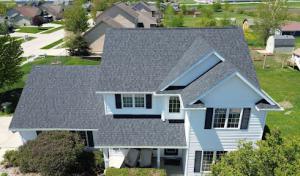
Wagoner Roofing
(515) 225-8147 wagonerroofingiowa.com
3161 99th St, Urbandale, Iowa
5.0 from 183 reviews
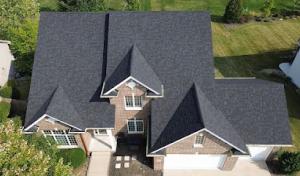
R3 Roofing & Exteriors
11160 NW Aurora Ave., Urbandale, Iowa
4.9 from 382 reviews
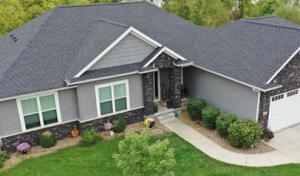
Robison Construction
(515) 882-2200 www.robison-construction.com
11201 NW Aurora Ave., Urbandale, Iowa
5.0 from 53 reviews
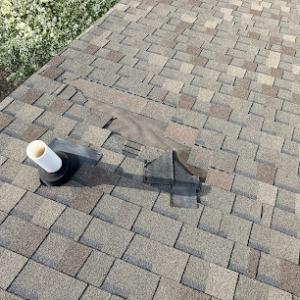
Right Roofing & Siding
(515) 305-3113 rightroofing.com
3250 99th St, Urbandale, Iowa
4.9 from 322 reviews
Right Roofing & Siding has been serving Central Iowa, including West Des Moines, Urbandale, Grimes, Ankeny, Waukee, Altoona, Pella, Knoxville, Newton, and surrounding communities for over 28 years! We offer new installations, upgrades and repairs for all of your home's exterior needs including roofing, windows, siding, gutters and more. We also offer commercial roofing throughout the state of Iowa.
Wagoner Roofing
(515) 225-8147 wagonerroofingiowa.com
3161 99th St, Urbandale, Iowa
5.0 from 183 reviews
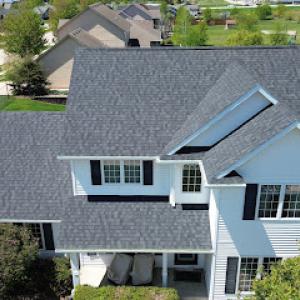
Trust Wagoner Roofing for your Des Moines and Central Iowa roofing replacements and let us handle all your storm restoration and home exterior remodeling needs. Our expert team of local installers guarantees quality workmanship, ensuring your home is protected and gives you peace of mind. Whether you're dealing with storm damage or looking to upgrade, we deliver reliable solutions that enhance both comfort and curb appeal. We live here in the Des Moines, Iowa area, and unlike other fly-by-night companies, we’ll be here when you need us. With years of experience, we know how to restore and add value to your home. Get your free roof evaluation and estimate today!
R3 Roofing & Exteriors
11160 NW Aurora Ave., Urbandale, Iowa
4.9 from 382 reviews
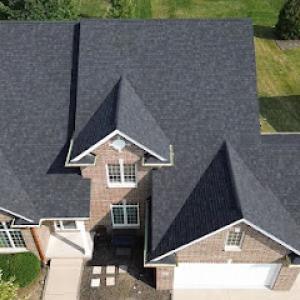
When it comes to your house, don’t mess with the rest, trust the best. We Can Fix It! At R3 Roofing and Exteriors, we believe in the long-term quality and comfort of our client’s homes. That means not cutting corners in the name of making things “easier”. In that sense, you can say that we subscribe to more “traditional values”, and care about detail and care above all else. When you call, we will prepare to serve you as soon as possible. We will also be sure to arrive with everything you need for your unique situation.
Hail Pro
(515) 809-0676 www.myhailpro.com
3319 109th St, Urbandale, Iowa
4.9 from 130 reviews
Hail Pro is a licensed and certified Urbandale-based property improvement company. Our company has been around for more than two decades and provides reliable services. We have extensive experience and resources to handle roofing, siding, and windows projects. Our goal is to help property owners protect and improve their investments. That is why we handpick all our staff members to ensure they have the qualifications required to deliver on our promise. We partner with top-rated and reputable manufacturers to provide our customers with top-notch quality and durable products. Further, we offer different payment types such as cash, check, visa, and more for ultimate convenience to all our clients.
Robison Construction
(515) 882-2200 www.robison-construction.com
11201 NW Aurora Ave., Urbandale, Iowa
5.0 from 53 reviews
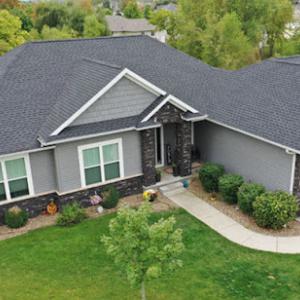
Established in 2006, Robison Construction is a leading roofing expert in the Iowa community, with a legacy built on trust and superior craftsmanship. Specializing in a full range of services, including expert installations, meticulous repairs, and thorough inspections, they utilize premium materials to ensure lasting durability and protection for your home. Their commitment to excellence is reflected in every project, with a dedicated team focused on precision and customer satisfaction. They offer reliable and high-quality roofing solutions designed to meet the unique needs of every client, ensuring peace of mind for homeowners across the region.
Shamrock Roofing Des Moines, IA
(515) 735-3310 shamrockroofer.com
7509 Douglas Ave Suite 19, Urbandale, Iowa
4.8 from 150 reviews
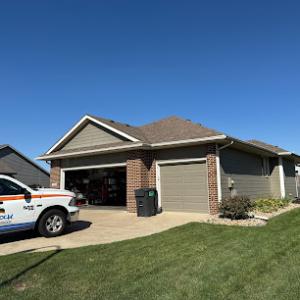
Shamrock Roofing & Construction in Urbandale, IA provides residential and commercial roofing services for properties affected by severe weather, aging materials, or unexpected roof issues, including roof repairs, full replacements, storm damage restoration, and emergency tarping. Our roofing systems are designed to perform through Iowa’s hailstorms, strong winds, heavy rain, snow, and freeze–thaw cycles, and every project is supported by detailed inspections, clear storm reports, reliable warranties, and a structured process focused on long-term protection and a smooth experience—Veterans & Military Discount available, plus get your Free Storm Report & Inspection.

AmeriPro Roofing
(563) 293-4065 www.ameriproroofing.com
4436 114th St, Urbandale, Iowa
4.9 from 51 reviews
AmeriPro Roofing is the Des Moines roof repair professional that gets the job done. For any size repair or a full roof replacement, we are the top-ranked Iowa roofing contractor. Our team of specialists uses only the very best materials and delivers the highest level of craftsmanship on each job we do. We’re the Des Moines roofing contractor that knows what homeowners face when snow, rain, hail and severe wind come to town. We always begin with a complete inspection and present our customers with recommendations that suit their particular situation. AmeriPro Roofing is the Des Moines roofer whose mission is to provide unparalleled customer service to every homeowner we work for. Iowas roof repair jobs are our business.
Xtreme Roofing & Siding
(515) 276-9794 xtremeroofingandsiding.com
2913 99th St, Urbandale, Iowa
4.8 from 118 reviews
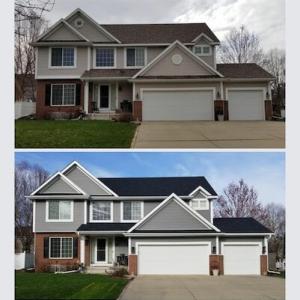
Family-owned since 1998, Xtreme Roofing & Siding delivers expert residential and commercial roofing, siding, gutters, and storm damage restoration across Iowa. With locations in Urbandale and Coralville, we proudly serve Des Moines, Iowa City, Ames, and surrounding communities. Our A+ BBB-rated team is committed to using premium materials and proven methods to ensure each project meets our customers' highest standards. We offer free inspections, flexible financing, and 24/7 emergency service to keep your home or business protected. Whether it's a roof replacement, hail damage repair, or new vinyl siding, trust Xtreme Roofing & Siding for reliable, quality results. Contact us today for your roofing needs! Weekends by appointment only.
Ram Roofing & Solar
2771 104th St # H, Urbandale, Iowa
4.7 from 128 reviews
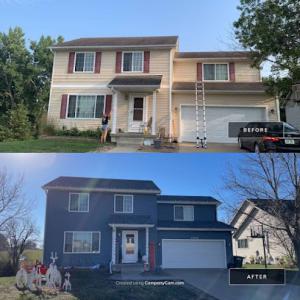
Ram Roofing is a Midwest based roofing and solar business that’s available for all your roofing and solar needs. We provide the best services to ensure that your roof looks great and lasts for ages. Our roofing contractors also provide gutter installation, gutter repair, siding replacement, storm damage repair, solar panel installation, and more. Whether you need to hire residential roofing or commercial roofing contractors, our professionals can help you. We go a step further and also focus on modern solutions, so if you need solar panel installation or solar roofing, we’ve got you covered. Get in touch with us today and we’ll be there to get to work!

Apple Roofing
3934 NW Urbandale Dr, Urbandale, Iowa
4.7 from 159 reviews
At Apple Roofing, we believe your roof should protect your home or business while boosting its curb appeal. Based in Urbandale and proudly serving Des Moines and surrounding areas, we provide expert roof repair, roof replacement, roof installation, and emergency roof tarping. Our services cover residential, commercial, multi-family, and industrial roofing, including systems like TPO, EPDM, metal, slate, and cedar shake. We also offer storm damage repair, roof inspections, siding installation, window replacement, gutter services, energy-efficient roofing, and sustainable roofing solutions. Trust Apple Roofing for quality, safety, and long-term protection.

AGR Roofing & Construction
(515) 228-6404 agrroofingandconstruction.com
3024 104th St, Urbandale, Iowa
4.8 from 25 reviews
AGR Roofing & Construction is an experienced roofing company that is committed to serving the roofing needs of home and business owners in the Des Moines area. From single family homes, to apartment complexes and commercial roofs. We specialize in metal roofs for homes, barns, and businesses. As an employee owned company, we take pride in wha to give customers the comfort of knowing the company we take pride in what we do and it shows. Honesty, integrity, and accountability are the fundamentals on which our company is built, and we hold all staff and crew members to these standards. Whether you are seeking a new roof from storm damage, or just have a small leak we are here to offer free inspections and advice. LOCAL. QUALITY. SERVICE.
Platinum Roofing & Contracting
(515) 975-8632 platinumroofingiowa.com
5414 165th St, Urbandale, Iowa
5.0 from 15 reviews
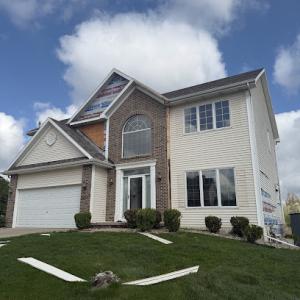
Platinum Roofing and Contracting provides exceptional service with superior detail when it comes to Roofing installation. We are focused on providing knowledge to all home owners when it comes to retail or insurance work. We are here to help homeowners with the insurance process from the very beginning as it is complicated process for many homeowners. We offer all Roofing products and are looking forward to help educating you to help find what is best for you.
The window to plan a full roof replacement in Urbandale sits best from late spring through early fall. That timing follows winter ice stress and precedes autumn weather that can tighten schedules. If you anticipate storm-related damage, aim to coordinate replacement before the heavy fall rush when crews are juggling multiple projects and the prospect of winter weather is looming. For a typical home, the calmer stretch is after March freezes have passed and before the leaves start to turn, giving crews steady days for installation and inspections without the interruption of snow or bitter cold.
Winter freeze-thaw cycles in central Iowa push more than just shingles to their limit. Small defects in shingles or flashing can become active leaks as underlayment and fastener seals endure repeated freezing and thawing. After ice dam season, inspect the roof with a careful eye for lifted edges, granule loss, and minor cracks around vents or chimneys. If you notice compromised areas, address them promptly rather than waiting for the next rainstorm. Scheduling a professional evaluation in early spring helps identify whether a full replacement is needed or if targeted repairs will hold until a longer-term plan is set.
Autumn storms and moderate precipitation can compress contractor availability in Urbandale as homeowners rush to finish work before snow and ice return. That period often brings shorter lead times and tighter calendars. If a claim is involved, align with your insurer and contractor early to secure a suitable start date. Consider building some flexibility into your plan-allow for potential weather days and short delays without losing your preferred install window. If possible, avoid leaving material orders and major decisions to the last minute when crews are already booked up for the season.
Hail and wind events commonly trigger insurance activity in central Iowa. After a claim is opened, the timing of inspection and approved scope can influence your replacement timeline. In Urbandale, many homeowners find the most predictable path is to initiate the claim process in the late winter to early spring, when adjusters are processing storm-related files and the weather is conducive to roofing work. Keep a clear record of storm dates, photos of visible damage, and any prior leaks. Share this with your contractor early, so they can plan around optimal weather windows and minimize on-site delays caused by late-season rain or early winter approaches.
Start with a durable assessment of your attic and roof edge during a dry spell in late spring. Note any loose flashing, lifted shingles, or granule buildup in gutters. If you expect a replacement, line up a contractor who can accommodate a spring-to-summer window, with a contingency plan for an earlier start if storm damage is confirmed. For homes with mixed materials or complex rooflines, allow a few additional days beyond the typical install duration to accommodate material pulls and detailing around penetrations. Communicate preferred days for work to neighbor properties and ensure access is clear for crane or ladder setups if a metal or tile roof is involved. By aligning with favorable weather and a realistic schedule, a replacement project can proceed with fewer weather-induced surprises.
Asphalt shingles dominate Urbandale because they fit the area's typical residential housing stock and are widely used for storm-related replacement work. A strong granular surface helps shed hail impacts and resist wind-driven chafing on steeply pitched roofs common in the local housing mix. When choosing asphalt, homeowners often prioritize a mid- to high-grade architectural profile, which provides better overstress tolerance during freeze-thaw cycles and longer performance while maintaining a balanced cost-to-value equation. The color and texture choices align well with neighborhood aesthetics, helping maintain curb appeal after a severe storm season. For performance, look for shingles with higher impact resistance ratings and reinforced underlayment options designed to handle the shift between hot summers and cold winters without premature delamination.
Metal roofing is a meaningful secondary option in Urbandale for homeowners prioritizing durability against hail, snow shedding, and long-term replacement intervals. Metal panels tend to shed hail impacts more predictably than asphalt, reducing dent propagation on surfaces that take repeated blows during busy storm seasons. The installation geometry-whether standing-seam or engineered panels-also contributes to wind resistance, which matters in the gusty spring months. Metal roofs reflect a portion of solar heat, potentially easing attic temperatures in summer and reducing thermal cycling that can stress other roof components. While metal can require different flashing details at edges and transitions, many homes with multi-story or complex footprints benefit from its quick water shed and lower maintenance footprint over time. If a home already features a contemporary or craftsman aesthetic, metal can be integrated in a way that preserves the architectural language while delivering a longer-lived roof system.
EPDM appears in this market because Urbandale includes low-slope and flat-roof sections on some residential additions and commercial properties that need membrane-specific detailing. Flat or near-flat sections require a continuous, watertight membrane to prevent standing water and splash back onto overlying materials. For homes with sunrooms, back entry additions, or detached garages with flat runs, EPDM offers a durable, flexible option that accommodates expansion and contraction without compromising seal integrity. It is essential to ensure proper edge detailing, drainage, and flashing transitions where EPDM interfaces with traditional roofing materials. In these cases, the choice often hinges on the specific roof plane, existing structure, and how the membrane will connect to adjacent roof systems to maintain a cohesive weather barrier.
In practice, many Urbandale homes end up with a primary asphalt shingle roof complemented by a metal retrofit or overlay in localized areas where hail risk or snow shedding is highest. For structures with flat additions, a carefully specified EPDM membrane can extend the overall roof system's service life without forcing a wholesale rework of the existing slope roof. When evaluating options, consider how each material behaves under Iowa's freeze-thaw cycles and how it integrates with surrounding architecture to preserve both performance and curb appeal after the next round of central Iowa storms.
Urbandale pricing is heavily affected by storm-season demand spikes, when hail and wind events create a surge of simultaneous inspections and replacements across the Des Moines suburbs. After a big derecho or a series of hail days, crews are booked tight and material orders trail, which can push costs up for a short window. Expect this to show up not just in the sticker price, but in scheduling speed and the availability of preferred shingles or profiles. Planning ahead for the most likely storm weeks can help you lock in materials and a crew before the rush.
Material choice ranges locally from asphalt shingles at 350 to 550 USD per square up to clay tile at 900 to 1500 USD per square, with EPDM commonly priced by square foot for low-slope roofs. If you're weighing options after a hail event, asphalt remains the most common and budget-friendly option for typical Urbandale homes, while metal roofs move toward the upper-middle of the range when a longer life and wind resistance are prioritized. Tile choices-clay or concrete-tend to push the cost higher, especially if roof geometry is complex or the attic space requires extra support. For low-slope surfaces, EPDM commonly comes in around 3.5 to 7.5 USD per square foot, providing a viable route when a traditional shingle isn't suitable.
Costs can rise in Urbandale when insurance-related scope documentation, tear-off of storm-damaged layers, or scheduling around short central Iowa weather windows adds labor pressure. A typical replacement often involves removing damaged shingles, assessing roof deck condition, and coordinating with adjusters to document hail impact. That documentation step can alter the timeline and, in turn, the overall price if it delays work into a busier part of the season or requires additional teardown. To minimize surprises, you'll want a clear write-up of the anticipated tear-off scope, deck repairs if needed, and any underlayment upgrades tied to storm damage.
When storm activity peaks, you'll benefit from having a preferred material in mind ahead of time and a contingency plan for rapid scheduling. If you're weighing asphalt versus metal, compare long-term savings from a longer warranty and wind resistance against the higher upfront cost of metal. For anyone leaning toward tile, be ready for higher labor and material costs, plus potential structural considerations. In all cases, getting a detailed, line-item quote that covers tear-off, disposal, underlayment, and any deck repairs helps align expectations with the actual job scope in Urbandale's storm-prone climate.
Get a clear picture of your project costs upfront - no commitment required.
Wagoner Roofing
(515) 225-8147 wagonerroofingiowa.com
3161 99th St, Urbandale, Iowa
5.0 from 183 reviews
The City of Urbandale generally requires a building permit for roof replacements, and the permit is typically applied for through the Urbandale Building Department by the contractor. This isn't just a paperwork formality; it anchors the replacement to applicable codes and safety standards, especially after hail and wind events that can compromise underlying structures. Before any work begins, you need a clear understanding of who is responsible for pulling the permit. If the contractor handles the permit, confirm that the license and insurance are up to date and that the contractor will provide you with copies of the permit approval and any inspection notices. If you're involved in the process, know the permit number and the approved scope of work in writing. In Urbandale, miscommunication on permit responsibilities can lead to delays, shot-in-the-dark repairs, or even an official stop-work order if inspectors detect work beyond the approved plan.
Inspections are a critical checkpoint in the replacement process. In Urbandale, inspections commonly include a rough-in or membrane inspection when applicable and a final inspection after the roofing work is complete. The rough-in inspection verifies that any underlayment, craft, and flashing details meet code requirements before or during installation, while the final inspection confirms that the finished roof and related components comply with the permit and building codes. Knowing the typical inspection sequence helps you plan around weather and scheduling windows. It also gives you leverage to coordinate with insurance claims or contractor timelines, since delays in inspections can stall both workmanship and claim progress.
Because permit handling is part of the local replacement process, homeowners in Urbandale should confirm before work starts who is pulling the permit and how inspection scheduling will be managed. Ask for a concrete schedule: when the permit is pulled, when rough-in or membrane inspections are expected, and the anticipated date of the final inspection. If the contractor is responsible for coordinating inspections, request written confirmation of dates and the contact method for the Building Department in case an inspector needs to reach you. If you are managing the process yourself, keep a detailed calendar with permit numbers, inspection codes, and the names of the inspectors assigned to your job. A small delay in inspection coordination can cascade into weather-related risks and extended project timelines.
A frequent pitfall is assuming inspections are mere box-checking rather than safety and compliance steps. Failing to align the inspection window with weather forecasts can trigger postponements, especially after storms when crews are rushed to finish. Another trap is miscommunication about who actively manages the permit; inconsistent or missing permit documentation can complicate the claims process with insurers who want to see compliant, verifiable steps. Finally, do not skip or improvise on membrane or underlayment details that an inspector will scrutinize; a clean permit record and transparent scheduling reduce the risk of rework and future weather-related issues.
Hail and wind exposure create a unique strain on Iowa's insurance process, and that pressure shows up in Urbandale as longer claim timelines and a greater emphasis on documentation requests from adjusters. The combination of frequent spring storms and the state's weather-driven claim cycles means your file should be thorough from day one. When a storm hits, the goal is not to rush, but to be ready with solid records that can withstand the inevitable questions from the insurer.
Detailed photo sets are essential after every significant storm event. Focus on both overall roof sections and close-ups of hail impact, damaged shingles, lifted granules, and any peeling flashings. Include interior photos of water stains or ceiling patches if leaks are present, since interior evidence can corroborate exterior findings. Make sure dates are visible or easily cross-referenced with your inspection notes. In Urbandale, this visual trail helps bridge the time between storm occurrence and adjuster review, reducing back-and-forth delays.
A written contractor scope of work that clearly itemizes the damage and proposed repairs provides the backbone of a solid claim. It should align with your insurer's language and provide quantities, materials, and phased work plans if applicable. If possible, have your contractor's assessment documented on company letterhead with a dated signature. Record any additional issues discovered during inspection, such as compromised underlayment or vent flashing, so the file isn't reopened later for supplemental requests.
Keep a running log of interior evidence tied to the roof damage. Note dates and locations of leaks, moisture smells, or staining, and preserve any related repair attempts or temporary fixes. This continuity matters when adjusters compare exterior damage to interior impact, particularly after a long winter or a rapid sequence of storms. In Urbandale, tying interior incidents to specific storm dates strengthens the narrative of cause and effect for the claim.
Because severe hail seasons can slow claim handling across Iowa, documentation should be gathered promptly and kept in a single, organized binder or digital folder. Ensure inspection reports, contractor scopes, and any permit-related records are easy to access together. A well-kept dossier reduces the chance of missing information and helps sustain momentum through the review process.
In the local climate, winter repeatedly tests aging asphalt systems. After several cold cycles, you often see cracking that starts as hairline splits and then widens with time. Granule loss becomes more noticeable on shingles that have endured multiple freeze-thaw events, which weakens UV protection and accelerates surface deterioration. Underlayment fatigue can emerge as the deck is stressed by repeated freezes and thaws, leading to subtle soft spots or a creeping feel along the roof line. If you notice more granular shedding after a thaw or new crack lines around vent pipes and edges, it's a signal to inspect the shingles closely for concealed damage that could weather into leaks during the next storm.
Spring storms bring wind-driven rain and hail that test existing repairs and flashing transitions. Weaknesses at flashing details-where roof planes meet walls, skylights, or chimneys-tend to show up first as wind-driven leaks, sometimes before any interior signs appear. Previously repaired sections can reveal their limitations after a harsh winter, especially where sealants have aged or quick-fix patches failed to hold against the season's pressure. The combination of blowing rain and shifting weather can expose gaps you didn't realize were there, so a careful inspection of flashing details and attic dampness after a heavy rain is prudent, even if no active drip is yet visible.
As heat intensifies, sun-exposed asphalt surfaces endure faster aging. The heat softens and expands shingles, accelerating wear on roofs already weakened by winter and hail impacts. This can shorten the useful life of components that looked fine after spring inspections but become fragile under peak summer sun. Warped edges, cupping, or curling shingles may appear or worsen in heat, and the resulting stress concentrates at valleys, intersections, and edges where previous storm damage or repairs exist. If a warm spell follows a late spring storm, pay particular attention to any new signs of deterioration around flashing, ridge lines, and transitions that could precipitate leaks during the next storm cycle.
Find contractors experienced in skylight installation, flashing, and leak repairs to bring natural light into your home.
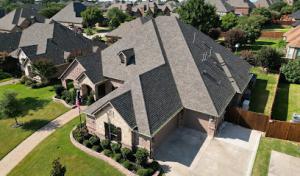
This section speaks to Urbandale homeowners dealing with aftermath of central Iowa hail and wind. The local market favors contractors known for quick response and thorough cleanup, reflecting how often jobs begin after storms and involve active leak concerns. When a roofer answers promptly after a storm and returns calls during a leak scare, that reliability translates to fewer days of exposure and less anxiety for your family. Look for teams that document a planned, shared cleanup approach and that bring a tarp and containment plan for temporary protection.
Re-roofing is more prevalent than niche specialty work in this area, so prioritize firms with solid experience in replacement logistics. Verify that the contractor can schedule the project around typical Urbandale weather windows, coordinate material deliveries with your time frame, and manage debris disposal efficiently. A credible roofer should outline a phased plan, including removal, installation, and final inspection, with clear milestones and a realistic timeline that fits the busy storm season cadence.
Homeowners should expect transparent handling of insurance-related tasks. Ask for a written project scope that matches the adjuster's notes, photos from the roof, and a labeled change-order process. Insist on producer-level references who can speak to how the firm handled the claim, added temporary protection during delays, and followed up after the job to verify leaks are sealed and gutters are cleaned. Locally owned and long-established firms tend to maintain consistent accountability even during volume spikes.
Long-established, family-owned, and locally owned firms have a visible presence in the contractor pool, which matters when accountability is needed after storm-season peaks. Check for a local registry presence, steady referral patterns, and a history of working with nearby suppliers and inspectors. A down-to-earth, locally anchored contractor often means clearer communication, fewer surprise charges, and smoother coordination with municipal inspections when the project reaches that stage.
Start with a same-day or next-day in-person assessment after a hail event, request a written scope and a clear cleanup checklist, and confirm that the firm has a local service area. Ask for three recent Urbandale or nearby projects with direct contact references. Finally, verify the company's ability to stay engaged through the claim process, including documentation, approvals, and follow-up inspections.