
Last updated: Apr 19, 2026
Inland southwest Louisiana brings a unique blend of humidity, pine-tree debris, and hurricane-season wind and rain exposure, even though the city isn't perched on the coast. The risk profile for a roof here centers on wind-driven rain, rapid shifts in weather, and the need for fast, reliable drainage and sealing. A quiet calm between storm cells can turn dangerous in minutes when gusts shove rain under shingles or flashings. The roof you depend on for shelter must be ready to resist both the biting impact of wind and the relentless push of heavy rainfall, not just on the big storms but on the frequent thunderstorms that roll through in spring and early summer.
Thunderstorms and substantial spring rainfall can derail a planned tarp, tear-off, or repair schedule. If a crew hits a window of dry weather and then gets stalled by a sudden downpour, decking can be left exposed for days. Exposed decking invites accelerated moisture migration, deck rot, and accelerated shingle aging-issues that compound once a major system sits in a stalled state during a storm-ready period. Local homes often have mid-range pitch roofs and older underlayment that aren't forgiving if water sits on or beneath them. The practical implication is simple: align roof work with reliable dry spells, and brace for the reality that a weather-driven delay is not just inconvenient but hazardous to long-term roof integrity.
Summer here is hot and humid, and that heat accelerates the aging of shingles and the breakdown of protective layers. The sun's relentless UV exposure softens asphalt shingles, begins to curl edges, and hurts sealant patches, especially after a storm charges through with heavy rainfall and wind. Moisture that lingers after a rain event can seep into microcracks, speeding up blistering and curling. The result is a roof that looks fine from the ground but is structurally vulnerable to the next blast of wind, because aging materials lose their redundancy and resilience over time. In practice, this means you should treat every spring and early summer storm event as a stress test for the roof's surface and flashing-if aging signs are visible, the next storm may reveal broader damage.
Wind can drive rain under edges, through poorly sealed penetrations, and around flashing where valley details meet the ridges. In DeRidder's climate, a modest leak today can become a significant interior problem after a hurricane-season gusts, especially if prior work left gaps or mismatches in sealants. Pay close attention to chimney shrouds, vent stacks, skylights, and exhaust shafts, where a few inches of headwind can turn into gallons of intrusion during a storm. The practical safeguard is proactive bracing: verify flashing continuity, reseal critical seams, and replace weathered sealant before the season ramps up, rather than chasing leaks after the first system rolls through.
If a storm is on the horizon, you want a roof plan that prioritizes secure fastenings, robust underlayment, and continuous edge protection. Inspect for loose shingles, uplift-prone edges, and any gaps where wind-driven rain could gain entry. In the days leading to peak storm activity, coordinate a focused, time-limited maintenance window rather than a spread-out, multi-day tear-off that risks weather interruptions. A durable roof in this climate isn't just about the covering; it's about a complete, weather-ready envelope that anticipates high winds, rapid rain, and the heat-driven vulnerabilities that come with it.
In this part of southwest Louisiana, heavy rain and high humidity surface year after year, and storm-season wind can whip up rain-driven leaks even on roofs that otherwise seem solid. The lack of coastal salt spray doesn't mean the environment is gentle-these conditions push water into seams, fastenings, and flashing in ways that require durable detailing. That means your roofing strategy should emphasize rain resistance and long-term seal integrity, paired with materials that tolerate heat and humidity without warping or shrinking dramatically.
Surrounded by dense pine and hardwoods, your gutters and low-slope drainage paths collect more leaf, twig, and needle debris than a more open landscape might. In DeRidder, valleys and transitions accumulate pine litter that can form blockages, accelerate moisture retention, and invite algae or mold in shaded spots. A roof design and maintenance plan that prioritizes easy debris clearance, robust gutter hardware, and properly pitched drainage will help you avoid water backing up near fascia or into eaves. Think about maintenance access and yearly debris-removal routines as part of the roof system, not afterthoughts.
Replacement timing is usually most predictable during drier, cooler periods. Summer humidity and frequent storms complicate installation quality and scheduling, increasing the risk of weather-driven delays and imperfect sealants during warm, moist months. Planning for a fall or late-spring project window can lead to more reliable installation conditions, steadier crews, and a cleaner, more durable finish as the system cures in more stable air and cooler temperatures. This aligned timing reduces the chance of post-install humidity-induced curing issues or rapid thermal cycling that stresses new materials.
The set of viable roofing choices in this area tends to favor materials that tolerate humid heat and wind-driven rain while offering solid resilience against pine debris intrusion. Look for products with robust wind uplift resistance, good sealing around penetrations, and flashing that remains flexible through seasonal temperature swings. In practice, this means prioritizing fastenings that resist loosening from storm gusts, sealants with proven longevity in high-humidity environments, and a color or coating that helps minimize heat buildup in attic spaces. For steeply pitched roofs or high-slope areas where wind can pry shingles loose, it's smart to pair a weather-tight underlayment with a roof deck that's clean, dry, and well-ventilated to reduce moisture retention within the roof assembly.
Asphalt shingles are common in DeRidder, and their performance hinges on how well granules resist heat aging during long, humid summers. A practical approach is to choose a fiber composition and granule coating designed for hot, moist conditions, then pair that with a staggered installation pattern to reduce wind suction along eaves. Expect accelerated granule loss after several seasons of high humidity and sudden storms; selecting a shingle with better granule retention and reflective properties helps slow heat buildup and surface wear. Regular inspection after the height of hurricane season flags accelerated aging before leaks appear.
Metal roofing is well-suited to the heavy-rain environment because it sheds water quickly and maintains a dry deck when properly installed. The key is in the fastener and flashing details, especially around hips, valleys, and roof-to-wall transitions that endure repeated storm exposure. In this area, ensure overlaps are generous enough to prevent water intrusion during driving rain and that ridge caps seal well against wind-driven rain. A skilled installation that uses corrosion-resistant fasteners and properly sealed seams pays dividends over decades, even with frequent storms.
EPDM and PVC are relevant for low-slope sections and commercial-style roofs common on some homes and outbuildings. Standing water control becomes critical during frequent rain events, so field seams, edge detailing, and perimeter drains must be prioritized. For EPDM, the emphasis is on robust edge flashings and reliable seam bonding; for PVC, look for heat-welded seams and UV-stable compounds that resist sun exposure. In areas where a low-slope adds to wind-driven rain exposure, careful detailing at penetrations and transitions helps maintain a watertight envelope.
In all material choices, prepare for hurricane-season wind and rain by reinforcing key roof-to-wall connections, upgrading underlayment where possible, and ensuring proper attic ventilation to reduce heat buildup that accelerates aging. Debris from pines can abrade surfaces; a clean, well-sealed fascia and effective gutter overflow protection help minimize debris-related leaks. For DeRidder homes, involve local crews who understand the typical storm patterns, pine debris loads, and the importance of flashing continuity across transitions and chimneys. Regular, targeted maintenance after storm events keeps the roof performing when it matters most.
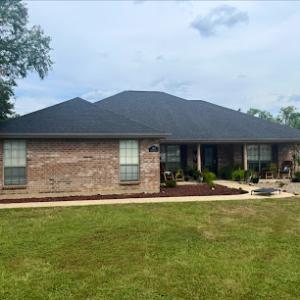
Swla Roofing Pros
(337) 396-3737 swlaroofingllc.com
Serving
4.4 from 7 reviews
SWLA ROOFING PROS is a Commercial Roofing, Sheet Metal, & Siding Contractor licensed in the State of Louisiana. We carry Workers Comp. & General Liability to mitigate our liability, as well as the property owner's liability, should a workplace accident or injury occur. SWLA Roofing Pros offers a variety of RESIDENTIAL roofing and exterior repair services, including roof replacements (shingle & metal), repairs, fascia, soffit, & vinyl siding. On the COMMERCIAL side, SWLA Roofing Pros offers roofing & exterior repair services, including roof replacements consisting of shingles, metal, Standing Seam Metal, TPO, & other flat roof applications. Workmanship Warranty provided on ALL TOTAL roof replacements
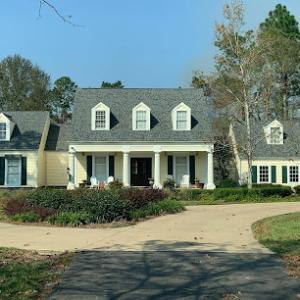
Farris Roofing
(337) 707-0660 farrisroofingla.com
Serving
4.5 from 27 reviews
Farris Roofing is a LICENSED & INSURED ROOFING COMPANY. We service Residential and Commercial Properties. Give us a call today
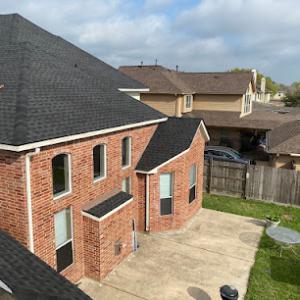
Rainwater & Son's Roofing Contractors
Serving
5.0 from 3 reviews
Rainwater and Son's Roofing Contractors is a leading and reputable Roofing Contractor Company serving the Louisiana and nearby areas. Ever since we opened for business, we’ve taken a comprehensive approach to project management, providing our clients with a wide range of services to cover their needs
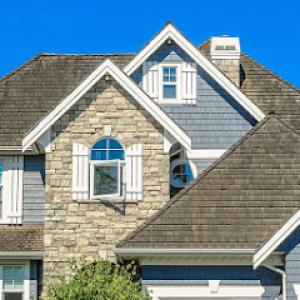
Renew Roofing & Construction
Serving
3.0 from 2 reviews
At ReNew, we are passionate about helping victims of natural disasters rebuild their lives and their homes. We commit to guiding our customers though the insurance process and providing the best quality roofing materials and services available. We go above and beyond to help individuals and families affected by storms by providing temporary shelter, coverings, and even generators while we rebuild their homes. In addition to our own work ethics and practices, we commit 10% of our profits towards helping others around the world who are also need of rebuilding and renewing their lives. Some of the causes we support include (but are not limited to) orphanages in India, the Philippines, and single mothers who lack means of transportation.
In Deridder, storms often drive rain horizontally along the wind side of a roof, testing where flashing meets penetrations, valleys, and wall intersections. If flashing around chimneys, vents, or skylights is aged, loose, or improperly sealed, wind-driven rain can find a path into the attic or under shingles. The consequence isn't always immediate; damp spots inside ceilings can creep forward, and the resulting moisture can accelerate rot in sheathing or encourage mold growth in attic spaces. Pay close attention to any staining along roof lines after a storm and inspect flashing seams for gaps, lifting, or corrosion. Small gaps tend to grow under repeated pressure from wind-driven rain, so a proactive seal or replacement of flashing components can be the difference between a quick fix and a larger, costlier repair later.
Organic debris from nearby pines and oaks is a persistent challenge in this area. When needles and leaves accumulate on the roof and clog valleys, gutters, and downspouts, moisture can linger where it shouldn't. That lingering moisture promotes localized deterioration, especially around joints and under edge detailing. The combined effect of debris buildup and frequent downpours is not just a soggy roof; it creates pressure points that can lift shingles, bend metal edges, or push water toward vulnerable seams. Regular cleaning of debris, timely clearing of gutters, and ensuring downspouts direct water away from the foundation help prevent slow-but-sure damage from these blockages. A clogged gutter system can also back up into eaves, accelerating rot in soffits and fascia if left unchecked.
Heat and humidity shorten the service life of many roofing products here, particularly in attics with limited ventilation. When attic temperatures spike, shingles can deteriorate faster, underlayment can warp, and adhesives can fail sooner than expected. Poor ventilation compounds the issue, leading to condensation that invites mold growth and wood rot in roof decks. In homes with vaulted ceilings or attic spaces that lack adequate intake and exhaust, the risk becomes more pronounced during long, hot Louisiana summers. Addressing ventilation early-by adding or balancing soffit, ridge, or gable vents and ensuring attic baffles are in place-can slow deterioration and reduce the likelihood of heat-related failures.
The weather pattern in this region means minor issues can become major problems quickly after storm season. Prioritize after-storm inspections for signs of lifted shingles, compromised flashing, clogged gutters, and abnormal attic moisture. Regular maintenance-cleaning debris, resealing where needed, and keeping ventilation unobstructed-provides a practical buffer against the combined forces of wind, rain, and humidity. In Deridder, a thoughtful routine can extend roof life and protect interior spaces from wind-driven rain and moisture-driven deterioration.
Drier, cooler months are generally the preferred replacement window in DeRidder because spring and early summer storms can delay work and increase dry-in risk. Mark a replacement plan for late fall through winter when possible, and avoid the peak of hurricane season if you can schedule ahead. Standing water and sudden downpours can push projects off track, so it's best to align the project with several predictable weeks of dry weather rather than chasing a perfect forecast.
Hurricane season is a real factor for scheduling. Homeowners often need to plan around regional storm activity because it can create sudden contractor backlogs and material demand spikes. If a storm warning overlaps your window, expect possible shifts in crew arrival times and supply delivery. Build in a contingency day or two between roofing segments to accommodate unexpected weather delays, especially if you're working with an older roof that needs extra protection before a rain event.
Summer installations in DeRidder require extra attention to weather windows because high heat and humidity can affect crew productivity and project pacing. Heat can shorten daily work blocks and increase the likelihood of heat-related pauses, so plan for a slightly more conservative schedule. Early starts, shaded staging areas, and clear access for material drops help keep the crew on track. If a heat spike coincides with a storm threat, you may choose to pause work rather than push through uncomfortable conditions, which protects both workmanship and materials.
If you are replacing during windowed months, coordinate the start so that the initial dry-in period falls during a stretch of consecutive dry days. A solid dry-in approach means decking, underlayment, and flashing can cure and seal before any potential leaks from a later weather event. Have a realistic back-up plan for a mid-project pause, and discuss with the contractor how they will secure open penetrations and protect interior spaces during heavy rain. In all cases, a strong emphasis on weather monitoring and flexible scheduling will help prevent backtracking and preserve the integrity of the new roof.
Pricing for a roof replacement in DeRidder aligns with inland humidity, pine debris, and hurricane-season exposure. Provided local ranges are Asphalt Shingles 300 to 650 USD per square, Metal 600 to 1100, Clay Tile 800 to 1400, Slate 1000 to 2500, EPDM 4 to 7 USD per square foot, and PVC 5 to 9 USD per square foot. Asphalt remains the common starting point for straightforward jobs; metal and tile offer longer lifespans but higher upfront costs. A typical 1,500-square-foot roof often lands in the lower to mid ranges for simple installs, depending on material choice.
Storm-season demand surges in southwest Louisiana can push DeRidder roofing prices upward when many homeowners seek repairs at once. If hail or heavy rains occur, contractors juggle materials and scheduling, which can nudge pricing higher than typical ranges. Scheduling repairs in late spring or early fall helps stabilize rates.
Costs in DeRidder shift based on debris-heavy tear-offs, roof complexity, and low-slope sections that require EPDM or PVC rather than standard steep-slope materials. Pine debris drives cleanup and disposal costs. Flat or low-slope segments raise the bill for waterproofing membranes, while steeper pitches add wear on ladders, scaffolding, and safety measures.
To build a practical budget, compare lifespans against current prices and plan for storm-season contingencies. Ask for itemized quotes that separate material, labor, tear-off, disposal, and any underlayment upgrades. If the home has mixed slopes, expect a price between the low and high ends of the chosen system. Document material availability during hurricane season, since shortages shift costs quickly.
In DeRidder, plan for debris disposal, permit weather delays, and material availability during hurricane season; having a cushion of 5 to 10 percent helps weather price swings.
A full roof replacement in DeRidder typically requires a permit through the local city or parish building department. This means you don't want to start tossing shingles and calling a crew until the permit is in hand, especially after a hurricane-driven storm season when inspections are tight and deadlines can shift with weather and workload. The department looks for compliance with roofing material type, installation standards, and overall structure health, which helps protect homes from wind-driven rain and debris.
Permit applications generally require contractor license information, property details, and a defined project scope before work proceeds. Have your contractor's license number, company contact, and proof of liability insurance ready. You'll also need a recent plat or parcel number, the exact address, and a description of the scope-roof type, underlayment, fasteners, and any vent or penetrations being modified. In Deridder, crews with local experience often anticipate neighborhood constraints, such as pine debris and inland humidity, which can affect ventilation and drainage plans.
Inspections are performed in stages and final approval is required before the roofing job is considered complete, with processing times varying by department workload. Typical stages include a rough framing/underlayment check, a roof install verification, and a final safety and code-compliance review. Expect to coordinate access for inspectors during the work, and plan for weather-related hold times that can extend timelines. If a concern arises-improper nailing, inadequate underlayment, or ventilation gaps-address it promptly to avoid rechecking delays.
Coordinate your permit submission with your contractor's schedule, especially around peak storm season. Build in buffer time for inspections after big weather events, and keep a designated point of contact at the contractor's office for rapid response if inspectors request adjustments. In this market, staying proactive with paperwork helps keep the project moving while you weather the next round of wind-driven rain.
DeRidder homeowners operate in Louisiana's high-claim insurance environment, where wind and storm losses have increased underwriting scrutiny. That means claim decisions are more data-driven, and a roof's age, condition, and documented history can tilt settlements. When a storm arrives, insurers may push for evidence that damage is acute and not merely aging wear. Understanding this context helps you approach each claim with steadier expectations and a clearer plan for documentation and assessment.
Some insurers have reduced coverage availability or exited parts of the Louisiana market, which can affect roof-age acceptability, deductibles, and replacement decisions in DeRidder. These shifts often show up after major hurricane seasons or spikes in weather events, and they can influence whether a roof is deemed salvageable or needs full replacement. Recognize that a seemingly minor wind-driven leak after a heavy rain may trigger a larger review of materials, installation quality, and the roof's residual value in a future policy renewal.
Homeowners should document roof condition before and after storms with photos, dates, and contractor findings because claim handling in Louisiana often depends on clear damage records. A routine photo log captured over time creates a concrete baseline, while post-storm imagery helps distinguish new damage from preexisting conditions. Include notes from a qualified roofer on any observed issues such as fastener loosening, shingle curling, or flashing gaps. This documentation becomes a trusted narrative when an adjuster reviews the claim weeks later, reducing the chances of disputes that stall repairs.
Keep a dated notebook or digital record of all communications with insurers and adjusters. After a storm, initiate a professional roof inspection promptly to identify potential hail or wind-induced damage that could be overlooked by a casual look. If a contractor finds issues beyond a simple leak, request a written report detailing the findings and recommended remedies. With hurricane-season exposure and inland humidity shaping wear patterns, early, precise documentation helps you navigate the insurance process more confidently.