
Last updated: Apr 19, 2026
In the spring and early summer, the skies over Anoka County can turn harsh fast, and Andover bears the brunt of hail and wind events that swing from calm to severe with little warning. Those storms create sudden surges in roofing demand, and scheduling can drift across the metro-season as crews chase damaged roofs from Champlin to Blaine and beyond. When hail pings off your shingles and wind rips at eaves, the clock starts ticking on potential secondary damage: granule loss, compromised underlayment, and accelerated aging of vents and flashing. The faster you respond, the better your odds of a smooth claim and a longer-lasting repair, because waiting can let minor problems metastasize into bigger, costlier issues that complicate approvals and leaks later in the season.
Minnesota insurers commonly require photo documentation of damage, records of pre-existing conditions, and may send independent adjusters before approving full roof scope. That means, as soon as you suspect damage, you should photograph every affected area-shingles with curling edges, dented gutters, worn flashing, and interior signs of moisture around ceilings or attic insulation. Take wide shots to show the roof's overall condition and close-ups to capture hail hits and wind-driven damage. Keep a dated log of when you first noticed issues, when storms occurred, and any intermediate weather that may have influenced damage progression. If you have prior roof records or maintenance notes, gather them; insurers often compare pre-existing conditions to the post-storm state to separate hail-driven deterioration from normal wear.
Independent adjusters are not adversaries, but they arrive with a narrow focus. Expect a walk-around with the contractor's recommended scope in mind and be prepared to push for a thorough assessment of the attic ventilation, structural integrity, and roof deck condition. In Andover, where the climate exposes roofs to long winters and rough storms, the inspector will closely evaluate ventilation and attic insulation as part of the overall replacement decision. Present your documentation clearly: a dated photo chain, labeled problem areas, and a narrative that ties storm events to current failures. This level of clarity reduces back-and-forth, speeds up approvals, and minimizes the chance of partial or delayed replacements.
Because local contractor signals heavily cluster around storm damage and insurance claims, homeowners in Andover are especially likely to encounter claim-assisted roof replacement rather than purely age-based replacement. The claim-driven path can feel urgent, because contractors know the insurance timelines and inspection windows. That urgency can help you seal a fixed project plan quickly, but it also means you should enter conversations with a prepared, objective scope of work. Align expectations with your contractor on key elements: deck and underlayment evaluation, ventilation improvements, flashing integrity, and the potential need for temporary protection against weather while approvals are in process. Insurers may ask for a formal estimate and a clearly defined scope; having a trusted local roofer who understands how Andover's storm patterns interact with home design can translate your damage into a cohesive plan that satisfies adjusters and aligns with city-verified safety standards.
If a recent hail or high-wind event touched your area, start with a careful exterior survey the day after the storm. Photograph every prominent impact point, then schedule a licensed local roofer to perform a thorough, no-pressure inspection within 24 to 72 hours if conditions permit. Request that your contractor provide a written, storm-informed assessment that explicitly addresses roof deck condition, underlayment status, ventilation improvements, and flashing reliability. Prepare to share your storm date log and any prior roof notes with the insurer and adjuster, and ensure your contractor can corroborate findings with measured measurements and close-up images. As the claim process unfolds, maintain organized records of all communications, agreed-upon scope changes, and any weather-related delays that affect job timing. In the end, a well-documented, clearly scoped replacement not only protects your home from leaks but also helps align the process with both insurer expectations and local safety standards, reducing the risk of repeat damage during the next storm season.
Find local contractors experienced in assessing and restoring roofs after hail, wind, and severe weather events.
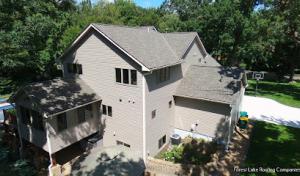
Born Carpentry
(612) 747-8003 borncarpentry.com
135 177th Ave NW, Andover, Minnesota
5.0 from 74 reviews

Patriot Homes
(763) 957-2066 www.patriothomesmn.com
3149 162nd Ln NW #100, Andover, Minnesota
4.9 from 138 reviews
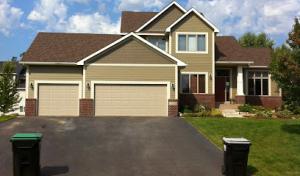
Peak Xteriors
(763) 757-0060 peakxteriors.com
14939 Raven St NW, Andover, Minnesota
4.9 from 34 reviews
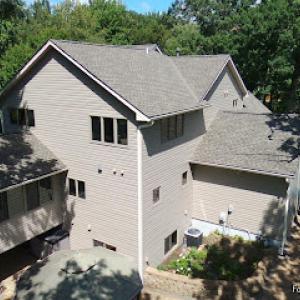
Born Carpentry
(612) 747-8003 borncarpentry.com
135 177th Ave NW, Andover, Minnesota
5.0 from 74 reviews
Born Carpentry is a trusted roofing contractor in Andover, MN, specializing in installation, replacement, and repair of roofing, windows, gutters, and siding for residential and commercial properties. With over 40 years of experience, our licensed team delivers exceptional craftsmanship and personalized service. We also handle storm damage restoration, insurance claims, and offer free property inspections. From quality roofing to durable siding, we prioritize your satisfaction and provide a 10-year workmanship warranty. Choose Born Carpentry for reliable, professional, and affordable exterior services in Andover and surrounding areas. Call today!

Patriot Homes
(763) 957-2066 www.patriothomesmn.com
3149 162nd Ln NW #100, Andover, Minnesota
4.9 from 138 reviews
Patriot Homes is the leading roof and siding replacement contractor in Minnesota. Skilled craftsmanship and 100% customer satisfaction. That’s the Patriot Homes promise to you! At Patriot Homes, our dedicated team of Project Managers and experienced craftsmen strive to maintain our reputation for honesty, fair pricing, and quality craftsmanship. Simply put, from your home or business’s roof to its foundation–top to bottom–Patriot Homes is the right team for your roofing and home exterior projects.
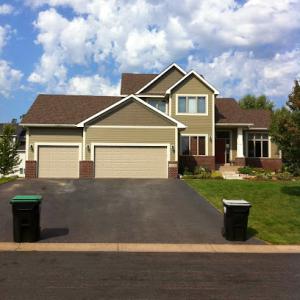
Peak Xteriors
(763) 757-0060 peakxteriors.com
14939 Raven St NW, Andover, Minnesota
4.9 from 34 reviews
*Licensed Roofing & Siding Contractor *Exterior & Storm Damage Services Locally owned and operated general contractors for over 30 years, the team at Peak Xteriors has provided Storm Damage Restoration including roofing, siding, gutters and windows. Whether it is storm damage or normal wear and tear, we will restore your home with quaiity work at an affordable price
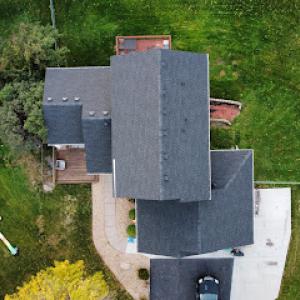
Meschke Construction
(763) 754-2777 www.meschkeconstruction.com
3095 162nd Ln NW, Andover, Minnesota
4.9 from 24 reviews
We specialize in Roofing, Siding, Gutters, and Insurance Restoration. License #BC151852

Ralph's Exteriors
(612) 280-2034 ralphs-exteriors.com
17850 Gladiola St NW, Andover, Minnesota
5.0 from 5 reviews
Family-run and Native-owned, Ralph’s Exteriors has proudly served residential and commercial clients across Minnesota since 1989. Backed by over 35 years of experience, our team delivers trusted expertise in roofing, flat roofing, siding, windows, doors, gutters, and metal roofing solutions
Aspen Exteriors
(763) 220-7663 aspenexteriors.com
Serving
4.7 from 252 reviews
Aspen Exteriors is one of the largest and most reputable storm damage restoration companies in the country. We specialize in roofing and storm damage restoration. Aspen is a company devoted to exceeding expectations!
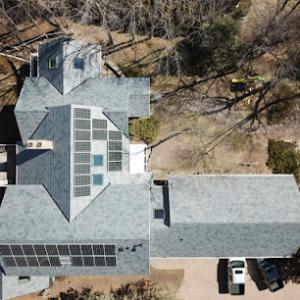
Pro24 Contracting
(612) 235-8696 www.pro24contracting.com
Serving
4.9 from 95 reviews
Pro24 Contracting was established to enrich and serve homeowners through a high level of standards and ethics that are unmatched. We are a locally owned, staffed and specialized Exterior Home Remodeling Contractor. We apologize, but our team completely lacks shadiness & dishonesty. We only know to provide you with transparency, and a professional relationship of relatability and understanding. Did we mention that we also help with your Storm Damage Insurance Claim? Oh yea, that! We help guide you to ensure your claim is properly assessed and approved for what you are rightfully owed. That way you can afford top quality craftsmanship to your Roof, Siding, Windows & Gutters, something that Pro24 Contracting knows a little bit about ;)
Refuge Roofing & Siding
(651) 776-7663 refugeroofing.com
Serving
4.9 from 85 reviews
Refuge Roofing & Siding provides Roofing, Roof Repair, Roof Replacement, Roof Damage, and Hail Damage repair to the Anoka County & surrounding, Minnesota area.

Wild Construction
(763) 292-9453 wildconstructionmn.com
Serving
4.8 from 110 reviews
Wild Construction is temporarily closed to new projects while we complete existing contracted work. We appreciate your patience and support.
Archway Contracting
(612) 558-6367 archwaycontracting.com
Serving
4.9 from 325 reviews
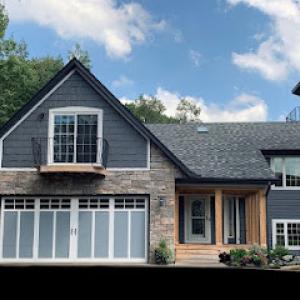
Archway Contracting is a trusted roofing and exterior remodeling company serving residential, commercial, and multi-family properties across the Twin Cities. Locally owned and family-operated since 2009, we specialize in roof replacement, siding installation, window replacement, gutter systems, and storm damage restoration. From small homes to large commercial buildings and multi-family complexes, our licensed, experienced team delivers top-quality craftsmanship, responsive service, and honest communication. When you need reliable exterior contractors, Archway is the team you can count on.
Paskar Construction
(763) 233-1124 www.paskarconstruction.com
Serving
4.9 from 174 reviews
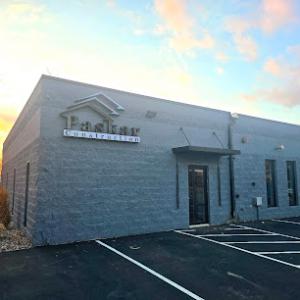
Roofing, Siding and Windows
Roof Panels Plus
(612) 355-8121 roofpanelsplusmn.hibuwebsites.com
Serving
5.0 from 29 reviews
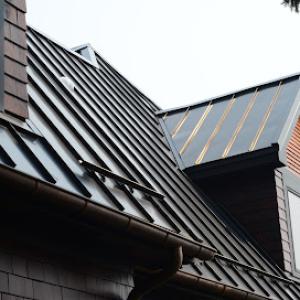
Roof Panels Plus provides standing-seam metal roofing, custom roof accents, metal siding, and custom sheet metal fabrication to the 11 County Metro area of Minnesota.
Andover's long winter conditions and snowpack can halt full roofing work, making temporary tarping and leak control more important than immediate replacement during cold stretches. When a breach appears after a hail or wind event, the first priority is stopping interior water intrusion while temperatures stay low. A secure tarp, weighted edges, and quick sealant at exposed penetrations reduce rapid interior damage as crews wait for milder weather. Protecting ceilings, insulation, and walls isn't cosmetic-it's the difference between a manageable repair and escalating structural concerns once melt pressure begins.
Snow and ice complicate access and safety, so stabilization needs to be deliberate and swift. Clear the surrounding area of loose debris and fallen branches, then install a sturdy, wind-resistant tarp over the damaged section, ensuring edges are anchored to solid structure with appropriate fasteners. Seal any visible gaps with weather-resistant tape or sealant rated for exterior use, paying special attention to valleys, vents, and chimneys where water may channel inside. If you notice active dripping, place buckets or plastic sheeting beneath the bulk of the leak to limit staining and protect attic spaces. Do not attempt full shingle replacement in subfreezing conditions; instead, focus on containment and short-term mitigation to buy time until temperatures rise enough for safer, full-repair work.
Inspection timing can also be affected by winter weather, so emergency stabilization often bridges the gap until the city can complete final review conditions. Schedule a provisional assessment as soon as the roof shows signs of failure-more than a cosmetic issue, a compromised roof deck or compromised ventilation can accelerate damage through freeze-thaw cycles. Document the breach with clear photos and notes, including dates of ice buildup, water entry points, and any attic staining. This documentation will be essential when weather allows the final inspection to proceed and for tracking progress with mitigation steps already taken.
Rapid seasonal temperature swings in Minnesota increase the chance that a small storm breach becomes an active interior leak during freeze-thaw periods. Plan for a staged approach: stabilize now, pause for a safe weather window, then proceed with targeted repairs that restore deck integrity and ventilation while minimizing further exposure. If interior water affects insulation, address it promptly to prevent mold growth and further energy loss. Keep communication clear with your contractor about temporary measures, anticipated thaw periods, and a concrete timeline for when full re-roofing can safely resume, ensuring that interim fixes align with the tighter inspection criteria typical of Andover's seasonal limits.
When you can't wait, these contractors offer fast response times to stop leaks and prevent further damage.
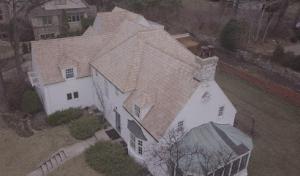
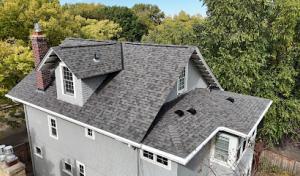
Asphalt shingles sit as the practical backbone of most reroofs in this area. They fit the typical housing stock, ride the local budget, and pair well with the standard roof pitch found on many homes. In Andover, hail and thermal cycling drive wear patterns, so emphasis should be on reinforcing the shingle layer and ensuring the underlayment and ventilation hold up under repeated freeze-thaw cycles. When evaluating shingles, look for CT-rated or impact-resistant options, but keep in mind that durability is as much about the overall roof system as the top layer. A solid attic ventilation strategy helps curb ice dam risk and reduces heat buildup that accelerates granule loss on aging shingles.
Metal roofing has a meaningful local specialty presence and is often evaluated for snow shedding, durability, and storm resistance compared with standard shingles. If choosing metal, pay attention to panel profiles and fastener materials that handle freeze-thaw without compromising seals. Snow management becomes a real factor in this climate, so the roof's ridge and eave detailing should support controlled snow sliding and prevent sheet creep at the overhangs. Metal skins with proper coatings resist hail impact better than some composites, but the installation quality matters just as much as the material itself. In colder months, a precise seal around penetrations and through-wall transitions helps prevent ice formation at eaves.
Clay tile and slate appear in the cost data but have very limited contractor specialization locally, which matters in Andover because specialty installation and repair capacity is much thinner than for asphalt or metal. If considering clay tile or slate, expect longer timelines for skilled crews and a higher likelihood of needing a boutique warranty post-install. Structural assessment becomes critical, since these materials can add substantial weight. If a home already uses one of these materials, ensure that the existing roof deck has the appropriate support and that a qualified installer can address potential cracking and long-term performance under freeze-thaw stress. For most homes, asphalt or metal remains the steadier choice, with careful attention to attic ventilation, water shedding at eaves, and proper flashing at roof penetrations.
Storm-season demand after hail and wind events can tighten contractor schedules and labor availability, which is a major local driver of pricing and project timing. When a hail event hits, you'll likely see a rush of inquiries in the same neighborhood, and crews may triage jobs that maximize efficiency or travel routes. That means even if the board says a certain material is affordable, the actual install window could slide by a few days or weeks as crews sort material delivery and staging in the same area. Plan for a longer decision window right after a hail event and expect some variability in crew availability.
Provided local cost ranges run from 350 to 650 USD per square for asphalt shingles, 700 to 1100 for metal, 1000 to 1700 for clay tile, 500 to 900 for wood shingles or shakes, 550 to 900 for synthetic or composite, and 1100 to 1900 for slate. Those bands reflect both material costs and the way local shops price labor when demand is elevated. In practice, a contractor will quote a range rather than one fixed price during a busy window, and change orders may occur if wind-damaged sheathing or ventilation adjustments are needed. Use these ranges to establish a realistic budget and to compare bids with a clear sense of where price flexibility sits.
In Andover, full reroofs typically require a more involved scheduling window because of the structural and ventilation considerations tied to a complete tear-off. Winter shutdowns or freezing fall nights can introduce idle time and labor inefficiencies if crews must pause for cold-weather operations or material handling in tight driveways. When storm damage is confirmed, ask contractors for a phased timeline that accounts for material delivery, tear-off, underlayment, and shingle installation sequences. Confirm a single point of contact for progress updates so you can adjust expectations quickly if weather or access issues arise.
Access constraints in older neighborhoods and multi-story homes can push staging costs upward, especially on the busiest days after a hail event. If a crew needs to mobilize additional dumpsters, tarps, or temporary access control to protect landscaping, those line items show up in the bid as incremental costs. Plan for potential staging days alongside the main installation window, and ask for a line-item breakdown to distinguish material, labor, and staging charges. This clarity helps prevent sticker shock when the invoice arrives.
Get a clear picture of your project costs upfront - no commitment required.

Diamond Roofing, Remodeling & Roof Cleaning
(763) 421-7950 diamondconstructionmn.com
Serving
4.9 from 24 reviews
A full re-roof in Andover generally requires a permit through the city's Building Department. The city handles both permit issuance and inspection scheduling, so your project will align with the local review cadence rather than a private third party. The final inspection is used to confirm structural compliance and proper ventilation after the project is complete. Understanding this flow helps avoid last-minute surprises when a storm repair stretches into late fall or winter. Plan review and permit processing in Andover can take a couple of weeks depending on department workload, which homeowners should factor into storm-season replacement planning. Keeping a clear line of communication with the Building Department early, and sharing any relevant storm damage documentation, helps move things along more predictably.
Once the permit is opened, expect the Building Department to coordinate the sequence of inspections, including a rough-in phase if changes to structural sheathing or roof framing are involved. The final inspection focuses on confirming that the roof structure meets code requirements and that ventilation provisions-such as ridge, soffit, and eave vents-are correctly installed and unobstructed. Weather can influence scheduling, especially after hail events, when contractors are busy and the city's inspector roster is stretched. You should anticipate potential pauses for weather or material deliveries, and plan around local storm patterns that bring long snow seasons and rapid wind shifts. If your project includes ventilation upgrades or attic insulation improvements, having the air sealing and venting plan ready for the final review helps avoid re-inspection delays.
Prepare a complete permit packet: a signed project scope, contractor license details, and any structural or ventilation plans. Include documentation of storm damage if applicable, such as photos and a narrative describing damaged sheathing or fastener concerns, since this can help the city assess the scope of work quickly. Have your contractor provide a clear sequence of work and a timeline that reflects the two-week processing window plus typical weather-related contingencies. Keep the Building Department informed about progress, especially if materials shipments are delayed or if subcontractor changes occur. On the day of the final inspection, ensure access to all publicly visible roof surfaces, attic spaces, and ventilation components, and confirm that any required ventilation upgrades are installed per code. A well-documented permit file speeds up the final review and reduces the chance of a come-back inspection.
Delays often happen when plan review is incomplete or when the final inspection is scheduled before all structural and ventilation work is finished. Do not proceed with tearing off or re-roofing beyond what the permit authorizes without an approved amendment. Inadequate ventilation or blocked intakes can trigger failed inspections and mandatory rework. Remember that the city's process is not just paperwork; it verifies that the roof system will perform safely in Andover's wind-prone patterns and heavy snow loads. If storm season brings backlogs, maintain ongoing communication with both your contractor and the Building Department so any issues are resolved promptly and the inspection window can be kept on track.
In this storm-prone area, insurers will push for precise storm dates and clear photo evidence to distinguish new damage from pre-existing issues. Minnesota's high-claim hail and wind environment means adjusters often look for a link between the event and the roof failure, and they may question damage that looks gradual or inconsistent with the reported hail episode. If the timeline doesn't line up, you risk delays or partial denials. Keep a careful record of when the hail or wind hit, and preserve photos from multiple angles taken soon after the event.
Some carriers in this market set stricter wind- and hail-resistance expectations or offer credits tied to mitigation work. These credits can influence what gets recommended or approved for replacement. For Andover homeowners, this means being prepared to discuss how the chosen roof system meets local wind and hail resilience, and to demonstrate that the selected materials align with insurer-required performance benchmarks. Avoid assuming a preferred material will automatically satisfy every carrier's criteria; be ready with defensible choices that reflect both climate realities and policy expectations.
Because adjuster visits are common after larger storm events, you benefit from documenting elevations, soft-metal impacts, interior leaks, and the roof's prior condition before any temporary repairs begin. Elevation measurements help verify the extent of damage, while detailing soft-metal dents or leaks can support a timely claim. Capture interior signs of moisture and any pre-existing issues, and keep copies of all correspondence. Clear, organized records reduce back-and-forth and support a smoother path to an appropriate settlement.
Connect with contractors who help homeowners navigate the claims process from damage assessment to final approval.
Born Carpentry
(612) 747-8003 borncarpentry.com
135 177th Ave NW, Andover, Minnesota
5.0 from 74 reviews
Patriot Homes
(763) 957-2066 www.patriothomesmn.com
3149 162nd Ln NW #100, Andover, Minnesota
4.9 from 138 reviews
Peak Xteriors
(763) 757-0060 peakxteriors.com
14939 Raven St NW, Andover, Minnesota
4.9 from 34 reviews
In Andover's freeze-thaw climate, roof penetrations such as skylights and chimneys are common places where flashing weaknesses show up first during seasonal temperature swings. Look for small drips along the flashing seams, staining around the interior corner adapters, or users reporting frost on the glazing edge after a cold snap. If the edge of a skylight frame feels loose or shows visible shifting after heavy wind or snow, that's a reliable signal to inspect the surrounding flashing rather than chase a wider roof issue. Chimney flashing that scallops or lifts at the base is another frequent trouble spot, especially where mortar joints are older or have settled.
Local contractors in this market often have solid skylight experience, but diagnostic technology is not universally adopted. Prioritize teams with proven flashing repair experience over those pushing gadget-heavy solutions. A straightforward approach-careful inspection of nail-fin interfaces, step-flashing continuity, and vertical chimney kick-out details-usually yields durable fixes. If a contractor leans heavily on wind-up scanners or roof-mounted cameras without addressing the flashing at penetrations, push for a more traditional, hands-on assessment first.
Begin with a careful interior and exterior walk-around during dry conditions, then recheck after a warm rain or a thaw. Inside, trace leaks to their highest point; leaks often travel with gravity and appear several feet below the actual entry. Outside, remove some exterior sealant from a non-critical flashing seam to assess whether flashing has detached or only needs resealing. For skylights, ensure the curb or boot is properly seated, with flashing integrated and secured to the roof deck. For chimneys, verify that step-flashing is continuous, the counter-flashing is intact, and there's no cul-de-sac buildup of debris at the joints. Prioritize fixes that restore a continuous, watertight seal around each penetration before addressing the broader roof field.
Find contractors experienced in skylight installation, flashing, and leak repairs to bring natural light into your home.
Peak Xteriors
(763) 757-0060 peakxteriors.com
14939 Raven St NW, Andover, Minnesota
4.9 from 34 reviews
Meschke Construction
(763) 754-2777 www.meschkeconstruction.com
3095 162nd Ln NW, Andover, Minnesota
4.9 from 24 reviews
After a hail- or wind-driven reroof, the warranty you receive can hinge on whether the installation details and ventilation pass the final city inspection. In practice, many local homes see quality coverage shrink if net ventilation changes or structural details aren't aligned with the inspector's expectations. The result can be a longer-term headache when a warranty claim is filed years later, especially if the roof has seen additional weather stress in the snow season. You want to be confident that the replacement system breathes properly and that every fastener, underlayment step, and drip edge meets the standards the city will check.
Only a modest share of local contractors signal warranty offerings, so you should verify what is manufacturer-backed versus workmanship-only before signing. Manufacturer-backed coverage travels with the product and tends to survive contractor changes, but it can rely on exact installation practices and ventilation. Workmanship-only warranties can be more vulnerable to voiding if any installation detail is disputed or if future hail events reveal a latent flaw. In the Andover climate, where the long snow season adds load and moisture considerations, the distinction becomes especially meaningful when a storm-replaced roof endures further winter cycles.
This is especially relevant after insurance-funded reroofs in Andover, where homeowners may focus on claim approval and overlook post-installation coverage terms. In practice, remaining questions often include whether the insurer requires specific attic venting or airflow calculations, and whether the roofing contractor documents these details for the warranty provider. A careful review should confirm that the final inspection alignment, ventilation adequacy, and installation timing are satisfied to preserve the intended warranty coverages. If gaps are found, address them promptly with the contractor and request written confirmation that all warranty conditions tied to city-final approval are met.
Winter snowpack in Andover can stop active roofing and delay inspections, making late-winter replacement planning less reliable than emergency stabilization. If a storm leaves a thick layer of snow on the roof, plan for temporary measures to prevent further damage and to protect interior spaces. When the melt begins, be ready to coordinate rapid access for inspectors and crews, as thaw cycles can create sudden shifts in the work window and safety considerations change with rooftop ice and damp conditions.
Spring and early summer are the most volatile scheduling periods because hail and wind losses increase demand across the local contractor base. Expect shorter notice windows and a tighter sequence for obtaining lead-time, material delivery, and crew availability. If a loss occurs in late spring, prioritize documentation and communication with your insurer and contractor so the project can move as soon as conditions permit. Storm activity can push tasks into weekends or extend timelines beyond a typical workweek.
Fall in Andover can still be productive for reroofing, but freezing nights narrow installation windows and can complicate completion timing before winter. Warm daytime temperatures help, yet you must account for nightly temperature swings that affect asphalt shingles and underlayment performance. When the forecast shows a steady stretch of cool nights, consider preplanning for venting, ventilation checks, and ensuring attic airflow meets seasonal needs to avoid delays caused by weather-induced workmanship constraints.
Effective scheduling hinges on early damage assessment and a clear sequence of steps: secure stabilizing measures, document damage, obtain approvals, and align with a trusted local crew that understands the city's typical storm patterns. Build a realistic timeline that accommodates weather interruptions, inspection lead times, and potential rescheduling due to severe weather. Having flexibility built into the plan helps keep the project on track through Andover's distinctive seasonal rhythms.
Andover's contractor landscape is heavily weighted toward re-roofing and quick-response service, so homeowners should expect many firms to market storm restoration first. In practice, this means you'll encounter several crews that promise rapid mobilization, sometimes with short-notice timelines. The goal is to get you covered and back on your roof fast, but speed should not come at the expense of solid workmanship, proper ventilation, and a clear restoration plan.
Look for contractors who can demonstrate a track record with storm-damaged homes, including documented prior replacements after hail or wind events. Ask for recent job sites you can visit or photos of comparable neighborhoods, and verify whether they primarily do full tear-offs or are more comfortable with partial repairs. In Andover, a balance between responsiveness and proof of long-term reliability is common; favor firms that can show both quick scheduling and a credible, stable business presence.
Storm work in this market often hinges on detailed documentation: hail maps, wind-event notices, roof condition reports, and clear photos of damage. The right contractor will provide a written scope that matches the damage assessment, plus a transparent sequence for temporary protection, removal, replacement, and ventilation checks. Ensure you receive a laminated, itemized checklist you can share with your insurer and your inspector.
Cleanup is a strong local hiring priority in Andover, which matters in neighborhoods where full tear-offs are common after storm-driven replacements. Confirm that the contract specifies daily cleanup, debris containment, and a final cleanup walk-through. A reputable roofer will treat your yard and landscaping with care, minimize disruption, and restore any disturbed areas promptly.
Long-established, family-owned, and locally owned signals all appear in the market, suggesting Andover homeowners often balance responsiveness with proof that the contractor will still be around for follow-up issues. Ask for references from nearby homes and confirm the company's current local operating status, service area reach, and a clear plan for post-installation warranty support.
Flat and low-slope roofing exists in Andover but remains secondary to pitched residential reroofing. In practice, most homeowners encounter low-slope work on additions, porches, garages, or select commercial structures rather than the core home reroofing projects. This means the pool of local crew experience often skews toward steep-slope work, while capable specialists for low-slope detailing may be narrower. When planning a project, verify that the contractor routinely handles mixed-slope jobs and can bring a dedicated low-slope crew for precise edge detailing, penetrations, and drainage transitions.
Andover's storm pattern, with hail and gusty winds, creates a burst of activity after events. Low-slope components may reveal leaks or edge flashing issues sooner than you expect, especially around additions or detached structures. After a hail or wind event, address low-slope sections quickly to document any damage before weather shifts again. Have the contractor perform a thorough dry-in assessment for flat roofs, focusing on transitions from shingles to low-slope areas, cap flashing around rooftop penetrations, and the condition of edge drains or scuppers. Early attention helps prevent hidden water intrusion from turning into interior damage during long Minnesota winters.
Effective insurance-driven replacements hinge on solid documentation. For mixed roofs, capture high-resolution photos of all low-slope areas: flashing seams, edging, cap joints, parapets, and any signs of ponding or membrane wear. Create a simple_before_and_after_ log with dates, observed defects, and notes on weather conditions at the time of damage. In Andover, where snow loads and freeze-thaw cycles stress transitions, keep a record of snow-related melt issues near flat sections. Clear, timestamped visuals paired with contractor notes strengthen a claim and help the adjuster understand the full scope of low-slope repairs.
If the home features mixed slopes, insist on a single project plan that names both steep-slope replacement and low-slope detailing. The crew should coordinate: upper roof replacement, drip edge adjustments, substrate prep for any membrane, drainage transitions, and termination into steep-slope systems where needed. In practice, a well-coordinated team avoids gaps between roof types, reduces the risk of leaks at transitions, and streamlines the inspection process after work is complete. Ensure the contract includes a clear sequence, quality checks, and a dedicated supervisor for the low-slope portions.
Low-slope areas in Andover face unique stresses from snow buildup and freeze-thaw cycles. Favor materials rated for moisture resistance and compatible with adjacent pitched roofing to minimize differential movement. Ask about edge detailing, boot and pipe-vent detailing, and thermal expansion considerations that help maintain a watertight envelope across seasons. A thoughtful mixed-slope strategy supports durability while aligning with the local climate and housing stock.
Find specialists in TPO, EPDM, and built-up flat roofing systems for residential and commercial properties.
Peak Xteriors
(763) 757-0060 peakxteriors.com
14939 Raven St NW, Andover, Minnesota
4.9 from 34 reviews

Ralph's Exteriors
(612) 280-2034 ralphs-exteriors.com
17850 Gladiola St NW, Andover, Minnesota
5.0 from 5 reviews
Andover faces a distinctive storm pattern that buckets hail and strong winds across Anoka County, with a long snow season that tests roofs year after year. The timing of a replacement is rarely a simple age question; it often hinges on when storm damage becomes obvious, when the insurer begins the claim, and when the weather window finally opens long enough to do a safe, thorough reroof. Local roofs endure repeated freeze-thaw cycles that can push minor leaks into bigger issues during thaw periods, so a careful assessment right after a hail event matters. Your neighbors commonly see a spike in activity after a big storm, but a quick call to a trusted roofer that can document damage and present a clear, line-itemed plan helps avoid delays at the worst possible moment.
In this market, the path to replacement is shaped by how insurers review damage, approve scopes, and schedule adjusters. Andover homeowners often find that bids vary not just on material choices but on how well each contractor communicates hail extent, ventilation status, and the structural integrity of the roof deck. Documentation matters: photos that capture wind-lift, granule loss, and compromised underlayment, paired with a championed timeline of weather delays and inspection readiness, can streamline approvals. Because the storm-claim volume is unusually high here, having a prepared, professional assessment reduces back-and-forth and helps the insurer move toward a timely replacement.
The local market leans toward storm restoration and emergency response rather than premium, niche materials. When you gather bids, expect most contractors to emphasize solid insulation, airflow, and deck integrity over exotic features. Compare not just the headline material, but the full package: roof ventilation adequacy, clearance for attic temperature control, and how each bid handles potential weather windows and scheduling with city inspection teams. In Andover, a well-structured bid that aligns with insurer timing and inspection slots tends to deliver the most predictable outcome.