
Last updated: Apr 19, 2026
Contractor demand in this area is strongly concentrated around storm damage and insurance claims, with those specialties appearing far more often than niche roof types in the local market. That means when hail dings, wind lifts, or ice dam issues surface, the best crews disappear into a flood of urgent jobs. If your roof shows any storm-related signs, you'll feel the backlog in scheduling, material lead times, and the back-and-forth with insurers. Plan as if your project will ride the same seasonal waves as your neighbors.
Fall hail and high-wind events create local scheduling bottlenecks that can push your project toward the tail end of the busy season. Winter snow and ice make temporary protection and repair timing more difficult, and spring thaw brings meltwater, lingering moisture, and shifting temperatures that complicate both assessment and installation. The window to complete a full re-roof before winter is narrow, and the risk of delays climbs as temperatures drop and crews shift to priority storm work. If you suspect damage, act quickly to remove doubt from the process and protect your interior from weather exposure.
Minnesota claim handling commonly requires photo documentation, a clear scope of work, and attention to roof age, depreciation, and possible separate wind or hail deductibles. Gather evidence while damage is fresh: wide-angle photos of the entire roof, close-ups of shingles, flashing, and vents, and any interior signs of leaks. A precise scope of work helps avoid disputes later; vague requests from adjusters tend to stall progress and invite a second round of documentation. Be prepared to explain whether damage is isolated or widespread, and note any prior repairs that could influence the claim.
Start with a rapid damage check after any hail event, strong wind, or heavy snowfall. If you see lifted shingles, granule loss, curling edges, or water staining on ceilings, don't hesitate to contact a local roofer who specializes in storm claims. Request a storm-focused inspection that can translate your observations into a documented claim package. When you speak with your insurer, present a clear scope of work that reflects current roof condition, expected life, and the potential for separate wind or hail deductibles. Make temporary protective measures a priority-tarps or boards on exposed areas can prevent interior damage during the claim review and before work can start. Finally, secure a reliable staging timeline with a contractor who understands Maple Grove's seasonal bottlenecks and will communicate proactively about weather-related delays and plan adjustments.
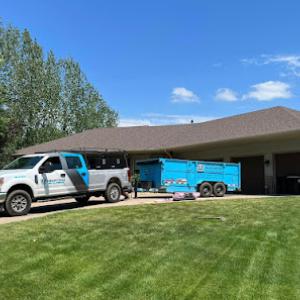
Keystone Builders & Exteriors
(612) 509-9000 keystonebuilders.com
11670 Fountains Dr Suite 200, Maple Grove, Minnesota
5.0 from 358 reviews
Keystone Builders is a roofing contractor in Maple Grove, MN servicing Minneapolis, Plymouth, Wayzata, and nearby areas. Our roofing company takes pride in offering quality and restoration services. We are large enough to handle any size project, yet small enough to offer an unmatched level of customer service. We are not satisfied until you are. We strive to go the extra mile, treating our smallest projects with the same level of importance and attention to detail as our largest ones. For more information or for a free project consultation, please give your reliable Minneapolis roofing company a call today.

Presidential Construction
(651) 766-3464 presidentialconstructioninc.com
6885 Sycamore Ln N Suite #220, Maple Grove, Minnesota
5.0 from 357 reviews
Presidential is a trusted local contractor specializing in roofing, siding, windows, exterior remodeling, and insurance restoration throughout Minnesota. Based in the Twin Cities, we deliver expert craftsmanship, honest service, and long-lasting results tailored to withstand harsh Midwest weather. From exterior remodeling to storm damage repairs, our licensed and insured team works closely with homeowners to restore and enhance curb appeal. With deep local roots and a strong reputation for quality, Presidential is your go-to source for reliable, high-value exterior home improvements. Experience the Presidential difference today.
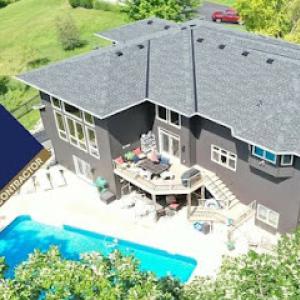
Turnkey Restoration
(612) 405-8876 turnkeyrestorationmn.com
10550 County Rd 81 Ste 212, Maple Grove, Minnesota
4.9 from 236 reviews
Locally owned and operated with over 25 years of experience, we the premier choice for your roofing and storm damage restoration. Our family run business is dedicated to making sure your exterior damage is repaired or replaced with a stress-free process. We are also very proficient with the insurance claim process and can bring peace & clarity to your chaotic situation. Get back to normal life quickly and call us today for your free inspection!
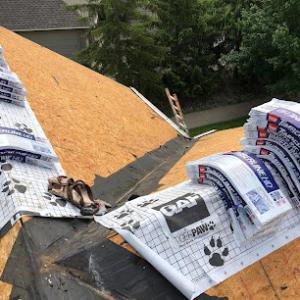
Roofers of Minnesota Company
(612) 662-6226 roofersofminnesota.com
18349 70th Ave N, Maple Grove, Minnesota
5.0 from 77 reviews
Roofers of Minnesota Company in Maple Grove, MN provides expert roof replacement and roof repair services for homes and businesses throughout the Twin Cities area. With Minnesota’s harsh winters, heavy snow, and seasonal storms, our team focuses on durable roofing solutions that protect your property year-round. We specialize in full roof replacements, inspections, and storm damage repairs using high-quality materials and precision installation. Homeowners rely on us for professional craftsmanship, honest communication, and lasting results. Roofers of Minnesota Company stands out as one of Maple Grove’s most trusted roofing contractors, dedicated to quality, reliability, and customer care.

Bold North Roofing & Contracting
(763) 373-4077 boldnorthroofing.com
13700 83rd Way N Suite 201, Maple Grove, Minnesota
4.9 from 224 reviews
Fortune Favors the Bold. Let us help protect your home so that you can go boldly into any storm or night. Whether you are looking to upgrade or working through an insurance claim, you trust our local Minnesota team of professionals to provide high quality work that we stand by with a lifetime guarantee on our work and materials.
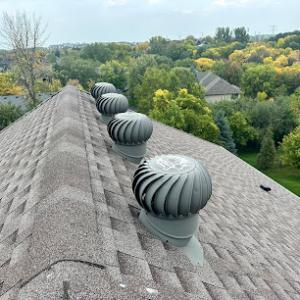
MSP Exteriors
(612) 208-6635 www.mspexteriors.com
7491 Dallas Ln N, Maple Grove, Minnesota
4.9 from 105 reviews
Established in 2017, MSP Exteriors is a family owned and operated business, which takes pride in construction done right. We are a Maple Grove, Minnesota based roofing contractor servicing Minneapolis, Edina, Plymouth, Wayzata, and nearby areas. Our growing success is based on our honest, truthful, & competitive pricing, combined with unbeatable customer service... and quality construction. We are building customers for life! We're experts in: Storm Damage Restoration Roofing Repairs Siding Repairs Windows/Doors Replacement Insulation Gutter repairs Concrete/Stone Chimney Repairs Cedar Decks Flexible financing options make our comprehensive services accessible to all. #Roofing with Finance #24-hour emergency roofing services
Mighty Dog Roofing of Maple Grove
(763) 280-5115 www.mightydogroofing.com
13768 Reimer Dr N, Maple Grove, Minnesota
4.7 from 30 reviews
Mighty Dog Roofing of Maple Grovespecializes in Roofing, Storm Damage Repair, Siding and Windows. A locally owned and operated company is your choice for servicing Maple Grove, MN and surrounding areas. Mighty Dog Roofing is the most trusted name in the roofing industry, offering state-of-the-art 25 point inspections using our GoLive and Drone Superscan technology. This technology, matched with the highest quality products and superior workmanship, allows you to have peace of mind on the most important investment you have - your home. Do you keep your roof “top of mind”? Our Mighty Watchdog Maintenance Program keeps an eye out for any issues today to avoid big repairs or replacements tomorrow

Intelligent Design
(763) 315-0745 idesigncorporation.com
10907 93rd Ave N, Maple Grove, Minnesota
4.2 from 66 reviews
At IDC, we specialize in restoration and repairs of residential and commercial properties with storm damage. We work with all insurance companies and have the industry knowledge to guide you through the often complicated claim process. Along with storm restoration, we are the team to trust when you need roofing, decks, siding, windows and doors, home remodeling and much more. IDC offers free, in-home estimates and is skilled to tackle any job, big or small. Our employees' years of experience in the industry combined with IDC's full service general contractor knowledge is what makes us the perfect fit for your job.
SMA Exteriors & Restoration
(763) 315-8900 newexterior.com
Serving
4.7 from 287 reviews
SMA Exteriors is your trusted exterior contractor serving Minneapolis, MN and the surrounding areas. We specialize in windows, roofing, and siding—and we're here to help you protect and enhance your home. Need new windows? We offer a wide selection, including Richlin by Hayfield, Andersen, Pella, Marvin and more! Looking for roofing experts? Our crew installs all types of shingles—asphalt, metal, wood, and more—and can tackle everything from leak repairs to full roof replacements. Thinking about siding? Choose from LP Smartside, vinyl, or steel siding to give your home lasting beauty and protection. 💬 Contact us today for a free estimate and see why homeowners trust SMA Exteriors for expert service and top-quality craftsmanship.
RedLine Contracting
(952) 777-6356 redlinecontracting.com
Serving
5.0 from 211 reviews
With over a decade of combined experience in the industry, we are serve the Minneapolis/Twin Cities area. We hold ourselves to the highest standard of work including residential remodeling, renovation, insurance restoration, roofing, siding, windows, gutters, decks and additions. We are dedicated to installing the most reliable products on the market with the best craftsmanship in the industry. We will always make sure we are taking the extra step from start to finish. RedLine Contracting will always give you maximum effort for all jobs, big or small.

Storm Group Roofing
(612) 887-3053 stormgrouproofing.com
Serving
4.8 from 272 reviews
Storm Group Roofing is the trusted local, licensed, and insured Minneapolis, Twin Cities roofing contractor near you. In business for over 10 years, we are dedicated to helping property owners throughout the Minneapolis, St. Paul, and entire Twin Cities metro area find the exterior solutions they’re looking for. As one of the top rated Minnesota contractors, we offer professional residential roofing, commercial roofing, roof repair, vinyl, steel, and James Hardie siding, gutter and gutter guard installation services, and much more! You can depend on our team to finish your job professionally and efficiently at a great price.
Minnesota Exteriors
(763) 703-5961 minnesotaexteriors.com
Serving
4.4 from 351 reviews
Minnesota Exteriors (MEI) is a home improvement company that has been serving the Twin Cities metro and surrounding suburbs for over 75 years. We offer free inspections and estimates on our installation and replacement services, including roofing, siding, windows and doors, seamless gutters and downspouts, and attic insulation. Having been home improvement contractor for decades, MEI has earned numerous awards for quality and craftsmanship—which is why all of our projects are backed with a lifetime workmanship warranty in addition to the manufacturers’ warranties. Learn more and get your FREE estimate today!
Cold winters in Maple Grove create repeated freeze-thaw cycles that quietly take a toll on roofs. Water that seeps into small gaps can freeze, push on shingles, and gradually loosen edge components. That means edge protection-drip edge, fascia, and the underlayment at the eave-needs to be solid on a re-roof. When a contractor works in your area, verify that edge insulation and ventilation pathways are kept clear, so the roof can dry out between storms. If your existing roof shows frequent granule loss near the eaves or curling shingles at the edges, plan for extra attention to those zones during re-cover or replacement.
Ice dams are a common risk during snowy winters in this region. When warm indoor air escapes upward and meets the cold roof, snow on top can melt and refreeze at the eave, forming damming ice that backs up water behind it. On re-roofs, the final inspections routinely check for an ice and water shield along the roof edges and along any penetrations, plus confirmation that ventilation details are in place to keep the attic cooler and dry. To help prevent dam formation in a future winter, ensure the contractor confirms a continuous ice dam barrier at the eaves and ensures attic insulation sits snugly against baffles or vent channels. A well-ventilated attic reduces heat buildup that feeds those melt-freeze cycles, which in turn helps guard the new roof surface.
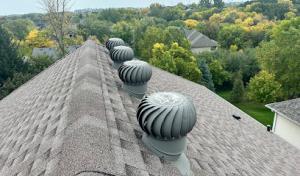
Ventilation matters for the life of the roof, particularly after a re-roof when you're trying to avoid future ice-related problems. In Maple Grove, a practical approach is to plan for multiple intake and exhaust vents that create a continuous flow, especially around the attic's near-peak area. If the roof line has limited soffit or ridge space, a ridge vent plus strategically placed soffit vents can deliver a dependable cross-draft. This keeps the underside of the new roof cooler in winter and drier in spring thaws, limiting condensation that can creep under shingles.
Late spring through early fall is the favorable replacement window. Warmer, steadier weather helps crews install underlayment and shingle courses more reliably than during snow, ice, and thaw conditions. If hail or wind damage triggers a claim, coordinate with the contractor to align the timeline so that the underlayment has time to lay flat and dry before the first big autumn or spring freezes. Rushing a job in the heart of winter can compromise the ice shield and ventilation plan you'll rely on during the next freeze-thaw cycle.
On the day of work, ask for a visible ice and water shield in the vulnerable eave areas and around any skylights or chimneys. Confirm that temporary protection is in place for gutters and siding, since repeated freezes can worsen loose edge-protection reactions. Throughout the project, ensure your contractor maintains clean attic access to avoid trapping moisture. After the crew finishes, request a walk-around with the foreman to confirm that vents are clear, the drip edge is continuous, and any penetrations have sealed flashing that will resist ice dam intrusion in future winters.
Asphalt shingles continue to be the dominant practical choice for most homes in this area, balancing performance with installability for typical Maple Grove construction. The material handles the freeze-thaw cycles and the seasonal temperature swings well when paired with a solid underlayment and proper attic ventilation. In this climate, the surface color and granule durability matter more than ever, because sun exposure and wind-driven rain can accelerate wear around hips, ridges, and edges. When selecting asphalt, look for shingles with higher tear resistance and a stout wind rating, and ask about integrated attic-ventilated ridge systems to keep the roof deck cooler during long springs of thaw and melt. A well-sealed drip edge and quality step-flashing around chimneys and vents reduce the risk of ice damming in winter and water intrusion during heavy spring rains.
While asphalt is the go-to, metal roofing offers a durable, low-maintenance path for homeowners seeking longevity and a modern look. In areas with heavy hail activity, metal can resist impact well, but installation quality is critical-especially around edges, valleys, and roof-to-wall transitions. Wood shakes provide a traditional texture that can suit certain architectural styles, yet they require careful maintenance in this climate to prevent moisture-related splitting or mold, and they are less forgiving of improper attic ventilation. Synthetic or composite shingles offer a balance between the look of natural materials and the resilience of modern polymers; they often perform well in freeze-thaw cycles when properly installed, and they may come with forgiving warranties for wind uplift and hail resistance. If choosing any non-asphalt option, ensure the installation plan includes robust underlayment, accurate flashing details, and a ventilation strategy that discourages condensation buildup in attic spaces during rapid weather shifts.
Clay and concrete tiles do appear in the broader material mix, but they are far less typical in this climate and housing stock, and the installation tends to be more complex. Clay and concrete tiles demand a stronger structural framework and precise underlayment details to handle freeze-thaw cycles without cracking or shifting. In Maple Grove, these tiles can be an aesthetic fit for certain architectural styles, yet their weight and the need for reinforced support mean carefully evaluating existing roof framing before considering a switch from lighter materials. If tile is being considered, expect more attention to pitch, roof deck condition, and the ability to maintain proper ventilation and drainage across the surface. Although they can deliver a long service life in suitable homes, the installation window around winter and spring can be more sensitive to weather, so scheduling and coordination with a seasoned installer become especially important.
Across all materials, the underlayment quality is a critical line of defense against Maple Grove's freeze-thaw cycling. A high-grade, properly installed underlayment helps manage moisture ingress between cycles of thaw and refreeze. Flashing around chimneys, vents, dormers, and skylights must be continuous and well-sealed to prevent water intrusion during wind-driven storms. Attic ventilation plays a pivotal role in performance; adequate intake and exhaust vents help regulate roof deck temperatures, reduce ice dam risk, and preserve shingle life. When choosing a surface material, pair it with a design that supports robust ventilation and meticulous flashing details to weather Maple Grove's typical hail, wind, and winter patterns.
When you're planning a re-roof here, you're looking at tangible price bands that reflect Maple Grove's climate and housing mix. For asphalt shingles, expect about 350 to 550 USD per square. If you're considering metal, the range is roughly 700 to 1100 per square. Clay tile sits higher, typically 1200 to 1700 per square, with concrete tile close behind at 1100 to 1700 per square. Wood shingles or shakes run about 600 to 1000 per square, and synthetic or composite shingles sit in the 500 to 900 per square band. These are not abstract numbers-they map to the way the area's freeze-thaw cycles stress roofs, the need for durable underlayment, and the labor market realities in the northwest Twin Cities market.
Storm activity, especially hail and high winds, can tighten scheduling and labor availability across the area. After a hail event, price ranges can drift higher as crews get scarce and demand spikes. For Maple Grove, that means your project could move from a routine fall window into a compressed spring or late-summer timeline, with potential price creep stemming from surge demand and expedited scheduling. If you're assessing bids, expect some contractors to present shorter windows and higher mobilization costs after a major hail or wind event.
Cold-season installations introduce unique hurdles in this city. Freezing temperatures slow adhesive and sealant performance, and ice buildup on the roof can complicate tear-off and reinstallation. These factors tend to elongate the project and can add carrying costs, especially if winter weather pushes work into unfriendly weeks. Your contractor will likely adjust start dates to leverage milder pockets, but that can conflict with typical homeowner plans. If a cold snap coincides with a guaranteed bid, verify how the winter constraints might shift material handling, ventilation considerations, and the sequence of underlayment and ice barrier installation.
Beyond material choice, the overall price is shaped by roof complexity, existing decking condition, attic ventilation needs, and the quality of flashing and drip edge installed. In Maple Grove, where many homes feature pitched roofs with dormers or complex gables, expect higher square footage multipliers on labor and waste. Storm damage assessments may reveal hidden issues like warped sheathing or compromised ventilation, which add scope and cost. When you receive bids, compare not just the per-square price but also the crew's approach to ice barrier installation, ventilation, and final re-roof inspection readiness-critical steps in meeting the city's expectations for a durable, compliant roof.
Get a clear picture of your project costs upfront - no commitment required.

Intelligent Design
(763) 315-0745 idesigncorporation.com
10907 93rd Ave N, Maple Grove, Minnesota
4.2 from 66 reviews
Residential re-roofs in Maple Grove require a building permit from the City. This isn't just paperwork; it sets the foundation for proper installation in a climate that sees freeze-thaw cycles, hail, and strong winds. If a permit isn't secured, you risk a stop-work order, fines, and a need to redo work to meet current codes. The permit process helps ensure that critical details-like adequate underlayment, correct ventilation, and the use of ice and water shield where it's most needed-are addressed before shingles go on.
In Maple Grove, plan review is the step where your chosen roofing system is checked for compatibility with local requirements and the house's structure. If the project triggers review, anticipate a review timeline and any requested revisions before work starts. Once a permit is issued, a posted permit at the job site signals inspectors and neighbors that a compliant re-roof is underway. Keep the post visible for the duration of the project and ensure it reflects the current contractor contact and scope. This visibility also helps neighborly communication and limits misunderstandings about timing and access.
The inspection schedule is the backbone of a compliant re-roof in this area. Inspections typically occur during key milestones-material staging, installation progression, and final completion. Expect inspectors to verify underlayment installation, proper ventilation details, and the correct application of ice and water shield in vulnerable zones. In many Maple Grove neighborhoods, inspectors will also confirm that eave flashing and overall chimney or vent boot conditions meet the city's standards. If an item fails inspection, follow the contractor's plan to correct it promptly; delays can push your project into a weather window where further protection (and permit validity) is at risk.
Final approval confirms the re-roof meets ice barrier, ventilation, and ice and water shield requirements, among other local code provisions. The city expects a tight, thorough finish that mitigates future storm damage and avoids recurring claim disputes after hail events or harsh winters. Be prepared for a final walk-through of your attic or roof deck to verify ventilation balance and that the underlayment remains intact beneath the new covering. If everything checks out, the permit is closed and the project is officially complete, giving you the documented assurance needed for future resale or insurance reviews.
In Minnesota's roofing claim environment, adjusters commonly ask for photos, inspection findings, and a clearly defined scope of work before approving storm-related roof replacement. Your file should tell a coherent story: when hail struck, how wind affected the shingles, and how the freeze-thaw cycle pushed damage deeper into the decking. Keep a dated log of each communication with the insurer and the contractor, and attach the inspector's notes that point to the failing areas. A precise scope of work helps prevent back-and-forth revisions later, which can stall a timely replacement during Maple Grove's challenging weather windows.
Documentation matters more when the storms come in quick succession. Before any ladder climbs, take high-resolution photos from ground level and, if safe, from the attic to capture roof deck exposure, moisture staining, and attic condensation. Photograph soft metal impacts on flashing, gutters, and vent caps, as well as shingle creasing and delamination. Interior leaks appearing after a rain should be documented with dates and room locations. Elevations of the home, garage, skylights, and dormers provide context for the scope. Create a simple, labeled sketch showing damage points, the direction of water flow, and any visible sagging. If you can, note vegetation or debris buildup that may have contributed to or masked the problem. Organize everything in a single folder or cloud drive labeled with the address and storm date for quick access when the claim is reviewed.
Coverage outcomes in this market can depend on roof age and material, with depreciation often affecting older roofs more heavily. Because hail and wind claims are common, homeowners benefit from a meticulous, easy-to-follow record that aligns with what the adjuster will review in the final estimate. If the claim spans multiple storms, keep a running update of repairs started, documentation submitted, and communications with the insurer. A well-prepared file reduces back-and-forth and supports a smoother decision on storm-related roof replacement, even when the weather keeps shifting between freezes, thaws, and surprise wind events.
In Maple Grove, skylights and low-slope sections are a common leak source when a reroof is done without extra care. Local contractor specialization data shows meaningful demand for skylight work and some low-slope roof expertise, even though standard residential re-roofing drives most projects. During the snow, ice, and spring-rain pattern, the curbs, flashing transitions, and drainage details around skylights and on low-slope areas are the places where leaks tend to start first. Plan for these assemblies as you would plan for the rest of the roof structure.
Skylight curbs are a frequent failure point in this climate. The curb needs a continuous, properly tucked underlayment path and a solid seal where the curb meets the roofing membrane. In Maple Grove's freeze-thaw cycles, any gap allows ice to pry joints loose. The flashing around a skylight should step with the roof, not fight up against it, and it must extend far enough onto the adjacent shingles or metal trim to shed water toward the eaves. Pay particular attention to the condition of the sealant bead and the intersection where the skylight frame meets the curb. If a skylight is aging or poorly flashed, consider upgrading to a curb-height flashing detail and re-sealing with a material rated for cold-weather cycling.
Low-slope sections behave differently in spring rain and thaws. The key is ensuring continuous underlayment and a clear flow path without sags that hold standing water. Install or verify a proper edge drip and a dedicated water-shedding detail at transitions from low-slope to steeper decks. In these areas, the underlayment should be continuous across the transition without punctures or gaps. Drainage should be designed so meltwater moves away from the skylight and toward the ridge or eave without pooling near the curb.
During the project, inspect all skylight flashing for any nicked metal or loose sealant. Replace flashing components that show wear, and reflash transitions with the same slope-compatible method used on the rest of the roof. Confirm that the underlayment covers the entire gap around skylights and that any penetrations through the deck are properly sealed. For low-slope sections, verify that the roof ensures positive drainage, with no membrane laps exposed to standing water. After installation, perform a thorough drip-edge and gutter check to verify that meltwater and spring rain are directed away from vulnerable seams.
Find contractors experienced in skylight installation, flashing, and leak repairs to bring natural light into your home.
MSP Exteriors
(612) 208-6635 www.mspexteriors.com
7491 Dallas Ln N, Maple Grove, Minnesota
4.9 from 105 reviews

In Maple Grove, when a hail storm or strong winds hits, homeowners expect crews that can get the roof protected, torn-off, and re-shingled quickly, with a clean finish left behind. The priority is to minimize exposure to the next freeze-thaw cycle and to avoid additional interior damage from leaks. Local crews that arrive with a plan for temporary tarping, staged debris containment, and a post-work yard sweep tend to rate higher in reputation. You'll notice that crews focus on efficient scheduling, careful removal to prevent shingle granule blow-off, and rapid site restoration so neighbors aren't left with lingering mess.
Maple Grove hosts many long-established, locally owned and family-owned contracting firms. Trust and a demonstrable local track record matter as much as price or flashy warranties. Homeowners here often favor roofers who can point to a years-long presence in the same neighborhood, show consistent performance after storm events, and provide verifiable references from nearby streets. Choosing a contractor with a solid local footprint helps ensure that warranty work or follow-up service is readily available, especially after a challenging Minnesota winter.
While quick response and solid cleanup drive decisions, Maple Grove homeowners also look for practical add-ons that contribute to the roof's longevity. Free inspections and manufacturer certifications are appealing, but they sit behind the core need for reliable storm execution. Attic insulation add-ons help curb heat loss and moisture buildup, which can extend the life of the roof system and improve overall home performance in a climate with harsh winters. Drone inspections appear occasionally as a bonus feature, offering a quick view of hard-to-reach areas, but they won't replace the on-site assessment and the communication you rely on during a storm recovery.
In practice, the prioritized experience translates into clear communication, tidy job sites, and dependable cleanup. Homeowners expect crews to protect landscaping, seal penetrations properly, and leave a neat, weather-tight finish. The strongest local choices tend to balance responsive scheduling with a clear, documented plan for installation steps, moisture barriers, and ventilation checks-key details that align with Maple Grove's climate realities and the city's emphasis on post-storm reliability.