
Last updated: Apr 19, 2026
Forest Lake homeowners face a combined damage pattern of late-winter ice damming followed by spring and early-summer hail, which concentrates inspections and replacements into the warmer season. The sequence creates a double-pressure scenario: ice dams can quietly compromise roof edge systems long before you notice missing granules or warped decking, and then hail can finish the job or reveal new failures once temperatures rise. The risk is strongest for roofs with inadequate ventilation, aging underlayment, or vulnerable edge details that allow meltwater to back up and penetrate at the fascia and soffits. Where you live, the window for a thorough assessment stretches from late March through June, but you should stay vigilant after every mid-winter thaw and after every major storm that travels through the metro.
Minnesota's hail and wind claim environment is especially relevant here because local contractor activity strongly clusters around storm damage and insurance-claim work. In Forest Lake, the storm season often means a surge of quick-turn inspections and hurried replacements, which can lead to missed clues if a roof is not inspected thoroughly for both immediate storm impact and prior wear. If a claim is filed after a hail event, expect adjusters to request documentation of the roof's condition beforehand. Having clear, dated evidence of pre-storm status helps keep the claim honest and avoids disputes about what caused newly observed damage. This is not the moment to rely on a casual look or a single attic sample; you need a full-system review that maps ice-dam vulnerability, shingle integrity, and the condition of flashing, vents, and drainage paths.
In a climate with frequent freeze-thaw cycles, start by assessing the top edge and overhangs, where ice dams tend to push against the gutter line and soffits. Look for hairline cracking in shingles, exposed nails, and granule loss concentrated near the eaves, which can indicate early failure from repeated freeze-thaw movement. Move inward to inspect the valley lines and flashing around chimneys and vent pipes, as hail damage often concentrates at these transitions where water flow is forced to change direction. A roof deck with signs of sagging, rot, or moisture staining after a thaw is a red flag that the substrate may have compromised under both ice load and subsequent hail impact.
When documenting pre-existing wear versus fresh storm impacts, take time-labeled photos from multiple angles and note the date and weather conditions of each image. Create a simple timeline that shows prior maintenance, last major inspection, and the sequence of storms. Communicate clearly with the adjuster about known pre-existing conditions so the claim reflects actual incremental damage rather than conflating wear with storm impact. In practice, this means you should be ready to present your own independent assessment alongside any contractor's findings, especially for areas where damage could be mistaken as age-related deterioration rather than a new hail strike or ice dam intrusion.
If you suspect hail or ice dam-related damage, schedule a full, staged assessment rather than a rushed one. Start with a professional inspection focused on edge seals, gutter protection, and the roof's ability to shed water during thaw events. Have the inspector document the roof's condition before and after significant thaw cycles, with emphasis on areas where meltwater would back up and refreeze. Prepare to coordinate closely with your insurer, ensuring that your documentation tells a coherent story across pre-existing wear and new storm impacts. In this market, timely, precise evaluations save you from post-claim disputes and help ensure your roof system remains capable of handling the unique seasonal stresses of this area.
In this north-m metro lake area, repeated hail and wind events shape how insurers view roof damage and settlements. The pattern means claim activity spikes after big hail storms, which can affect how deductibles and coverage options are applied at settlement time. Homeowners should prepare for a process that moves quickly once a regional storm passes, and understand that insurers may scrutinize damage that exists before the event as much as damage incurred during it. This environment makes timely documentation and accurate reporting crucial.
Before touching anything on the roof or interior, take careful, comprehensive notes and photos of shingle condition, metal accessories, flashing, and any interior signs of leaks. Photograph the entire roof line from multiple angles, then zoom in on areas that look cracked, lifted, or granules-shorn. Track the condition of metal vents, ridge caps, skylights, and soffit flashing, recording fasteners, corrosion, or loose pieces. Inside, capture stained ceilings, warped walls, and evidence of moisture behind insulation or under cabinets. Insurers may question pre-existing damage, so establishing a baseline with dated images and notes helps protect the claim's integrity and avoids disputes during settlement.
After a storm, the timeline matters. Quick but careful documentation helps ensure a smoother path through the inspection phase. Keep a running log of dates and contacts with adjusters, contractors, and any temporary responders. Record details about the storm's intensity, hail size if observed, and wind gusts that could affect which roof areas were most stressed. If weather forces a temporary fix, photograph and label the work, noting what was addressed and what remained untouched. The goal is to preserve a clear record of what was damaged by the storm versus what was pre-existing, which can influence how the claim is evaluated.
Because claim volume spikes after regional storms, response speed matters for both mitigation and getting a timely inspection before contractor schedules fill. When a contractor calls to schedule an inspection, have your documentation organized and ready to share. Missing or scattered photos can slow the process and complicate the insurer's assessment of scope and cause. If a contractor notes temporary repairs, ensure that those notes are clearly marked as mitigation only, with a plan for a permanent fix once the claim is settled. This helps protect the homeowner from disputes about what was done under emergency conditions versus what is needed as part of the authorized settlement.
Typical homes here feature a mix of asphalt shingles and metal accessories, with flashing that bears close scrutiny after freeze-thaw cycles and hail exposure. Recurrent freeze-thaw stress can create hairline cracks in shingles and subtle leaks that aren't obvious from the ground but show up after a spring melt. Pay particular attention to roof valleys, step and counter-flashing at chimneys, and any metal trim along eaves or ridges. Clear, organized evidence of how storm damage presents on these elements supports a straightforward claim review and reduces ambiguity in settlement discussions.
Connect with contractors who help homeowners navigate the claims process from damage assessment to final approval.
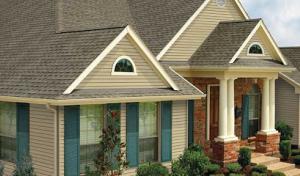
Precise Exteriors
(651) 206-9168 preciseexteriorsllc.com
932 2nd St NW, Forest Lake, Minnesota
5.0 from 112 reviews
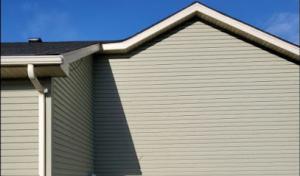
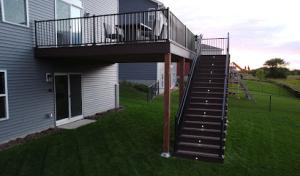

Precise Exteriors
(651) 206-9168 preciseexteriorsllc.com
932 2nd St NW, Forest Lake, Minnesota
5.0 from 112 reviews
Precise Exteriors is a family run, SBA certified Service-Disabled Veteran-Owned roofing and siding company proudly serving the Twin Cities, surrounding suburbs, and Northwestern Wisconsin. We specialize in roofing, siding, gutters, windows, decks, and storm damage restoration. As a GAF Master Elite Contractor and GAF Solar Certified Installer, we provide top-quality craftsmanship and industry-leading materials for long-lasting home protection. With decades of experience, we offer personalized service backed by LP BuildSmart Preferred and EPA Lead-Safe Certifications. Whether you need a roof replacement, siding installation, or storm damage repairs, our team is ready to assist you every step of the way.
RJI Professionals
Serving
4.9 from 88 reviews
RJI Professionals is your local, Wyoming based General Contractor of choice serving Minnesota and beyond. As a family-owned business, with decades of experience, our team is here to serve your needs. While we specialize in storm damage repairs, such as new roofing, new siding and new windows after a hail storm, we also offer full scale remodeling and new-home construction services. From our industry leading designation as a CertianTeed Select ShingleMaster, to our commitment to exceeding Quality and Code standards, RJI is focused on building your dreams.
Castle Exteriors
(320) 224-2083 castleexteriorsinc.com
Serving
5.0 from 19 reviews
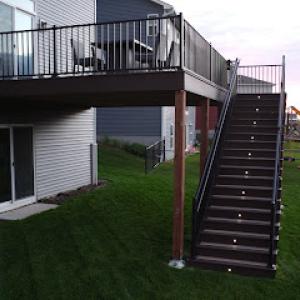
Castle Exteriors is Minnesotas Premier home exterior remodeler specializing in Roofing, Siding, and Custom Deck Construction.
C.k. Roofing & Construction
Serving
4.4 from 13 reviews
CK Roofing & Construction has over 30 years of experience with both commercial and residential roofing contracts. C K Roofing specializes in insurance claims for storm damage. We will work with your insurance company and make sure that you are receiving the best care. Our word is our bond, and top notch craftsmanship is our creed.
Spartan Contracting
(651) 329-6396 roofwithspartan.com
Serving
4.9 from 87 reviews
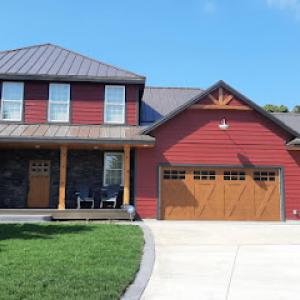
Family Owned General Contractors Serving Eastern Twin Cities and Western Wisconsin MN. Lic. #BC767463 WI. Lic. #DC022000192
The Expert Co. Metal Roofing
(952) 393-0060 www.theexpertcompany.com
Serving
4.9 from 60 reviews
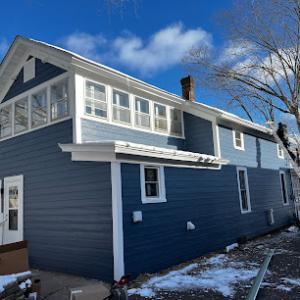
Discover unparalleled roofing solutions with The Expert Metal Roofing, serving Centerville, MN, and beyond since 2009. With over a decade of experience in roofing and restoration, we specialize in crafting long-lasting roofing systems designed to save you money while benefiting the environment. From metal shingles and standing seam metal to traditional asphalt and cutting-edge synthetics, we offer a wide range of roofing options. Our expertise extends from roof repairs to full replacements of flat roofing, roof restoration systems, roof coatings, and storm damage repairs. Enhance your home's protection with our gutter installation, gutter protection, and siding installation services. Trust The Expert for quality and enduring value.
Lake Area Exteriors
(651) 442-7478 www.lakeareaexteriors.net
Serving
5.0 from 49 reviews
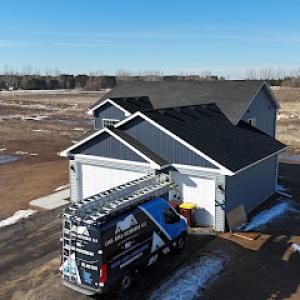
Lake Area Exteriors is a licensed contractor providing roofing, siding and gutter solutions to residential and commercial customers across the greater Twin Cities, MN metro. Whether you're remodeling your entire exterior, or repairing or replacing just one component of your exterior like the roof, siding or gutters, we can help. We also work with insurance companies for storm damage claims. With a focus on customer satisfaction, we’re your reliable company for roofing, gutters, siding, and storm damage solutions, keeping Minnesota homes and businesses safe and attractive. Give us a call today to for a free estimate!

Experienced Builders
(651) 285-6702 experiencedbuildersllc.com
Serving
4.9 from 26 reviews
Count on the local roofing professionals at Experienced Builders, LLC to restore your roofing system as quickly as possible. With over a decade of experience in roofing restoration, we are equipped to handle everything caused by storm damage repair, exterior and interior, with ease. Your home is what you trust to protect your loved ones and valuable possessions, so we understand the urgency behind your home repair needs. Because of this, we ensure a prompt response and quick turnaround time for any job we take on. When you are looking for a reliable roofing and interior/exterior remodeling contractor in the Greater Metro area MN or Western Wisconsin, trust the professionals at Experienced Builders, LLC.
Right Now Roofing & Restoration
Serving
5.0 from 212 reviews
Right Now Roofing offers a comprehensive suite of commercial & residential roofing, siding and water/fire damage restoration services based in White Bear Lake, MN, serving all of the Twin Cities. From fixing leaks, to ice dams, to installing new roofs, they can handle all your roofing needs. Their services also extend to siding, gutters, and windows, making them a one-stop shop for exterior home improvement.
Metro Steel Construction
(612) 462-8392 www.metrosteelroofing.com
Serving
5.0 from 17 reviews
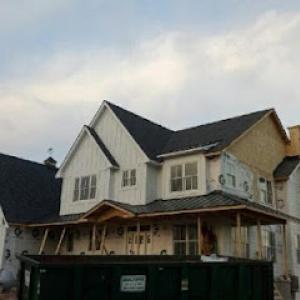
Metro Steel Roofing and Construction has been installing steel and metal roofing for residential houses and commercial buildings for over 15 years and have been a leading installer of residential metal roofing since 1998. Beautify and protect your home with high quality, energy & insurance saving steel roofing that will last a lifetime. At Metro Steel Roofing and Construction, our shingles, shakes, tile, and standing seam roofing products enhance and conserve fine homes, churches, and other buildings throughout Minneapolis-St.Paul and the surrounding suburbs, Iowa, Wisconsin, North Dakota and South Dakota. Our trained and experienced installers, along with our Customer Support team, are always available to meet your needs.
Archway Contracting
(612) 558-6367 archwaycontracting.com
Serving
4.9 from 325 reviews
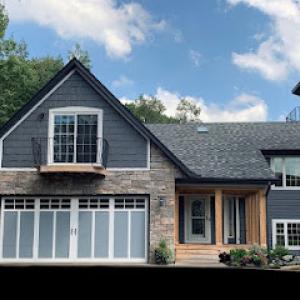
Archway Contracting is a trusted roofing and exterior remodeling company serving residential, commercial, and multi-family properties across the Twin Cities. Locally owned and family-operated since 2009, we specialize in roof replacement, siding installation, window replacement, gutter systems, and storm damage restoration. From small homes to large commercial buildings and multi-family complexes, our licensed, experienced team delivers top-quality craftsmanship, responsive service, and honest communication. When you need reliable exterior contractors, Archway is the team you can count on.
Wright at Home Roofing & Exteriors
Serving
5.0 from 212 reviews
Formerly known as Wright at Home Services, we’re now Wright at Home Roofing & Exteriors, same trusted team, new name that reflects our focus on roofing, siding, and exterior renovations. We’re a family-owned, local provider of roofing, siding, and window installation in Blaine, MN. Our work is designed to inspire confidence and pride of ownership. Customers, employees, and partners receive the same care we give our own family. We aim to redefine industry standards through service, professionalism, and follow-through. We specialize in residential roofing, siding, and windows in the Minneapolis area. Licensed (BC565445) and fully insured.
The best replacement window in Forest Lake is typically late spring through early fall, after winter ice issues but before snow and cold-weather installation delays return. This stretch gives crews a solid stretch of dry days, reliable temperatures, and the opportunity to properly dry-in under favorable conditions. If a roof is already showing ice dam risk, scheduling early in late spring helps address ventilation needs and attic condensation before summer heat accumulates.
Late fall into early winter can complicate scheduling and installation quality because snow and low temperatures interfere with normal roofing workflows in this part of Minnesota. If work drifts into November or December, crews often contend with shortened daylight, frozen substrates, and awkward material handling. In practice, that means longer timelines and a higher chance of weather-related stoppages, which can ripple into neighbors' driveways and street access. If you must start late in the season, expect protective measures, temporary ventilation adjustments, and prioritized weather windows to minimize quality risk.
Summer thunderstorms and wind can interrupt active jobs and create short-term demand surges that affect lead times across the market. In Forest Lake, storm activity can push crews to the next available slot and tighten material availability for popular shingle profiles or metal options. Plan for potential afternoon deluge delays and the need for weather-tightness checks after heavy rain events. A proactive crew will stage materials and secure flashing details before storm-season onset to keep progression steady.
Consider coordinating with a contractor who can forecast typical spring lull and late-summer weather peaks in this market. If possible, aim for a mid-to-late spring start when frost risk has diminished and day lengths are favorable, yet before the humidity-driven heat of midsummer climbs. For older homes with attic ventilation concerns, use the window to address venting upgrades and attic insulation changes that support long-term roof performance.
Expect that longer daylight in late spring and early fall helps minimize disruption to nearby properties and reduces nighttime noise constraints. In practice, crews can complete deck-to-ridge tasks more consistently when weather is reliable and temperatures stay above freezing for the bulk of the workday. If property access or driveway space is tight, align start dates with clear traffic patterns to avoid blocking neighbors during peak times.
When you can't wait, these contractors offer fast response times to stop leaks and prevent further damage.
Precise Exteriors
(651) 206-9168 preciseexteriorsllc.com
932 2nd St NW, Forest Lake, Minnesota
5.0 from 112 reviews
In this north-metro lake-area, hail and repeated freeze-thaw cycles drive the timing of roof damage and the urgency of repairs. You want a roof that resists impact, sheds ice, and minimizes movement during the spring thaw. Look for systems that maintain panel or shingle integrity after hail events and that tolerate freeze-thaw cycles without rapid edge curl or loss of granules. A roof that holds up through the season translates to fewer call-backs, less interior moisture risk, and a steadier replacement workflow when storms require a quick restoration. Consider how your roof will behave during a rapid cold snap followed by a warm rain, and choose details-such as fasteners, underlayment, and ventilation-that reduce ice dam risk and interior leaks.
Asphalt shingles dominate practical replacements in Forest Lake because they fit the local re-roof market and the region's common storm-restoration workflow. They strike a balance between cost, repairability, and performance in fluctuating temperatures, with varieties engineered for stronger impact resistance and better granule retention after hail. Metal roofing is a meaningful but smaller specialty, often considered by homeowners looking for durability against hail, snow shedding, and repeated freeze-thaw exposure. It can provide excellent longevity and performance, though it requires careful attachment and attention to attic ventilation to prevent condensation issues under heavy snow loads. Clay tile, concrete tile, wood shakes, and synthetic products exist in the market, but their use is more selective and should be evaluated against Minnesota winter movement, weight, and maintenance demands. Clay and concrete tiles offer durability and a distinctive look, yet their heavier weights demand proper structural assessment. Wood shakes provide a traditional aesthetic but can suffer in wet winters and require regular maintenance to resist rot and insect pressure. Synthetic products can blend the best attributes of traditional materials with improved impact resistance and lighter weight, though installation details and long-term performance should be matched to local freeze-thaw cycles.
Choose shingles and panels with proven wind and hail performance ratings, paired with an underlayment system designed for cold climates. Improve attic ventilation to temper roof deck temperatures during sun-drenched days and to reduce ice dam risk during melt periods. When hail has recently passed, inspect for granule loss, denting, and bare spots, and plan replacements with attention to snow load and roof slope. For houses with complex layouts, ensure flashing around chimneys, skylights, and dormers remains watertight after a storm sequence and through seasonal temperature swings. This approach helps sustain roof integrity across the region's characteristic freeze-thaw and storm cycles in this area.
When planning a roof replacement in this area, you'll want to anchor expectations to the per-square ranges commonly seen locally: asphalt shingles 350 to 700 USD per square, metal 900 to 1800 USD per square, clay tile 1200 to 3000 USD per square, concrete tile 700 to 1800 USD per square, wood shingles or shakes 1000 to 2500 USD per square, and synthetic or composite shingles 700 to 1400 USD per square. These figures reflect how Forest Lake homes blend into the north-metro market, where mid-size homes with attics and vented soffits mix with older structures that need more flashing work. In practical terms, a simple asphalt replacement on a
typical ranch might land around the lower end, while a steep-pitched or multi-story home with better ventilation work can push toward the higher end. Clay or concrete tiles, common on upgraded homes, carry the most pronounced swing between low and high estimates, driven by material cost and the labor heft for careful installation on winter-thinned substructures.
Local pricing can rise after hail events because storm-driven demand compresses contractor availability across the north-metro and broader Minnesota market. In the weeks following a hailstorm, you may see longer lead times and higher bids as crews balance urgent calls with existing projects. This isn't a Forest Lake-only phenomenon, but the impact is felt here when neighboring towns report hail damage and drive demand into local crews. If you're scheduling a replacement after a hail event, plan for potential premium charges and a tighter window for choosing materials and coordinating tear-off.
Costs in Forest Lake are also influenced by tear-off needs after winter-related roof deterioration, plus the labor involved in addressing ice dam risk, vented attic corrections, and flashing where snow and freeze-thaw cycles have stressed the deck. A full replacement may require upgraded ventilation and corrected flashing to pass final inspection, which adds to the project's square-foot cost. As a practical rule, if ice dams were a regular concern the previous season, budgeting toward the upper end of the material range can help cover the added labor and material needs for a robust, code-appropriate installation.
Start with your home's roof size in squares, pick a material that aligns with your mid-term goals (durability vs. upfront cost), and plan for possible meteorology-driven price shifts after a hail event. If a project spans winter months, expect additional costs tied to tear-off and careful re-sheathing to address winter-induced deterioration. In Forest Lake, the right choice often balances long-term performance with the local climate realities, especially when aiming to minimize future hail and freeze-thaw risk.
Don't let upfront costs delay a critical repair - these contractors offer payment plans to fit your budget.
Precise Exteriors
(651) 206-9168 preciseexteriorsllc.com
932 2nd St NW, Forest Lake, Minnesota
5.0 from 112 reviews

A roofing permit is typically required in Forest Lake for a full roof replacement, and the process is handled locally through the City of Forest Lake Building Department. You should plan to submit a permit application well before the project starts, along with any required drawings or notices. The department often coordinates with building inspectors to schedule inspections at key milestones, so knowing the inspection window helps prevent delays. Keep in mind that replacing a roof is not a job to do on a whim; the permit ensures the work follows local code and safety standards for a harsh climate with freeze-thaw cycles and hail exposure.
The City of Forest Lake Building Department handles permit issuance and inspection scheduling for roofing work. Before calling, gather your project specifics: the proposed materials, ventilation plan, and flashing details. Some projects may require a storm-related disclosure or weather-related timing notes to align with seasonal inspection availability. Once issued, keep the permit on site and accessible, as inspectors may request to review the work in progress and verify that the installation aligns with city code requirements for underlayment, supports, and fastener patterns suitable for Minnesota winters.
Forest Lake commonly performs a final inspection after completion to verify underlayment, ventilation, and flashing meet code expectations. During the final check, the inspector will confirm that roof ventilation is adequate for attic moisture control, that flashing around valleys, chimneys, and skylights is properly installed, and that underlayment and nail patterns comply with local standards. Prepare to demonstrate that roof ventilation is balanced for cold-season performance and that any add-on attic vents or soffit intakes are correctly positioned. If adjustments are needed, address them promptly so the project can pass on the first recheck. Knowing this sequence helps ensure a smooth permit closure and a durable, climate-ready roof.
In this climate, the first place water finds its way in is where flashing meets shingles or where valleys and dormers tie into the deck. Freeze-thaw cycles push and pull metal and sealant, so investigators should trace every flashing transition and check for hairline gaps after winter. Look where chimneys, vents, and skylights meet the roof surface; even small misalignments can widen into leaks over the spring thaw.
Penetrations are constant weak spots. Pay close attention to vent collars, plumbing stacks, and skylight jacks, which can loosen from ice pressure. During spring assessment, run a careful water test from a safe exterior to see if sealant remains intact around these details. If any flashing bends or lift appears, schedule a targeted repair before the next thaw cycle.
Skylights deserve special attention because spring hail and winter ice can expose weak seals and flashing details during the same annual cycle. Remove snow from around the base so you can inspect curb flashing and pan seals. If you notice condensation between panes or cracking sealant on the curb, address it promptly to avoid interior damage.
Emergency tarping and quick-response repair matter in this market because local contractor signals show homeowners frequently hire for urgent leak stabilization after storms. Have a plan to tarp within hours of a damaging event and arrange a temporary patch that blocks rain while awaiting a permanent repair. Keep contact with a trusted local roofer who can mobilize swiftly after a hail event.
Find contractors experienced in skylight installation, flashing, and leak repairs to bring natural light into your home.
Precise Exteriors
(651) 206-9168 preciseexteriorsllc.com
932 2nd St NW, Forest Lake, Minnesota
5.0 from 112 reviews

Forest Lake homeowners live with a north-metro climate where freeze-thaw cycles and spring hail are common. Quick response, thorough cleanup, and solid re-roofing experience aren't luxury add-ons here-they're practical essentials. Local crews who understand how ice dam risk shifts with temperatures and how hail impacts shingles at vulnerable seams tend to perform more reliable inspections and timely repairs. A storm roofer should anticipate temporary weather delays, have a plan for snow or ice buildup, and schedule inspections that align with visible damage after the worst storms.
Long-established, family-owned firms have a visible presence in this market and matter when homeowners want continuity through inspection, claim, installation, and warranty follow-up. Look for a company that can reference Forest Lake projects and provide local testimonials about storm cleanup and reliable post-installation service. The best teams document damage clearly with photos, write precise scope of work, and offer a transparent timeline that keeps neighborhoods safe from lingering debris and loose flashing after a hail event or rapid thaw.
Because storm work is so prevalent, prioritize contractors who can deliver a clear damage report, a coordinated cleanup plan, and a straightforward process for navigating the aftermath. Ensure the roofer can distinguish between wind damage, hail impact, and freeze-thaw stress, and that they communicate what needs to be addressed immediately versus what can wait for ideal weather. A dependable crew will leave the site broom-clean, seal penetrations properly, and provide a clean, comprehensive warranty follow-up schedule for inspection and maintenance needs.
Timing matters: hail often causes localized damage that becomes more evident after a few warm, sunny days when roof surfaces dry out. A trusted Forest Lake roofer will schedule assessments to maximize visibility of damaged shingles, flashing, and attic ventilation during melt periods, and will coordinate with you to minimize disruption during winter melt and spring thaw. Choose a contractor that plans for seasonal weather shifts and keeps you informed every step of the way.