
Last updated: Apr 19, 2026
Pearl sits in the Jackson metro severe-weather corridor, where spring thunderstorms, hail, and tornado activity create recurring roof-loss events and concentrated post-storm demand. The pattern means long hours of wet air, fast-moving waters, and shingles and flashing that fail when you least expect it. A damaged roof is not just an aesthetic issue; it becomes a moisture factory that invites mold, attic leaks, and interior rot if left unattended. When hail pings against cedar shakes or pings the soft edges of asphalt, the risk compounds quickly as wind-driven debris targets weak seams and vents. In the minutes after a storm, you need to transition from damage awareness to a focused stabilization plan. Delays invite interior damage and stall insurance progress.
Mississippi carriers commonly require strong wind and hail documentation, and in Pearl that means homeowners should preserve date-stamped photos, interior leak evidence, and elevation-by-elevation roof photos before temporary repairs. Start with exterior shots from ground level and repeatedly up the ladder as shingles lift, granules shed, or fascia buckle. Capture attic and ceiling evidence where moisture shows up-dark stains, drips, or puffing insulation-so adjusters can see the full scope even if the weather clears. Elevation-by-elevation photos help when neighbors report similar damage but you hold the most precise record of your home's slope, valleys, and drip lines. If you can, photograph the roof from multiple angles after each stage of your temporary fix so you can demonstrate progression or stabilization to the adjuster. Keep a clean, time-stamped log of all communications with your insurer and contractor, and hold onto any wind- and hail-damage notes from the storm day itself.
Because many local contractors market storm damage and insurance-claim assistance, homeowners in Pearl are likely to encounter claim-driven sales activity immediately after major weather events and should expect adjuster reinspection requests. Do not sign a contract that locks you into a rushed timeline or a scope that expands without verified need. Seek a neutral inspection if a contractor insists on pre-authorization for repairs; your own documented photos serve as a backbone for any claim. When the adjuster arrives for the reinspection, walk them through the photo log and the interior moisture evidence, pointing out any wind-stripped shingles, lifted flashing, or compromised attic ventilation. If a discrepancy arises between the contractor's assessment and the adjuster's findings, request a second opinion or a written supplement. Stay organized: align your temporary stabilization measures with the scope the insurer approves to avoid gaps in coverage later.
Fast leak stabilization is essential-delays raise the risk of widespread interior damage. Use tarps or roofing underlayment to cover exposed areas, focusing on valleys, vents, and skylights where leaks most commonly travel. Secure these temporary protections firmly so a later storm does not dislodge them, and ensure proper drainage away from the home's interior and foundation. If contractor notes or weather forecasts predict additional days of rain, institute a short-term plan that prioritizes the most vulnerable zones first: the attic, ceiling, and the room directly below a leak. In this climate, moisture control is as critical as the structural fix itself, so coordinate closely with your insurer and chosen crew to maintain a dry, workable space while the full repair plan is drawn up.
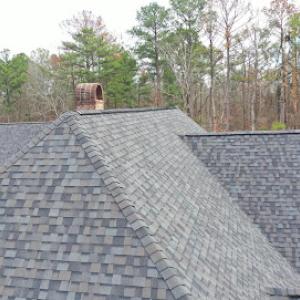
Scott Roofing
(601) 691-0746 www.scottroofing.llc
105 Head Start Ln STE G, Pearl, Mississippi
5.0 from 96 reviews
Scott Roofing, LLC proudly serves Central Mississippi communities—including Pearl, Brandon, Madison, Ridgeland, Jackson, Vicksburg, and more—with trusted residential roofing services. Specializing in roof replacements, emergency repairs, detailed roof inspections (including drone inspections), and insurance claims assistance, our experienced team ensures exceptional quality, clear communication, and neighborly care. Locally owned and committed to integrity, Scott Roofing makes protecting your home stress-free. Call today for your free roof inspection and personalized estimate!
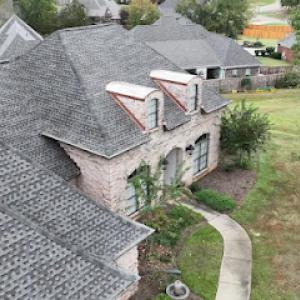
Elite Roofing & Gutters
(601) 589-9410 eliteroofer.com
4725 US-80, Pearl, Mississippi
4.8 from 352 reviews
Elite Roofing & Gutters provides reliable roof repair, roof replacement, and gutter installation services across Mississippi, with our main office located in Pearl, MS. Our certified roofing specialists handle storm damage, insurance claims, and full roof replacements for homes and businesses from Jackson to Hattiesburg and the Gulf Coast. Whether you need a small roof repair or complete replacement, we’re Mississippi’s trusted roofing experts — built on integrity, craftsmanship, and customer care. Call today for service across Mississippi.
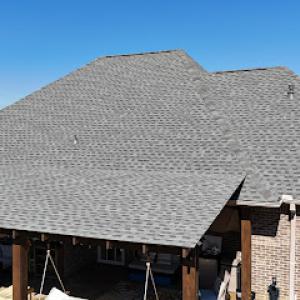
Tri County Roofing & Construction
(601) 937-1516 tricountyroofingms.com
653 El Dorado Rd Ste 112, Pearl, Mississippi
5.0 from 54 reviews
As one of Mississippi's only RSRA-certified roofing contractors, Tri County Roofing & Construction sets the standard for excellence in roofing and construction. Our exclusive certifications with GAF and the Roofing and Solar Reform Alliance mean you're working with verified professionals committed to the highest industry standards. We offer three levels of roofing protection - Core, Standard, and Premium - each with comprehensive warranties. Beyond roofing, our general contracting division handles remodeling, additions, and complete construction projects. Licensed (#19034), fully insured, and committed to honest, transparent service. Protecting Mississippi homes with integrity since establishment.
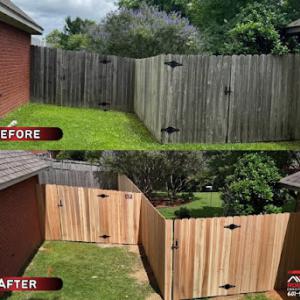
Roberson Construction
(601) 966-7949 www.robersonconstruct.com
185 Country Pl Pkwy Ste 730, Pearl, Mississippi
4.9 from 86 reviews
Roberson Construction, LLC brings over 20 years of experience to Pearl, MS, offering high-quality construction services, including fences, roofs, decks, patios, and screened porches. Our licensed, bonded, and insured team is committed to delivering reliable craftsmanship, fast response times, and competitive pricing. Whether you need home improvements or outdoor upgrades, we’re dedicated to enhancing your property’s value and functionality. We also handle roofing replacement Pearl, providing durable, long-lasting solutions to protect your home. Customer satisfaction is our priority, and we strive to ensure every project meets your expectations. Contact us today or visit our website to learn more!
M&M Construction Services
(601) 750-2274 mm-construction-services.com
Old Country Club Rd, Pearl, Mississippi
4.6 from 18 reviews
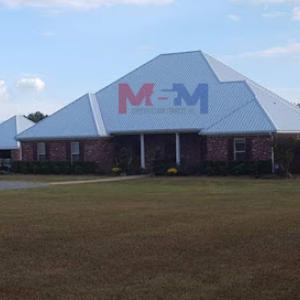
We are a licensed commercial contractor in Mississippi. We are also insured, bonded and accredited through the better business bureau. While our company specializes in commercial roofing like single ply TPO and metal roofing. We also offer steel buildings, custom decks and patios, we will meet any need you may have. We take absolute pride in our workmanship and do what it takes to make every customer happy. Call us today to schedule a free quote. Check out our website for examples of our work and attention to detail. The website for M&M Construction Services also contains reviews and notes from our wonderful customers. We look forward to hearing from you soon.
Mississippi Pro Roofing
(601) 376-9942 www.mississippiproroofing.com
1108 Weems St, Pearl, Mississippi
5.0 from 5 reviews
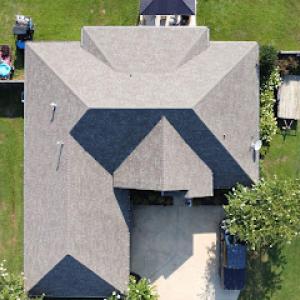
Mississippi Pro Roofing, proudly serving Central Mississippi, including Brandon, Madison, and Flowood, is your premier choice for top-notch roofing services. With over a decade of construction expertise, licensed contractor Jim Meng, owner of InVision Construction, LLC, recognized the growing demand for specialized roofing solutions. In response, Mississippi Pro Roofing was established in 2022, aiming to lead as the top commercial and residential roofing contractor in the region. Our commitment to excellence and years of construction experience ensure that your roofing needs are in expert hands.
Independent Roofing Systems
175 Excell Dr, Pearl, Mississippi
4.3 from 9 reviews
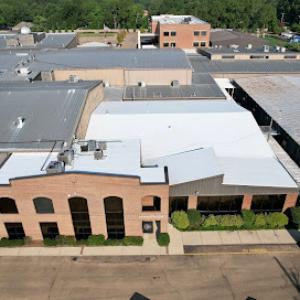
Independent Roofing Systems, Inc. was founded in 1980 in Jackson, MS. With over 40 years of experience, we have become a premier roofing contractor serving the Southeast.
Reliable Roofing & Construction
(601) 768-1513 www.reliableroofingms.com
2650 Old Brandon Rd Suite C, Pearl, Mississippi
3.8 from 9 reviews
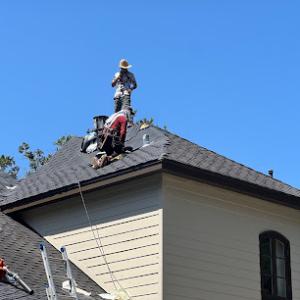
Our Pearl, MS based roofing company offers a wide range of services including small repairs & gutters. Our roofers install shingles, metal, & flat roofs on residential or commercial properties. Our experienced contractors are always happy to provide a free estimate & financing options for any potential job.
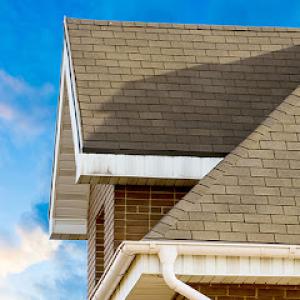
Rushing Construction
696 Pearl Park Plaza, Pearl, Mississippi
4.0 from 4 reviews
Formerly R&R Roofing, Rushing Construction, Inc is here to serve you for all your roofing needs. With 35+ years of experience, we are licensed, insured and bonded - local and family owned.
M & S Roofing
(601) 932-3913 www.msrcoinc.com
105 Beulah Land Dr, Pearl, Mississippi
3.7 from 3 reviews
M&S Roofing, Inc., established in 1991, has been operating for nearly 35 years in the commercial roofing industry. The company has been licensed as a commercial roofing contractor in the state of Mississippi since its inception. We pride ourselves on the quality of our work and the relationships we have with our owners, architects, manufacturers, and general contractors. We specialize in single-ply roofing, including but not limited to TPO, EPDM, and PVC roof membranes. We also install architectural standing seam metal roofing, synthetic slate shingles, metal wall and soffit panels, gutters, downspouts, and roof coatings. M&S Roofing has a full sheet metal shop where we are able to fabricate much of our own metal trim, accessories, and
EC Malone Roofing, Metal Walls, Maintenance
(601) 709-2391 www.ecmalone.com
Serving
4.7 from 60 reviews
Every day at Malone, we believe we exist to improve our community. We embrace technology, and empower our people to never settle for average, while striving to be better than we were yesterday. Malone brings beautiful products to clients in a timely manner, while using the highest quality materials, delivered with expertise workmanship. Through a transparent process, we protect people and the things that matter most. We began as roofers. We thrive as innovators. We are Malone. How can we serve you? At Malone Roofing Services, our mission is to perform for our customers the highest level of quality construction services, at fair and market competitive prices, while ensuring the longevity of our company through repeat/referral business.
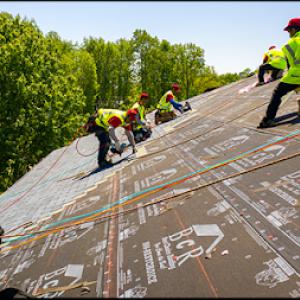
Best Choice Roofing
(601) 688-7311 bestchoiceroofing.com
Serving
4.8 from 262 reviews
Best Choice Roofing is your trusted roofing expert and the Best Choice when it comes to choosing a roofing company with a commitment to impeccable customer service. In business since 2009, Best Choice Roofing’s industry-leading contributions to the roofing industry include a customer-first mentality, a dedication to top-quality products and a leadership team focused on the growth of its people. Because of this framework, we have created a loyal base of customers all over the United States.
Thunderstorms roll through with little warning, and substantial rainfall can saturate exposed decking fast if a tear-off is interrupted. In Pearl, same-day tarping and staged dry-in aren't just helpful-they're unusually important for preventing interior moisture damage and mold, especially when a roof crew is juggling multiple storms. The window between a leak starting and a dry-in being secured can close in a hurry, leaving you with water intrusion, warped decking, and compromised insulation. Understanding this dynamic helps you demand rapid response from your crew and insurer alike.
Leak calls often arrive after overnight storm lines rather than from isolated single-home failures. That pattern means shingle or panel damage is frequently widespread by morning, and crews may be sprinting to respond in time. If you notice any damp ceiling spots, stained walls, or active drips, treat it as an emergency. Don't wait for a perfect sunny day to call the contractor. In this market, positioning for emergency repairs and having tarping ready to deploy is part of the plan, not a luxury.
First, retain a temporary tarp over exposed areas as soon as you suspect damage, focusing on protecting living spaces and any attic openings. If a tear-off is interrupted by rain a few hours in, a staged dry-in can stop further water intrusion until a full repair window opens. Coordinate with a local roofer to schedule a prioritized, weather-windowed dry-in plan that aligns with anticipated rain gaps. Have a clear line of communication with your insurance adjuster so they understand the urgency and can authorize immediate temporary protection expenses. Keep a log of storm timing, water intrusion, and roof area affected; photos taken from inside and outside will streamline claims and scheduling.
Choose a contractor who can mobilize quickly and who understands Pearl's storm rhythm. Ask about tarping materials, edge protection to prevent wind uplift, and how they'll stage a dry-in in smaller weather windows. A reliable crew will pre-activate tarps, secure ventilation openings, and have a quick-reaction plan for overnight or early-morning rain. Confirm that the plan includes rapid delivery of underlayment and temporary waterproofing for the most vulnerable areas, so interior spaces stay dry even if a full tear-off must wait for the next favorable weather slot.
Central Mississippi weather is notoriously fickle, and heavy rain timing can split work into multiple small windows. Expect a phased approach: initial tarp and temporary protection, followed by a controlled tear-off when two or more days cooperate, then a staged dry-in as each section is resealed. Your homeowner plan should map out which sections are prioritized at first, how long tarping stays in place, and how crews rotate to minimize downtime and moisture exposure while you wait for the next window.
When you can't wait, these contractors offer fast response times to stop leaks and prevent further damage.
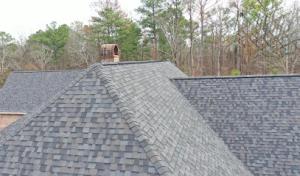
Scott Roofing
(601) 691-0746 www.scottroofing.llc
105 Head Start Ln STE G, Pearl, Mississippi
5.0 from 96 reviews
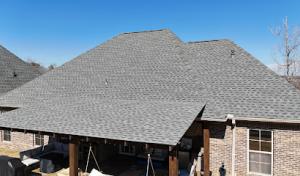
Tri County Roofing & Construction
(601) 937-1516 tricountyroofingms.com
653 El Dorado Rd Ste 112, Pearl, Mississippi
5.0 from 54 reviews
Pearl's hot, humid subtropical climate accelerates shingle aging and can shorten the service life of lower-grade materials compared with milder regions. In practical terms, that means choosing mid- to upper-grade shingles pays off in fewer early replacements. If you have asphalt shingles, look for a 30-year class or better, and avoid the cheapest options that crack or delaminate after a few hot summers. For metal, look for coatings designed to resist high heat and humidity, since coating degradation and panel flexing under repeated heat cycles can reveal fasteners or seams sooner than expected. The climate also magnifies the impact of hail and strong storms, so material selection should factor in not just initial cost but long-term resilience against heat and moisture-driven wear.
High humidity and repeated wet-dry cycling in central Mississippi make attic ventilation, underlayment quality, and flashing details especially important for controlling moisture-related deterioration. Start with ventilation that moves a steady amount of air through the attic year-round-spacious soffit intake paired with a properly positioned exhaust vent helps reduce condensation that can rot decking and foster mold. Underlayment should be rated for humid conditions and installed with proper overlaps to shed water quickly during a downpour. Flashings around chimneys, skylights, and wall transitions must be continuous and sealed with materials compatible with humid air, since failure here often triggers slow leaks that lead to deck rot and interior staining. In practical terms, this means confirming attic baffles are in place to maintain ventilation, choosing asphalt or synthetic underlayment rated for saturated environments, and inspecting flashing whenever a storm lands a hit or you notice a damp attic ceiling. If peeling or loose flashing is seen after a storm, address it promptly to prevent guiding water into interior spaces.
Fall is often the preferred replacement window in Pearl because summer heat can complicate installation conditions and spring weather is more interruption-prone from severe storms. Scheduling in early fall lets crews work in cooler, stable conditions and reduces the risk of heat-related delays or material expansion issues. When planning, coordinate a temporary stabilization after a storm to prevent leaks from migrating into ceilings and walls. Use tarps or waterproof sheeting to cover exposed roof sections as a stopgap if a quick fix isn't possible, and secure ladders and access points to minimize further damage during rain events. After a storm, perform a careful exterior inspection from ground level to identify missing shingles, lifted tabs, dented metal, or damaged flashing, then prioritize professional assessment for any area showing moisture intrusion or compromised flashing. A swift, targeted patch can hold back moisture while a full repair is scheduled, easing the path to a proper claim and preventing minor leaks from turning into more expensive interior damage.
Asphalt shingles remain a practical fit for many Pearl homes because they align with the area's dominant residential roof stock and lower upfront cost range. In this climate, hail events and heat exposure can cause bruising and accelerated aging, so choosing shingles with reinforced asphalt and good granule adhesive becomes important. For homes that see repeated severe weather, a high-quality underlayment paired with impact- or impact-resistant shingles can help slow leaks after a fast drying window. Consider a reflective granule option to reduce heat buildup in attic spaces, and plan for more frequent inspections after hailstorms to catch bruising that isn't always visible from ground level.
Metal roofing has strong local relevance because it sheds heavy rain well and resists wind-driven damage when installed correctly. In Pearl, a meaningful share of contractors offer metal options, which translates to more timely service after a storm and quicker leak stabilization. Metal can be a smart choice on vented or high-humidity sections of the roof where moisture control is critical. When selecting metal, pay attention to panel profile, substrate coating, and fastener patterns that suit the local storm patterns. A properly sealed seam and robust attic ventilation reduce heat buildup and condensation risks that can mimic leaks during the humid Mississippi summer.
Tile and wood products appear in the material mix but are less central to the local contractor landscape. Clay and concrete tile offer durable, long-term options, while wood shingles/shakes provide a traditional look. However, heavier systems demand structural assessment and capable installation to avoid wind-related failures. If choosing these materials, verify installer experience with your roof's pitch, attic structure, and climate-driven moisture cycles. Ensure the contractor accounts for heat expansion, seal geometry, and proper attic ventilation to prevent trapped moisture and premature deterioration.
In storms, the key choice is how quickly a roof can stabilize leaks and shed water while insurance steps are underway. Regardless of material, favor systems with strong water shedding, proven hail performance, and a local contractor network that can respond quickly after a severe weather event. Regular inspections after hail or heavy rain help catch hidden damage early, preserving both the roof's integrity and interior moisture control in Pearl's humid heat.
Typical Pearl pricing runs about $350-$700 per square for asphalt shingles, $600-$1200 for metal, $900-$1800 for clay tile, $800-$1500 for concrete tile, $550-$1100 for wood shingles or shakes, and $450-$900 for synthetic or composite shingles. In practice, the lower end fits straightforward, uniform roof decks common on mid-century suburban homes, while the higher end follows premium profiles, attic vents, and the need for sensitive staging in tight yards. When planning, use these ranges as a starting point and expect some variation based on roof pitch, waste factors, and the quality of underlayment chosen.
Pearl costs can rise after regional storm events when insurance-funded demand surges across the Jackson metro and contractor schedules tighten. After a big hail or thunderstorm wave, schedules fill quickly, and prices move with availability. If you're negotiating a replacement in the aftermath, set expectations for possible lead times and confirm the sequence of work from tear-off to re-roof. For asphalt or synthetic shingles, the impact is typically more pronounced on material delivery and crew availability than on basic labor, but premium profiles and tile installations can see delays as crews with specialty skills book up.
Local pricing is also influenced by moisture-sensitive staging needs, permit and inspection coordination, and the roof designs common in suburban residential neighborhoods where re-roofing is a major share of work. Humid Mississippi heat and heavy rainfall mean moisture control during installation is not optional; the right underlayment, venting, and outdoor drying conditions matter. For tile or shake options, extra precautions to manage breakage and long lead times for specialty tiles can add to costs. In homes with complex eaves, multiple ridges, or attached garages, expect additional waste and handling charges that show up as modest increments above the base material price.
If a typical mid-range suburban home in these yards is reroofing with asphalt shingles, plan toward the $350-$700 per square range, adjusting upward if a steeper pitch or added attic vents are needed. For a metal roof, budget closer to $600-$1200 per square, with higher numbers for standing-seam profiles or intricate multi-panel layouts. Tile roofs-clay or concrete-tend toward the upper end: clay $900-$1800, concrete $800-$1500 per square. Wood shingles or shakes run $550-$1100, while synthetic or composite shingles hover around $450-$900 per square. Use these benchmarks to compare bids, and factor in moisture-control staging and scheduling needs as you finalize a contract.
Get a clear picture of your project costs upfront - no commitment required.
Scott Roofing
(601) 691-0746 www.scottroofing.llc
105 Head Start Ln STE G, Pearl, Mississippi
5.0 from 96 reviews
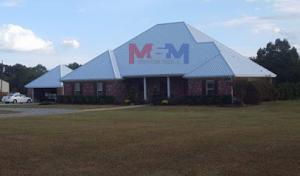
M&M Construction Services
(601) 750-2274 mm-construction-services.com
Old Country Club Rd, Pearl, Mississippi
4.6 from 18 reviews
Most full re-roofs in Pearl require a building permit through the City of Pearl or the applicable local building department process serving the property. This isn't just paperwork; it sets the stage for a proper inspection trail that catches moisture risks before they become costly leaks after a storm. Expect that the process can feel slower than you'd like, especially when a storm season rushes contractors into tight windows. Having a clear line of sight to the permit status helps you avoid last-minute delays that push start dates into brick-and-mence territory rather than a smooth dry-in.
Homeowners should expect plan review and post-installation inspection activity focused on underlayment, ventilation, flashing, and shingle installation details rather than a purely paperwork-only approval. In Pearl, the emphasis is on moisture control and proper flashing around chimneys, vents, and eaves, as well as how the underlayment ties into attic ventilation. If the roofing crew cannot demonstrate correct underlayment overlap, nail pattern, and secure flashing, the inspector may require corrections before final sign-off. Being prepared for these reviews prevents repeat visits that stall your project and risk storm season leaks.
Scheduling can vary in Pearl, and some neighborhoods may add HOA or subdivision review layers that affect start dates even after the permit path is understood. If an HOA is involved, factor in their review timeline alongside the city process, and plan for potential additional changes to satisfy both sets of requirements. Knowing this upfront can spare you rushed decisions when the weather window you're counting on begins to close.
Coordinate clearly with your contractor about visible milestones: permit approval, plan review feedback, underlayment and ventilation checks, flashing details, and the final inspection. Clear communication reduces the chance of rework and keeps the project moving through Pearl's typical storm-driven schedules, so a fast dry-in and reliable moisture control stay within reach even when thunderheads roll in unexpectedly.
Although Pearl is primarily a residential pitched-roof market, a meaningful number of local contractors advertise flat-roof service, indicating recurring low-slope leak work on additions, porches, and commercial properties. When a flat section shows signs of moisture, treat it as a high-priority edge case in a storm sequence. Start with a quick, honest assessment of whether the issue is ponding, flashing, or surface wear. If a flat roof is present on an addition or porch, expect more rapid deterioration from heavy rainfall and heat buildup. Engage a contractor familiar with local cladding transitions and the way membranes interact with parapets, curbs, and metal edge details.
Frequent heavy rain in Pearl makes ponding-prone low-slope sections and transition flashings more vulnerable than they would be in drier inland markets. Inspect for standing water two to four hours after a rain event, and document any persistent pooling. Check transitions where the low-slope plane meets walls, parapets, and skylight or vent penetrations. Water tends to travel along fasteners and corner seams, so pay special attention to screws, sealant joints, and adhesive laps. If you notice delayed drip lines inside ceilings or damp insulation near these areas, treat it as a leak risk that needs immediate attention. Seasonal checks after hail events are especially prudent, since impact damage can compromise membrane integrity without obvious surface marks.
Skylight repairs are a smaller but real specialty in this market, which matters because repeated storm exposure can turn marginal flashing details into chronic leak points. Inspect skylight flashing during dry spells, looking for loose or softened sealant, degraded pre-glazed gaskets, and any movement around the curb. In older installations, the flashing may be hidden behind caulk or paint, making leakage harder to detect until a drip manifests indoors. When a leak appears near a skylight, verify the sealant bed and curb flashings first, then confirm the surrounding roof plane slope promotes proper water shedding away from the glazing. If a storm bruises the ribbed metal around a skylight or bends a cap, address it promptly to prevent slow leaks turning into rapid interior damage.
Find specialists in TPO, EPDM, and built-up flat roofing systems for residential and commercial properties.
M&M Construction Services
(601) 750-2274 mm-construction-services.com
Old Country Club Rd, Pearl, Mississippi
4.6 from 18 reviews
Strength Roofing & Siding
(601) 373-7254 www.strengthroofingandsiding.com
Serving
5.0 from 75 reviews
Because this market is heavily storm-driven, you want a contractor whose presence you can verify with real neighborhood results. Look for firms that have restored multiple nearby homes after hail or sudden downpours and that can show you completed projects in your ZIP code. A long-standing local team understands how attic humidity, interior protection, and roof venting play into fast-dry-in success.
You should expect thorough damage documentation before any tear-off starts. A Pearl contractor who uses written checklists, photo logs, and labeled schematics helps you work with the insurer without guesswork. Ask how they track wind-driven damage, hail impact on decking, and moisture intrusion into ceilings. If they rush to sign off without a clear record, you may face gaps in coverage or disputes down the line.
Speed matters after a storm. The right contractor will tarp exposed areas promptly, set up temporary containment to keep debris out of living spaces, and coordinate with you to minimize mold risk in humid weather. In calmer moments, confirm their plan for interior protection during tear-offs and re-covering, especially on two-story homes or vaulted ceilings.
Cleanup should be more than sweeping shingles off the lawn. Reputable crews in Pearl manage waste containment, protect landscaping, and remove debris daily. Ask for a written cleanup protocol and a point person who can respond quickly if insulation or interior finishes are compromised during the project.
Given the number of long-established, family-owned, licensed, and insured firms active around Pearl, homeowners can compare contractor stability and local track record rather than relying only on lowest bid. Look for clear references, a physical office, and a plainly stated warranty backed by a local installer.