
Last updated: Apr 19, 2026
Thunderstorm-driven roof damage can escalate quickly when puddled rain follows a stubborn wind gust. You should treat any wind-blown shingle lift, visible granule loss, or puncture as an active claim trigger the moment you notice it. In Mississippi's severe-weather insurance environment, carriers scrutinize storm-related losses, so documentation matters from day one. Take ground-level photos showing the roof's overall condition and the surrounding yard to capture debris pattern, fallen branches, and potential near-term hazard spots. If you can safely do so, photograph the attic or ceiling with visible water marks or staining, which helps establish a leak timeline for the claim. Do not wait for a perfect light or a clear sky; the goal is to create a factual, dated record you can reference later.
Expect the insurer to ask for roof age, prior claim history, and photo documentation. Build a simple, repeatable file: date-stamped photos of every damaged area, a quick sketch of the roof's layout, and notes on how wind or hail damaged particular sections. Keep a running list of the dates of every storm event that touched the roof, plus any temporary repairs you've made to prevent further water intrusion. If you've had previous claims, gather settlement packets and adjuster notes from those files to anticipate what the current carrier will request. In this market, independent documentation beats guesswork. A dated timestamp on photos from different angles-ridge, eaves, and valleys-helps the adjuster see the full picture rather than a single shot that could be misinterpreted.
Mid-year storm activity in this area can delay roofing schedules, so timely documentation is critical before temporary repairs and debris cleanup alter the evidence. If wind or hail tore shingles or exposed underlayment, flag those areas before bi-weekly debris cleanup begins. Temporary tarps or coverings should be used with care, and photographs should record the exact placement and any fasteners. Keep receipts for temporary measures; even short-term fixes can influence the scope and cost of the claim if a later adjuster sees them as a preexisting condition rather than an emergency response to a storm event. If a storm hits on a weekend or holiday, file the claim promptly and coordinate with your roofer to secure a temporary, weather-resistant solution that minimizes further interior damage while you gather photos.
Choose a local contractor familiar with steep-slope residential roofs and wind-resistance details that are common around here. When the adjuster arrives, you want a contractor-ready record of pre- and post-storm conditions, including any shingle tabs blown loose, lifted edges, or granule loss concentrated near the drip edge or valleys. The contractor can help compile a detailed scope, with labeled photos and a simple diagram, to present during the inspection. If an adjuster questions the extent of the damage or the cost of repairs, you'll want to reference the documented evidence gathered in the days immediately after the storm to support your case. In a market with frequent storm activity, a strong, organized claim packet often speeds the process and reduces back-and-forth delays.
Asphalt shingles dominate the local roofscape, and for good reason: they offer solid value, decent wind resistance, and a quick, straightforward installation. In the Pine Belt climate, attic ventilation and moisture control matter more than in drier inland markets. A well-ventilated attic helps prevent heat buildup and dew that can prematurely age shingle edges and underlayment. When you install or replace asphalt, pair it with a nailing pattern that suits steep slopes common on residential roofs here, and consider a higher-quality underlayment to bolster rain intrusion protection during thunderstorm seasons.
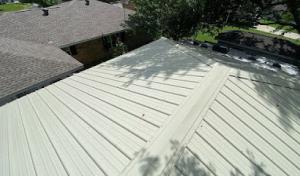
Metal is a strong fit for shedding heavy rain quickly, which pays off during storms that roll through with Gulf influence. If you're choosing metal, focus on panel seams, fasteners, and proper sealing around hips, valleys, and penetrations. Metal performs well on steep-slope roofs and can resist wind-driven rain when installed with the correct edge details and starter strips. Ventilation remains important beneath metal, particularly in humid summers, to prevent condensation and premature corrosion on exposed fasteners. For homes facing frequent storms, a painted or coated finish that resists fading and chalking helps long-term appearance and performance.
Tile options exist but are less common and require careful evaluation for structural load and wind exposure. Clay tiles offer longevity and a distinct look, but their weight means the structure must tolerate the load, and wind can lift misaligned tiles if fasteners or batten systems aren't right. Concrete tile shares similar considerations with added mass and potential for cracking under temperature shifts. If a tile roof is found on a structure, ensure a qualified roofer confirms the framing, underlayment, and fastener pattern are suited to the roof's slope and typical storm loads. Both tile types demand professional inspection after heavy rains to check for cracked or displaced pieces that can leak moisture into the attic.
Wood shingles and shakes carry a classic appearance but face added maintenance pressure in this climate. Persistent humidity and repeated wetting accelerate weathering, cupping, and algaelike staining, especially on shaded or overhanging sections. For wood, expect more frequent crest inspection around chimneys, valleys, and roof edges where moisture tends to pool. If choosing wood, select a rot-resistant species and a high-quality sealant or stain, and plan for periodic treatment. Keep gutters clean and ensure soffits and vents aren't blocked by decayed material, as moisture buildup can travel rapidly along the deck.
The lifespan of any material here hinges on moisture control, storm exposure, and drainage performance. Attic vents, ridge vents, and soffit intake should be balanced to avoid hot, humid attic air turning into a moisture problem that ages roofing components from the inside. After strong thunderstorm events, conduct a quick check for lifted shingles, displaced tiles, damaged flashing, and obvious leaks near penetrations. Prompt resealing and, if needed, temporary tarp protection can reduce interior damage while a professional assessment is arranged. In the Pine Belt, combining material choice with vigilant moisture management and timely storm repairs yields the best long-term performance.
Milder spring and fall conditions are typically the best replacement windows for a roof project in this area because crews avoid the worst summer heat and humidity while reducing weather-related installation interruptions. If your shingles or panels are nearing the end of life, plan for late March to early May or late September to early November. Those periods give crews a solid stretch of dry days, steady temperatures, and fewer heat-driven pauses. Aligning the project with these windows helps the crew stay on schedule and minimizes the chance of expedited, weekend work that can ripple into higher disruption for nearby homes.
Summer roofing in this city can slow down because heat and humidity affect both crew productivity and how materials are handled on the roof. Heat makes underlayment and sealants cure differently, and high humidity can complicate asphalt shingle installation or panel fastening. If a summer replacement is unavoidable, plan for early starts to beat the heat and schedule more frequent breaks for heat safety. Expect longer days and more careful handling of materials to prevent warping, cupping, or wind uplift issues during the peak heat of July and August.
Frequent rainstorms during the middle of the year raise the risk of tear-off delays and exposed-deck moisture, making scheduling discipline especially important in this city. When storms are forecast, you may need flexible timing rather than locking in a single date. Track a reliable weather window of several days with low rain probability, and have a contingency plan to cover the deck if showers pop up. If a storm rolls in mid-project, the crew should pause work to protect the exposed decking and promptly resume once conditions stabilize. Build in a buffer week around volatile periods to absorb rain delays without pushing the project into a rain-soaked stretch.
Start by confirming a definite start date with the contractor that avoids the core heat and peak storm periods. Establish a clear daily work plan, including what time crews arrive, where materials will be staged, and how long weather-related interruptions are expected to last. Maintain open lines of communication for rapid weather updates and plan alternate days when rain is likely. On-site, designate a safe zone to park equipment and secure loose items during wind events. In practice, staying aligned to a spring or fall window, while building in rain buffers and storm contingencies, yields the most reliable, orderly re-roof experience for homes in this area.
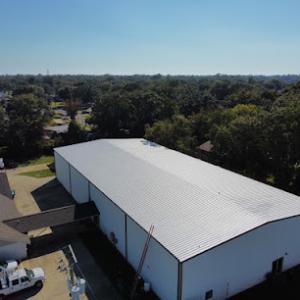
B & A Roofing & Gutters
(601) 520-3183 www.baroofings.com
5 Rivers Dr Suite 40, Hattiesburg, Mississippi
5.0 from 356 reviews
We offer no obligation roof inspections and specialize in working with insurance companies on your claim. Our services include: commercial roof repair and replacements, residential roof repairs and replacements, commercial roof coatings, seamless gutter installation.
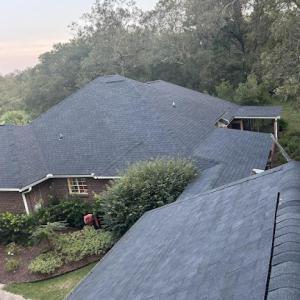
Gable Roofing
(601) 909-4004 www.gableroofing.net
104 Titus Blvd, Hattiesburg, Mississippi
4.9 from 76 reviews
Gable Roofing: Your Trusted Experts for Roofing and Gutter Services in South Mississippi
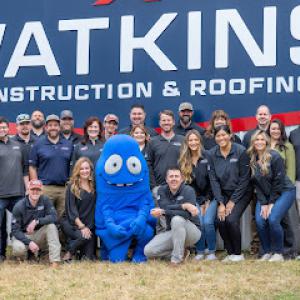
Watkins Construction & Roofing
(601) 871-6037 watkinsconstructioninc.com
10 Wrangler Suite 200, Hattiesburg, Mississippi
4.9 from 76 reviews
When you have a roof leak or storm related roof damage you need a local roofing contractor you can trust. Watkins Construction & Roofing has been a trusted Hattiesburg MS roofer for 20-years. With services like roof repair, new residential roof replacement, commercial roofing, leaky skylight repair and replacement, and even roof cleaning services, Watkins wants to be your go-to Hattiesburg MS roofing company. At Watkins Construction & Roofing our #1 goal is customer experience. Watkins Construction always puts customers first. Call Owens Corning Platinum Preferred roofing contractor, Watkins Construction & Roofing, today if you have a roof leak or need a new roof on your home anywhere in greater Hattiesburg MS.
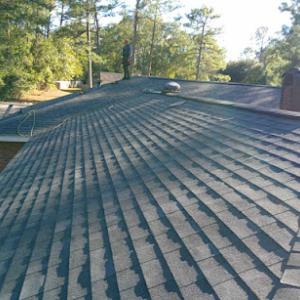
Castillo Roofing
(601) 651-8549 castilloroofingllc.us
Hattiesburg, MS
5.0 from 63 reviews
Castillo Roofing safeguards residential and commercial properties in Laurel, Mississippi painting, and drywall services. Their expertise ensures both the beauty and longevity of your property.

Best Choice Roofing
(601) 476-5661 bestchoiceroofing.com
116 N 40th Ave, Hattiesburg, Mississippi
4.8 from 211 reviews
Best Choice Roofing is your trusted roofing expert and the Best Choice when it comes to choosing a roofing company with a commitment to impeccable customer service. In business since 2009, Best Choice Roofing’s industry-leading contributions to the roofing industry include a customer-first mentality, a dedication to top-quality products and a leadership team focused on the growth of its people. Because of this framework, we have created a loyal base of customers all over the United States.
Titan Roofing
(601) 336-7856 www.titanontop.com
201 Cox Ave #3, Hattiesburg, Mississippi
5.0 from 34 reviews
Titan Roofing was chosen as the #1 residential storm restoration company in the nation by Business Construction Review magazine in 2024 . With over 700 FIVE STAR reviews its easy to understand why Titan Roofing is the most requested storm restoration roofing company in the nation.
Southeast Roofing
(601) 549-3783 southeastroofing.llc
6668 US-98 Suite F, Hattiesburg, Mississippi
5.0 from 23 reviews
At Southeast Roofing, we provide expert roofing and gutter services across South Mississippi. Based in Hattiesburg, our team offers quality roof installations, fast repairs, free inspections, and insurance claim support for wind and hail damage. We’re also available 24/7 for emergency tarp jobs and leak repairs. Our gutter and downspout services help protect your home from water damage. Count on us for reliable, professional service every time.
Malone Roofing & Metal Walls Hattiesburg Corporate Office
(601) 336-7008 www.ecmalone.com
1 Commerce Dr, Hattiesburg, Mississippi
5.0 from 21 reviews
Every day at Malone, we believe we exist to improve our community. We embrace technology, and empower our people to never settle for average, while striving to be better than we were yesterday. Malone brings beautiful products to clients in a timely manner, while using the highest quality materials, delivered with expertise workmanship. Through a transparent process, we protect people and the things that matter most. We began as roofers. We thrive as innovators. We are Malone. How can we serve you? At Malone Roofing Services, our mission is to perform for our customers the highest level of quality construction services, at fair and market competitive prices, while ensuring the longevity of our company through repeat/referral business.
Elite Roofing & Gutters
(601) 843-9647 eliteroofer.com
5023 W 4th St Unit 405, Hattiesburg, Mississippi
5.0 from 14 reviews
Elite Roofing & Gutters provides reliable roof repair, roof replacement, and gutter installation services across Mississippi, with our main office located in Pearl, MS. Our certified roofing specialists handle storm damage, insurance claims, and full roof replacements for homes and businesses from Jackson to Hattiesburg and the Gulf Coast. Whether you need a small roof repair or complete replacement, we’re Mississippi’s trusted roofing experts — built on integrity, craftsmanship, and customer care. Call today for service across Mississippi.
Reliable Roofing & Construction
(601) 550-6286 www.reliableroofingms.com
5267 Old Hwy 11 Suite F, Hattiesburg, Mississippi
4.8 from 22 reviews
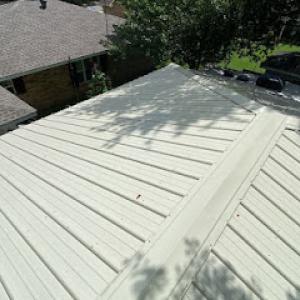
Our Hattiesburg, MS based roofing company offers a wide range of services including small repairs & gutters. Our roofers install shingles, metal, & flat roofs on residential or commercial properties. Our experienced contractors are always happy to provide a free estimate & financing options for any potential job.
River Oaks Roofing
(601) 340-9361 riveroaksconstructionms.com
6196 US-98, Hattiesburg, Mississippi
4.6 from 32 reviews
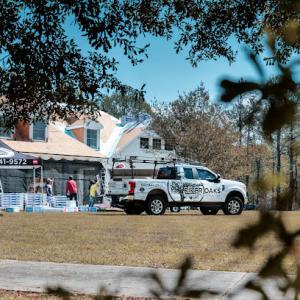
River Oaks Roofing remains to be one of the most reputable roofing contractors in the South East corner of Mississippi. We handle the three major roofing services, retail roof replacements, roof repair services, and storm damage restoration claims. As a GAF Master Elite certified contractor, River Oaks Roofing is able to provide Mississippi homeowners with the best warranty options to make your next roof your last!
Pro-Shield Roofing & Construction
(601) 265-1790 pro-shieldroofs.com
Hattiesburg, Mississippi
5.0 from 7 reviews
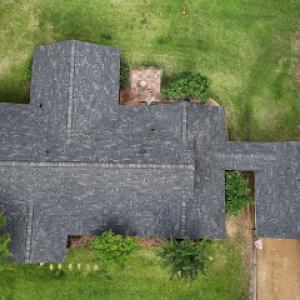
Come to Us for All of Your Roofing Needs We are your committed roofing contractor in Hattiesburg, MS Roof repair or replacement can be a big job-you need a roofer you can trust to handle it properly. Count on Pro-Shield Roofing & Construction, LLC to provide top-notch roofing service. With many years of experience and a family history of roofing, we offer expert roofing service to residential and commercial property owners. From small fixes to large roofing revamps, Pro-Shield Roofing & Construction can tackle any job. We also offer a number of exterior repair services. Rely on a licensed and insured roofing contractor in Hattiesburg, MS for your every roofing and home repair need. Call us now to schedule an appointment for service.
Typical pricing in the Pine Belt runs about $350 to $600 per square for asphalt shingles, $500 to $900 for metal, $900 to $1700 for clay tile, $800 to $1500 for concrete tile, $600 to $900 for wood shingles or shakes, and $550 to $1000 for synthetic or composite shingles. Those ranges reflect the mix of older ranches and newer, steep-slope homes common around the city, where the roof geometry can push install complexity up or down a notch. In neighborhoods with mixed tree cover, you'll notice a tilt toward mid-range products, with asphalt and synthetic options offering a favorable balance of cost and ease of installation. If you're weighing a transition from asphalt to metal or tile, expect the upfront difference to show up quickly in longer-term durability and wind performance, especially on higher ridges or long slopes where wind exposure is a constant factor.
Storm-driven demand spikes can push pricing and scheduling upward after severe weather because many local contractors are active in insurance and storm-damage work. When a round of thunderstorms rolls through, you may see both faster response times and tighter scheduling windows, as crews respond to urgent leak repair and temporary tarp needs before a full replacement. In practice, that means a surge in available crews can shorten wait times for some homeowners but may also introduce variability in bidding, with multiple companies vying for a single storm-damaged project. It's wise to start conversations early in the post-storm window, gather multiple quotes, and document pre-storm conditions so you can compare apples to apples when decisions are on the table.
Costs in this market can also rise when code-driven wind-rated underlayment or specific nailing patterns are required during installation. Hattiesburg's mix of humid conditions and Gulf-influenced thunderstorms means many roofs benefit from enhanced wind resistance, which translates to stronger underlayment and may require more precise nailing patterns during installation. Expect uplift in labor time and material costs if your home's roof pitch or complex geometry necessitates additional fasteners, higher-quality underlayment, or specialized installation techniques. This combination-wind readiness plus storm timing-often directs a portion of the budget toward ensuring the finished roof not only looks right but stands up to the next tropical-season wind gust.
Don't let upfront costs delay a critical repair - these contractors offer payment plans to fit your budget.
Gable Roofing
(601) 909-4004 www.gableroofing.net
104 Titus Blvd, Hattiesburg, Mississippi
4.9 from 76 reviews
Reliable Roofing & Construction
(601) 550-6286 www.reliableroofingms.com
5267 Old Hwy 11 Suite F, Hattiesburg, Mississippi
4.8 from 22 reviews

A building permit is typically required for full roof replacement in this area. The permit process ties closely to the local code compliance you must demonstrate before work begins, and failing to secure approvals can lead to delays, fines, or a stop-work order that disrupts storm-repair timelines when you need it most. The outcome of inspected work affects not only safety but also how smoothly your insurance company views the project after a hail or thunderstorm event.
Roof projects are reviewed through the City of Hattiesburg or Forrest County building department process, depending on jurisdiction. Before any new underlayment, nailing, or material installation starts, you should file plans or a permit application that captures the scope of work, the roof slope, and the chosen roofing system. Expect a permit review to verify that wind-resistant details align with local wind requirements, especially on steep slopes common in the area. If the project involves replacing structural components or altering drainage, there may be additional documentation or consultations. Keep copies of the permit, approved plans, and any storm-repair notices in a readily accessible place on the job site.
Inspections are not a one-and-done milestone; they occur during the project to confirm incremental compliance. A typical sequence includes an initial framing or underlayment check, followed by a mid-project inspection once the roof sheathing, underlayment, and flashing are in place, and a final inspection after installation. Local reviewers commonly scrutinize wind-rated underlayment installation, nailing patterns, and attachment methods to ensure the roof resists uplift from Gulf-influenced thunderstorms. If any repairs or deviations from the approved plan are needed, address them promptly to avoid rework or citation. Have your inspector's contact information handy so questions don't stall the schedule.
The final inspection verifies that the roof system mirrors the approved plan and meets the current code requirements. Expect documentation that confirms proper nail spacing, fastener type, and the correct installation of drip edge and flashing in vulnerable corners. Once the final stamp is issued, you'll want to keep the permit closure letter and any warranty paperwork with your home records. Missing or misplaced paperwork can complicate future claims after a severe storm.
Missed deadlines or incomplete paperwork can delay repair work when storms are active in the forecast. Coordinating with a licensed contractor who understands wind-resistance details helps ensure the work aligns with local expectations and avoids re-inspection penalties. If your project is near a weather event, ask about temporary protections or expedited inspection options to minimize exposure to further damage.
Mississippi's severe-weather profile makes Hattiesburg a higher-claim roofing market than many inland cities with less thunderstorm and hail exposure. The recurring Gulf-influenced storms drive frequent wind and water damage, so insurers watch for weather-driven risk more closely. That means every claim can be scrutinized for how the roof was installed, maintained, and how promptly damage was addressed after a storm. Being prepared with timely documentation helps you avoid delays when a claim lands on the desk.
Some insurers in this market have tightened terms during high-risk periods, which can affect roof age acceptability, deductibles, and underwriting expectations. When a storm hits, carriers may request prior repair records, photos, and evidence of maintenance to verify that the roof was in reasonable condition before the loss. Keeping a simple file of recent maintenance, color-matched photos, and receipts for any roof-related work can smooth the process. If an older roof shows signs of wear, expect closer scrutiny or higher deductibles, even if the current damage seems straightforward.
Wind-mitigation features may matter more in Hattiesburg policy decisions because carriers may look for installation details that reduce wind-loss exposure. Shingle overhangs, proper nailing patterns, and secure fastening on hips and ridges can influence acceptance and potential premium adjustments after a claim. When choosing a contractor, prioritize workmanship that aligns with wind-resistance best practices and keeps a clear record of installed features. In the event of a storm, a rapid, organized response that shows proactive mitigation can support your claim and help limit dispute or delays.
After a thunderstorm, document the damage as soon as it is safe. Photograph everything, note dates, and keep a log of any emergency temporary repairs. Contact your insurer promptly to report the loss, and schedule a licensed roofer who can provide a detailed, itemized assessment. Quick, accurate documentation reduces the risk of funding disputes and helps restore your home with less downtime.
In this climate, poor attic ventilation is a major lifespan reducer. The combination of prolonged summer heat and high humidity traps moisture against the underside of the roof deck and within the shingles, accelerating aging and increasing the risk of peeling or curling shingles. You should verify that soffit vents, ridge vents, and any attic baffles are clear and unobstructed, especially after storms or homeowners' work that might nest debris up there. A simple test is to feel for cool air exiting the attic in the morning and warm air entering at the eaves in the afternoon. If air movement feels weak, plan a vent inspection or upgrade before the next peak season.
Repeated wind-driven rain in local storms makes flashing details and exposed fastener performance especially important on residential steep slopes. Check around chimneys, vent pipes, and transitions where the roof meets walls. Look for lifted aluminum or galvanized metal flashing, loose sealant, and any gaps at step or counter-flashing. On a favorable day, run a careful moisture check along these edges; water stains or a damp ceiling beneath a seam are red flags. If you notice loose pieces, address them promptly to prevent water intrusion that can run unseen for weeks.
Occasional hail events mean post-storm inspections should look not only for impact marks but also for displaced granules, bent metal edges, and debris-related punctures. Inspect visible shingles for bruising or divots, and sweep off loosened granules from gutters to prevent accelerated aging in water runoff. Metal components-valleys, flashing ledges, and edge trims-should be checked for denting or bending after a hail event. Even small irregularities can become leak paths after subsequent rain.
Find contractors experienced in skylight installation, flashing, and leak repairs to bring natural light into your home.
Watkins Construction & Roofing
(601) 871-6037 watkinsconstructioninc.com
10 Wrangler Suite 200, Hattiesburg, Mississippi
4.9 from 76 reviews
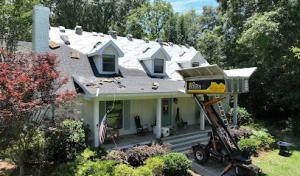
Because Hattiesburg has a strong storm-response contractor presence, homeowners should distinguish between crews focused on emergency response and those equipped for full code-compliant re-roofing. When a storm hits, you want a crew that can tarp leaks and secure the structure fast, but also one that can follow through with a proper, code-conscious roof replacement. Ask how they structure crews, how quickly they can respond to leaks, and who handles the final, long-term reroof plan.
Quick response and cleanup are prominent hiring priorities in this market, reflecting how often local homeowners need fast help after rain and wind events. Look for teams that provide a published after-hours contact line, on-site arrival times, and a concise plan for securing a damaged attic, protecting interior finishes, and removing debris. Verify they leave the yard, gutters, and landscaping in as good or better shape as they found them, with a clear cleanup checklist.
Residential re-roofing is more prominent than highly specialized premium systems in this market, so homeowners should ask directly about experience with their chosen material rather than assuming broad expertise. If you select asphalt shingles, metal, or tile, confirm the contractor has completed multiple local installations on similar houses and knows how to manage wind uplift, venting, and flashing in our climate. For unusual or mixed roofs, insist on a project plan that shows material compatibility and a weather-ready installation sequence.
Before signing, request a detailed site assessment, a written scope of work, and a timeline that accounts for potential rain delays. Check references from nearby neighborhoods that endured storms, and verify the crew's equipment for storm tarping, temporary repairs, and safe disposal of damaged materials. A well-paired storm roofer should balance rapid action with a disciplined, finished job.