Last updated: Apr 19, 2026
This neighborhood texture is defined by a St. Louis County hail corridor that pushes spring hailstorms and strong winds into a rapid cycle of roof damage and emergency calls. When a storm hits, you're not just facing a dented surface-you're weighing a cascade of potential leaks, attic moisture, and insulation problems that can escalate quickly on older pitched homes common around Ballwin. The risk is real: a single hail event can turn a routine roof assessment into a multi-appointment project. Respond with a plan the moment you see new bruises on shingles, curling edges, or granule loss in gutters. Every hour counts when hail and wind are the triggers that send homeowners into the claim cycle.
Local project timing is heavily affected by storm-driven demand spikes, which can compress contractor availability across Ballwin and nearby west St. Louis County suburbs after major weather events. If a big storm rolls through, expect busy crews, shorter on-site windows, and potential delays in synthetic or asphalt replacements as crews re-balance schedules citywide. Factor this into your response: don't wait for the second wave of leaks to appear before you lock in a trusted contractor. Proactively securing a contractor who understands the local climate and knows how to coordinate with adjusters can save you days or weeks of downtime when the next round of hail arrives.
Because Missouri insurers see frequent hail and wind claims, Ballwin homeowners need date-stamped photos, elevation-by-elevation damage records, and roof-age information before adjuster visits. Take clear, timestamped images from ground level and from the ladder angle that exposes the upper edge and valleys. Document damage by elevation-from the eaves and gutters to the ridge line and hips-so the adjuster can map where leaks would originate and how much decking or underlayment may be compromised. Note the age and any visible wear on shingles, underlayment, and flashings, because this helps establish whether a replacement is needed beyond patching. If you have attic access, capture signs of moisture, staining, or damp insulation. A concise damage chronicle helps healing start sooner and reduces back-and-forth with the insurer.
Begin with a storm-day action plan: set aside a current, photo-documented inventory of roof conditions, and prepare a timeline of when hail storms typically occur in your area. After a storm, avoid delaying a professional roof inspection-even if the damage looks minor. A trained eye can spot compromised decking, hidden leaks, or ventilation issues that small problems mask until they become expensive repairs. If a contractor's schedule is tight, ask for a rapid triage visit: a quick exterior survey to flag obvious leaks and then a more comprehensive assessment within a few days. Ensure the contractor is prepared to coordinate with your insurer, provide detailed elevation-and-area maps of damage, and deliver a clear scope of work that aligns with the age and construction style of your home.
Beware the rush-to-repair offers that push a quick patch over a comprehensive replacement plan. In this market, a sturdy roof replacement often beats repeated patchwork after a major hail event. Watch for contractors who appear only after large storms and then vanish when the next rain comes if you don't sign on quickly. Favor local crews who understand the nuances of Ballwin homes, including typical deck vulnerabilities in older structures and how to address ventilation to prevent mold and indoor humidity issues after a leak. Finally, keep an eye on debris collection and yard cleanliness after removal of damaged shingles-the staging area and waste management can impact scheduling and the quality of the finish.
Exterior Building Solutions
(314) 729-7663 www.exteriorbuildingsolutions.com
Serving
4.7 from 116 reviews
Your Local Home Exterior Specialist: -Roofing -Siding & Gutters -Windows -Tuck Pointing -Commercial Roofing -Restoration Services ...and much more!
Brandon J Roofing
(636) 565-0416 www.brandonjroofing.com
Serving
4.7 from 1200 reviews
Brandon J Roofing is a trusted roofing company serving St. Louis County, MO and the surrounding areas. We cover roof replacement, metal roofing, hail & storm damage repair, siding, gutters, and more!
Acute Roofing & Exteriors
(636) 299-3441 www.acuteroof.com
Serving
5.0 from 34 reviews
Locally owned & driven by a passion for quality and customer service - Acute Roofing & Exteriors is a Saint Louis based business, specializing in Residential & Commercial Roofing Services. We consistently provide 5+ star service, and prioritize your job every time! Call us Today, or visit our website!
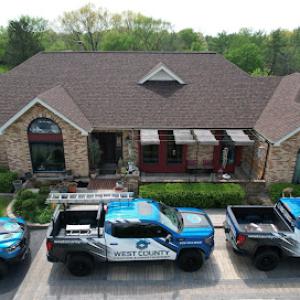
West County Roofing & Construction
(636) 484-8000 www.westcountyroof.com
Serving
4.9 from 223 reviews
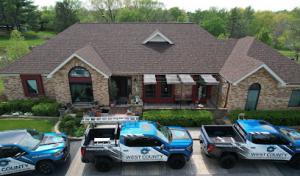
West County Roofing and Construction is the premier roofing company based near St. Louis, MO. Our roof contractors specialize in both residential and commercial roof repairs, roof replacement, siding installation and siding repair. We are experts in a wide variety of materials including metal roofs, shingle roofs, vinyl siding and James Hardie siding. Our company is a proud, 2nd generation, family owned and operated St. Louis area business based in Ellisville, MO. We focus on customer satisfaction, and our ability to deliver the highest quality affordable roofing & siding services in the St. Louis area. Concerned about hail or storm damage? Our roofers can conduct a thorough inspection. Contact us today for a free roof estimate.

Enterprise Contracting
(314) 455-5000 enterprise-contracting.com
Serving
4.9 from 253 reviews
At Enterprise Contracting, Inc., we’re committed to serving Ellisville with exceptional roofing services. As a trusted Ellisville roofing contractor, we focus on delivering quality and value in every project, whether it’s restoring a home’s exterior or upgrading a business’s roof. Our goal is simple: to leave every client satisfied with our work. We bring experience and dedication to each job, ensuring it’s done right. If you’re in Ellisville and need reliable roofing services, give us a call. Let Enterprise Contracting, Inc. help protect your property with a roof you can trust.

Kpro Roofing & Renovation
Serving
4.9 from 151 reviews
Kpro Roofing & Renovation stands as a beacon of excellence in the St. Louis, MO area, providing unparalleled roofing and renovation services since 2000. Our commitment to using premium materials and delivering superior workmanship sets us apart in the industry. As one of the top locally owned and operated roofing companies, we understand the unique needs of our community and strive to offer competitive pricing without compromising on quality. Our experienced team takes pride in treating every home and business with the utmost respect, guaranteeing that each project receives the attention it deserves. At Kpro Roofing & Renovation, our local roofers believe in maintaining open lines of communication throughout the entire process.
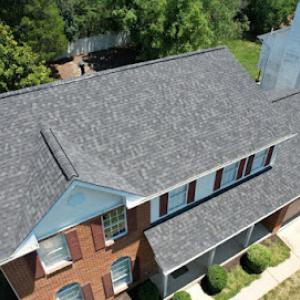
Roofing & Exterior PROS
Serving
4.7 from 130 reviews
Welcome to Roofing & Exterior PROS, your trusted destination for all your roofing, siding, gutters, fascia, and soffit needs. With years of experience and a team of highly skilled professionals, we take pride in providing exceptional services that protect and enhance the exterior of your property. Here, we understand the importance of a well-maintained roof, and its crucial role in safeguarding your investment. Our dedicated team of experts specializes in roof installations, repairs, and replacements, ensuring the highest quality workmanship and using top-grade materials to deliver lasting results. we offer comprehensive siding services that enhance the aesthetic appeal and durability of your property. Contact us today.
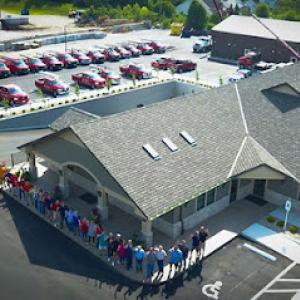
Allen Roofing & Siding
(636) 391-1117 www.aroofing.net
Serving
4.5 from 228 reviews
For over 50 years, Allen Roofing has been one of the leading roofing companies in the Greater St. Louis metropolitan area. We are committed to putting our customers first with our combined experience and customer service. No job is ever too big or too small for your roofing, siding, guttering, or tuckpointing needs!
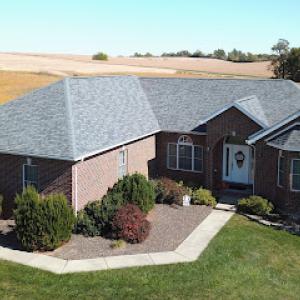
Ray Gilbert & Sons
Serving
5.0 from 72 reviews
Family Owned Local General Contractor Specializing In Roofing
STL Restoration Pros
(314) 607-0989 www.stlrestorationpros.com
Serving
4.9 from 57 reviews
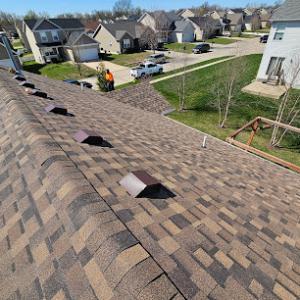
STL Restoration Pros is a general contractor that specializes in storm restoration for residential and commercial properties.
Gorilla Roofing Chesterfield
(636) 295-1212 www.gorillaroofing.com
Serving
4.9 from 150 reviews
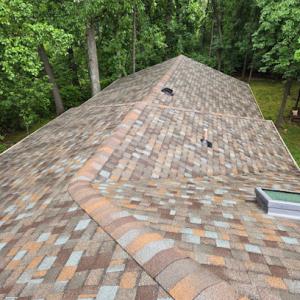
Welcome to Gorilla Roofing and Construction, a top-rated local company in St. Louis offering exceptional roofing services for homes and businesses. Our Chesterfield roofing team's office is conveniently located near highway 40 on Olive blvd. to better service the St. Louis community. Our team specializes in roofing replacement & roofing systems including siding, gutters, and more. No pressure sales, just outstanding service all backed by a satisfaction guaranteed and 7-year Gorilla workmanship warranty. Contact us online or by phone during business hours for a free quote or inspection. Family-run, our office is open 9-5 during weekdays for inspections and we're ready 24/7 for emergencies as well.
WCC Roofing
(636) 226-4483 www.wccroofing.com
Serving
4.8 from 221 reviews
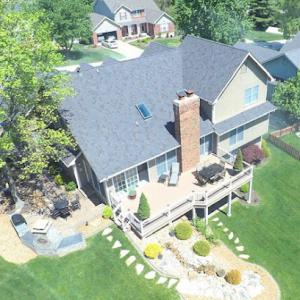
Need roof repairs or a full replacement? Fast, affordable, and reliable roofing experts. • Protect your home with quality roofing. Free estimates. Local, licensed, and insured. • Storm damage? We help with insurance claims. Call today for a free roof inspection. • Trusted by homeowners for 35+ years. Quality roofs. Fair prices. Satisfaction guaranteed.
Asphalt shingles dominate Ballwin replacements because they fit the area's large stock of suburban pitched roofs and are widely used for storm-related re-roofing. They're the most straightforward option when hail and wind are the primary concerns, offering a solid balance of performance and familiar installation. For typical subdivisions with standard rafters, asphalt shingles pair well with common ventilation setups and a straightforward attic layout. When choosing an asphalt system, focus on a high-graded product with good wind uplift resistance, and verify that the underlayment and starter courses are properly installed to minimize wind-driven leaks after a hail event.
Metal roofing is a meaningful but secondary option in Ballwin, typically considered by homeowners prioritizing hail resilience and longer service life over lower upfront cost. Metal options excel for homes with steeper pitches or in yards where impact resistance and quick drainage can reduce wind-driven shingle debris. If choosing metal, pay attention to the panel profile and fastener strategy, as a well-sealed seam system matters more after a hailstorm. The extra rigidity of metal can help resist denting on exposed ridges, but flashing details around chimneys and vent stacks deserve careful checking during replacement to avoid peak storm vulnerabilities.
Tile and slate exist in the market but are niche in Ballwin, where structural load, repair complexity, and replacement cost make them less common than asphalt on standard subdivisions. Clay tile and concrete tile deliver strong hail resistance when correctly installed, yet their heavier weight can require structural reinforcement and careful contractor assessment. Slates offer a long life but demand highly specialized installation and maintenance, which can challenge quick post-storm repairs. If a tile or slate option is pursued, ensure the roof structure can bear the load and that crews are experienced with the specific fasteners, underlayment, and ridge vent configurations that minimize wind uplift and water entry after hail.
Start with the roof's existing condition and the pitch geometry of the home. In roofs with generous overhangs and modern attic vents, asphalt shingles often deliver reliable performance with a cost-effective renewal. If the home sits in a highly exposed area or has a history of hail-related denting on the existing coverings, metal can provide a longer service life with careful installation and attention to flashing. For homes with unique textures or historical preservation needs, tile or slate may be considered, but evaluate the added weight, repair complexity, and long-term replacement cadence beforehand.
Whichever path is chosen, prioritize correct ventilation, proper underlayment, and a robust drip edge setup. In a market where high-claim storms are common, a correctly installed system with excellent flashing around vents and chimneys can prevent post-storm leaks and minimize emergency repairs. Regular inspections after hail events help catch micro-damage early, preserving the chosen roof's performance and lifespan.
After a major hail event in west St. Louis County, Ballwin pricing can rise sharply as inspections, tarping, and full replacements surge to meet the sudden demand. Homeowners who experienced a storm notice a ripple effect: more roofers in the neighborhood, tighter scheduling, and sometimes expedited material ordering. Plan for a short-term premium on inspections and removal work, especially if the roof shows widespread hail damage or if the attic ventilation needs quick attention to prevent future moisture problems. In practice, expect pricing shifts to reflect not just replacement material, but the increased labor intensity of managing debris, tarps, and secure debris containment in a high-claim market.
Costs are shaped by the area's common steep suburban rooflines, attached garages, dormers, and ventilation upgrades often identified during full tear-offs. Steeper pitches cost more to safely access and remove, and dormers add extra square footage to surface area that must be resealed, flashing-integrity checked, and vented correctly. Ventilation upgrades commonly surface when a full tear-off is performed; boosting attic airflow helps long-term durability but adds to the bottom line. Garages that are integrated with the main roof line can extend the work zone, increasing the number of penetrations and flashing details that must be coordinated. In short, two-story homes with dormers and attached garages tend to land toward the higher end of local estimates, even before material choice comes into play.
Material choice spans a wide local range, from asphalt shingles at 350 to 700 USD per square to slate at 1800 to 3500 USD per square, with metal, tile, and composite options in between. Asphalt remains the most common starting point for Ballwin homeowners rebuilding after hail, balancing cost and reliable performance in the mid-range. Metal roofing nudges costs upward but can offer longer life and improved wind resistance, which is appealing given the exposure to both hail and windy weather. Clay and concrete tile bring distinctive curb appeal and durability, yet their weight and installation complexity often push total project costs higher, particularly on older or retrofitted homes. Synthetic or composite shingles land between asphalt and higher-end options, delivering a blend of resilience and cost efficiency. Slate, while premium, is chosen selectively for its longevity and aesthetics on certain homes, but it comes with the steepest price tag and the most technical installation requirements. When you're planning, map out a few material scenarios-start with asphalt for a cost baseline, then compare metal or composite for longevity and maintenance needs, and reserve slate or clay for homes with compatible roof structures and long-term value goals.
Start with a comprehensive estimate that includes removal, disposal, underlayment, flashing, venting, and a reasonable allowance for tarp protection during the interim. If a full tear-off is necessary, factor in the cost of upgrading attic ventilation as part of the project scope, since this is often identified during the work and can influence long-term energy efficiency and attic moisture control. Allow a contingency for quick-response storm-related services such as temporary tarping after hail events, because timely coverage can prevent further interior damage and reduce overall claim complexity. Finally, align expectations with the local climate reality: a well-ventilated, properly flashed roof with a sound underlayment system tends to deliver the best value against Ballwin's typical hail and wind exposure.
Get a clear picture of your project costs upfront - no commitment required.
West County Roofing & Construction
(636) 484-8000 www.westcountyroof.com
Serving
4.9 from 223 reviews
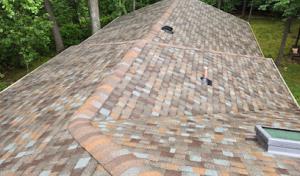
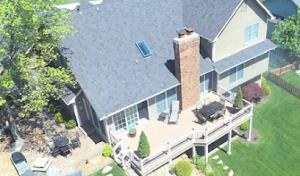
A full roof replacement in Ballwin typically requires a building permit through the local St. Louis County jurisdiction rather than being treated as a no-paperwork job. This means the project will be reviewed for compliance with code requirements, drainage, and ventilation specifics, not just the surface replacement. The county's inspection regime is designed to catch lapses that could affect long-term performance, especially given the area's hail and wind exposure. Expect the process to align with standard residential reroofing practices rather than a lightweight patch job, even if the damage appears localized at first glance.
The permit submittal commonly includes a clear project scope and roof details to verify that the planned materials, underlayment, and venting match the existing structure's needs. Accurate roof area calculations, overhang dimensions, and attic ventilation strategies are scrutinized. If the project involves adding or upgrading ridge and soffit vents, or replacing metal flashing around chimneys and skylights, those specifics should be included upfront. Having a qualified contractor prepare the package with precise diagrams and product specs can reduce review time and potential revision requests from the county.
Inspections may occur during the work and after completion to verify installation quality and ventilation adequacy. In this market, inspectors pay particular attention to whether the ventilation pathway remains uninterrupted and if the roof deck is properly vented to prevent moisture buildup. During a wind-prone season, the inspector will check nailing patterns, shingle exposure, and edge detailing to ensure the roof can withstand strong gusts. Keep access clear for inspectors and ensure any temporary protection measures align with county expectations, especially in neighborhoods with mature trees and frequent hail activity.
Wind-resistance and ventilation often receive added attention in review because replacements are tied to storm exposure and full-system reroofing rather than isolated patching. The review may require confirmation that the chosen roofing system, underlayment, and attic ventilation achieve a balanced flow that mitigates heat and moisture buildup. If your attic has existing insulation or baffles, confirm they remain intact or are upgraded to support the new roof's performance. Clear documentation of vent placement and any upgrades helps align the project with county standards and helps avoid delays.
Coordinate timing with the county's inspection schedule and your contractor's crew to minimize weather-related interruptions. Ensure permit placards and inspection notices are posted visibly on site. Ask your roofer to provide a pre-inspection checklist focused on ventilation pathways, flashing details, and attic venting to preempt common rejection points. In high-claim markets, transparent communication with the inspector about material selections and installation methods often smooths the path from permit to a compliant, durable roof.
In this Missouri insurance environment, Ballwin sits among neighborhoods with elevated hail and wind claim activity. Adjusters commonly scrutinize whether visible damage matches policy language and storm dates, so what shows up on your roof needs to line up with the timeline and the coverage you carry. If a hailstorm hits on a Thursday and your roof shows wear from years of sun, the question becomes: does the damage align with the storm record, or does the claim get pushed back to maintenance and age? The reality is that the closer the match between observed damage and policy language, the smoother the conversation with the adjuster will feel-and the less chance there is for surprise pushback.
Homeowners in this market should expect carriers to request roof age, prior repair history, and photo documentation before approving full replacement scope. This means you should have an up-to-date record of when the roof was installed, any repairs done in the past, and clear, time-stamped photos of the current condition. Photos taken before the claim, after a storm, and at the time of inspection help establish a credible narrative. If a claim moves toward a full replacement, be prepared to provide recent professional assessments and documentation that corroborate the damage and its date relative to policy language. In practice, that means organized files, labeled images, and a straightforward chronology of events.
Some insurers have tightened underwriting in high-hail Missouri areas, which makes roof condition and documentation more important when renewing or shopping coverage in Ballwin. The consequence is that the decision to renew or issue a new policy can hinge less on a single visible dent and more on a holistic view of roof age, prior repairs, and the integrity of surrounding systems (ventilation, underlayment, and attic insulation). The safer path is to anticipate questions before they arise: gather every relevant document, secure a recent professional inspection, and keep a concise timeline ready to share with the insurer. If a company flags your roof, you'll want a credible, well-documented case to keep your coverage stable without gaps.
Connect with contractors who help homeowners navigate the claims process from damage assessment to final approval.
Exterior Building Solutions
(314) 729-7663 www.exteriorbuildingsolutions.com
Serving
4.7 from 116 reviews
Spring and fall are the preferred installation windows in this area because they avoid the worst of Missouri summer heat and winter freeze-thaw complications. You'll often see crews more consistently on track in these seasons, with milder temperatures helping sealants and underlayment behave as intended. If you notice shingle curling or granule loss after winter, planning a spring replacement aligns better with the weather pattern and reduces the risk of rapid temperature swings affecting workmanship.
Summer humidity and heat in the St. Louis metro can slow crews, affect material handling, and make attic ventilation issues more obvious during replacement planning. Hot afternoons can push adhesive and asphalt shingle setting times, so scheduling early-start days helps. Expect longer overall durations if storms roll through, since high winds and hail events create temporary work stoppages and safety pauses. Ventilation checks become more critical in summer, as heat outdoors can exaggerate attic moisture problems that were dormant in cooler air.
Winter work in Ballwin is possible but more complicated because cold snaps and freeze-thaw cycles can interfere with installation quality checks and ventilation verification. If temperatures dip below the threshold for shingle sealant or roofing cement, crews may pause to prevent improper seating. In milder spells, work can proceed, but ventilation verification should be scheduled in a dry stretch to ensure accuracy. Notice days with melting ice and thaw cycles, and plan for potential short reschedules rather than large delays.
Hail and wind storm damage planning requires attention to post-storm conditions. After a hail event, an early evaluation helps flag moisture intrusion and missing granules before they worsen. If a wind event has occurred, brace for potential nail loosening and shingle lift that may mandate a more thorough inspection. In a high-claim market, aligning a scheduling window soon after the event can prevent added damage and streamline the replacement sequence.
Rains can follow quickly after a windy spell, and in Ballwin, the first signs of trouble tend to show up at the ridge and hip lines, at flashing where the roof meetsVent, and along the edges of shingles lifted by gusts. When wind tears at the sealants and raises shingles just a bit, the vulnerable seams can allow water to migrate inward, especially during a heavy storm that piles up granules and forces water under the underlayment. If a leak shows up in a ceiling, don't assume it's only a surface issue-the interconnected ridge and hip joints often harbor slow paths for moisture that worsen during multiple storm cycles.
Skylights and chimney intersections matter locally because many established suburban homes in the area include these roof penetrations and transitions. Flashing around a chimney can fail where stone or mortar work shifts, and skylight boot seals age at a different pace than standard shingles. A minor crack in the sealant or a loose flashing pan can create a persistent drip that seems to appear after every hail event. Inspect every flashing corner, step-flashing at sidewalls, and the junctions where vent pipes pass through the roof deck-these are common culprits that quietly drive interior damage if left unattended.
Emergency tarping demand is meaningful in this market, reflecting how quickly hail or wind damage can turn into interior water intrusion before a full replacement is scheduled. If moisture is found after a storm, a fast tarping fix and a careful dry-out plan buys critical time to assess wider damage and prevent mold. In Ballwin, rapid action at the first sign of a leak helps limit the scope of repair and stabilizes the roof until permanent work can begin.
Find contractors experienced in skylight installation, flashing, and leak repairs to bring natural light into your home.
West County Roofing & Construction
(636) 484-8000 www.westcountyroof.com
Serving
4.9 from 223 reviews