Last updated: Apr 19, 2026
Saint Peters sits in the hail- and wind-prone St. Charles County market, where contractor activity clusters around storm damage and insurance claim work. When spring hail pummels roofs or heavy rains surge through storm systems, the local roofing ecosystem shifts from routine maintenance to urgent rebuilds. The result is a bustling, sometimes chaotic landscape of repair crews, adjuster visits, and scheduling backlogs that can stretch weeks or even months. This isnifies the risk that a minor leak becomes a costly headline-fast.
Spring hailstorms and heavy rains are a major local trigger for both fresh roof damage and contractor scheduling backlogs in Saint Peters. After a storm, inspect the attic and ceilings for raised fasteners, dark spots, or moisture trails. On the roof, look for bruised or cracked shingles, lifted shingles along the eaves, and granule loss in gutters or downspouts. If you notice any moisture intrusion, treat it as urgent, not decorative; unseen water can rot sheathing and rafters quickly. In this market, early action matters: delaying a careful assessment can create a larger claim and a longer repair window once adjusters start touring neighborhoods.
Autumn wind events also matter locally because they can create late-season shingle loss just before winter freezes reduce available repair days. If a fall blowout leaves exposed underlayment or exposed edges, the risk of rapid water intrusion increases with the first freeze-thaw cycles. Widespread shingles may appear intact from the ground, but wind can push granules, loosen tabs, or peel edges where moisture now has an easier path inside. Pay attention to windy afternoons: shingles may have micro-tears or edge damage that isn't obvious until a ceiling stain appears after the first heavy rain.
A key local reality: insurers in this market respond more quickly when there is clear, verifiable storm damage and a concise notice of loss. Gather your documentation early: date-stamped photos of roof and attic, a written timeline of storm events, and any relevant water intrusion history. If your area shows new hail impact patterns or repeated wind-related losses across neighboring roofs, have a contractor prepare an initial assessment that can accompany your claim. Strong, professional documentation helps prevent back-and-forth delays caused by ambiguous damage language or disputed shingle conditions.
After a storm, take photos from multiple angles and into the attic if you can safely access it. Do a careful walk-around, noting loose flashing, lifted shingles, and damaged vent seals. If you suspect damage, arrange a same-week roof inspection with a reputable local contractor who understands how Saint Peters peers at storm-claim work and how adjusters evaluate hail impact. While waiting for repairs, protect exposed areas with tarps or boards to deter wind-driven rain from entering living spaces. Keep a log of all communications with your insurer and contractor; consistency reduces friction when scheduling crews and inspections.
If there is sudden attic leakage, ceiling staining, or musty odors after a storm, treat it as an emergency. Delaying a professional assessment in the wake of spring hail or autumn wind events increases the risk of hidden structural damage and more invasive repairs later. In this climate, the window to act is narrow-staple your plan to respond promptly to any reported damage and deploy a trusted local crew before the next front moves through.
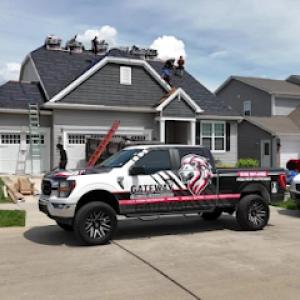
Gateway General Contractors Roofing
Serving
4.9 from 288 reviews
At Gateway General Contractors, we specialize in roofing, siding, and general contracting services for both residential and commercial properties. Our experienced and friendly team is committed to delivering top-quality workmanship and personalized care on every project. Whether you need storm damage repairs, a full roof replacement, or new siding installation, we handle every job with integrity and attention to detail. We also assist with insurance claims to make the process as smooth as possible. Trust Gateway General Contractors to protect and enhance your home or business—reach out today for a free consultation!
ACI Roofing & Exteriors
(636) 294-3826 aciexteriors.com
Serving
4.8 from 64 reviews
Since 2001, ACI Exteriors, has been helping customers in St. Louis and all surrounding communities with their roofing, siding, window, and gutter needs. This business is built around "Quality, Integrity, and Value"; three ideals that owner Shawn Gaffney and his experienced staff live up to with every project! As the oldest and longest tenured GAF Certified Master Elite contractor in St. Louis, ACI Exteriors provides a 50-year shingle warranty and up to a 30-year warranty on workmanship and labor. Due to stringent standards, only 1% of all roofing companies locally, and 3% nationally have achieved this status!
Mighty Dog Roofing
(636) 500-2050 www.mightydogroofing.com
Serving
4.8 from 85 reviews
Mighty Dog Roofing specializes in Roofing, Storm Damage Repair, Siding and Windows. A locally owned and operated company is your choice for servicing St. Peters, Missouri and surrounding areas. Mighty Dog Roofing is the most trusted name in the roofing industry, offering state-of-the-art 25 point inspections using our GoLive and Drone Superscan technology. This technology, matched with the highest quality products and superior workmanship, allows you to have peace of mind on the most important investment you have - your home. Do you keep your roof “top of mind”? Our Mighty Watchdog Maintenance Program keeps an eye out for any issues today to avoid big repairs or replacements tomorrow
TNT Roofing
Serving
5.0 from 19 reviews
With our wide-ranging knowledge, experience and expertise, TNT Roofing has established a reputation as an elite and respected roofing company. With a network of contacts in the industry, TNT Roofing attracts and retains the most talented and professional Roofing experts in the St.Charles and St.Louis area. We develop lasting partnerships with our clients based upon three principles: Trust, Responsiveness and Craftsmanship. When we say something, we do it. Its that easy. When you’re looking for unsurpassed customer service along with the best insurance specialists and roofing company in the area look no further.

STL Roof Rescue
(314) 656-7836 stlroofrescue.com
Serving
4.8 from 22 reviews
STL Roof Rescue is a trusted local roofing company proudly serving residential and commercial customers across the St. Louis area. We specialize in reliable, high-quality roofing solutions designed to protect your property and boost its curb appeal—whether you're dealing with storm damage, leaks, aging materials, or simply looking to upgrade.
Right Choice Roofing & Restoration
(636) 466-8964 www.rightchoiceroofingstl.com
Serving
4.9 from 64 reviews
Right Choice Roofing And Restoration, a Roofing Contractor serving customers in St. Charles and St. Louis, Missouri, customers come first! Our expert team specializes in roof replacements and installations, offering a range of options including shingles and guttering services to suit your preferences. We are your go-to source for addressing storm and hail damage, ensuring that your roof is resilient against the elements. Our services extend beyond roofing, encompassing gutters, downspouts, and facia to provide a holistic approach to home exterior maintenance. We understand the complexities of roof insurance claims and guide you through the process, making it hassle-free. Choose Right Choice Roofing & Restoration for quality craftsmanship!
KMAC Roofing
(636) 561-2270 kmacroofing.com
Serving
5.0 from 59 reviews
KMAC Roofing provides residential roofing service to the following counties and surrounding areas: St. Louis County, St. Louis City, St. Charles County, Lincoln County, Warren County, Jefferson County, and Franklin County
Gorilla Roofing St. Charles
(636) 295-1212 gorillaroofing.com
Serving
4.7 from 14 reviews
Welcome to Gorilla Roofing and Construction, a top-rated local company in St. Louis offering exceptional roofing services for homes and businesses. Our St. Charles roofing team's office is conveniently located off of Mid Rivers Drrive. to better service the St. Louis community. Our team specializes in roofing replacement & roofing systems including siding, gutters, and more. No pressure sales, just outstanding service all backed by a satisfaction guaranteed and 7-year Gorilla workmanship warranty. Contact us online or by phone during business hours for a free quote or inspection. Family-run, our office is open 9-5 during weekdays for inspections and we're ready 24/7 for emergencies as well.
Bone Dry Roofing
(636) 942-6931 www.bonedry.com
Serving
4.7 from 569 reviews
Bone Dry Roofing has been a trusted roofing company in the greater St. Louis area for more than 35 years. As a family-owned and locally operated business, we’re dedicated to providing expert roof repairs and replacements built to last. Every new roof is backed by our 25-Year Craftsmanship Warranty, giving homeowners lasting peace of mind. But what truly defines us isn’t just the quality of our work—it’s the way we care for our customers. From open communication to dependable follow-through, we take pride in delivering a seamless experience from start to finish. That’s The Bone Dry Roofing Experience. Trusted by thousands across St. Louis, we’re here to protect your home and the people who matter most. Contact us today.
Horizon Roofing & Exteriors
(636) 734-7532 horizonroofingmo.com
Serving
4.9 from 108 reviews
With many years of insurance claims roofing experience, Horizon Roofing & Exteriors is Missouri’s expert roofing team. We provide our customers with the highest quality craftsmanship available and assist with the entire insurance claims process.
Double J Roofing & Contractors
(636) 366-5084 www.doublejroofing.org
Serving
4.6 from 15 reviews
Whether it's just a repair or a whole new roof we leave our customers more than satisfied with their results. We will guarantee our craftsmanship for two years from the day we put on the new material or fix a problem during which we will return free of charge if any new problems occur. All brands of material have their own warranties, so if the fault lies in the material and not the craftsmanship we will do all we can to help make things right, according to the manufacturer's warranty.
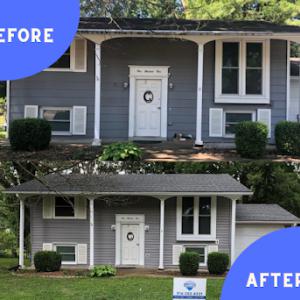
Prrotect Roofing
(314) 860-6636 prrotectroofing.com
Serving
4.9 from 295 reviews
Prrotect Roofing is a family-owned roofing contractor based in Cottleville that takes pride in delivering reliable and affordable roofing services to both homes and businesses. With over 25 years of experience and more than 200 verified 5-star reviews, we’ve built a reputation for high-quality craftsmanship and outstanding customer care. Whether it's minor repairs, full replacements, or storm damage restoration, our team is ready to handle any job with skill and dedication. Our work ethic and transparent communication ensure that every project is completed on time and within budget. When you choose Prrotect Roofing, you’re choosing a contractor that stands by its work and puts your peace of mind first.
In this market, you'll see a clear spread by material that lines up with what local crews commonly quote after a hail or wind event. Asphalt shingles typically run about 350 to 550 USD per square, which covers the bulk of medium-sized homes that use standard dimensional shingles. Metal roofing sits higher, with pricing roughly 700 to 1100 USD per square, driven by longer-lasting panels and faster reinstallation in storm-damaged roofs. If clay tile is chosen, you're looking at a wide range around 1000 to 1800 USD per square, reflecting heavier material and specialty installation. Concrete tile sits a notch below clay at roughly 900 to 1600 USD per square, depending on the profile and the underlayment needs. For wood shingles or shakes, expect 450 to 800 USD per square, noting that flame-treated or fire-rated options can adjust those numbers. Synthetic or composite shingles form the lowest-to-mid range here, about 400 to 750 USD per square, offering decent hail resistance with lighter weight than natural materials. These figures align with the typical cost picture homeowners see when storms push replacements into the spring and early summer.
Storm-driven demand spikes in the Saint Peters area can push reroofing timelines and pricing upward after hail and wind events, especially in peak spring and summer claim seasons. When a hailstorm leaves consistent denting across a neighborhood, contractors often book out quickly, and material lead times can stretch, especially for metal and tile. If you're facing a rapid response window, you may encounter higher labor coefficients or rush surcharge options from installers who need to coordinate removals, waste disposal, and staging areas around existing structures. In practical terms, that means your project could shift from a routine two- to three-day teardown-and-replacement to a more tempo-driven schedule with phased work, depending on the weather, the presence of insurance-adjusted timelines, and how quickly materials can be secured.
Plan for the calendar in this area: spring and fall storms are the most likely to drive insurance-driven repairs, and those same windows tend to collide with crew availability. If you're evaluating bids, compare not just the per-square price but what each quote includes-underlayment upgrades, flashing details, attic ventilation considerations, and waste disposal fees-because those line items often change with material choice. Concrete and clay options can require extra framing assessment and tile roof-specific accessories, which cost more upfront but can reduce long-term maintenance bills. Asphalt remains the most economical entry point if you're balancing speed, familiarity, and performance for typical Saint Peters homes. Regardless of material, expect scheduling to hinge on weather, insurance timelines, and available local crews who understand the region's freeze-thaw cycles and wind-driven damage patterns.
In this suburb with a hail-prone climate and a permit-driven reroofing process, understanding when and how to secure approvals can save you delayed timelines and weather-related headaches. The City of St. Peters generally requires a building permit for roof replacements, and the right sequence matters because inspections are keyed to specific milestones in the work. Getting ahead on paperwork helps maintain steady progress through spring and fall storms when insurance claims are common.
The contractor is expected to pull the permit before work begins rather than leaving that step to the homeowner after the fact. This means you should confirm in writing, before any shingle removal starts, that the contractor has submitted the permit application and that the project is registered with the city. Ask for the permit number and the issuing authority, and verify that the scope of work on the permit aligns with the plan you agreed to. In Saint Peters, permits are not a formality; they drive the inspection schedule and any required adjustments to underlayment or flashing details.
Local inspections are expected at underlayment, flashing, and final completion, making sequencing and inspection readiness especially important on reroof projects. Prepare by coordinating with your crew to preserve access for inspectors and to keep the roof surface clean enough for a thorough review. The underlayment inspection will typically verify that the correct materials are used and that the installation follows code for weather exposure. The flashing inspection focuses on valley, hip, ridge lines, and penetrations around vents and chimneys. The final inspection confirms substantial completion and ensures that all permit conditions are satisfied, including any required ventilation or attic insulation adjustments tied to the new roof.
On scheduling, plan for at least one inspection mid-project and another at final completion. Weather delays common to this area-freeze-thaw cycles and spring storms-can trigger rescheduling, so maintain open lines with the building department and the contractor. If a deficiency is noted, address it promptly to avoid re-inspection fees and extended project timelines. Keep the job site accessible and well-lit for inspectors, with clear locations labeled for underlayment and flashing details, as well as any added attic features the permit may specify.
Documentation matters in this process. Preserve the permit receipt, the contractor's license or registration where required, and any inspection reports you receive. Have a digital copy on file in addition to the physical ones. If a storm-related claim drives the reroof, ensure the claim documentation aligns with the permit scope and the inspector's notes, so that the final paperwork reflects a compliant replacement rather than a workaround. By staying proactive with permit pull, inspection readiness, and clear communication, you keep the project moving through Saint Peters' distinctive weather and regulatory landscape.
Saint Peters harbors hot summers and cold winters with freeze-thaw cycles and regular precipitation, so material movement, seal integrity, and moisture management are central local performance issues. The roof system must tolerate repeated expansion and contraction, shed rain and hail efficiently, and resist moisture infiltration during humid summer storms. In this context, the choice of shingles and sheathing matters as much for long-term sealing as for wind resistance and hail impact performance.
Asphalt shingles are a dominant local material, matching the city's large reroofing market and the need for cost-conscious replacement after repeated storm events. When installed with quality underlayment and proper ventilation, they perform reliably through freeze-thaw cycles and seasonal humidity. Look for impact-resistant options and ensure the shaker-edge detailing and attic venting align with Saint Peters' precipitation patterns to minimize moisture retention and ice dam risk during winter.
Metal roofing offers strong hail resistance and fast installation, but local viability hinges on how it handles the winter freeze-thaw cycle and summer heat expansion. Proper fastening, panel seam detailing, and a high-quality underlayment are essential to prevent leaks as temperatures swing. Tile options-clay or concrete-can provide excellent longevity and wind performance, yet require careful substrate preparation and adequate attic clearance to manage weight and moisture movement in freeze-thaw cycles. Wood shingles and shakes bring a natural aesthetic but demand meticulous treatment against moisture, rot potential, and hail impact, plus skilled installation to minimize warping. Synthetic or composite shingles blend some hail resistance with lighter weight and improved moisture stability, making them a flexible option if installed with a compatible underlayment and ventilation strategy.
In this market, correct installation matters as much as material choice. For any option, ensure underlayment is moisture-appropriate and that attic conditions promote rapid moisture evacuation during humid summers. Hail exposure in spring and fall warrants attention to edge sealing, ridge venting, and proper nail spacing to maintain wind resistance. Regular inspections after severe weather help catch impact damage or moisture intrusion early, preserving roof performance through Saint Peters' alternating freeze-thaw and rain cycles.
Spring in Saint Peters brings hail and heavy rain, which can both reveal hidden damage and delay tear-off and dry-in schedules. After a severe storm, inspect the roof with a flashlight at dusk and look for curled edges, cracked shingles, dented metal, and granule loss in gutters. If shingles show exposed underlayment or granules have washed down the slope, plan for a careful evaluation and potential replacement. Weather windows are tight in this season: wet days can stall work, and a quick, rushed tear-off increases risk of moisture intrusion if the crew cannot dry the roof before a forecasted shower. If a claim is involved, your contractor should coordinate timing with the insurer so that tear-off and replacement align with the window when hail damage is most likely to be approved, and with a dry-in plan that minimizes exposure to spring storms. Work should proceed only when conditions allow roof decks to dry thoroughly and when interior spaces are protected from leaks during removal and installation.
Summer heat and humidity can affect installation conditions and sealant performance, so crews need to manage timing carefully during hot-weather work. Plan for early-morning or late-afternoon shingle lifts to avoid the peak heat hours, and ensure proper ventilation in attic spaces to reduce moisture buildup. In high humidity, sealants and underlayment tapes may cure more slowly, so schedule additional curing time and verify that fasteners seat correctly through warped or softened decking. Concrete drainage and yard access influence staging; keep a clear path for debris and ensure that attic access points stay sealed against radiant heat during hot days. If a storm brings brief cooling periods, a quick inspection after a heat spike helps confirm that no new micro-damage occurred during transport or handling.
Winter freezes and ice storms reduce workable roofing days and complicate material handling, making late-fall damage risky to postpone. Cold temperatures slow the drying of underlayment and affect shingle adhesion, so plan replacements for a stretch of days with moderate temps and minimal wind. Frozen gutters and ice dam issues require proactive mitigation before installation begins; ensure drainage systems are clear and implement temporary heat or insulation where necessary to protect openings and interior spaces. If a spring re-roof follows a late-season storm, coordinate a post-winter inspection to confirm that ice-damaged decking or flashing has not created hidden leaks that would undermine a fresh roof.
Missouri is a frequent hail and wind claim state, and Saint Peters homeowners are operating in an active roofing-claim environment where adjusters expect strong documentation. When spring storms roll through, a quick photo with a shaky timestamp won't cut it. Your best evidence is clear, consecutive shots of every roof plane, gutters, vents, and fascia, showing both the damage and the surrounding hail pattern. This is not the time to skip closeups on flashings or underlayment edges.
In high-loss years, some carriers have tightened coverage, making policy review and scope documentation more important before a reroof begins. Think of the claim as a project with a before-and-after story. Take notes on the roof age, the shingle type, and any prior repairs. Compare what the adjuster estimates to what you know the material should be. Keep a consistent log of measurements and condition across elevations, because a single mislabeled photo can complicate your settlement.
Claim outcomes in this market often depend on thorough photos, material specifications, and evidence that installation was done properly, not just on visible shingle damage. If you can, obtain a local installer's written confirmation of underlayment type, nail pattern, and fastener spacing. A few plain facts during the claim conversation can prevent a mismatch between what you expected and what the adjuster approves.
Storm-driven claims move quickly, but rushing can backfire. Have your contractor provide a detailed scope with labeled sections of the roof, chimney, and skylights. When you present the file, organize it so the adjuster can see both the problem and the corrective plan. In this market, the more you document, the more you protect your outcome and your home.
Neighbors often share samples of successful claim packets that balanced photo quality with precise measurements. Avoid relying on memory alone when describing storm dates, wind speeds, or hail size. Consistency across reports reduces disputes when the adjuster reviews the case after the inspection. Prepare early and stay organized throughout.
In this market, inspections hammer on underlayment quality and flashing details. Saint Peters inspectors don't just glance at the shingles; they probe how water would make its way through seams, corners, and step joints. If the underlayment isn't properly lapped, or flashing isn't integrated at all roof transitions, a small rain event can become a leak controversy that stalls the project and invites repeat visits. You'll want to verify that every valley, chimney connection, vent boot, and dormer knee wall is paired with a compatible flashing that's fully integrated with the underlayment. A hiccup here often shows up as damp attic insulation or staining near interior walls long after other visible signs seem dry.
Winter in this area is unforgiving on marginal details. Freeze-thaw cycling magnifies the impact of minor moisture-entry points, turning tiny leaks into bigger issues by pushing and pulling at fasteners and sealants. The goal is a watertight envelope that remains forgiving as temperatures swing. Pay attention to transitions between materials and the continuity of sealants around vents and penetrations. If flashing or sealant receives even a slight crack or misalignment, the problem compounds across multiple cycles, leaving you facing interior damage and more extensive repairs.
The local contractor market shows meaningful demand for skylight-related roofing work, indicating skylight penetrations are a recurring concern in leak diagnosis. Improper flashing, misaligned shingle laps, or inadequate flashing at skylights can create persistent drip paths. When planning a reroof, inspect the skylight surrounds closely: ensure continuous, wind-rated flashing, proper shingle integration, and a well-sealed curb or curbless installation. Neglect here often results in slow, hard-to-trace leaks that resist quick fixes.
Poor attic venting or compromised deck access points can hide moisture that later manifests as roof leaks. In Saint Peters, where humidity seasons stress the attic space, verify that ventilation paths remain unobstructed and that any hatch or access point is properly flashed and sealed. A leak that starts as a small drip at a fastener or around a vent can escalate if the attic isn't both dry and well-ventilated.
Find contractors experienced in skylight installation, flashing, and leak repairs to bring natural light into your home.