
Last updated: Apr 19, 2026
Spring hail and strong thunderstorm winds sweep through eastern Missouri with a severity that outpaces typical wear-and-tear cycles. In this area, the roof replacement clock often starts ticking not from aging shingles, but from sudden storm impact. The result is a high-claim, storm-damage market where neighbors see insurance-driven work, emergency repairs, and rapid scheduling as daily realities. Homes here are frequently hit by hailstones large enough to leave dark bruises on shingles and dent metal flashing, with winds that peel back edges and loosen fasteners. This combination makes timely damage assessment essential, because the longer damage sits, the more secondary issues can develop-rotted decking, micro-leaks, and accelerated granule loss.
After a hail event or a strong wind, look for telltale symptoms: dented gutters, bent chimney caps, cracked or missing shingles, and lifted edges along ridges. Inside the attic, check for damp spots, staining, and a sudden spike in moisture after a storm passes. In your area, storms can arrive with little warning, and the ensuing claims process moves quickly, so fast documentation is key. Photograph the roof from multiple angles, focusing on dented shingles, bruising on metal, and any exposed decking. Note the date, time, and storm intensity you experienced, because insurers will want to establish a direct link between the weather and the damage.
Staying organized matters when a rapid claim turnaround is the goal. Create a simple damage log: date-stamped photos, a precise description of what failed or shifted during the last storm, and a timeline of any temporary repairs you've performed. If there are cedar shakes or specialty shingles, capture close-ups of wear patterns that could affect a replacement decision. Collect contact information for nearby neighbors who suffered similar damage; a community-wide pattern can support a faster, more coordinated response. Because the local contractor signal mix is dominated by storm damage and emergency repair, insurers expect you to present a clear, storm-linked narrative rather than a generic roof history.
In this market, schedules compress quickly after a hail event. Seek a locally trusted contractor who can provide same- or next-day assessments, a storm-damage scope, and a clear communication plan for claims. Ask for a written inspection report that ties roof deficiencies to specific storm incidents, with photos and a proposed restoration sequence. Verify credentials, insurance coverage, and a robust safety plan for steep or complex roofs. Given the emphasis on insurance-driven work, request a detailed breakdown of materials and labor aligned with typical high-claim projects in the area, so you're not surprised by any add-ons during the repair.
If damage is suspected, initiate an expert inspection promptly and avoid delaying because of the weekend backlog. Keep a concise record of all storm-related symptoms, including dates and observed leaks. If you're dealing with a potential emergency, implement temporary measures to reduce further water intrusion, then contact a reputable contractor who understands the local storm-claim process. In this climate, finding a partner who can coordinate with your insurer, document damage thoroughly, and schedule the repair around peak demand is not optional-it's essential for protecting your home's structure and interior from escalating storm-driven damage.

HoneyFyx
670 State Hwy J, Troy, Missouri
5.0 from 103 reviews
HoneyFyx is a leading provider of expert roofing, siding, and gutter services in Troy, MO, serving the surrounding communities of Lincoln, Warren, and Saint Charles counties. We offer high-quality materials, meticulous workmanship, and exceptional customer service for residential and commercial projects. From roof replacements and repairs to siding installations and gutter cleaning, our team of skilled professionals is dedicated to delivering top-notch results. Trust HoneyFyx for all your roofing, siding, and gutter needs in Troy, Lincoln, Warren, and Saint Charles counties.
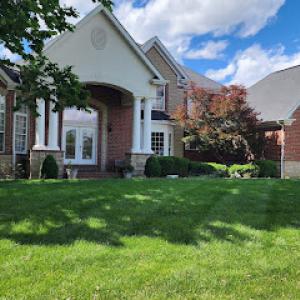
Woodruff Roofing & Exteriors
(636) 295-7601 www.woodruffroofingandexteriors.com
140 Professional Pkwy, Troy, Missouri
4.9 from 45 reviews
Whether you’re looking for an experienced exterior contractor to complete any updates or remodels to your home, or are in need of assistance with your insurance claim. Our company offers a wide variety of quality repair services for roofing, siding and gutters. Our warranty program can’t be beat!!
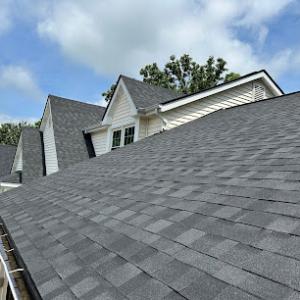
TSC Roofing Solutions
(636) 358-6191 www.tscroofing.com
421 Main St, Troy, Missouri
5.0 from 25 reviews
Here at TSC Roofing Solutions, we offer top of the line Roofing, Siding, Gutters, Fascia, Soffit Instillation along with Decks. We take pride in everything we do, and are here to give you top of the line customer service. Locally Owned and Operated with over 20 years experience and where Quality and communication is our Key to Success!! Covering your most valuable assets!!!

Xpert Group Contracting & Roofing
(636) 697-2429 xpertgroupcontracting.com
241 McCullough Way, Troy, Missouri
4.7 from 23 reviews
We are a full service Roofing contractor, specializing in both commercial and residential services. At Xpert, we are insurance claim specialists and provide professional evaluations of hail, wind, and storm damage. We are here to help you through the process from start to finish. Our team of professionals, with over 35 years of roofing experience look forward to going the extra mile to be sure that you are satisfied with our services. When you hire Xpert Group Contracting to install, repair, or replace your roof, you can expect an upfront and detailed explanation of every aspect of the job.
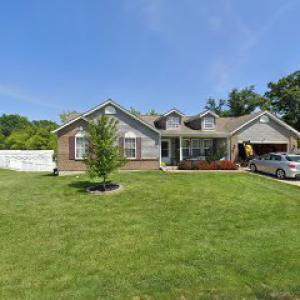
Lincoln County Roofing
(636) 622-8376 lincolncountyroofingco.com
220 Creekwood Blvd, Troy, Missouri
5.0 from 2 reviews
Welcome to Lincoln County Roofing, your trusted roofing contractor in Troy, MO! With years of experience and a commitment to excellence, we are proud to offer a wide range of roofing services to meet all your roofing needs. Our team of skilled professionals specializes in roof repair, roof installation, and metal roofing solutions. Whether your roof requires a quick fix, a complete replacement, or you're interested in upgrading to durable and energy-efficient metal roofing, we have you covered. At Lincoln County Roofing, we prioritize quality craftsmanship and customer satisfaction above all else. We take pride in using premium materials, employing industry-best practices, and delivering reliable and long-lasting roofing solutions.
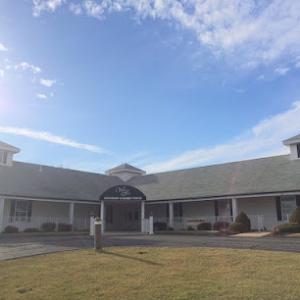
Myers Select Roofing
(636) 528-4111 myersselectroofing.com
5547 Creech Rd, Troy, Missouri
3.7 from 6 reviews
At Myers Select Roofing we strive to deliver the highest quality service and products to our customers exceeding their expectations. We put a high value on being a leader and role model for our industry and community. We act with honesty and integrity, not compromising the truth, which establishes us as the most reliable and respected roofing company around.
Angle Ridge Remodeling
(636) 462-4608 www.angleridgeremodeling.com
Serving
4.8 from 50 reviews
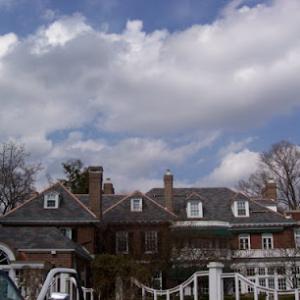
Remodeling your home is a big but worthwhile undertaking. In Troy, MO, customers have turned to the experts at Angle Ridge Remodeling since 1986 for all of their remodeling projects. If you need roofing services or window installation for your home, you can expect the quality work and efficiency the company has become known for over the last 30 years. As a unique and valued client, you will receive careful, personalized attention from the project’s start to its finish. To ensure the process is seamless, company owner Shaun takes the time to personally oversee every project and make sure your needs are being met.
Stonebridge Roofing
(314) 834-7135 stonebridge-roofing.com
Serving
5.0 from 12 reviews
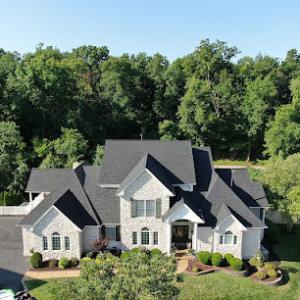
Full-service home improvement company offering all roofing and repair services as well as masonry services. We are a full service roofing company serving the entire St Louis area specializing in residential & commercial roof systems. We are proud of being a family owned and operated business in Edwardsville, IL.
Bash Exteriors
(636) 655-9895 bashexteriors.com
Serving
5.0 from 38 reviews
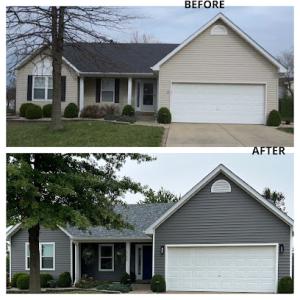
At Bash Exteriors, we offer comprehensive roofing services, including new roof installation, repairs, and expert residential and commercial roofing solutions. With decades of experience in insurance claims, our team of adjusters will guide you through the process with ease. We also provide top-notch siding and gutter services, specializing in installation, repair, and maintenance for both residential and commercial properties. Trust Bash Exteriors for all your exterior improvement needs.
Professional Roofing & Contracting Services
(636) 466-2187 proroofingmo.wixsite.com
Serving
5.0 from 6 reviews
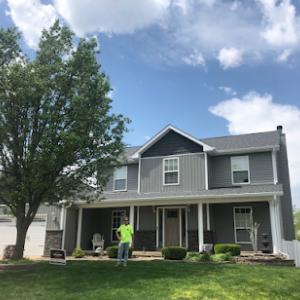
Dear Home Owner, Allow me to introduce myself; my name is Mark Carmi, I reside in Wright City Mo. I have remodeled thousands of homes in the St. Louis greater metropolitan area over last 40 years, I am the Proud Owner of Professional Roofing & Contracting Services. I am 58 years young; I have been in the construction industry since I was 14 years of age, where I learned from an old school carpenter. He taught me the values of a job done right the first time. I started my business back in 1984 where today we still practice those values. Throughout the years I have taken on many construction projects such as Interior & Exterior remodel. This includes room additions, bathrooms, kitchens, finish basements, custom carpentry and new homes.

3 Brothers Gutters & Roofing (a Rain Ready affiliate )
(636) 393-8181 3brothersgutters.com
Serving
5.0 from 204 reviews
Seamless gutters and roofing - based in Wentzville Missouri. We serve all of St Charles County as as St. Louis and Lincoln. Same day service on most repairs if In Wentzville , O’fallon , Lake St. Louis , warrenton or Foristell. 5 inch, 6 inch, 8inch seamless gutters , Full Roof replacements / service/repair and leaf guards / gutter guards. From gutter cleanings to new seamless. We do it all. Call , text , or message address for a fast free bid. We digitally measure using online records - So in most cases we do not need to come see your property for a bid. ( although - We certainly will if you’d like us to ). No pressure - just prices. As of August 2021 - we bought a small Roofing company and now we also do Roofs.
RoofWorx - Wentzville
(636) 466-8747 roofworxwentzville.com
Serving
5.0 from 59 reviews
RoofWorx - Wentzville is a locally owned and operated roofing company, serving Wentzville, St. Charles, and all surrounding areas. We offer some of the best products on the market with competitive pricing. Our services include roof replacement, roof repair, and metal roofing, and siding. We are capable of installing and repairing a wide variety of roofing material, including stone coated steel shingles, architectural shingles, fiberglass shingles. We also provide vinyl siding. Our team of roofing professionals is highly trained and will provide you with excellent customer service. Storm damage? We can work with your insurance company and get your roof back in tip top shape, without emptying your wallet.
Missouri's weather pattern, especially along the I-70 corridor, pushes Troy into a high-claim roofing environment. Hail storms and wind events come with enough frequency that insurers and adjusters expect you to have solid, photo-documented evidence of your roof's condition before a loss and after repairs. In practical terms, that means clear, timestamped photos of shingles, flashing, vents, and any damage from multiple angles, taken within a reasonable window around the storm. If you wait too long, the same storm that caused the damage may look different to an adjuster, and gaps in documentation can complicate a claim.
Because hail and wind claims are common in this part of Missouri, some carriers have tightened wind/hail terms or deductibles, making policy review a practical roofing step in Troy. A careful homeowner follows up on exactly what is covered and where limits lie before work starts. When recording the roof, focus on signs that may not be obvious from ground level: granule loss in gutters and downspouts, hail impact marks on the nail heads, lifted edges, and any soft or darkened patches that hint at underlying moisture. After replacement, you'll want documentation that shows the exact materials used, the color and profile of shingles, the type of underlayment, fasteners, flashings, and any upgraded components. Such detail helps a claim move smoothly and reduces the chance of disputes about what was installed and whether it meets the insurer's criteria.
In a storm-active market like Troy, claim outcomes can turn on whether installation details and material specifications can be documented after replacement. If a contractor substitutes materials or omits steps you believed were part of the repair, the adjuster may flag the difference. It is not uncommon for insurers to request receipts, product specifications, and warranty information for the exact shingles or metal panels used. Having those details organized and ready when the adjuster visits can shorten the process and lessen the likelihood of denial or downward adjustment.
Lean on a roofing professional who understands the local climate, common shingle types, and the way Troy homes typically age under hail pressure. A credible contractor can help you photograph the roof from multiple vantage points, catalog the materials, and provide a written outline of what was installed, including model numbers and batch codes when possible. Keep a simple, chronological file of storm dates, claim numbers, and correspondence with the insurer. If there's a dispute over workmanship or material choice post-replacement, your organized record becomes the primary evidence that can steer the conversation back toward a fair resolution.
Plan a pre-claim roof walk with your contractor after a storm event to note any suspect areas that warrant documentation before repairs begin. When filing, attach the before-and-after documentation that highlights both damage and the installation details that will be relied upon during the claim's review. In this market, precision and preparedness are not just helpful-they're essential to navigating the path from assessment to coverage.
Connect with contractors who help homeowners navigate the claims process from damage assessment to final approval.

Woodruff Roofing & Exteriors
(636) 295-7601 www.woodruffroofingandexteriors.com
140 Professional Pkwy, Troy, Missouri
4.9 from 45 reviews
TSC Roofing Solutions
(636) 358-6191 www.tscroofing.com
421 Main St, Troy, Missouri
5.0 from 25 reviews
When you live along the I-70 corridor, storms drive the rhythm of roofing work. In Troy, spring and fall present the most workable windows for a full roof replacement, especially after you've handled hail damage and insurance claims. Warm enough days help seal joints and install underlayment without the brittleness of winter air, and cooler evenings reduce heat stress on crews and materials. You're balancing practicality: you want to avoid peak heat during summer and deep cold during winter, but you also don't want to push repairs into a buildup of storm-related backlog. Use the spacing between heavy hail events as a plan runway, not a race.
Spring offers reliable daylight and typically dryer periods after late-winter temps break. If you've gone through a hail claim, the first half of spring is often the window where crews can complete a standard installation without the compressed timeline of late spring. But watch the calendar: spring storm systems can delay schedules. If a mid-April outbreak of storms hits, you may see a few extra days, or a hold for tarping and temporary protection. Coordinate with a crew that prioritizes leak control first, then a solid, long-term seal once the skies clear. In Troy, the better plan is to line up the crew early, prep the site, and be ready for the lull between storm systems so any necessary corrective work can be finished without rushing.
Autumn is typically the most dependable season for a complete roof replacement. Daylight is ample, temperatures sit in a forgiving range, and the ground is easier to manage for material deliveries and debris cleanup. The key caveat: autumn storm systems in eastern Missouri can disrupt schedules, so homeowners often need to balance ideal weather against contractor backlog after spring hail season. If you're aiming for a fall install, target a window after peak hurricane-season-style disturbances have rolled through but before the first freeze. Confirm that venting and attic insulation are properly prepared for the coming cold, because fall work that slips into late November can invite stiff weather that hampers sealing and shingle adhesion.
Winter freeze-thaw conditions in Missouri can expose ventilation and ice-dam weaknesses on Troy homes, especially when replacement has been deferred after storm damage. If a winter project becomes necessary, plan for shorter, more deliberate sessions to manage ice, snow, and temperature swings. Ensure crews perform a thorough attic check for ventilation and moisture control before sealing; otherwise, you risk trapped condensation that undermines the roof's long-term performance. If winter work is unavoidable, insist on a written plan that prioritizes edge protection, proper ice barrier placement, and staged progress with weather contingency days.
Set a target date range in late spring or early fall, then build in a flexible schedule buffer for storm-driven delays. Have the contractor provide a pre-installation checklist focused on ventilation, attic access, and leak prevention so you won't be surprised by late-stage changes. Use the lull periods between major storm events to finalize color and material selections, ensuring delivery and on-site setup align with your chosen window. Finally, before any shingle nails go in, confirm the project timeline with your insurance claims process so the installation can proceed with fewer interruption days and a clear path to a solid, weather-ready roof.
Asphalt shingles stand out as a practical fit for Troy's dominant storm-repair market because they are widely used and align with the area's frequent re-roofing cycles after hail events. For homeowners facing a churn of insurance-driven projects, asphalt can offer straightforward replacement paths and readily available materials from local suppliers. The typical repairs and replacements after hail and wind can be handled with standard shingle systems, and local crews often have validated repair techniques to minimize leak exposure during the transition from damaged to restored rooflines.
Metal roofing has a smaller but active specialist presence in the area and appeals to homeowners looking for stronger performance against repeated wind and hail exposure in eastern Missouri. In Troy, metal can tolerate hail impacts better than conventional shingles and may resist wind uplift more robustly on exposed roof pitches. The trade-off is a stronger emphasis on professional installation, panel alignment, and weather-tight details at transitions, penetrations, and edges. If the goal is a longer-interval roof cycle with high wind and hail resistance, metal is a compelling consideration, especially on sheds, barns, or primary residences with suitable roof geometry.
Clay tile and concrete tile provide distinctive curb appeal and longevity, but their suitability hinges on how well they cope with Missouri heat and the freeze-thaw swings that can stress fasteners and edges. Slippage concerns, weight considerations, and the need for reinforced supports mean these options are typically more demanding to install and maintain in storm-prone neighborhoods. Wood shakes bring a natural look and decent durability when treated, but they can suffer from hail and moisture-related issues if not properly maintained or protected with appropriate underlayment and coatings. Synthetic and composite shingles offer a lighter weight alternative with modern performance benefits, yet their long-term behavior under extreme heat and rapid temperature changes should be evaluated against the specific roof layout, attic ventilation, and anticipated storm exposure. In all cases, the local climate's volatility means choosing a system should include a careful assessment of impact resistance, installation quality, and the roof's ability to shed moisture quickly after hail events.
Troy homeowners operate in a high-claim, storm-driven market along the I-70 corridor, where hail and wind drive quick decisions and tight scheduling after events. Costs tend to move within the stated material ranges, but storm-driven demand spikes can tighten labor availability and shorten lead times, especially in the weeks after a hail event. When crews are in high demand, wait times can push project start dates back and sometimes affect material ordering windows.
Asphalt shingles generally run 350 to 700 USD per square, making them a common starting point for repairs and replacements when the budget matters. Metal roofing sits higher, at 700 to 1300 USD per square, reflecting stronger wind resistance and longer service life. Clay tile ranges from 1000 to 1700 USD per square, while concrete tile covers 900 to 1600 USD per square, both popular for their curb appeal and durability in exposed Mile-High exposures. Wood shingles or shakes run 500 to 900 USD per square, providing a traditional look but with more maintenance considerations. Synthetic or composite shingles fall between 420 and 900 USD per square, offering a balance of cost, weight, and performance.
Costs in Troy can rise when full replacements trigger permit and inspection steps, when steep residential rooflines require more labor, and when regional storm volume strains crews and material supply. In higher wind or hail events, a larger project scope may emerge, raising both material and labor counts. If the roof is a full replacement rather than a repair, the longer labor cycle and heavier waste management can push the bill higher within the same material tier.
For a typical Troy home, start with expectations that shingles in the middle of the range-around 500 to 650 USD per square for asphalt, or 900 to 1200 for metal-align well with most storm-repaired roofs that still aim for reliable performance. If the roofline is steep or the pitch demands specialized equipment, anticipate incremental cost increases, particularly for higher-end materials like clay or concrete tile. Synthetic options provide a mid-range alternative that often delivers good resilience without the premium weight. In any season, anticipate price movement after hail events as crews scramble to meet demand and maintain response times.
Get a clear picture of your project costs upfront - no commitment required.
Woodruff Roofing & Exteriors
(636) 295-7601 www.woodruffroofingandexteriors.com
140 Professional Pkwy, Troy, Missouri
4.9 from 45 reviews
3 Brothers Gutters & Roofing (a Rain Ready affiliate )
(636) 393-8181 3brothersgutters.com
Serving
5.0 from 204 reviews
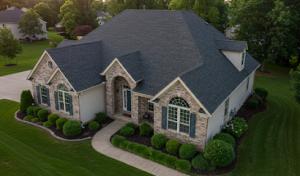
A full roof replacement in this market is not treated as simple maintenance. The local building department typically requires a formal building permit through the city or county, and the permit process is designed to document the scope of work and the contractor responsible. In practice, you submit a concise project scope, confirm that the planned work aligns with current codes, and pay the permit fee as part of the approval. Inspections are scheduled to accompany the project from start to finish, and each visit serves to verify critical details that affect long-term performance against the weather and road debris common here.
Inspections focus on structural and weatherproofing integrity. Expect reviewers to verify nail patterns and spacing, roof underlayment type and installation, flashing details around penetrations, and proper ventilation strategies in the attic or soffit regions. Valley, ridge, and hip connections are checked for continuity and seal integrity, while roof-to-wall terminations receive scrutiny to prevent water intrusion. In a hail- and wind-prone Missouri market, the department may also want confirmation of material specifications tied to wind or impact resistance. Having manufacturer product data, installation guides, and contractor certifications ready can streamline the process and reduce back-and-forth with the inspector.
Planning ahead helps align permits with weather windows and insurance workflows. If a hail or wind event triggered the project, coordinating with the contractor and insurer ensures that the scope documented for the permit matches the claims and the actual field conditions. Inspections are typically staged: a rough-in check during deck and underlayment installation, a mid-project verification of flashing and ventilation, and a final inspection after all components are in place and sealed. Keeping the job site accessible and well organized speeds up each review and helps avoid unnecessary delays when fast responses to leaks are a priority during storm season.
The Troy market leans heavily toward re-roofing rather than niche specialty work, so when you start evaluating contractors, prioritize those who advertise storm response, debris cleanup, and rapid turnaround. Look for a contractor who can outline a concrete plan for assessment, tarp and debris removal, and a staged schedule that minimizes leaks while materials are delivered and staged at the job site. In this environment, the fastest responders who show up with a clear action plan after a hail event are often the most reliable long-term partners.
Cleanup included and quick response are among the strongest local hiring signals, reflecting homeowner concern about debris, leaks, and fast scheduling after storms. When you call, note whether the contractor asks about recent hail exposure, shows a structured cleanup protocol, and provides a realistic timeline for start-to-finish work. Ask for a documented communication plan, including daily check-ins and a point person who you can reach during a storm surge or rapid weather shifts.
Locally owned and long-established firms are present in Troy, but the market also includes contractors competing on affordability and emergency availability during storm surges. Prioritize crews that demonstrate experience with common local roofing stock-shingles that shed hail impact well, flashing that resists wind-driven water, and crews accustomed to staged installations to reduce homeowner disruption. Ask for references from nearby neighborhoods that faced back-to-back hail events and how crews managed cleanup and scheduling.
For a Troy job, expect a contractor to present a practical, crisis-ready approach rather than a broad service menu. Seek a written plan that addresses storm cleanup, tarp coverage if delays occur, and a clear communication cadence. Verify who handles cleanup at the end of each workday, how waste is managed, and who conducts a final walkthrough to confirm all leaks are addressed. Align on a single point of contact to streamline follow-ups after storms.