
Last updated: Apr 19, 2026
In this part of Missouri, the rhythm of weather drives when a roof move becomes necessary. Hail seasons and heavy spring rains create a surge of claims that can overwhelm both homeowners and adjusters unless documentation is ready to roll. The window between damage and replacement is not a theoretical timeline-it's a real, working schedule tied to storm events, weather delays, and the speed of inspections. When a storm hits, the clock starts ticking on getting a proper assessment, so acting quickly and with a precise plan is the best defense against a lingering roof problem that worsens with every freeze-thaw cycle.
Adjusters routinely expect a full package of evidence before approving a full roof replacement. That means clear photo documentation of all affected areas, close-ups of granule loss on shingles, dented metal features, and any visible core damage to underlayment or decking. Create a simple scope note that lists impacted sections, approximate square footage affected, and any visible interior signs of water intrusion. A concise record helps the claim move forward without back-and-forth delays. Have a trusted contractor prepare a professional estimate that aligns with the evidence you've gathered-the combination of photos, notes, and a written scope is what adjusters want to see first.
Spring hail events can trigger a rapid claim cycle, with scheduling bottlenecks that ripple through the roof's replacement timeline. Storm-driven replacements are more common than age-based triggers in this market. Expect adjusters to request on-site inspections, but also to rely on the documented evidence you've supplied. If a contractor's estimate is part of the submission, it should clearly reflect the scope of work, including shingles or other material, flashing, and any necessary underlayment or decking repairs. If damage is borderline-where repairs might seem feasible in late spring or early summer-prepare for the possibility that a formal replacement will be recommended after the hail season passes and temperature swings resume. In Wentzville, the timing of those swings can nudge a decision from repairable to replacement-ready in a hurry.
Hot summers and cold winters don't just test shingles; they shape the practical window for a safe, durable replacement. The heat of July and August can complicate roof work, especially when underlayment and roof decking need to perform under stress. Conversely, late fall and early spring bring different challenges, including moisture and schedule constraints from other storm repairs in the neighborhood. The key here is to plan for a phased approach when needed: start with documentation and an estimate, then align expectations with the adjuster's timeline and the contractor's crew availability. Being proactive about scheduling around forecasted storms reduces the risk of delays that would push a replacement into a renewal window or a harsh-weather month.
First, photograph every angle of the roof, close-up areas of impact, and any interior signs of leakage. Then compile a concise scope note with locations, rough areas affected, and any visible damage to flashing or vents. Bring this to a trusted local contractor who understands the Wentzville storm cycle and can translate it into an accurate estimate that matches the documentation. When you're ready to file, attach the photos, the scope note, and the contractor estimate to the claim package and be prepared to respond quickly to any follow-up requests from the adjuster. If a repair seems plausible in the near term, discuss a contingency plan with the contractor that covers both temporary repairs to mitigate leakage and a clear path to full replacement if the damage proves more extensive once the hail season passes. In this climate, readiness is measured not just by the roof's condition, but by the speed and precision of the claim process itself.

3 Brothers Gutters & Roofing (a Rain Ready affiliate )
(636) 393-8181 3brothersgutters.com
2105 Golf View Dr, Wentzville, Missouri
5.0 from 204 reviews
Seamless gutters and roofing - based in Wentzville Missouri. We serve all of St Charles County as as St. Louis and Lincoln. Same day service on most repairs if In Wentzville , O’fallon , Lake St. Louis , warrenton or Foristell. 5 inch, 6 inch, 8inch seamless gutters , Full Roof replacements / service/repair and leaf guards / gutter guards. From gutter cleanings to new seamless. We do it all. Call , text , or message address for a fast free bid. We digitally measure using online records - So in most cases we do not need to come see your property for a bid. ( although - We certainly will if you’d like us to ). No pressure - just prices. As of August 2021 - we bought a small Roofing company and now we also do Roofs.
LUCAS Construction & Roofing
(636) 459-9328 lucasconstructionmo.com
12618 Veterans Memorial Pkwy, Wentzville, Missouri
5.0 from 116 reviews
LUCAS Construction is a Wentzville based Roofing, Siding, Guttering, Fascia, and Soffit company. We only use top quality materials and professional installers. Whether your job is an insurance claim or out of pocket we are here to help. Using LUCAS Construction gives you peace of mind that your work is being done timely and properly.
RoofWorx - Wentzville
(636) 466-8747 roofworxwentzville.com
116 May Rd STE C, Wentzville, Missouri
5.0 from 59 reviews
RoofWorx - Wentzville is a locally owned and operated roofing company, serving Wentzville, St. Charles, and all surrounding areas. We offer some of the best products on the market with competitive pricing. Our services include roof replacement, roof repair, and metal roofing, and siding. We are capable of installing and repairing a wide variety of roofing material, including stone coated steel shingles, architectural shingles, fiberglass shingles. We also provide vinyl siding. Our team of roofing professionals is highly trained and will provide you with excellent customer service. Storm damage? We can work with your insurance company and get your roof back in tip top shape, without emptying your wallet.

Blue Ladder Roofing of St. Louis
(314) 978-6081 blueladderroofs.com
220 Interstate Dr #105, Wentzville, Missouri
4.9 from 102 reviews
Welcome to Blue Ladder Roofing, your number one roofing company! We're a full-service company that specializes in all types of roofing services. You can depend on our experts when it comes to repairing or replacing your roofing. There is no job too big or small for us to handle!
R-KREW Construction
(636) 856-1014 rkrewconstruction.com
110 Green Meadows Dr, Wentzville, Missouri
4.8 from 23 reviews
Finding a roofing contractor that can service all of your needs can be tough, but with R-KREW Construction, any task is possible. Located in Wentzville, MO, this company is proud to be a reliable construction provider offering an array of jobs for your property. From home renovations to commercial roofing projects, this team can help you complete your interior or exterior projects. This business is an Owens Corning® preferred contractor and certified installer, and they’re fully licensed and highly experienced. Serving residential and commercial customers throughout both St.Louis, St. Charles and all surrounding counties, they’re proud to offer siding, gutter, and roofing services, as well as renovation and remodeling work.
Peak Roofing
(636) 556-5549 peakroofingwentzvillemo.com
1566 W Meyer Rd, Wentzville, Missouri
4.9 from 8 reviews
Welcome to Peak Roofing, your trusted roofing contractor in Wentzville, MO, located at 1566 W Meyer Rd. We specialize in top-quality roofing services for both residential and commercial clients. Our certified professionals provide roof installations, repairs, maintenance, and inspections with years of experience. Understanding that roofing emergencies can happen anytime, we offer 24-hour service to promptly meet your needs. Our commitment to exceptional workmanship and customer satisfaction makes us a preferred choice in Wentzville and the surrounding areas. Contact us anytime for a free estimate. See what Peak Roofing can do for you! Let us protect your home or business with care and expertise, call now to schedule your free consultation.
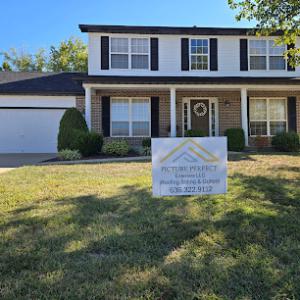
Picture Perfect Exteriors
(636) 322-9112 pictureperfect-exteriors.com
143 Shadow Pointe Dr, Wentzville, Missouri
5.0 from 7 reviews
Roofing, siding and gutters
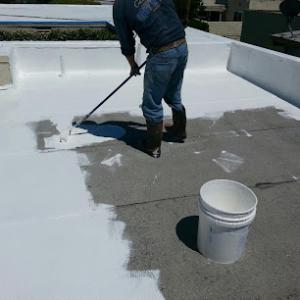
Wentzville Roofing
708 W Pearce Blvd, Wentzville, Missouri
5.0 from 7 reviews
Roofing Contractor - We work with Insurance Storm damage or home owners direct. Commercial flat roof recoating Save thousands over TPO

Shamrock Roofing & Construction Lake Saint Louis
(314) 380-3028 shamrockroofer.com
Serving
4.9 from 292 reviews
Reliable roofing in Lake St. Louis, MO means working with a contractor built for the long term. At Shamrock Roofing & Construction, we deliver roof replacement, roof repairs, waterproofing, and storm damage restoration for local homeowners. Our team stands out for nearly 50 years of continuous operation, free inspections, detailed documentation, and hands-on insurance claim support. Fully licensed and insured, we install proven roofing systems backed by strong manufacturer and workmanship warranties. Homeowners choose us for clear communication, dependable crews, and a process designed to reduce stress and deliver lasting results.
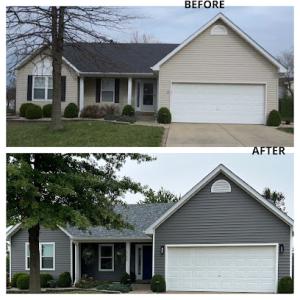
Bash Exteriors
(636) 655-9895 bashexteriors.com
Serving
5.0 from 38 reviews
At Bash Exteriors, we offer comprehensive roofing services, including new roof installation, repairs, and expert residential and commercial roofing solutions. With decades of experience in insurance claims, our team of adjusters will guide you through the process with ease. We also provide top-notch siding and gutter services, specializing in installation, repair, and maintenance for both residential and commercial properties. Trust Bash Exteriors for all your exterior improvement needs.
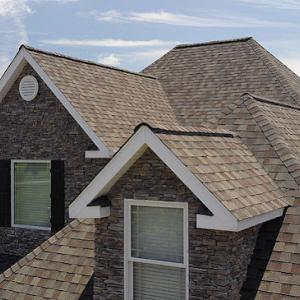
SteveBaumstark roofingLLC
119 W Pearce Blvd, Wentzville, Missouri
5.0 from 1 review
Locally owned roofing contractor servicing the greater St. Louis area.
Top Dry Roofing
Wentzville, Missouri
5.0 from 1 review
Top Dry Roofing provides removal and installation of all roofing systems.
Asphalt shingles remain the dominant practical choice in this market. They are familiar to most local crews, come in a wide range of colors, and install quickly over standard plywood decks. The key to long performance here is proper ventilation and flashing details. In Wentzville's hot summers and cold winters, inadequate attic ventilation can trap moisture and heat, accelerating shingle deterioration and accelerating ice dam risk in the shoulder seasons. Ensure the start of the project includes a solid ridge and soffit vent plan, plus a continuous drip edge and flashing around chimneys, skylights, and vent pipes. If the ventilation or flashing is skimped, even high-quality shingles will wear early.
Metal roofing has a meaningful place in this market because homeowners are weighing hail durability and long-term performance against a much higher upfront cost than asphalt. In the storm-prone stretches around this area, metal can shed hail impact more reliably and may resist denting or puncture better than some asphalt configurations. Consider a seam profile and coating designed for temperature swings and reflectivity to mitigate heat gain. The installation requires careful attention to underlayment, attic ventilation, and correct panel fastening patterns to avoid wind-driven issues in severe thunderstorms. If hail frequency or projected replacement cycles are a priority, metal often offers a steadier performance with fewer mid-life roof repairs.
Tile, wood shake, and synthetic options exist in this market, but they are far less common and need to be evaluated against local storm exposure, structural load, and replacement-part availability. Clay and concrete tiles bring excellent hail resistance and longevity, yet their weight can demand a reinforced deck and sometimes truss adjustments. Wood shakes offer a distinctive curb appeal but can be vulnerable to moisture, decay, and splitting if ventilation is not balanced and maintenance is skipped. Synthetic options exist as lighter, lower-maintenance stand-ins, yet still require sound attic ventilation and a compatible flashing strategy to handle temperature swings and driving rain.
In practice, choose based on the home's structure, typical storm exposure, and the ability to source replacement parts locally. The best choice often aligns with your ability to maintain ventilation, ensure robust flashing around penetrations, and obtain timely material replacements through local suppliers. For many Wentzville homes, asphalt delivers dependable value when paired with solid attic ventilation and meticulous flashing; metal warrants serious consideration if hail cycles and long-term performance are priorities; tile, wood, and synthetics should be reserved for specific aesthetic goals or structural allowances and must be planned with storm exposure and part availability in mind.
A building permit is required for roof replacement in Wentzville, and the roofing contractor typically handles the application with the local building department. This isn't a step to skip or rush, especially during storm season when crews are busy and inspectors' calendars fill up quickly. Your contractor should submit plans that reflect the chosen material, venting strategy, and flashing details, so the review focuses on safety and code compliance rather than improvisation on site. Before you sign a contract, confirm that the permit scope clearly includes adjustments to attic ventilation, roof-to-wall intersection flashing, and drip edge installation. Keep a file of the permit number and the assigned inspector's name for easy reference during work.
Wentzville inspections commonly occur after tear-off and again at completion, with attention to flashing, ventilation, and installation details before the job is closed out. The first inspection after tear-off ensures the roof deck is sound, all penetrations are sealed, and the underlayment is correctly installed. The final inspection verifies that the roof system, venting, and flashing meet code requirements and that any required drainage or alignment concerns are resolved. Coordinating with your contractor to have underlayment and starter courses staged for the inspector's review can reduce callbacks. If you are relying on a storm-driven replacement, it is especially helpful to have a clear record of material type, warranty terms, and ventilation calculations ready for the inspector.
Permit processing in Wentzville can take up to a couple of weeks, so storm-season homeowners need to account for review time when trying to schedule fast replacements. Weather windows matter: a window of dry days that aligns with permit approval and inspector availability minimizes exposure to moisture and wind-driven damage. Ask your contractor to establish two provisional dates: a preferred start date and a backup in case the permit is not yet issued. Stay reachable during the approval period in case the building department needs clarifications or revised drawings. This proactive approach helps avoid delays that can leave a roof half torn off longer than necessary.
During the permit phase, ensure you have a complete set of project documents handy: permit card, roofing contract, product specifications, underlayment type, and ventilation design details. The inspector will expect to see that flashing around chimneys, skylights, and vent pipes is sealed correctly and that the roof ventilation calculations align with the attic space and climate demands. Your claim to insurance after a hail event often hinges on timely, well-documented permits and inspections, so keeping a tidy packet of paperwork simplifies both homeowner and insurer workflows. Work with your contractor to maintain a clear line of communication with the building department, and confirm how changes to materials or roof pitch during installation will be reflected in the permit record.
In this area, where houses often sit on modest slopes and have varied eave configurations, accurate flashing installation and proper attic ventilation are critical for long-term performance. Ensure the chosen shingles or metal options are compatible with the existing deck and gutter layout to prevent misalignments that trigger post-inspection corrections. A local contractor familiar with Wentzville's storm cycles will anticipate weather-related pauses and coordinate permit timelines accordingly, helping you navigate the season without compromising safety or compliance.
Typical pricing in this area runs about $350 to $550 per square for asphalt shingles, $700 to $1100 for metal, $1100 to $1800 for clay tile, $900 to $1400 for concrete tile, $600 to $1000 for wood shingles or shakes, and $450 to $800 for synthetic or composite shingles. These ranges reflect local stock, labor availability, and the common 100-square bundles used on residential jobs. When planning, focus on the roof's pitch, accessibility, and any specialty underlayments, because those factors push the per-square figure and the overall project total.
In Wentzville, storm-driven surges in demand can push pricing and lead times upward after hail events because so much of the local contractor market is concentrated in re-roofing and storm work. If a hail event hits, expect faster scheduling for assessments and more interaction during the bidding process as crews shift from maintenance to replacement. This isn't just a price bump; it can also affect material availability, with popular colors or profiles temporarily scarce.
Costs in Wentzville also move with permit requirements, tear-off complexity, and whether inspection-driven corrections are needed for flashing or ventilation before final approval. A straightforward asphalt replacement with a clean deck and standard venting may stay within the lower end of its range, but if the old roof requires tearing off multiple layers, upgrading attic ventilation, or addressing flashing at valleys and chimneys, expect pushes toward the higher end. When evaluating bids, ask for a clear breakdown: tearing off vs. overlay, labor for flashing corrections, new drip edge, and any needed attic or roof-penetration repairs.
If you're not in a rush after hail, build in a buffer for weather and material cycles, especially in shoulder seasons. Compare bids not just on sticker price but on warranty coverage, installer experience with local weather patterns, and the supplier mix for your chosen material. For asphalt, plan for mid-range color and granule protection; for metal, confirm panel profiles and fastener types that resist local temperature swings. Remember that concrete and clay tiles carry heavier handling requirements and may necessitate extra structural checks, which can elevate both cost and lead time.
Get a clear picture of your project costs upfront - no commitment required.
3 Brothers Gutters & Roofing (a Rain Ready affiliate )
(636) 393-8181 3brothersgutters.com
2105 Golf View Dr, Wentzville, Missouri
5.0 from 204 reviews
Peak Roofing
(636) 556-5549 peakroofingwentzvillemo.com
1566 W Meyer Rd, Wentzville, Missouri
4.9 from 8 reviews
In this Missouri market, homeowners dealing with frequent hail and wind claims are common, and that pattern can push insurers to be more selective, especially during high-loss years. The practical effect is tighter scrutiny on how damage is documented and how quickly a claim moves through the system. You may notice insurers asking for more documentation upfront or offering preferred timelines that align with their internal adjustment cycles. The takeaway is to be prepared for a process that moves in tighter, more deliberate steps, not a quick, door-to-door settlement.
Successful outcomes in this area aren't about a pretty claim file; they hinge on precise, verifiable proof. Start with date-stamped photos that capture the storm events and the roof's condition immediately after, then collect interior evidence of leaks that pinpoint where water is entering. Exterior elevation shots help show the scope of damage relative to the whole roof, and a contractor-prepared scope that aligns with observed storm-related patterns helps bridge the gap between cause and repair. In practice, insurers want to see a clear, cohesive narrative: what happened, when it happened, and how the proposed remedy addresses the exact damage. Without this, even legitimate damage can get questioned or delayed.
Because some insurers tighten terms after heavy claim years, you should double-check how your deductible is structured, whether cosmetic damage language could affect settlements, and whether the insurer leans toward full replacement versus repair-only outcomes. If a policy seems to lean toward repairs, verify that the scope truly reflects the extent of storm-driven damage rather than cosmetic wear. If full replacement is possible, ensure the scope accounts for hidden or future concerns flagged during inspection. The local reality is that carriers won't rely on hope or best-case projections; they will benchmark their decisions to documented evidence and clearly defined damage patterns. Being proactive here reduces the chance of a drawn-out dispute or a settlement that doesn't fully cover the needed work.
When you're coordinating with a contractor, insist on a scope that mirrors the damage the insurer needs to see. Keep a consistent narrative across all documents: dates, locations of leaks, and the progression of damage over time. If a claim stalls, don't hesitate to request a written explanation and a concrete list of additional evidence the insurer requires. In a market shaped by hail-driven cycles and permit inspections, a well-documented, organized presentation is often the difference between a smooth repair and a drawn-out battle.
Connect with contractors who help homeowners navigate the claims process from damage assessment to final approval.
LUCAS Construction & Roofing
(636) 459-9328 lucasconstructionmo.com
12618 Veterans Memorial Pkwy, Wentzville, Missouri
5.0 from 116 reviews
RoofWorx - Wentzville
(636) 466-8747 roofworxwentzville.com
116 May Rd STE C, Wentzville, Missouri
5.0 from 59 reviews

Blue Ladder Roofing of St. Louis
(314) 978-6081 blueladderroofs.com
220 Interstate Dr #105, Wentzville, Missouri
4.9 from 102 reviews
Spring in this area brings hail and heavy rain that can both create damage and interrupt active tear-off schedules. If you notice puckering shingles, granule loss, or dented metal flashing after a spring hail event, plan for a professional assessment as soon as weather allows. Early inspection helps confirm whether you sustained isolated damage or a broader wear pattern that will shorten the roof's remaining life. Be prepared for delays if rain or storms push crews off the roof, and coordinate with your chosen contractor to lock in a safe window once the forecast shows a dry couple of days.
Summer heat and frequent thunderstorms can affect crew timing, shingle handling, and same-day dry-in planning. High temperatures stress underlayment and can slow plywood or OSB exposure tolerance, so a dry-in on hot days may be scheduled with extra precautions. If a storm passes through, expect short-term pauses while debris is cleared and temporary tarps secured. A routine mid-summer assessment helps determine whether heat-related aging or wind-driven damage from recent thunderstorms has accelerated the decision to replace rather than repair.
Winter freeze-thaw cycles and autumn wind events can worsen exposed roof areas, making delayed replacements riskier once damage is already present. Shingle and underlayment performance decline when temperatures swing below freezing, and wind can peel back edges that were already weakened. If you observe curling edges, loose fasteners, or gaps around vents as autumn settles in, prioritize a coordinated replacement plan before the winter season intensifies.
Look for widespread staining, recurring leaks after storms, or multiple patched areas that keep returning. If several roof zones show different ages or visible deterioration, replacement becomes more sensible than piecemeal repairs. When you're unsure, a local roofer can perform a targeted roof health check and outline a practical replacement timeline aligned with Missouri weather patterns.
In Wentzville, emergency roof calls often spike right after hail and thunderstorm events, especially when wind-driven rain finds openings before full replacement can be scheduled. That means every sudden drip or online video of rain pouring inside a room should be treated as a red flag, not a minor nuisance. If rain is entering through a crack or around a vent, you need immediate containment to protect insulation, ceiling, and interior finishings. Time lost means more costly damage down the line.
Because the city requires permit-based replacement work, temporary tarping and targeted leak control can be especially important while homeowners wait for approvals and final scheduling. Start with a sturdy, weatherproof tarp anchored securely along the edges of the affected area, letting it extend past any visibly damaged sections. Use roofing cement or heavy-duty membrane to seal laps at seams and around penetrations. In the meantime, place buckets or trays under active drips and use plastic sheeting to divert water away from electrical fixtures and outlets. Schedule a quick, documented inspection with your insurer and roofer to capture the exact damage and establish the priority of repairs.
Skylight areas deserve extra scrutiny in storm inspections because flashing and surrounding shingle transitions are vulnerable during heavy rain and hail impacts. Check around the skylight flashing for loose nails, lifted shingles, or gaps where water can seep in. If you notice condensation on the interior dome, a slow drip, or damp insulation, treat it as an active leak. Temporary resealing with aluminum flashing tape can buy time, but plan a professional evaluation promptly to restore proper flashing and shingle-to-flash transitions.
Document damage with photos from multiple angles, focusing on transitions around vents and skylights. Create a simple timeline of events: when hail/storms occurred, when leaks appeared, and when tarping started. Share this with your contractor and insurer to support timely scheduling and avoid delays that let interior damage spread. If possible, designate a dry, safe area for attic access and keep electrical panels clear of standing water.
When you can't wait, these contractors offer fast response times to stop leaks and prevent further damage.
3 Brothers Gutters & Roofing (a Rain Ready affiliate )
(636) 393-8181 3brothersgutters.com
2105 Golf View Dr, Wentzville, Missouri
5.0 from 204 reviews
R-KREW Construction
(636) 856-1014 rkrewconstruction.com
110 Green Meadows Dr, Wentzville, Missouri
4.8 from 23 reviews
Peak Roofing
(636) 556-5549 peakroofingwentzvillemo.com
1566 W Meyer Rd, Wentzville, Missouri
4.9 from 8 reviews
The Wentzville market is heavily weighted toward re-roofing and storm-response contractors, so homeowners should expect many companies to emphasize fast turnaround after weather events. That emphasis can mean crews racing to close a job before a storm window shifts or before the next hail front moves through. Recognize that speed sometimes comes at the expense of meticulous prep, orderly tear-off, or thorough documentation. In a town where full tear-offs are common, your choice of roofer should factor in how they handle debris management, haul-away, and the level of detail in the teardown process. Choose a firm that has a steady crew roster and a track record of finishing projects cleanly, not just quickly.
Established, family-owned, and locally owned firms have a visible presence in this market, which matters when post-storm callbacks and follow-ups are needed. Look for a company with a local address, a consistent phone line, and clear channels for post-install questions. A locally rooted contractor is more likely to return for inspections, warranty work, or surprises that surface after a late-winter freeze. Be wary of outfits that only flash their name during the high-activity season and fade afterward; you want a partner who stands by the work across seasons.
Cleanup is a major local hiring priority, reflecting how often full tear-offs are performed rather than small specialty repairs. Ask how dumpster access, daily waste removal, and final ground cleanup are handled. Clarify whether the contract includes a thorough removal of nails and shingle remnants, and who is responsible for addressing any tarping or masking that protects landscaping during a big re-roof. Finally, confirm a clear plan for post-storm inspection visits and any necessary adjustments after wind or hail events.