Last updated: Apr 19, 2026
The Missouri hail and wind claim environment around Spring storms brings sudden surges in roof inspections, emergency tarps, and insurer scrutiny. In this area, a single thunderstorm can unleash a cascade of callbacks from adjusters and roofing teams, turning an ordinary afternoon into a race to document, tarp, and move toward a formal claim. The local contractor signal mix is storm-focused, with storm damage and insurance claims support far more prevalent than specialty material niches. That means every roofer you encounter will likely be pushing assessments, quick fixes, and claim-ready solutions. Stay prepared: storms aren't quiet here, and expectations from carriers tilt toward rapid visibility and traceable damage history.
Photo documentation is not a nicety; it's your first line of defense against insurer questions and post-storm scrutiny. When you shoot, you need a clear trail that separates fresh hail or wind impacts from older wear. Start with high-resolution images of the entire roof from multiple angles, then zoom into impact sites on shingles, flashing, and joints. Capture close-ups of granule loss, lifted edges, and dented metal components, but also photograph nearby trees, gutters, and the attic deck. A dated time-stamped sequence helps establish a timeline that insurers can rely on after a regional storm event triggers a file review. In practice, create a two-tier set: exterior roof photos with a wide shot and macro shots of all suspect areas, and interior attic photos that show signs of moisture, ventilation status, and decking condition. If there is any blue roof or temporary repair already in place, photograph it as well to document pre-claim conditions that may influence coverage decisions.
Insurers in this market scrutinize pre-existing damage with particular care after a big event. That means the difference between a claim that moves quickly and one that stalls can hinge on how cleanly fresh damage reads against wear marks from prior seasons. When meeting an adjuster or contractor, bring your photo log organized by date, with labeled shots that map to specific roof zones: hips, valleys, chimney flashing, vent stacks, and the perimeter. Request a walk-through that focuses on newly disturbed areas first, then verify surrounding areas for age-related wear. If a dispute arises about what constitutes hail-caused damage versus pre-existing wear, rely on your photo trail and a written note that notes the storm date, observed impact patterns, and any temporary protection you installed promptly after the storm. Be proactive: not every contractor sells the same level of post-storm documentation, so insist on a written claim package that aligns with the photos you've captured.
Don't let a quick tarp turn into a missing-damage dispute. Timely, proper temporary protection is essential, but make sure it is documented in photos and described in your claim notes with exact locations and dates. Watch for contractors who push premature replacements without a full inspection or who attempt to upsell non-essential work as mandated by the insurers. Your goal is a precise, claim-backed assessment that distinguishes hail-driven impacts from aging roof components, ventilation concerns, or attic deck issues that require attention but aren't the storm's fault. If a contractor promises a rapid fix, request a detailed scope of work that aligns with the claim's diagnostic findings and insists on a thorough attic deck check, proper flashing inspection, and verified ventilation status-areas that a city-scrutinizing process will expect to see addressed on full replacements.
Prepare for successive seasons by addressing underlying vulnerabilities exposed during the storm. Reinforce critical flashing transitions, verify attic ventilation balances, and ensure deck integrity is documented as part of the replacement package. A storm-focused approach to Lake Saint Louis homes means building a record that not only meets insurer expectations but also protects your residence against future hail surges and wind-driven damage. Maintain your photo log, keep a current inventory of exterior roof features, and schedule a follow-up inspection after any major storm cycle to confirm that all vulnerable areas remain properly protected and aligned with the claim's scope.

Crown Exteriors
(314) 443-5170 www.crownexteriorsllc.com
Serving
4.6 from 210 reviews
Crown Exteriors has a proven record of excellence in repairing and replacing roofs. We work closely with your insurance company to make sure your damaged roof is replaced in a timely manner! No matter the size of your project, the experienced roofing contractors at Crown Exteriors will plan and construct your roof from start to finish. We are dedicated to exceeding our customer’s expectations on each job.
Brody Allen Exteriors
(314) 678-8644 brodyallenexteriors.com
Serving
4.9 from 391 reviews
At Brody Allen Exteriors, we’re your neighborhood crew for roofing, siding, windows, and more—helping homeowners across Lake St. Louis, Chesterfield, and surrounding areas make their homes feel new again. We know how exciting it is to see that big before-and-after transformation, and we love being part of that moment with you. We keep things simple, honest, and high quality—no pushy sales, just solid work with materials that last. Whether you’re dealing with storm damage or just ready for a fresh look, we’ll walk you through your options and help you choose what fits your home and budget best. Reach out if you want to chat with a team that treats your home like it’s our own.

Shamrock Roofing & Construction Lake Saint Louis
(314) 380-3028 shamrockroofer.com
Serving
4.9 from 292 reviews
Reliable roofing in Lake St. Louis, MO means working with a contractor built for the long term. At Shamrock Roofing & Construction, we deliver roof replacement, roof repairs, waterproofing, and storm damage restoration for local homeowners. Our team stands out for nearly 50 years of continuous operation, free inspections, detailed documentation, and hands-on insurance claim support. Fully licensed and insured, we install proven roofing systems backed by strong manufacturer and workmanship warranties. Homeowners choose us for clear communication, dependable crews, and a process designed to reduce stress and deliver lasting results.
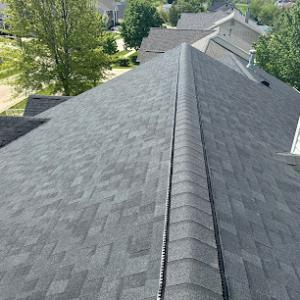
LUCAS Construction & Roofing
(636) 459-9328 lucasconstructionmo.com
Serving
5.0 from 116 reviews
LUCAS Construction is a Wentzville based Roofing, Siding, Guttering, Fascia, and Soffit company. We only use top quality materials and professional installers. Whether your job is an insurance claim or out of pocket we are here to help. Using LUCAS Construction gives you peace of mind that your work is being done timely and properly.

Blue Ladder Roofing of St. Louis
(314) 978-6081 blueladderroofs.com
Serving
4.9 from 102 reviews
Welcome to Blue Ladder Roofing, your number one roofing company! We're a full-service company that specializes in all types of roofing services. You can depend on our experts when it comes to repairing or replacing your roofing. There is no job too big or small for us to handle!
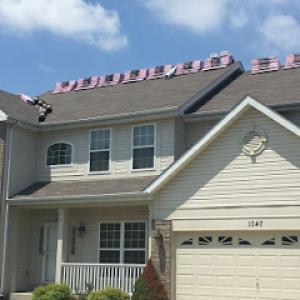
RP Contracting
(636) 265-1158 www.rpcontractingllc.net
Serving
5.0 from 3 reviews
A general contractor specializing in Roofing Siding and Gutters
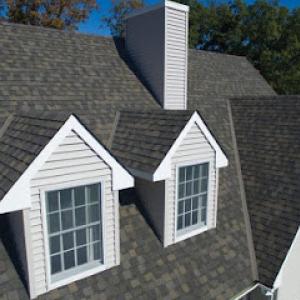
ATech / BAUMSTARK STORM-FIRE-FLOOD
(636) 459-9076 atechexteriors.com
Serving
3.8 from 22 reviews
Roofing contractor offering residential and commercial roof repair and replacement, siding, and gutter services.

Bastin Roofing
(636) 556-4721 www.bastinroofing.com
Serving
4.4 from 30 reviews
With nearly three decades of dedicated service, Bastin Roofing has been the trusted name for roofing and exterior solutions in O'Fallon and the greater St. Louis area since 1995. As a veteran-owned and operated company, we pride ourselves on protecting your most valuable asset—your home. Our comprehensive services include new roof installations and repairs for both residential and commercial properties, ensuring expert craftsmanship and reliability. Let our team of professionals provide the protection your home deserves.
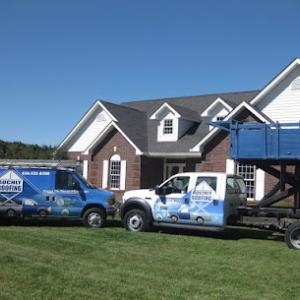
Auchly Roofing
(636) 332-8200 auchlyroofing.com
Serving
4.7 from 27 reviews
Auchly Roofing is dedicated to providing hiqh quality roof repairs and installation, built with quality workmanship and focused on complete customer satisfaction. Since 1985, Auchly Roofing has been devoted to the honest roofing practices. Auchly Roofing is not just another fancy sales company who will get you to sign on the dotted line and then sub contract the work to another company. We will be with you every step of the way throughout the completion of your project. All of our employees work directly for Auchly Roofing every day of the week; this is what enables us to guarantee homeowners that they are receiving the highest level of craftsmanship on their roof. Auchly roofing is your expert St. Charles County roofing contractor.

Berry Construction Roofing & Storm Repair
(636) 294-7663 berrygoodroofmo.com
Serving
4.8 from 217 reviews
Berry Construction Roofing & Storm Repair is a licensed roofing contractor with decades of experience restoring the structural integrity and aesthetic appeal of storm-damaged homes and businesses in the O'Fallon, MO area. We also offer installation and repairs to your home’s siding. All of the roofing and siding repairs completed by our licensed team on your O’Fallon home or business will last for years to come. We know what it's like to get caught in a storm. Dealing with extensive storm damage can be devastating, so when you need emergency roofing and other home repairs, make sure you deal with a company that's reliable and reputable. Contact our roofing and siding company in O’Fallon today for a storm damage repair quote.
St. Peters Roofing
(636) 697-6354 stpetersmoroofing.com
Serving
4.9 from 50 reviews
St. Peters Roofing / Warrenton Roofing is designed to give customers a more professional experience during your renovation experience. We cater to the specific needs and expectations of each customer. Whether you are looking for a roofing company that deals with insurance claims or just need a simple asphalt roofing repair, call today and book your appointment with the best roofing company near St. Peters, MO!
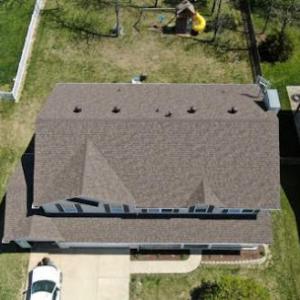
R-KREW Construction
(636) 856-1014 rkrewconstruction.com
Serving
4.8 from 23 reviews
Finding a roofing contractor that can service all of your needs can be tough, but with R-KREW Construction, any task is possible. Located in Wentzville, MO, this company is proud to be a reliable construction provider offering an array of jobs for your property. From home renovations to commercial roofing projects, this team can help you complete your interior or exterior projects. This business is an Owens Corning® preferred contractor and certified installer, and they’re fully licensed and highly experienced. Serving residential and commercial customers throughout both St.Louis, St. Charles and all surrounding counties, they’re proud to offer siding, gutter, and roofing services, as well as renovation and remodeling work.
Spring and fall present the most practical replacement windows for homes in this area. Summers bring heat and high humidity that can slow workers and affect certain materials, while winters bring ice and disruption that push the schedule into delays. If a full roof replacement is planned, aim for a stretch when crews can work steadily without the interruptions that summer storms or winter cold bring. In the shoulder seasons, you'll typically find crews with reliable availability and fewer weather-related stoppages. For a homeowner, this means fewer rescheduled days and a smoother coordination with any auxiliary trades tied to flashing, ventilation, and attic work.
Winter in this part of Missouri can turn small problems into big headaches. Freeze-thaw cycles tend to worsen ice damming, which not only slows progress but can reveal weaknesses in decking or ventilation that aren't obvious during milder months. If a winter window is unavoidable, plan for an early-stage inspection and a second-pass once outdoor temperatures rise enough to allow thorough moisture checks. A winter schedule also increases the chance that interior attic work will be covered under guidance tied to moisture control, so coordinate ventilation improvements with the rest of the roof replacement. Being proactive about insulation and attic ventilation during cold snaps helps reduce post-installation surprises and limits the risk of future ice damming.
Fall wind events can loosen shingles and flashing on components that ride out the summer heat. That makes late-season inspections especially relevant for homes heading into freezing conditions. A thorough fall assessment should verify the integrity of drip edges, fascia, and valleys, and check attic ventilation paths for any signs of prior compromise. If gaps or loose materials are found, addressing them before a full replacement minimizes the chance of wind-driven damage during the installation itself. For a seamless transition into winter, align the timing so crews finish the bulk of the work before the coldest periods, while also allowing enough time for a post-install inspection to confirm that flashing and ventilation are solid and properly integrated with the new roof. Lake Saint Louis homes often feature multi-directional attic vent schemes, so the inspector's eye should verify that every vent channel remains unobstructed and correctly sealed around a higher-profile roofline.
Asphalt shingles dominate the local roofing market, aligning with a strong contractor presence for re-roofing and affordability in this area. You'll see a broad pool of installers who are comfortable with typical shingle jobs, which helps when you need a timely post-storm fix or a straightforward replacement. When you step beyond asphalt, you'll encounter metal, concrete tile, wood shake, synthetic or composite shingles, and slate, but the contractor signal mix shows far fewer specialists for metal, tile, and cedar than for storm-related work. That means if you're drawn to a non-asphalt option, you'll want to vet installers carefully, confirm recent project experience, and check local references for hail-damaged homes in similar neighborhoods.
Lake Saint Louis weather stresses materials in multiple ways. The summer heat accelerates aging of shingle surfaces and the underlying underlayment, so choosing a product with good UV resistance and a solid warranty matters. Hail events can bruise or crack exposed surfaces, especially on lighter-colored or smooth-sided options, which makes proper impact resistance and post-storm inspection essential. Winter moisture cycling can reveal deck and flashing weaknesses if the attic ventilation isn't balanced or if the deck has microcracks from prior weather cycles. In practice, that means you should prioritize components that tolerate heat and rapid temperature swings, while keeping an eye on flashing and attic ventilation during a full roof replacement.
If you're weighing asphalt shingles against alternatives, consider how local installation teams handle venting, flashing, and deck preparation-these details are scrutinized during Lake Saint Louis' permit checks and can drive long-term performance. Metal roofs offer longevity and hail resistance, but require precise seam work and corrosion protection in our humidity cycles. Concrete tile and slate bring durability and distinct curb appeal, yet they depend on a solid deck, careful flashing integration, and adequate structural support to prevent sagging or joint failures over time. Wood shakes offer aesthetics but demand higher maintenance and vulnerability assessments in hail-prone climates. Synthetic or composite options can blend weather resilience with easier installation, though you'll still want proof of storm-related installation experience. Regardless of choice, a thorough surface prep, precise flashing, and an assessment of attic ventilation are key to ensuring the system holds up against Lake Saint Louis' unique mix of heat, hail, and moisture.
Typical local pricing runs about $350 to $650 per square for asphalt shingles, $700 to $1100 for metal, $800 to $1400 for concrete tile, $600 to $1000 for wood shingles or shakes, $500 to $900 for synthetic/composite, and $1200 to $2100 for slate. These ranges reflect the area's mix of mid-size homes and post-storm demand dynamics that can push a project from the baseline. In this market, material choices hinge on roof slope, attic ventilation, and the target lifespan you're aiming for, but the sticker shock after a hail event is the real driver you'll notice in bids.
Storm-driven demand spikes in the Lake Saint Louis area can push scheduling pressure and pricing upward after major hail events, especially when many homeowners are filing claims at once. After a hail storm, you'll see more crews in town competing for slots, which shortens the window to lock in a trusted roofer and can increase early on-site inspection fees or expedited material orders. If your roof is near the 20-30 year mark, plan for a quicker decision cycle so you're not left waiting while piles of claims are sorted.
Costs here can also rise when inspections uncover flashing, ventilation, or attic deck corrections because the city inspection process specifically checks those items during full replacement work. If a retrofit is needed to address missing or damaged underlayment, ridge vent, or properly sealed flashing at hips and chimneys, that adds to the per-square price but pays off in long-term water management and energy efficiency. Expect asphalt shingle projects to trend toward the lower end, while slate remains the premium path, carrying more extensive flashing and deck work implications.
Asphalt shingles sit around the economical middle and are common in many Lake Saint Louis homes, with typical costs of $350 to $650 per square. Metal offers a strong hail-first defense and longevity, running $700 to $1100 per square, with installation nuances like deck and vent integration that can nudge prices up. Concrete tile provides durability in storm-prone days but demands a sturdy substrate and careful flashing work, at $800 to $1400 per square. Wood shingles or shakes sit in the mid-to-upper tier, $600 to $1000 per square, and require careful attic venting consideration to avoid moisture issues. Synthetic/composite blends offer a balance at $500 to $900 per square, often appealing for hail resistance and weight. Slate towers above others at $1200 to $2100 per square, reflecting its premium status and the meticulous flashing and deck reinforcement it necessitates.
When hail hits, get multiple bids quickly but prioritize crews who will document damage thoroughly for insurance. Insist on a detailed attic and flashing inspection as part of the bid, since that can affect scope and cost. If a contractor flags flashing or vent upgrades, request a clear itemized line in the contract so you understand the impact on the bottom line and on long-term performance.
Don't let upfront costs delay a critical repair - these contractors offer payment plans to fit your budget.
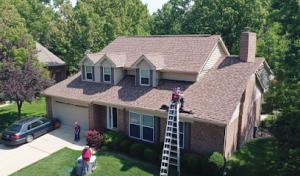
A full roof replacement in Lake Saint Louis typically requires a permit through the City of Lake Saint Louis Building Department. The process is not something you want to guess at or stall on; a delayed or denied permit can halt a project mid-shingle swap and leave you exposed to weather and fines. In practice, the contractor handles the heavy lifting by submitting the necessary plans and receipts to the city and coordinating inspections during and after construction. You'll want to keep a copy of every document and calendar any inspection dates as soon as you're aware of them.
Inspections in this city are about more than a new layer of shingles. City inspectors look closely at flashing around chimneys, vents, and roof-to-wall junctions; ventilation in the attic space and proper installation of the attic deck are reviewed; and the overall integrity of the roof decking is part of the assessment. If your project involves soffit or ridge ventilation improvements, or any decking repairs, anticipate additional scrutiny. Being proactive about these elements can prevent a re-inspection and a reshuffling of work timelines later.
The contractor generally manages the permitting paperwork, plan submittals, and the inspection schedule. Homeowners should expect a sequence: permit issuance, material deliveries, start of roof work, mid-project checks (if required), and final approvals. Because inspections can catch issues that aren't visible from ground level-such as attic ventilation balance or flashing underlayment-expect to be involved in scheduling and to provide access to the attic and roof line when inspectors arrive. In practice, timely communication with the contractor and readiness to show documentation helps keep the project moving.
Anticipate that inspections may occur during and after construction, not merely at the end. If an inspection flags deficiencies, the contractor will need to address them before the permit can be closed. This process protects building integrity and can prevent costly rework after a storm. As a neighbor to this storm-prone area, you'll gain peace of mind by aligning with a contractor who treats the permit and inspection steps as an integral part of the replacement, not an afterthought.
Missouri's hail-prone pattern and frequent wind events put you in a market with elevated claim activity. That means insurers are more vigilant about how storms are documented and how quickly a claim is filed after a hail event. You may notice faster or more thorough follow-ups, and adjusters who expect well-organized evidence from the start. It's not about stinginess, it's about risk assessment in a neighborhood where hail is a common visitor.
Detailed damage records and precise estimates matter more here because insurers often separate storm-created damage from age-related wear. Take clear, dated photos of shattered shingles, dented gutters, and lifted flashing. Keep copies of contractor evaluations and any temporary repairs. When a storm hits, your best defense is a meticulous baseline of pre-storm conditions paired with post-storm findings, so the claim can be evaluated on what changed.
After a large hail event, coverage terms and premium pressure can shift, making timely reporting crucial. Delays can complicate the claims process or alter depreciation and replacement considerations. If you suspect widespread impact on multiple homes in the area, your insurer may request more comprehensive documentation to separate current storm damage from long-term deterioration. Being proactive about filing and providing organized records can help maintain momentum through the adjustment process.
Encounters with adjusters often hinge on your ability to demonstrate the full extent of damage, including attic ventilation and deck integrity, which matter for full replacement scopes. Expect questions about attic moisture and potential secondary issues caused by hidden damage. Clear, organized communication reduces back-and-forth and supports a smoother resolution, especially when the storm report is recent and the evidence is robust.
After a storm, the local market demands rapid tarping and leak control to prevent attic damage and interior water intrusion. You should aim to have a trained roof technician on site within hours of wind or hail events, especially when you notice standing water or new discoloration on ceilings. Early tarping keeps rain out while you verify where leaks originate. Focus on the most vulnerable areas first: the roof edge, any exposed fasteners, and spots where high winds could funnel rain under the deck. If the roof has visible impact marks or curling shingles, treat those as warning signs of imminent failure and document everything with photos for your insurance claim.
Flashing and shingle edge issues are a recurring problem in this area because fall winds and spring storms loosen components before larger leaks appear. Check protrusions where flashing intersects with walls, chimneys, and dormers. Look for lifted shingles along eaves and rake edges, gaps at step flashing, and any rust or bent metal. A temporary sealant can slow leaks, but real protection requires professional resealing or replacement of damaged flashing. If you notice water staining along ceilings or fastener heads showing through in the attic, treat it as a red flag and schedule a full edge repair as soon as possible.
Replacement and repair work often overlaps with skylight and chimney penetrations, both of which require careful leak diagnosis after wind-driven rain events. Inspect skylight flashings for pooling water, cracked seals, or condensation between panes. For chimneys, check the step flashing and counter-flashing where the masonry meets the roof. Wind-driven rain can push moisture laterally into joints that look intact from the surface. If moisture is found near these penetrations, prioritize a targeted leak test, then coordinate with a roofer to reseal, reseat, or replace flashing and nearby shingles to halt progression. In all cases, document the damage thoroughly for insurance handling and pursue a rapid repair plan to minimize further risk.
Find contractors experienced in skylight installation, flashing, and leak repairs to bring natural light into your home.

Shamrock Roofing & Construction Lake Saint Louis
(314) 380-3028 shamrockroofer.com
Serving
4.9 from 292 reviews
The contractor landscape here is dominated by re-roofing rather than niche new-construction work. Expect most bids to center on replacement after storm wear or damage. Focus on roofers who clearly present a replacement path, including materials suitable for hail-prone conditions and an approach for attic and vent health checks during the job.
In storm season, quick inspections matter. Seek a contractor who can show a track record of rapid site visits after hail events and a clearly laid-out cleanup plan. Ask for a deadline-associated schedule, including on-site debris containment and windproofing of fresh underlayment, so neighbors notice minimal mess and disruption.
Long-established, family-owned and locally owned firms remain visible here, providing practical ways to compare storm-season availability against local track record. Look for at least three local references who lived through a recent hail event. Prefer firms that demonstrate stability, transparent communication, and a willingness to coordinate with nearby neighbors to streamline neighborhood logistics.
Call several candidates and ask about their typical post-storm inspection protocol, insurance coverage, and project supervision. Request recent Lake Saint Louis projects with similar roof lines and materials, and ask for before/after photos. Confirm they cover attic deck assessment, flashing, and ventilation as part of a full replacement, and that they provide a written plan for disruption minimization and clean-up.
Weigh bidders not only on price but on responsiveness, local track record, and clarity of the replacement plan. Favor teams that provide a named project supervisor, a concrete start date, and a concise schedule. Ensure they understand the neighborhood pace and the importance of minimizing street clutter during peak recovery periods.
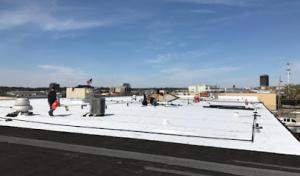
Flat and low-slope roofing exists in the Lake Saint Louis market but is clearly secondary to pitched residential re-roofing based on contractor specialization signals. These roof areas rely on tight drainage and durable membranes, so any edge details, seams, or transitions demand extra attention after a heavy storm. Humidity in the summer combined with thunderstorm cycles can hide small leaks until water sits on a membrane long enough to show through attic spaces or interior ceilings. Treat these areas as a separate focus during inspections and storm documentation, not as an afterthought to the main shingle field.
During a post-storm check, look closely at flat sections such as additions, porch roofs, and low-slope transitions where water tends to pond or move slowly. Inspect membrane edges where it meets higher pitched roof lines, around penetrations, and at any changed or blended roof planes. Pay careful attention to flashing where the membrane terminates against vertical walls or dormers, since those junctions are common failure points after hail or driving rain. In addition, verify that drip edges and perimeter terminations are intact and that any scuppers or internal drains are clear of debris.
When documenting damage, separate notes for additions, porch roofs, and low-slope transitions from the main shingle field. Take high-resolution photos of seams, penetrations, flashings, and drainage outlets from multiple angles. Sketch simple diagrams showing where water tends to pool or back up during heavy rain. This clarity helps with insurance documentation and ensures the first responders or adjusters understand the scope of work required for these specialized areas, which often drive the overall repair plan.
Find specialists in TPO, EPDM, and built-up flat roofing systems for residential and commercial properties.