
Last updated: Apr 19, 2026
Spring hailstorms and heavy rains set the pace for roof inspections and replacements in this city. The central Nebraska exposure means hail patterns can be abrupt and widespread, and a roof that looked fine after a winter may show damage within days of a hit. The consequence is a compressed window to evaluate, document, and initiate a claim before damage progresses or contractor schedules fill up. When the loud crack of hail hits, assume a full inspection starts that week, not next month. Delays here directly translate into longer repair cycles and higher risk of leaks during the peak storm season.
Local replacement demand spikes after storm events, which can squeeze contractor calendars in the main spring and fall work windows. Property owners should anticipate back-to-back calls, long waits for crews, and possible delays if a storm cluster hits several neighborhoods at once. The best defense is proactive planning: secure a reputable contractor early in the week after a major hail event, reserve a slot, and line up temporary protection for vulnerable areas. Waiting for a "clear" calendar can push your project into a secondary storm season, which increases exposure to water intrusion and interior damage.
Homeowners in this market often need thorough before-and-after roof photos because carriers commonly scrutinize hail and wind claims in Nebraska. Immediate, high-quality imagery matters: wide shots of entire roof lines, close-ups of damaged shingles, gutters, vents, and flashing, and dated photos taken as soon as practical after a storm. Do not rely on memory for the sequence of damage; precise timestamps help avert disputes over what existed before the event. If write-ups accompany photos, keep notes focused on observable changes-missing granules, punctures, lifted tabs, and any internal signs of water intrusion that appeared after heavy rain.
During the inspection phase, make sure the contractor's report clearly identifies hail impact indicators and wind-related uplift on flashing, vents, and edge metal. In this market, carriers will want to see alignment between the storm's severity and the roof's condition. A robust report should include potential mitigation steps, such as stabilizing weak fasteners or upgrading to more robust underlayment in high-wind zones. Ask for a staged plan: an assessment, an approved scope, and a predictable sequence of repairs that aligns with the project's pace after the initial claim is filed.
Immediately after a storm, document with a quick-response photoset and a dated log of issues observed inside and outside the home. Contact a trusted local roofer who understands the area's wind-driven uplift patterns and typical hail damage paths. Schedule an inspection as soon as it's feasible, even if you are not yet filing a claim, to establish a reference condition. If damage is confirmed, prepare your claim package with clear, itemized damage descriptions and professional photos. Resist the urge to delay a formal assessment-proactive documentation and timely scheduling are the biggest levers for a smoother, faster recovery.
Find local contractors experienced in assessing and restoring roofs after hail, wind, and severe weather events.
White Castle Roofing - Grand Island
(308) 675-3330 whitecastleroofing.com
1805 Holland Dr, Grand Island, Nebraska
4.9 from 234 reviews
Rey Roofing & Seamless Gutters
(308) 850-7236 reyroofingseamlessguttersllc.com
410 S Webb Rd, Grand Island, Nebraska
5.0 from 27 reviews
White Castle Roofing - Grand Island
(308) 675-3330 whitecastleroofing.com
1805 Holland Dr, Grand Island, Nebraska
4.9 from 234 reviews
Built with Trust. Proven by Time.
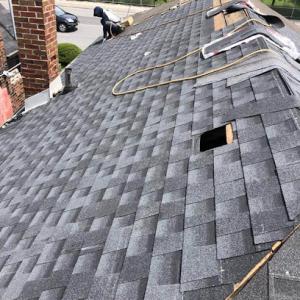
Rey Roofing & Seamless Gutters
(308) 850-7236 reyroofingseamlessguttersllc.com
410 S Webb Rd, Grand Island, Nebraska
5.0 from 27 reviews
Rey Roofing is one of the best roofing companies in Grand Island NE providing roofing replacement, metal roofing, seamless gutters installation, siding installation serving in hastings ne, Kearney ne and all surrounding areas we are the top contractors in Nebraska committed to best customer service and workmanship quality.
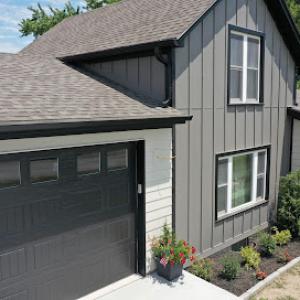
J-Tech Construction & Solar
1804 E 4th St, Grand Island, Nebraska
4.7 from 41 reviews
J-Tech Construction and Solar is a family-owned exterior remodeling company specializing in triple pane windows, seamless and cement board siding, roofing, doors, gutters, AND solar. As the Official Exterior Experts of the Huskers, you can be sure you will be taken care of with J-Tech Construction. Estimates are ALWAYS free!
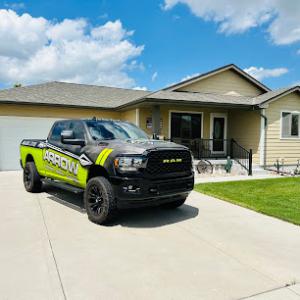
Arrow Roofing
604 S Webb Rd, Grand Island, Nebraska
5.0 from 15 reviews
At Arrow Roofing, we pride ourselves on providing top-notch roofing services with a commitment to quality and customer satisfaction. With over 16 years of combined experience, our skilled team specializes in residential and commercial roofing solutions, including repairs, installations, and maintenance. We use the highest quality materials and the latest techniques to ensure your roof is durable and aesthetically pleasing. Trust us to protect your home or business with reliable and efficient roofing services. Contact us today for a free estimate!
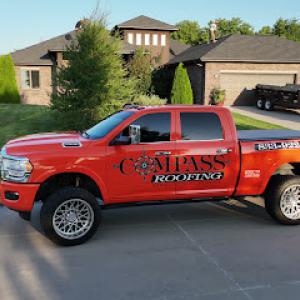
Compass Roofing
(308) 258-0087 www.compassroofingpros.com
2820 US-34, Grand Island, Nebraska
4.5 from 106 reviews
The Compass Roofing team covers the Nebraska region with a dedicated team of roofing professionals. Our professional staff is ready to help when you have a roofing emergency. Compass Roofing specializes in storm damage including: hail, high wind damage, heavy rain, downed trees, snow and ice damming. If you have weather related roofing concerns, contact the best! Compass Roofing!
Dynasty Roofing
(308) 382-4117 dynastyroofingco.com
2219 US-30, Grand Island, Nebraska
5.0 from 11 reviews
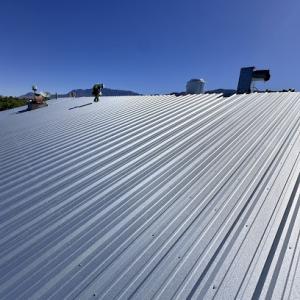
Roofing Contractor specializing in all Commercial, and Residential Roofing.
Maverick Coatings
(715) 530-2295 mavcoatings.com
Grand Island, Nebraska
5.0 from 8 reviews
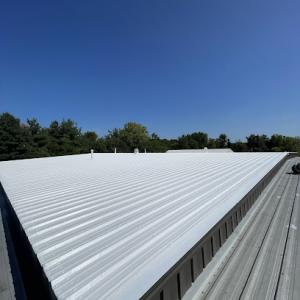
Maverick Coatings is a commercial roofing restoration company that is committed to making your roof water tight and providing the clean look that it once had. Our systems provide quality solutions for any metal or single ply roofs that just aren’t holding up any longer. Replacing a roof today is costly, but with our systems, you’ll save money with a restored roof that also comes with a warranty that is prorated up to 20 years.
BAC Roofing
(308) 382-1945 www.bacroofing.com
802 S Locust St, Grand Island, Nebraska
3.9 from 82 reviews
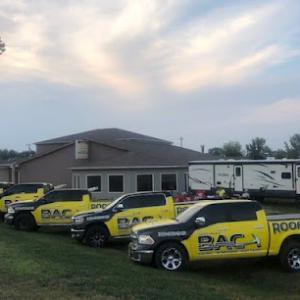
A roofing contractor that tackles a variety of projects can be difficult to find. When you work with BAC Roofing, Inc., you’ll benefit from superior roofing, siding, and window services to improve the look of your home. In business since 1998, this company was voted the best roofing, siding, and window company in Grand Island, NE, three consecutive years, 2012 through 2014, making them your premier choice for exceptional exterior services. This family owned and operated roofing contractor installs numerous types of roofs, including metal, asphalt shingle, and cedar shake. The windows they install have an energy-efficient design to save you money on your monthly utility bills.

Murray Roofing
(308) 339-0145 www.murrayroofingllc.com
2012 N Broadwell Ave, Grand Island, Nebraska
4.8 from 5 reviews
Murray Roofing is your premier roofing contractor in Grand Island, NE, dedicated to delivering high-quality roof installation and roof repair services to home and business owners in the Omaha metropolitan area. With over 80+ combined years of experience serving Grand Island, Kearney, Hastings, and surrounding communities, we take pride in our workmanship and commitment to customer satisfaction. Whether you need a durable asphalt shingle roof, metal roofing, or timely emergency storm damage repairs, our skilled team is ready to assist you. As a locally owned and operated business, we understand the unique needs of Nebraska homeowners and business owners, prioritizing quality and longevity in every project.
Tri-Cities Roofing & Sheet Metal
(308) 384-7230 tricitiesroofingandsheetmetal.com
1423 Johnstown Rd, Grand Island, Nebraska
5.0 from 4 reviews
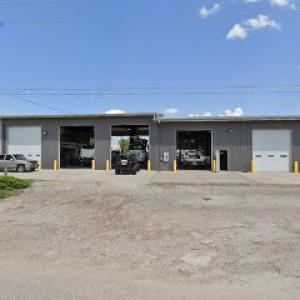
Tri-Cities Group is a commercial roofing and sheet metal contractor certified to apple Firestone, Carlisle, Genflex, Versico, GAF and Berridge products. We offer a full range of services including: emergency roof repairs, roof surveys, repairs and maintenance, vacuum removal of gravel and ballast on roofs, and complete roof replacements. Our metal shop is equipped with an auto brake to meet all of your sheet metal needs. Tri-Cities Group prides itself on quality roofing and excellent customer service. For the past eight years Tri-Cities Group has been the recipient of the Firestone Master Contractor and Firestone Inner Circle of Quality Partners awards, given to the highest esteemed roofing contractors in the nation.
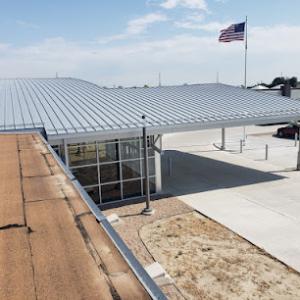
Duff Roofing
(308) 382-5678 www.duffroofing.com
104 N Waldo Ave, Grand Island, Nebraska
5.0 from 2 reviews
At Duff Roofing, our Grand Island roofers strive to exceed our customer’s perception of what quality workmanship is all about. The success of our Grand Island roofing, siding and gutters services is a result of paying attention to detail and performing at a high level for a fair price. We have been in business since 1942 in the commercial and residential industries with specializations in roofing, siding and gutters. Duff Roofing has built our reputation around the highest quality of professional service, products and craftsmanship. We look forward to the opportunity to help your project ideas become a reality. Duff Roofing proudly serves the greater Grand Island area.
Platinum Roofing
(402) 855-5051 www.goplatinumroofing.com
3231 Ramada Rd, Grand Island, Nebraska
5.0 from 1 review
A PARTNER YOU CAN TRUST With the expert crews, exceptional craftsmanship, advanced technology and high-end quality materials, Platinum Roofing prides itself on providing Nebraskans with reliable high caliber roofs that are built to last a lifetime. With offices in Lincoln, NE and Grand Island, our roofing contractor is proud to serve homeowners throughout the Omaha, Papillion, Fremont, Seward, Beatrice, and Hastings, NE areas. With our knowledge, professionalism, superior solutions and process, you can trust Platinum Roofing as a partner for your home improvement project. Contact us today to request a free estimate on your next roofing, siding, gutter, and window project!
Reroofing in Central Nebraska tends to cluster in the milder spring and fall periods, a pattern that shows up clearly in Grand Island as crews chase workable weather and avoid the harshest seasonal stressors. If hail and wind have pushed a roof past its hail-damage safe point, plan for a window that minimizes disruption and weather risk. Spring and fall bring fewer extended heat waves and less likelihood of summer storm interruptions, helping crews stay on track with tear-off, decking checks, and in-sequence installation. In practice, you should align replacement work with a weather-breaking week or two where temperatures stay moderate and afternoon humidity won't stall sealants and underlayment. That approach also reduces the chance of back-to-back weather delays that can push your project past the next storm system.
Winter freezes and snow in the Grand Island area can expose decking problems only after tear-off and can delay dry-in and inspection timing. If a tear-off occurs in late fall or early spring and cold snaps follow, anticipate temporary delays while roofers verify that the deck is sound and that the attic has a dry path for interior protection. Snow build-up on the roof may also complicate initial inspections, skylight or vent flashing checks, and temporary coverings. Plan for a practical sequence: complete the tear-off, perform decking checks while weather allows, and then coordinate a scheduled dry-in period once temperatures are consistently above freezing and nighttime dew points aren't creating excessive moisture risk. Having a contingency for a short weather window helps prevent weekend rushes when crews are already juggling storm-driven backlogs.
Summer heat and strong winds in central Nebraska can affect installation conditions, especially for crews trying to work around storm-driven backlogs. Heat accelerates nail and sealant curing, which can be beneficial in dry periods but challenging when crews must pause for safety or to manage blistering or heat exhaustion risks. Wind events commonly accompany summer storms, complicating material handling and temporary fastening during high-wind days. When planning, expect some days with early starts and late finishes to avoid peak heat, and factor in potential interruptions from late-day gusts. If a storm system is rolling through, backlogs can cascade, pushing some work into the following week. Having a realistic, block-focused schedule helps maintain a steady pace without sacrificing quality on flashing, venting, and nail patterns required for a proper full-replacement job.
Hail is a frequent driver of roof failures in this area, and rapid, well-documented response helps preserve the value of your investment. Start by recording the hail impact pattern on shingles, vents, flashing, and fascia with dated photos from ground level and from the attic when safe to do so. Keep a log of weather events that coincide with observed damage, including dates of hail storms and high-wind days. When meeting an adjuster, present a clearly labeled roof plan, its age, and any prior repairs or known weak points. Your contractor should provide a comprehensive pre- and post-damage report that notes decking condition, underlayment condition, and any signs of moisture intrusion beyond surface blisters. This documentation supports timely decisions about replacement versus repair, and helps align expectations with the insurance process so the project proceeds with minimal gaps between tear-off, dry-in, and final inspection. If a storm week interrupts work, log the exact dates of each interruption and the reasons, so the insurer and the contractor have a precise timeline to reference.
When you can't wait, these contractors offer fast response times to stop leaks and prevent further damage.
Rey Roofing & Seamless Gutters
(308) 850-7236 reyroofingseamlessguttersllc.com
410 S Webb Rd, Grand Island, Nebraska
5.0 from 27 reviews

Compass Roofing
(308) 258-0087 www.compassroofingpros.com
2820 US-34, Grand Island, Nebraska
4.5 from 106 reviews

Murray Roofing
(308) 339-0145 www.murrayroofingllc.com
2012 N Broadwell Ave, Grand Island, Nebraska
4.8 from 5 reviews
In Grand Island, the roof needs to handle harsh freeze-heat swings, frequent hail events, and the quick turnover that storms drive in the insurance market. Asphalt shingles and metal roofing are the most practical mainstream choices because they align with the area's weather patterns and the typical replacement cycle after hail. Asphalt remains a familiar, cost-efficient option that resists damage well enough for most hail events when installed with proper nailing and underlayment. Metal roofing, with its durability against impact, wind, and temperature extremes, offers a longer service life and a stronger performance buffer during hail seasons. For most homes in this market, these two materials provide a reliable balance of resilience, installability, and accessibility for nearby contractors who understand local conditions.
Heavier roof systems such as clay tile, concrete tile, and slate exist in this market, but they carry higher installed costs and more demanding structural requirements. In a hail-prone central Nebraska setting, the added weight is a practical consideration: older homes or shops may need truss or rafter upgrades to support dense tile systems, and that adds complexity to a replacement. Beyond weight, the service life and impact resistance don't always translate into better value for a typical Grand Island hail season, where storm-driven replacements are common and the budget-and-access reality favors more flexible materials. If a property has a robust roof frame, a tall pitch, or a desire for a distinctive look with long longevity, these heavier options can be considered-but with a clear plan for reinforcement, ventilation, and flashing to handle local wind and hail exposure.
Synthetic or composite shingles occupy a middle ground for homeowners who want something sturdier than standard asphalt but not as weighty or expensive as tile or slate. In Grand Island, these products can offer improved impact resistance and shaping versatility without the premium price tag of full tile systems. They respond well to the freeze-thaw cycles and can be installed over comparable roof structures when appropriate. If the goal is a balance between performance, installability, and cost, synthetic composites provide a helpful alternative that aligns with the city's typical housing stock and storm-driven replacement rhythm.
When contemplating material choices, assess the existing roof structure, attic ventilation, and the local history of gutter and flashing performance. A well-vented attic, properly installed flashing, and careful nailing are critical for every option in this market, but especially for asphalt and metal where proper installation significantly impacts longevity under hail and wind. Finishing details-like a considered color choice for reflective properties and heat management-can influence energy use and environmental comfort across seasonal transitions.
Explore specialists in steel, aluminum, and standing seam metal roofs built to last 50 years or more.
Rey Roofing & Seamless Gutters
(308) 850-7236 reyroofingseamlessguttersllc.com
410 S Webb Rd, Grand Island, Nebraska
5.0 from 27 reviews
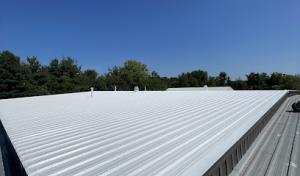
Murray Roofing
(308) 339-0145 www.murrayroofingllc.com
2012 N Broadwell Ave, Grand Island, Nebraska
4.8 from 5 reviews
When planning a full reroof in this area, you'll want to anchor expectations to the local material ranges per square. Asphalt shingles typically run from 350 to 700 USD per square, metal from 700 to 1400, clay tile from 1500 to 2500, concrete tile from 1200 to 2000, synthetic/composite from 600 to 1200, and slate from 1800 to 3000. Those ranges reflect Gran Island's mix of older housing stock and newer builds, plus the exposure to central Nebraska weather. If your home is on the edge of town with southern sun and wind-driven hail exposure, expect the higher end of the range for durable, wind-rated products. For a practical example, a mid-range asphalt reroof might land around the 450-550 per square neighborhood, while a clay or slate upgrade will push pricing well beyond that baseline. Keep in mind that roof shape, attic ventilation compatibility, and flashing detail influence the final per-square cost.
Storms and hail events in this area can tighten availability of crews and materials quickly. After a big hail season, pricing can creep upward and lead times can stretch as contractors catch up. If you're approaching the peak demand window, plan for a longer decision and procurement timeline than you would in a quiet year. In addition, asphalt shingles, metal, and synthetic options tend to be the most responsive during rush periods, while clay, concrete, or slate installs may experience more scheduling variability due to specialty labor and longer fabrication or ordering times.
Full reroofs here involve more coordination than a small repair because you're dealing with structural assessment, underlayment quality, flashing around vents and chimneys, and proper nailing patterns to meet high-wind exposure. Expect several weeks from decision to installation start during normal months, and potentially longer during busy spring and fall windows when weather is favorable for roof work. If you're balancing a tight schedule around storms, you'll benefit from securing a reputable local contractor early, confirming product availability, and lining up the closest-in date you're comfortable with.
If you're navigating insurance, you'll want to document hail damage thoroughly with dated photos of shingles, granule loss, and any dented flashing. While exact procedures vary by carrier, having a clear, itemized scope-core components replaced, underlayment, ice and water shield where applicable, and vent/nail detail-helps reduce back-and-forth. Expect the most straightforward process when the chosen material aligns with what your insurer recognizes as standard, and when the contractor provides a clean, material-by-material replacement plan that matches the city's typical roof assemblies.
Get a clear picture of your project costs upfront - no commitment required.
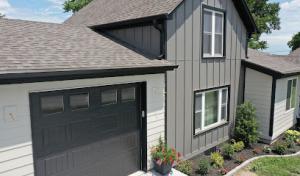
J-Tech Construction & Solar
1804 E 4th St, Grand Island, Nebraska
4.7 from 41 reviews
Platinum Roofing
(402) 855-5051 www.goplatinumroofing.com
3231 Ramada Rd, Grand Island, Nebraska
5.0 from 1 review
In Grand Island, a full reroof requires a permit through the City of Grand Island Building Department. The process is not something to breeze through on a napkin sketch; it anchors your project in code compliance from day one. A proper permit signals that the plan aligns with the local housing stock, weather patterns, and annual hail exposure. If a contractor skips this step, the risk isn't just a ticket or a delay-it can complicate insurance claims and future inspections. The permit is not a hurdle for its own sake; it's a safeguard that helps ensure venting, flashing, and nailing are set up correctly for long-term performance.
The local process includes permit application and plan review before work proceeds on a full replacement. Plan review can feel meticulous, but it's designed to catch issues like improper venting or flashing before the first shingle is lifted. You'll want clear, site-specific details in your plans: roof vent placement, flashing around chimneys and vents, and nailing patterns that meet local wind uplift requirements. Expect some back-and-forth to address any questions from the plan reviewers. Align the timing with weather windows and the seasonal reroofing bottlenecks common to this market, so the project doesn't drag into a busy stretch that delays protection against future hail events.
Grand Island inspections are staged during and after installation, with attention to venting, flashing, and nailing compliance. The inspector will typically verify that the roof deck is sound, underlayment is installed correctly, and the chosen roofing material is fastened to the correct pattern for the local climate. Venting must be adequate and unobstructed to prevent moisture problems, while flashing around walls, chimneys, and penetrations needs to seal properly to avoid leaks. Finally, a pass at the end confirms that the work matches the approved plan. If any discrepancy arises, the consequences can include rework delays, additional permits, or deferred occupancy until the issues are corrected.
A frequent pitfall is assuming venting and flashing can be upgraded later. If the plan calls for certain vent configurations or flashing stakes, stick to them unless a formal alteration is approved. Nail patterns and fastener types must meet local uplift requirements; using generic or noncompliant methods invites post-replacement issues and potential insurance questions. Coordinate closely with a contractor who understands Grand Island's inspections and communicates proactively about scheduling, required documentation, and any deviations from the original plan. Being proactive here reduces the risk of unexpected delays and ensures the reroof performs as intended when the next hail season rolls through.
This city sits in a Nebraska market with elevated hail and wind claim activity, so insurance considerations strongly affect replacement decisions. After a heavy storm, the route from inspection to payment can vary, with carriers applying different damage thresholds. Expect that full roof scope and replacement may be pursued more often after a major event, but the outcome hinges on documented damage and the policy language surrounding hail, wind, and underlayment.
Local adjusters and Nebraska claim practices shape how quickly scope approvals arrive and payment decisions follow storm losses. In busy seasons, the first on-site adjuster may request separate roof reports, and later reviews can stretch timelines. Delays are common after spring hail or fall winds. A staged process-initial inspection, scope update, then payout-appears frequently, so timely responses and clear access for measurements help move things along.
Because carriers may request detailed roof documentation in this market, keep date-stamped photos, contractor findings, and material records tied to the loss event. Store items in a simple, organized system and label each photo by damage type and date. Align measurements to the loss date where possible. Good records reduce back-and-forth and support faster resolution when questions arise about shingles, flashing, and attic signs of damage. Being proactive now reduces surprises when the first snow arrives and helps avoid costly delays later.
In Grand Island, quick response is a major hiring signal, reflecting how often homeowners need rapid inspections and temporary protection after storms. When a hail event hits, your window to catch damage before it progresses is small, so look for contractors who publish near-immediate on-site assessments and offer expedited tarping or temporary roof covers. Ask how soon a supervisor can be at your home after a call, and whether that visit includes a written assessment and clear next steps. If a crew promises delays or vague timelines, that's a red flag in this market, where weather cycles and busy seasons tighten scheduling quickly.
Cleanup is a visible local expectation in contractor reviews here, which matters on reroof jobs where tear-off debris management affects homeowner satisfaction. Seek out crews with a concrete plan for containment, daily haul-away of old materials, and a defined end-of-day cleanup routine. Inquire about how newer tear-off debris will be handled on your property and whether a dumpster or controlled loading system will be used. A reputable team should show you yesterday's pile of debris as a series of completed days, not a single end-of-job dump, and should leave your yard looking as tidy as it did before the project began.
The local market includes both residential and commercial roofers, so Grand Island homeowners need to confirm that a contractor regularly handles the roof type and project scale they actually have. If you're upgrading to metal, clay, or concrete tiles after wind and hail, verify a portfolio with comparable homes. For smaller residential reroofs, ensure the crew can mobilize efficiently without dragging in a crew that's better suited for large commercial projects. Ask for references from projects that match your home's age, attic venting, and the venting and flashing details the city scrutinizes on full replacements.
Hail-driven damage often surfaces after the first major storm, and insurance documentation is currency in this market. Confirm that the contractor will generate a detailed damage report, roof plan, and a line-by-line scope of work aligned with your insurer's expectations. Verify that the team is comfortable providing photos, written estimates, and a documented sequence of work so your insurance adjuster can follow along without gaps. Clear, consistent reporting reduces back-and-forth and speeds the approval process, which matters when time is tight after a hail event.
Finally, assess whether the contractor's operations align with Grand Island's climate realities and housing stock. Ask about storm-season scheduling, willingness to coordinate temporary protection during peak wind events, and the ability to adapt to both single-story and multi-story homes common in the area. A locally grounded team will speak plainly about schedules, debris control, and the specific challenges that hail damage presents for your street and neighborhood.
Emergency roof calls in Grand Island often follow hail, wind, and heavy-rain events rather than coastal or wildfire-related disasters. When a leak is spotted, the first action is rapid containment to stop interior damage. If tarping is available, lay it over damaged seams and around penetrations to slow water intrusion immediately. The goal is to keep attic insulation and ceilings dry while a plan forms for longer-term repair. If you cannot install tarps yourself, arrange urgent temporary coverage with a trusted local contractor or restoration company that understands the town's storm patterns and common roofing assemblies.
Storm clusters can overwhelm schedules in this market, so prioritize what you can manage without climbing onto a slick roof. Move valuables away from affected areas and clear access to the leak source from inside the attic, if safe. Document every visible leak with photos and notes, including dates and the progression of water intrusion. This documentation will help a restoration team and an insurance adjuster assess the scope of damage once a scheduled assessment is possible. Do not disturb saturated insulation or wet decking beyond what's necessary, as this can worsen moisture movement and complicate later repair work.
Grand Island homeowners dealing with active leaks may need to separate immediate stabilization from the later permitted full reroof process. Stabilization focuses on stopping water, protecting belongings, and preserving sheathing during the interim. The full reroof process is scheduled after the weather window and insurer coordination allow for a full replacement. Communicate clearly with the contractor about acceptable temporary materials and the sequence of steps so that temporary fixes don't become permanent gaps. Prioritize a plan that minimizes exposure to additional storms while keeping the property secure.
When you can't wait, these contractors offer fast response times to stop leaks and prevent further damage.
Rey Roofing & Seamless Gutters
(308) 850-7236 reyroofingseamlessguttersllc.com
410 S Webb Rd, Grand Island, Nebraska
5.0 from 27 reviews
Compass Roofing
(308) 258-0087 www.compassroofingpros.com
2820 US-34, Grand Island, Nebraska
4.5 from 106 reviews
Murray Roofing
(308) 339-0145 www.murrayroofingllc.com
2012 N Broadwell Ave, Grand Island, Nebraska
4.8 from 5 reviews
Your roof works in a climate where central Nebraska hail and wind can rewrite a project list overnight. In this area, even a roof that looks fine after a storm may have hidden damage from hail impacts, soft spots under shingles, or dented flashing. The decision to replace rather than repair is frequently driven by evidence gathered after a hail event, not by the roof's age alone. Look for mechanical damage to shingles, bruising on metal components, and granule loss in patches that line up with hail patterns. Insurance-adjusted timing matters because the severity of the recent hail season can push an otherwise marginal replacement into a full reroof scenario.
Grand Island experiences distinct swings from late spring through early fall, and those windows dictate when work can realistically progress. Rains, heat, and wind cycles slow crews and can extend project timelines. Shingle warranties and installation tolerances are tested by this regional weather cadence, so plan for a staged approach if the attic needs venting or if roof edges show signs of wind-driven uplift. Workability inside the month can hinge on soil moisture, ground conditions, and neighbor-friendly scheduling during busy peak months.
Material selection in this market isn't only about appearance or longevity; it's about how a roof handles hail fallout and rapid temperature changes. Asphalt shingles remain common, but hail history can tilt a decision toward synthetic or metal options that resist denting and granule loss more predictably. Tile options add another layer of consideration, as wind uplift and hail impact interact with roof geometry. When choosing materials, envision how local storm patterns will affect performance verdicts on color fading, wind resistance, and the likelihood of expedited replacement cycles after a severe event.
Keep an eye on gutters, vents, and flashing after a hail storm, since these components often drive the final replacement plan. Document visible damage with dated photos, especially around valleys and skylights, to support insurance conversations. If a storm is forecast, prepare for potential access constraints and aim to synchronize material deliveries with favorable weather blocks to minimize exposure and scheduling delays.