
Last updated: Apr 19, 2026
Columbus sits in east-central Nebraska, where spring hail and severe thunderstorms are a recurring roofing risk and a major driver of replacement demand. The rapid swings in weather mean a roof owner can move from calm skies to destructive hail within hours. In these conditions, precision in documenting damage and timing becomes the difference between a smooth claim and a drawn-out battle with an insurer. Knowing the local pattern-hail events clustered with possible wind-driven shingle damage-helps you anticipate when a claim is likely and how to position repairs or replacements for the most durable outcome.
Nebraska's high roof-claim environment means Columbus homeowners often face insurer scrutiny on storm-date documentation, photo evidence, and repair-versus-replacement determinations. If hail pelted your area, photograph the roof from multiple angles as soon as it's safe, then capture any interior signs such as water staining or compromised attic ventilation. Keep a dated log of weather events and any impacts you notice after a storm. Insurers frequently cross-check timestamps with meteorological data, so consistent, verifiable records are essential. When wind ripples or lift damage exposes decking, document edges, ridges, and any fastener loosening with close-up photos and a wide shot for context.
Because new storms can arrive during spring replacement season, Columbus projects may need temporary dry-in planning and flexible scheduling to avoid exposing decking between weather windows. A dry-in is not merely a shield for the interior-it's a strategic safeguard for the decking and underlayment, especially if multiple hail events interrupt work. Build in a two- or three-day contingency around anticipated weather fronts and coordinate with crews who can stage materials and equipment to weather the next window. If a front is forecast, consider partial work that preserves the most critical areas first, while keeping the rest ready to proceed the moment skies clear. This approach reduces the risk of water intrusion and minimizes the chance that a fast-moving storm undermines progress.
In this climate, some damage is cosmetic, but spring hail can compromise structural integrity after repeated hits or hidden staging damage. Wind-driven shingle lift or granule loss from hail can accelerate moisture penetration under the roof, triggering deeper assessment. A local-informed decision hinges on overall roof age, previous repairs, and the extent of visible and suspected hidden damage. When in doubt, lean toward replacement in areas where decking or underlayment shows signs of exposure or when hail has struck critical roof planes with clustered wear. A plan that anticipates future Nebraska weather cycles will reduce the likelihood of repeated interruptions and help ensure a longer-lasting result.
Act quickly after a hail event to initiate documentation, secure temporary protection if needed, and coordinate with a trusted local contractor who understands East-Central Nebraska storm patterns. Schedule a comprehensive roof inspection that specifically notes storm-related damage, wind lift, and potential decking exposure. Communicate openly with the insurer about the timeline implications of spring storms and the need for flexible scheduling. By aligning your claim timing with local weather realities, you increase the odds of an efficient resolution and a roof that stands up to Columbus's spring threat profile.
Patriot Roofing, LLC - AGA
(402) 270-8100 patriotroofingne.com
2218 11th St, Columbus, Nebraska
4.9 from 50 reviews
At Patriot Roofing, we've built a solid reputation for being the prompt, dependable experts who do the job right. Our work ethic, coupled with our vast knowledge in all things roofing, siding, gutters, repairs, and replacements means you can be confident we'll make your roof great again.
Cardona Company
(402) 276-7083 cardonacompanyllc.com
3058 33rd Ave, Columbus, Nebraska
5.0 from 21 reviews
Our licensed and professional roofers will work quickly, efficiently and with minimal disruption to your life. You can depend on Cardona Company to get the job done right, with 15 years of experience. Serving Utah and Nebraska.
A&A Roofing & Exteriors Columbus, NE
4307 23rd St #C, Columbus, Nebraska
4.3 from 6 reviews
A&A Exteriors Columbus is proud to serve the Columbus area in roofing, siding, windows and doors. Offering state-of-the-art products for every job with names like: Pella, ProVia, LP SmartSide, IKO, Malarkey, Mastic, GAF, Hardie, and Lomanco. The A and A Exteriors team is well-equipped for roof repair, siding repairs, home renovation projects, reducing energy costs, attic ventilation, and storm damage repair.
D & R Roofing
(402) 942-2497 dandrroofingllc.com
2715 20th St, Columbus, Nebraska
5.0 from 2 reviews
Do you need a professional roofing job for your home? At D and R Roofing we have a variety of services in this industry and 12 years of experience that support our services, in addition to having a highly professional and qualified team so that they can provide support when requesting one of our different roofing services. We repair any problem that may arise with your roof, using the tools and materials of excellent quality that guarantee the durability of your roof, we are a transparent company which ensures that our customers are satisfied.
Glurs Roofing
801 8th St, Columbus, Nebraska
5.0 from 2 reviews
Serving customers since 1978 Free inspections and estimates
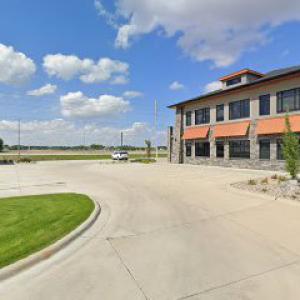
LoveOurRoof, an Xcel Company
4471 41st Ave SUITE 100, Columbus, Nebraska
4.0 from 1 review
Since 1990 Xcel Roofing has provided customers in Midwest communities with quality products and services for their residential and commercial properties. This has included replacement and repair of roofing, siding, windows, and gutters. But beyond the products and services that Xcel Roofing has to offer, there’s a love of helping people and a strong sense of community partnership that truly defines the company’s identity. Our team is passionate about the cities and towns that we become a part of each day. We develop relationships. There’s a very personal element involved in our work. It's what drives us to participate in improving our community. Xcel Roofing is now helping communities in eight different states and growing rapidly.
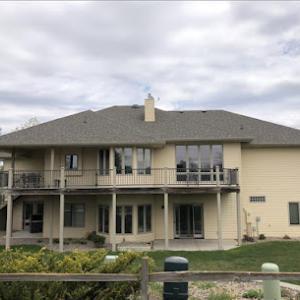
H & H Exteriors
(402) 910-9498 hhexteriorsne.com
1913 23rd St, Columbus, Nebraska
We're H & H Roofing, and we've been a premier roofing company here in Columbus, NE, since 2015. We offer residential, commercial, and agricultural roofing services, new construction, metal, and steel roofs, roof replacements and repairs, gutters, and much more. We're looking forward to growing our business to continue to serve Columbus and the surrounding areas. For more information, contact H & H Roofing.
The weather swings in this Platte River valley place a real constraint on when to replace a roof. Summers can be hot and windy, while winters bring cold snaps and heavy snows. The most workable replacement periods are the mild shoulder months, not the peak of winter and not the hottest, windiest stretches of summer. Planning for a replacement during a comfortable window helps you avoid heat-related material problems and keeps crew productivity steady. The shoulder seasons also reduce the risk of rapid weather shifts derailing progress, which matters when you've got spring hail season looming in the forecast.
Spring hail and wind can happen quickly, but the actual tear-off and installation benefit from calmer days immediately after the storm. If a hail event hits, use a straight-ahead approach: first, assess the roof for visible damage and document it, then coordinate with your contractor to map a sequence that minimizes exposure to moisture on any unfinished sections. Fall offers a similar window, with cooler days and less moisture risk compared to spring thaws. In both seasons, you can often maintain a predictable pace, keeping materials and crews aligned with the cooler afternoons and steady daylight.
Shoulder-season temperature swings in this area can affect asphalt shingle installation tolerances, making day-to-day scheduling more important than simply choosing a calendar month. Your project plan should hinge on daily highs near the mid-60s to mid-70s and cool but workable nights. If a forecast calls for a stretch of unusually warm days, consider adjusting start times to midday hours to protect shingles from overheating during adhesive activation. Conversely, for colder mornings, ensure crews can start later to avoid brittle shingle handling and to keep sealant beds from failing in frost.
Columbus winters slow tear-off and limit safe access, stretching timelines compared to milder Nebraska locations. When snow is on the ground or recent snowfall is still sliding off features, it's prudent to pause work until conditions are safe and clear. That pause isn't a setback if it prevents lift accidents, underlayment damage, or frozen collars on flashing. A practical approach is to set built-in buffers in the schedule for potential weather dips, so the crew can resume quickly without rushing. This keeps the project moving in the right direction while respecting safety and quality.
During the shoulder periods, aim for clear, practical milestones: site protection and material staging, deck inspection and dry-in, and final completion with a thorough inspection. A neighborly touch is to coordinate with surrounding homes when possible, minimizing street congestion and ensuring safe access for trucks and material drop zones. Clear communication about daily expectations-start times, anticipated weather impact, and any temporary power or venting needs-helps a Columbus roof replacement stay on track without surprises.
In this market, the dominant residential choices include asphalt shingles, metal roofing, clay tile, concrete tile, wood shingles or shakes, and synthetic or composite shingles. Each material brings its own balance of curb appeal, durability, and maintenance needs when facing Platte River valley weather swings. Asphalt shingles remain a common, practical option due to broad availability and straightforward repair paths after spring hail. Metal roofing is prized for its impact resistance and ease of wind performance, but needs careful handling during hot, windy installation windows. Clay and concrete tiles offer a distinct look and long life, yet require a solid roof deck and precise fastener scheduling to endure spring winds and hail. Wood shingles or shakes bring warmth and character but demand attention to moisture, wind uplift, and potential hail bruising in exposed ridge lines. Synthetic or composite shingles aim to blend resilience with a familiar appearance, often offering enhanced impact resistance without the weight of tile.
In hail-prone springs, brittle materials such as tile face real risk. Clay tiles can crack or spall under hail impact, and even intact-looking tiles may harbor hairline cracks that compromise underlayment and insulation over time. Concrete tiles generally handle impact better than clay but can still suffer from chips and cracks; their heavier weight also translates into different staging and fastener requirements during replacement. Asphalt shingles, while flexible, are evaluated after spring storms for granule loss, bruising, and creasing. Bruising can mirror the vehicle-damage look on a roof's surface and reduce the shingle's expected life if cracks develop beneath the granule-coated surface. Synthetic or composite shingles often offer improved impact resistance and wind endurance, yet improper installation around hips and valleys can undermine performance. Metal roofs-while structurally robust-must be inspected after hail for panel deformation, denting of exposed fasteners, and potential coating damage that could affect longevity. In all cases, a thorough inspection after a hail event helps determine whether a full replacement or a targeted repair is warranted.
Hot, windy summer conditions in this area can complicate handling of large metal panels and affect shingle sealing behavior. When choosing material, align the delivery and install timing with typical summer heat spikes to prevent panel bowing, sealant failures, or accelerated drying of adhesives. For tile systems, ensure crews have experience with careful handling of the weight and fragility of clay or concrete shapes under heat; improper staging can lead to cracked tiles during installation. Asphalt and synthetic shingles generally tolerate summer temperatures better, but even these benefit from shaded or cooler work periods to preserve shingle adhesion and avoid accelerated aging of the sealant. In all cases, the roof deck, underlayment, and fasteners should be matched to the chosen material so that wind uplift and thermal expansion are properly managed. Consider a color and profile choice that reduces heat gain on the attic side, since hot summer days can influence the overall performance of the roof assembly and the adjacent insulation envelope.
For residential streets with varied architecture, the appearance of the roof contributes to home value and neighborhood character. Asphalt shingles provide broad versatility for traditional and modern homes alike, while metal roofs offer clean lines and a contemporary edge that can elevate curb appeal. Tile options-whether clay or concrete-lend a Mediterranean or mission-style vibe that pairs well with brick or stucco exteriors, but require careful inspection after hail events to avoid visible and hidden damage. Wood shingles or shakes give a distinctive texture, though they demand more routine maintenance and attention to potential moisture-related issues in high-humidity periods. Synthetic options strive to balance style and resilience, often delivering strong performance in hail-prone zones while keeping installation practical for varied roof shapes. Choosing a material that aligns with the home's architectural language and your long-term maintenance expectations helps ensure the roof remains both protective and visually cohesive through the next round of storms.
In this area, the price bands you'll see for a full replacement start with asphalt shingles around $350 to $700 per square, a practical range for mid-Missouri-like weather swings and the local housing stock. Metal roofs tend to run higher, roughly $600 to $1600 per square, reflecting both material durability and the added labor for metal panel layouts. For more premium cladding, clay tile sits roughly from $800 to $1500 per square, while concrete tile comes in at about $700 to $1200 per square. If you're evaluating wood shingles or shakes, expect $800 to $1500 per square, and synthetic or composite shingles generally fall in the $500 to $900 per square band. These figures reflect typical Columbus pricing and the specific performance you get from each material in our windy springs and hail-prone springs.
Costs in this area can rise after regional hail events because east-central Nebraska storm demand tightens contractor availability and can lengthen scheduling. When hail becomes a news item, local crews and supply chains shift, and you may see price momentum on both material choices and installation labor. That effect can carry into longer lead times for inspections, material delivery, and crew coordination, especially on steeper detached homes common around town.
Project pricing in Columbus is also influenced by the overall complexity of the job. Steep residential rooflines, common in our Midwestern housing stock, require additional ladder setup, safety protocols, and equipment handling that lift labor hours. Installation timing may be impacted by seasonal weather delays; extended wet or windy windows push crews to postpone start dates, which can shift overall project timing and costs. When planning, build in a buffer for both material delivery and the scheduling wiggle room that our local climate and house profiles often demand.
For a full roof replacement, a building permit is typically required rather than treating the work as maintenance. The city's building department will review the submitted scope of work before issuing the permit, so it is important to have a clear, detailed plan that covers materials, work area, drainage, and any structural changes. The review process is designed to catch code-compliance questions early, which helps prevent delays once work begins. Prepare to provide roof dimensions, a vane-by-vane material list, and a brief description of methods for underlayment, ventilation, and flashing.
Turnaround for permit approval generally runs about one to two weeks, depending on workload and any questions the inspectors may have. If special conditions arise-such as needing an updated wind rating, attic ventilation details, or drainage considerations-the timeline can extend. Plan around this window by coordinating with a contractor who understands local codes and can adjust the schedule if the permit phase encounters snags. Having digital copies of the scope of work and product specs ready can speed the review.
Inspections in Columbus are commonly scheduled during underlayment or installation and again at final completion. That means a dry-in phase must be able to proceed without waiting on a second sign-off, so you want a contractor who can coordinate city inspections without stalling progress. Expect the inspector to verify flashing, ice and water shield placement, nailing patterns, and proper ventilation during the underlayment stage, then confirm final installation details, leak testing, and clearance at final. Communicate with the contractor about calendar windows for inspection days and ensure all parties know who is handling the city sign-offs. If a question arises during review or inspection, respond promptly with requested documentation to keep the project on track.
Nebraska markets bring frequent hail and wind claims, and the adjustment process often hinges on what the insurer can verify from the scene. Carriers commonly require thorough documentation to support the claim, and depreciation practices plus deductible terms can vary significantly from one policy to another. After a hail event, the adjustment relies on clear, chronological evidence-photos, notes from a contractor inspection, and timelines that show when damage occurred and how it progressed.
In Columbus, the practical insurance task is preserving date-stamped storm photos, contractor inspection notes, and interior leak evidence quickly after spring events before additional weather changes the damage pattern. Keep a simple log of dates, damage observations, and any temporary protections you applied. Save all correspondence with the insurer, and avoid delaying contractor walkthroughs or third-party assessments, since delays can influence how the adjuster views pre-existing conditions versus new damage.
You should expect adjusters to want a thorough, itemized picture of the roof's condition, including attic ventilation and potential secondary damage. Document every area of impact, including curled shingles, dented metal, or failed flashing, and note how leaks correlate with recent storms. If there are interior signs of water intrusion, capture dates and locations of the leaks. Honest, well-organized records help prevent disputes over what was damaged by a specific event versus what was already deteriorating.
Because adjuster findings and deductible terms shape the path forward, you benefit from staying proactive. Do not wait for the next storm to relay new damage; instead, assemble your evidence promptly, coordinate a trusted contractor's assessment, and prepare a concise narrative of what changed since the last inspection. This approach reduces the risk of coverage gaps and helps ensure repairs align with the actual events that impacted the roof.
Winter in this valley town brings freeze-thaw cycles that can widen gaps in flashing and expose older roofs to creeping leaks. When snow sits on a cool surface, any moisture that made its way under shingles can expand and contract, loosening sealants and accelerating wear. If a roof has already shown signs of wear from spring hail, those vulnerable spots are prime for snow-driven leaks to take hold. A mid-winter inspection focusing on flashing around skylights, chimneys, and vent stacks can catch trouble before a small drip becomes a steady indoor puddle.
Snow loads and icy access conditions create real obstacles for emergency repairs and even full replacements. Snowy days limit ladder stability, slow crews, and push urgent fixes into safer, clearer weather windows. In practice, this means you should plan ahead for winter work by addressing obvious leaks or loose shingles in late fall, when footing and conditions are better. If a leak begins during a deep freeze, timbered or asphalt roofs can still be stabilized temporarily, but waiting for a thaw often reduces risk of further damage to structural elements and interior finishes.
Homes that already took spring hail damage may enter winter with weakened shingle mats or compromised roof accessories, increasing the chance of cold-season leaks. Even if the surface appears superficially intact, hail can compromise underlayment or the bonding of shingles, making colder months a time when latent damage surfaces as moisture intrusion. Prioritizing a thorough assessment after a hail event helps identify delaminations, lifted edges, or granule loss that could worsen with freezing temperatures.
Given the seasonal realities, establish a fall inspection cadence that targets flashing, edges, and roof-to-wall transitions. Document problem areas and create a repair plan that accommodates potential weather delays. In the cold months, prioritize fixes that restore weather resistance around openings and the perimeter where snow and ice tend to accumulate first. A proactive approach minimizes the chance that a winter storm compounds existing weaknesses into costly interior damage.