
Last updated: Apr 19, 2026
Spring in this area brings a relentless mix of hail and high winds that pummel roofs year after year. That damage isn't just cosmetic-it accelerates wear on shingles, thins underlayment, and can compromise flashing and vent seals. The storms also shoulder contractors with tight scheduling across the city, meaning a window to get a full replacement approved, ordered, and completed can close quickly. If your roof has visible hail impact, loose granules, or cracked shingles after a spring storm, treat it as an urgent signal: don't wait for a routine calendar slot, because the odds of longer delays spike when weather patterns line up with surge demand.
Homeowners often target spring or fall for full replacements, but Lincoln's climate adds a practical twist. Summer heat complicates shingle installation conditions, and winter freeze-thaw cycles stall tear-offs and dry-in work. If you're weighing timing now, plan with the weather window in mind: aim for a slot when temperatures are mild, humidity is cooperative, and the contractor can safely manage roof decking access and ventilation. Pushing a project into peak summer or deep winter raises the risk of delayed start dates and compromised workmanship, so use the shoulder seasons when you can.
After significant Lincoln weather events, insurers frequently require documentation of hail exposure and wind damage to authorize a replacement. That means keeping a tight record trail matters: dated photos, notes on wind gusts, hail size, and any resulting interior signs like water spots after storms. When a claim is on the table, the better your storm condition documentation, the smoother the coverage review-or the faster the adjuster can validate a replacement. In practice, this means you should photograph damage promptly, preserve date-stamped material, and maintain a clear sequence of storm events and subsequent roof observations.
Spring storms don't just damage; they saturate the market with work requests. Even if your roof is technically eligible for replacement, the practical window to book a crew can fill quickly. If you're approaching a post-storm period, coordinate promptly with a trusted local contractor who understands Lincoln's building patterns, typical lead times, and the nuances of midwestern roof systems. Proactive scheduling minimizes the risk of weather-related delays pushing your project into less favorable windows. When you receive an assessment, lock in a realistic start date and build buffers for potential weather interruptions.
As a homeowner, you'll want a clear sequence: initial damage assessment, documented storm notes, insurer communications, and a scheduled work window. Don't underestimate the value of a written confirmation from your contractor outlining anticipated milestones, material delivery windows, and contingency plans for weather days. In Lincoln, this approach helps you move decisively from assessment to tear-off and ensure that the replacement progresses as weather and scheduling permit, rather than stalling amid seasonal peaks.
Keep your gutters clear so water flow isn't misattributed to unseen leaks, and trim branches that could brush the roof during wind events or loose debris that can puncture damaged shingles. Have a plan for temporary protection if a storm is forecast during the window you're awaiting permits, deliveries, or crew arrival. By staying vigilant and acting promptly after the next hail event, you position yourself to ride out Lincoln's challenging cycle with fewer surprises and a roof that returns to service faster.
In this market, hail and wind exposure are a fact of life for many homes, and adjusters expect clear, organized evidence tied to those events. Lincoln sits in a Nebraska insurance environment where adjusters commonly ask for photos and roof condition reports linked to hail and wind exposure. That reality means the timeline of a claim often hinges on the documentation you provide, not just the damage you can see from the ground. Keep in mind that coverage options can vary by carrier and region in Nebraska, and some carriers have tightened underwriting in hail-prone areas. That tightening affects how Lincoln homeowners evaluate replacement versus repair, and it can shape how quickly a claim moves through the process.
Date-stamped exterior photos are essential, especially after a hail event that proves the damage is weather-related and not incidental wear. Take wide shots of the roof from multiple angles, then close-ups of shingles, flashing, vents, and gutters to show granule loss, dented metal, or compromised edges. Interior leak evidence matters just as much: collect photos of water stains on ceilings or walls, along with timestamps and location details that link the leak to the exterior storm. If a contractor has already started work or noted potential roof damage, have them document what they observed in writing. This contractor-damage documentation becomes a crucial bridge between what the adjuster sees on-site and what is actually required to bring the roof back to condition. In a city where spring and fall are prime periods for replacements, keep a careful record of every inspection, every patch, and every roofing decision, because timing can hinge on these notes.
A practical approach is to pair your documentation with a clear, dated log that records each interaction with your insurer and any contractors. When the claim is opened, request a dedicated adjuster who understands residential Lincoln roofs and the common types of hail damage: impaired shingles, granule loss, lifted edges, and potential underlying sheathing concerns. Ask for a written scope of loss that aligns your photos and leak reports with the observed damage. If the insurer requests additional evidence, respond promptly with the organized file of photos, interior evidence, and contractor notes. This disciplined workflow reduces back-and-forth and helps prevent misinterpretation of a repair-only stance versus a full replacement. Remember, some carriers may impose stricter limits on repaired roofs if repeated hail events are documented, so a careful, well-supported case can influence the final decision.
Keep a reliable, weather-sealed camera or smartphone handy to capture immediate post-storm images. Establish a folder labeled with the date and location of the damage to streamline future requests. When a contractor visits, request a written assessment that separately itemizes exterior condition, interior evidence, and any potential risks to attic ventilation or insulation. If you plan to file a claim, share your organized documentation with your agent promptly and follow up in writing to confirm what has been reviewed and what remains outstanding. In neighborhoods across the city, the pattern is consistent: timely, precise documentation tends to shorten the approval cycle and reduces the chance of disputes over whether to repair or replace.
Even after a decision is made, retain all documentation and photographs for your records. If you choose to proceed with a full replacement, use the established photos and notes as a baseline for the work, including any agreed-upon scope changes. If repairs are approved instead, keep a record of the repair notes and any warranty or service details from your contractor. In the end, the strength of your claim rests on clear evidence that links hail and wind exposure to the current roof condition, backed by date-stamped photos, interior leak proof, and contractor-documented findings. This careful approach serves homeowners in Lincoln, where the weather and the claims process demand disciplined preparation.
Connect with contractors who help homeowners navigate the claims process from damage assessment to final approval.
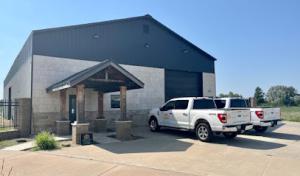
J&K Exteriors
(402) 890-5937 jandkexteriorsne.com
3350 Eastpark Cir, Lincoln, Nebraska
5.0 from 141 reviews
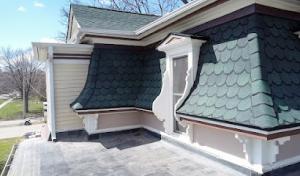
McCoy Roofing
(402) 413-7681 mccoyroofing.com
5500 Old Cheney Rd Ste 8, Lincoln, Nebraska
5.0 from 132 reviews
Rubicon Roofing & Exteriors
(402) 413-2001 www.rubiconexteriors.com
1146 N 102nd St, Lincoln, Nebraska
5.0 from 74 reviews
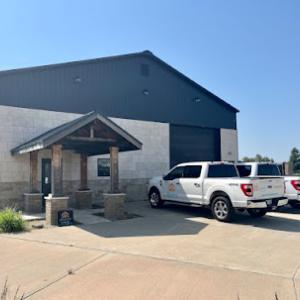
J&K Exteriors
(402) 890-5937 jandkexteriorsne.com
3350 Eastpark Cir, Lincoln, Nebraska
5.0 from 141 reviews
J&K Exteriors is a trusted roofing and gutter contractor based in Lincoln, NE, serving homeowners, builders, and property managers throughout Eastern and Central Nebraska. We specialize in roof replacements, roof repairs, gutter installation, siding, windows, and storm and hail damage inspections. With decades of combined experience, our team guides you through the entire process with honest advice, clear communication, and quality workmanship. We believe in integrity over profit and treat every home like it’s our own. If you’ve ever wished you had a trusted family member in the roofing business to walk alongside you, welcome to the J&K family. Call today for a free inspection or estimate.
McCoy Roofing
(402) 413-7681 mccoyroofing.com
5500 Old Cheney Rd Ste 8, Lincoln, Nebraska
5.0 from 132 reviews
McCoy Roofing Lincoln is a trusted roofing and window contractor serving homeowners throughout Lincoln and the surrounding areas. We specialize in roof replacement, roof repairs, storm damage roofing, and professional window installation services designed to improve protection, energy efficiency, and curb appeal. Whether you need minor roof repairs, a full roof installation, new windows, or assistance after hail or wind damage, our experienced team provides honest estimates and dependable workmanship. Proudly serving the greater Lincoln area, McCoy Roofing is committed to quality, reliability, and long-lasting solutions. Contact us today to schedule your roof or window service appointment.

Rubicon Roofing & Exteriors
(402) 413-2001 www.rubiconexteriors.com
1146 N 102nd St, Lincoln, Nebraska
5.0 from 74 reviews
With over 25 years of exterior renovation and insurance experience, we are proud to offer premier roofing, siding, gutter, and window replacement or repair services to communities in southeast Nebraska. Whether you need repairs from storm damage or are looking to upgrade your home's exterior, you can count on our experience and expertise to deliver results that will exceed your expectations. Our experienced, friendly team members will guide you through the details of your project from beginning to end, even assisting with insurance claims. We’re committed to always working with integrity, transparency, and professionalism — we'll make it Rubicon Right! Contact us today for a free inspection or design consultation.
Nelson Contracting
(402) 464-2418 www.nelsoncontractingllc.com
4108 Progressive Ave #6, Lincoln, Nebraska
4.8 from 293 reviews
Nelson Contracting is a general contractor in Lincoln, NE. Our services include roofing, siding, gutters, windows & doors. When you need an honest and reliable roofing contractor in Lincoln or the surrounding area give us a call. We provide free inspections and quotes for all services. For a free roofing estimate, contact Nelson Contracting, the trusted roofers in Lincoln, NE. If your home was hit by a hail storm & has signs of damage, let us inspect your roof. Honesty, integrity and quality craftsmanship are our top priority. Roof repairs and roof replacement are our specialty. We are a family owned and operated contractor founded in 1998. As the leading roofing service in Lincoln, Nebraska, we can help.

Rafa Roofing & Construction
(866) 329-7232 www.rafaroof.com
1830 Yolande Ave, Lincoln, Nebraska
5.0 from 93 reviews
Repair & replacement of home-additions can be complex and frustrating wherever you are. Allow us to streamline the selection process and connect you with locally-available experts and contractors, who come directly to your door to make their assessment. We guarantee the best materials, replacement parts, and quality workmanship!
Home Solutions of Nebraska
(402) 420-6911 homesolutionsofnebraska.com
3800 N 27th St, Lincoln, Nebraska
4.9 from 120 reviews
Home Solutions of Nebraska is a Premier Lincoln roofing company, serving Lincoln and the surrounding communities for over 20 years. We specialize in Roofing, Siding, Seamless Gutters, Windows, and Doors. As an A+ BBB rated business, we pride ourselves on providing top-rate customer experiences, superior products, and quality services at competitive prices. Combine that with our industry-leading, Limited Lifetime Warranty and you can rest easy knowing your investment is protected! We are a local family-owned and operated business with a lifetime workmanship warranty. If you have had hail damage or wind damage, call us for a free inspection of your roof, gutters, and siding. We can help you navigate the insurance claim process.
Antoine Exteriors
(402) 919-6400 www.antoineexteriorsllc.com
Lincoln, NE
5.0 from 62 reviews
Antoine Exteriors is the go-to roofing contractor in Lincoln, NE. Our meticulous attention to detail and commitment to good habits ensure that every job is completed to perfection. We take great pride in our work and always leave the area spotless once the project is finished. Our team values integrity and honesty, which is why we are always available to answer your calls and provide exceptional customer service. In the rare event that we make a mistake, we take full responsibility and make it right because our customers come first. Whether you need roofing, roof repair, siding, gutters, or soffit and fascia work, we are the experts you can trust. Contact us today for all your exterior needs.
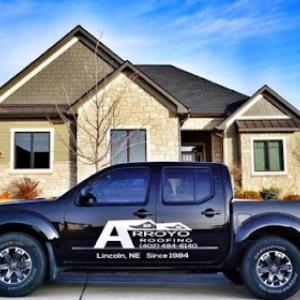
Arroyo Exteriors / Arroyo Roofing
(402) 484-8140 www.arroyoexteriors.com
9101 Rattlesnake Rd, Lincoln, Nebraska
4.9 from 110 reviews
Arroyo Exteriors is a local, family-owned business that has been serving homeowners in Lincoln, NE since 1984. We are experts in home repairs including roofs, gutters, siding, fences, decks, and exterior paints. Whether you need your entire home exterior remodeled due to a hail storm or just need a leak fixed, we are the local experts!
Shield Roofing
(402) 576-0033 www.shieldroofrepair.com
2045 S Folsom St Suite B, Lincoln, Nebraska
5.0 from 80 reviews
Shield Roofing, a premier roofing contractor, boasts decades of experience in major roofing systems. Specializing in both commercial roofing solutions and traditional shingle roofing for steep slopes, their skilled technicians ensure all roofing needs are met. Backed by their extensive knowledge, Shield Roofing is the top choice for reliable roof repairs and installations, delivering superior results every time. Their commitment to quality materials, attention to detail, adherence to safety protocols, and expertise make them the go-to partner for all roofing projects.
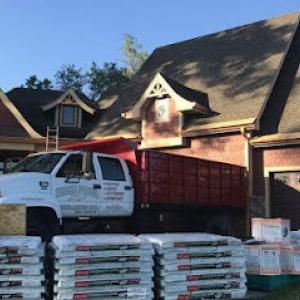
Home Pride Contractors
4435 O St, Lincoln, Nebraska
4.9 from 82 reviews
At Home Pride Contractors, our Lincoln roofing contractors strive to exceed our customer’s perception of what quality workmanship is all about. The success of our Lincoln roofing, siding and windows services is a result of paying attention to detail and performing at a high level for a fair price. We are a family owned and operated roofing company with years of experience in the home improvement industry with specializations in roofing, siding, windows and gutters. Home Pride has built our reputation around the highest quality of professional service, products and craftsmanship. Give us a call for an estimate.
Murray Roofing
(402) 802-7021 www.murrayroofingllc.com
1631 Cushman Dr Suite 2, Lincoln, Nebraska
4.9 from 96 reviews
Murray Roofing is a top-rated roofing company in Lincoln, NE, specializing in residential and commercial roof installation, roof repair, and metal roofing. With 80+ years of combined experience, our team of expert roofing contractors delivers reliable, high-quality service across Lincoln and surrounding areas. Whether you need a new roof, storm damage repair, or a full roof replacement, we’re the trusted choice among roofers in Lincoln, Nebraska. As a locally owned and operated roofing contractor, we offer free roof inspections, no upfront deposit, flexible financing, and exclusive GAF warranties. Searching for the best roofing companies near you? Call Murray Roofing Lincoln NE today to schedule your free 10-point roof inspection.

Galpha General Construction
(402) 480-2267 galpharoofing.com
111 N 56th St Suite #206, Lincoln, Nebraska
5.0 from 55 reviews
Galpha Roofing is a trusted roofing company in Lincoln, NE, with 12 years of experience providing high-quality residential and commercial roofing services. Our team specializes in roof repair, including emergency roof repair, ensuring fast and reliable solutions when you need them most. Beyond roofing, we offer expert siding and gutter services to protect and enhance your property. As a licensed, bonded, and insured company, we are committed to quality craftsmanship and customer satisfaction. Whether it’s routine maintenance, storm damage repair, or a full roof replacement, Galpha Roofing is here to deliver durable, long-lasting results. Contact us today for a free quote on quality roofing & home exterior services!
In Lincoln, the mix of repeated hail events, strong summer sun, and cold winter cycles makes impact resistance and ventilation more important than price alone. When evaluating a roof, you're not just choosing a top layer; you're selecting how the system absorbs heat, handles heavy wind gusts, and sheds moisture during thaw cycles. Starting point: prioritize assemblies that maintain a solid impact rating without compromising attic ventilation. Good ventilation helps curb heat buildup in attic spaces, which in turn protects decking, underlayment, and any vented penetrations from premature deterioration after hail season and through the winter. In practice, this means looking for roof assemblies with a well-ventilated soffit-to-ridge design and trustworthy fastener patterns that stay secure during wind-driven events.
Asphalt shingles are the dominant choice in Lincoln, but the city's combination of hail, summer sun, and winter freeze-thaw makes impact resistance and ventilation more important than price alone. If you lean toward asphalt, seek architectural or impact-resistant options with a higher nail withdrawal resistance and a robust self-sealing strip to fight uplift during spring wind storms. The color and reflective properties of the shingle also matter; lighter tones reduce heat load inside the attic and can lessen cooling stress on the air-dried components. Metal roofing has a meaningful specialist presence in Lincoln and is often considered by homeowners looking for better performance through hail seasons and large temperature swings. A standing-seam or panel metal roof can deliver excellent hail resistance and durability, but the system must be engineered for the climate's freeze-thaw cycles to avoid panel issues and fastener wear. For those exploring alternatives, clay tile, concrete tile, wood shakes, and synthetic/composite products are present in the market but require careful evaluation because Lincoln storm exposure and winter conditions can affect breakage risk, fastening, and maintenance expectations differently than asphalt. If you're drawn to tiles or shakes, plan for a higher maintenance cadence and a closer look at fastener corrosion resistance, expansion gaps, and the potential for thermal expansion to stress edges after harsh winters.
Ventilation matters in this climate because it reduces attic heat gain during the hot months and helps manage condensation during the spring thaw. A well-sealed interior moisture barrier paired with a breathable underlayment can extend the life of any roof system by slowing moisture migration that can lead to deck rot under hail-damaged areas. For metal roofs, ensure proper deck preparation and continuity of underlayment to prevent condensation issues that could mimic leakage after a severe hail event. If you're considering tiles or shakes, verify that the substrate is solid and the fasteners are rated for freeze-thaw cycles, with a careful plan for flashing around chimneys, vents, and walls. In all cases, confirm that there is a clear plan for attic ventilation, ridge venting, and proper installation sequencing to prevent heat buildup and moisture pockets that stress the roof system after winter.
After a hail season, conduct a targeted inspection focusing on fasteners, edge vents, and any fastener-driven denting or loosened flashing. In winter, watch for ice dam formation and ensure that ventilation pathways remain unobstructed. For higher-end options like metal or tile, schedule professional checks at the first signs of surface movement, loose panels, or cracked tiles, especially following a severe hail event or rapid temperature swings. A proactive maintenance habit reduces the risk of accelerated wear and helps preserve the roof's performance across Lincoln's demanding weather pattern.
In Lincoln, the typical cost landscape is shaped by Midwest weather and housing stock. Asphalt shingles run about $350 to $550 per square, a familiar range for a lot of ranch and two-story homes with standard attic ventilation. Metal roofing sits higher, generally $700 to $1100 per square, which often suits homes facing more severe hail exposure or those seeking a longer-term option. Clay tile clocks in around $900 to $1800 per square, and concrete tile tends to land between $800 and $1500 per square, reflecting heavier materials and the need for solid deck support. Wood shingles or shakes usually fall in the $600 to $1000 per square band, while synthetic or composite shingles offer about $550 to $900 per square for a good balance of durability and ease of installation.
Storm activity, especially hail and wind, drives demand spikes after notable events. When a big hail episode hits Lincoln, contractors see a higher volume of calls and project starts, which can push scheduling out compared with quieter parts of the year. That uptick can also tighten crews and materials, nudging per-square pricing slightly higher during the peak window. If a hail storm creates urgency, some homeowners choose faster timelines to prevent additional damage risk, which can influence pricing and availability for a few weeks.
Costs in Lincoln can move based on how a project fits into weather windows, especially spring and fall when conditions allow safer, more predictable work. Narrow windows mean crews may have to allocate extra days or rotate subteams, which can add logistics costs. If storm damage has created emergency dry-in needs before a full replacement, that can tilt decisions toward temporary fixes that protect the interior while the main roof is being replaced. Those decisions can affect overall project price and duration.
When you're weighing options, align finish choices with Lincoln's climate realities. Asphalt remains a common choice for cost efficiency, while metal or tile options offer stronger hail resistance and longer service life, potentially offsetting higher upfront costs over time. Consider the balance between up-front price, expected life, and local weather stressors when choosing a roof type.
In this market, expect that a straightforward replacement of an asphalt roof will stay within the $350 to $550 per square range, with premium materials pushing higher. Storm-driven demand and weather windows will inform scheduling and can influence overall price and timing. A clear plan that accounts for weather, material availability, and the impact of any storm damage will help keep the project on track and protect the home through Lincoln's varied seasons.
Get a clear picture of your project costs upfront - no commitment required.
J&K Exteriors
(402) 890-5937 jandkexteriorsne.com
3350 Eastpark Cir, Lincoln, Nebraska
5.0 from 141 reviews
Nelson Contracting
(402) 464-2418 www.nelsoncontractingllc.com
4108 Progressive Ave #6, Lincoln, Nebraska
4.8 from 293 reviews
Murray Roofing
(402) 802-7021 www.murrayroofingllc.com
1631 Cushman Dr Suite 2, Lincoln, Nebraska
4.9 from 96 reviews
A full roof replacement requires a building permit issued through the City of Lincoln Building and Safety Department. This isn't just a formality; the permit ties the project to required inspections and ensures the work meets local codes and wind-driven rain standards common to Lincoln's climate. When a contractor starts, they should pull the permit in your name and post the permit number on site so inspectors can verify work progress. In practice, this means coordinating with the city early in the process to avoid delays if storm season or winter weather pushes the schedule.
Roof projects in this area are reviewed and inspected in a sequence rather than with a single sign-off. After framing and underlayment are in place, a rough-in inspection is typically scheduled to verify structural integrity, nailing patterns, ventilation, and underlayment quality. Later, as the roof comes together with shingles or other coverings, a final inspection ensures everything is properly completed and weatherproofed. Knowing that Lincoln's inspections follow a staged approach helps homeowners align contractor milestones with the city's inspection calendar, reducing the risk of hold-ups at the end of a project.
The permit timeline in Lincoln generally runs from a few days to a few weeks, depending on department workload. Storm season and winter weather can compress or extend that window, so timing a replacement around the typical spring and fall peaks is prudent. If a hail event has damaged a roof, the permit process can become a bottleneck when homeowners are eager to move forward, especially if insurance timelines converge with city calendars. Planning for a window that accommodates both the city's inspection cadence and your preferred weather buffer will minimize downtime between tear-off and reinstallation.
Communication with the Building and Safety Department matters. Expect the initial permit review to check project scope, material compatibility, and compliance with Lincoln's wind and snow considerations. Scheduling inspections requires a clear contact path through the permit officer, plus proof of required components like approved underlayment and proper ventilation. Have your contractor's permit number and a copy of the approved plan on hand during inspections to keep the process moving. If a weather delay occurs, reach out to the department promptly to adjust inspection dates rather than risking missed inspections and rescheduling fees.
Keep a detailed project timeline that reflects each inspection milestone and any anticipated weather interruptions. Maintain open lines of communication with the contractor about when rough and final inspections are planned and confirm dates with the Building and Safety Department ahead of time. If storm damage prompts an insurance-driven timeline, document all communications and keep a copy of permits and inspection notices readily accessible. By aligning your replacement schedule with Lincoln's permit and inspection process, the project stays on track while meeting the city's safety and code requirements.
Lincoln winters bring snow and freeze-thaw cycling that can turn minor flashing or shingle damage into active leaks before full replacement weather arrives. After fall storms or lingering hail impacts, vulnerable spots may sit hidden under snow or ice, then suddenly start dripping once a warm day thaws the roof or nighttime freezing drives water into the decking. This is not theoretical-it's a common pattern that catches homeowners off guard when cold snaps lift towards spring.
Ice dam risk is a real seasonal concern in Lincoln, especially when damaged roof sections enter winter after fall storms or unresolved hail impacts. Dammed meltwater can back up under shingles, seep into attic joists, and create staining that escalates into interior leaks. If gutters are clogged or downspouts are blocked, the risk climbs. Pay attention to any wet patches on ceilings, especially in bedrooms or upper floors, and note bulged or softened areas along eaves where ice may be forming from the attic outward.
The local contractor market shows a strong emergency-repair presence, reflecting homeowner demand for temporary protection when winter conditions or storm backlogs delay permanent work. If you notice active dripping, it's time to act: lay a tarp over the affected area, securing edges firmly to prevent wind uplift, and remove any standing ice or water from the roof edge to minimize further intrusion. Photograph damage before tarping and contact an emergency crew promptly for a temporary fix that preserves interior rooms and prevents widespread damage.
Choose an established local outfit with clear tarping rates and a documented repair plan. Ask for a same-day assessment, a written tarping scope, and a realistic timeline for follow-up repairs. If a full replacement is delayed by weather, insist on a phased plan that prioritizes the most vulnerable sections first, with a documented safety protocol to protect you and your home through the thaw.
When you can't wait, these contractors offer fast response times to stop leaks and prevent further damage.
Rubicon Roofing & Exteriors
(402) 413-2001 www.rubiconexteriors.com
1146 N 102nd St, Lincoln, Nebraska
5.0 from 74 reviews

Rafa Roofing & Construction
(866) 329-7232 www.rafaroof.com
1830 Yolande Ave, Lincoln, Nebraska
5.0 from 93 reviews
Home Pride Contractors
4435 O St, Lincoln, Nebraska
4.9 from 82 reviews
Although pitched residential re-roofing dominates the local market, the low-slope specialty segment for garages, additions, porches, and mixed rooflines remains active. Those low-slope sections age differently than the main shingle field, especially when exposed to Lincoln's freeze-thaw cycles and storm-driven ponding. Pay attention to transitions between the main roof and any attached low-slope areas, because a leak can travel from a low-slope section into supportive framing before you notice a problem on the visible main roof.
In Lincoln, storm runs and sun exposure stress membrane edges and seam details on low-slope roofs more quickly than assumed. Look for blistering, edge shrinkage, puncture signs from hail, and ponding that lingers after a storm. Pay particular attention to flashing where low-slope sections meet vertical walls, and at any penetrations such as skylights or vents that service garages or additions. Aged seals can fail with the city's typical winter loads, even if the main roof still looks solid.
Homeowners replacing only the visible main roof can miss leak sources on attached low-slope sections that age differently under snow, sun, and storm runoff. With garage and porch areas, interior signs of moisture or staining after a thaw often point to a slow seep that started at a seam or corner flashing. Consider a careful inspection of these connected areas, especially after heavy snows and rapid warm-ups.
Begin with a close walk-around after a heavy rain or thaw: check the low-slope transitions, edge detailing, and any accumulated debris in drains or scuppers. Inspect inside attic spaces above attached low-slope areas for condensation, damp insulation, or dark staining along seams. If you spot irregular soffit or fascia movement, or soft spots under the membrane, plan a targeted assessment before a full replacement decision.
Find specialists in TPO, EPDM, and built-up flat roofing systems for residential and commercial properties.
Shield Roofing
(402) 576-0033 www.shieldroofrepair.com
2045 S Folsom St Suite B, Lincoln, Nebraska
5.0 from 80 reviews
Neemann & Sons
(402) 423-4853 www.neemannandsons.com
1121 High St ste b, Lincoln, Nebraska
4.8 from 102 reviews

Apple Roofing
1633 Normandy Ct C, Lincoln, Nebraska
4.6 from 278 reviews
Lincoln homeowners are hiring heavily for re-roofing rather than niche new-construction work, so storm recovery experience is more relevant than broad marketing claims. Your chosen roofer should demonstrate a track record handling hail and wind damage on midwestern-style homes, with familiarity in negotiating insurer expectations and navigating post-storm timelines that often accelerate into spring and fall windows. A firm that touts "general contractor" speed without true storm-repair depth can leave you with unresolved leaks or misaligned flashing after a heavy storm. Look for firms that emphasize practical, project-focused communication from intake through final cleanup.
Quick response and cleanup are prominent market expectations in Lincoln, reflecting how often homeowners need fast post-storm inspections and debris removal. In practice, that means a contractor who returns messages promptly, schedules a thorough on-site assessment quickly, and can mobilize staging and material search without dragging out decisions. Ask about their process for after-storm debris removal, temporary tarping if needed, and daily site safety practices. A reliable team will document every step, from hazard mitigation to storm-damage reports, so you have clear visibility as the project unfolds.
Long-established, family-owned, and residential-focused firms are all visible in Lincoln's market, so homeowners often compare responsiveness and storm-process experience as much as material options. Don't assume a glossy online presence equals the right choice. Favor teams with local references, consistent crews, and a straightforward warranty plan that covers weather-related futures. A straightforward incident-tracking approach, a willingness to coordinate with your insurer, and a commitment to tidy, thorough cleanup at the end of each day are signs of a reputable Lincoln-area storm roofer.
Avoid hype about "perfect" hailproof systems or one-size-fits-all solutions. A capable storm roofer will tailor a plan to your home's roof type, age, and pattern of exposure, and will explain why certain materials and fastening methods better withstand typical Lincoln hail bursts and wind gusts. Prioritize contractors who offer transparent project milestones, enforce safety standards on-site, and reflect local conditions in their restoration strategy.