
Last updated: Apr 19, 2026
Hastings homeowners face a Nebraska insurance environment with frequent hail claims and heightened expectations for photo documentation, invoices, and prompt adjuster inspections. When a hail event hits, your roof is likely to be scrutinized for granule loss, dented metal, lifted flashing, and compromised underlayment. Gather clear photos from multiple angles-before, during, and after any storm-showing both the roof surface and nearby gutters or vents. Keep all invoices for replacements and repairs, and make sure the contractor's written estimate breaks down scope, materials, and workmanship. If an adjuster walks the property, be ready with the roof's history and any prior repairs. A well-documented file accelerates decisions and reduces back-and-forth, so start compiling inside the first 24 hours after a storm.
Spring hail and wind storms in Hastings can both damage roofs and disrupt contractor schedules, making post-storm booking delays a local planning issue. In the days after a major hail event, qualified crews are often booked solid, and crews may be traveling between towns. If you wait too long, you risk secondary damage such as moisture intrusion or hidden fastener corrosion that isn't visible from ground level. Communicate with a few reputable local contractors about contingency timelines and preferred start windows. If rain or high winds are forecast, plan for a temporary protective solution and a firm follow-up date. The more you can align your schedule with a contractor's availability, the less exposure you have to weather-related complications.
Because Hastings also has cold winters with snow and freeze-thaw cycles plus hot summers, reroof timing often narrows to spring and fall windows when weather is less punishing for installation. Spring offers milder temperatures for shingles and membranes to cure, while fall provides enough time to complete before winter storms set in. If a claim confirms the need for a full reroof, prioritize a window that avoids peak heat and heavy snowfall risk. Early planning also helps with venting and drainage checks that the local inspection mindset expects, ensuring the project moves smoothly through the critical phases. Use that spring or fall niche to line up material deliveries, permit coordination (handled separately), and a crew that will stay on your roof through the process.
If you notice interior staining, peeling paint near ceilings, or sudden spikes in energy costs after a hail event, treat these as urgent indicators of possible roof failure. Proactively reach out to trusted Hastings-area roofers who understand the local climate and the seasonal cadence. Request a written assessment that notes visible hail damage, potential hidden damage, and a staged plan with a realistic timeline. In this market, the faster you act with solid documentation and a clear schedule, the more you protect your home from escalating damage and avoid last-minute scramble when the weather shifts.

Schoen's Roofing
(402) 519-4488 www.schoensroofing.com
200 N Burlington Ave Suite 150, Hastings, Nebraska
5.0 from 474 reviews
At Schoen's Roofing, your satisfaction is our top priority. Our business started out as weekend work, but we quickly gained a reputation as one of the area's most reliable roofing contractors. Through word-of-mouth from loyal, satisfied customers, we grew into a full-time roofing company. Now we're striving to grow while still providing the same level of service that got us where we are today. We treat every job as if it were our own roof.

A-R Roofing & Exteriors
322 W South St, Hastings, Nebraska
4.5 from 10 reviews
A-R Roofing & Exteriors offers a comprehensive range of Roofing services, Siding installation, Window installation, and Gutter service across Nebraska, USA, including Smith and Jewell Counties in Kansas. Founded in 1995, they are a trusted provider for residential and commercial projects. No project is to small and no project is too big. We have a roof for every budget and we are here for you.

On Point Roofing
(402) 984-2020 www.onpointroofingllc.com
2303 W 2nd St, Hastings, Nebraska
4.0 from 3 reviews
On Point Roofing, LLC is located in Hastings, NE and proudly services all of Hastings and the surrounding areas. Our services are top notch and cover everything you could need from roofing, siding, windows, new gutters to roof damage repair. We’re the local roofing contractor that you can rely on for outstanding results and superior customer service. We work with residential and commercial customers.
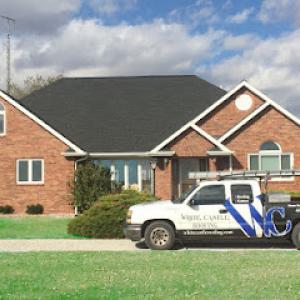
White Castle Roofing - Grand Island
(308) 675-3330 whitecastleroofing.com
Serving
4.9 from 234 reviews
Built with Trust. Proven by Time.
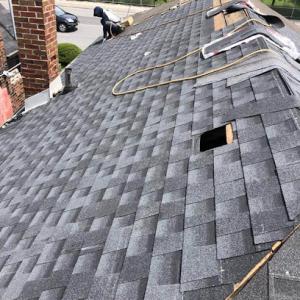
Rey Roofing & Seamless Gutters
(308) 850-7236 reyroofingseamlessguttersllc.com
Serving
5.0 from 27 reviews
Rey Roofing is one of the best roofing companies in Grand Island NE providing roofing replacement, metal roofing, seamless gutters installation, siding installation serving in hastings ne, Kearney ne and all surrounding areas we are the top contractors in Nebraska committed to best customer service and workmanship quality.
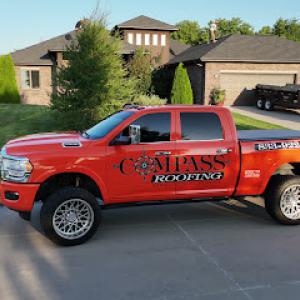
Compass Roofing
(308) 258-0087 www.compassroofingpros.com
Serving
4.5 from 106 reviews
The Compass Roofing team covers the Nebraska region with a dedicated team of roofing professionals. Our professional staff is ready to help when you have a roofing emergency. Compass Roofing specializes in storm damage including: hail, high wind damage, heavy rain, downed trees, snow and ice damming. If you have weather related roofing concerns, contact the best! Compass Roofing!
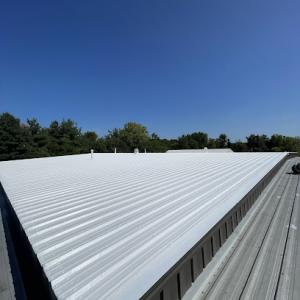
Maverick Coatings
(715) 530-2295 mavcoatings.com
Serving
5.0 from 8 reviews
Maverick Coatings is a commercial roofing restoration company that is committed to making your roof water tight and providing the clean look that it once had. Our systems provide quality solutions for any metal or single ply roofs that just aren’t holding up any longer. Replacing a roof today is costly, but with our systems, you’ll save money with a restored roof that also comes with a warranty that is prorated up to 20 years.
Arrow Roofing
Serving
5.0 from 15 reviews
At Arrow Roofing, we pride ourselves on providing top-notch roofing services with a commitment to quality and customer satisfaction. With over 16 years of combined experience, our skilled team specializes in residential and commercial roofing solutions, including repairs, installations, and maintenance. We use the highest quality materials and the latest techniques to ensure your roof is durable and aesthetically pleasing. Trust us to protect your home or business with reliable and efficient roofing services. Contact us today for a free estimate!
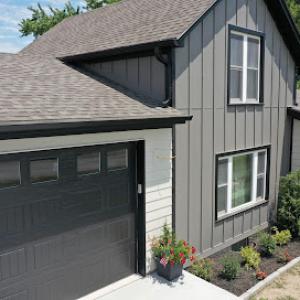
J-Tech Construction & Solar
Serving
4.7 from 41 reviews
J-Tech Construction and Solar is a family-owned exterior remodeling company specializing in triple pane windows, seamless and cement board siding, roofing, doors, gutters, AND solar. As the Official Exterior Experts of the Huskers, you can be sure you will be taken care of with J-Tech Construction. Estimates are ALWAYS free!
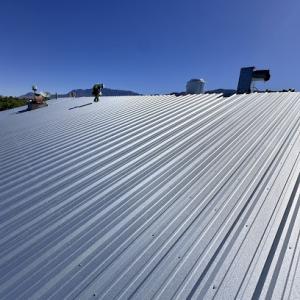
Dynasty Roofing
(308) 382-4117 dynastyroofingco.com
Serving
5.0 from 11 reviews
Roofing Contractor specializing in all Commercial, and Residential Roofing.
BAC Roofing
(308) 382-1945 www.bacroofing.com
Serving
3.9 from 82 reviews
A roofing contractor that tackles a variety of projects can be difficult to find. When you work with BAC Roofing, Inc., you’ll benefit from superior roofing, siding, and window services to improve the look of your home. In business since 1998, this company was voted the best roofing, siding, and window company in Grand Island, NE, three consecutive years, 2012 through 2014, making them your premier choice for exceptional exterior services. This family owned and operated roofing contractor installs numerous types of roofs, including metal, asphalt shingle, and cedar shake. The windows they install have an energy-efficient design to save you money on your monthly utility bills.
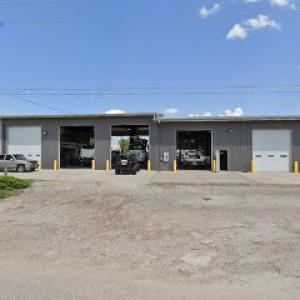
Tri-Cities Roofing & Sheet Metal
(308) 384-7230 tricitiesroofingandsheetmetal.com
Serving
5.0 from 4 reviews
Tri-Cities Group is a commercial roofing and sheet metal contractor certified to apple Firestone, Carlisle, Genflex, Versico, GAF and Berridge products. We offer a full range of services including: emergency roof repairs, roof surveys, repairs and maintenance, vacuum removal of gravel and ballast on roofs, and complete roof replacements. Our metal shop is equipped with an auto brake to meet all of your sheet metal needs. Tri-Cities Group prides itself on quality roofing and excellent customer service. For the past eight years Tri-Cities Group has been the recipient of the Firestone Master Contractor and Firestone Inner Circle of Quality Partners awards, given to the highest esteemed roofing contractors in the nation.
Asphalt shingles are a dominant choice in Hastings, and you'll see them on a large share of homes near the downtown corridors and the older neighborhoods. The practical reality is that repeated hail exposure and thermal swings can wear them down faster than you'd expect. Look for shingles with higher impact resistance ratings and verify that the granules hold up after a hail season. A routine check after spring storms-especially if the hail was serious-will help you notice loose or missing granules before leaks show up. When an asphalt roof is installed, insist on proper attic ventilation and a solid drip edge, because good venting helps balance indoor temperatures and reduces condensation on those cold Nebraska nights.
Metal roofing is common in Hastings for its snow-shedding qualities and its resilience against hail. If you're weighing metal, plan for the edge details and flashing-these areas see some of the fiercest winds during our spring and early summer squalls. Noise can be a surprise for homes without solid attic baffles or adequate insulation, so consider adding sound-damping underlayment or choosing thicker panels if your attic space is unfinished. In wind events, flashing quality matters: ensure seams and penetrations are sealed with corrosion-resistant seals, and verify that the fasteners are appropriate for the metal and roof deck. Metal can stay true through many winters when that critical protective layer is installed correctly.
Wood shingles or shakes bring a classic look, but they demand more maintenance in this climate. If you opt for wood, expect more frequent checks for cupping and splitting after freeze-thaw cycles. Synthetic or composite shingles offer improved durability against hail and temperature swings while maintaining a familiar appearance; they're a convenient middle ground between traditional wood and modern membranes. Fiber cement shingles strike a balance between fire resistance and weather resilience. When selective replacement is needed, matching style and slope relationship matters for drainage and curb appeal during final inspections. In areas with strong winds, ensure correct nailing patterns and wind-resistant fasteners to prevent uplift on exposed ridges and overhangs.
EPDM rubber roofing appears in the Hastings market especially on low-slope sections where drainage performance is scrutinized during final inspection. On flat or nearly flat roofs, EPDM offers excellent weather resistance, but the edge detailing and flashing around perimeters, penetrations, and terminations become the deciding factor for long-term performance. Expect to pay attention to membrane seams and proper adhesive or seam tape choices, because failures often show up as slow leaks along those joints after seasonal freezes and spring thaws. For a low-slope application, insist on a graduated drainage plan that includes a clear path for water to exit without ponding, and verify that the roof deck is clean, dry, and reinforced to support the membrane.
When choosing a roof type, align your selection with how often hail events affect your street and how your home's design handles thermal expansion. In all cases, who you hire matters: the most durable option won't perform as well if flashing, venting, and drainage aren't addressed in the install. For any roof, plan an upfront inspection after hail storms to catch granule loss, denting, or loose fasteners before minor damage becomes a bigger issue. If your roof has mixed slopes or transitions, a mixed-material approach can be practical, but ensure the detailing around transitions is robust to handle wind-driven rain and snow shedding.
Hastings winters bring snow followed by freeze-thaw cycling, a pattern that can open shingle seals, stress flashing, and expose underlayment weaknesses. When a layer of ice forms near gutters or along eave lines, a subsequent warm spell or attic heat loss can cause layers to move, creating micro-movements at seams and fasteners. Over a season or two, these micro-movements compound, and what started as minor lifted granules or a loose edge becomes a broader vulnerability. Homes with older asphalt or lighter underlayment tend to show the first signs-curling edges, missing granules, or a wind-driven edge that feels buoyant after a thaw. The result is not cosmetic: exposed underlayment can fail water resistance, inviting slower leaks that sneak into attic and ceiling spaces.
Ice dam risk is a real local issue in Hastings because winter snow and cold snaps can combine with attic heat loss, making ventilation and insulation details more than a comfort issue. If attic temperatures rise above the roof deck during sunny short days, snow near the peak can melt while dam-forming snow farther down remains frozen. The refreezing creates a dam that backs water up under shingles, often behind flashing or at joints. Good airflow and consistent insulation are not optional extras; they are part of the foundation that keeps roofs from turning small winter inconveniences into costly interior damage. If soffit vents are blocked by insulation or if a ridge vent is compromised, the risk multiplies. A roof that breathes poorly effectively traps heat above the living space, accelerating the very cycles that damage seals and cause leaks to appear where they are least expected.
The city's inspection focus on venting and drainage aligns with these winter failure patterns, so reroofs that ignore airflow and runoff details are more likely to create repeat problems. Proper venting reduces attic pressure that pushes moisture into seals, while efficient drainage prevents meltwater from lingering against the roof edge long enough to seep under flashing or into fascia joints. Missing or misaligned drip edges and improper valley flashing invite ice dam development, particularly along eaves and in low-slope sections where runoff behavior is less predictable. In practice, this means that when a roof is evaluated after a hail event or during a full reroof, the reviewer will look closely at whether attic insulation has settled unevenly, whether vents are unobstructed, and whether the drainage plan accounts for typical Hastings snowfall and thaw patterns. A reroof that neglects these details is not just a future leak risk; it can set up rapid wear as winter cycles return year after year.
In neighborhoods where homes share similar rooflines and venting layouts, small improvements can yield compounding benefits. If an inspection reveals minor flashing flex or a slight edge lift, addressing these promptly reduces the likelihood of a later ice dam forming behind a compromised seal. For homes with dormers or complex roof geometry, extra attention to flashing continuity and valley integrity saves trouble when the thaw comes. And for any reroof plan, ensure that runoff pathways-from ridge to gutter-are designed to carry meltwater away cleanly, rather than pooling near joints or back against the fascia. A cautious approach now pays off in fewer winter surprises and a roof that holds up through Hastings' distinctive freeze-thaw rhythm.
Material choice drives the bulk of a Hastings reroof, and local prices sit in recognizable bands. For asphalt shingles, expect roughly $350 to $650 per square. Metal roofs run about $700 to $1100 per square. Wood shingles or shakes are typically $900 to $1500 per square. Synthetic or composite shingles land in the $450 to $800 per square range, and fiber cement shingles come in around $500 to $900 per square. If EPDM rubber is on the table, calculate about $4 to $7 per square foot, which translates to roughly $400 to $700 per square. These ranges reflect Hastings' typical material availability and local labor dynamics in a market that sees more worker demand during busy seasons.
Hail-driven damage spikes after spring storms, and Hastings crews often experience tighter scheduling and higher labor costs during that period even when material prices hold. If a hail event hits in late spring, you may find a faster turnaround by starting the reroof process promptly, but be prepared for peak-season pricing or limited contractor availability as crews reallocate to storm-damaged homes. Winter months can also affect timing: freeze-thaw cycles complicate certain installation details and can push work into milder days, slightly shifting both schedule and daily labor rates. In practice, plan for a window rather than a fixed date in the weeks following a major hail event.
As soon as you confirm damage warrants replacement, align expectations around the need for thorough deck assessment and ventilation checks during reroofing. Hastings projects commonly require attention to ventilation paths and drainage alignment to satisfy local expectations on full reroofing. If you're weighing material options during a spring surge, asphalt remains the most economical first consideration, while metal or fiber cement can offer longer-term durability against hail and freeze-thaw cycles. Expect variations in daily crew rates during peak weeks, and build in a buffer for weather-related delays that are common during the spring and early summer window.
In this city, a full reroof almost always triggers a building permit rather than being treated as a no-paperwork job. The permit process is designed to verify that the project will restore and maintain proper ventilation, drainage, and overall roof performance after a hail event or winter damage. A licensed contractor typically handles the permit application, which streamlines scheduling and communication with the building department. Even when the plan seems straightforward, be prepared for a quick check of the proposed materials, fasteners, and any changes to attic ventilation or roof deck structure. Minor plan review may be required if the reroof involves structural modifications or new ventilation pathways.
The city's building department issues the permit and coordinates the final inspection. Your contractor should confirm the permit number, inspection windows, and what documentation is needed for final approval. Expect a clear path from permit issuance to a schedule for the final inspection, with the inspector focusing on whether venting, flashing details, and drainage paths meet code requirements. If the project involves up-sizing or reshaping roof openings, or adding new vent penetrations, plan review may be requested to ensure compatibility with the home's existing mechanical and attic layout.
The final inspection centers on performance rather than appearance alone. Venting must align with the attic space needs to prevent moisture buildup and ice dam risk during freeze-thaw cycles. Flashing around chimneys, skylights, and vents should sit flush and shed water reliably, with proper overlap and sealant where needed. Drainage performance is evaluated to ensure gutters and downspouts carry water away from the foundation without pooling on the roof surface or at transitions. Any deviations from approved drawings or material choices can trigger corrective work, so keep the project accessible for the inspector and ready to address adjustments on the spot.
A licensed contractor commonly submits the permit and coordinates inspections. This arrangement helps keep the process aligned with Hastings' expectations for venting and drainage. If structural or ventilation changes accompany the reroof, be prepared for a possible minor plan review step. Clear communication between you, the contractor, and the building department reduces delays and helps ensure that final clearance is achieved without repeat trips for re-inspection.
Ask for a written permit trace number and a copy of the inspection plan before work starts. Schedule the final inspection promptly after completion and before sealing any provisional tests or closeout paperwork. Ensure all roof penetrations are fully flashed and sealed to prevent water intrusion during the next hail season. Have a readiness checklist ready for the inspector, including vent dimensions, flashing details, and drainage routing, to avoid last-minute questions or rework.
Hot Hastings summers push installation pace and material handling on the roof deck. When shingles sit in direct sun, asphalt and synthetic products can soften and materials may slide, while metal surfaces expand and can warp if fasteners don't stay flush. Crews tend to slow down to avoid damaging underlayment or blistering rooftop membranes. If the roof is steep or has limited shade, expect more pauses for cooling periods and rechecking nailing patterns. Preparation for daily heat-hydration, shade breaks, and early starts-keeps work steady without sacrificing quality.
Fall brings wind gusts that can unsettle loose components and stress unsecured flashings. Temperature swings from warm afternoons to chilly nights alter contraction rates in metal and some composite products, which can stress seals if installation proceeds too late in the season. You may see more tarping, bracing, and interim protection as crews chase calmer mornings and calmer evenings. In practice, timing late-season work to window-limited days helps prevent wind-driven damage to exposed edges and helps ensure gutters and eaves drain properly before conditions change.
Reroof timing in this area centers on weather windows rather than chasing the cheapest bid date. A long stretch of stable days with low wind and above-freezing overnight temperatures supports full roof installs without backtracking. When a cold snap or heat spike interrupts progress, crews revisit sealants, flashing, and venting details to ensure everything remains watertight. The goal is to maintain a consistent pace that respects thermal movement, material handling limits, and the risk of storm-driven interruptions.
Seasonal constraints make thorough documentation critical. Before a roof is covered, verify venting adequacy, flashing continuity, and drainage paths with precise notes and photos. After heat-softened days or gusty fronts, recheck fastener patterns, sealants, and ridge components. Keeping a clear record helps homeowners and crews avoid backtracking when weather shifts, and supports a durable, weather-ready reroof that resists spring hail and winter freeze-thaw cycles.
In this Nebraska market, insurers expect unusually thorough storm documentation before approving roof-related claims. The weather pattern in Hastings means hail damage can appear subtle at first, but the rapid freeze-thaw cycle can reveal flaws quickly. Your end goal is to demonstrate a clear link between a major hail event and the roof's condition. Bring a record from the storm date, and structure your files so a reviewer can follow the damage timeline from impact to visible wear.
Detailed photos taken before a rainstorm or hail event-and sharp, high-resolution shots afterward-are especially important. Capture all elevations, focusing on HVAC equipment, vent flashing, and edge details where wind uplift or hail can cause unseen stress. After a storm, compare photos to earlier images to show new damage, patterns of impact, and any shifting drainage concerns. Insurers in Hastings routinely scrutinize whether damage is new, storm-related, and extensive enough to justify replacement, so orderly, labeled imagery helps.
When a major hail event hits, the scrutiny tightens. Even if a contractor identifies widespread damage, insurers may pause to verify that the scope matches the claim. In these moments, honest, comprehensive documentation from a trusted local roofer carries significant weight. Expect questions about prior repairs, merchandise compatibility, and whether the roof's condition would have deteriorated without the recent storm. Thorough notes and explicit contractor findings reduce back-and-forth delays and keep the claim on a steady path.
After big hail episodes, premiums or coverage reviews can tighten for households in the area. Accurate contractor documentation, aligned with your insurer's standards, becomes more important than in markets with fewer simultaneous claims. Maintain a clear file that connects the storm to the observed condition, and keep that file up to date for any future assessments.