Roofing in Nebraska
Last updated: Feb 28, 2026
In Nebraska, a roof has to weather a real mix: blazing July heat, sudden hail, and prairie winds that whip across the plains. It's a climate that keeps shingles honest and attics honest about insulation, and it rewards regular care with longer life and fewer surprises.
Here on this page, you'll find practical, neighborly guidance from a local roofer who understands what works in our corner of the Midwest. The advice is tailored to Nebraska's conditions and backed by local resources—from suppliers and codes to trusted tradespeople you can call on.
Here's what you'll find covered, so you can navigate your next roof project with confidence:
- Local climate realities and how they affect shingles, underlayment, and maintenance
- Recommended roofing materials that perform well in heat, hail, and cold
- Popular roof styles and architectural trends you'll see around Nebraska
- Typical roofing costs in Nebraska and what drives price
- Permits, regulations, and planning tips to keep projects moving
- Common Nebraska-specific roofing problems and practical solutions
- Maintenance and repair tips tailored to Nebraska conditions
- When to repair vs. when to replace
- When to hire a professional (and what to look for)
All of this is designed to help you plan confidently, save money, and protect your home. With that in mind, let's start by taking a closer look at Local Climate and how Nebraska's weather shapes your roof.
Local Climate & Its Impact on Roofs
Nebraska Climate at a Glance
- Hot summers, cold winters, and big temperature swings stress roofing materials.
- Severe weather is common: hail, strong winds, and occasional tornadoes, especially in spring and early summer.
- Snow and ice are regular in many areas, driving freeze-thaw cycles that can loosen fasteners and damage shingles.
Seasonal Impacts on Roofs
- Winter: heavy snow loads, ice dams, and clogged gutters can lead to leaks and increased weight on the structure.
- Spring: thaw cycles reveal hidden storm damage; moisture infiltration can worsen rot if ventilation is poor.
- Summer: intense sun and heat accelerate aging of covers; high winds can lift shingles and strip granules.
- Fall: wind-driven debris and clogged drainage systems raise the risk of water backups.
Common Nebraska Roof Stressors
- Hail damage: frequent hail events can crack shingles, dent metal, and bruise underlayment; inspect after storms.
- Wind uplift: Nebraska storms can produce powerful gusts that loosen flashing and shingles if the roof isn't well secured.
- Freeze-thaw cycles: repeated freezing and thawing cause cracking, decking movement, and edge delamination.
- Snow and ice: ice dams form if insulation/ventilation is insufficient; heavy snow adds sustained load on low-slope roofs.
- Temperature extremes: rapid heating/cooling stresses seals, fasteners, and sealant joints.
Material & Construction Tips for Nebraska Weather
1. Favor hail-resistant options:
- Asphalt shingles with Class 3–4 impact resistance
- Metal roofing with proper seams and snow guards
2. Prioritize attic ventilation and insulation:
- Adequate insulation plus balanced intake/exhaust ventilation reduces ice dam risk and cooling costs
3. Use solid underlayment and flashing:
- Durable, weather-rated underlayment and corrosion-resistant flashing resist wind-driven moisture
4. Ensure good drainage:
- Proper roof slope, clean gutters, and downspouts directed away from the foundation prevent water backup
Maintenance & Inspection Practices
- Inspect after severe weather events (hail, high winds) and again at least twice a year.
- Check for curling or missing shingles, deteriorated flashing, loose vent boots, and clogged gutters.
- Clean debris from gutters and ensure downspouts route water away from the home.
- Safety note: avoid walking on a wet or icy roof; rely on a qualified roofer for winter inspections.
Warnings & Official Resources
- Severe weather risk means plan for potential roof damage after storms and understand repair priorities.
- Ice dam risk rises when attic insulation or ventilation is insufficient; address gaps promptly.
- Official resources:
- National Weather Service – Nebraska:
- Nebraska Emergency Management Agency:
- IBHS (hail, wind, and roof protection resources):
- University Extension (Nebraska) for home maintenance tips:
Recommended Roofing Materials for Nebraska
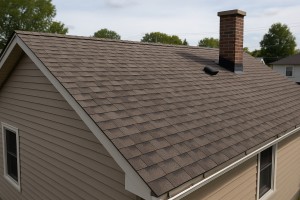
- Why they work here: They handle temperature swings, hail, and heavy snow loads without overly complex installation.
- Pros:
- Affordable upfront cost and widespread availability
- Wide color and profile options that complement Nebraska homes
- Good local contractor familiarity and warranty options
- Cons:
- Typically shorter lifespan than metal or synthetic options (around 20–30 years with proper care)
- Susceptible to hail damage if a home uses lower-grade shingles
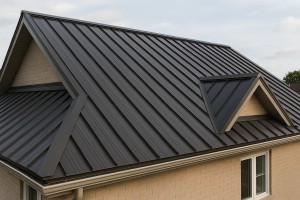
- Why they work here: Excellent hail resistance, strong wind performance, and long life. Great for exposed ridge lines and prairie climates.
- Pros:
- Very long lifespan (often 40–70 years)
- Outstanding hail and wind resistance when properly installed
- Light weight and low maintenance
- Cons:
- Higher upfront cost
- Potential noise in heavy rain unless adequately insulated or attic space is well ventilated
- Best practices:
- Choose standing-seam panels or a properly fastened exposed-fastener system rated for Nebraska wind
- Ensure quality underlayment and attic ventilation to prevent condensation and ice damming
- Why they work here: Combine durability with design variety and strong impact resistance.
- Options to consider:
- Class 4 impact-rated asphalt shingles (UL 2218)
- Synthetic slate or shake that mimics the look of natural materials
- Pros:
- Good impact resistance, often with longer warranties
- Lighter or comparable weight to traditional shingles
- Cons:
- Usually higher cost than standard asphalt shingles
- Best practices: Look for products tested for impact resistance and wind uplift; verify compatibility with your roof pitch and local code requirements
Closer look at clay/concrete tiles and cedar (special cases)
- Why they're less common here: Nebraska winters and hail can crack brittle tiles; cedar can suffer rapid weathering in cold, wet cycles.
- Clay/concrete tiles
- Pros: Distinctive look and good longevity in certain climates
- Cons: Heavy, brittle in hail, require structural evaluation for load; higher cost
- Cedar shingles/shakes
- Pros: Natural aesthetics, good insulation
- Cons: Prone to weathering, rot, and insect issues; higher maintenance
- Bottom line: These can be viable on well-supported structures or for specific architectural styles, but are less common for typical Nebraska homes.
Features that matter across all materials
- Class 4 impact resistance if using asphalt or composite options
- Wind resistance suitable for Nebraska's storms (look for high wind uplift ratings)
- Proper underlayment (ice and water shield along eaves and valleys in snow-prone areas)
- Adequate attic ventilation and insulation to minimize ice damming and moisture problems
- Correct installation methods (nailing patterns, fastener type, and thermal expansion allowances)
Quick-reference guidance
1) For everyday-value and easy maintenance: architectural asphalt shingles with Class 4 impact resistance
2) For longevity and storm resilience: metal roofing with standing-seam panels
3) For design variety and long-term durability: synthetic options with strong warranties
4) For specific styles or structural readiness: assess clay/concrete tiles or cedar only after structural and climate considerations
Quick installation notes (to discuss with your contractor)
1. Confirm roof deck and attic ventilation meet local codes and climate demands
2. Insist on underlayment that's appropriate for snow and ice conditions
3. Verify wind uplift ratings and proper fastener patterns for your region
4. Plan for a color and finish that reflects heat load and complements your home
Maintenance pointers
- Schedule biannual inspections after severe Nebraska weather
- Watch for damaged shingles, loose fasteners, and rust on metal roofs
- Clean gutters and ensure proper drainage to reduce ice dam risk
Popular Roof Styles & Architectural Trends in Nebraska
Popular roof shapes in Nebraska
- Gable roofs: classic and cost-effective, easy to shed snow, and work well with many home styles from ranch to cottage. They're simple to build and maintain, but be mindful of wind uplift in open prairie areas.
- Hip roofs: favored for wind resistance and stability on Nebraska bluffs and plains. Wide eaves help protect walls from hail and sun, and they pair nicely with Craftsman and Prairie-inspired designs.
- Dutch gable and combination roofs: add architectural interest without sacrificing drainage or wind performance. Great for homes that want a traditional look with modern efficiency.
- Shed roofs: popular in modern farmhouse and contemporary remodels. They offer clean lines and can accommodate solar installations, but require careful framing to handle snow loads in colder winters.
Materials suited to Nebraska's climate
- Asphalt shingles (architectural/dimensional): most homeowners' baseline choice. Modern asphalt shingles with Class 4 impact resistance provide better hail protection, and warranties often cover wind uplift. Color variety helps match stone, brick, and siding.
- Metal roofing: standing-seam or metal shingles are increasingly common for their hail resistance, longevity, and lighter weight. They reflect heat in summer and can pair with energy-efficient underlayment and insulation for Nebraska's temperature swings.
- Clay and concrete tile: visually striking but heavy and less common in Nebraska. When used, they demand structural upgrades and careful wind/Hail considerations. They're best for high-end homes with reinforced framing.
- Wood shakes/shingles: offer rustic charm but higher maintenance and fire considerations. They're more typical in rural settings or specialty remodels.
- Synthetic/composite shingles: mimic traditional looks while offering enhanced hail resistance and durability. A solid option where budget and climate considerations push away from natural materials.
- Solar-integrated roofing: growing in popularity as homeowners look to offset heating and cooling costs. Ensure the roof structure can support additional weight and that the system integrates well with your attic ventilation.
Color, finish, and energy trends
- Cool roofs and reflective finishes: light grays, beiges, and off-whites help reduce heat absorption during hot Nebraska summers and improve year-round comfort.
- Earth tones with accent trims: bronze, charcoal, and slate hues pair well with native stone and brick, while lighter fascia and soffits keep the look fresh.
- Coordinated roofing and landscaping: neighbors often choose roof hues that harmonize with stone facades, red-brick exteriors, or timber accents, creating a cohesive curb appeal across Nebraska neighborhoods.
Weather resilience features to consider
- Class 4 hail-rated shingles or metal panels: a practical hedge against frequent hail storms.
- Proper wind-rated underlayment and fasteners: Nebraska wind can lift roofs; ensure a contractor uses appropriate fasteners and sealants.
- Attic ventilation and insulation: ridge vents, soffit vents, and adequate insulation prevent ice damming and keep indoor temperatures stable.
- Reflective coatings or light-color top layers: improve energy efficiency on sunny days and reduce heat gain.
Architectural trends and how roof styles pair in Nebraska
- Prairie and Craftsman aesthetics: low to medium pitch with broad overhangs and stone or brick accents. Hip or gable roofs with wide eaves suit these styles, balancing sun exposure and wind.
- Modern farmhouse and ranch homes: often feature metal roofing for durability and a clean silhouette, paired with large windows and open floor plans.
- Colonial Revival and updated ranchers: versatile rooflines (gables, hips, and dormers) that accommodate solar, skylights, and energy-conscious upgrades without losing charm.
Practical planning steps for homeowners
1. Evaluate your home's style and surrounding neighborhood to pick compatible roof lines.
2. Check local climate risks (hail, wind, snow) and any HOA or zoning considerations.
3. Choose materials based on durability, maintenance, and ROI; consider Class 4 options for hail-prone areas.
4. Plan underlayment, ventilation, and insulation to maximize energy efficiency and comfort.
5. Pick colors that complement brick, stone, and landscaping while keeping heat gain in check.
6. Hire a Nebraska-experienced contractor with strong local references and weather-knowledge.
7. Coordinate gutters, drainage, and snow management in your design.
8. Schedule regular inspection and maintenance after installation to extend life.
Average Roofing Costs in Nebraska
Typical roof size and how it affects price
- Most single-family homes in Nebraska have roof footprints around 1,800–2,400 sq ft (18–24 squares).
- Larger or multi-level homes push beyond 2,500 sq ft.
- Roof pitch and complexity (dormers, skylights, chimneys) add 10–60% to project cost.
- Asphalt shingles (standard 3-tab): 3.50–5.50 per sq ft (includes basic install and tear-off).
- Architectural asphalt shingles: 4.50–7.50 per sq ft.
- Metal roofing (steel or aluminum): 7.50–12.00 per sq ft.
- Wood shake/shingle: 6.00–9.50 per sq ft.
- Clay/concrete tile: 9.00–18.00 per sq ft.
- Slate: 12.00–25.00 per sq ft.
- Impact-resistant shingles (Class 4): add about 0.50–1.50 per sq ft for many homes, depending on brand and warranty.
Local considerations that affect price
- Hail frequency in eastern Nebraska makes impact-resistant options appealing; factor in a small premium for Class 4 materials.
- Harsh winter temps require robust ice-and-water shield and proper attic ventilation; may add 0.50–1.00 per sq ft.
- Wind loads and building codes vary by county; some areas require upgraded fasteners or reinforced flashing.
- Labor market differences: Omaha and Lincoln metro areas often have higher local labor rates than rural parts of the state; travel time and crew availability can influence quotes.
- Permits and disposal: county and city requirements vary; typical disposal fees run $100–$300 per job; permit costs can be $100–$500.
Common add-ons that impact total
- Tear-off and disposal of old roof: 1–4 per sq ft.
- New underlayment or high-performance membranes: 0.50–1.50 per sq ft.
- Ventilation upgrades (static or ridge vents, soffit vents): 150–1,000 depending on attic size.
- Flashing, drip edge, boots, and chimney/saddle flashing: 2–4 per linear foot for flashing components.
- Gutter replacement or upgrades: can add separately if gutters are due for replacement.
Planning steps to estimate costs (numbered)
1. Confirm roof size with a professional measurement and a written estimate.
2. Choose material type and warranty level (wind/impact ratings, if applicable).
3. Request a line-item quote covering tear-off, disposal, underlayment, flashing, ventilation, and any fastening upgrades.
4. Check climate considerations for Nebraska winters and hail, and ask about ice-and-water shield requirements.
5. Schedule the project in a favorable window (late spring to early fall) to minimize weather-related delays and ensure material availability.
Longevity and cost recovery by material
- Asphalt shingles: 15–30 years.
- Architectural asphalt: 20–40 years.
- Metal roofing: 40–70 years.
- Clay/concrete tile: 50–100 years.
- Wood: 20–30 years.
Permits & Local Regulations
Do I need a permit?
In Nebraska, most roofing projects require a permit from your local building department. Even if you're simply re-roofing with the same materials, many jurisdictions treat it as permitable work because it can affect structural elements, ventilation, and flashing details. Exemptions exist in some rural areas for cosmetic reroofs, but don't assume—check with your local authority having jurisdiction (AHJ). If a permit is required and you proceed without one, you risk fines, required removal or rework, and potential issues with insurance.
Who issues the permit?
- Local city building department or county building office handles roofing permits.
- In larger cities (e.g., Omaha, Lincoln), the city's building department is the AHJ.
- In rural areas, the county offices often manage permits.
- Contractors frequently pull permits on behalf of homeowners, but you can also apply personally if you wish.
What triggers a permit?
- Replacing roof decking or altering roof framing
- Work that changes the roof's structure, slope, or load paths
- Installing dormers, skylights, or significant ventilation changes that affect attic space
- Work that passes through the roof to vent plumbing, electrical, or mechanical components
- Re-roofs that involve changes to flashing, underlayment, or ignition-resistant coverings
- Even if you're using the same materials, local rules may require a permit for the installation and inspection
Documentation you'll typically submit
- Property address, parcel PIN, and owner/contractor contact information
- A clear description of the scope, including total roof area and materials
- Manufacturer installation details and, if required, schematic drawings or simple plans
- Contractor license number or proof of compliance with local licensing requirements
- Evidence of ownership or authorization if the owner isn't present
- Any local energy code or wind-resistance forms that the AHJ requires
Inspection process (typical flow)
1. Plan review and permit issuance with any conditions noted
2. Rough/framing or deck inspection if structural work is involved
3. Underlayment, ventilation, and flashing inspections during installation
4. Final inspection after completion and all penetrations are properly sealed
Nebraska-specific considerations
- Energy code: Nebraska generally adopts the IECC with local amendments. Your roofing project may need to show compliance with current energy code requirements, especially for new installations or significant changes.
- Wind and hail: Nebraska municipalities may impose wind-resistance and/or hail considerations. Some areas require engineered details, specific fastener schedules, or approved underlayment for wind zones.
- Local amendments: City and county rules vary. Omaha, Lincoln, and other municipalities may have additional permit steps, different fee structures, and specific inspection cadence. Rural counties may use online portals or in-person submission processes.
Tips to keep the permit process smooth
- Start by calling or checking your local AHJ's website to confirm permit requirements and fees.
- Decide early whether the contractor will pull the permit or if you'll do it as the homeowner.
- Gather essentials: property address, parcel ID, a brief scope of work, and contractor contact information.
- Have product data ready: shingles, underlayment, venting details, and fastener schedules per manufacturer specs.
- Schedule inspections in advance and keep an extra copy of the permit number and inspection timeline handy.
Common Roofing Problems in Nebraska & Solutions
Hail Damage & Shingle Punctures
Nebraska hail storms can bruise shingles, punch through laminates, and accelerate granule loss. Inspect after storms for signs and plan repairs promptly.
- Signs to look for:
- Bruised or soft spots on shingles
- Visible granule loss in gutters or valleys
- Dented metal components (gutters, vents, flashing)
- Curling or cracking shingles in impacted areas
- Quick steps:
1) Photograph damage from ground level; avoid walking on the roof if unsafe.
2) Schedule a professional inspection within 1–2 weeks of the storm.
3) Decide on repair vs replacement based on extent; widespread damage often means replacement.
- Practical solutions:
- Consider Class 4 impact-resistant shingles or metal roofing for future hail resistance.
- Ensure flashing around chimneys and penetrations is solid and well-sealed.
- Confirm the insurance claim is filed and a reputable roofer is contracted.
Wind Damage & Uplift
Nebraska's strong gusts can lift edges, peel tabs, and loosen flashing, especially on exposed ridges and valleys.
- Signs to look for:
- Missing, curling, or lifted shingles
- Loose flashing around vents, chimneys, or skylights
- Granule buildup in gutters after a windy event
- Quick steps:
1) Do a ground-level exterior check after a storm; avoid climbing on the roof.
2) Have a roofer assess for uplift, nail backseams, and decking integrity.
3) Replace damaged shingles and reseal flashing; verify fasteners are secure.
- Practical solutions:
- Use wind-rated shingles and proper nailing patterns (two nails per tab, every 6–8 inches).
- Upgrade underlayment and ridge/vent systems for better wind resistance.
- Consider a sealed-edge system and continuous leak barrier where appropriate.
Ice Dams, Snow Load & Eaves Protection
Winter weather brings ice dams, heavy snow, and frozen gutters, all stressing Nebraska roofs.
- Signs to look for:
- Icicles along eaves and ice along gutters
- Interior attic leaks or ceiling staining near the top floor
- Sags or softened decking after thaw
- Quick steps:
1) Improve attic insulation and ventilation (target higher R-values and adequate soffit/ridge airflow).
2) Safely remove excess snow from the roof and keep gutters clear.
3) Install ice-and-water shield along eaves (and consider heat cables if severe).
- Practical solutions:
- Regularly schedule attic improvements to minimize heat transfer to the roof.
- Maintain gutters and downspouts to prevent ice buildup.
- Have a roofer address any damaged decking or flashing caused by ice dams.
Freeze-Thaw & Flashing Cracks
Wide temperature swings cause materials to expand and contract, leading to cracked flashing and seam leaks.
- Signs to look for:
- Cracked or loose flashing around chimneys, vents, and skylights
- Hairline cracks or curling near valley seams
- Quick steps:
1) Have flashing inspected and resealed or replaced as needed.
2) Replace cracked shingles and check underlying decking for moisture damage.
3) Improve attic ventilation to reduce condensation on the roof deck.
- Practical solutions:
- Use compatible, movement-friendly flashing materials and sealants.
- Repoint or reseal step/college flashing as part of maintenance during replacement.
Moss, Algae, Debris & Clogged Gutters
Moisture, shade, and storms favor moss growth and debris buildup, which can trap moisture and accelerate wear.
- Signs to look for:
- Dark streaks or moss on shaded sections
- Clogged gutters and downspouts
- Quick steps:
1) Clean gutters and remove leaves/branches at least twice a year.
2) Trim overhanging branches to reduce shade and debris.
3) Treat moss/algae with roof-safe solutions (avoid high-pressure washing).
- Practical solutions:
- Install zinc or copper strips near the roof peak to slow moss growth.
- Improve attic ventilation to keep the roof surface drier.
Aging Roofs & Proactive Maintenance
Nebraska climates push roofs toward earlier retirement without maintenance.
- Signs to look for:
- Curling or cupping shingles, increased granule loss
- Leaks in valleys or around flashing, visible wear
- Quick steps:
1) Schedule professional roof inspections every 3–5 years (more after major storms).
2) Create a maintenance plan: gutter cleanouts, resealing penetrations, vent checks.
3) Plan for replacement if the roof is near the end of its life; explore longer warranties.
- Practical solutions:
- Upgrade to high-wriction, longer-warranty shingles or switch to metal for longevity.
- Ensure proper underlayment, leak barriers, and attic ventilation during any replacement.
Maintenance & Repair Tips for Nebraska
Seasonal Maintenance Checklist
- Spring
- Inspect the roof after harsh winter weather for loose shingles, lifted tabs, or dented edges.
- Look for hail damage, especially on asphalt shingles; note bruises or granule loss.
- Clear debris from gutters and downspouts; ensure water flows away from the foundation.
- Trim overhanging branches to reduce moss, debris, and scrapes during storms.
- Summer
- Check for moss or algae growth in shaded areas; treat with a mild, roof-safe cleaner.
- Inspect flashing around chimneys, vents, and skylights after thunderstorms.
- Keep an eye on roof penetrations and fasteners for loosening from high winds.
- Fall
- Remove fallen leaves and needles from the roof and valleys to prevent moisture buildup.
- Inspect edge and ridge caps; reseal any gaps to deter wind uplift.
- Verify attic insulation and ventilation are adequate to reduce ice dam risk.
- Winter
- Monitor snow buildup and avoid walking on snow-packed or icy sections without a pro.
- Use a roof rake from the ground to remove heavy snow near skylights or vents if needed.
- Check interior ceilings for signs of moisture or new leaks after storms.
Hail Damage and Repair Considerations
- Nebraska weather brings hail storms that can damage roofing unseen from the ground.
- If hail hits, take clear photos from multiple angles and document date/time.
- Contact your insurer promptly and keep repair estimates for adjusters.
- Consider upgrading to impact-resistant asphalt shingles or a metal roof if hail risk is high.
- For suspected damage, schedule a professional roof inspection rather than climbing on the roof yourself.
Wind and Shingle Longevity
- Nebraska winds can lift loose shingles or loosen flashing.
- Look for lifted, cupped, or cracked shingles after windy days; repair promptly.
- Re-nail loose shingles with corrosion-resistant nails; seal exposed nail heads properly.
- In high-wind zones, consider a shingle profile with better wind resistance or a metal roof for longevity.
- Ensure flashing around chimneys, vents, and skylights is intact to prevent wind-driven leaks.
Snow and Ice Management
- Ice dams form when warm attic air melts snow at the roof edge, refreezing at the eaves.
- Improve attic insulation (aim for a robust R-value) and ensure proper soffit and ridge ventilation.
- Remove long sections of snow from the lower roof with a plastic roof rake from the ground.
- Use non-oxidizing, de-icers for ice near walkways; avoid chiseling ice on shingles with metal tools.
- Keep heat cables as a last resort and only where necessary, following manufacturer guidance.
Roof Ventilation and Insulation
- Proper ventilation reduces moisture buildup and helps prevent ice dam formation.
- Check that soffit vents, ridge vents, and attic openings are open and unobstructed.
- Ensure attic insulation is evenly distributed and not compressed near vents or pipes.
- A well-ventilated attic improves roof longevity and energy efficiency in extreme Nebraska temps.
Gutter and Drainage Care
- Keep gutters free of leaves, pine needles, and pests; clean at least twice a year.
- Downspouts should discharge at least 5–6 feet from the foundation; add extensions if needed.
- Check for loose hangers and re-secure every season.
- Consider seamless gutters or metal guards in regions with heavy debris or ice buildup.
Common Repairs and When to Call a Pro
- Small leaks or damp spots: apply roofing cement and reseal flashing around penetrations; monitor area.
- Damaged flashing around chimneys or vents: re-flash or replace with matching metal; improper sealing invites leaks.
- Large leaks, widespread shingle damage, or structural concerns: hire a licensed roofer for a thorough assessment and safe repair.
- If you're unsure about step safety, weather risk, or roof access, prioritize professional inspection.
Materials Considerations for Nebraska
- Asphalt shingles: most common; upgrade to architectural shingles for better durability and wind resistance.
- Impact-resistant shingles (Class 4): provide better protection against hail and may influence insurance premiums.
- Metal roofs: excellent wind and hail tolerance; higher upfront cost but long-term durability and energy savings.
- Underlayment: synthetic or rubberized layers improve water resistance in Nebraska's freeze-thaw cycles.
- Color and coating: lighter colors reflect heat; darker colors can absorb heat but may show less wear in sunny months.
- Warranty awareness: choose materials with strong wind and hail warranties; document installation for future claims.
When to Repair vs. Replace
Assessing the Age and Condition
Roof age matters in Nebraska. Asphalt shingles typically last 20–30 years; metal 40–70; wood 20–40; clay/concrete 50+ with upkeep. If your roof is past its middle years and you're facing frequent leaks or extensive repairs, replacement may be more cost-effective long term. Check for:
- Curling, cupping, or missing shingles
- Significant granule loss in gutters or downspouts
- Dark streaks, moss, or mold indicating moisture intrusion
- Soft, spongy, or sagging decking when you press along the attic side
- Visible daylight through the roof deck from the attic
Damage Type Guide
Nebraska's weather drives how damage manifests.
- Hail damage: bruises, dents, or pockmarks on shingles; granule loss that reduces protection. Some hail damage isn't instantly visible from the ground.
- Wind damage: lifted, torn, or missing shingles; damaged flashing around chimneys, dormers, and vents.
- Water intrusion: leaks near penetrations, valleys, or along seams; compromised underlayment or decking accelerates rot.
- Freeze-thaw cycles: repeated expansion/contraction can crack shingles and joints, accelerating wear.
When to Repair
- Damage is localized to a small area (roughly 10–20% of the roof surface) without decking damage.
- There are leaks confined to flashing, a few shingles, or vent boots, with solid underlying structure.
- The rest of the roof shows minimal wear and the eaves, fascia, and gutters are in good shape.
- The roof is still within its expected life span and you want to hold costs down in the short term.
Steps to follow:
1. Have a professional patch the affected area (shingles, flashing, or boot) rather than a full shingle replacement.
2. Replace or reseal flashing and vent seals as needed.
3. Reinspect the attic for moisture or signs of current leaks; address ventilation and insulation if needed.
When to Replace
- More than 30–40% of the roof surface is damaged, or there are multiple leak zones.
- Widespread curling, cracking, or excessive granule loss across most of the roof.
- Underlayment or decking shows damage, rot, or mold; or there is sagging framing.
- The roof is at or beyond its expected life span, and recurring leaks imply ongoing, costly repairs.
- A new roof would improve energy efficiency, ventilation, or attic comfort, offsetting some installation costs over time.
Bullet points for replacement considerations:
- One replacement is often cheaper than repeated patches over several seasons.
- Modern materials can offer better wind resistance and hail performance.
- A full install lets you upgrade insulation, ventilation, and attic sealing.
Practical Decision Steps
1. Schedule a professional roof inspection after a significant Nebraska weather event or if you notice recurring leaks.
2. Get at least two written estimates for both repair and replacement, including a scope of work and material options.
3. Check warranties (shingle warranties, workmanship warranties) and material ratings (Class 4 impact resistance is advantageous in hail-prone areas).
4. Review your homeowner's insurance for possible hail or wind claims and how they affect your deductible.
5. Consider long-term value: energy efficiency upgrades, better ventilation, and upgraded underlayment can lower future costs.
Nebraska-Specific Considerations
- Spring hail storms and windy days are common; plan for potential hail-related damage assessments after storms.
- Snow loads and freeze-thaw cycles can exacerbate existing weaknesses; ensure proper attic ventilation and insulation to minimize ice dams.
- Material choice matters: Class 4 impact-resistant shingles and properly installed underlayment perform better under Nebraska's conditions.
- Local code or warranty nuances may favor replacement when widespread damage has occurred, so document damage promptly for claims and contractor records.
Maintenance and Prevention
- Keep gutters clean and securely fastened; ensure downspouts direct water away from the foundation.
- Trim trees so branches don't rub or shed onto the roof during storms.
- Maintain adequate attic insulation and ventilation to reduce ice damming and moisture buildup.
- Schedule periodic inspections after severe weather, typically every 3–5 years, or sooner if you notice leaks.
When to Hire a Professional
- If you see active leaks, ceiling stains, or water dripping inside, call a pro right away. Standing on a wet or windy roof is dangerous, and timely repair can prevent hidden structural damage.
- Sagging or visibly warped areas, loose shingles, or shingles that have blown off during a Nebraska storm require professional assessment to prevent further collapse or attic moisture intrusion.
After severe Nebraska weather
- Nebraska sees spring and early summer hailstorms, plus strong winds. If a hailstorm or high-wind event hits your area, schedule a professional inspection even if you don't see obvious damage from the ground.
- Debris on your roof, granule loss in gutters, or dented metal flashing are common but easy-to-mlose clues that warrant a roofer's eye to determine true extent.
Age and condition indicators
- Shingles older than 15–20 years, curling edges, or excessive granule loss often indicate the roof is nearing the end of its life in Nebraska's climate.
- Recurrent leaks in multiple areas, buckling underlayment, or inconsistent roof lines suggest underlying deck or sheathing issues that require a qualified contractor.
Storm-damage inspection and insurance coordination
1) Document everything: take clear photos and videos of damaged areas from ground level and with a ladder (when safe). Note dates of known storms and visible impacts.
2) Contact your insurer promptly to start a claim. Ask about preferred contractors or guidance for Nebraska homeowners.
3) Schedule a licensed professional inspection to produce a detailed damage report you can share with the insurer.
4) Avoid signing a full replacement agreement before the insurer's adjuster has evaluated the claim. Some adjustments require meeting specific damage thresholds.
5) If a contractor suggests immediate, full-up replacement without an insurer review, pause and seek a second opinion to prevent unnecessary costs.
How to evaluate a roofing contractor (Nebraska-specific)
- Local presence and reputation: Prefer a contractor with solid Nebraska references, recent projects in your area, and knowledge of local weather patterns (wind uplift, hail resistance, attic ventilation).
- Licensing and insurance: Nebraska does not have a universal state roofing license, but many cities/counties require permits and proof of insurance. Always ask for:
- A current certificate of general liability insurance
- Workers' compensation coverage
- Evidence they will pull required building permits
- Contact information for their insurer to verify coverage
- Weather-ready installation: Inquire about underlayment choices, flashing, attic ventilation, and material selection rated for Nebraska conditions (hail resistance, wind uplift ratings, and proper nailing patterns).
- Warranties: Look for both manufacturer warranties on shingles or materials and a workmanship warranty from the contractor. Get details on duration, what's covered, and how claims are handled.
- References and portfolio: Request recent Nebraska jobs, especially near your county or city. Contact them about workmanship, cleanup, and any post-install issues.
- Transparency and contracts: A clear, written contract with the scope of work, material specs, exactly estimated start and end dates, payment schedule, and change-order process protects you.
What to ask before hiring
- Will you obtain the necessary permits and coordinate inspections?
- Do you provide a written estimate with itemized materials, labor, and timelines?
- How will you protect landscaping, gutters, and property during work?
- What is the project timeline, including tear-off, disposal, and re-roofing steps?
- How do you handle weather delays and unforeseen issues?
- What happens if there's storm-related insurance work? How is communication managed?
Steps to hire a professional in Nebraska
1) Gather at least 3 written bids from Nebraska contractors with local contact information and project scope.
2) Verify credentials, insurance, and any required permits with the contractor and the local city or county building department.
3) Compare warranties, material options, and expected timelines. Check references from nearby Nebraska homeowners.
4) Sign a detailed contract, confirm permit responsibilities, and lock in a start date and payment schedule.
5) Schedule a final inspection after completion to ensure everything is installed per manufacturer specifications and local codes.
Putting A Lid On It: Roof Maintenance, Repair, and Replacement in Nebraska
Nebraska's climate tests roofs with dramatic temperature swings, fierce winds, hail, and seasonal snow. Regular maintenance protects your home from leaks, preserves energy efficiency, and keeps your curb appeal intact through years of weather. A proactive approach—inspections after storms, timely repairs, and thoughtful material choices—saves money and reduces the risk of surprise failures when you least expect them.
Small, steady upkeep makes a big difference. Simple, seasonal checks can catch issues early and extend the life of your roof without breaking the bank. Clear gutters and downspouts so water flows away from the fascia, peek around penetrations for sealant cracks or lifted flashing, and keep an eye on attic ventilation and insulation to prevent ice damming and heat damage. If you notice shingles curling, missing granules, or any interior signs of leaks, address them promptly before a small problem becomes a big one.
Seasonal maintenance at a glance
- Winter / early spring: Look for wind damage or ice damming signs, examine flashing around vents and chimneys, ensure attic ventilation is adequate, and remove any debris from roof edges with care.
- Spring: Clean gutters and downspouts, inspect for hail-related denting or granule loss, reseal penetrations if needed, and check for moss or algae growth in shaded areas.
- Summer: Watch for sun-related wear, check for exposed fasteners or loose flashing after storms, verify proper attic airflow, and trim nearby branches that rub against the roof.
- Fall: Re-clean gutters, secure loose shingles, inspect flashing around chimneys and skylights, and perform a final roof-line check before winter storms arrive.
Repair vs replacement
- Small, localized issues (a single flashing repair, resealing around a vent) are often best handled as timely repairs.
- Widespread wear (significant curling, widespread granule loss, sagging, repeated leaks after repairs) usually warrants replacement for long-term reliability and cost efficiency.
- Material choice matters: asphalt remains common and affordable, metal can withstand hail and wind, while tile or shake requires careful support and climate-aware installation.
Choosing a contractor
- Look for licensed, insured local roofers with solid Nebraska references.
- Get written estimates and clear warranty terms; ask about cleanup and permit handling.
- Prioritize experienced installers with proven track records in your climate and neighborhood.
- Beware unusually low bids; value quality, not just price, and review prior work or photos.
A well-kept Nebraska roof is a community asset—durable, safe, and beautiful. With a little regular care and trusted local help when you need it, you can enjoy a roof that protects your home for many seasons to come. You're part of a community of homeowners looking after each other, and that teamwork makes every home stronger, drier, and more welcoming.
