
Last updated: Apr 19, 2026
Nestled in the Elkhorn River valley, this part of Nebraska faces frequent hail and severe thunderstorms that drive roof claim volume. Spring hailstorms can strike with little warning, leaving shingles marred, granules washed away, and flashing weakened. The reliability of contractor scheduling hinges on how quickly post-storm conditions reveal damage and how well homeowners document it. When a storm cycle hits, delays aren't just inconvenient-they can affect your ability to move a claim forward and secure a timely replacement.
Local replacement timing is heavily affected by spring weather, and heavy hail seasons tend to cluster with busy weeks for roofers. After a big hail event, crews flood the area, and reputable bidders may be booked for weeks. If hail damage is suspected but not obvious, a thorough inspection is essential; delaying until after the storm can backfire if wind, rain, or additional hail compounds the damage. Plan for a window when clear days allow for a careful, verifiable assessment, but move quickly once you have a professional on site. Delays compound risk: continued exposure to sun, wind, and freeze-thaw cycles can worsen softening shingles and loosened underlayment, increasing the chance of leaks down the line. Coordinate with your chosen contractor to establish a concrete inspection date within days of the event and lock in a realistic replacement timeline that accounts for material availability and crew travel within this region.
Nebraska insurers scrutinize hail-related roof replacements, so dependable evidence is worth its weight in impact-resistant shots. Start with pre-storm photos or videos of your roof and any known weak spots. After a storm, take fresh, high-resolution pictures from multiple angles, focusing on hail dents, bruising on metal components, damaged gutters, and any lifted shingles or granule loss. Detailed estimates matter too: request itemized bids that break down labor, disposal, and material choices, including roof deck conditions and underlayment. If you have older roof sections, mark pre-existing issues so the claim review can distinguish new damage from past wear. Post-work documentation should include material specifications, warranty details, and a written contractor affirmation that the work reflects the actual scope and is consistent with the insurer's coverage expectations. Insurers in Nebraska expect a clear line of sight from damage to replacement, so every photo should be timestamped, and every estimate should reference the corresponding storm date.
When evaluating bids, expect contractors to provide material documentation that aligns with the insurer's preferred products and installation methods. Local homes in this part of the state often feature a mix of aging structures and newer builds that respond differently to weather stress. A reliable contractor will walk you through the sequence of repairs, forecast potential storm-related delays, and offer a transparent schedule with defined milestones. Communicate urgency: emphasize that the goal is a timely repair that restores weather resistance and minimizes interior risk. If a claim appears stalled, ask for a reassessment that emphasizes post-storm damage verification, updated photographs, and a revised scope that matches current field observations. Keep contact logs, shift notes from crews, and any change orders, since clear, corroborated records ease insurer review and help protect your home through the next storm cycle.
Spring hail and severe thunderstorms are regular visitors, and the temperature swings from hot summers to icy winters put extra stress on flashings, sealants, and exposed fasteners. In a typical Nebraska spring, that means your roof sees rapid cycle loading: hail impacts in one week, freeze-thaw cracking the next, then sun-soaked days that soften sealants and expand fasteners. A solid roof system in this climate needs to tolerate both the hail-driven replacement schedule and the repeated freeze-thaw pattern without frequent resealing. The goal is a system that resists impact, maintains waterproofing at transitions, and stays tight around perimeters and vents through rapid temperature shifts.
Asphalt shingles and metal roofing are the dominant practical choices locally because they are widely used in Nebraska and better matched to storm-driven replacement cycles than heavier premium systems on many homes. Asphalt shingles offer good hail resistance when installed with upgraded asphalt or architectural profiles, and they're relatively forgiving if a panel or shingle is dented or damaged during a storm-replacement sections blend in more easily in a typical Northeast Nebraska roofline. Metal roofing brings durable hail resistance and superior wind performance, with clean lines that shed snow and reduce ice dam risk on mid- to high-slope roofs. For homes facing frequent spring storms, these two options usually align with existing framing and attic ventilation without imposing excessive structural loads.
Clay tile, slate, wood shakes, and synthetic products appear in the market, but heavier or more brittle systems require closer attention to hail exposure, structural loading, and winter breakage risk in northeast Nebraska. Clay and slate can crack from hail and may demand premium repair attention after a strong storm, while wood shakes can delaminate or warp with repeated freeze-thaw cycles if ventilation and underlayment aren't up to par. Synthetic products can offer good hail resistance and lighter weight than natural stone, but they still need proper fastening and flashing compatibility to stand up to harsh winters.
In this climate, the roof should feature robust flashings at valleys, chimney penetrations, and end walls, with corrosion-resistant fasteners and compatible sealants that stay pliable after cold snaps. Pay attention to ridge line and hip cap details, since wind-driven hail often concentrates stress there. The underlayment should be breathable enough to dry out moisture from the attic while remaining impervious to weather during a spring thunderstorm. Ensure attic ventilation is balanced to limit condensation and to minimize the freeze-thaw fatigue around edges of the roof deck. A well-installed system that pairs a practical material with solid flashing and ventilation will stand up better to Norfolk's spring storm cycle.
When a hail event damages the roof, target a replacement window that aligns with the drier days in late spring or early summer, especially if the winter freeze-thaw season has already stressed sealants. If choosing metal, ensure panel seams are continuous and fasteners are properly sealed and sealed again after installation. For asphalt, opt for a shingle profile with higher wind resistance and an upgraded sealant tape at critical joints. In all cases, confirm that the chosen roof aligns with the home's existing drainage plan so snow and rain flow away from vents and interior spaces, reducing the risk of water infiltration as temperatures swing.
In this part of the Elkhorn River valley, asphalt shingles typically run about $350 to $700 per square, metal $750 to $1200 per square, clay tile $1000 to $2000 per square, wood shingles or shakes $900 to $1400 per square, synthetic or composite shingles $450 to $700 per square, and slate $1500 to $2600 per square. Those figures reflect the area's mix of single-family homes with detached designs and stepped eaves that drive some extra edge work. Material price stability can still be upended by demand after a big hail event, so expect bids to tighten as crews book out.
Spring hail drives a surge in demand, and the resulting tighter labor market can push project Start times later than ideal. When crews stretch into late spring or early summer, labor costs can rise even if material pricing stays steady. In practice, that means a typical asphalt roof could land closer to the upper end of its range if several houses on a block need quick turnarounds before winter arrives. If damaged decking or leaks are found after the initial inspection, the scope grows and so can the cost, especially if extra fastened-down edge details or steeper pitches are involved.
As soon as weather allows, you want to align with a window that avoids late-season freeze-thaw cycles. But in Norfolk, the window is often tight: spring hail, then a sudden shift to hot, dry weeks, then the threat of fall storms. If a project must be completed before winter, anticipate a premium for expedited scheduling. Homes with steep pitches and ornate edge details common to detached single-family homes tend to require more time and manpower, nudging the price upward compared to simpler designs.
Begin with an objective estimate that itemizes deck replacement, underlayment, and flashing. If damage is discovered after hail or leaks, you may need to authorize additional decking replacement, which pushes the total beyond the initial bid. For roofs with larger studs or complex rakes and hips, plan for a longer on-site timeline and a modest contingency to cover potential weather-driven delays. Always ask for a phased schedule that prioritizes critical sections first, so the most vulnerable areas aren't left exposed during a late-spring storm cycle.
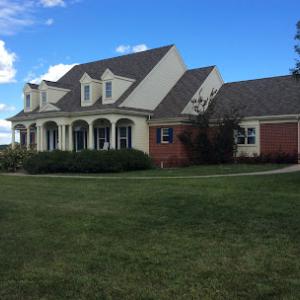
Borgmann Construction
(402) 841-0427 norfolkneroofer.com
1309 Logan St, Norfolk, Nebraska
4.8 from 22 reviews
We are a full service general contractor that specializes in roofing, gutters, siding, framing and metal building.
Blu-Roofing
(402) 841-2995 www.blu-roofing.com
500 David Cir, Norfolk, Nebraska
5.0 from 7 reviews
Blu Roofing’s approach to the roofing industry is unique in that it prioritizes the value in creating long lasting relationships that turn our customers into friends. We want to take care of our customers by offering them not only the knowledge to decide on the best roofing options for your property, but to develop a mutual trust that can be carried into other areas of life. With the abundance of knowledge in the claim process, a passion to be better than good in helping families through life’s unpredictable moments, Blu Roofing came up with a system that delivers through an effective team.

Abbott's Roofing, Siding, Gutters (Norfolk, NE)
Serving
5.0 from 56 reviews
"NORFOLK'S OLDEST, MOST TRUSTED ROOFER (SINCE 1978)" CALL The (#1 Roofing Company In Norfolk, NE) ABBOTT'S ROOFING, SIDING, GUTTERS (NORFOLK, NE) With Over (45+ Years (ROOF DAMAGE!) Experience) Residential & Commercial Roofing In Norfolk, Wayne, Madison, Pierce, Stanton, Albion, Tilden, Fremont, West Point, David City, Schuyler & Columbus, NE. "STORM DAMAGE EXPERTS" (HAIL/WIND DAMAGE?) (ROOF LEAKS?) (INSURANCE CLAIMS?) (CALL NOW!) & (GET IT DONE RIGHT!) Roofing, Roof Repair, Roof Replacement, Roof Installation, Metal Roofing, Roof Shingles, Roof Leak Repair, Vinyl Siding, Siding Repair, Gutters, Attic Ventilation. CALL TODAY! For Your (FREE) ROOF INSPECTION, Estimates & The #1 Roofing Contractors In Norfolk, NE.
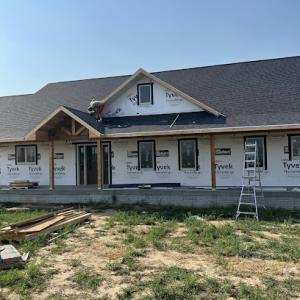
BRK Construction
Serving
5.0 from 1 review
BRK Construction, established in 1997 and based in Stanton, NE, is your trusted, family-owned partner for comprehensive home improvement services. Specializing in siding, gutters, windows, patches, repairs, and full roof repairs including metal roofing, we cater to both residential needs. Our experienced team is willing to travel to ensure your project is completed to the highest standards. We offer free consultations over the phone to discuss your project and provide expert advice tailored to your needs.
H & H Roofing
(402) 992-8133 handhroofs-norfolk.com
602 W Benjamin Ave Suite 1/2, Norfolk, Nebraska
We're H & H Roofing, and we've been a premier roofing company here in Norfolk, NE, since 2015. We offer residential, commercial, and agricultural roofing services, new construction, metal, and steel roofs, roof replacements and repairs, gutters, and much more. We're looking forward to growing our business to continue to serve Norfolk and the surrounding areas. For more information, contact H & H Roofing.

Addison Exteriors
600 Omaha Ave, Norfolk, Nebraska
Residential roofing, siding, seamless gutters, gutter guards, windows & doors, concrete, additions, decks & railings.
Lightning Exteriors
(888) 899-4245 lightning-exteriors.com
901 Georgia Ave Unit A, Norfolk, Nebraska
Our newest office in Norfolk, Lightning Exteriors is taking Nebraska by STORM! We do roofing and siding repair, installation. We work with your insurance company to get the job done right. Call today for a free exterior inspection on your most valuable asset.
When planning a full roof replacement, a building permit is typically required rather than treating the project as a no-permit maintenance item. The process helps ensure the work meets local codes and with the churn of spring hail and severe storms, a permit also provides documented safeguards for storm-related repairs. You'll want to start by confirming your project scope with the City Building Department so the permit type matches a full replacement rather than any minor or cosmetic changes. A clearly defined scope reduces delays and keeps the project moving through the permit desk and onto the roof with proper oversight.
The City Building Department is your point of contact for permit processing and inspection scheduling for reroof projects. They'll issue the permit, outline any required plans or notices, and schedule the required inspections as the work progresses. It's smart to line up a trusted contractor who is familiar with the local permit flow and the department's expectations for documentation, especially after a severe storm cycle when timelines can tighten. Having a coordinated plan between the contractor, the permit office, and your insurer helps avoid miscommunications that stall a replacement.
A final inspection is used to confirm completion and code compliance. The inspector will verify that ventilation meets code requirements, underlayment installation is correctly executed, and roof attachments are properly secured and installed. In this climate, proper attic ventilation and a weather-tight underlayment are critical for long-term performance, so the final review concentrates on these details as well as proper overlap, flashing, and edge detailing. Expect the inspector to review penetrations like vents, chimneys, and skylines for proper sealing and flashing integrity. The goal is to confirm the roof system works as a cohesive unit with the existing structure and meets current code expectations.
Keep all project documentation organized-permit approval, approved plans, material specs, and any change orders. Before the final inspection window, walk the roof with your contractor to confirm that all components are in place and any weather-related work is fully backfilled and sealed. If ventilation or underlayment upgrades were part of the plan, have receipts or manufacturer specs on hand to show compliance. On the day of inspection, ensure access is clear to attic spaces and roof lines, and that the contractor is available to address any questions the inspector may have.
Avoid delaying the final inspection by submitting incomplete information or missing signatures. If roof work extends into colder snaps or windy days, ensure temporary weather protections are in place and that any temporary covers meet safety standards. After the inspector signs off, secure any required occupancy confirmations or warranty disclosures so that the project is fully closed with proper documentation in place for future renovations or insurance references.
Winter freezes followed by thaw cycles in Norfolk can stress shingles, flashing transitions, sealants, and penetrations even when storm damage is not obvious from the ground. The alternating freeze and sun-warmed days cause micro-movements at every seam, clamp, and nail line. Those tiny shifts add up over a season, and a seemingly minor crack or loose edge today can become a noticeable leak after a spring rain. Pay attention to edges, ridge vents, and around vent stacks, where stress shows up first.
Flashings around chimneys, vent pipes, and skylights endure repeated contraction and expansion as temperatures swing. In a climate with harsh cycles, sealants can lose elasticity, edges can lift, and fasteners can back out slightly. If sealants look cracked or smeared with residue, a closer inspection is warranted. A single failed bead can channel moisture inward, and quick, discreet fixes may leave hidden damage to roof sheathing or underlayment that only shows up after a heavy rain or thaw.
Late-season repairs are riskier locally because fall winds can affect exposed edges and unfinished tear-off areas before a roof is fully dried in. If shingles are removed late in the year, moisture in the attic and decking may not escape promptly, increasing the chance of hidden rot. Wind-driven gusts can lift vulnerable edges, and crews finishing a tear-off may not achieve a complete dry-in before the first winter storms. Plan timing with an eye toward drying temps and uninterrupted access to the most exposed sections.
Summer heat in Norfolk can also affect asphalt shingle installation conditions and sealant behavior, making timing and crew practices more important than in milder climates. Excess heat can soften shingle tabs, causing adhesion issues or uneven seating if the roof is worked too aggressively in the afternoon sun. Humidity and heat impact drying times for sealants and underlayment, so precise coordination between weather windows, material batches, and crew workflow matters to prevent premature failures or punch-out leaks once the work is finished.
Look for hairline cracks along edge areas after warm days, lifted corners at eaves, or dark staining at penetrations after a thaw or rain. Track any sudden changes in attic temperature or unexpected condensation, which can signal hidden moisture intrusion. If ice dams form at the gutter line during a thaws-and-freezes cycle, that is a red flag that gutters, decking, or flashings may be compromised and deserve a careful, professional assessment before the next storm.
Nebraska's hail-heavy insurance environment means Norfolk homeowners should document every slope, accessory, and interior leak sign before temporary repairs or full replacement begins. In practice that means walk the entire roof line, note shingle edges, valleys, flashing, skylights, chimneys, and gutters. Take date-stamped photos from ground and attic, and keep a running storm timeline with dates and weather notes. If attic signs show moisture, document with boards or towels to prove leak onset, but avoid making interior damage worse.
Adjusters in this market may be selective about approving full replacement, so contractor verification of product type, damage pattern, and warranty implications can materially affect claim outcomes. Have the contractor sign off on the exact shingle or metal profile, confirm underlayment and venting details, and record observable damage patterns like random hail hits versus widespread wear. Request a written assessment that ties the observed roofing condition to storm dates, not general wear.
Because claim activity is common after severe weather in northeast Nebraska, homeowners benefit from date-stamped photos, written storm timelines, and line-item estimates that match the actual roof system installed. Create a digital folder with each photo labeled by date and location, plus a master log of who inspected and when. Keep copies of any correspondence, and ensure your timeline aligns with the contractor's estimate so the insurer sees a coherent, auditable story.
Use a storm-specific file to separate pre-loss, interim repair notes, and post-repair confirmations. When temporary tarps or coverings are installed, photograph both the immediate area and interior entries to show moisture control efforts. If a contractor recommends replacing, insist on a line-item scope that mirrors the installed system, including ice and water shield, vents, and flashing. This clarity helps speed settlement and reduces second-guessing during the review and follow-up.
Spring is the highest-risk season locally because hailstorms and thunderstorms can create new damage while also flooding contractor schedules. After a winter thaw, roofers are often juggling multiple calls, and tenants may be home during the day, making it easier to spot fresh bruises or granule loss. If you suspect new damage, you document the affected areas promptly, take clear photos, and note dates of storms to align with insurer timelines and adjuster visits.
With spring storms, it helps to create a rapid assessment routine. Inspect after each hail event, focusing on high-traffic areas and skylights, vents, and edge metal. Secure loose materials on your own property and keep a checklist for the contractor to address first when weather allows. You want to avoid long delays that push repairs into peak storm weeks, which can complicate scheduling with multiple clients in the same area.
Summer offers a larger installation window, but high heat can complicate asphalt handling and sealant performance on exposed roofs. When scheduling crews, aim for cooler mornings and use temporary shade or reflective covers if you have a long roof run. Expect asphalt products to cure more slowly in persistent heat, and plan ventilation and attic cooling to minimize interior heat during reroofing.
Projects pushed too late into fall face increasing wind exposure and a narrowing weather window before winter freeze conditions return. Start with a realistic target for weather-ready completion, and build margin for sudden cold snaps or storm delays. Have contingency storage for materials and secure loose items to avoid wind-driven damage during final weeks.
For Norfolk homeowners, roof planning is less about routine aging alone and more about how storm seasons repeatedly reset the replacement decision. Each spring hail and the accompanying thunderstorms can leave unseen damage that only shows up after a few warm-ups and freezes. Your house's age, roof type, and surrounding shade from large trees all influence how quickly you recognize the need to replace rather than repair. The goal is to map out a realistic post-storm path that aligns with the city's weather rhythms and your home's unique wear pattern.
After a severe storm, thorough documentation matters as much as any visible shingle lift. Start with clear photos from multiple angles, including interior signs such as ceiling stains or attic condensation. Keep a brief storm diary noting date, time, and hail size if known, plus any gutters or vent damage you observe. When you contact your insurer, present this record calmly and chronologically to avoid back-and-forth delays. A contractor who can distinguish cosmetic wear from functional damage-where water intrusion or underlayment compromise is possible-will help you avoid premature or delayed decisions.
In this climate, timing is everything. Storm seasons reset the replacement decision, but the most prudent path balances damage severity with the readiness of materials and crews. If damage is clearly functional or code-impacting, you'll likely need to act sooner to prevent secondary issues, especially through freeze-thaw cycles. If damage remains cosmetic, you may schedule a more measured assessment window to confirm long-term performance. In any case, choose a contractor who can provide a clear, phased plan that accounts for weather windows, lead times, and the typical local demand after a heavy hail event.