
Last updated: Apr 19, 2026
Spring in central Nebraska brings a sharp, high-energy punch to roofs. When hail storms roll through, you should expect a rapid escalation in roof assessments from your insurer and local pros. Shingles can hide damage beneath granules, while dented gutters and dented flashing signal more than cosmetic issues. In Kearney, this timing matters: inspectors show up quickly after storms, and beyond visible bruising, underlayment and deck integrity can suffer from storm-driven impacts. If a hail event hits, plan for a same-season evaluation and a decision window that aligns with the storm calendar, not whatever the calendar says about age. A prompt assessment helps prevent leaks from becoming widespread interior damage when the next round of weather arrives.
As temperatures drop and winds ramp up, tear-offs become a more delicate operation. Windy days in fall complicate removal of damaged shingles and installation of new material, and the resulting debris can bury or compromise gutters, vents, and coping. In practice, that means you could face delays that push work into less favorable conditions, with colder mornings and swirling debris that complicate flashing and ventilation work. If a project drags into winter, the risk shifts from immediate water intrusion to moisture-related issues inside attic spaces and along eave lines. Planning for wind season means scheduling crews with contingency windows and ensuring that fasteners, underlayment, and ventilation are staged for rapid, orderly installation when weather allows.
Because exposure to hail and wind can occur in the same claim cycle, replacement timing is driven by storm activity rather than the age of the roof. A roof that seems near the end of its life might still be structurally sound after a careful, professional evaluation, while a younger roof can suffer accelerated deterioration from repeated impacts and sustained wind loads. Insurance-driven timelines play a decisive role: documentation from a trusted local roofing contractor, paired with a timely adjuster inspection, often determines whether replacement occurs promptly or gets deferred until a more favorable window. The local pattern is clear: orchestrate the timing around the storm calendar, prioritize thorough inspections, and align the build phase with the local post-storm inspection regime. Delays in planning can cascade into higher risk of leaks and wind-driven damage during the next wind event or freeze-thaw cycle.
During spring storms, arrange a rapid, independent roof inspection as soon as conditions permit. If damage is confirmed, prepare for a decision within the storm season rather than waiting for a clock that ignores the actual risk cycle. In fall, build a contingency plan for tear-off work that can adapt to wind forecasts and chilly mornings, ensuring adequate debris containment and secure flashing installation. In all cases, maintain clear communication with the insurer and the contractor, document storm impacts comprehensively, and prioritize complete replacement only when the assessment shows compromised underlayment, flashing, ventilation, or structural panels. The highest priority is preventing moisture intrusion and ensuring a durable seal before the next cycle of hail or wind arrives.
Nebraska is a high-claim hail and wind market, and Kearney homeowners should expect insurers to request roof-condition photos and contractor estimates as part of the process after a major storm. The typical claim path in this region involves a combination of field photos, a tempered initial assessment, and a follow-up estimate from a contractor who can speak to the roof's age, materials, and current condition. After a weather event, preparation matters: insurers look for a clear link between the storm and visible damage, plus credible cost estimates that reflect local materials and installation realities.
You are aiming to present a complete, organized package that avoids back-and-forth delays. Start with a chronological folder: recent roof photos showing any curled, missing, or discolored shingles, granule loss on gutters or the yard, and any visible flashing or vent damage. Include close-ups of hail impact patterns if you can safely capture them. Gather contractor estimates that break out materials, labor, underlayment, flashing, and any temporary repairs you propose. If timelines or scheduling matter, note dates you contacted professionals and any delays in response you encountered. In Kearney, having both a current photo set and a detailed estimate ready helps the adjuster see the scope quickly and reduces later questions.
Adjuster visits are commonly part of the local claims process after major storms affecting neighborhoods around town. Expect an in-person review to verify the roof's condition, confirm previous work, and assess whether wind or hail damage exceeds normal wear. If the adjuster identifies areas for temporary protection or prudent repairs, be prepared to discuss those options and gather third-party opinions on required materials or fasteners. Keep your calendar flexible for a potential second visit if the initial inspection raises questions about underlying underlayment, venting, or flashing.
In this region, claim readiness is especially important after spring storm events because contractor demand can surge quickly and delay inspections or temporary repairs. Do not wait on urgent repairs if they are necessary to prevent interior damage; document your temporary measures with photos and keep receipts. If you anticipate a surge in contractor availability, assemble your key documentation early, and communicate clearly with your insurer about preferred timelines. Having a ready-to-submit packet reduces the risk of inspection backlogs and helps ensure the claim reflects current risk and condition, not an altered view caused by weather-related scheduling bottlenecks.
Maintain a current file of high-quality photos and a running log of storm dates, neighborhood reports, and any shards of evidence you find on your own roof. Reach out to a local, reputable roofer who understands Kearney's climate and build quality, and request a detailed, itemized estimate that can be attached to the claim. When an adjuster schedules a visit, prepare a list of questions about flashing, ventilation, underlayment, and fastener quality, and request a review of any temporary repairs for compliance with the eventual permanent repair plan. This approach keeps the process steady, minimizes surprises, and aligns your documentation with what the local market expects.
Connect with contractors who help homeowners navigate the claims process from damage assessment to final approval.
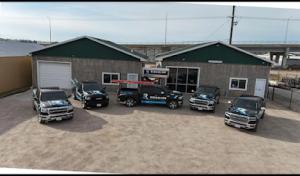
Ridgeline Exteriors
(308) 627-4780 www.ridgelineexteriorsllc.com
2120 N Ave, Kearney, Nebraska
5.0 from 49 reviews

Quay Roofing
(308) 455-7375 www.quayroofing.com
4009 6th Ave Suite 7, Kearney, Nebraska
4.9 from 38 reviews
Ridgeline Exteriors
(308) 627-4780 www.ridgelineexteriorsllc.com
2120 N Ave, Kearney, Nebraska
5.0 from 49 reviews
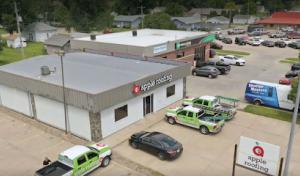
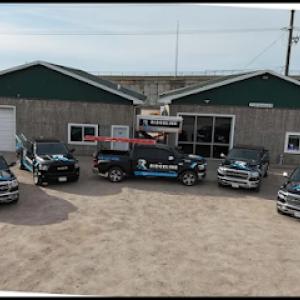
Ridgeline Exteriors provides trusted roofing, siding, gutters, and storm repair in Central Nebraska, including Kearney, Grand Island, Hastings. Call us today!

Quay Roofing
(308) 455-7375 www.quayroofing.com
4009 6th Ave Suite 7, Kearney, Nebraska
4.9 from 38 reviews
We are a Nebraska based roofing company that specializes in insurance claim repairs. We take the stress off your plate when dealing with your insurance company. We love building relationships in the community and providing a top notch product to our customers. Quay is said "key".
Apple Roofing
1312 2nd Ave, Kearney, Nebraska
4.7 from 81 reviews
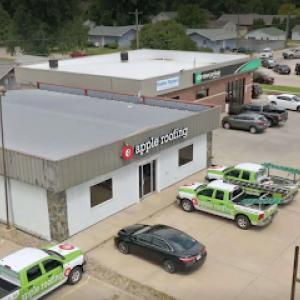
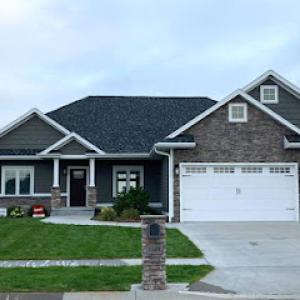
Apple Roofing, based in Kearney, Nebraska, brings small-town values and top-tier craftsmanship to residential and commercial roofing. Serving Kearney and the greater Midwest, we specialize in roof repair, roof replacement, and emergency roof services. Our team works with all major roofing systems including asphalt shingles, metal roofing, TPO, and EPDM, delivering solutions for homes, apartment complexes, schools, retail centers, and government buildings. We also offer siding, windows, gutters, and storm damage repair. Whether it’s maintenance or a full roof install, our mission is to protect your investment with quality and care. That's the Apple Way.
All American Roofing
(308) 455-7361 www.aaroofingpro.com
3503 2nd Ave, Kearney, Nebraska
4.8 from 54 reviews
All American Roofing owner Randy Grindle brought together the best in the business to create his dream company. Though he takes pride in all aspects of roofing, working and living in central Nebraska has given him a passion for quick, efficient and transparent repairs to storm-damaged homes. Randy is also a twice-deployed veteran and wants to give back to veterans and first responders, which is why he offers discounts to active and veteran members of the military as well as local first responders.
White Castle Roofing - Kearney
(308) 455-4780 whitecastleroofing.com
1005 Central Ave, Kearney, Nebraska
5.0 from 20 reviews
Built with Trust. Proven by Time.
Tillotson Enterprises
(308) 234-2029 trusttillotson.com
6430 US-30, Kearney, Nebraska
4.9 from 21 reviews
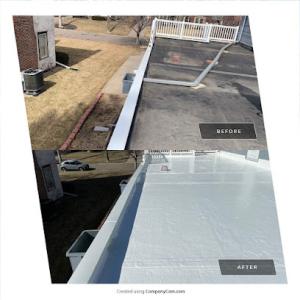
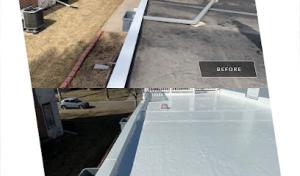
Since 1991, Tillotson Enterprises has been Kearney, NE’s trusted leader in commercial roofing, with offices in Lincoln, Omaha, Aurora, and Kearney. Our employee-owned company & highly trained team deliver long-lasting solutions through roof coatings, single-ply roofing, metal roofing, spray foam roofing, flat roofing, spray foam insulation, concrete lifting, foundation repair, and waterproofing. Known for honesty, integrity, and exceptional craftsmanship, we restore flat and metal roofs, improve energy efficiency, and protect homes and businesses from structural damage. Schedule your free on-site estimate and see why Kearney, NE, relies on Tillotson Enterprises for quality and reliability.
Buffalo Roofing
(308) 224-3163 buffaloroofingne.com
2608 US-30, Kearney, Nebraska
4.6 from 77 reviews
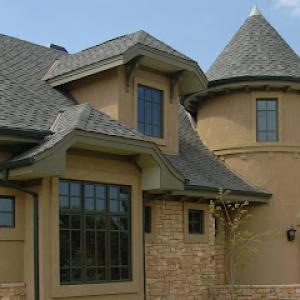
Residential & Commercial Roofing company based in Kearney, NE.
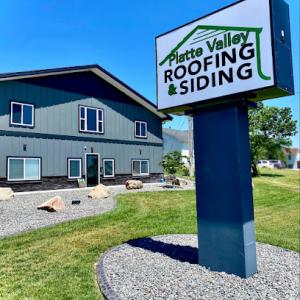
Platte Valley Roofing & Siding
(308) 440-8993 www.pvroofingsiding.com
5401 US-30, Kearney, Nebraska
4.7 from 45 reviews
PVRS has been proudly serving Kearney and neighboring communities since 2014. As a locally born, owned, and operated business, we specialize in roofing, siding, soffit, fascia, gutters, and more. Whether it's new construction installations or comprehensive exterior remodels, we're here to bring your vision to life. In addition to our services, we offer assistance with storm damage, insurance claims, and personalized design consultations, complete with 2D and 3D rendered images to visualize your project's potential. Integrity and customer care are at the forefront of everything we do, we treat each client like we would our own family. We’re always happy to help, give us a call or submit your info on our site to get on our list.
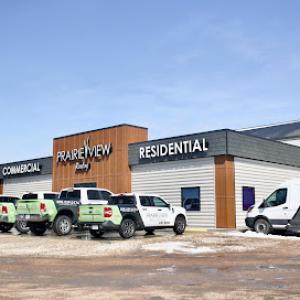
Prairie View Roofing
(308) 339-0174 www.prairie-view.com
4209 Hancock Ave, Kearney, Nebraska
4.9 from 14 reviews
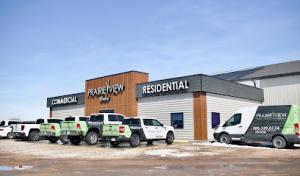
Prairie View Roofing is a locally owned and operated commercial and residential exterior contractor. We offer a full line of commercial roofing options for repair and replacements of all types of low slope roofing. We also provide expertise and installation of the highest quality siding, roofing and gutters for your home or business.
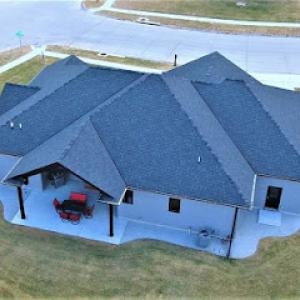
Titan Roofing
(308) 440-4667 titanroofingne.com
4307 Palamino Rd, Kearney, Nebraska
5.0 from 13 reviews
Titan Roofing is an industry leading roofing contractor that has been proudly protecting Nebraska roofs since 2001. We specialize in all types of asphalt shingling and seamless gutter and downspout systems. So, whether it's hail or wind damage, or just time upgrade your roof, we've got you covered.
Dialed-In Roofing
(308) 708-8482 www.dialed-in-roofing.com
2106 N Ave, Kearney, Nebraska
5.0 from 8 reviews
"At Dialed-In Roofing, founded by two brothers born and raised in Kearney, NE. Our mission is to deliver unparalleled precision and the highest level of customer service in every roofing project we undertake. We are committed to exceeding client expectations through meticulous attention to detail, innovative solutions, and a relentless pursuit of excellence. With a focus on quality craftsmanship and transparent communication, we aim to build lasting relationships with our clients, ensuring their complete satisfaction and trust. Our goal is to be the roofing company of choice, known for our unwavering commitment to excellence and customer satisfaction."
C Squared Roofing
(308) 293-8720 www.facebook.com
4719 29th Ave, Kearney, Nebraska
5.0 from 7 reviews
C Squared Roofing offers reliable and trusted Roofing Contractor services in Kearney, NE and all surrounding areas
When a full re-roof is on the table, a permit from the local Building Department is part of the process. In this city, the permit step is not optional and helps ensure the work meets code requirements for structural support, underlayment, ventilation, and nailing patterns. Before any shingles come off, confirm that the contractor has the necessary permit in hand or will obtain it in your name. A proper permit helps with scheduling inspections and reduces the risk of a later punch list that could delay closeout during the busy storm season. Keep a copy of the permit handy on site for easy reference.
The post-install inspection is a key safeguard here. Inspectors verify underlayment and flashing are correctly installed, ventilation is positioned to support attic air flow, and nailing patterns meet code for wind resistance. The goal is to catch issues that could lead to leaks or wind-driven failures after the roof is in place. Expect the inspection to occur after the new roof is laid but before temporary protection is removed for the final pitch. If the installer needs to adjust flashing around vents, chimneys, or skylights, those corrections should be completed prior to the inspector's arrival to avoid a second trip.
Weather windows matter for both installation and inspection timing. Mid-winter freezes or sudden spring storms can push the inspection date out, which in turn can affect how quickly a storm-season replacement closes out. Plan for a potential hold if rain or high winds are forecast, and coordinate with the contractor to ensure underlayment and flashing are ready for inspection as soon as dry conditions return. If a delay occurs, confirm with the Building Department whether the permit remains active and what steps trigger a re-inspection so the project doesn't stall at the worst moment of the season.
Coordinate early with a licensed roofer who understands the local permit process and inspection expectations. Request a pre-inspection checklist specific to your property to ensure the crew covers all items-underlayment, flashing, ventilation, and proper nailing-before the official inspection. Keep lines of communication open with the contractor and the Building Department so timing can be adjusted smoothly around weather gaps, ensuring the project can proceed without unnecessary delays and can be closed out promptly when conditions permit.
Kearney's dominant residential roofing materials are asphalt shingles and metal roofing, with tile, wood, and synthetic options present but less common. Asphalt shingles offer straightforward replacement and broad color choices to suit local home aesthetics, while metal roofs stand up well to the area's hot summers and windy springs. In neighborhoods with newer homes or mid-century bungalows, asphalt remains a practical baseline, but metal can be a smart upgrade where longevity and wind resistance matter. Tiles and shakes appear primarily on higher-end or architecturally distinctive homes, where a heavier roof structure and careful flashing are already considerations. Synthetic shingles mimic asphalt performance with added impact resistance and lighter weight, making them a reasonable middle ground for evolving styling without sacrificing reliability.
Central Nebraska's freeze-thaw cycles and hot summers drive repeated expansion and contraction in shingles, flashings, and fasteners. That means a roof should tolerate volatility without compromising granule retention or fastener integrity. Asphalt shingles with a true 110-130 mph wind rating and robust sealant tabs perform well in this climate, provided attic ventilation keeps interior temperatures moderated. Metal roofs excel under heat and wind, shedding hail impact more predictably and offering excellent longevity when fasteners are installed with proper sealant and corrosion resistance. Tile and wood options bring distinctive looks, but require careful underlayment, appropriate roof deck, and higher structural support to manage thermal movement and potential cracking in freeze-thaw cycles. Synthetic options often blend resilient cores with flexible facings, which helps during abrupt temperature swings while maintaining easier installation and repair.
Spring hail risk makes impact resistance and post-storm repairability practical concerns here. For asphalt, choosing impact-rated shingles can reduce the likelihood of denting or cap failure after a hail event, and opting for a color with good UV reflectivity helps lessen heat-related curl during hot months. Metal roofs generally withstand hail better and can sometimes avoid the granule-loss that weakens asphalt over time; however, ensure coatings resist corrosion and scratches, especially on coastal-edge edges and flashing.details. Tile and wood respond differently: tile can crack under heavy hail, increasing repair complexity, while wood must be treated to resist moisture and insect exposure after storms. Synthetic shingles tend to balance impact resistance with ease of repair, often allowing quicker post-storm work without a full roof replacement.
Given the cycle of storms, a practical approach is to pair a durable underlayment with flashing designed for high wind, plus ventilation that moderates attic temperatures. In areas where homes commonly feature asphalt or metal, focus on securing edge details, valley flashings, and chimney/vent terminations, as these areas bear the brunt of expansion stress. Regular inspections after major hail events protect value and performance, helping you catch fastener loosening, missing granules, or compromised underlayment before leaks develop. The best choice balances local weather demands with your home's structure and aesthetic, ensuring reliable performance through Kearney's dramatic seasonal shifts.
In Kearney, the after-storm period often reshapes what you'll see on job bids. Asphalt shingles run about $350 to $550 per square, while metal roofs typically range from $700 to $1300 per square. Clay tile projects clock in from $900 to $2000 per square, concrete tile from $800 to $1700 per square, and wood or synthetic/composite options sit around $500 to $900 per square. These figures reflect typical local material costs, but demand spikes after spring hail events can push numbers higher across central Nebraska communities. If your plan is a mid-range replacement, you'll likely land in the asphalt or metal bands, with higher-end tiles reserved for specialty homes or larger reroofing projects.
Storm season doesn't just bring more storms; it shifts the market tempo. After a big hail event, replacement demand spikes and local suppliers and crews get booked up quickly. That means even if the material price remains relatively stable, the labor side of the equation can tighten, leading to shorter windows for scheduling and higher crew rates to secure timely work. In practice, a roof that might have waited a few weeks can jump into a tight window as neighbors line up for the same crews and materials. If your roof is near the end of its life or shows persistent leaks after a hail event, expect a tighter bid window and a possibility of expedited timelines, which can affect overall cost through overtime or rush fees.
Begin with a two- to three-quote plan, focusing on asphalt and metal as your baseline options. Compare not just price per square, but the installed package: underlayment, flashing, venting, and fastener quality-these are critical in the local freeze-thaw cycles. If you're choosing tiles (clay or concrete), build a contingency for transit and handling care, since heavier systems require crane access and crew coordination that can stretch schedules after busy springs. Finally, plan for weather-induced delays by budgeting a modest cushion in both time and labor costs; a few days' delay can shift mobilization and inspections, affecting total project cost even when materials themselves aren't changing.
Don't let upfront costs delay a critical repair - these contractors offer payment plans to fit your budget.
Buffalo Roofing
(308) 224-3163 buffaloroofingne.com
2608 US-30, Kearney, Nebraska
4.6 from 77 reviews
Kearney roofs face winter freeze-thaw cycling that can worsen small flashing gaps and fastener movement over time. In the heart of central Nebraska, overnight freezes after daytime sun can make shallow gaps in step and base flashings act like tiny leaks waiting to happen. When temperatures swing, fasteners can back out minutely, and loosened nails align with the next freezing cycle to create slow, creeping roof weaknesses. The result is not dramatic failure, but a compounding of minor gaps that become noticeable leaks after a heavy snow melt or a sudden thaw.
Hot central Nebraska summers can affect shingle handling and dry-in timing, especially when thunderstorms interrupt installation windows. Materials that are pounded or stapled during peak heat behave differently once humidity shifts or a thunderstorm stalls progress. Warped bundles, accelerated drying, and rushed nailing can leave voids under shingles or imperfect seals. When storms interrupt work, the risk is not only weather delay, but a stretched dry-in period that invites shingles to misseat as temperatures swing from hot afternoons to cooler evenings.
The combination of winter cold and summer heat in Kearney makes ventilation verification especially relevant during the city's required post-install inspection. Proper intake and exhaust venting ensures attic air is balanced, reducing condensation pressure that can lift flashing or push fasteners slightly out of place. If soffit baffles aren't positioned correctly or attic fans aren't coordinating with roof vents, heat buildup can compromise underlayment seams and shingle performance. A thorough check during inspection helps catch these issues before they become active leaks.
A cautious approach during winter and late-summer work reduces long-term risk. Ensure flashing gaps are sealed with compatible sealant, fasteners are driven to the correct depth, and ventilation paths are clear and continuous from soffit to ridge. In a climate where a single season tests the roof, this attention is what keeps small flaws from turning into bigger repair questions years after it's installed.
In Kearney, commercial roofing is a meaningful part of the market, and homeowners with additions, porches, or low-slope sections may encounter contractors who blend residential and commercial approaches. You'll notice crews that bring bulk-metal experience or membrane familiarity alongside traditional shingle know-how. The key is to gauge whether a contractor can translate durable water management and flashing details from a low-slope system into the home's broader envelope. Pay attention to references from nearby businesses or nonprofit facilities with similar roof compositions, since that practical track record often translates into fewer surprises on your own project.
Summer thunderstorms can complicate dry-in on low-slope sections where water management is less forgiving than on steeper roofs. If your project involves additions or a porch roof, plan for a longer dry-in window and clear staging that keeps rain out of joints, penetrations, and edge details. Ask for a written sequence that shows how underlayment, flashing, and drip edge will be installed before any membrane or coating arrives. A reliable crew will verify that skylight and vent penetrations are sealed with compatibility and tested for wind uplift, especially during abrupt Nebraska storm cycles.
Roof coatings appear in the local contractor mix but are not a dominant residential solution in this area compared with full storm-related replacement work. Coatings can be appropriate for limited patches or maintenance boosts on flat or gently sloped sections, yet they rarely replace the structural and flashing upgrades needed after hail or high-wind events. If a coating is proposed, seek a detailed discussion about surface preparation, primer compatibility, and expected longevity under heavy-use zones like porches or equipment-mounted areas.
Post-storm checks matter, particularly when mixed roof types exist on a single property. Establish a routine to inspect flashing joints, edge fasteners, and evidence of wind uplift around penetrations. During the hot months, confirm that any low-slope area drains properly and that adjacent slopes shed water without pooling. A proactive approach helps prevent accelerated wear and reduces the chance of leaks after severe hail or storm activity.
Find specialists in TPO, EPDM, and built-up flat roofing systems for residential and commercial properties.
Tillotson Enterprises
(308) 234-2029 trusttillotson.com
6430 US-30, Kearney, Nebraska
4.9 from 21 reviews
Prairie View Roofing
(308) 339-0174 www.prairie-view.com
4209 Hancock Ave, Kearney, Nebraska
4.9 from 14 reviews
Kearney's storm-driven roofing market makes temporary protection important when hail or wind damage happens during busy claim periods. When the next hail blitz rolls through, a damaged roof can fail quickly under wind gusts or driving rain. You should prioritize rapid tarping or boarding to prevent interior leaks and further damage to attic spaces, ceilings, and insulation. A tarps-on approach buys you precious hours to coordinate repairs without inviting mold or water intrusion deeper into the house. Have a tarp, plywood, and sturdy fasteners ready, and place coverage over obvious weaknesses with the edges weighted and secured to resist gusts. If a leak is actively dripping, focus on the worst-affected area first and avoid walking on a compromised roof where shingles or underlying decking may be loose.
Winter snow and ice in central Nebraska can delay permanent repairs and make safe roof access harder after a leak starts. In cold snaps, tarps can freeze or slide, and ladder use becomes riskier. Plan for contingencies: clear a path to the most accessible section of the roof from ground level, keep a second person nearby for spotting, and use non-slip footwear and harnesses when work is needed on the roof deck. If you're dealing with ice damming, address interior condensation and insulation issues first to reduce ongoing water intrusion while awaiting a temporary fix.
Quick-response service is a visible priority in the contractor market, reflecting homeowner demand for fast tarping and stabilization after storms. Seek a contractor that offers 24/7 triage, rapid on-site assessment, and documented temporary protection solutions. Keep emergency contact numbers handy, photograph damage from multiple angles, and share them with your contractor to accelerate assessment and scheduling. After stabilization, plan a coordinated follow-up for permanent repairs to minimize further weather exposure.
When you can't wait, these contractors offer fast response times to stop leaks and prevent further damage.
After a tear-off during windy periods, cleanup becomes a real selling point. Homeowners in this market expect debris to stay put until crews finish, then a thorough sweep of the yard, driveway, and street. Use heavy-duty tarps and magnetic sweepers to catch nails, shingles, and lighter fragments that can travel with a gust. A clean site reduces trip hazards, prevents nail pops in nearby yards, and keeps neighboring properties from filing complaints after a storm.
In this climate, the detail work matters more than cosmetic finish. The post-install inspection places special emphasis on flashing details around joints, chimneys, valleys, and roof-to-wall transitions. Inspect each step-flash, counter-flash, and drip edge for proper seating, tight seams, and continuous coverage. Ensure that underlayment is continuous and well-secured at eaves and rakes, and verify that ventilation channels have unobstructed intake and exhaust paths. The emphasis is on preventing leaks where wind-driven rain tends to intrude.
Nailing patterns and sealant choices hold up through freeze-thaw cycles. Check that fasteners penetrate into solid framing and are not exposed where ice can form around them. Sealing around penetrations should be tight but not starved of movement, to avoid cracking during temperature swings. Transitions-from roof to vent stacks, pipe penetrations, and skylight openings-require extra attention in this market, since movement and ice accumulation can expose gaps if left unchecked.
Skylight service exists in the local market but appears as a niche specialty rather than a defining feature of most jobs. If a skylight is present, anticipate inspecting its sealant, flashing pan, and surrounding backer materials during the detail phase. Replace worn gaskets or cracked caulk promptly, and verify that flashing around the skylight directs water away from the curb without lifting under wind pressure.
Conclude with a thorough clean-up pass and a wind test by walking the perimeter, listening for loose granules or rattling flashing. Confirm that all tools, fasteners, and debris are cleared, and that gutters and downspouts are not obstructed by leftover material. A diligent finish, especially after storm-season work, helps ensure long-term performance and neighborhood peace of mind.
Find contractors experienced in skylight installation, flashing, and leak repairs to bring natural light into your home.
Ridgeline Exteriors
(308) 627-4780 www.ridgelineexteriorsllc.com
2120 N Ave, Kearney, Nebraska
5.0 from 49 reviews