
Last updated: Apr 19, 2026
The eastern Sierra foothills give this neighborhood a distinct hard-won climate: blistering sun from a clear, dry sky, big day-night temperature swings, and winter freezes that bite the edges. The roof bears the brunt of intense UV rays in summer, which ages shingles and underlayment faster than milder markets. In winter, every thaw followed by a new freeze tests sealants, flashings, and the edge details where water can sneak in. When you plan repairs or replacement, think in terms of how those cycles will interact with your chosen materials over 15 to 30 years.
Shingles and tiles aren't just about a look; they're a shield against sun and cold. Asphalt shingles can seem durable in the short term, but the sun and heat shorten their lifespan here more than in coastal areas. If you're choosing a roof, consider materials that handle the sun's UV exposure without chalking or curling too quickly. Metal roofs tend to resist heavy hail and can shed heat well, but note that expansion and contraction with temperature swings can stress fasteners and panel seams if the system isn't installed with proper gaps and imbedment. Tile options-both clay and concrete-offer excellent longevity in the sun and insulation benefits, yet the weight matters and the underlayment plays a critical role in handling freeze-thaw cycles. Wood shingles or shakes carry a rustic look but must be treated for UV degradation and moisture changes; they can be more susceptible to cracking if the freeze-thaw pattern is severe. Synthetic or composite shingles can be a good middle ground, offering lighter weight and enhanced UV resistance, but ensure the product is rated for high-desert exposure and temperature swings.
Underlayment should be chosen with attention to how quickly surfaces can heat up and then cool down. A reflective or energy-efficient underlayment can help reduce the attic heat load, which in turn stabilizes roof deck expansion pressures. Flashings around chimneys, vents, and skylights deserve extra scrutiny in this climate because repeated heating and cooling can loosen joints and cause slow leaks that aren't obvious until a heavy rain or snow hits. In practice, this means if you're inspecting after a dry spell or following a monsoon event, check for hairline cracks or displaced sealant in these areas. High-desert roofs profit from a proactive approach: inspect and reseal flashings before a cold spell, and ensure slope details are clean and free of debris that can trap water during sudden summer storms.
Carrying out two targeted checks per season keeps the roof resilient. After the peak summer heat, walk the perimeter to look for blistering or curling shingles, especially at edges and near flashing points. If you spot UV aging or granule loss, plan a targeted repair rather than waiting for a full reroof. In late fall, before the first hard freeze, re-seal penetrations and verify that snow guards (where installed) are secure and that drainage pathways remain clear. When winter storms arrive, monitor the roof after heavy precipitation and temperature fluctuations; the freeze-thaw cycle is when vulnerability becomes visible, and small leaks can become big problems if left unattended.
Late-summer monsoon activity in the Reno-Carson City area can bring brief hail and sudden wind-driven rain after long dry spells, exposing brittle or UV-aged roofing materials. If you live in a section prone to microstorms, you'll notice more granule loss around hail impact points and edge damage. The practical response is to perform a careful post-storm inspection: look for new dents, lifted shingles, or signs of compromised sealant at edges and joints. Address material weaknesses promptly to prevent water intrusion during the next rain event.
The choice of roofing type should balance sun exposure, winter strain, and local weather events. If you suspect long-term exposure has aged the deck, or if the current roof shows frequent repairs around flashings or underlayment, examine whether a different material class would better withstand the climate. For homes with steep pitches and strong sun, a robust underlayment, reinforced flashing details, and a roof assembly designed for expansion-contraction will pay dividends in reduced maintenance and longer service life. In this setting, the annual rhythm of inspection-seasonal checks for UV wear, sealant integrity, and drainage-becomes your best defense against early material fatigue.
Asphalt shingles are a common sight on local homes, but the high-desert sun and dry heat accelerate granule loss and surface aging more quickly than in milder climates. That means you may see faster color fading, more brittle edges, and heightened insulation wear over time. When you choose asphalt, look for a premium shingle with strong UV protection and a solid warranty, and pair it with a reflective underlayment and an attic ventilation plan that keeps attic temperatures from spiking. In a typical home, expect careful inspection of edge and hip details after summer heat waves, since heat cycling can loosen fasteners and accelerate minor deck movement.
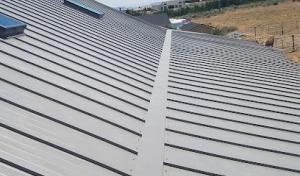
Metal roofs handle sun exposure and snow shedding well in this high-desert environment, delivering durable performance with minimal maintenance when installed correctly. The key here is detailing at penetrations and along edges. Carson City homes often feature complex roof lines, which means flashing, valley joints, and transitions must be heat- and wind-rated for the region. If a metal roof is chosen, insist on continuous metal underlayment in exposed areas, well-sealed seam overlaps, and properly integrated venting. Regular inspections should focus on wind-driven debris around ridge caps and the condition of sealant at eaves, where sun and cold swings can stress joints.
Clay and concrete tiles fit much of the western Nevada aesthetic, pairing well with the landscape and climate. In freeze-thaw conditions, the tile itself remains durable, but the underlayment, flashing details, and the replacement of slipped or cracked tiles matter as much as the tile itself. Concrete and clay tiles can crack when water intrudes at fastener or edge areas during rapid temperature swings, so ensure mismatches between tile and underlayment are minimized. Choose a system with a robust underlayment and a tile layout that reduces wind uplift risk. Regular inspection should verify that cracked or slipped tiles are addressed promptly to prevent water intrusion during winter thaws.
Concrete tiles offer a sturdy option for heavy Nevada sun and cold nights, provided installation emphasizes moisture management and edge protection. In this climate, expansion joints and proper sealing around roof penetrations are critical because temperature-driven movements can stress the fasteners and sealants. Look for a tile system that includes compatible sealants and a reinforced eave detail to handle afternoon sun and snowmelt runoff. A well-executed system minimizes granule loss and reduces maintenance challenges when a storm or blustery wind sweeps through late summer.
Wood shingles or shakes bring a traditional look but need extra attention to UV exposure and dryness. In the hot periods, wood dries quickly, increasing the risk of weathering and split fibers; in winter, freeze-thaw cycles can push moisture in, causing warping. If choosing wood, opt for treated, kiln-dried stock and high-quality flashings, plus regular resealing. Synthetic or composite shingles offer improved resistance to UV aging and can outperform natural products in this climate when paired with a proven ventilation and moisture-control strategy.
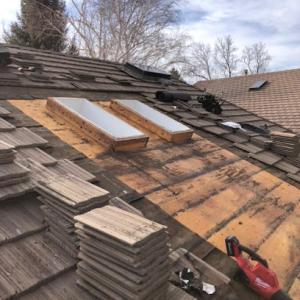
Dave Newell Roofing
(775) 515-4199 davenewellroofing.com
1753 Gregg St, Carson City, Nevada
5.0 from 20 reviews
Dave Newell is a veteran roofing expert with over 40 years of hands-on experience in the industry. Operating in Northern Nevada since 1990, Dave leads a family-owned and operated company based in Northern Nevada. With a reputation for quality, integrity, and personalized service, Dave Newell Roofing specializes in a wide array of roofing solutions, from traditional shingle and tile installations to modern single-ply and metal roofing systems. Committed to solving even the most challenging roofing issues, Dave and his team are the go-to experts for both residential and commercial projects
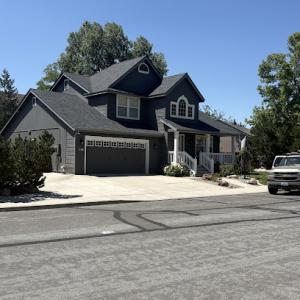
Nicholson Roofing
(775) 450-7907 nicholsonroofingllc.com
2100 Poole Way, Carson City, Nevada
4.8 from 22 reviews
Nicholson Roofing is a family-owned and operated roofing contractor with over 30 years of experience. We specialize in commercial and residential roofing, and we use only the highest quality materials. We offer free estimates and consultations, so please contact us today to learn more about our services.
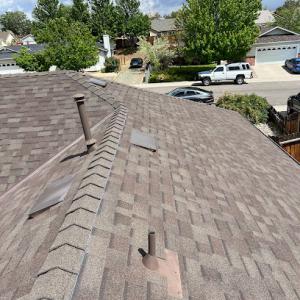
A&Z Roofing
(775) 600-6044 www.azroofingnv.com
1300 N Edmonds Dr, Carson City, Nevada
5.0 from 3 reviews
A&Z Roofing is a roofing contractor that specializes in residential and commercial, sloped and flat roof installations, roof inspections and roof repairs. Our team has been serving Northern Nevada for over 20 years and in that time we have worked with all roofing materials available in the market. We can provide the experience and quality required of high-end homes as well as servicing new developments and multi-unit properties efficiently. We look forward to earning the opportunity to service your roof and protect your home. Give us a call at 775-600-6044.
Northern Nevada Roofing Specialist
180 Riparian Way, Carson City, Nevada
5.0 from 1 review
We have been in business for 25 years locally owned.
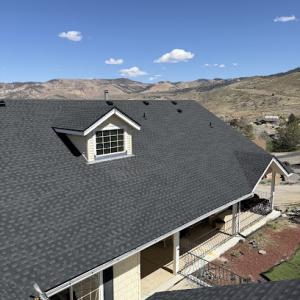
Bighorn Roofing
(775) 379-8565 bighornroofingnv.com
Serving
5.0 from 10 reviews
Locally Owned Your Roof. Our Reputation. Serving Northern Nevada with quality roofing you can trust — family-owned, locally operated, and committed to craftsmanship. Attention to detail, we provide a full consultation to explain your available options so that you can choose the roofing plan that’s right for your home or business. We will work with you and adhere to your personal needs, and then we'll be in contact through the whole project.
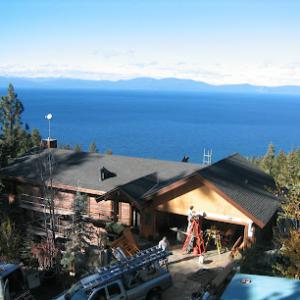
Tahoe Pro Roofing
(530) 541-4052 www.tahoeproroofinginc.com
Serving
4.9 from 27 reviews
Nevada/California Roofing Contractor
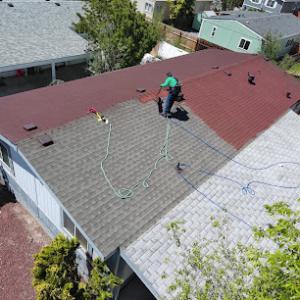
Roof Reborn
(866) 997-3267 myroofreborn.com
Serving
5.0 from 62 reviews
Roof Reborn is a roof rejuvenation company based in Reno, NV with one simple goal: to help you save money by going green with a roof rejuvenation. Typically, when asphalt shingle roofs reach the end of their estimated lifespan, most homeowners will logically go with a roof replacement. However, roof rejuvenation is a better alternative, as it provides numerous benefits for your home, business, the environment, and of course your wallet.
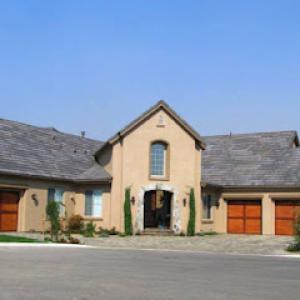
Burke Roofing
(775) 453-1323 www.burkeroofinginc.com
Serving
4.2 from 49 reviews
Roof Repairs and New Construction - Specializing in Sun Tunnel and Sky Light Installation

Global Commercial Roofing
(775) 391-2514 commercialroofingnv.com
Serving
5.0 from 7 reviews
At Global Commercial Roofing, we specialize in polyurethane spray foam roofing. We also handle any type of commercial flat roofing project, from modified bitumen, single ply TPO to silicone roofing. We also offer as commercial roof maintenance plans.
Heritage Roofing
(775) 831-1144 heritageroofingsales.com
Serving
3.0 from 2 reviews
We are a premier roofing contractor serving the Reno-Tahoe area, specializing in top-quality installations for commercial and residential properties, along with advanced heat systems. Trust us to deliver exceptional services in Sparks, Minden, Carson City, Lake Tahoe, Reno, and beyond. We have proudly been in business for 30+ years and look forward to helping you with your roofing needs. Contact us today to book!
When winter storms roll in, you'll notice tears-off can be paused, and decking can sit exposed to moisture or sudden cold snaps longer than you expect. In this high-desert setting, scheduling becomes more sensitive than in milder southern Nevada markets. If a storm looks likely, coordinate with your contractor in writing to lock in a safe window for any roof removal and decking inspection, and plan for potential moisture intrusion during delays. Have a measured plan for when to cover exposed decking with breathable, moisture-resistant barriers and to vent any lingering damp areas quickly once the storm passes. Expect that frost will form hard edges on ladder feet, fastenings, and underlayment seams, so allow extra drying time before any membrane or shingle installation resumes. If you're aiming for a dry, uniform installation, push for a weather-smart sequence: clear, dry days first, then progressive, staged work with daily wind and temperature checks. In a pinch, temporary tarps can keep critical areas dry without trapping heat or moisture beneath the roof deck, but they must be secured against gusts.
Summer heat in the Reno-Carson City corridor taxes both crew endurance and material handling. Early-day scheduling matters: start at dawn, pause through the peak heat window, and resume when shade and cooler temps return. Heat accelerates fastening and adhesive curing, but it also raises risk for worker fatigue, heat-related illness, and material handling mistakes. Plan more frequent water breaks, set up shaded staging areas, and coordinate with the crew to move slowly but steadily through sensitive phases like underlayment and open-roof work. If you're using lightweight metal or synthetic products, pre-cut and pre-fabricate in cooler mornings to minimize scorching during on-site assembly. Communicate clear safety checks for skin protection, asphalt shingle conditioning, and the handling of long runs to prevent warping or misalignment in the evening breeze.
Late-summer monsoon storms can interrupt active roofing jobs with short-notice rain or hail, which is especially risky during underlayment and open-roof phases. Position crews to complete critical steps before a forecasted storm window: underlayment laid, fasteners secured, and flashing prepped in advance, so a sudden squall doesn't undo progress. Maintain a rapid-response plan for securing loose materials, rolling out temporary weather barriers, and delaying shingles or tiles if sustained wind gusts or hail are expected. On days with approaching late-afternoon storms, reassess the day's milestones to avoid exposing fresh underlayment to unexpected moisture, and keep a clear communication line with the homeowner about contingency timelines. In this climate, the goal is to minimize long exposure of vulnerable layers while remaining adaptable to the sky's unpredictable performance.
When you can't wait, these contractors offer fast response times to stop leaks and prevent further damage.
A full roof replacement in Carson City typically requires a roofing permit submitted to the local building department for review before work begins. This isn't a formality meant to slow you down; it ensures the project complies with the high-desert climate realities, including how UV exposure, freeze-thaw cycles, and occasional snow interact with the chosen materials. The permit process helps confirm that the reroof design aligns with local zoning, drainage, and roof-framing conditions that can influence both safety and longevity. Expect the department to check whether the chosen system meets wind-resistance requirements and ensures proper flashing at all eave and vent penetrations.
The local process generally includes permit fee payment and inspections at underlayment, mid-project, and final completion rather than only a single closeout visit. That means you will have at least three touchpoints with inspectors who review the work as it progresses, not just after it's finished. The underlayment inspection confirms that the correct moisture barrier, ventilation details, and starter courses are in place before shingles or panels are installed. Mid-project checks focus on the alignment of flashing, valley protections, and any transitions around chimneys or skylights. The final completion inspection verifies that the roof system is fully installed, properly vented, and weather-ready to handle the high-desert sun and winter swings. Planning for these staged inspections helps prevent costly rework and ensures the system performs as intended through seasonal stresses.
Carson City's inspection focus includes code compliance for flashing, ventilation, and wind-resistance details, which directly affects reroof scope and contractor sequencing. Flashing must withstand wind-driven rain and potential wind gusts that are common after monsoon periods. Adequate attic and soffit ventilation is essential to manage heat buildup and moisture, which in turn affects shingle life and roof deck health. Wind-resistance requirements influence fastener patterns, edge detailing, and the use of approved underlayment and fasteners for the chosen material. Expect inspectors to scrutinize how transitions around vents, skylights, and dormers are sealed and secured, since those areas are frequent sources of leaks or freeze-thaw damage if not addressed properly.
Coordinate with the contractor to align delivery windows for underlayment materials, flashing kits, and edge shingles with the inspection schedule. Keep access clear for inspectors to review the most critical sections without delaying progress. If a revision is requested, address it promptly to keep the project moving and avoid exposure to local weather windows. Having a transparent line of communication with the roofing team and the building department helps ensure the reroof remains compliant, durable, and ready to stand up to Carson City's distinctive climate.
Typical local pricing runs about $350-$650 per square for asphalt shingles, $700-$1200 for metal, $900-$1500 for clay tile, $800-$1400 for concrete tile, $600-$1200 for wood shingles or shakes, and $550-$900 for synthetic or composite shingles. In this market, those numbers reflect the high-desert sun, occasional snow, and the need to stage a project around winter weather windows. For a typical 30- or 40-square house, that translates into a wide spread between entry-level and premium options, with metal delivering longer life and better resistance to UV and temperature swings, while clay or concrete tile commands higher upfront costs but can last longer if underlayment and flashing are installed to handle freeze-thaw cycles.
Costs in this area can rise when winter weather, snow delays, or late-summer storm interruptions stretch labor time and project staging. Cold snaps slow material handling and adhesive curing, and snow can force crews to pause, increasing days on site and, consequently, labor overhead. If the roof is more than one story or has complex geometry, expect a commensurate uptick in price and schedule sensitivity. Budget a contingency for longer timelines in shoulder seasons when storms are more likely to disrupt work.
Tile reroofs can be especially cost-sensitive in this market because freeze-thaw exposure makes underlayment, flashing, and tile handling more consequential than a simple overlay-style replacement. Underlayment must be robust, and fasteners require precise installation to prevent tile breakage during temperature swings. If clay or concrete tile is chosen, plan for potential additional material costs for proper underlayment and drainage detailing, plus extra care during installation to avoid breakage and ensure a watertight, wind-resistant result.
Start with a realistic assessment of roof area and slope, then compare asphalt as a baseline given price and ease of replacement. If your roof faces strong UV exposure or frequent afternoon monsoons, consider metal or concrete tile for longevity, even if the upfront cost is higher. Request a staged timeline and clarify how winter weather might affect permitting and sequencing, and ask for a breakdown of underlayment, flashing, and fasteners by material. A well-planned reroof in this climate balances upfront investment with long-term durability against sun, wind, and freeze-thaw cycles.
Get a clear picture of your project costs upfront - no commitment required.
Nicholson Roofing
(775) 450-7907 nicholsonroofingllc.com
2100 Poole Way, Carson City, Nevada
4.8 from 22 reviews
In this climate, the most claim-relevant events are winter storm damage, occasional snow-related leaks, and late-summer hail or wind bursts rather than hurricane-style catastrophic loss. Your roof testifies to high-desert sun and sharp freeze-thaw cycles, so a storm may reveal a brittle edge, cracked flashing, or shingle delamination that isn't obvious on a sunny day. Be prepared to inspect after each significant event and document what you see inside and out.
Nevada insurers commonly expect detailed photo documentation, contractor estimates, and clear separation of new storm damage from age-related wear when reviewing roof claims. Take close-up photos of damaged areas, joints, penetrations, and any evidence of prior repairs. Include an overall shot of the roof, the attic, and any interior staining. Get written estimates from reputable local contractors that spell out what is new damage versus pre-existing conditions, and keep a dated log of communications with the insurer.
Coverage disputes can be more likely when a roof near the end of its life from UV exposure or with pre-existing defects experiences a storm event. If the roof shows widespread UV-aging, granule loss, or widespread leaks before the storm, the insurer may question the scope of new damage. Present a clear narrative: what happened in the storm, what the contractor found, and how the repair plan addresses only the new damage while preserving safe, functional sections that remained sound.
After a storm, perform a careful, repeat inspection and photograph any new signs of trouble. Contact a local, accredited roofer to assess whether a temporary fix is appropriate and to prepare a precise, itemized estimate. Maintain organized records for each event, focusing on clearly separating fresh damage from existing wear to support a straightforward claim review.
Connect with contractors who help homeowners navigate the claims process from damage assessment to final approval.
On tiles set in the high-desert sun and exposed to winter swings, a cracked or displaced tile after winter weather often signals more than a single damaged piece. The underlayment and flashing behind the tile can be stressed by freeze-thaw cycles, UV exposure, and shifting framing. When a tile shifts or breaks, check for tucked or sunken areas along hips and ridges, where water can travel unseen. A single broken tile is a warning, not a final fix; the real leak risk is what's happening beneath and around it. In this climate, repeated cycles can propagate small flaws into larger vulnerabilities, so comprehensive inspection of the roof line is prudent after major seasonal transitions.
Skylights and other roof penetrations are chronic trouble spots because the seals and flashing must manage constant thermal movement. The layers around a penetration endure repeated expansion and contraction from hot sun, cold nights, and occasional snowfall. Over time, sealant joints can dry, and flashing transitions can separate where they meet the surrounding roof surface. In practical terms, a slow drip near a skylight often means more than a worn gasket-it's an indicator of aging or insufficient flashing detail that can migrate across shingles and underlayment. When planning repairs, scrutinize the entire perimeter of any penetration, not just the visible sign of water.
The local approach to flashing and ventilation is notably stringent, with an emphasis on durable detailing rather than quick patchwork. Leak repairs around penetrations should be treated as code-detail issues, focusing on how flashing, counter-flashing, and ventilation routes integrate with prevailing roof planes. A conservative repair mindset here helps prevent recurring leaks that look minor at first but become significant damage through repeated freeze-thaw and monsoon exposure. If a roof shows recurring penetration leaks, expect the fix to involve more than resealing; a re-flashing or improved venting strategy may be warranted.
Find contractors experienced in skylight installation, flashing, and leak repairs to bring natural light into your home.
Cid Roofing
(775) 721-8184 www.cidroofingllc.com
3209 Bowers Ln, Carson City, Nevada
4.5 from 8 reviews
Because the market leans toward re-roofing rather than only new construction, the crew's ability to tear off old material, inspect the deck, and perform weather-timed replacement work matters more here than elsewhere. Look for contractors who explicitly document deck inspection, nailed-down underlayment checks, and a plan for wind-driven rain during the replacement window. Ask for a clear sequence: tear-off, deck repair if needed, underlayment, and final insulation and ventilation checks. Verify that the crew has recent experience with the same roof type you're installing, since UV exposure and freeze-thaw cycles demand precise fastener patterns and flashing details.
Manufacturer-backed workmanship or system warranties can be a decisive factor when UV exposure and winter freeze-thaw conditions influence service life. In practice, review what constitutes a covered defect, how long coverage lasts, and whether the warranty requires a specific installation method or roof type. In this market, you'll want written proof that the installer uses approved underlayment, flashing, and venting details. Clarify whether coverage extends to seasonal freeze-thaw cracking, garden-variety hail scuffs, and ultraviolet degradation, and who handles repairs if mid-winter leaks appear.
Local hiring priorities skew toward cleanup, affordability, and quick response. Confirm a firm start date, a realistic replacement window, and a contingency plan if a storm interrupts work. Ask about daily cleanup standards and how debris will be removed to minimize damage to landscaping and driveways. If a leak alert arises during a storm, know how the crew prioritizes calls and whether emergency leak repair is part of the warranty or separate service.
After the roof is installed, insist on a thorough final inspection, including deck inspection notes and a moisture test if required by the system. Request a written summary of all components, warranty numbers, and installation crew credentials. Keep photos or a video log of the finished roof and flashing details, so reviews and future maintenance are supported by tangible records.