
Last updated: Apr 19, 2026
Auburn sits in the Sierra Nevada foothills where fall wind events and ember exposure from nearby wildfires directly influence roofing material selection. That means every reroofing decision is a wildfire decision. The hot sun on elevated hillside neighborhoods compounds heat buildup and accelerates aging of roofing decks and underlayment. In this setting, the reroof calendar isn't a simple spring project window-it's a fire-season readiness timeline. If a roof has seen blistering summers, dry winters, or previous ember exposure, treat it as a targeted wildfire mitigation task, not just a cosmetic upgrade. Your approach should prioritize ignition resistance, fuel-modification around eaves and vents, and the ability to withstand sustained ember strikes during high-fire danger days.
The local material mix includes clay tile, concrete tile, metal, asphalt, wood shakes, and composites, making fire-performance tradeoffs a real Auburn homeowner decision rather than a theoretical one. Clay and concrete tiles offer excellent fire resistance but are heavier and can complicate installation on older roof structures without reinforcement. Metal roofs perform well against embers and radiant heat but can be noisier and may require careful detailing at roof-to-wall connections and vent penetrations to prevent ember intrusion. Asphalt shingles are common and cost-effective, yet individual shingles may be more vulnerable to ember ignition if underlayment and attic ventilation aren't properly addressed. Wood shakes bring a natural look but are typically the least ember-resistant unless treated and maintained with a robust ember barrier. Synthetic and composite shingles can blend flame resistance with lighter weight, but the specific brand and layering matter for long ember durability. In practice, prioritize assemblies with non-combustible underlayment, properly sealed penetrations, and ember-shedding features at rake edges and around chimneys. Your choice should balance wildfire resilience, roof weight, existing structure, and long-term maintenance realities.
Insurers in foothill areas around Auburn may ask for roof age, mitigation records, and photos before approving coverage changes or replacements. The moment you start planning, assemble a concise wildfire mitigation package: recent roof-only photos from multiple angles, a dated report of any prior ember-related issues or repairs, and notes on upgrades like non-combustible underlayment, ember-resistant vents, and clearance around eaves and overhangs. If your roof is aging or has existing penetrations, prepare evidence of recent maintenance-sealants, ridge cap improvements, soffit upgrades, and chimney flashing reworks-to reassure insurers that the installation will hold up under ember exposure and wind-driven fire events. Clear, organized documentation reduces the risk of coverage delays and helps establish a credible baseline for catastrophic-fire scenarios, which is especially crucial during dry seasons when both wind and ember risk spike.
On a practical level, plan a reroofing project that minimizes open decking exposure during peak ember seasons. Use decking and underlayment rated for fire resistance, and insist on a continuous ignition barrier beneath the final roof surface. Ensure flashing details at roof-to-wall transitions are robust, with properly sealed fasteners and heat-rated sealants. Pay attention to rake edges, skylight perimeters, and vent terminations where embers can lodge. If the home has a steep slope or unique terrain features, engage a contractor experienced in foothill conditions and wildfire-ready detailing. Finally, coordinate the project timeline with local seasonal fire risk patterns to avoid long windows of exposure during peak wind events. This approach helps protect your home, your family, and your neighborhood from the escalating threat of wildfire in this hillside setting.
Find local contractors experienced in assessing and restoring roofs after hail, wind, and severe weather events.
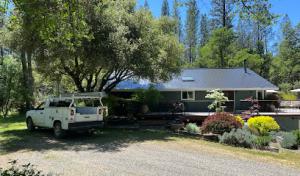
k2 roofing
(530) 320-1087 k2roofingca.com
12215 Locksley Ln suite 3a, Auburn, California
5.0 from 8 reviews
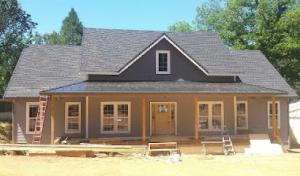
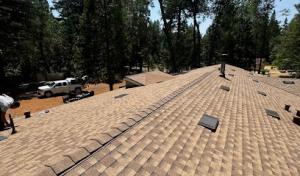
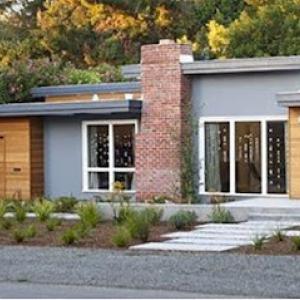
Art Melick Roofing
(530) 888-1224 www.artmelickroofing.com
265 Marvin Way, Auburn, California
4.7 from 45 reviews
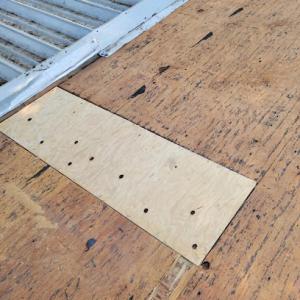
Flat roof specialist for the Auburn and Sacramento areas.
Rose Roofing & Supply
(530) 823-3812 www.roseroofingandsupply.com
144 Team Track Rd, Auburn, California
4.7 from 35 reviews
Rose Roofing & Supply offers roofing materials and accessories from a wide array of manufacturers-from asphalt composition shingles and metal roofing to wood shakes and slate. Our knowledgeable staff is here to answer questions, help you select the optimal roofing solution for each project, and eliminate any hassles. From the moment you place your order to the time it's delivered to your job site, we're by your side at every turn.
k2 roofing
(530) 320-1087 k2roofingca.com
12215 Locksley Ln suite 3a, Auburn, California
5.0 from 8 reviews
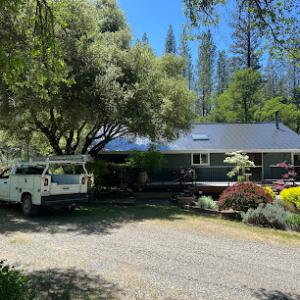
K2 Roofing: Your trusted Auburn roofing contractor. We specialize in expert roof installation, ensuring your home is protected with quality craftsmanship. Beyond installation, we offer comprehensive roof maintenance programs to extend the life of your roof and prevent costly issues. And when unexpected emergencies arise, you can rely on K2 Roofing for swift and dependable repair services, giving you peace of mind knowing your home is in good hands.
Sunriver Roofing
(530) 820-3712 www.sunriverroofing.com
1605 Industrial Dr, Auburn, California
3.7 from 3 reviews
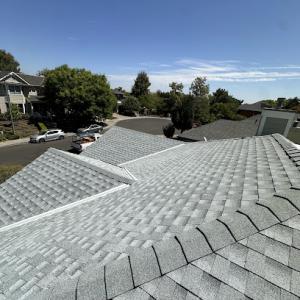
Sunriver Roofing is the sister company of Sunriver Solar. We are family owned and operated serving Northern California. A GAF Certified Installer. All new roofs come standard with a 50 year manufacturers warranty and 10 year workmanship warranty double backed by GAF. A full service roofing and solar company. Se habla espanol.
Roof Doctors Roof Repair
(916) 244-2280 theroofdoctors.net
Serving
4.9 from 20 reviews
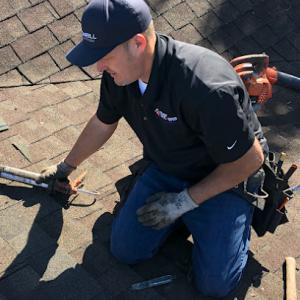
Nobody inspects, repairs and certifies more roofs or solves more roof leak problems in the Greater Sacramento Area." Over 300,000 roofs inspected. We do complimentary roof inspections with detailed reports that include pictures. Reports sent within 24 hours of inspection. We are a licensed roofing contractor that offer repairs, replacment bids, gutter cleaning bids, gutter guard installs, and general roof maintenance. Service in the following Greater Sacramento Area Counties: Sacramento, Placer, Yolo, & El Dorado Counties.
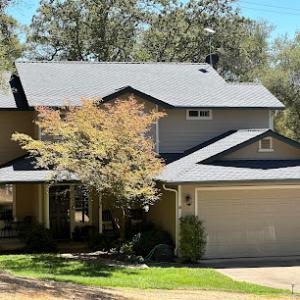
Sierra Hills Roofing
(916) 975-5095 www.sierrahillsroofing.com
Serving
4.9 from 32 reviews
Welcome to HOA Roofing, DBA Sierra Hills Roofing. At Sierra Hills Roofing, we offer comprehensive roofing services, including asphalt shingles, composition, tile, metal roofing, roof replacement, gutter replacement, gutter guards, chimney saddles, ventilation, dry rot replacement, and insurance claims assistance. We provide third-party financing. Woman-owned and family-operated, we serve single-family, multi-family, and commercial properties. Certified with GAF and an Owens Corning Preferred Contractor. Our mission is to provide top-tier roofing solutions while upholding the core values that define our family. With every project, we strive to not only protect your home but also to strengthen the bonds of trust within our community.
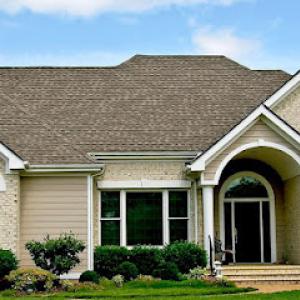
JD Jones Roof Crafter
(916) 663-9395 www.roofcrafterinc.com
Serving
4.8 from 38 reviews
JD Jones Roofcrafter, Inc., is a family-owned and operated roofer in business since 1983. We serve Placer County, CA, and surrounding areas with a wide range of roofing services. We are skilled at installing most roofing materials, such as shingles, tile, wood shakes, TPO (Thermoplastic Polyolefin), heat-weld systems and self-adhesive systems. We are fully insured and licensed by the State of California. We also provide free estimates for all your residential and commercial projects, including re-roofing, roofing on new construction, roof repairs, roof certifications and inspections.
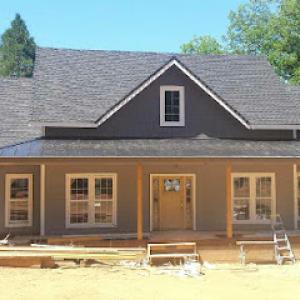
All Slopes Roofing
(916) 663-4036 www.allslopesroofing.com
Serving
4.8 from 31 reviews
All Slopes Roofing, Inc. is a licensed roofing contractor in the state of California, Lic. 723930. To keep you and ourselves at peace of mind we are bonded and insured for your protection. A little about us- We are a local, family-owned business since 1978. We were a father and son duo until 1996 when just the son, Robert, bought the business. We are here to help and hope to gain your trust in our work and provide bids at no cost.
Great Valley Roofing
(916) 886-4565 greatvalleyroofing.com
Serving
5.0 from 33 reviews
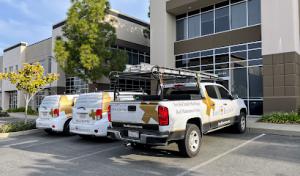
Welcome to Great Valley Roofing, your trusted partner for top-tier roofing solutions in Antelope, CA. With a wealth of industry expertise and a fresh outlook, we are the premier choice for all your roofing needs. Specializing in residential projects, we provide unparalleled services including roof repair, installation, replacement, and exquisite tile roofing to both residential and commercial properties. Our commitment to excellence ensures your property's protection and aesthetics. Quality all ways! To learn more, contact us today and schedule your appointment!
DB Roofing Solutions
(530) 367-7663 dbroofingpros.com
Serving
5.0 from 21 reviews
We are a family owned business of over 40 years in the roofing industry. We provide quality service throughout the Sacramento Valley and Sierra Foothills! We offer stellar customer service and unbeatable prices! We guarantee you'll have customer satisfaction with our exceptional service! We're so confident, we even warranty our workmanship! At DB Roofing Solutions, our goal is to not only provide homeowners with a quality roof, but a quality experience as well. We're eager to help you with all of your roofing needs, no matter the size or shape.

Roof Recovery
(916) 665-0285 www.roofrecoverysac.com
Serving
4.9 from 657 reviews
Roof Recovery: your trusted local roofing contractor, dedicated to the repair and replacement of roofs. Since 2017, we've been committed to providing an enjoyable and honest experience for our customers, ensuring satisfaction from start to finish. Getting a free quote is easy – simply call or book online. As a family-owned company, we constantly strive to improve, offering fair prices and exceptional service throughout the roof installation or repair process.

Roof Maxx of Grass Valley
Serving
4.9 from 46 reviews
Roof Maxx is a scientifically formulated, and 100% safe, plant-based roof rejuvenating spray treatment that was developed by Battelle Labs, the world's largest private research and development company. Our rejuvenating oil will restore your shingles' flexibility and waterproofing for five years, ensuring maximum property protection. And our warranty is transferable if you end up moving within that time. When you book an appointment, we'll assess your roof and decide if it's a good candidate for a Roof Maxx spray-on treatment. If it is, we can apply the treatment right then, without further delay. If it's not, we'll let you know why and whether we've discovered leaks or other major issues that need repair.
The foothill character brings a two-season roller coaster: blazing sun in the summer and heavy winter moisture. In practice, that means UV exposure from long, hot days accelerates fading and granule loss on asphalt shingles, while the wet season tests underlayment, flashing, and drainage details. This isn't a coastal rain pattern but a dry-warm cycle followed by a cold, damp window that pushes leaks and ice dam risk into a real concern if drainage and sealants aren't properly designed. For any reroof, you want a system that stands up to intense sun on an elevated hillside and still sheds winter moisture quickly enough to avoid standing water or ice buildup in eaves and valleys.
Tile and metal are particularly relevant in this area because they balance longevity, heat exposure, and wildfire considerations. Metal roofs shed heat quickly if installed with a proper vented attic and reflective paints or coatings. For tiles, concrete and clay offer long service lives and good resistance to embers, but installation details matter just as much as the material itself. In Auburn's climate, you'll want to pair any tile or metal choice with a high-quality, weather-ready underlayment and well-sealed flashing around chimneys, skylights, and vent pipes. If the roof is on a slope with strong sun exposure, consider lighter colors or cool finishes that reflect radiation and reduce attic temps. For lighter or mixed neighborhoods, ensure the fasteners and seams are suited to expansion and contraction cycles caused by heat and cool nights.
Wildfire readiness isn't just about the roof surface; it's about the whole envelope. Metal roofs tend to resist ember intrusion well when panel joints are continuous and fasteners are corrosion-resistant. Clay and concrete tiles can also resist embers but rely on proper bedding and grout details to prevent ember penetration at gaps. If embers are a real concern on your hillside, confirm that ridges, hip lines, and vent openings are closed with ember-resistant screens and flashing that won't break under thermal cycling. Wood shingles and shakes carry aesthetic appeal but demand strict maintenance in this setting: they are more susceptible to ember ignition and moisture-related warping if not properly treated, spaced, and vented. Any decision should include a plan for regular inspection of edges, valleys, and chimney flashings after fire-season winds.
Older foothill homes often carry different maintenance realities than newer subdivisions. Wood shingles and shakes may still be part of the stock, bringing traditional charm but also higher upkeep: regular treatment for fire resistance, more frequent replacement of missing or warped pieces, and attention to ridge venting that doesn't siphon away cooling air. In newer builds, you'll typically find better-attached underlayment and more uniform gutter/drainage configurations, but those homes can still face heat-related material degradation if sun exposure is intense and drainage is undersized. The best path is to assess the roof holistically: surface material, underlayment quality, flashing integrity, and drainage design all in one, aligned with the property's age and construction style.
Develop a twice-yearly inspection cadence that aligns with Auburn's wet-winter reroof calendar. In spring, verify that UV wear hasn't compromised shingle edges or metal panel coatings, and confirm that flashings remained sealed after winter winds. In late fall, pre-winter checks should focus on drainage clarity, gutter integrity, and valley water flow. After high-fire-risk periods or strong winds, perform a quick safety sweep: look for loose or damaged materials, missing fasteners, and any signs of ember vulnerability at soffits and vents. Keep a list of critical vulnerable spots-valleys, chimneys, skylights-and plan targeted maintenance or reinforcement so you can act before the next storm or ember threat.
Explore specialists in steel, aluminum, and standing seam metal roofs built to last 50 years or more.
Rose Roofing & Supply
(530) 823-3812 www.roseroofingandsupply.com
144 Team Track Rd, Auburn, California
4.7 from 35 reviews
k2 roofing
(530) 320-1087 k2roofingca.com
12215 Locksley Ln suite 3a, Auburn, California
5.0 from 8 reviews
Replacement activity concentrates from late spring through early fall, because winter rain can interrupt tear-off and expose homes if dry-in is delayed. Plan a reroof during a window when mornings are cooler and there's a predictable stretch of dry weather. Start with a thorough inspection and debris removal in late spring, then lock in a tear-off and installation block for summer when heat is steady but predictable. If a spring storm rolls through, be prepared to adjust the schedule to protect exposed decking and underlayment and to secure lead times for materials that can be delayed by hail events. The goal is to minimize the number of rain-driven delays while staying ahead of the wildfire-season risk period.
Summer installation conditions can be harsh on crews and materials because of sustained heat and strong sun exposure. On extremely hot days, plan early starts to reduce heat exposure and protect adhesive and underlayment products that require specific temperatures to cure properly. Provide shaded break areas and plenty of water for crews, and consider a staggered pace on steep pitches or exposed ridges to limit heat-related strain. For the homeowner, create a clear path for equipment and waste removal to avoid heat-induced trips and missteps on the slope. Temporary containment and tarping should be set up to shield delicate interior finishes from radiant heat and to keep neighbors' yards cleaner during the workweek.
With wildfire exposure in the foothills, you'll want to prioritize materials that resist radiant heat and ember ignition. In practice, that means selecting a roof system with high fire resistance ratings where possible and ensuring proper clearance between roofing components and vent openings. For elevated hillside neighborhoods, durable fasteners and quality deck protection underlayment matter just as much as the top layer. Coordinate with the crew to confirm that underlayment has a continuous seal and that hip and ridge lines are properly sealed against ember intrusion. Pay special attention to flashing around chimneys, skylights, and vent stacks; a small failure there can undermine an otherwise solid wildfire-ready install. In Auburn, the dry wind patterns can stress ventilation, so verify attic venting is balanced to prevent heat buildup that can warp sheathing or peel underlayment.
Spring storm potential, including localized hail, can affect inspection timing and material lead times in the area. Schedule the initial assessment after a dry spell and after any hail events have passed, so the inspector can accurately evaluate deck condition, existing ventilation, and potential moisture intrusion. If hail is recent, plan for an expedited material check and surface repair plan to avoid delays that cascade into the dry-in window. Keep a contingency calendar for rescheduling if a late-season storm emerges, since a rushed patch job can compromise long-term performance and wildfire readiness. Ensure the crew reviews roof geometry carefully on half- and steep-pitched sections to avoid wind uplift issues during the design and installation phase.
When you can't wait, these contractors offer fast response times to stop leaks and prevent further damage.
k2 roofing
(530) 320-1087 k2roofingca.com
12215 Locksley Ln suite 3a, Auburn, California
5.0 from 8 reviews
A full reroof in Auburn typically requires a building permit, and the permitting authority may be either the City of Auburn Building Department or Placer County depending on where the property sits. The path chosen is not always obvious from the street or the HOA-location boundaries can shift the responsible agency, so double-checking early avoids delays. The permit process is designed to ensure the selected roof assembly, ventilation, and fire-related details align with local code expectations for foothill fire exposure and hot-sun conditions.
Applications generally require project details before approval, with inspections after tear-off and again at final installation. In practice, that means submitting a clear scope of work, a roof plan, contractor credentials, and material specifications for the proposed system. Plans should show how the chosen material handles wildfire resistance, attic ventilation, and proper clearance to combustibles. Expect the review to take a little time if the project intersects regional fire-safety standards or neighborhood covenants. Having permit-ready drawings and a defined tear-off sequence helps keep the approval window tight, especially in hang-tight winter periods when rain can complicate scheduling.
Local inspections focus on roofing, flashing, ventilation, and fire-stop requirements, and some neighborhoods may have additional town-specific quirks or impervious-surface considerations. Expect the tear-off phase to be scrutinized for completeness, substrate condition, and proper protection of surrounding structures during removal. After installation, inspectors will verify that flashing details around chimneys, skylines, and vent pipes meet fire-resistance and water-shedding standards, that attic ventilation is adequate for heat and moisture management, and that any required fire-blocking or ember-resistant materials are correctly installed. If any deviations are found, a quick corrective plan will be requested, so addressing issues promptly minimizes retrofit delays.
Auburn neighborhoods on elevated foothill lots may present town-specific quirks or impervious-surface considerations that influence permit scoping. Some areas enforce stricter drainage or runoff controls to protect hillside waterways, which can trigger additional documentation or sequencing requirements. In wildfire-prone settings, inspectors pay close attention to clearance to eaves, ember barriers at vents, and the choice of underlayment and covering materials. Coordinating with the contractor about these local nuances early helps ensure the permit path proceeds smoothly and that the reroof supports long-term performance in hot sun, heavy winter rain, and wildfire-season exposure.
When planning a reroof, you will see Auburn's common choices fall into a few clear bands. Asphalt shingles run roughly 400 to 650 USD per square, a solid baseline for homes with straightforward, single-story roofs. Metal roofing sits higher, about 800 to 1500 USD per square, and is a good fit for hillside exposure where wind and heat resistance matter. Clay or concrete tile sits in the 900 to 1700 USD per square range, delivering strong fire resistance and a distinctive look, but with higher installation demands. Wood shingles or shakes usually clock in around 700 to 1200 USD per square, while synthetic or composite shingles sit between 650 and 1100 USD per square, offering mid-range performance with lighter weight options.
Costs in Auburn can rise when demand spikes after winter leaks, spring storm damage, or wildfire-driven insurance and mitigation work in the foothills. In practice, that means you may see higher bids or longer lead times following severe weather events or during wildfire season, even for standard replacements. If you're coordinating a reroof in the wake of a leak or damage, expect price variability tied to material availability and local labor demand. This is particularly true for tile and metal installations when crews are balancing multiple foothill projects.
Tile-heavy and hillside home stock in parts of Auburn can increase labor complexity compared with straightforward single-story shingle replacements. Concrete and clay tiles add weight, require careful deck loading and roof framing assessment, and often involve more hands-on layout to preserve drainage and alignment on irregular roof planes. Metal roofs, while durable, can necessitate precise edge detailing and underlayment sequencing on pitched or stepped surfaces. Synthetic options can mitigate some complexity, but still demand careful fastening to accommodate seismic and wind considerations common to foothill homes.
Start with the baseline ranges for your preferred material, then factor in local spikes by reviewing recent bids during off-peak months. If your roof is tile-heavy or perched on a hillside, set aside a contingency for additional labor and routing of materials to accommodate steeper or irregular roof lines. Compare shingle-only bids with tile or metal quotes to understand where weight, underlayment, and fastening methods drive up costs. Finally, when choosing a material, weigh not just the upfront price but ongoing performance in sun exposure, wildfire risk, and seasonal moisture in the Auburn climate.
Don't let upfront costs delay a critical repair - these contractors offer payment plans to fit your budget.
Roof condition in the Sierra foothills surrounding Auburn carries more weight with insurers than in safer, lower-elevation markets. California insurer pullbacks tied to wildfire and severe weather exposure affect parts of the foothills around Auburn, making roof condition a bigger underwriting issue than in lower-risk markets. The consequence is that the age, maintenance history, and overall pretreatment of the roof line up for closer scrutiny during renewal or when a claim is filed. Understanding this dynamic helps you gear conversations with your carrier toward concrete, rule-based explanations rather than reactive worry.
Homeowners should anticipate requests for documentation such as roof age, prior hail or wind history, and retrofit records. Each carrier varies in how deeply it dives into a roof's story, but the pattern is clear: the more you can prove a roof has been cared for, the smoother the process tends to be. Gather recent professional assessments, service logs, and any local repairs that align with the roof's current condition. If the roof has seen seasonal wear from hot sun on elevated hillside neighborhoods, have notes ready that connect exposure to wear patterns. Being proactive with organized files can ease the back-and-forth when a claim or renewal hits the desk.
Adjusters may require mitigation photos or proof of roof-related upgrades before approving replacement scope or continued coverage. In this foothill setting, imagery that captures flashing integrity, ridge vent condition, and evidence of wildfire-resilient features can move conversations forward. If upgrades were made to strengthen wildfire resistance or improve wind uplift resistance, have clear before-and-after visuals and receipts. The more you can demonstrate deliberate, high-quality improvements, the less you leave to chance when an adjuster evaluates the roof's resilience against the region's typical weather and wildfire risks.
Connect with contractors who help homeowners navigate the claims process from damage assessment to final approval.
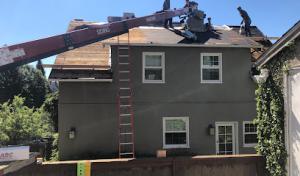
In Auburn, the hot-summer and wet-winter cycle commonly shows up as sun-brittle roof coverings paired with leak paths that only become obvious once winter rain arrives. That means shingles or tiles can crack or curl after long dry spells, while small penetrations can hide behind flashing or underlayment until a heavy storm reveals the vulnerability. When the heat bakes a ridge line or a south-facing slope, the protective layer can fail at the edges first, and you won't notice until moisture slips in around flashings or penetrates through compromised material. The consequence is interior damage that piles up quickly with a single storm event.
Inspection checkpoints in the local permit process highlight the same trouble spots Auburn roofs often fail at: flashing, ventilation, and fire-stop details. Flashing around chimneys, vents, skylights, and along transitions is a frequent trouble zone, especially where heat cycling loosens sealants and accelerates corrosion. Ventilation matters because a roof deck that doesn't vent properly traps moisture, inviting mold and rot that manifest only after extended wet seasons. Fire-stop details are not optional-the foothill setting increases exposure to embers and radiant heat, making any gap in barrier systems a potential pathway for ignition or ember intrusion. If those areas aren't solid before heavy rains, water finds its way through joints and gaps you'd otherwise overlook.
Emergency leak response is a meaningful local service category in Auburn, reflecting how winter storms can quickly turn deferred maintenance into active interior damage. A small drip from a near-peak seam can escalate to widespread staining, soaked insulation, and compromised attic structure if acted on too slowly. The pattern to watch for is a creeping dampness along fan fold lines, around chimney flashings, or at ridge-to-valley transitions after a storm. Quick, decisive action matters: timely temporary measures paired with a durable, targeted fix save interior ceilings, walls, and personal belongings from damage.
When you can't wait, these contractors offer fast response times to stop leaks and prevent further damage.
k2 roofing
(530) 320-1087 k2roofingca.com
12215 Locksley Ln suite 3a, Auburn, California
5.0 from 8 reviews
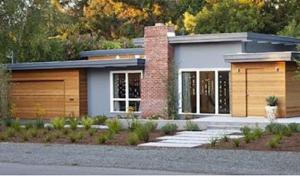
Although pitched roofs dominate residential stock, the local contractor market shows enough flat-roof specialization to matter for additions, porches, and mixed residential-commercial properties. Low-slope configurations demand careful attention to drainage and continuity where roof planes meet walls or parapets. In practice, ensure that transitions between new additions and the existing roof are seamless and avoid creating hidden valleys where debris can accumulate. A thoughtful detailing plan reduces the risk of moisture intrusion after the reroof.
Wet winters in the foothills intensify the consequences of membrane aging and punctures. Low-slope drainage should be designed to move water quickly toward internal gutters or scuppers, with a clear slope and adequate channeling. Inspect seams, lap joints, and edge detailing for signs of micro-tears or delamination after the first heavy wet season. Prioritize roof assemblies that maintain integrity under freeze-thaw cycles, and don't overlook the perimeter flashing where roof meets parapets or skylight flashings. Ongoing maintenance matters more on these surfaces than on steep slopes.
Skylight and solar-related roof penetrations are niche but active service categories in this market, which matters for leak tracing on reroof projects. When a low-slope roof includes penetrations, plan for redundant flashing, robust sealants, and compatible membranes around the flashing collars. Consider alignment with existing penetrations to minimize new dry-out paths for potential leaks. For a reroof, document each penetration type, location, and flashing system so future service calls can pinpoint issues quickly.
Coordinate the order of work to avoid exposing vulnerable membrane edges during rain. Use high-quality sealants compatible with the chosen membrane and climate cycles. Let the contractor explain how the chosen system handles both winter moisture and hot sun exposure, ensuring valley terminations and edge details are reinforced for durability in Auburn's foothill setting.
Find specialists in TPO, EPDM, and built-up flat roofing systems for residential and commercial properties.
Art Melick Roofing
(530) 888-1224 www.artmelickroofing.com
265 Marvin Way, Auburn, California
4.7 from 45 reviews
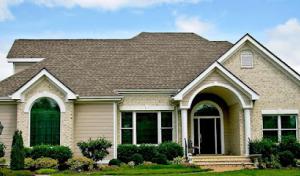
This foothill market sees a lot of reroofs on lived-in homes, so crews who regularly handle tear-offs without turning off water or power for days are priceless. Look for crews that can stage work to minimize interior disruption and protect cabinets, electronics, and ventilation during a roof swap. Ask specifically about wildfire-aware installs, including underlayment choices and venting configurations that help resist embers and heat. A crew with routine references for occupied-home projects will understand when to time tarps, ladder access, and debris containment to keep the inside calm and leak risk low.
Leak urgency is a real factor here, so prioritizing responders who can schedule promptly and finish with a clean site is practical. Fire-weather seasons or heavy rains can tighten timelines; confirm a realistic cadence for inspection, tear-off, and re-cover, plus a guaranteed post-install cleanup window. A clean jobsite means no leftover nails in the yard or stray granules slamming into gutters, which matters on hillside properties where runoff and wind move debris quickly.
The market includes both affordable operators and long-established or family-owned crews. When evaluating options, weigh not only the bid but the contractor's tenure, warranty credibility, and response history. Favor crews that provide clear communication, on-site project managers, and a documented plan for storm or ember-season contingencies. Local reputation-through recent jobs with occupied homes and strong cleanup records-often correlates with steadier material decisions and post-install support.
Ask for a written project schedule with milestone checks, a dedicated crew lead for questions, and a containment plan for wind and rain. Request photos or references from recent occupied-home reroofs and inquire about underlayment, ember-resistant details, and attic ventilation considerations. Confirm a cleanup protocol and a commitment to addressing any post-install leak concerns quickly.
Winter storms and heavy rainfall can halt work and create leak exposure if a roof is not fully covered quickly after tear-off. You should act within hours of the storm's end to seal the area: secure any remaining tarps, wire them tight, and double-check that all roof openings are covered. If water is actively entering, place sturdy buckets on interior ceilings only as a temporary measure to reduce interior damage, and avoid climbing on slick or softened roofing while crews are responding. Prioritize areas over living spaces and any electrical or water lines to prevent cascading damage.
Fall wind events and ember risk can change both emergency repair priorities and longer-term replacement decisions in Auburn. Clear debris from around the roof edge, eaves, and gutters, and seal any exposed vent openings to restrict ember entry. If a rapid patch is needed, focus on securing the most vulnerable seams and flashing first, then address broader roof coverage. Have extinguishers and a plan for immediate fire-safe access to your attic and crawlspace, and coordinate with your crew to optimize wind-safe tarping and temporary closure before conditions deteriorate.
Localized spring hail in this area can complicate whether damage is cosmetic, functional, or insurance-relevant, especially on metal and asphalt systems. After a storm, look for denting, punctures, or loosening around ridges and fasteners. Photograph any irregularities, but avoid climbing on damaged sections until a professional can assess safety. If damage is suspected, prioritize a professional inspection to determine repair versus replacement needs for the most critical areas first.
Document all affected areas with dated photos and notes, then contact your roofer for a thorough inspection as soon as conditions allow. Create a targeted plan that accounts for winter's high-wind and wet-cycle impact, and schedule follow-up work to complete a full, wildfire-ready reroofing strategy when conditions permit.
Find local contractors experienced in assessing and restoring roofs after hail, wind, and severe weather events.
k2 roofing
(530) 320-1087 k2roofingca.com
12215 Locksley Ln suite 3a, Auburn, California
5.0 from 8 reviews
Auburn combines foothill wildfire exposure with a climate pattern of hot dry summers and cool wet winters, creating a very different roof aging profile than coastal California cities. The sun on elevated hillside neighborhoods accelerates shingle fading and edge wear, while winter storms test flashings and valleys differently than foggy coastal atmospheres. That means roof selections should account for both long dry spells and vigorous seasonal rains, prioritizing materials that resist UV degradation, wind-driven debris, and moisture movement from heavy winter events.
The city's roof market is unusually mixed, with asphalt, metal, tile, wood, and synthetic systems all present in meaningful numbers. Asphalt shingles provide broad accessibility and straightforward repair paths, but in wildfire-prone terrain you'll also see metal offerings that emphasize longevity and ember resistance. Tile options-clay or concrete-are common on hillside homes with Mediterranean or Spanish-inspired designs and offer robust fire performance but heavier framing requirements. Wood shingles or shakes appear on a subset of older or rustic properties, while synthetic or composite shingles balance fire resilience with lighter weights. Understanding how each system ages in Auburn's sun and rain helps you match appearance with performance over the roof's life.
Fire weather patterns in the foothills push homeowners toward assemblies that resist ignition and flame spread. For a reroof or major upgrade, emphasis on non-combustible or fire-rated components in the roof system is key, including underlayment, fasteners, and edge detailing. Ventilation plays a role in moderating attic temperatures, which influences both energy use and shingle aging. If your property is surrounded by dry brush or dead vegetation, select materials with Class A fire ratings where possible, and plan for ember-resistant detailing at vents, chimneys, and transitions to exterior walls.
When assessing a reroof, consider how your roof line, exposure to afternoon sun, and winter rainfall interact with your chosen material. On hillside homes, weight, wind uplift resistance, and fastener design become practical decision points. For maintenance, address sun-scored surface areas early, seal and reseal flashings after strong seasons, and plan inspections after heavy storms to catch moisture intrusion or debris buildup before it accelerates wear.