Last updated: Apr 19, 2026
In the Sierra foothill corridor around our area, late spring is the sweet spot for reroofs. You're aiming to finish before the first real heat wave, when asphalt shingle cycles and metal seams can start to sweat in the attic and underlayment. Early spring typically means milder days, cooler roofs, and fewer surprises with dew and humidity that can slow tear-off progress. If your roof is nearing the end of its life, this window lets crews strip, inspect sheathing, and apply underlayment with less risk of heat-related worker fatigue or premature aging of materials. Plan to schedule as soon as you can once winter storms have passed and soils aren't muddy, ensuring yard access stays clean and inviting for crews.
Target a reroof in late spring rather than mid-summer when the thermals spike. The heat in the Sierra foothills can push roof temperatures well above comfortable working levels, which accelerates material expansion and can limit the effectiveness of sealants and underlayment. Aiming for late spring also helps you miss the wet-season window, reducing the chance of you being caught in a sudden storm while the roof is open. If you're balancing occupant comfort in a two-story home or a high-pitched roof, this season can offer better working daylight hours and safer outdoor conditions for crews. This is a practical time to verify attic ventilation and inspect flashing details while you're not fighting heat or rain.
Summer in the foothills brings long, hot days that push workers toward early starts and early finishes. This can compress schedules and increase the risk of heat-related discomfort for anyone on a ladder. It also raises the risk of adhesives curing too quickly or improperly on certain membrane layers if conditions are stifling. If a summer reroof cannot be avoided, plan for more crew breaks, hydration logistics, and shade provisions. Have materials delivered in cooler parts of the day when possible to reduce exposure and handling stress. While summer brings longer daylight, the real constraint is reliable, low-mitted conditions rather than simply the clock.
Fall is widely regarded as the other ideal window in this area. The transition from hot to cooler days helps maintain manageable roof surface temperatures, aiding in material performance and install quality. Fall also aligns with many homeowners' schedules after summer vacations and before the winter rain window ramps up. The challenge here is fall wind events, especially in the Sacramento Valley foothill corridor. Strong gusts can complicate installation, increasing concern about wind uplift on exposed edges and the risk of jobsite debris blowing into streets and yards. If a fall reroof is your plan, you'll want to coordinate with the crew for robust temporary containment, secure jobsite materials, and a practical sequence that minimizes wind exposure during critical steps like roof deck inspection and flashing installation.
Winter storms from roughly November through February can interrupt tear-offs and raise the risk of water intrusion if a roof is opened during active rain. In this climate, even a short rain shower can compromise exposed underlayment and newly installed flashing. If the roof must be opened in winter, ensure a rapid response plan is in place for temporary tarping and emergency drying if a storm rolls through. Keep in mind that weather can be unpredictable, and the most reliable approach is to plan around a extended dry spell, with contingencies for a brief delay if a storm system lingers. If you do work in winter, prioritize homes with effective drainage paths and clear eaves to reduce water intrusion risk and protect interior spaces during unforeseen showers.
Your seasonal planning should start with a calendar-based approach: identify your preferred target window (late spring or early fall), confirm that ballasted or mechanically attached underlayment options suit the local conditions, and coordinate with a roofing contractor for weather contingencies. In the late spring or early fall, verify that tree canopies near the house won't drop excess debris onto the roof during work, and arrange for prompt yard cleanup after materials are staged or removed. For fall work, discuss wind mitigation strategies, such as secure edge details and debris containment, with your contractor. For winter work, pre-arrange tarpaulin readiness and temporary protective measures to respond quickly to rain events while maintaining the integrity of the roof's interior enclosure. By aligning your reroof timing with these seasonal realities, you minimize disruption and maximize the long-term performance of the new roof.
The dominant local material mix includes asphalt shingles, metal roofing, clay tile, concrete tile, and wood shingles or shakes, reflecting the suburban tract housing and higher-end foothill-adjacent homes that characterize the area. In neighborhoods with Mediterranean and California-style architecture, concrete and clay tile are common replacement decisions, partly for their longevity and appearance. When planning a reroof, recognize that Folsom's hot summers, occasional hail, and seasonal rainstorms shape not just aesthetics but how long a roof lasts and how well it performs under stress. The choice of roof should balance heat resistance, wind resistance, and hail impact, with eye toward the long dry season and the chance of a winter storm creeping in.
Tile roofs-whether clay or concrete-shine in this setting because they manage heat better than many softer roofing options. They shed heat slowly and stay cooler to the touch on peak summer days, which can help keep attic temperatures down if the installation includes proper ventilation and a durable underlayment. Tile is also a natural for Mediterranean and California-style architecture, so it often fits the neighborhood aesthetics without looking out of place. However, tile roofs demand a sturdy structure and precise installation, especially in areas that see hail or strong winds. When choosing tile, consider how the underlayment will cooperate with tile fasteners and intakes to maintain a sealed, weather-ready roof that can ride out a regional summer monsoon or a winter cold snap.
Asphalt shingles remain the workhorse for many homeowners here because of their cost-effectiveness and broad installer familiarity. In Folsom, where heat can dry out underlayment and edges, it is crucial to select a high-quality shingle with good reflective properties and a compatible, moisture-resistant underlayment. Look for shingle lines that explicitly address heat resistance, wind uplift ratings, and an acceptable impact resistance profile if hail is a concern. The roof deck needs solid ventilation to prevent heat buildup in the attic and to extend the life of the shingles. A well-vented attic reduces cooling loads and helps protect the roof system from warping and adhesive failures over the long, hot season.
Metal roofing can be a strong choice for the foothills, offering excellent hail resistance and fast installation in some cases. It also reflects a contemporary or rustic look that can complement higher-end homes with outdoor living spaces and foothill views. If opting for metal, pay attention to panel trim, sealant longevity, and the risk of amplified heat transfer in attic spaces that lack sufficient ventilation. Wood shingles or shakes bring a distinctive texture that can enhance the curb appeal of certain neighborhoods, but they require rigorous maintenance to resist sun damage, fire exposure, and moisture issues. If wood is chosen, ensure fire-rated underlayment compatibility and routine inspections to spot wear before it leads to leaks.
Across all material types, the underlayment quality and attic venting are critical in this climate. A dense, water-resistant underlayment paired with an appropriate ventilation strategy helps prevent heat buildup and moisture intrusion during the wet season. In addition to material selection, confirm that soffit, ridge, and gable vents are sized to maintain air exchange during the hottest months and after a winter storms. For homeowners in the foothills, this combination often yields the best balance between performance, longevity, and value, while keeping the roof looking appropriate for the surrounding neighborhoods.
In Folsom's tile-heavy neighborhoods, replacement planning often has to account for underlayment aging beneath otherwise reusable concrete or clay tiles. The heat of Sierra foothill summers accelerates wear on underlayment, even when roof tiles themselves still look solid. When tiles are removed for reroofing, inspect the underlayment closely: tears, cupping, or brittleness can signal hidden rot that compromises a reroof's long-term performance. If underlayment is nearing the end of its life, plan for a full or extended underlayment refresh rather than a superficial tile swap. Skipping this step can leave you with sudden leaks at transitions long after the new surface is installed.
City inspections commonly verify flashing and underlayment details, which aligns with the local risk of leaks at roof penetrations and transitions rather than only at the field of the roof. In practice, that means paying extra attention to chimney leads, vent stacks, skylight curbs, and where the roof meets walls or chimneys. Over the years, heat cycles and shifting framing can loosen fasteners and compromise sealant joints. Expect to reflash near hips, valleys, and skylight curbs during any reroof, and consider upgrading to thicker, mold-resistant sealants designed for repeated expansion and contraction. A small misstep at a flashing seam can become a big problem once winter rains arrive.
Skylights are a meaningful local service category, suggesting homeowners frequently need leak diagnosis where glazing, curbs, and surrounding flashing meet aging roof systems. Closely inspect skylight flashing, curb integrity, and the seal around glass or polycarbonate panes. If the curb flashing shows signs of rust, rust staining, or warping, that often points to slow seepage that worsens with seasonal rain. When diagnosing leaks, check not just the skylight unit but also the matching sealant at the flashing joint and the area where the curb meets the roof plane. A careful, targeted reseal or curb flashing upgrade can stop persistent drips before they migrate into the attic.
Plan around the seasonal drivers: the hot, dry stretch that stresses materials, followed by the wet months when any marginal defect becomes a leak pathway. When tiles are removed, use the opportunity to verify that all flashings and penetrations are tied into a robust, continuous barrier. In practice, this means coordinating tile replacement with a thorough check of underlayment, flashing, and skylight interfaces, so a reroof isn't followed by an unexpected cascade of issues at joints and transitions.
Find contractors experienced in skylight installation, flashing, and leak repairs to bring natural light into your home.

Sacramento Valley Roofing & Gutters
(916) 633-6011 sacramentovalleyroofingandgutters.com
Folsom, California
4.9 from 65 reviews
"Water Proofing Sacramento State And Surrounding Areas" Sacramento Valley Roofing & Gutters is a premier roofing and gutter solutions provider proudly serving the greater Sacramento Valley region. Built on a foundation of integrity, quality workmanship, and outstanding customer service, we are committed to delivering reliable and long-lasting exterior solutions that protect homes and businesses for years to come. Our team of licensed professionals specializes in a full range of residential and commercial roofing and gutter services. From new roof installations and comprehensive repairs to custom gutter systems and routine maintenance, we bring precision, professionalism, and peace of mind to e
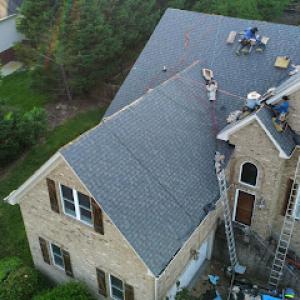
Champion Roofing Solutions
213 Pacific Oak Ct, Folsom, California
5.0 from 37 reviews
Champion Roofing Solutions is Folsom, CA’s trusted roofing contractor, dedicated to delivering top-tier roofing services for residential and commercial properties. With expertise in roof installation, replacement, and repair, they ensure your roof is durable, reliable, and built to last. Their specialties include metal roofing, asphalt shingle roofing, and advanced commercial TPO roofing, tailored to meet diverse needs. Whether you’re building a dream home or need expert solutions for a new construction roof, their team provides unmatched craftsmanship. Champion Roofing Solutions also excels in flat roofing systems, offering sleek, functional designs. Choose Champion Roofing Solutions for superior quality, exceptional customer care.

Lucero's Roofing
(916) 983-8801 lucerosroofing.com
63 Natoma St #190, Folsom, California
4.9 from 67 reviews
I started my Roofing company over 22 years ago with one goal in mind. My goal was to be honest and give my customers the best quality roof at an affordable price. Now looking back over the years I'm proud to say that my philosophy has not changed. Here at Lucero's Roofing we treat every job no matter how big or small the roof is with the same standards of quality. I have met so many people and have made so many friends over the years at my company by earning their trust.

CSR Roofing
(916) 790-8157 www.csrroof.com
Folsom, California
4.7 from 13 reviews
When it comes to excellent, high-quality roofs, we at CSR Roofing always do it right the first time around. We have multiple materials for you to choose from based on the style of your home: asphalt, tile, metal and composite, to name a few. Choosing the right contractor can be a daunting and stressful process, but that's why we're here to make it a smooth and seamless process. Our team is filled with professional, experienced, and thorough tradesmen who are extremely attentive to detail. We promise to always treat you and your home as we would our own; with respect, and we'll give you a roof that will look great for years to come. No matter what you need, we're the team that you can trust.
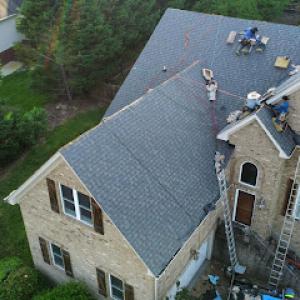
Skyline Roofing Solutions
(916) 545-7668 eldoradohillscaroofing.com
Serving
5.0 from 21 reviews
Skyline Roofing Solutions is your trusted roofing contractor in El Dorado Hills, CA, offering top-notch services tailored to meet your needs. Specializing in roof installation, roof replacement, and roof repair, we ensure your home or business stays protected year-round. Our expertise extends to metal roofing, asphalt shingle roofing, and commercial TPO roofing, providing durable and energy-efficient solutions. Whether you're planning a new construction roofing project or need reliable flat roofing services, our skilled team delivers superior craftsmanship and exceptional customer service. At Skyline Roofing Solutions, we are committed to enhancing your property with long-lasting, high-quality roofs that combine functionality and style.
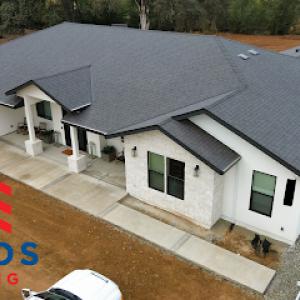
Larios Roofing
(916) 871-9558 lariosroofing.net
Serving
5.0 from 45 reviews
Welcome to Larios Roofing – Your Trusted, Local Roofing Contractor At Larios Roofing, we combine professional roofing services with a personal touch. Serving Fair Oaks, Sacramento, and surrounding areas, our experienced team is here to handle everything from quick roof repairs to full roof replacements and durable metal roofing solutions. We pride ourselves on treating every customer like family, providing free roof assessments, transparent estimates, and a workmanship warranty for your peace of mind. Using only top-grade materials, we ensure reliable, long-lasting results for both residential and commercial projects. Call us today and let us take care of your roofing needs!
HP Roofing Pro
(800) 842-8029 hproofingpro.com
Serving
5.0 from 5 reviews
We are HP Commercial Roofing Pro, specializing in commercial and industrial roofing services in El Dorado Hills. Our expertise includes quality installation and repair of flat roofs and steep sloped roofs, ensuring durability and reliability for your business's roofing needs. Contact us today to secure your roof!

Garner Roofing
Serving
4.5 from 287 reviews
See the GARNER DIFFERENCE! We are a 3rd generation, veteran owned and operated roofing company. We have been serving residents in the community for over 3 generations! We would like to work with you on your new roofing project. Our highly skilled, drug tested, background checked, and professionally trained workers provide the highest quality service to all our customers. Not only do we offer all types of residential and light commercial roofs, but we also have the best WRITTEN warranties and guarantees in the business. Contact us for more information.
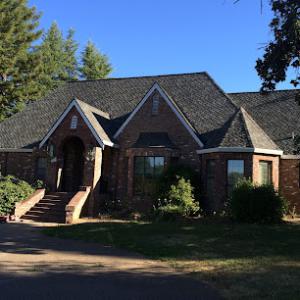
Porter Roofing
(916) 628-8088 www.porterroofs.com
Serving
4.7 from 66 reviews
Porter Roofing leverages its extensive experience to deliver exceptional roofing solutions in the greater Sacramento area. Their team's expertise ensures quality craftsmanship on every project, solidifying their reputation as a trusted choice for homeowners.
Roof Maxx of Sacramento, CA
Serving
4.9 from 119 reviews
Roof Maxx® offers a revolutionary roof restoration service, providing an eco-friendly, cost-effective solution for extending your roof's life. Specializing in roof rejuvenation, our innovative treatment revitalizes aging shingles, ensuring they remain flexible and waterproof. Ideal for roofs over 7 years old, Roof Maxx's unique formula penetrates deep into shingles, restoring their original functionality. This process not only enhances roof durability but also postpones the need for expensive replacements. Our professional roof maintenance services further protect your investment, keeping your roof in top condition. Trust Roof Maxx for sustainable, efficient roofing solutions. CLSB#1127410

Clark's Gables Roofing
(916) 791-0121 clarksgables.com
Serving
4.9 from 85 reviews
Clark's Gables Roofing — Roofing Excellence You Can Trust With over 30 years of experience, Clark’s Gables Roofing is proud to be a trusted name in residential roofing across Roseville, CA, and surrounding areas. Fully licensed, insured, and bonded (License #C39-696491), we deliver peace of mind along with expert craftsmanship. We specialize in: *Concrete tile roof repairs. *Installation of composition shingles, concrete tiles, and stone-coated steel roofs. *Gutter and gutter screen installation. Whether you need a minor repair or a full roof replacement, our team provides a complete range of roofing services tailored to your needs. At Clark's Gables Roofing, quality work and customer satisfaction are our top priorities. Call us today!!
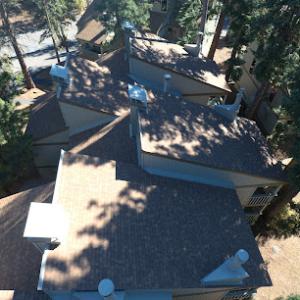
Prime Roofing
(916) 218-0222 primeroofingca.com
Serving
5.0 from 24 reviews
Local Roofing company. Licensed roofing contractor. Serving Roseville, Placer county, Sacramento county and its surrounding cities. Achieving excellence is our commitment to our community.
Typical local pricing runs about $350-$700 per square for asphalt shingles, $600-$1200 for metal, $1000-$2000 for clay tile, $700-$1400 for concrete tile, and $800-$1400 for wood shingles or shakes. Those ranges reflect the mix of suburban layouts, driveway access, and the need to stage materials around tight roof lines common in many Folsom neighborhoods. When planning, expect the upper end where access is difficult or where the home features heavier tile systems.
Costs can rise when replacing heavy tile systems or working on larger suburban homes where access, staging, and tile handling add labor time. Clay and concrete tiles demand more crane or manual handling, plus extra wear on gutters and flashing during removal. If the project involves re-roofing an expansive footprint or multiple slopes, the per-square price can edge higher due to longer job duration and material coordination. Asphalt shingles provide the most economical option, but even those can drift upward if the roof has complex geometry or requires substantial underlayment upgrades.
Project timing can affect pricing because winter weather delays and storm-driven demand spikes can tighten scheduling, while extreme summer heat can shorten safe installation windows. In practice, this means a late fall start may push closer to winter storms, but a compressed summer schedule can raise labor costs as crews work longer hours to beat heat. Scheduling with a buffer for potential delays helps stabilize both price and completion timing. For heavier tile systems, late summer heat can also affect material handling and the pace of work, nudging overall costs slightly higher if additional protective measures are needed.
When preparing a reroof, map out the roof areas that require tile removal, plus staging space for materials and debris containment. If a heavy tile roof exists, discuss crane access or manual substitution options with the contractor early to avoid mid-project price shifts. For asphalt replacements, verify warranty coverage and ventilation needs so the system performs well through Santa Ana-like heat spikes and winter rains. Understand that larger or more complex roofs will carry higher labor time, which translates into incremental costs beyond the base per-square rate.
Budget with the local ranges in mind and factor in the home's size, roof complexity, and tile type. Heavy tile systems and larger homes tend to push costs toward the higher end of the spectrum, while straightforward asphalt jobs stay near the lower end. Consider the seasonal timing as a built-in variable-aim for a shoulder season window to balance weather risk with pricing stability.
Don't let upfront costs delay a critical repair - these contractors offer payment plans to fit your budget.
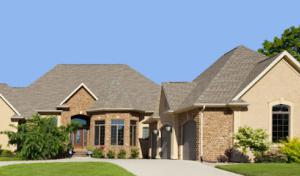
Reroof permits are commonly required through the City of Folsom Building Department rather than being treated as informal maintenance work. That means the project proceeds on a formal track with defined milestones, not as a casual DIY or a quick homeowner-ordered replacement. The permit ensures your roof meets local safety, wind, and fire standards that are particularly pertinent after dry summers and during the wet season. Starting with the permit helps prevent surprises when neighbors or insurers review the work after a storm or during wildfire season.
The local process typically includes plan review followed by a final inspection after completion. Plan review looks at roof sheathing, underlayment types, flashing strategies, ventilation, and the chosen roofing material to confirm compatibility with existing structures and code requirements. Expect to submit drawings or schematic notes that show roof-to-wall connections, valley flashing details, rake and hip installations, and any penetrations such as skylights or chimneys. If the house has a complex parapet or rare eave configurations, be prepared for a more thorough review and potential requests for clarification or additional details from the engineer or contractor.
Folsom inspections commonly verify that underlayment, flashing, and installation details meet code before the job is considered complete. On inspection day, the inspector will likely check that the underlayment is properly installed and overlapped, that kickout flashing at wall intersections is in place, and that flashing around chimneys, vent stacks, and skylights is integrated with the chosen roofing material. Venting and attic condensation controls are often reviewed as part of the overall health and longevity of the roof assembly. The final inspection confirms all work aligns with the approved plan and that no deviations compromise durability or fire and wind performance.
Because reroof timing in this climate centers on avoiding peak heat and the wet season, coordinate permit submission with your contractor to align plan review turnaround and the anticipated weather window. In wildfire-prone periods, insurers and lenders may require strict adherence to code-compliant underlayment and flashing, so have your contractor prepare a complete submittal package early. Keep a clear line of communication with the Building Department, and anticipate a short additional review if any plan changes are needed after the initial submission.
Folsom homeowners face California's broader insurer pullbacks and premium pressure in wildfire-prone areas, which can influence both coverage availability and reroof decisions. When insurers reevaluate risk, a well-documented roof-age, material type, and current-condition photos-can be the difference between a smooth claim and a drawn-out dispute. Local adjusters are watching storm history and fire risk, so having a clear paper trail helps prevent surprises after a loss or during renewal.
Claims and underwriting commonly require a current record of the roof's age, material type, and condition. Start by collecting recent photos that show wear, flashing, and any wear patterns around hips, valleys, and chimney areas. Keep a simple log of maintenance, previous repairs, and any hail or wind events. If a roof has had recent upgrades or visible improvements, document those as well, since upgrade status can influence how costs are approved.
Adjusters may request verification tied to wind mitigation or code-related upgrades, making permit records and inspection sign-off especially useful in claims. In practice, you'll want to preserve any past mitigation certificates and inspection notes from local inspectors or contractors. If wind-rated underlayment, upgraded fasteners, or stronger nailing patterns exist, hold onto those details as they often streamline the claim review process.
Create a simple, organized folder (physical or digital) with roof type, age, and high-quality photos from multiple angles. Store dates of any prior work and notes on any weather-related damage. When a claim starts, present the file promptly; delays in providing documentation can slow coverage decisions and extend out-of-pocket exposure. A neighborly heads-up approach can keep you from being caught off-guard when insurers reassess risk and eligibility.
Connect with contractors who help homeowners navigate the claims process from damage assessment to final approval.
Solar-related roofing is an active specialty in Folsom, reflecting the city's strong fit for rooftop solar in a hot, sunny inland climate. When planning a reroof, map existing solar attachment points and in-progress wiring early in the project. Choose a reroofing approach that preserves mounting footprints and minimizes new penetrations. If panels are staying in place during replacement, confirm that flashing around racking systems remains sound and that any penetrations through the roof surface are properly resealed after the new underlayment goes down. In homes with added PV capacity or future expansion, coordinate panel layout with the new roof plane to avoid rework or driving up shadowing risks on modules.
Flat and low-slope roofing appears often enough in the local market to merit separate planning for drainage, membrane details, and penetrations on additions, patios, and some modern home sections. In these areas, ensure the drainage plan is preserved during reroofing and that parapet walls, scuppers, and edge details are re-sealed to handle Sierra foothill winter rain. Pay attention to the transition from steeper main roofs to flat sections; improper transitions can trap water and lead to slow leaks. Choose a compatible membrane system that can resist seasonal temperature swings and typical Folsom storm events, with proper slope and fastening to avoid wind uplift on exposed ridges.
When reroofing in Folsom, coordinating roof replacement with solar attachment points and flashing details can prevent repeat tear-off work later. Schedule work so that large daylight clearances for solar crews align with the most favorable weather windows-avoiding peak heat and the wet season's worst risk. During installation, verify that all flashing around chimney and vent penetrations is extended to the new roof deck height and sealed with appropriate roofing cement or compatible sealant. After completion, perform a thorough inspection of seams, edge details, and flashing transitions to confirm solar-related penetrations stay watertight as the system settles in.
Find contractors who integrate solar panels or solar shingles into your roof for long-term energy savings.