Last updated: Apr 19, 2026
The hot, dry summers followed by wet winters in this foothill-edge area create repeated thermal expansion and moisture cycling that can accelerate aging in shingles, tile underlayment, flashings, and sealants. You can see this in the way asphalt shingles show curling at the edges after a long dry spell, or how tile roofs develop micro-fractures in the underlayment after a few consecutive wet winters. The repeated swings push fasteners and sealants to work more than they would in a milder climate, so every material type from asphalt to clay tile bears unique stress patterns in this neighborhood. Knowing those patterns helps you anticipate where to focus inspections and what to plan for when a replacement is on the horizon.
Project timing in Orangevale is affected by winter surface moisture and storm interruptions, while extreme summer heat can change material handling conditions and slow crew productivity. In practical terms, the window between late spring and early fall is often the most reliable for tear-off and replacement work. Still, a wet spell or a series of storm fronts in winter can halt progress or force crews to pause while decks stay damp and underlayments stay soft. If a roof is nearing the end of its life, a narrow weather lull that follows a dry spell is ideal for sequencing a full tear-off, with careful staging to keep the deck dry before the first tile or shingle goes back. When planning, aim for a stretch with at least several days of dry weather to complete removal, install underlayment, and allow sealants to cure on flashings without re-wetting cycles interrupting the work.
Summer handling conditions also matter. Extreme heat can slow productivity because crew members have to pace fastener work, sealant curing, and lifting in elevated temperatures. In practice, consider scheduling the most labor-intensive steps of installation for early morning hours if the heat spikes are severe, and coordinate material runs so batches stay within working temperatures. The heat also affects certain underlayment choices and fastener performance, so talk through material compatibility with your contractor for the heat window you expect to encounter.
Transitional-season wind events around the Sacramento Valley foothill edge can complicate tear-off scheduling and expose bare roof decks if replacement is not tightly sequenced. Those windy days are not just a nuisance-they can lift exposed underlayment edges, shift loose flashing, and create moisture intrusion risk if the deck is left exposed too long. A practical remedy is to complete critical tasks in a compact window: remove, dry-in, and reseal in fewer days than a typical spring or fall storm season would otherwise permit. If a project cannot be finished within that window, the plan should include a strong temporary protective cover and a rapid sequence for resealing and flashing to minimize exposure time.
Asphalt shingles respond to heat by softening slightly and expanding, which can complicate rapid nail pop or blistering repairs in high-summer sessions. If asphalt is your choice, consider delaying long-term lift-off work to the cooler parts of the day or season to reduce distortion and improve nail seating. Metal roofs, while excellent in heat, can conduct heat to fasteners and seals, so precise thermal management during installation matters-allow for acclimation of panels and careful torque of fasteners to avoid warping in the heat.
Clay and concrete tile demand careful sequencing to prevent deck exposure, as tile work often relies on precise alignment and underlayment integrity behind the scenes. In winter, moisture can seep into underlayment and create slow-setting conditions for mastic and sealants. Synthetic or composite shingles, with their forgiving install profiles, can offer some scheduling flexibility, but still benefit from dry, moderate conditions to maximize adhesive performance and minimize expansion-related gaps.
In Orangevale, a practical reality is that the dominant replacement market spans asphalt shingles, clay and concrete tile, metal roofing, wood shingles or shakes, and synthetic or composite shingles rather than a single-material housing stock. That mix reflects a neighborhood fabric where mid-century ranches sit beside newer homes, each with its own story about heat, rain, and upkeep. When you're planning a replacement, this diversity matters because you're choosing not just a color or profile, but a system that interacts with the local climate, wildfire awareness pressures, and available workmanship. The hot-summer and wet-winter cycle here translates into different wear patterns across materials. Asphalt shingles can shed heat efficiently and water well enough for California winters, while clay and concrete tiles bring long-term durability but heavier underlayment needs and installation nuance. Metal roofing handles temperature swings with ease but can behave differently on steep pitches or older structures. The presence of wood shingles or shakes in older neighborhoods adds a different layer of maintenance, fire risk considerations, and restoration options. Synthetic or composite shingles bring a modern balance, often designed to mimic traditional looks with improved impact resistance and lower maintenance in the face of heat and moisture. You'll see these choices in mixed neighborhoods, with homeowners weighing replacement timing against the underlying roof deck, underlayment condition, and local insurer expectations.
Tile remains locally relevant enough that specialist demand is strong, which matters because Orangevale homes with heavier tile systems may face underlayment-driven replacement decisions even when field tiles are partly reusable. If your roof uses heavy clay or concrete tiles, the underlayment and roof deck must support that weight over time. Even when tiles themselves can be reused or lightly repaired, the underlayment and flashing still come under closer scrutiny during a replacement cycle. In practice, this means a replacement project for tile-heavy homes is not merely swapping out surface pieces; it often requires confirming structural support, re-evaluating attic ventilation, and potentially updating underlayment to maintain performance against rain leakage and heat transfer. For homeowners with tile, plan for a careful assess-and-repair window that minimizes waste while preserving tile aesthetics and the long-term fire and weather resilience that tiles provide.
Older Orangevale-area homes can still have wood roofing in service, creating a different decision path than newer composition or tile roofs when insurers, fire exposure concerns, and replacement availability are considered. Wood shingles and shakes bring a natural look that many homeowners value, yet they also demand vigilant maintenance in a fire-aware market. Expect considerations around surface treatment, insect and decay risk, and the availability of skilled carpenters for repair versus full replacement. When wood roofing remains, insurers may influence the pace and scope of replacement as fire resistance upgrades or alternative materials become prudent options. If you're weighing seasonal cycles, you'll find that the hot summers accelerate aging of wood fibers and asphalt-felt beneath, while winter moisture tests seals and joints. The practical path often blends preserving wood where feasible with targeted upgrades-often a layer of fire-rated underlayment and precise flashing-to extend service life without compromising safety or comfort.
Overall, your decision should align with the home's age, structure, and how the roof interacts with Sacramento County's permitting-leaning practices, the foothill climate's heat swings, and the wet winters. The right material choice balances heat tolerance, moisture resistance, and the availability of local craftsmen who understand Orangevale's mixed housing stock. In every case, the goal is a roof that withstands the seasonality of this valley-summer heat, sharp afternoon sun, and winter rain-while supporting reliable insulation, fire resilience, and a steady replacement cadence that fits the home's character and neighborhood landscape.
In this market, planning your project with local per-square ranges matters. Asphalt shingles fall in the 350 to 700 USD per square range, metal typically runs 700 to 1400, clay tile 900 to 2000, concrete tile 800 to 1500, wood shingles or shakes 600 to 1200, and synthetic or composite shingles 550 to 1000. Those bands reflect Orangevale's mix of homes, from aging wood roofs in older neighborhoods to tile and metal options on newer builds. Use these ranges as the baseline when you're comparing bids, not as a ceiling or a guess from out-of-area pricing. Because installations in this community often blend products-tile roofs with metal accents, or synthetic overlays over asphalt-you'll frequently see mixed-cost scenarios that push bids into the upper portions of those bands.
Costs in Orangevale can rise when summer heat reduces installation pace, when winter weather creates dry-in delays, or when wind-sensitive tear-off windows require tighter crew scheduling. During peak heat, crews slow down or take longer breaks, which can stretch a multi-day job into a longer calendar window and push labor lines higher. In winter, unexpected rain or extended moisture windows delay material protection steps and dry-ins, forcing crews to stay compliant with safety and warranty considerations. If a tear-off window is particularly windy, you might see shorter daily progress or the need for additional tie-downs and safety measures, which adds to labor time and access equipment needs. Anticipate these fluctuations when you're lining up calendars and payment milestones.
Material choice matters more in Orangevale than in markets that lean heavily toward a single system. Tile, metal, wood, and synthetic systems each bring different labor intensity, accessory needs, and replacement complexity. Tile roofs demand careful handling, additional underlayment considerations, and sometimes longer lead times for specialty fasteners. Metal roofs can shorten installation windows but require precise roof deck prep and specialized tools. Wood shingles or shakes add fire-safety considerations and more frequent maintenance needs, which can influence long-term cost expectations, especially if you're weighing a mid-life refresh versus a full replacement. Synthetic shingles can blend some of those traits, offering ease of installation with certain aesthetic or warranty considerations. In practice, a bid for a clay tile roof will often look distinctly different from a bid for asphalt, not just in material cost but in crew time, staging, and waste management. When you're budgeting, compare not only the per-square price but also the incremental labor and accessory costs that come with each system.
Porter Roofing
(916) 628-8088 www.porterroofs.com
8593 Westin Ln, Orangevale, California
4.7 from 66 reviews
Porter Roofing leverages its extensive experience to deliver exceptional roofing solutions in the greater Sacramento area. Their team's expertise ensures quality craftsmanship on every project, solidifying their reputation as a trusted choice for homeowners.
Larios Roofing
(916) 871-9558 lariosroofing.net
Serving
5.0 from 45 reviews
Welcome to Larios Roofing – Your Trusted, Local Roofing Contractor At Larios Roofing, we combine professional roofing services with a personal touch. Serving Fair Oaks, Sacramento, and surrounding areas, our experienced team is here to handle everything from quick roof repairs to full roof replacements and durable metal roofing solutions. We pride ourselves on treating every customer like family, providing free roof assessments, transparent estimates, and a workmanship warranty for your peace of mind. Using only top-grade materials, we ensure reliable, long-lasting results for both residential and commercial projects. Call us today and let us take care of your roofing needs!
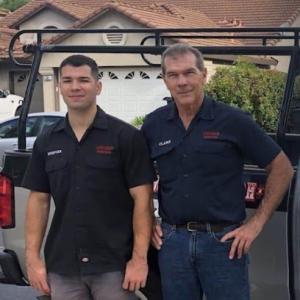
Clark's Gables Roofing
(916) 791-0121 clarksgables.com
Serving
4.9 from 85 reviews
Clark's Gables Roofing — Roofing Excellence You Can Trust With over 30 years of experience, Clark’s Gables Roofing is proud to be a trusted name in residential roofing across Roseville, CA, and surrounding areas. Fully licensed, insured, and bonded (License #C39-696491), we deliver peace of mind along with expert craftsmanship. We specialize in: *Concrete tile roof repairs. *Installation of composition shingles, concrete tiles, and stone-coated steel roofs. *Gutter and gutter screen installation. Whether you need a minor repair or a full roof replacement, our team provides a complete range of roofing services tailored to your needs. At Clark's Gables Roofing, quality work and customer satisfaction are our top priorities. Call us today!!
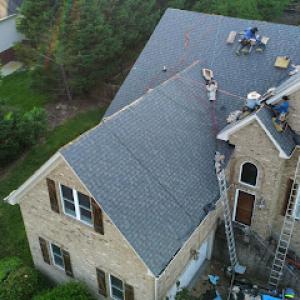
Champion Roofing Solutions
Serving
5.0 from 37 reviews
Champion Roofing Solutions is Folsom, CA’s trusted roofing contractor, dedicated to delivering top-tier roofing services for residential and commercial properties. With expertise in roof installation, replacement, and repair, they ensure your roof is durable, reliable, and built to last. Their specialties include metal roofing, asphalt shingle roofing, and advanced commercial TPO roofing, tailored to meet diverse needs. Whether you’re building a dream home or need expert solutions for a new construction roof, their team provides unmatched craftsmanship. Champion Roofing Solutions also excels in flat roofing systems, offering sleek, functional designs. Choose Champion Roofing Solutions for superior quality, exceptional customer care.

Lucero's Roofing
(916) 983-8801 lucerosroofing.com
Serving
4.9 from 67 reviews
I started my Roofing company over 22 years ago with one goal in mind. My goal was to be honest and give my customers the best quality roof at an affordable price. Now looking back over the years I'm proud to say that my philosophy has not changed. Here at Lucero's Roofing we treat every job no matter how big or small the roof is with the same standards of quality. I have met so many people and have made so many friends over the years at my company by earning their trust.
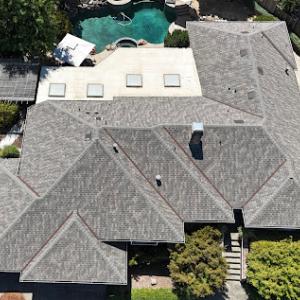
American Cool Construction
(916) 800-2892 www.americancoolconstruction.com
Serving
4.8 from 59 reviews
Welcome to American Cool Construction, your premier choice for roofing solutions. Specializing in replacements, installations, repairs, siding, and painting, we ensure your home is protected and looking its best. As a highly rated, licensed, and insured contractor, we deliver superior craftsmanship and customer service. We understand the importance of quality roofing that enhances your home's appeal and durability. Whether a complete overhaul or minor repair, our skilled team exceeds expectations. We also offer energy-efficient cool roofs, saving on bills and reducing environmental impact. Choose us for reliability, professionalism, and to preserve your home’s integrity. Contact us today for top-tier roofing solutions.
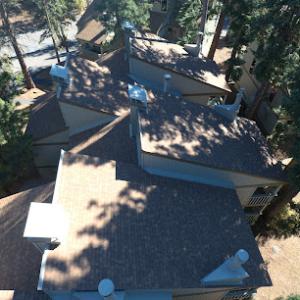
Prime Roofing
(916) 218-0222 primeroofingca.com
Serving
5.0 from 24 reviews
Local Roofing company. Licensed roofing contractor. Serving Roseville, Placer county, Sacramento county and its surrounding cities. Achieving excellence is our commitment to our community.
Sacramento Valley Roofing & Gutters
(916) 633-6011 sacramentovalleyroofingandgutters.com
Serving
4.9 from 65 reviews
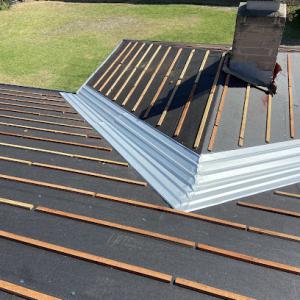
"Water Proofing Sacramento State And Surrounding Areas" Sacramento Valley Roofing & Gutters is a premier roofing and gutter solutions provider proudly serving the greater Sacramento Valley region. Built on a foundation of integrity, quality workmanship, and outstanding customer service, we are committed to delivering reliable and long-lasting exterior solutions that protect homes and businesses for years to come. Our team of licensed professionals specializes in a full range of residential and commercial roofing and gutter services. From new roof installations and comprehensive repairs to custom gutter systems and routine maintenance, we bring precision, professionalism, and peace of mind to e
Garner Roofing
Serving
4.5 from 287 reviews
See the GARNER DIFFERENCE! We are a 3rd generation, veteran owned and operated roofing company. We have been serving residents in the community for over 3 generations! We would like to work with you on your new roofing project. Our highly skilled, drug tested, background checked, and professionally trained workers provide the highest quality service to all our customers. Not only do we offer all types of residential and light commercial roofs, but we also have the best WRITTEN warranties and guarantees in the business. Contact us for more information.
Heritage Roofing Solutions
(916) 829-7009 citrusheightsroofingservice.com
Serving
4.8 from 29 reviews
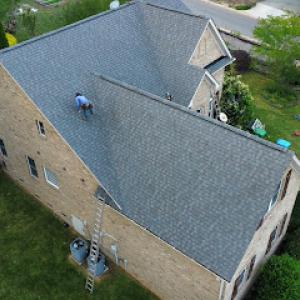
Heritage Roofing Solutions is the trusted roofing contractor in Citrus Heights, CA, delivering top-quality roofing services with professionalism and expertise. We specialize in roof installation, roof replacement, and roof repair, ensuring durability and long-lasting protection for your home or business. Our team excels in metal roofing, asphalt shingle roofing, and commercial TPO roofing, offering energy-efficient and stylish solutions. Whether you need new construction roofing or flat roofing, we provide superior craftsmanship and top-tier materials. At Heritage Roofing Solutions, customer satisfaction is our priority—count on us for reliable, high-quality roofing services that stand the test of time. Call today for a free estimate!
Noah's Roofing
(916) 704-2674 noahsroofing.net
Serving
4.9 from 118 reviews
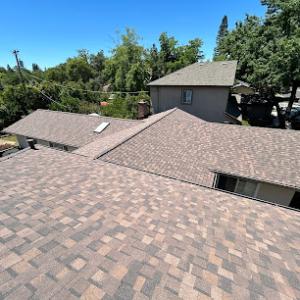
Your go to family-owned roofing contractor. When it comes to quality roofing solutions, trust none other than Noah's Roofing. Our team is very concerned about your welfare as well as the future of our environment, so we strive to provide systems that are long-lasting and energy-efficient. Instead of just replacing your roof, we go the extra mile to identify and install the roofing system that best suits your needs and preferences. Noah’s Roofing is a licensed, insured, and bonded contractor to ensure we protect your home. Steve has over 20 years of roofing experience. We hire the best experienced roofers, most are certified Select Master shingle roofers with CertainTeed. Are you ready for the rain?
J. Ratch Construction
(916) 612-1582 www.jratchroofing.com
Serving
5.0 from 60 reviews
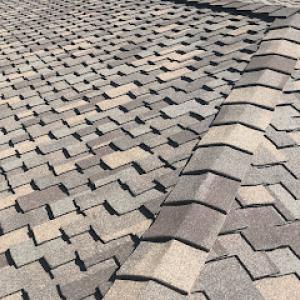
J. Ratch Construction, located at 4245 Hussey Dr., is your premier roofing contractor for all roofing needs throughout Sacramento County and beyond. As a leader among roofing companies, we specialize in roof installation, repair, and replacement, ensuring top-notch service tailored to homeowners and businesses. Our expert team is well-versed in addressing roof leak repairs, missing shingles, and water damage promptly to prevent further issues. We utilize high-quality materials, adhering to local codes for long-lasting results. With a customer-first approach and flexible financing options, trust J. Ratch Construction for providing the best roof solutions with unmatched reliability and professionalism. For roofers near you, contact us today!
A full roof replacement in Orangevale typically requires a building permit through Sacramento County rather than a separate Orangevale city building department. That means your project is reviewed by county plans examiners who assess structural details, wind uplift, and fire-safety considerations in the foothills and higher-summer heat cycles. The process can feel slower than what some homeowners expect, especially if the project moves through a busy season or if the county asks for clarifications after the initial submittal. Being prepared for that review delay helps prevent calendar surprises and keeps your project from stalling mid-tear-off.
The local process generally involves submitting project details and material specifications for plan review, with possible follow-up documentation requests before approval. Expect to provide roof deck conditions, attic ventilation plans, and product data for shingles, underlayment, and any metal or tile components. Because Orangevale roofs vary from asphalt to clay tile to metal, the county reviewer often looks closely at how the replacement system will perform under hot-summer and wet-winter cycles, and how that system interacts with fire-rated coverings. If the plans trigger questions-such as revised fastening schedules or revised nailing patterns-respond quickly to keep the review moving. Delays tend to come from missing manufacturer specifications or inconsistent load calculations that require extra clarification.
Orangevale re-roof inspections commonly occur at tear-off or rough stage, at bare deck, and again at final completion, so scheduling and deck exposure time directly affect project flow. The tear-off inspection confirms that existing layers have been removed to the deck and that the deck is in conductible condition for the new installation. The rough-in or rough stage inspection checks that the roof system is properly secured, that underlayment is installed correctly, and that any ventilation or flashing details align with permit directions. The final inspection verifies that the completed roof matches the approved plans and that drainage and flashing around penetrations are properly sealed. Because exposure time-how long the deck stays uncovered-directly impacts weather exposure risk, coordinate your crew's pace with the anticipated weather window for Orangevale's hot, dry summers and rainy winters to avoid moisture intrusion and rework.
You operate in California's challenging insurance environment where wildfire and wind exposure can influence underwriting, renewals, and premium changes after major regional events. The combination of hot summers and wet winters in this foothill edge creates unique stresses on shingles, tiles, and metal roofs alike. When fire season lingers into peak outdoor activity times or a windy spell rips through late fall, carriers scrutinize not just the roof's current condition but how it has been cared for over the years. That scrutiny can shape your renewal outlook and your ability to secure coverage after a loss, so the consequences of a weather-driven event extend beyond the immediate repair bill.
For roof claims, adjusters may closely review pre-loss and post-loss photos, repair history, and code-related documentation rather than relying only on a contractor opinion. In practice, that means you should keep a well-organized record: dated photos of shingles or tiles before any incident, notes on past repairs, and receipts showing recent maintenance or upgrades. When a winter storm or strong wind has just passed, the absence of consistent documentation can slow the process or leave room for dispute about what was damaged versus what was already worn. The more a homeowner can demonstrate proactive upkeep and adherence to current roof-related standards, the better the alignment with an adjuster's review.
Because Orangevale roofs can be affected by winter storms and seasonal wind events more than by hail-driven losses, documentation quality and timing are especially important when pursuing coverage. Post-storm inspections should occur promptly, and any temporary protection efforts should be documented to show you took reasonable precautions. Waiting weeks to photograph damage or delaying a repair history can complicate coverage decisions and lengthen the path to settlement. Recognize that insurers often connect weather patterns to performance expectations, so timely, clear records help bridge the gap between what happened and what is recoverable.
Keep a running photo log that captures roof surface condition in late summer, after major wind events, and following any rainfall that caused pooling or leaks. If a component has shown repeated vulnerability-missing granules, lifted edges, or accelerated wear from heat swings-document it with precise dates and, if possible, a note on any temporary fixes. Share these records with your insurer as part of a loss claim or renewal package, and include any professional assessments that reference code-compliant or recommended practices. In this climate, honest documentation and careful timing can be the difference between a smooth claim and an extended dispute.
Connect with contractors who help homeowners navigate the claims process from damage assessment to final approval.
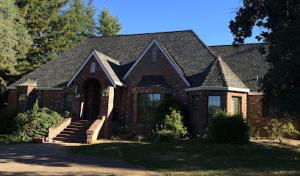
Porter Roofing
(916) 628-8088 www.porterroofs.com
8593 Westin Ln, Orangevale, California
4.7 from 66 reviews
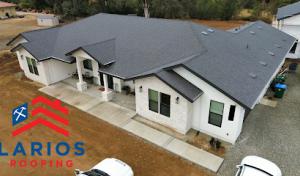
In this climate, tile roofs often reach replacement decision points not because every visible tile has failed, but because the underlayment wears out and flashing deteriorates. The repeated pattern of hot summers followed by wet winters stresses sealants and metal flashings that sit beneath the surface, quietly guiding the roof's lifespan. The effect is especially noticeable on roofs that see long dry spells followed by sudden downpours, where tiny gaps multiply into noticeable leaks after a season of weather cycles.
Concrete and clay tile both matter locally, so homeowners need to distinguish between broken field tiles, slipped tiles after wind, and hidden water entry at penetrations and valleys. A single cracked field tile may not trigger a full roof change, but it can be a source of concealed leakage if underlayment around vents or skylights has begun to degrade. Pay attention to tiles that rest unevenly, as those shifts often foreshadow flashing misalignment at hips, ridges, or roof-to-wall transitions.
Orangevale's wet-winter inspections should focus on leak paths beneath tile systems, especially after hot summers have stressed sealants and metal flashings. Look for damp or stained ceilings near interior penetrations, and test roofs after a winter rainstorm regardless of how many tiles look intact. Water often follows flashings that have pulled away from counterflashing or coping, or along valley areas where metal has fatigued with heat cycles.
To stay ahead, schedule seasonal checks that probe the edge of tile systems where water tends to move downward. For action items, have a qualified roofer inspect attic ventilation, decking around penetrations, and the condition of metal flashings after a hot dry spell ends with sharp rainfall. Early detection keeps small problems from turning into costly replacements.
Find contractors who specialize in clay and concrete tile roofs, known for their durability and curb appeal.
Porter Roofing
(916) 628-8088 www.porterroofs.com
8593 Westin Ln, Orangevale, California
4.7 from 66 reviews

Although flat roofing is not the dominant look, the local contractor market shows meaningful demand for flat or low-slope work on additions, patio covers, garages, and mixed-roof homes. Those low-slope sections sit in the path of winter rain and heat swings, and drainage or ponding tolerance differs from steeper main-house roofs. When a garage or patio roof shares a wall with the house, water can find its way to transitions and tie-ins that are easy to overlook from the ground.
Begin with a careful check around the perimeter where the low-slope roof meets the more vertical house sections. Look forwater staining, blistering, or soft spots at edge details, penetrations, and flashing bends. Gutters and downspouts deserve extra attention after winter rains, since debris and leaf buildup can create standing water on these surfaces. Inspect at least twice a year: after the wet season and before the next hot period ramps up. Pay special focus to any areas where the low-slope sections join the main roof, as leaks commonly track from those transitions.
Replacement planning should separate the main roof system from attached low-slope sections so leaks at transitions and tie-ins are not missed. When replacing, treat the garage or patio roof as a distinct project with its own inspection and waterproofing plan. If a low-slope area shares a penetrated deck or wall membrane with the main roof, ensure compatible flashing and a continuous waterproofing strategy at the junction. Consider ventilation needs for enclosed patio covers, as humidity can accelerate wear on flat or low-slope membranes. Finally, schedule follow-up checks after heavy rains or cycles of hot weather, since both can reveal slow leaks that appeared dormant in the dry season.
Find specialists in TPO, EPDM, and built-up flat roofing systems for residential and commercial properties.
Heritage Roofing Solutions
(916) 829-7009 citrusheightsroofingservice.com
Serving
4.8 from 29 reviews
Winter storms can turn small preexisting defects into active interior leaks when roofs are already stressed by summer expansion and aging sealants. In this town's mix of asphalt, tile, and metal roofs, a single blister or seam failure can cascade once moisture enters a warm attic and hits damp insulation. The result is a rushed, urgent leak that travels quickly from attic to ceiling during a fresh downpour.
Emergency response matters locally because wind during transitional seasons can remove or loosen roofing components and leave exposed areas before a full replacement can be scheduled. That exposure often sits atop a fragile, heat-swollen roof deck, making fast action essential. If fast winds whip through loosened edges, sheathing gaps widen and water finds routes around skylights, vents, or chimney flashings.
Short-term dry-in decisions in Orangevale need to account for permit timing, inspection sequencing, and the risk of additional moisture entering during county review or weather delays. A tarp or roofing fabric can buy time, but must be secured against wind uplift and packed edges sealed against driving rain. Do not rely on temporary fixes alone; plan a disciplined sequence with a licensed contractor, a clear dry-in scope, and an anticipated window for a permanent repair.
You should inspect from ground level and, if safe, up in the attic for moisture trails, staining, and condensation. Photograph all affected areas, especially around flashed edges, valleys, and any signs of blistering or soft spots. Collect insurance and contractor contact details, and prioritize a rapid scheduling path that minimizes additional moisture exposure during this high-risk period.
When you can't wait, these contractors offer fast response times to stop leaks and prevent further damage.
Porter Roofing
(916) 628-8088 www.porterroofs.com
8593 Westin Ln, Orangevale, California
4.7 from 66 reviews