Last updated: Apr 19, 2026
In Carmichael, the pattern follows the Sacramento Valley: wet winters and long hot dry summers. That combination squeezes the safest full reroof window tighter than in milder coastal California cities. Reroof timing needs to respect both the risk of winter moisture and the strain of summer heat on materials and crews. If a replacement can be planned around a stretch of dry, temperate weather, the project tends to run smoother and with fewer post-install surprises. The narrow window also means that delaying a roof replacement when the weather shifts can leave decking exposed to moisture longer than intended, particularly after a winter storm passes.
Winter storm systems in the Sacramento Valley can pause tear-offs and leave exposed decking vulnerable to moisture if scheduling slips. When rain becomes the daily forecast, a crew will pause, tarps go up, and the clock stops on the dry-in. If the forecast shows a string of storms, the prudent move is to reschedule the start of the project rather than press through wet decking, which can promote deck swelling, nail head exposure, and prematurely aged underlayment. If any part of the roof is obscured by ice or dense cloud cover, the risk of slip-and-fall injuries increases, so safety contingencies take priority. A cautious homeowner keeps a backup plan for weeks with solid dry days, so the tear-off and reinstallation can proceed without extended interruptions and without leaving roofing underlayment exposed to back-to-back storms.
As winter rain tapers, the transition into spring offers a potential window, but it tends to be brief. In this climate, the warm-up happens quickly, and the first heat waves can appear sooner than expected. The window for a full tear-off is best when several consecutive dry days are anticipated, allowing decking to dry properly, underlayment to cure if applicable, and shingles or tiles to be installed in consistent conditions. Sharp shifts from cool mornings to hot afternoons can complicate material handling and crew pace, especially with heavier tile configurations. The goal is to complete the bulk of the installation while temperatures are moderate and humidity is manageable.
Peak summer heat can make asphalt shingle handling and installation more difficult during the hottest parts of the day. In inland counties, working hours may shift earlier to avoid the peak heat window. Consistent shade over the roof surface is unusual, so crews often stage work around dawn starts, with a midday pause or finish later in the afternoon. If tile roofs are involved, heat can affect fasteners and sealants, and tile handling requires more care to prevent cracking or breakage. Homeowners should anticipate stricter daily rhythms: shorter shifts, more hydration, and more frequent inspections to ensure fasteners and laps seat properly in the heat. Planning a reroof during a spell of mild heat and low humidity helps install gutters, underlayment, and flashing with greater precision and less risk of distortion on long runs.
Certain materials respond differently to seasonality. Asphalt shingles require a stable, dry surface for sealing and nail setting; excessive heat can cause shingles to bend or gape during lay-down, while cold can make them brittle. Clay and concrete tiles demand careful handling in heat to avoid breakage, and concrete mortar for deck repairs cures faster in warmth but can also crack if wetness is present. Wood shingles can warp with rapid changes in moisture content, so a dry, moderate period is preferred for a uniform cut and nailing pattern. Synthetic or composite options tend to tolerate a broader range but still benefit from consistent temperatures and dry conditions. When the calendar shows a dry stretch with mild temperatures, that is the moment to advance the schedule, allowing full tear-off, deck inspection, underlayment application, and precise flashing integration to anchor a long-lived roof.
Because the window is narrow, a proactive homeowner coordinates closely with the contractor to map a realistic start date, a target dry-in milestone, and a backup plan if a storm looms. This involves inspecting the existing roof for any decking issues, aligning material delivery with the anticipated dry spell, and ensuring crews can maintain a steady pace without rushing in extreme heat. The aim is to avoid extended exposure of underlayment and roof decking while balancing the realities of Carmichael's climate. A disciplined approach minimizes callbacks and helps the roof perform well through the next heat summers and winter rains.
In Carmichael, heavy summer heat isn't just a daily irritant-it's a repeated stress test on aging roofs. Many neighborhoods sit under sun-drenched skies for long stretches, with roof planes that absorb and radiate heat all afternoon. Over years, that cycle accelerates the aging of asphalt shingles, making granules shed faster and panels curl or cup prematurely. The result is a roof that looks "tunned" by sun even when it's still structurally sound in places, while other sections show early signs of wear. The message is simple: you can't ignore the heat when you've got an older roof in the mix.
Asphalt shingles are particularly vulnerable on sun-facing slopes. In inland heat exposure typical to the Sacramento region, the hottest surfaces take the brunt, and the shingles on those planes age more quickly than the shaded sides or the north-facing aspects. That accelerated aging isn't just cosmetic; it shortens the effective life of the roof and can undermine waterproof performance if granules wear thin or flashing sections begin to fail. If the roof has seen decades of sun, expect more rapid wear on south and west faces, and plan for the possibility of more frequent maintenance needs on those planes.
Ventilation and flashing details rise in importance when heat and moisture both demand attention. Prolonged summer heat stresses attic spaces, which can push temperatures higher and create conditions for attic condensation or ice-dam concerns in milder winters. Adequate soffit and ridge ventilation helps keep underside temperatures closer to ambient, slowing shingle deterioration and reducing the risk of hidden moisture damage. Flashing around chimneys, vents, and parapets must stay flexible and corrosion-free to manage winter moisture without leaking. In older homes, flashing may be aged or corroded, and even small gaps can become pathways for water during wet months. Regular inspection of those details is a practical precaution that pays off down the line.
Re-roof timing is influenced by the intensity and duration of heat cycles. When heat accelerates aging, shingles can deteriorate faster in summer, compressing the usable window for a seamless replacement. The combination of a dry, hot summer and a wetter season means that planning ahead matters: the goal is to avoid long stretches of heavy sun during installation and to ensure adequate attic ventilation and proper seal around the edges before winter rains arrive. If the roof is older and showing sun-related wear, addressing vent should and flashing integrity sooner rather than later can prevent accelerated deterioration from staging a late summer or autumn project.
The most popular roofing material in the US. Find pros who install, repair, and replace asphalt shingles.
Noah's Roofing
(916) 704-2674 noahsroofing.net
7259 Gunderson Way, Carmichael, California
4.9 from 118 reviews
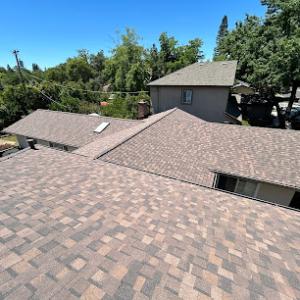
Your go to family-owned roofing contractor. When it comes to quality roofing solutions, trust none other than Noah's Roofing. Our team is very concerned about your welfare as well as the future of our environment, so we strive to provide systems that are long-lasting and energy-efficient. Instead of just replacing your roof, we go the extra mile to identify and install the roofing system that best suits your needs and preferences. Noah’s Roofing is a licensed, insured, and bonded contractor to ensure we protect your home. Steve has over 20 years of roofing experience. We hire the best experienced roofers, most are certified Select Master shingle roofers with CertainTeed. Are you ready for the rain?
J. Ratch Construction
(916) 612-1582 www.jratchroofing.com
4245 Hussey Dr, Carmichael, California
5.0 from 60 reviews
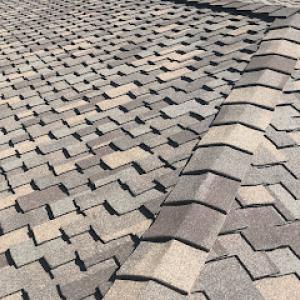
J. Ratch Construction, located at 4245 Hussey Dr., is your premier roofing contractor for all roofing needs throughout Sacramento County and beyond. As a leader among roofing companies, we specialize in roof installation, repair, and replacement, ensuring top-notch service tailored to homeowners and businesses. Our expert team is well-versed in addressing roof leak repairs, missing shingles, and water damage promptly to prevent further issues. We utilize high-quality materials, adhering to local codes for long-lasting results. With a customer-first approach and flexible financing options, trust J. Ratch Construction for providing the best roof solutions with unmatched reliability and professionalism. For roofers near you, contact us today!
America's Roofing Company
(916) 633-1883 acrroofingsystems.com
5840 Gibbons Dr f, Carmichael, California
5.0 from 18 reviews
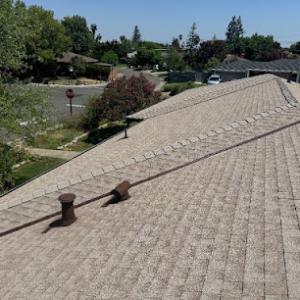
America’s Roofing Company makes roof replacement simple and stress-free. Proudly serving the Greater Sacramento area — including Placer County, El Dorado Hills, Davis, and surrounding communities — we deliver top-quality roofing solutions to protect your home and family. Active owner and CEO Joe Petersen brings over 40 years of roofing expertise, ensuring every project is completed with integrity, craftsmanship, and care. When you need a roof you can trust, choose America’s Roofing Company — Protection Your Family Deserves.
The Tom Yancey Company
(916) 979-1888 www.tomyancey.com
7101 Fair Oaks Blvd, Carmichael, California
4.6 from 47 reviews
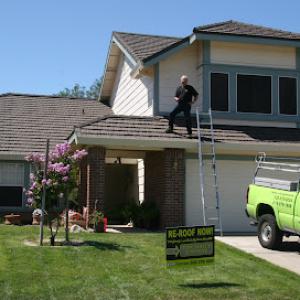
Tom Yancey Company specializes in maintaining and remodeling the exterior of your home from roofing, siding, windows, gutters, downspouts, insulation, as well as roof repairs.
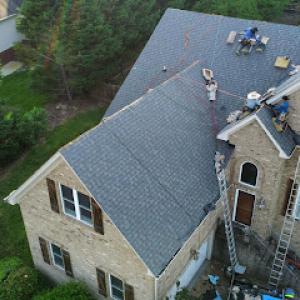
Peak Roofing Solutions
Serving
5.0 from 26 reviews
Peak Roofing Solutions is your trusted roofing contractor serving Rancho Cordova, CA, offering a comprehensive range of services to meet all your roofing needs. Whether you require roof installation for a new build, roof replacement, or reliable roof repair, we have you covered. Our team specializes in metal roofing, providing durable and long-lasting solutions, along with high-quality asphalt shingle roofing that’s both cost-effective and aesthetically appealing. For commercial properties, we offer top-notch TPO roofing systems that are energy-efficient and reliable. We also provide expert flat roofing services, ensuring your property stays safe and protected. Trust Peak Roofing Solutions for all your roofing needs.
NRG Pros
(916) 578-2643 www.nrg-pros.com
Serving
4.9 from 92 reviews
NRG Pros has been providing high quality roofing services for over 20 years. We're family owned and operated, so we understand that our customers have plenty of options when it comes to choosing who will work on their home. That's why we strive to provide exceptional service at an affordable rate with every job we do. Roofs are expensive, and the cost of repairing or replacing your roof can put a huge dent in your budget. Our goal is to provide you with peace of mind knowing that your home, or business, is well protected from the elements and looking great while doing it! When you choose NRG Pros for all of your Sacramento Roofing needs, rest assured that you'll get the best value around without sacrificing quality craftsmanship.
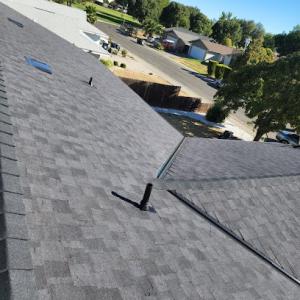
Roofing Pros Sacramento
(916) 908-5938 roofingprossacramento.com
Serving
5.0 from 43 reviews
Roofing Pros Sacramento, located at 3400 Watt Ave ste 200b, is your top choice for expert roofing solutions in the heart of Sacramento. As premier roofing contractors in Sacramento, we specialize in delivering high-quality craftsmanship and reliable services that stand the test of time. Our dedicated team excels in various roofing projects, from repairs to new installations, ensuring your home's protection and aesthetic. When searching for roofers or roofing companies near you, look no further. We are committed to customer satisfaction and excellence. Choose Roofing Pros Sacramento for all your roofing needs and experience the best roofing contractors in Sacramento.
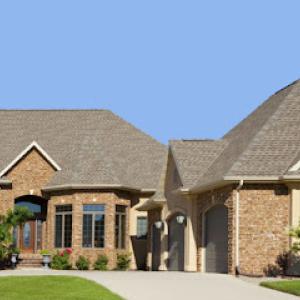
Harlan Quality Roofing
(916) 292-9548 harlanroofing.com
Serving
4.8 from 58 reviews
We specialize in residential roof replacement and new installations of asphalt composition shingles, along with asphalt composition roof repair and tile roof repair with over 25 years of roofing experience!
Cal-Vintage Roofing
(916) 635-8320 www.calvintageroofing.com
Serving
4.7 from 94 reviews
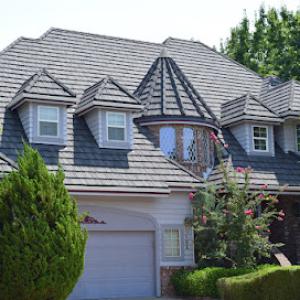
Cal-Vintage Roofing Inc, a premier roofing service provider in Gold River, California, proudly offers top-notch solutions to ensure the longevity and aesthetic appeal of your property. With years of expertise and a skilled team of professionals, Cal-Vintage Roofing Inc is dedicated to delivering exceptional craftsmanship, exceptional materials, and unparalleled service to protect and enhance your valuable investment.
Ironstone Roofing
(916) 769-7010 www.ironstoneroofing.com
Serving
5.0 from 22 reviews
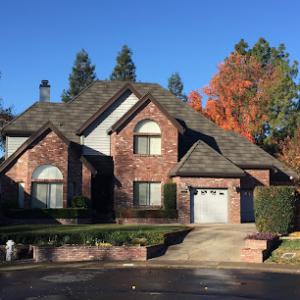
Are you planning on installing or replacing a roof near Rancho Cordova, CA or the surrounding areas? Then contact the experts at Ironstone Roofing. Our roofers specialize in the installation of stone coated steel roofing, a unique material that has all the durability of metal with all the visual appeal of shingles. We offer stone coated roofing tiles, as well as composition roofing tiles, from various different brands, including Tilcor, Decra, MetalSales, and ASC. Call us today and let us install your stone coated metal roof.
Sacramento Roofing
(916) 579-2575 sacramento-roofing.com
Serving
5.0 from 108 reviews
Dealing with roofing issues can be stressful. Whether you have a few missing shingles or you need a whole new roof, Sacramento Roofing can help. Our licensed roofing contractor has the experience and skills needed to take care of your roofing and professional gutter services quickly and efficiently. Once our crew is done, your roof in Sacramento, CA will look better than ever.

Clark's Gables Roofing
(916) 791-0121 clarksgables.com
Serving
4.9 from 85 reviews
Clark's Gables Roofing — Roofing Excellence You Can Trust With over 30 years of experience, Clark’s Gables Roofing is proud to be a trusted name in residential roofing across Roseville, CA, and surrounding areas. Fully licensed, insured, and bonded (License #C39-696491), we deliver peace of mind along with expert craftsmanship. We specialize in: *Concrete tile roof repairs. *Installation of composition shingles, concrete tiles, and stone-coated steel roofs. *Gutter and gutter screen installation. Whether you need a minor repair or a full roof replacement, our team provides a complete range of roofing services tailored to your needs. At Clark's Gables Roofing, quality work and customer satisfaction are our top priorities. Call us today!!
Clay and concrete tile are established choices in the Sacramento area because they perform well in dry heat, making them especially relevant in this inland climate. In this section, understand why contractors in Carmichael favor tile for long-lived protection during hot summers and wet winters. The lighter, cooler feel of clay and concrete tiles helps manage attic heat and can contribute to overall energy performance when paired with proper ventilation. Tile roofs also resist rain impacts and debris loads better than some lighter materials, which matters during the winter storms that occasionally sweep through the valley.
Tile reroof projects in Carmichael require attention to structural capacity because clay and concrete systems are significantly heavier than lightweight shingle systems. The added weight sits on the existing framing, so the roof structure must be evaluated before installation. Older homes, especially those with original framing, may not be built to carry tile without reinforcement. If upgrading from lighter materials, a structural assessment is essential to determine whether the rafters, joints, and sheathing can handle the load or if there is a need for bracing or additional framing. Plan for potential reinforcement before ordering materials.
Before any tile purchase, arrange a structural review focusing on attic space, rafters, and the ceiling joists. The assessor should verify that the substructure can bear the weight of clay or concrete tiles plus underlayment and any insulation adjustments. Verify roof slope compatibility; most tile systems require a minimum pitch to prevent water infiltration and wind blow-off. Check existing sheathing conditions for signs of rot or insect damage, and address those issues prior to laying new tiles. Ensure roof openings for vents, chimneys, and skylights are sized and flashed to prevent leaks once tiles are installed.
Older homes being upgraded from lighter materials to tile need structural assessment before installation rather than assuming the framing can carry the load. Work with a qualified tile installer who understands the local climate and typical rooftop geometry found in these neighborhoods. Expect attention to tile pattern, compatibility with existing eaves or parapets, and the need for a robust underlayment system that resists seasonal moisture and temperature fluctuations. Proper fastener selection and roof deck preparation are critical to minimize cracking and extend tile life.
Once installed, tile roofs require regular inspection for cracked or slipped tiles, especially after heavy storms or seismic activity. Keep gutters clear to prevent water backup, which can loosen tiles and underlayment over time. Ventilation remains important in hot summers to reduce heat buildup beneath tiles, protecting the underlayment and framing from moisture-driven degradation. With timely checks and addressing structural needs upfront, tile systems can perform reliably through Carmichael's seasonal swings.
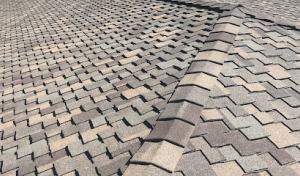
Find contractors who specialize in clay and concrete tile roofs, known for their durability and curb appeal.
J. Ratch Construction
(916) 612-1582 www.jratchroofing.com
4245 Hussey Dr, Carmichael, California
5.0 from 60 reviews
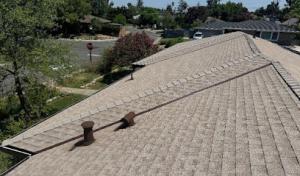
America's Roofing Company
(916) 633-1883 acrroofingsystems.com
5840 Gibbons Dr f, Carmichael, California
5.0 from 18 reviews
Carmichael sits in unincorporated Sacramento County, so roofing permits and inspections are handled through the county rather than a separate city building department. That means the process follows Sacramento County's permit workflow, even though neighborhoods here often feel distinct from the urban core. Before any tear-off or new roof goes on, you'll need to line up the permit, have a plan review if required, and book inspections through the county system. A typical reroof project follows the same basic steps: submit the permit package, get plan review feedback if needed, obtain a permit, and schedule inspections at key milestones during installation.
Most full reroofs in this area benefit from a plan review step, especially on older homes with mixed roof lines, overhangs, or heavier tile assemblies. The county's plan review looks at how the new roof integrates with existing ventilation, attic space, and structural loading, so early preparation matters. If you're dealing with clay or concrete tiles, or a metal roof with a substantial profile, anticipate reviewer questions about underlayment type, fastener schedules, and allowable spans. Once a plan is approved (or if your project qualifies for a simpler submittal), you'll receive permit issuance instructions and can set up the first field inspection.
County inspections commonly verify key drainage and safety details that influence long-term performance in this climate. Expect inspectors to check underlayment installation for the roof deck, proper flashing at valleys and penetrations, surrounding penetrations like vents and skylights, and the ventilation strategy in the attic or crawlspace. Ventilation matters here due to hot summers and the way heat interacts with older framing, so ensure soffit and ridge ventilation are correctly planned and executed. Inspections can also confirm that decking is sound and that any re-nailing or structural reinforcements meet code requirements. Scheduling times can vary with department workload, so it helps to align your crew's timeline with the county's typical inspection windows and to request any same-day or next-day slots when possible.
Coordinate your contractor's permit package with the county early, and don't overlook the need for clear roof plans showing venting and flashing details. Because the process timelines shift with workload, build a cushion into your project timeline for inspections, especially during the wet season when rain can affect scheduling. Keep all documentation accessible-plan approvals, permit numbers, and inspection notices-so when the county calls, you can respond promptly and keep the reroof moving without unnecessary delays.
Asphalt shingles remain a dominant choice for a large stock of conventional sloped roofs and for homeowners watching budgets. In Carmichael, the heat of the Sacramento Valley and the occasional winter rain make asphalt a sensible balance of performance and price. The typical cost ranges from about 350 to 700 USD per square for a standard 100-square-foot roofing unit, which keeps a mid-range project accessible without compromising basic durability. The low upfront cost also helps when scheduling multiple homes during peak season, though attention should be paid to ventilation and underlayment to prevent premature aging in hot summers.
Metal roofs offer strong performance in the warm, dry stretches and are popular where a longer service life is valued. They tend to sit at a higher price point, roughly 600 to 1,500 USD per square, reflecting faster installation and the need for precise detailing over the deck. In Carmichael, metal can handle the heat well and often resists the thermal cycling that can stress older underlayers. If choosing metal, budget for a thorough assessment of the existing structure to ensure fasteners and battens align with the roof's slope and weight, especially on homes with mixed-age framing.
Clay and concrete tiles are common in Sacramento-area neighborhoods and can deliver classic curb appeal. In Carmichael, tile projects routinely cost more than plain shingle jobs because of heavier installation demands and the need for structural review of the roof deck to support the added weight. Material costs vary widely: clay tile ranges from about 1,000 to 2,800 USD per square, while concrete tile is roughly 900 to 2,400 USD per square. The winter storms add scheduling complexity, increasing labor time for tile alignment and sealing.
Wood shingles, synthetic or composite shingles sit in between for price and performance. Wood typically runs around 750 to 1,800 USD per square, while synthetic options span from 400 to 900 USD per square. In Carmichael's climate, synthetic and wood can offer favorable aesthetics and good wind resistance, but wood may require more maintenance to combat moisture uptake from winter storms. Seasonal weather interruptions and surge demand after storms can tighten labor availability, pushing schedules and prices in the Sacramento County market.
Don't let upfront costs delay a critical repair - these contractors offer payment plans to fit your budget.
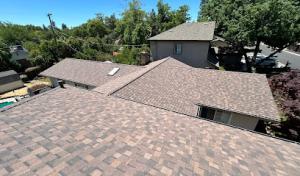
Noah's Roofing
(916) 704-2674 noahsroofing.net
7259 Gunderson Way, Carmichael, California
4.9 from 118 reviews
J. Ratch Construction
(916) 612-1582 www.jratchroofing.com
4245 Hussey Dr, Carmichael, California
5.0 from 60 reviews
In Carmichael, homeowners are navigating California's volatile insurance market, where wildfire-related carrier pullbacks affect underwriting even in inland suburban communities outside the highest mountain fire zones. That reality means the choice of roof type, its age, and visible wear can influence whether a policy remains in force or faces premium and coverage shifts. If a roof looks aged or damaged, a carrier may tighten terms or pause renewals, so understanding what lenders and insurers expect in your neighborhood helps you avoid unexpected gaps. The practical takeaway is clear: maintain a record of the roof's condition over time, and anticipate that insurers may reassess risk more aggressively during renewal periods.
Older roofs in the county can face stricter renewal scrutiny, with carriers asking for inspection reports and clearer documentation of remaining roof life. Homeowners should anticipate a stronger emphasis on weathered surfaces, flashing integrity, and attic ventilation as part of underwriting reviews. A well-documented history-note dates of last inspections, signs of hail impact, and any previous repairs-can help demonstrate proactive management. In a market where insurers increasingly require tangible proof of durability, collecting independent inspection summaries or engineer notes before the renewal window opens can smooth the process and reduce surprises when coverage decisions arrive.
After wind or storm events, homeowners benefit from detailed photo documentation because claim requirements and adjuster expectations vary by carrier. Take comprehensive, dated imagery of the roof, gutters, and any visible damage from multiple angles. Capture close-ups of cracked or missing shingles, lifted underlayment, and flashing where applicable. When contacting the insurer, pair photos with a concise, event-specific timeline: what happened, when, and what temporary measures you took. Clear evidence helps avoid back-and-forth disputes and accelerates any needed repairs, which is especially critical in a climate where rapid weather swings test aging surfaces.
Connect with contractors who help homeowners navigate the claims process from damage assessment to final approval.
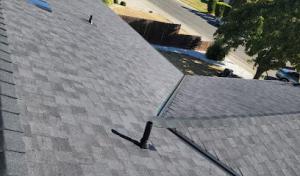
Fall wind events affecting inland Northern California, including Diablo wind patterns, can drive debris onto roofs and expose weak flashing details in Carmichael. Dry season expansion leaves joints and seals cracked or brittle, so a routine check after any high-wind day is essential. Look for lifted shingles, loose edge metal, and granule loss near valleys and seams. If you see debris or a missing shingle edge, act fast before the first winter storm.
Sacramento-area winter rain often reveals leak points around penetrations and transitions that stayed hidden through the dry season. Pay close attention around vent pipes, skylights, chimney flashing, and the roof-to-wall transition. A small drip during a heavy storm can indicate an underlying failure in sealant or flashing that will worsen with continued rain. Inspect after storms with a flashlight at the attic hatch to locate daylight or damp spots on insulation or rafters.
Skylight and flashing failures become especially noticeable in Carmichael when the first major winter storms arrive after months of summer expansion and UV exposure. Old or mismatched flashing membranes can separate as materials contract and expand with temperature shifts. If condensation sits on the skylight perimeter or you see moisture tracking along the flashing, coordinate a prompt sealant refresh or flashing upgrade to avoid interior water intrusion during relentless winter downpours. Stay proactive after the first big storm and before the next wave of cold rain.
Find contractors experienced in skylight installation, flashing, and leak repairs to bring natural light into your home.
J. Ratch Construction
(916) 612-1582 www.jratchroofing.com
4245 Hussey Dr, Carmichael, California
5.0 from 60 reviews
Carmichael Roofing Solutions
(916) 374-7376 carmichaelroofingsolutions.com
7103 Fair Oaks Blvd, Carmichael, California
5.0 from 30 reviews
The Tom Yancey Company
(916) 979-1888 www.tomyancey.com
7101 Fair Oaks Blvd, Carmichael, California
4.6 from 47 reviews
Sacramento Valley summers push heat into roofing assemblies, while winter storms stress underlayment and flashings. In the suburban fabric around here, additions, patio covers, and garage sections create low-slope tie-ins that complicate a standard pitched-roof reroof. When solar work is part of the plan, you often want to avoid reinstalling panels onto an aging roof system, so the sequence and coordination between reroof and solar layout become critical to long-term performance.
Older homes usually mix main-roof pitches with lower-slope accessory sections. That means you may need different material approaches on the house and the low-slope add-ons. For example, a main tile or shingle roof might pair with a low-slope metal or membrane tie-in. The goal is to maintain consistent roof-to-wall transitions, ensure proper drainage from both planes, and avoid mismatched aging patterns that shorten overall system life. In practice, this often leads to selecting a compatible top layer on the primary roof and a durable, properly flashed low-slope option for the annexes.
If solar panels are planned, coordinate panel racking and electrical routing with the reroof scope so no panel removal is required later. In many cases, delaying solar installation until after the reroof avoids the risk of puncturing aging decking and helps ensure that roof penetrations are sealed once. If the home already has a mixed roof layout, ensure the solar contractor understands spacing and shade considerations across both the main roof and lower-slope sections.
Hot summers and wet winters in this region stress ventilation and flashing details near low-slope interfaces. Pay close attention to ridge and hip transitions where the main roof meets the add-ons, and verify that underlayment choices on the low-slope sections match the main roof to prevent differential aging. Proper attic venting and soffit intake help balance temperatures and moisture across both roof planes, reducing the chance of rapid deterioration at one portion while the other remains relatively protected.
Find contractors who integrate solar panels or solar shingles into your roof for long-term energy savings.
America's Roofing Company
(916) 633-1883 acrroofingsystems.com
5840 Gibbons Dr f, Carmichael, California
5.0 from 18 reviews

Phoenix Exteriors Roofing & Solar
(916) 398-2896 www.phoenixexteriors.com
Serving
5.0 from 8 reviews