
Last updated: Apr 19, 2026
The hot, dry season stretches across long weeks of consistently sunny skies and minimal rain. For a full roof replacement, the dry season is the preferred window because tear-off, dry-in, and final inspection benefit from stable weather and steady drying conditions. In this area, that means scheduling the bulk of a reroof between late spring through early fall when rain risk is at its lowest and temperatures, though hot, tend to be predictable from day to day. If a roof needs to be completed in one continuous push, lining up crews for a block of dry, hot days helps minimize the risk of weather-induced delays that can push a project into a second heat cycle or into the fall with changing conditions. When planning, prioritize a stretch with extended dry days and avoid late-season heat spikes that can stress materials or complicate installation sequences on steeper slopes.
Winter storms arrive with a likelihood that increases from November through March. Those storms can delay tear-off, dry-in, and inspection timing. If rain or strong winds are forecast, crews may need to pause work to protect exposed decking and newly installed underlayment. In practice, this means you should expect a reroof project to hinge on a few weather forecasts: a reliable dry window, followed by a few days of calm to complete critical steps such as drying in, and then a short buffer for inspection once the roof is sealed. This seasonal pattern can push work into late winter or early spring if a major storm system interrupts the middle of a project. Plan for flexibility in the schedule and keep a short list of backup dates during the shoulder seasons so that a weather lull can be converted into productive work without sacrificing the integrity of the installation.
From March through May, spring winds can complicate work on exposed slopes before the peak summer installation window arrives. Gusty days complicate debris management, shingle alignment, and temporary protections along rake lines and eaves. To mitigate risk, the timing strategy should build in a safety margin during this period, especially for homeowners with tall peaks or complex roof geometry. If possible, coordinate with the contractor to complete the most critical tasks-like underlayment installation and flashings-during the calmer late morning or early afternoon hours, when wind gusts tend to ease. Scheduling a pre-summer air-sealing and underlayment phase before the hottest weeks begin can help keep the project on track when heat intensifies later in the season. This approach reduces the chance of rework caused by wind-driven debris or misaligned fasteners that can happen when work continues on exposed surfaces in unpredictable spring wind patterns.
Think of the reroof as a three-stage sequence anchored to seasonal realities. Stage one centers on getting a firm weather-based start window: identify a period of multiple dry days, ideally consecutive, to allow for tear-off and deck inspection without interruption. Stage two is the dry-in and underlayment phase, which benefits from a stable temperature range and minimal moisture exposure. Schedule this during a stretch where rain risk remains low but temperatures are not extreme enough to accelerate material curing unpredictably. Stage three is the final installation and inspection, aimed at completing before the next potential wet season or a heat spike that could complicate cure times or attic ventilation checks.
In Fair Oaks, yard access, driveway space, and neighbor timing can influence a successful window. Communicate a clear start date with a two-week notification, and align material deliveries with the first couple of dry days. If the forecast shifts toward an earlier wet spell or an unusually windy period, be prepared with a flexible alternative date rather than letting the project stall. Sharing a realistic plan that accounts for typical winter delays and spring wind variability helps reduce misunderstandings and keeps the project moving when the first window is compromised.
Ultimately, the timing strategy hinges on leveraging the long dry spells while building built-in contingencies for November through March storms and March-to-May winds. By targeting a primary dry window in late spring to early fall, and by explicitly scheduling around known weather quirks, homeowners can reduce the risk of weather-related delays, keep installation on an efficient track, and protect the roof's long-term performance in a wildfire-informed insurance landscape. The result is a reroof that is completed with fewer weather surprises and a clearer path to a durable, well-sealed final roof.
In recent years, California insurers have pulled back in wildfire-prone and other climate-stressed areas, and the decline is being felt right here where dry summers meet wet winters. Oakland-sized heat waves can bake roofs, pushing shingles, tiles, and underlayments toward faster aging. When an insurer re-evaluates risk for a renewal or a claim, the conversation often shifts from "how soon" to "how well prepared is the roof for heat, wind, and embers." That shift has real consequences: if the roof isn't up to a verified standard, underwriting options and coverage terms can tighten, leaving homeowners facing higher deductibles or reduced policy flexibility.
During renewal windows or after a storm event, be prepared for a request cascade. Insurers may ask for roof condition photos, documentation of recent maintenance, and contractor estimates before renewing coverage or processing a claim. In the Fair Oaks climate, where summers push materials toward rapid drying and potential cracking, the burden of proof can feel personal. A clear, recent record of maintenance and professional assessments can make the difference between a smooth renewal and a drawn-out negotiation. Gather dated photos of flashing, chimneys, vents, and any visible wear on the roof surface, along with independent contractor notes that speak to the roof's current condition and expected life left. Having these ready reduces the chance that a delay or boundary-pushing request slows down a critical renewal period.
The choice of roof type matters when insurers scrutinize risk. Fire-rated assemblies and, in some cases, wind-resistance details can become important when roof type and location trigger insurer or code scrutiny. A clay or concrete tile roof, for example, may be favored in some wildfire considerations, but only if the installation detail aligns with current fire-resistance expectations and is documented correctly. Metal roofs can offer solid resistance to embers and winds, yet the surrounding deck and attic framing must support the system without gaps that embers could exploit. Asphalt shingles, commonly found on many Fair Oaks homes, can still perform well if upgraded with fire-rated underlayments and proper venting, but these upgrades must be evidenced with professional evaluations. The key is not choosing a trend but building a documented, steady baseline of building envelope resilience.
Weather patterns intensify the risk calculus. Hot dry summers stress roof coverings, increasing the likelihood of micro-cracks and accelerated granule loss, while wet winters raise the importance of effective flashing and drainage to prevent water intrusion that could complicate an insurer's assessment of structural integrity. When planning a replacement or major repair, consider how a given roof assembly will endure both scorch and storm, and how that endurance is proven to an insurer. The goal is not to chase the insurance market, but to align the roof's condition with measurable standards that can be demonstrated through tests, professional inspections, and a robust set of installation details. In the end, a proactive, well-documented approach helps preserve coverage options and reduces the risk of sudden policy changes that can follow a severe wildfire season.
Connect with contractors who help homeowners navigate the claims process from damage assessment to final approval.
Larios Roofing
(916) 871-9558 lariosroofing.net
8900 Degas Ct, Fair Oaks, California
5.0 from 45 reviews

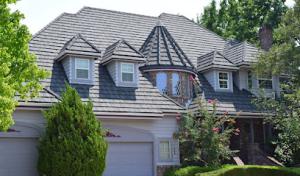
Larios Roofing
(916) 871-9558 lariosroofing.net
8900 Degas Ct, Fair Oaks, California
5.0 from 45 reviews
Welcome to Larios Roofing – Your Trusted, Local Roofing Contractor At Larios Roofing, we combine professional roofing services with a personal touch. Serving Fair Oaks, Sacramento, and surrounding areas, our experienced team is here to handle everything from quick roof repairs to full roof replacements and durable metal roofing solutions. We pride ourselves on treating every customer like family, providing free roof assessments, transparent estimates, and a workmanship warranty for your peace of mind. Using only top-grade materials, we ensure reliable, long-lasting results for both residential and commercial projects. Call us today and let us take care of your roofing needs!
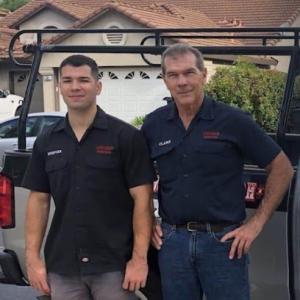
Clark's Gables Roofing
(916) 791-0121 clarksgables.com
Fair Oaks, California
4.9 from 85 reviews
Clark's Gables Roofing — Roofing Excellence You Can Trust With over 30 years of experience, Clark’s Gables Roofing is proud to be a trusted name in residential roofing across Roseville, CA, and surrounding areas. Fully licensed, insured, and bonded (License #C39-696491), we deliver peace of mind along with expert craftsmanship. We specialize in: *Concrete tile roof repairs. *Installation of composition shingles, concrete tiles, and stone-coated steel roofs. *Gutter and gutter screen installation. Whether you need a minor repair or a full roof replacement, our team provides a complete range of roofing services tailored to your needs. At Clark's Gables Roofing, quality work and customer satisfaction are our top priorities. Call us today!!
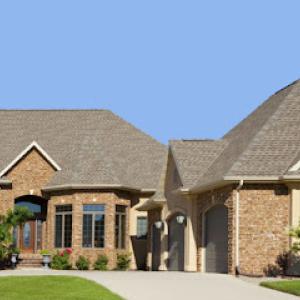
Harlan Quality Roofing
(916) 292-9548 harlanroofing.com
Serving
4.8 from 58 reviews
We specialize in residential roof replacement and new installations of asphalt composition shingles, along with asphalt composition roof repair and tile roof repair with over 25 years of roofing experience!
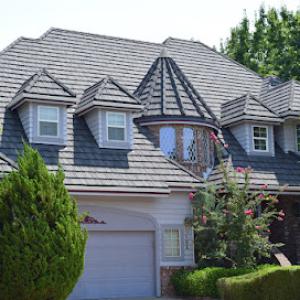
Cal-Vintage Roofing
(916) 635-8320 www.calvintageroofing.com
Serving
4.7 from 94 reviews
Cal-Vintage Roofing Inc, a premier roofing service provider in Gold River, California, proudly offers top-notch solutions to ensure the longevity and aesthetic appeal of your property. With years of expertise and a skilled team of professionals, Cal-Vintage Roofing Inc is dedicated to delivering exceptional craftsmanship, exceptional materials, and unparalleled service to protect and enhance your valuable investment.

Garner Roofing
Serving
4.5 from 287 reviews
See the GARNER DIFFERENCE! We are a 3rd generation, veteran owned and operated roofing company. We have been serving residents in the community for over 3 generations! We would like to work with you on your new roofing project. Our highly skilled, drug tested, background checked, and professionally trained workers provide the highest quality service to all our customers. Not only do we offer all types of residential and light commercial roofs, but we also have the best WRITTEN warranties and guarantees in the business. Contact us for more information.
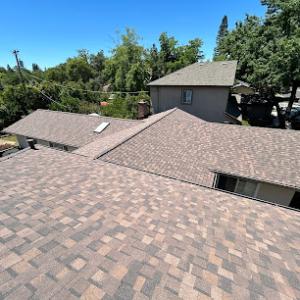
Noah's Roofing
(916) 704-2674 noahsroofing.net
Serving
4.9 from 118 reviews
Your go to family-owned roofing contractor. When it comes to quality roofing solutions, trust none other than Noah's Roofing. Our team is very concerned about your welfare as well as the future of our environment, so we strive to provide systems that are long-lasting and energy-efficient. Instead of just replacing your roof, we go the extra mile to identify and install the roofing system that best suits your needs and preferences. Noah’s Roofing is a licensed, insured, and bonded contractor to ensure we protect your home. Steve has over 20 years of roofing experience. We hire the best experienced roofers, most are certified Select Master shingle roofers with CertainTeed. Are you ready for the rain?
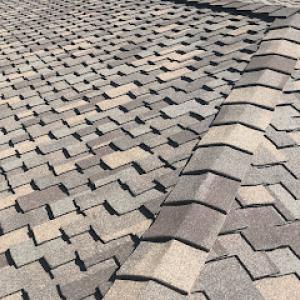
J. Ratch Construction
(916) 612-1582 www.jratchroofing.com
Serving
5.0 from 60 reviews
J. Ratch Construction, located at 4245 Hussey Dr., is your premier roofing contractor for all roofing needs throughout Sacramento County and beyond. As a leader among roofing companies, we specialize in roof installation, repair, and replacement, ensuring top-notch service tailored to homeowners and businesses. Our expert team is well-versed in addressing roof leak repairs, missing shingles, and water damage promptly to prevent further issues. We utilize high-quality materials, adhering to local codes for long-lasting results. With a customer-first approach and flexible financing options, trust J. Ratch Construction for providing the best roof solutions with unmatched reliability and professionalism. For roofers near you, contact us today!
N L Roofing
(916) 274-1724 www.nlroofingcompany.com
Serving
5.0 from 5 reviews
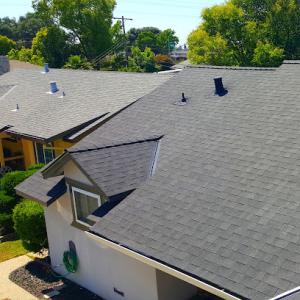
At N L Roofing we strive to provide reliable quality repairs, maintenance, and installations. We have 10+ years of experience, are licensed, insured, and provide FREE estimates. Contact us today!
Champion Roofing Solutions
Serving
5.0 from 37 reviews
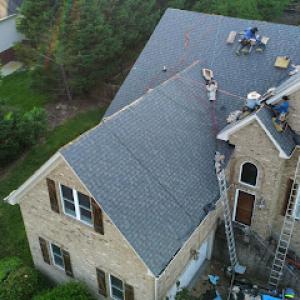
Champion Roofing Solutions is Folsom, CA’s trusted roofing contractor, dedicated to delivering top-tier roofing services for residential and commercial properties. With expertise in roof installation, replacement, and repair, they ensure your roof is durable, reliable, and built to last. Their specialties include metal roofing, asphalt shingle roofing, and advanced commercial TPO roofing, tailored to meet diverse needs. Whether you’re building a dream home or need expert solutions for a new construction roof, their team provides unmatched craftsmanship. Champion Roofing Solutions also excels in flat roofing systems, offering sleek, functional designs. Choose Champion Roofing Solutions for superior quality, exceptional customer care.
Porter Roofing
(916) 628-8088 www.porterroofs.com
Serving
4.7 from 66 reviews
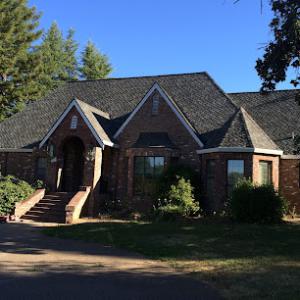
Porter Roofing leverages its extensive experience to deliver exceptional roofing solutions in the greater Sacramento area. Their team's expertise ensures quality craftsmanship on every project, solidifying their reputation as a trusted choice for homeowners.
Ironstone Roofing
(916) 769-7010 www.ironstoneroofing.com
Serving
5.0 from 22 reviews
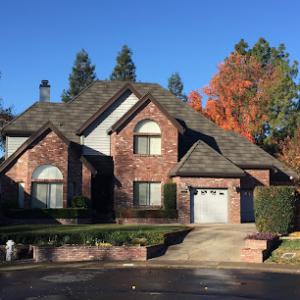
Are you planning on installing or replacing a roof near Rancho Cordova, CA or the surrounding areas? Then contact the experts at Ironstone Roofing. Our roofers specialize in the installation of stone coated steel roofing, a unique material that has all the durability of metal with all the visual appeal of shingles. We offer stone coated roofing tiles, as well as composition roofing tiles, from various different brands, including Tilcor, Decra, MetalSales, and ASC. Call us today and let us install your stone coated metal roof.
Heritage Roofing Solutions
(916) 829-7009 citrusheightsroofingservice.com
Serving
4.8 from 29 reviews
Heritage Roofing Solutions is the trusted roofing contractor in Citrus Heights, CA, delivering top-quality roofing services with professionalism and expertise. We specialize in roof installation, roof replacement, and roof repair, ensuring durability and long-lasting protection for your home or business. Our team excels in metal roofing, asphalt shingle roofing, and commercial TPO roofing, offering energy-efficient and stylish solutions. Whether you need new construction roofing or flat roofing, we provide superior craftsmanship and top-tier materials. At Heritage Roofing Solutions, customer satisfaction is our priority—count on us for reliable, high-quality roofing services that stand the test of time. Call today for a free estimate!
Fair Oaks features a mix of asphalt shingles, metal roofing, clay tile, concrete tile, wood shingles or shakes, and synthetic or composite shingles. Each material sits at a different balance of weight, curb appeal, and long-term performance under the region's hot inland summers and wet winter storms. When choosing a roof, compare how a given system behaves on a typical Fair Oaks house: the way it sheds summer heat, sheds rain, and how it holds up when wildfire-driven insurance scrutiny comes into play. Tile remains a major category, so weigh that option against more affordable shingle systems before deciding.
Summer heat in this area can accelerate aging on roofing materials, particularly where UV exposure is high and attic ventilation is limited. Asphalt shingles can perform well if installed with a solid underlayment and a ventilation strategy that keeps attic temperatures down. Metal roofing handles heat well and can reflect sun, but expansion and contraction needs proper flashing. Clay and concrete tiles feel naturally cooler in the sun, but their weight demands a reinforced structure and careful assessment of underlayment life. Wood shingles or shakes bring a classic look, yet they require increased maintenance and are more sensitive to fire risk and moisture cycles. Synthetic or composite shingles often aim to blend durability with a lighter footprint, but performance varies by product line and installation quality. In hot dry periods, your roof's age and current underlayment health influence when a replacement or refresh makes the most sense.
Tile roofs - especially clay and concrete - are a traditional choice in this region. They resist fire and offer longevity, but the heavier weight means structural checks and potential reinforcement are essential. Underlayment life becomes a critical consideration, since tile coverage sits above a layer that handles leaks and wind-driven moisture. Shingle systems, including asphalt and synthetic options, provide quicker installation and lower initial weight, with modern underlayment improving wind resistance and moisture protection. The choice often comes down to how much weight the existing structure can bear, how much maintenance you're willing to invest, and the insurance perspective tied to fire risk and material type.
A proactive maintenance plan helps extend any roof's life in this environment. Regular inspections after heavy storm windows and heat waves, prompt repair of damaged tiles or shingles, and attention to flashing around penetrations keep water out and reduce the chance of wind-driven damage. Consider upgrade paths that improve ventilation, reflective coatings, or upgraded underlayment, especially if replacing an older system. Since tile roofs are common here, coordinating weight, underlayment life, and repairability with your long-term goals will yield the most reliable, climate-appropriate choice.
In this area, a full roof replacement generally follows Sacramento County's permit pathway rather than a separate city building department process. The timeline typically starts with a plan submittal for plan review, then moves through on-site inspections as the work progresses. Knowing this sequence helps align your project with the weather window and the contractor's schedule, especially when aiming to avoid the peak heat of summer or the rainy hands of winter.
During plan review, expect documentation that shows roof assembly details, underlayment type, ventilation strategy, and flashing locations. County reviewers pay particular attention to how the roof interfaces with walls, valleys, and penetrations, as these are common points for wind-driven moisture and potential fire exposure. If your home uses a mix of features (for example, vents near high-wildfire zones or metal trim at eaves), have details ready to prevent delays.
After rough-in inspection, the contractor should demonstrate proper underlayment installation, attic ventilation, and flashing at valleys, chimneys, and rooftop vents. The final inspection confirms all work complies with current code and approved plans, including how the roof meets fire-resistance standards and wind uplift requirements. Inspections are typically scheduled at stages that coincide with weather-safe windows, reducing the risk of weather-related call-backs.
Wind uplift requirements are a common trigger for inspection items, especially for higher-slope roofs and coastal-influenced wind zones. Fire-resistance considerations become more prominent given the wildfire-driven insurance scrutiny that influences fair underwriting. Materials and deck-to-structure connections should demonstrate compliance with the fire-resistance rating provisions applicable to the location and roof type. Expect additional documentation for roof assemblies that include clay, concrete, or metal options, and coordinate with the contractor to ensure fasteners, clips, and sealants are listed and installed per code.
Clear communication with the contractor about the County review steps, inspection windows, and any plan deviations helps prevent delays. Make sure the contractor schedules inspections promptly and keeps all permit records accessible. Having a prepared set of plan details and product spec sheets on site during inspections smooths the process and reduces the chance of rework.
Typical Fair Oaks material ranges are about $350 to $700 per square for asphalt shingles, $600 to $1100 for metal, $900 to $1800 for clay tile, $800 to $1400 for concrete tile, $800 to $1500 for wood shingles or shakes, and $500 to $900 for synthetic or composite shingles. For a standard 1,000-square-foot roof, that translates to roughly 10 to 30 squares of material, with labor often driving the larger share of the final bill. In hot inland summers, personnel availability and material handling can push per-square costs toward the upper end, especially for heavier tile systems.
Costs in Fair Oaks can rise when winter storm backlogs or peak dry-season demand tighten scheduling for local reroof crews. If a storm season creates backlogs, expect longer wait times before crews can start, and potentially expedited scheduling costs if crews are juggling multiple back-to-back projects. Conversely, the peak dry season can compress timelines but raise demand-based premiums as crews work through high volumes of replacements. Planning a replacement to avoid the tail end of winter storms and the heart of summer heat can help stabilize both timing and price.
Tile-heavy reroof projects in Fair Oaks often carry different labor and accessory costs than standard asphalt jobs because underlayment, flashing details, and replacement logistics differ. Clay and concrete tile require careful handling, sometimes more scaffold setup, and more extensive flashing and underlayment coordination. This means higher per-square totals, especially for larger homes or multi-story structures. If a tile system is being replaced, factor in a contingency for breakage during removal and for the potential need to replace underlayment with a compatible, higher-grade option. In all cases, plan for a weather buffer: a modest rain-free window reduces the risk of moisture-related delays and backlogs.
Don't let upfront costs delay a critical repair - these contractors offer payment plans to fit your budget.
Larios Roofing
(916) 871-9558 lariosroofing.net
8900 Degas Ct, Fair Oaks, California
5.0 from 45 reviews
In wet winter conditions, leak tracing around flashing, penetrations, and underlayment transitions becomes essential once the rainy season begins. Frost, thaw cycles, and relentless rain can reveal slow failures that were invisible in dry months. When inspecting after a heavy storm, look for newly damp spots along eaves, around vent pipes, and where roof-to-wall transitions meet siding. A small drip at a seam often signals an underlying issue with flashing or a compromised underlayment that could worsen with continued rains.
Long hot summers in the Sacramento region accelerate surface aging, especially on roofs nearing the end of their service life. Shingle granule loss, curling edges, and surface cracks can progress in weeks under scorching sun. Tile roofs are not immune; clay and concrete can experience thermal expansion that stresses fasteners and bedding. If the roof shows dark staining, alga growth, or hairline cracks after a peak heat period, expect more rapid deterioration in the months ahead. Proactive attention to suspect areas is prudent before the next storm cycle.
Because tile and shingle systems are both common, failure patterns often differ by roof type, with underlayment aging a key issue beneath older tile roofs. Underlayment trapped beneath clay or concrete tiles can degrade faster in moisture and heat cycles, leading to hidden leaks that only show up after several storms. Shingle roofs may exhibit surface granule loss and adhesive failures around flashing and valleys. In either case, the underlying deck and fasteners should be inspected for rot, rust, or deterioration, especially where previous repairs exist or where roof intersects with chimneys and vents.
Warning signs that should not be ignored include damp attic spots, water stains along ceiling joists, or musty odors after rain. Those clues often point to flashing laps, improper transitions, or aging underlayment that has lost its protective barrier. In Fair Oaks, where seasonal cycles are pronounced, treating such symptoms as opportunities for timely repair rather than as isolated incidents can prevent costly damage to walls, insulation, and interior finishes. A methodical, seasonal review focusing on these failure patterns helps keep a roof performing through both heat and storms.
Although Fair Oaks is strongly a pitched-roof market, local contractor signals show meaningful demand for flat or low-slope roofing work as well. For homes with garages, porch roofs, or guesthouses, a low-slope section often accompanies a larger roof replacement. When planning reroofing that includes any low-slope portion, expect extra attention to drainage, edge detailing, and continuity with the adjacent steep sections. In practical terms, coordinate material transitions so that a low-slope area ties neatly into the main roof without creating hidden pockets where water could collect.
Solar-related roofing coordination is active in this market, making flashing and roof-penetration detailing relevant for reroofing and solar together. Plan around mounting racks, inverters, and conduits early in the project to prevent rework. For low-slope areas, use upgraded flashing at transitions to steeper roofs and ensure step and counter-flashing are properly integrated with any penetrations for vents, skylights, and mounted equipment. Consider roof membranes or underlayment rated for higher-wind exposure and summer heat, and confirm that the flashing detailing accounts for potential thermal movement between disparate roof planes.
When pairing reroof with solar, detailed roof-penetration planning matters more than in a purely steep-roof scenario. You'll want precise alignment of rafter and deck fasteners, careful sealant selection, and a coherent plan for cable routing that minimizes penetrations through dry-in seams. Ensure that solar penetrations are sealed with materials compatible with the chosen roofing system, and that flashings at rail rows stay watertight as the system expands and contracts with heat cycles.
Sacramento County inspections on reroof projects can place added attention on flashing and waterproofing details that matter on low-slope sections and around mounted components. Expect reviewers to scrutinize edge treatments, valley integrity where low-slope meets steep sections, and the continuity of underlayment beneath solar hardware. A proactive approach-documenting flashing installs and sealing details during the build-helps streamline the inspection process and reduces the chance of later water-related issues.
Find specialists in TPO, EPDM, and built-up flat roofing systems for residential and commercial properties.
Heritage Roofing Solutions
(916) 829-7009 citrusheightsroofingservice.com
Serving
4.8 from 29 reviews