
Last updated: Apr 19, 2026
Scranton's cold winters with repeated snow, ice, and thaw periods make ice dams a leading roof concern for local homeowners. When snow sits on a steep slope, meltwater runs toward the eaves, refreezes at the colder edge, and pushes water back under shingles. In homes with long, narrow valleys, multiple roof planes, and chimney intersections, that backwater peaks where flashing is weakest. The result is hidden leaks that drip long after the storm, often behind decorative trim or in attic corners where you least expect it. In this climate, the problem isn't just a single storm-it's the pattern of freeze-thaw cycles that undermines the roof system over time.
Older housing stock in Scranton commonly features steep rooflines, valleys, dormers, and chimney intersections. These features concentrate snow load and create chokepoints for meltwater. Meltwater fronts collide with ice at the eaves and in valley planes, forcing water under shingles where the sealants and field shingles have already weakened from years of exposure. Freeze-thaw cycling accelerates deterioration of flashing, sealants, and roof penetrations before the field shingles fully fail. That means even a seemingly minor wind-driven storm can trigger a cascade of leaks if the roof's protective layers have been compromised by repeated freezing and thawing.
Watch for a ceiling or attic area with damp spots, especially after a thaw followed by a cold spell. Listen for dripping sounds inside the attic or the upper walls during freezing conditions. Look at the eaves for an ice dam buildup or for staining along rafter tails and around chimney flashing where pooling water may have pressure-washed the underlayment. A roof that shows granule loss on shingles in high-traffic summer areas and peeled or cracked sealant along flashing lines is signaling mounting vulnerability. If you notice new or widening stains after freeze-thaw events, treat it as an urgent warning rather than a one-off nuisance.
Clear removable snow from the roof edges where safe, using a soft plastic scoop to minimize shingle damage. Avoid melting through the dam by cutting back moisture sources only if you can do so without stepping on the roof. Keep roof vents and attic spaces properly vented to reduce interior moisture that migrates upward and freezes at critical edges. If a leak starts while snow still covers the roof, contain interior water with buckets and tarps, then contact a local roofer with experience in Scranton's steep-slope systems and flashing details. Do not delay professional assessment if ice dams are recurring, as ongoing freeze-thaw cycles will continue to erode flashing, sealants, and penetrations even if the surface shingles look intact.
After winter, inspect for soft spots or curled edges on shingles near valleys and chimney intersections. A professional should evaluate the flashing around dormers and chimneys, and verify that attic insulation and ventilation are sufficient to curb rapid warm-up of roof decks. Reinforcing preventative measures now-proper attic insulation, venting, and targeted sealing at problem points-can dramatically reduce subsequent dam formation and extend the life of the roof system.
In Scranton, autumn and spring storms bring wind-driven rain, while summer thunderstorms can lift shingles and expose underlayment. The combination of steep slopes and older roof lines means water can cut in fast when wind swirls debris under flashing and over eaves. Freeze-thaw cycles in winter put a heavy toll on shingles, flashing, and attic ventilation, turning small gaps into bigger leaks as temperatures swing. When damage hides behind the fascia or leaks behind the drywall, the urgency doubles: roofing problems don't stay put, they travel.
When a storm passes, listen for sudden shingle rattle or granular loss at the gutters. After a melt, dark stains on ceilings or walls that appear only when the day warms up are a red flag. In an older home, ice damming often starts at the eaves and travels upward when meltwater refreezes at the roof edge. If you notice staining that seems tied to daily temperature swings, that is a clue you're dealing with more than a surface issue. Don't wait for a visible leak to worsen-acting during the first warm-up cycle can stop snow-melt from sneaking into the attic.
If you suspect roof damage, prioritize safety and quick protection. Clear access to the interior by removing valuables from the attic region where staining appears. Use a tarp or temporary cover over exposed areas to slow infiltration, but do not crawl on a roof during ice or high winds. Photograph damage from ground level first for insurance records, then reach out to a local contractor who specializes in storm response. The quickest responders in this market are teams that can diagnose ice damming, assess flashing integrity, and secure underlayment before additional freeze-thaw cycles set in.
Local contractors understand that storm damage on Scranton's older steep-slope homes often hides behind cornices and dormers. Expect a meticulous assessment of flashing around chimneys, vent pipes, and rake edges, plus a check of attic ventilation and insulation where meltwater has entered. Emergency response is a common service, because delays can turn a quick fix into a larger interior leak and more costly repairs. Ask for a written one-day plan: identify leak sources, propose temporary mitigation, and outline a repair timeline that addresses both surface damage and any underlying ice damming.
After a storm, implement a preventative strategy tailored to a steep, older roofscape. Prioritize timely snow removal from critical areas, ensure attic insulation is adequate to minimize meltwater, and consider upgrading flashing materials where previous installations show signs of aging. Regular, seasonally timed inspections by a Scranton-area roofer can catch evolving ice damming before it becomes a interior problem, especially during rapid temperature shifts.
Find local contractors experienced in assessing and restoring roofs after hail, wind, and severe weather events.
BF Construction
(570) 498-3764 bfconstructionnepa.com
408 Electric St, Scranton, Pennsylvania
4.9 from 230 reviews
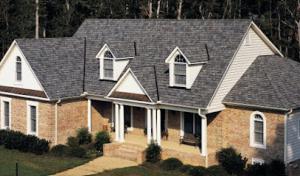
Quality Roofing Express
(570) 614-3914 www.qualityroofingexpress.net
614 N Rebecca Ave, Scranton, Pennsylvania
4.6 from 73 reviews
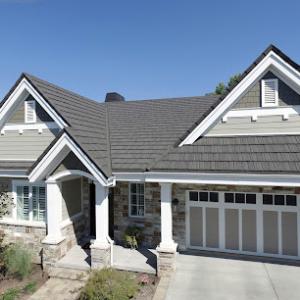
Erie Home
2400 Stafford Ave Suite 400, Scranton, Pennsylvania
4.7 from 244 reviews
Since 1976, Erie Home has manufactured, supplied, and installed the best-performing roofing on the market. By providing ironclad warranties and convenient financing, we ensure that every homeowner we work with receives top quality service and value for their homes and properties. Erie Home professionals are the roofing company of choice in the greater Scranton, PA area. Whether you need roof inspections or roof damage repair services, Erie Home has been the go-to roofing contractor for nearly 50 years because of our attention to detail and dedication to making sure our customers are satisfied with their results. Contact us today for a quote and see why we're the trusted roofing company Scranton counts on.
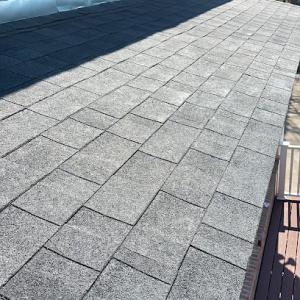
Jhv Construction
2008 Pittston Ave, Scranton, Pennsylvania
5.0 from 24 reviews
GENERAL CONSTRUCTION
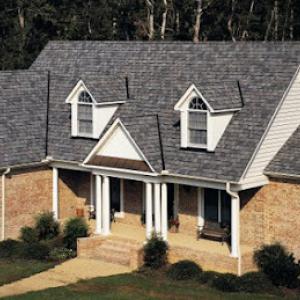
Ritter's Roofing
(570) 335-1483 www.rittersroofing.com
Scranton, Pennsylvania
4.8 from 26 reviews
Ritter's Roofing is Northeastern Pennsylvania's #1 Roofing contractor. If you're looking for quotes on roof repair, new roofing, shingle roof installation and more, look no further. Leak in your roof? We've got you covered. Call the Best roofer in Scranton - Bill Ritter of Ritter's Roofing
Quality Roofing Express
(570) 614-3914 www.qualityroofingexpress.net
614 N Rebecca Ave, Scranton, Pennsylvania
4.6 from 73 reviews
Welcome to Quality Roofing Express, your number one roofing company in Scranton, PA. We're a full-service company that specializes in a variety of roofing services. You can depend on our experts when it comes to repairing and installing a new roof system. There is no job too big or small for us to handle!
Renegade Roofing & Construction
(570) 499-5305 roofingrenegade.com
Scranton, Pennsylvania
4.8 from 21 reviews
Contact Renegade Roofing & Construction today for a free estimate today on reliable and professional roofing services. Our contractors in Forest City pride ourselves on providing top-quality workmanship and outstanding customer service to homeowners and businesses throughout the surrounding areas. Discover why We Nail It! for all your roofing needs.

Stott Roofing & Fireplaces
231 Hill St, Scranton, Pennsylvania
5.0 from 6 reviews
Locally owned and family operated with over 20 years of contracting experience you can trust.
For The Love of Roofing
(570) 983-6716 www.weloveroofs.com
220 Linden St, Scranton, Pennsylvania
4.1 from 13 reviews
For The Love of Roofing, located at 220 Linden Street, is your trusted roofing contractor in Scranton. Specializing in roof repair, roof replacement, and emergency roof repair, we deliver top-notch residential and commercial roofing services. Our expert team offers affordable roofing solutions, ensuring quality and value for every project. As a leading metal roofing contractor, we prioritize durability and efficiency in every installation and repair. Choose For The Love of Roofing, your local roofing experts, for all your roofing needs. We are committed to providing exceptional service to Scranton and surrounding areas. Contact us today for reliable and professional roofing services from one of the top local roofing companies.
5 Star Roofing All American
805 Ferdinand St, Scranton, Pennsylvania
3.9 from 11 reviews
We specialize in residential roofing. We are licensed and insured. Call us today for a free estimate.
USA Home Improvement Solutions/USA Metal Roofs
(877) 711-8812 usametalroofs.net
Serving
4.6 from 153 reviews
USA Home Improvement Solutions / USA Metal Roofs is a Dunmore, PA roofing company specializing in professional roof replacements for residential and commercial properties. Based on S Blakely St, the team installs durable roofing systems designed to handle Northeastern Pennsylvania’s heavy snow loads, ice buildup, wind-driven rain, and seasonal temperature swings. Services include metal roof replacements, asphalt shingle roofing, and full tear-offs completed with careful attention to ventilation, flashing, and long-term performance. As a local storefront contractor, they understand regional building standards and property needs.
Pro Services 1
Serving
4.8 from 17 reviews
PRO Services 1 is Licensed, Insured and a Family Owned Business servicing New Jersey. At Pro Services 1 we have over 30 years of experience you can count on for professional, quality and affordable Repair, Replacement, Installation or Cleaning for our Roofing, Chimney, Gutters, and Masonry Services. PRO Services 1 provides professional contracting services to Residential, Commercial and Industrial properties in NJ through honest estimates, quality service and repairs. Save your home or business now from costly repairs later. Call us now to schedule a Free Estimate!
F & S Roofing
Scranton, Pennsylvania
5.0 from 2 reviews
Welcome to F & S Roofing, your dependable roofing contractor serving Scranton, PA. We provide various roofing services, including installations, repairs, replacements, and much more. With 14 years of experience, we only use the latest equipment to ensure we provide you with the best results. Our professional contractors have the expertise and ability to assist you with your property's exterior renovations, maintenance, or repairs. You can rely on us to troubleshoot and resolve your issues confidently and on time.

Express Roofing
Serving
5.0 from 7 reviews
Full service roofing contractor in Jersey City
Most full roof replacements in Scranton are concentrated from late spring through early fall because winter snow, ice, and low temperatures disrupt tear-off and sealing. The long snow-and-ice winters impose a tight rhythm: moisture and freeze-thaw cycles can push projects into delays, and steep-slope roofs on older houses demand careful sequencing to avoid leaks. Warm, humid Scranton summers can still create scheduling pressure after storm periods, especially when contractors are balancing repair calls and planned re-roofs. Understanding this cadence helps homeowners lock in a capable crew and a solid dry-in plan before the worst weather returns.
Spring brings more reliable daytime temperatures, but the shoulder season can still surprise with rain events that stall tear-offs. If a full replacement is on the calendar, aim to schedule the removal and sealing once soils and surfaces have dried from late winter moisture. Early-season crews can be tighter, so securing the crew and materials early helps prevent interruptions from back-to-back storms. For steep-slope, older homes, ask the contractor about progressive removal-and-seal tactics that minimize the risk of water intrusion during spring thaws. A clear dry-in strategy is essential to protect attic spaces during the transition from open decking to a finished roof.
Summer in Scranton rarely behaves like a blank slate. Scheduling pressure exists even when days are long and sunny, because post-storm surge of calls competes with planned re-roofs. Heat, humidity, and occasional afternoon storms can affect nailing timing and adhesive curing, so plan for slightly more flexible windows. If repairs are underway, a temporary protective cover or drip edge can help manage sudden downpours between loose-fastening stages. For homes with older flashing details, insist on a detailed flashing refresh as part of the plan to reduce future ice dam risks when winter returns.
Waiting until late fall increases the chance of weather delays, temporary dry-in measures, or reduced material flexibility compared with summer scheduling. Late-season windows compress the timeline for proper acclimation of materials and thorough sealing before cold snaps set in. If fall is the only option, prioritize a project plan with shorter, well-coordinated phases and confirm contingency plans for early snow or freezing rain. A proactive approach, with an emphasis on complete ice-dam mitigation and robust flashing repair, helps keep leaks at bay as temperatures drop.
Get a clear picture of your project costs upfront - no commitment required.
Renegade Roofing & Construction
(570) 499-5305 roofingrenegade.com
Scranton, Pennsylvania
4.8 from 21 reviews

Asphalt is a practical fit for much of Scranton because they match the city's common steep-slope residential roof forms and broad re-roof market. For homes with long winters, the right asphalt shingle choice can help resist freeze-thaw cycles when properly vented and flashed. Look for architectural or laminated profiles that create a stronger surface and better shedding of standing snow at eaves and valleys. In practice, the steep pitch common to older Scranton streets often favors shingles that carry good ashlar-like texture and a durable underlayment. Pay attention to edge detailing around chimneys and skylights, where ice dams tend to form. A well-planned roof ventilation pair-soffit intake with ridge exhaust-helps keep underside of shingles dry during melt events, reducing the risk of leakage between the shingle line and flashing.
Metal roofing is especially relevant in Scranton for snow shedding and durability in freeze-thaw conditions, which is reflected in active local contractor specialization. Metal panels or standing-seam systems offer a clear advantage where heavy snow loads and rapid melt-refreeze cycles occur. The smooth surface helps snow slide off, reducing ice dam pressure on eaves and gutters, while robust flashing around roof-to-wall transitions stands up to repeated freeze-thaw stress. In practice, metal roofs are favored on newer additions or homes where the structure can support the weight and where long service life and minimal maintenance are priorities. Even with the snow-friendly performance, careful installation of snow guards, proper attic ventilation, and meticulous sealing at penetrations remain essential to prevent leak paths along any fastener lines.
Tile and wood products appear in the market but are less common choices for Scranton's mainstream re-roof projects, where weight, cost, and older framing conditions can affect feasibility. Clay tile and concrete tile provide excellent durability and a distinctive look, but their weight means the existing rafter system and connections should be evaluated-older homes may require reinforcement. Tile roofs also demand careful flashing details at valleys and chimneys to manage ice dam formation during cold snaps. Wood shingles and shakes offer a traditional aesthetic and good insulating value, yet they face higher maintenance in the presence of moisture and critters, plus potential fire-safety considerations and faster degradation in freeze-thaw cycles. If choosing tile or wood, a thorough assessment of attic space, ventilation, and roof framing is essential, with a plan for timely replacement of any decayed structural members. In many Scranton projects, these materials are reserved for specific architectural themes or remodels rather than typical re-roofs, where practicality and local demand favor asphalt or metal options.
Scranton's average pricing for asphalt shingles sits roughly from 350 to 700 USD per square, while metal roofing runs from 700 to 1300 USD per square. Higher ranges apply to tile and specialty materials, which reflect the long winters and the need for durable performance in freeze-thaw cycles. Those numbers aren't just math-they reflect local availability, crew travel, and the tendency of winter storms to compress scheduling later in the year. When you compare bids, make sure each quote shows material, disposal, and all labor lines clearly so you're not surprised by a hidden upcharge.
On Scranton's older, steep-slope houses, tear-off days often reveal multiple layers, aging decking, and problematic chimney flashing. Each of these discoveries adds cost and time, because decks may need reinforcement, flashing may require replacement, and the roof geometry can demand more intricate insulation and underlayment. If a project starts with asphalt shingles but uncovers substantial decking damage or a failed chimney boot, the final price easily shifts toward the higher end of the spectrum. Budget a contingency for these scenarios, especially on homes that haven't had a full roof in a generation.
For those prioritizing a balance of cost and long-term performance, asphalt shingles remain the most common option, with the Scranton range aligning with 350-700 USD per square. Metal roofs, favored for longevity and ice-dam resistance, sit in the 700-1300 USD per square band and can be especially practical on steep slopes. Tile options-clay or concrete-sit well above asphalt and metal, often 1200-2600 USD and 1000-2100 USD per square, respectively, but offer impressive freeze-thaw durability in exposed locations. On older or more complex roofs, the payback on a tougher material can be attractive if it reduces future maintenance and emergency leaks after storms.
Winter storms aren't the only driver of price in Scranton. The late-spring through early-fall window concentrates demand, tightening contractor availability and pushing scheduling forward. If a roof is already showing signs of ice damming, waiting for a spring lull to avoid winter weather can backfire by delaying critical repairs. When price estimates include a faster timeline, you'll often see a premium for priority scheduling. Plan ahead and align project timing with favorable weather windows to minimize rush costs.
Begin with a candid assessment of the current roof's age and decking condition, and request bids that separate material costs from tear-off and disposal charges. For older homes, ask contractors to outline how they'll handle flashing and chimney details, plus any extra decking work. If a bid comes in near the top of the Scranton ranges, request a scope addendum that specifies product warranties and the expected lifetime of the chosen system in freeze-thaw conditions. With careful comparison and clear expectations, the right choice for Scranton's winters comes into sharper focus.
A full re-roof on older steep-slope homes in this area usually triggers a building permit. That permit helps ensure the new roof will stand up to the heavy snow loads and freeze-thaw cycles Scranton winters bring. If the roof you're replacing has historical features or mismatched flashing, the permit process also serves as a checkpoint to avoid later water intrusion from hidden defects.
Permit applications are handled through the City of Scranton Building Department. Start early and double-check the required documents-proof of ownership, contractor information, and project details about shingles, underlayment, and ventilation. The Building Department often asks for drawings or product specifications to confirm the installation will meet local weather demands and the steep-slope realities of aging homes on hilly streets.
Inspections are scheduled during and after the roofing project to verify installation quality and weatherproofing. An initial inspection helps catch issues with deck integrity, proper underlayment, and flashing at valleys and around chimneys before the shingles go down. A final inspection focuses on full sealing, drip edge continuity, and ridge vents. In Scranton's climate, weather can change quickly, so plan for inspection windows that align with dry days and manageable wind conditions to avoid delays and re-inspections.
Coordinate with your contractor on a clear timeline and keep a copy of the permit on site. If an inspector notes a deficiency, address it promptly-leaks and improper flashing tend to compound in the freeze-thaw cycle. Have a plan for temporary protective measures during odd weather to minimize interior damage while awaiting approval.
Roof claims in Pennsylvania follow a familiar path, with adjusters often requesting photos and documentation to confirm damage progression. In a place with steep older homes and long winters, those photos should tell the story from first snowfall to today's thaw. When you file, expect questions about how the damage developed: was there a sudden storm event, or did freeze-thaw cycles slowly worsen preexisting wear? The adjuster will compare current evidence to prior conditions, so keeping a careful record matters.
Winter ice damage in Scranton can complicate claims because insurers may look closely at whether the loss was sudden storm damage or longer-term wear worsened by freeze-thaw conditions. Start by photographing the roof after each snowfall and after every warm spell when ice starts to soften. Capture attic or ceiling staining from leaks, any interior signs of moisture, and the extent of snow and ice buildup along eaves and flashing. If you have to tarp a damaged area, take clear pictures of the tarp's placement and the exposed roof edge. Keep a simple log of dates and weather that shows how conditions bounced between heavy snow, thaw, and refreezing.
Visible damage often changes as temperatures rise, so plan for ongoing monitoring. If a leak appears inside, place safe, temporary containment and document any emergency tarping with date-stamped photos. Communicate promptly with your insurer about new findings, especially after a day that melts ice and reveals additional staining or shingle lift. On older steep-slope homes, unsupported areas can worsen quickly, so prioritize safe access for inspections and avoid climbing onto unstable sections. A neighbor or trusted contractor can help you reach hard-to-see spots and provide unbiased photos to support your claim.
Although steep-slope roofs dominate most homes, many Scranton houses have low-slope porch roofs, rear additions, or attached garages. These areas often fail differently from the main roof, so give them targeted attention. In town, these low-slope sections are especially vulnerable when snow and ice sit longer than on the steeper planes, creating prolonged freeze-thaw stress and ice dam risk down at the eaves and along parapets. You'll notice leaks that seem to travel from the addition into adjoining walls, sometimes weeks after heavy storms.
Begin with a visual check after each big storm cycle, paying close attention to door thresholds, window heads, and knee-wall transitions where cold air can pool. Inspect the edge details where the low-slope roof meets vertical walls; improper drainage here is a common Scranton problem. If you notice standing water, ice buildup, or staining along the inside wall line, plan an inspection sooner rather than later-ice dam damage can progress quickly on these sections.
Low-slope areas benefit from membranes that can resist scraping ice and draining toward scuppers or gutters. In Scranton's climate, a high-quality roof membrane with robust flashing at penetrations, parapet walls, and edge metal performs best. If your retirement-age home has older membranes or misfit flashings, plan for replacement as a targeted project rather than waiting for a full roof overhaul. Pay particular attention to joint seams, drip edges, and counterflashing where the low-slope meets the wall or chimney.
Active local contractor specialization in flat roofing means Scranton homeowners frequently need focused repairs on these secondary roofs. When a repair is needed, prioritize securing a continuous, well-sealed seam and a durable edge detail that resists ice buildup. For replacement, discuss a coordinated plan that integrates the low-slope section with overall roof drainage to reduce repetitive freeze-thaw damage and extend the life of the entire assembly.
Find specialists in TPO, EPDM, and built-up flat roofing systems for residential and commercial properties.
Erie Home
2400 Stafford Ave Suite 400, Scranton, Pennsylvania
4.7 from 244 reviews