
Last updated: Apr 19, 2026
Wilkes-Barre sits in the Wyoming Valley of Northeast Pennsylvania, where winter cold and repeated freeze-thaw cycles are a defining roof stressor. The pattern of temperatures swinging above and below freezing through late fall, through the heart of winter, and into early spring presses on shingles, underlayment, and flashing. Dark, exposed roof surfaces soak up sun on milder days, then confront rapid refreezing after a melt, causing micro-cracks, shingle edge lift, and accelerated granule loss. In this valley, the roof must function as a watertight barrier not just against rain, but against a calendar of cold snaps, thaws, and fleeting thundershowers.
The city's roofing calendar is constrained by snow, ice, and moderate year-round precipitation, making replacement timing more sensitive than in milder Pennsylvania markets. Snow loads accumulate on pitched roofs, especially on older structures with shallow pitches or compromised edge detailing. Ice dams can form when attic warmth meets a cold eave, backing up meltwater under shingles and into fascia or gutters. In Wilkes-Barre, routine snow events can align with busy workweeks and shorten the window for careful, staged replacement or major repairs. That reality highlights the value of proactive maintenance, thoughtful sequencing, and a plan to address weather windows without leaving a roof mid-job during a late-season thaw.
Winter storms and spring thaws drive a narrow seasonal cadence. Roof work tends to compress into late spring and early summer, when freeze-thaw cycles ease and access improves. Yet the region still sees surprises: a late winter storm can delay a project already in motion, and a sudden warm spell followed by a cold snap can complicate material handling. For a homeowner facing a replacement, the timing question often hinges on the severity of ice buildup, the condition of flashing and vent penetrations, and how quickly a roof can be dried in after insulation checks. In practice, the most reliable plan balances a conservative onset with the flexibility to pause for storms and resume with solid daytime temperatures.
Local homeowners tend to favor commonly pitched residential roofs, focusing on watertightness and long-term performance rather than exotic systems. In this climate, the condition of underlayment, proper sealing at valleys and penetrations, and the resilience of edge detailing matter more than flashy appearances. The most durable outcomes come from matching material performance to the seasonal realities: shingles or other coverings able to resist ice-induced contractions, flashing that remains watertight after thaw cycles, and a roof stance that mitigates exposed wind-driven water. For many Wilkes-Barre homes, the combination of a solid ridge line, robust drip edge, and well-calibrated ventilation reduces the risk of moisture problems that otherwise creep in after repeated freeze-thaw stress.
Local homeowners know that inspection delays can ripple into longer-life uncertainty. After a weather event, a roof is often assessed for concealed damage-mositure intrusion, compromised decking, or hidden leaks behind chimneys and skylights. In this environment, careful documentation of damage and a cautious approach to temporary protection become as important as the replacement itself. A prudent strategy emphasizes timely inspections during calmer winter thaws, followed by a measured replacement plan that prioritizes sealing the roof in sections when winter conditions threaten. The goal is a watertight, resilient surface that endures through the most demanding stretch of the year while keeping interior spaces dry and safe.
Cold winters bring relentless freeze-thaw cycling that can turn the smallest roof flaw into a real leak long before spring arrives. In a neighborhood pattern common to the Wyoming Valley, hairline gaps, nail pops, and minor decking wear often hide under snow until a spike in temperature cracks the surface and reveals a drip. That means waiting for perfect conditions can let a tiny problem grow into a costly emergency, with ice dams complicating any attempt to fix it mid-winter. When heavy snow sits on a roof, the weight adds stress and can mask hidden damage, making it harder to see what needs replacing or reseating under shingles. Local homes with asphalt, metal, or tile can all experience this dynamic, so the clock for action starts as soon as a suspect leak appears, not when the calendar says spring.
Heavy snow and ice can delay tear-off and replacement work well into the season. Frozen or sagging decking is not a good foundation for a proper roof install, so contractors often pause work to ensure safety and to avoid trapping moisture under new layers. If a replacement is attempted when snow loads are high or temperatures swing above freezing at odd hours, adhesive and sealant performance suffers, leading to long-term failures. Prolonged delays also push the project into days with stronger wind and rain, which can accelerate wear on exposed underlayment. The practical upshot: if a leak is active, you need a plan that accommodates a temporary fix plus a firm window for a full replacement before more weather cycles slam the roof again.
Spring and summer thunderstorms bring their own scheduling bottlenecks, and Wilkes-Barre roofs face a second wave of storms after the winter thaw. Delays in spring can push a project into peak storm season, where higher demand, limited daylight, and occasionally unsettled weather squeeze contractor calendars. Homeowners who lock in a replacement before the winter disruptions start gain a meaningful buffer: less exposure to last-minute weather delays, fewer temporary fixes, and a cleaner transition before the next freeze. If an inspection finds need-for-repair items that require shingle or decking attention, address them promptly to avoid a cascading timeline where minor issues become major hold-ups once the calendar fills up.
Begin with a targeted roof inspection before the first hard freeze. Note any suspected ice damming, lifted shingles, or granule loss, and document with clear photos. If a leak appears, arrange an evaluation quickly from a local roofer who understands Wilkes-Barre's freeze-thaw behavior and the typical aging of common local roof assemblies. For suspected decking exposure, request a pre-winter assessment to determine whether deck repair or reinforcement is needed ahead of a full tear-off. Create a realistic replacement window that avoids mid-winter urgency and aligns with the shoulder seasons, when crews can work steadily and safely, and when weather is less likely to stall progress. In other words, don't wait for spring to face the reality of winter's damage potential-act now to protect the home from escalating leaks and escalating water damage.
When you can't wait, these contractors offer fast response times to stop leaks and prevent further damage.
Northeast Roofing Specialists
(570) 709-1107 www.neroofingspecialists.com
Serving
4.7 from 64 reviews
The Roof Repair Guys
(570) 639-7663 theroofrepairguys.com
Serving
5.0 from 244 reviews
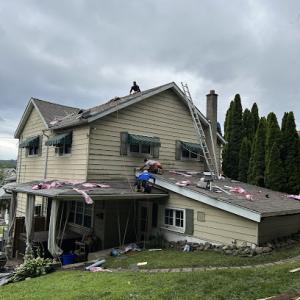
The Roof Repair Guys specialize in repairing and replacing all types of residential and commercial roofing systems. Unlike contractors who push unnecessary replacements, we focus on helping homeowners extend the life of their roof until a full replacement is truly needed. When the time comes, our customers already trust us for a quality, stress-free roof replacement. Whether you need a repair or a new roof, we’re here to provide honest, expert service that puts your needs first.
Crooked Ladder Roofing Scranton Wilkes-Barre
(570) 799-9200 crookedladderroofingswb.com
Serving
5.0 from 35 reviews
OUR ROOFING SERVICES Looking for a reliable roofing company to handle your new roof installation? Trust the experts at Crooked Ladder Roofing. With extensive experience and a dedication to excellence, we provide superior roofing solutions designed to protect your property for years to come. At Crooked Ladder Roofing, we know how crucial it is to have a roof that’s both strong and long-lasting. That’s why we use only premium-quality materials for every project. Whether you’re upgrading your home or need a durable roof for your business, our skilled team has the expertise and equipment to deliver outstanding results.
Drone Roofing
(570) 829-9179 droneroofing.com
Serving
4.7 from 15 reviews
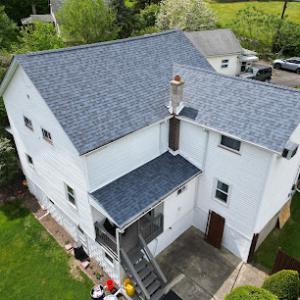
Drone Roofing brings cutting-edge drone technology to roof inspections, giving homeowners and businesses a personal one on one, crystal-clear view of their roof’s condition. You don't even need to climb a ladder. Whether you need a detailed inspection, roof repairs, or a full replacement, we provide high-resolution imaging to assess damage, detect leaks, and ensure your roof is in top shape. Experience a smarter, safer way to handle your roofing needs with our professional drone-powered services.
Black Label Builders
(570) 230-4072 blacklabelbuilders.com
Serving
4.9 from 63 reviews
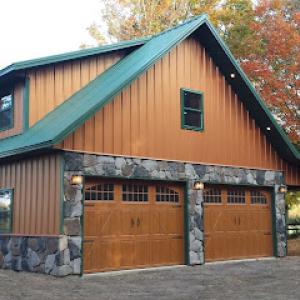
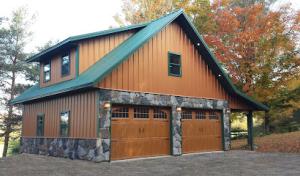
Contractor specializing in Exterior Renovations, New Construction and Post Frame Buildings. All types of Custom Homes, Barndominiums, Pole Barns, Garage Construction, Commercial and Residential. All types of Roofing Metal, Shingle, tile, epdm rubber roofing. Siding and Window upgrades. Storm damage repairs.
Jeff Ashton Construction
(570) 855-4259 www.facebook.com
Serving
5.0 from 5 reviews
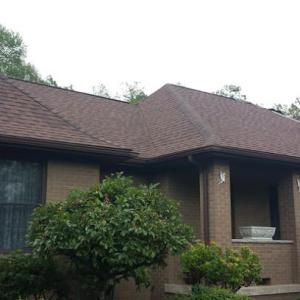
Jeff Ashton Construction, a locally owned and operated business based in Wilkes-Barre Township, Pennsylvania, specializes in all types of commercial and residential roofing, as well as decks, porches, siding, windows, doors, and more. With free estimates and experienced, licensed, and insured professionals (PA# 098039), Jeff Ashton Construction stands ready to serve all of Northeast Pennsylvania's roofing and general contracting needs!
TC Roofing Pros
(570) 715-6460 tcroofingpros.com
Serving
4.9 from 114 reviews
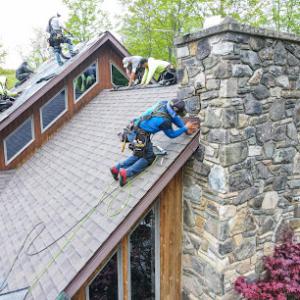
TC Roofing Pros is a Pennsylvania Residential & Commercial Roofing Contractor. Providing work for all of Northeastern Pennsylvania since 2005. The business is Family Owned and Locally Operated. Serves Only Pennsylvania. While Residential, New Construction, and Commercial Roofing are core services, TC Roofing Pros also has been providing superior and affordable metal, siding, and home improvement services..
Royal Roofing Systems
(570) 258-8866 www.royalroofnepa.com
Serving
4.8 from 55 reviews
Royal Roofing Systems offers a wide variety of roofing services for your home. We want you to be able to ask us for any roofing style and be able to perform to your satisfaction. That's why we offer a variety of roof installation types with a wide range of options in color, style, and shape to fit your needs and make your home or commercial property look better than it did when you first bought it. Installing a new roof on your home has never been easier with NEPA Roofing. We are here to serve our communities and all of Columbia, Lackawanna, Luzerne, Monroe, Wyoming, and Susquehanna county.
Anthracite Roofing Systems
(570) 430-7238 anthraciteroofing.com
Serving
4.2 from 25 reviews
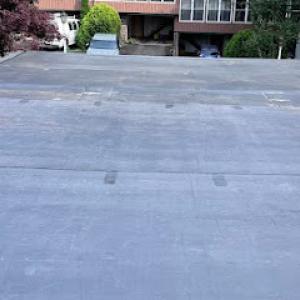
Affordable expert residential and commercial roofing in Wilkes-Barre, Edwardsville, Kingston, Dallas, Shavertown, Plymouth, Larksville, Nanticoke, Mountain Top, Drums, Honesdale, Waymart, and all of Northeastern Pennsylvania. The best pricing and the areas most recommended and highly rated roofer. Owens Corning preferred contractor. WeatherBond certified EPDM membrane (rubber) installer.Mule-Hide certified EPDM membrane (rubber) roofing installer. High quality metal roofing, and green roofing products installed at reasonable prices. Lifetime guarantees on all of our roof shingle products. Financing though Acorn financing, please check out the financing page on our website. All credit cards accepted.
Allabaugh Construction
(814) 330-4897 allabaughconstructionllc.com
Serving
5.0 from 208 reviews
At Allabaugh Construction, we take pride in building, remodeling, and maintaining Luzerne County and Lackawanna County homes. Our business model is built upon providing full service to our clients. We know that a good contractor is hard to come by. We have spent the last 20 years building up our reputation and striving to provide the best to our Pa clientele. Our team has over two decades of industry experience with all facets of home construction, from roofing repairs and replacement to Siding and Gutters.
Bluefield Builders Roofing
(570) 600-4080 bluefieldbuilders.com
Serving
5.0 from 29 reviews
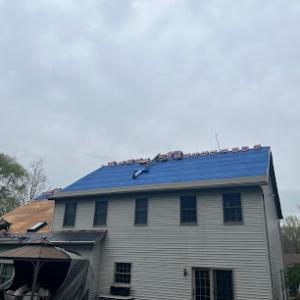
Roofing company specializing in asphalt shingles. Our goal is to provide you with a new roof while maintaining customer convenience and satisfaction.
Gomez Roofing
Serving
5.0 from 2 reviews
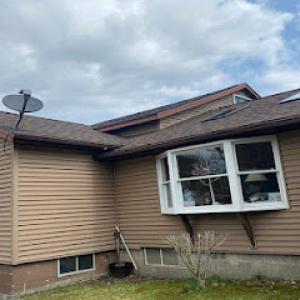
At Gomez roofing we are here to help you with all your roofing needs !!
H&R Cruz Roofing & Siding
Serving
5.0 from 15 reviews
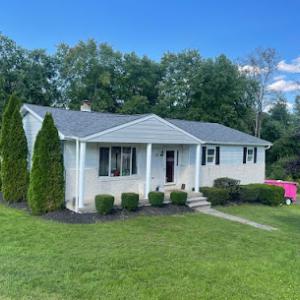
Offering Residential and commercial roofing. Asphalt shingles - EPDM rubber and metal. Gutters soffits facias and vinyl siding. Serving northeast PA - All at affordable prices!
Asphalt shingles are a dominant local choice because they fit the city's common residential re-roof market and broad contractor availability. In Wilkes-Barre and surrounding valleys, crews are accustomed to this material, and supply chains for underlayment, vents, and starter courses are reliable. If a homeowner is weighing a first replacement or a fast re-roof after winter damage, asphalt provides a straightforward install process, predictable timelines, and a wide pool of local installers who understand the snow and ice cycle that follows a heavy freeze.
Metal roofing is also active in Wilkes-Barre, reflecting homeowner interest in snow-shedding performance and durability through repeated winter weather. When ice loads and drifting snow are recurrent concerns, metal can offer advantages in shedding that reduce ice dam formation on steeper pitches and taller homes. A metal roof may require a more specialized crew and a slightly longer lead time, but the payoff in winter performance and long-term resistance to freeze-thaw wear is meaningful for properties that endure repeated storms and wind-driven snow.
Tile and wood products exist in the market but are far less central to typical Wilkes-Barre roofing decisions than asphalt and metal. Clay or concrete tiles bring a distinct look and proven durability, but their weight, installation requirements, and higher upfront cost keep them secondary for most local single-family homes. Wood shingles or shakes offer a traditional aesthetic, yet they demand higher maintenance and care to resist moisture uptake and winter freezing cycles. If a home is already engineered for heavier roofing or if a specific architectural style calls for it, these options may still be considered, but they are not the standard choice for most neighborhoods.
Snow, ice, and freeze-thaw cycles strongly influence when a roof project starts. After heavy winter events, inspections often reveal hidden damage under shingles or in the decking, making a timely assessment critical. In many Wilkes-Barre-area neighborhoods, a replacement decision is driven by the end of winter sluices and the opening of spring weather windows. Planning around this calendar helps ensure you avoid the peak cold snaps that can complicate installation and the delays that come with storm aftermaths.
Begin with a candid inspection of visible shingles, flashing, and vent penetrations after the heaviest snows melt. If asphalt is chosen, ensure the shingles have a wide range of local color options and an installed roof deck that's clean and dry to accept new underlayment. For metal, confirm panel profiles, coating warranties, and compatible flashing kits, since these details affect performance in snow-driven climates. In either case, coordinate with a local contractor who can forecast probable cold-weather impacts on adhesive and sealant applications, and who understands how Wilkes-Barre's typical storm patterns influence warranty considerations and post-install inspections.
During the freeze-thaw season, keep gutters clear and reduce ice dam risk with proper attic ventilation and insulation. For asphalt, maintain proper shingle alignment and watch for curling or granule loss after heavy snows. For metal, inspect seals around penetrations after severe storms and look for any denting from hail or debris. A routine inspection cadence aligned with spring thaw and fall freeze cycles helps catch issues early before they compound.
The most popular roofing material in the US. Find pros who install, repair, and replace asphalt shingles.
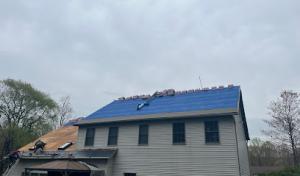
Pennsylvania homeowners in Wilkes-Barre commonly file wind, hail, and water-damage claims after severe weather, making documentation a major local roofing issue. The Wyoming Valley's freeze-thaw cycles, snow loads, and occasional ice dam events mean that a roof's true condition can be hidden beneath the surface until a storm exposes it. When a storm hits, you're not just dealing with shingles blowing off or granules in the gutters; you're confronting a process where the insurer looks for a clear link between the event and damage, and where preexisting wear can complicate approval. In practice, that means meticulous records become your strongest ally.
Insurers may scrutinize roof age, maintenance history, photos, and inspection findings before approving claims in this market. A roof that looks older than its actual condition or shows signs of uneven maintenance can raise flags. A solid file includes dated photos from different seasons, notes on observed leaks or ice damming, and any professional assessments that quantify observed deficiencies. In Wilkes-Barre, where storms often arrive with rapid temperature swings, documentation that captures multiple conditions-after a heavy snowfall, during thaw, and in dry weather-helps demonstrate the pattern of damage rather than a single, isolated incident.
Claims activity can spike after regional storms, which affects contractor availability and increases the value of detailed pre- and post-loss records. When a surge hits, delay can creep in from both the insurer and the local contractor pool. Having a clear timeline of events, including when damage was first noticed, when emergency measures were taken, and when professionals advised further action, helps keep the process moving. Local homeowners often find that a thorough, organized file reduces back-and-forth and clarifies what work is needed to restore both weather resistance and interior protection. For those facing winter repercussions, understanding how the timing of replacement intersects with the next season's freeze-thaw cycle is critical, because standing water or incomplete repairs can compound ice-damming risks and accelerate deterioration.
Keep a running log of weather events and their impact on your roof, including dates and symptoms such as damp spots, peeling flashing, or missing shingles. Photograph damage from multiple angles after storms, and preserve any contractor assessments with dates and signatures. If a claim is filed, offer a concise, organized packet that ties observed conditions to storm events and shows any prior maintenance that reflects ongoing care. In Wilkes-Barre, where the mix of aging stock and harsh winter conditions is common, a neighborly warning is simple: thorough records aren't just helpful-they can determine how smoothly your claim proceeds and how quickly you can move toward a proper, durable repair.
Find local contractors experienced in assessing and restoring roofs after hail, wind, and severe weather events.
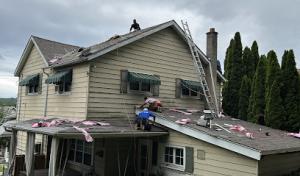
Crooked Ladder Roofing Scranton Wilkes-Barre
(570) 799-9200 crookedladderroofingswb.com
Serving
5.0 from 35 reviews
In this city, a full re-roof typically requires a permit issued by the Building Department after plan review. This process isn't optional; it's the standard path for a replacement that touches more than cosmetic work. The plan review phase is where a contractor's roof layout, venting plan, and underlayment choices get checked for compatibility with local weather realities, drainage, and the neighborhood's historic housing stock. Expect the plan review to look at how the new roof will handle the Wyoming Valley's freeze-thaw cycles, and how attic ventilation will interact with potential ice dam scenarios.
Permits here follow a value-based structure rather than a flat roofing-only charge. That means the city examines the overall project value, which can include materials, labor, and any structural changes, and fees are assessed accordingly. This approach keeps the permit aligned with the real scope of the project. When planning timelines around weather and inspections, that fee framework also helps illustrate why timing matters: delays or added scope can influence permit processing and final approval.
Inspection timing is closely tied to the tear-off and installation steps. After the old roof is removed and the shake-down of underlayment and ventilation gets checked, a first inspection is scheduled to verify that the installation is following the approved plan and local code requirements. In this climate, attention to underlayment and vent placement can trigger corrections on the spot, especially if an underlayment change or a new ventilation strategy is proposed to better manage winter moisture and snow load. A completion inspection follows once the new roof is installed and all penetration points (vent stacks, chimneys, skylines) are sealed and tested for performance. If corrections are needed after either inspection, a re-inspection will be required to confirm adjustments are properly completed.
Snow, ice, and freeze-thaw cycles influence not just installation quality but permit timing. If inspections get delayed by weather or by documentation gaps, your contractor should coordinate with the Building Department to keep the project moving once conditions are favorable. In Wilkes-Barre, where storm events can collide with work schedules, having the plan review and permit paperwork lined up ahead of tear-off can minimize weather-related hold-ups and keep the re-roof on a predictable path toward completion.
In Wilkes-Barre, the re-roof market runs strong, and tear-off and full replacement work are more common than niche specialty installs. That demand keeps crews busy and can tilt scheduling in ways you'll notice when you call for estimates. Because many homes here share similar attic layouts and roof pitches, prices tend to cluster, but you'll still see variation based on roof complexity, existing decking, and exposure.
Winter weather drives spikes in both material and labor costs, and storm-driven surges can stretch crews thin for days or weeks at a time. If a storm hits and you're in the path of shingle or metal replacement, you'll often face higher mobilization fees, overtime after storms, and delayed inspections that push the project calendar into marginal conditions. Schedules that stretch into spring can keep crews on the job longer than expected, which nudges overall costs upward even if the material price stays the same.
Here are typical per-square costs you'll see in this market, with asphalt shingles offering the lowest entry and metal or tile systems moving projects into much higher territory. Asphalt shingles: 360 to 700 USD per square. Metal roofing: 800 to 1,400 USD per square. Clay tile: 1,100 to 2,600 USD per square.Concrete tile: 900 to 1,600 USD per square. Wood shingles or shakes: 450 to 900 USD per square. Synthetic or composite shingles: 500 to 900 USD per square. Your final price will hinge on roof complexity, added underlayment, and the labor window you can secure.
To minimize surprises, aim for a dry period with solid access and clear snow-free decks. Start estimates after the thaw when crews can safely assess decking condition and ventilation. If insurance documentation is involved after a storm, factor in the potential for extended timelines as adjusters visit and approvals circulate, which can push the project into less congested later weeks.
Don't let upfront costs delay a critical repair - these contractors offer payment plans to fit your budget.
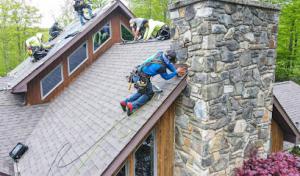
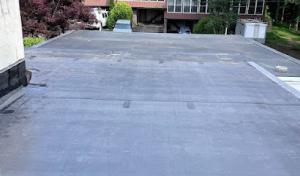
Flat and low-slope roofing appears often enough in the local contractor market to merit separate attention, especially where drainage and moisture management are critical. In the Wyoming Valley, improper pitch, blocked drains, or debris buildup can feed prolonged ice damming and hidden leaks during freeze-thaw cycles. You'll want to confirm that the drainage plan is clear and that membrane edges are properly terminated at eaves and walls. Relying on a single layer of adhesive or patchwork without addressing edge detailing can invite slow seepage that shows up only after a heavy snowfall or sudden thaw.
Skylight repair is a recurring specialty locally, suggesting leak-prone flashing transitions are a real homeowner concern in this market. Pay close attention to the perimeter flashing, curb details, and nail-flange penetrations around skylights. Inconsistent flashing color and loose sealant are red flags that can lead to interior condensation and water staining after snow loads thicken. A proper transition from flashing to surrounding roof surface is essential, especially where low-slope sections intersect colder attic spaces.
Underlayment and venting corrections can trigger inspection issues in Wilkes-Barre, making roof penetrations and transition details more consequential during re-roofing. Ensure the underlayment aligns with the roof's slope and that any vent shrouds, exhausts, or intakes are correctly flashed to prevent warm-air leaks into cold zones. In winter, vapor movement can reveal weak spots only after the first heavy freeze. Thoughtful sequencing of penetrations and careful sealing around vents reduces surprise during the next inspection cycle.
Find specialists in TPO, EPDM, and built-up flat roofing systems for residential and commercial properties.
In this market, replacement work dominates the contractor landscape, so look for crews with a track record of re-roofs rather than new-construction specialization. Ask for a short list of Wilkes-Barre projects completed in the last few years, with notes on how they handled snow load considerations and existing roof deck conditions after freeze-thaw cycles. A steady portfolio that shows timely tear-offs and clean transitions from old to new roofing will be more reliable than flashy promises.
The local market strongly signals that homeowners prioritize quick response and cleanup, which is especially important after leaks, tear-offs, and storm events. When you call references, ask how soon the crew arrived, how much interior disruption occurred, and whether water was contained promptly. A contractor who can start within a few days during a winter thaw or heavy snowfall season reduces the risk of secondary damage and insurance delays.
Documentation quality matters in this area where weather events can complicate inspection timelines. Verify that the contractor can clearly outline the scope of work, sequence of the job, and a realistic timeline that accounts for potential weather pauses. Confirm they provide written guidance on how they will handle vulnerable attic spaces, ice dam mitigation, and post-installation inspections. Long-established companies often have smoother coordination with suppliers, inspectors, and insurance adjusters.
Cleanup impacts neighbor relations on dense street grids and in older neighborhoods with mature trees. Ask about tarping, debris containment, and how daily debris will be removed. A reliable crew finishes with a thorough site cleanup, leaving no stray nails or shingles that could pose a hazard to foot traffic or parked cars during winter months when sidewalks stay slick.
With a mix of affordable operators and long-standing firms, homeowners balance price against responsiveness and follow-through. Request a post-installation service window for any warranty concerns, and confirm how calls are handled if a leak or hail issue arises later in the season. A dependable Wilkes-Barre roofer will provide clear contacts and predictable service timelines, even after the last shingle is nailed down.