
Last updated: Apr 19, 2026
Hazleton's cold winters bring regular snowfall and extended freezes, and every thaw followed by another freeze compounds stress on the roof. That repeated freeze-thaw action pushes water into small gaps, expands ice in cracks, and contracts materials as temperatures swing. Over a season, those micro-busts add up, especially around flashing, ridge cap joints, and any old seams. If your roof is older or has undersized or poorly sealed flashing, those weak points become leak paths that can show up as wet spots in late winter or early spring. The result is not just a single repair but a cascade of small failures that shorten life expectancy and force more extensive fixes later.
Winter storms in this area don't stop at piling snow. They test roof systems with weight, wind, and moisture intrusion all at once. Even a sturdy low-slope urban roof can sag or shift when snow accumulates in hidden pockets or along edge details where warmth from inside the attic creates melt lines that refreeze at night. Snow load isn't just about the height of the pile; it's about how compacted it gets, where it sits on the roof, and whether critical components-such as valley intersections, apron flashings, and chimney flashing-are capable of handling the seasonal push. When a storm hits, access for maintenance becomes a real constraint. If a roof is compromised, performing repairs during or after a heavy snowfall becomes hazardous and slower, delaying needed action and amplifying damage risk to interior ceilings and insulation.
Replacement decisions in this region are often driven by how a roof comes through winter and the early spring moisture cycle, not just by its age. A roof that survived a brutal season with minimal leaks, sound flashing, and intact seals can still be a better candidate for repair than replacement-provided the underlying deck isn't rotted and the ventilation is adequate. Conversely, a roof that shows chronic ice damming, returns of moisture in the ridges, or persistent dampness near penetrations should be treated as a warning sign that a more comprehensive solution may be needed. The key is to observe how the system handles the seasonal thaw-and-freeze sequences: if standing water, damp attic spaces, or recurring interior staining appear after winter, plan has to shift from simple patchwork to a more robust, wind- and water-tight solution that stays resilient through another cycle.
Flashing around chimneys, skylights, and vents is a frequent weak point in Hazleton homes. Freeze-thaw stress can loosen sealants and warp metal, creating slow leaks that aren't obvious until spring rains arrive. Valleys and along the eave lines deserve careful inspection, because meltwater follows those paths and can back up under shingles if underlayment is compromised. Roofs in older steep-slope homes may show more pronounced wear at the hip and ridge joints, where snow tends to accumulate and refreeze. Even if a roof looks solid from the ground, up-close checks during dry conditions can reveal hairline rust spots on metal flashings, cracked sealants, or lifted shingle tabs that will fail under another freeze cycle.
Prioritize a professional inspection early in late winter or right after heavy snowfall ends, focusing on flashing integrity, attic ventilation, and insulation quality. Have the inspector test for wind-driven gaps around chimney and vent penetrations, and review attic insulation depth to reduce warm-air melt that creates ice dams down the slope. If moisture issues are evident, addressing them promptly with targeted repairs-rather than delaying for a full replacement-can prevent cascading damage that complicates spring access for crews. Plan for safer access in winter conditions: clear walks, ensure safe ladder placement on snow-free ground, and coordinate roof work during daylight with warming temperatures to minimize ice hazards. When replacement becomes necessary, coordinate with a trusted contractor who understands how Hazleton's winter profile shapes the roof assembly, including underlayment selection, flashing restorations, and material choices that withstand repeated freeze-thaw cycles while preserving long-term integrity.
Spring hail and heavy rain are a key Hazleton risk period, increasing the chance of impact damage and moisture intrusion after winter wear. Shingle granules may wash away, flashings can loosen from wind-driven storms, and unseen cracks can open up after freezing nights. If you notice new granule loss, small dents, or a soft spot on a slope, treat it as a potential guardrail for bigger trouble. The combination of lingering ice dams from winter and sudden warm days can push water under edges and into seams before you realize it. This is the window when a careful inspection matters most, even if the roof looked fine through the late winter snows.
Pennsylvania insurers commonly ask Hazleton-area homeowners for detailed photos and damage documentation after hail or wind events, and adjusters may review prior roof condition and maintenance history. After a storm, take clear, timestamped photos from multiple angles: the entire roof, any patches, flashing seams, gutters, and visible interior staining if present. Keep a simple log of dates, weather details, and observations you notice as soon as it's safe to inspect. If ladders or higher access are needed, work with a partner and avoid stepping on suspected weak spots. The goal is to build a narrative that shows how the damage aligns with the event and what the roof looked like beforehand, so the claim stands up if the insurer asks for a pre-winter baseline.
Claim activity in Hazleton tends to track regional storm patterns, so homeowners need date-stamped documentation when damage follows a known weather event. When a large storm rolls through, don't wait for leaks to worsen before you photograph and note the damage. Early, organized documentation gives a clearer link between the event and the roof's condition. If you're able, arrange a professional inspection soon after weather events that produce hail or heavy rain, especially if winter's freeze-thaw cycles have already challenged shingles, flashing, or metal edges. A timely assessment helps distinguish long-standing wear from new damage caused by a specific storm, which matters when a claim moves through adjusters' review.
Keep a simple home-maintenance file with recent roof inspections, weather alerts, and storm dates. After severe weather, perform the safest possible visual check from the ground or with a trained contractor, focusing on flashing around chimneys, valleys, and vent hats, along with edge wraps and drip edges. If you suspect moisture intrusion, address it promptly to minimize interior damage or mold risk; delaying can complicate both repairs and claims later. When a contractor is brought in, discuss how the roof has endured winter and spring weather and request a documented assessment that clearly notes any pre-existing issues versus new impacts. This clarity supports a smoother claims experience and a more durable fix for the months ahead.
Connect with contractors who help homeowners navigate the claims process from damage assessment to final approval.
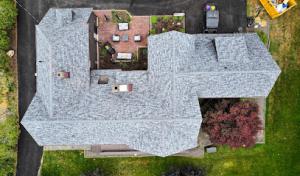
DTL Construction
(570) 582-7017 dtlconstructionllc.com
409 E Diamond Ave, Hazleton, Pennsylvania
5.0 from 10 reviews
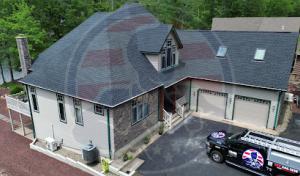
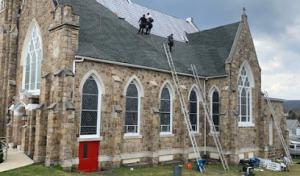
Starz & Stripes General Construction
(570) 790-7680 www.starzandstripesllc.com
213 E Hemlock St, Hazleton, Pennsylvania
5.0 from 30 reviews
We have years of experience with our priority being the customer.We provide nothing but the best work and guarantee customer satisfaction.We’re family oriented our customers aren’t just customers they’re part of our Starz & stripes family!
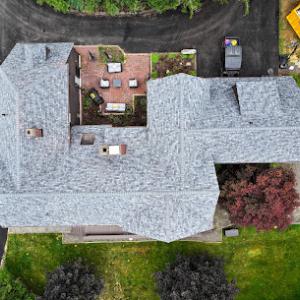
DTL Construction
(570) 582-7017 dtlconstructionllc.com
409 E Diamond Ave, Hazleton, Pennsylvania
5.0 from 10 reviews
DTL Construction is a locally owned roofing company serving Hazleton, PA and surrounding areas. We specialize in roof repairs, roof replacements, inspections, storm damage repairs, and both shingle and metal roofing for residential and commercial properties. Our team focuses on quality workmanship, reliable service, and honest communication on every project.
Wolfe's Construction
602 Carson St, Hazleton, Pennsylvania
4.4 from 21 reviews
Here at Wolfe’s Construction we provide comprehensive roofing services to homeowners and business owners across and the surrounding communities. We specialize in a range of services and are dedicated to providing superior workmanship and customer service. With over 10 years of experience, we strive to provide state-of-the-art expertise with customer satisfaction as our top priority!
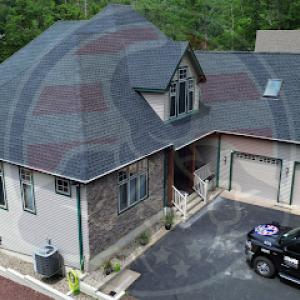
RWB Roofing & Construction
Serving
4.7 from 55 reviews
At RWB Roofing & Construction, your satisfaction is our top priority. We're committed to providing exceptional services for your residential and commercial needs. Our skilled professionals excel at enhancing the visual appeal of your property with top-notch roofing, siding, gutter, and deck designs. We also offer storm damage restoration services to assist you with insurance claims. Let us breathe new life into your space while delivering an unparalleled experience in craftsmanship and customer service.
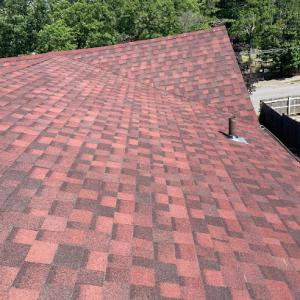
DeLeon Construction
(272) 223-1785 deleonconstructionpa.com
Serving
5.0 from 36 reviews
Roofing & General Construction
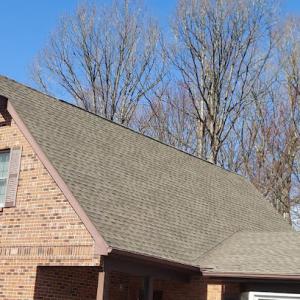
Tri-State Roofing Siding & More
Serving
5.0 from 3 reviews
We are a family owned and operated business serving NEPA. Our company specializes in roofing and siding with the best warranties in the area. We also offer many other services. Call for a free estimate any time.
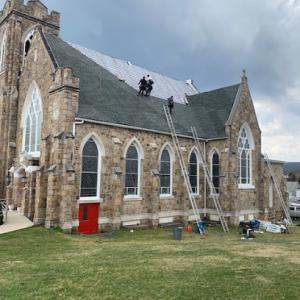
Symmetry Construction Enterprises
(570) 393-7730 www.symmetrypa.com
Serving
4.9 from 91 reviews
Roofing company
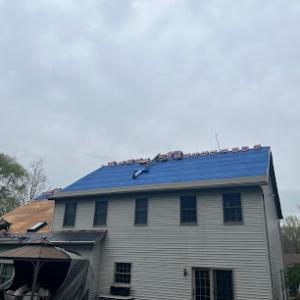
Bluefield Builders Roofing
(570) 600-4080 bluefieldbuilders.com
Serving
5.0 from 29 reviews
Roofing company specializing in asphalt shingles. Our goal is to provide you with a new roof while maintaining customer convenience and satisfaction.
Quantum Roofing
Serving
5.0 from 8 reviews
Roof Replacement in Scranton , Pa and nearby areas such as Wilkes Barre, Berwick , and all other areas throughout Northeast Pennsylvania. We also install siding, gutters and service roofs that need repair.
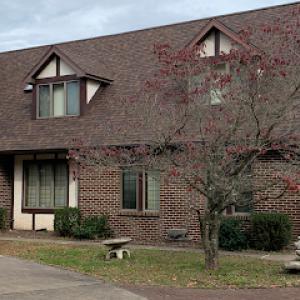
ASKON Construction
Serving
4.0 from 12 reviews
ASKON Construction is a residential & commercial roofing company. Our services include: roof replacements, roof maintenance, roof inspections and roof repairs. Over 20 years experience in shingles and flat roofing systems.
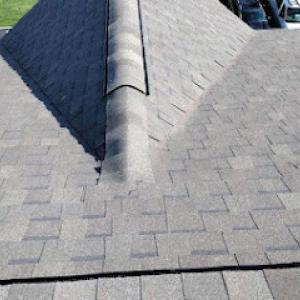
Paniagua Construction
Serving
5.0 from 8 reviews
We do roofing, siding, rubber roof and different types of repairs.
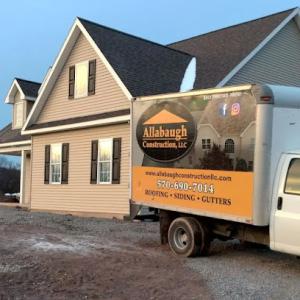
Allabaugh Construction
(814) 330-4897 allabaughconstructionllc.com
Serving
5.0 from 208 reviews
At Allabaugh Construction, we take pride in building, remodeling, and maintaining Luzerne County and Lackawanna County homes. Our business model is built upon providing full service to our clients. We know that a good contractor is hard to come by. We have spent the last 20 years building up our reputation and striving to provide the best to our Pa clientele. Our team has over two decades of industry experience with all facets of home construction, from roofing repairs and replacement to Siding and Gutters.
Hazleton homeowners commonly choose among asphalt shingles, metal roofing, clay tile, concrete tile, slate, and copper roofing, creating a very wide local price spread from basic replacement to premium historic-style work. In practice, the most common choice remains asphalt shingles for a straightforward, code-compliant replacement on older steep-slope homes. The cost range you'll see for asphalt shingles runs roughly from 350 to 650 USD per square, depending on alignment with existing roof lines, underlayment upgrades, and whether any accompanying venting or drip edge work is needed. When a project leans toward a metal roof or a wrapped, period-accurate look, budget ranges expand quickly, and you'll see the higher end of the spectrum showing up in more complex roof geometries or when a contractor trims to preserve architectural details.
Costs in Hazleton can rise when freeze-thaw damage has affected decking or flashing, or when heavier materials like slate, clay tile, or concrete tile require structural review. If boards or joists have absorbed repeated cycles of freezing and thawing, contractors may need to replace damaged decking, reinforce rafters, or add more robust underlayment and ice barriers. That kind of prep work pushes the total beyond the base material price. For instance, metal roofing or clay tile projects may hit the upper ends of their ranges when decking is compromised or flashing needs extensive reseaming around chimneys, skylights, and valleys. Slate and copper carry premium labor and fastening requirements that can significantly affect total price, especially if historical accuracy or custom detailing is part of the plan.
Seasonal demand spikes after winter storms or spring hail can affect scheduling and pricing in Hazleton, especially for fast-turn re-roofing work. In practice, a sudden post-winter rush can compress crew availability and bump short-notice bids upward, particularly for premium materials like slate, copper, or high-end tile. If timing is flexible, align a replacement with mid-spring or late summer windows when crews are more likely to fit your project into a steadier schedule. For a quicker turnaround on a standard asphalt job, you'll still want to plan for contingencies around weather, but the pricing pressure tends to be milder than the premium-material scenarios. For reference, the typical cost ranges you'll encounter include asphalt shingles at about 350-650 USD per square, metal roofing at 700-1200, clay tile at 1100-1900, concrete tile at 900-1600, slate at 1400-3800, and copper at 2000-5500 USD per square.
Before pulling any permits for a full roof replacement, check with the City of Hazleton building department. In this area, a building permit is generally required for a complete roof replacement, and the permit process helps ensure the work meets local codes and safety standards. Your permit packet will typically include project details, including roof type, materials, and any structural alterations. Starting the process early saves delays once a contractor is ready to begin.
Hazleton can require plan review for certain roof configurations or when heavier structural work is involved. If you're considering slate, clay or concrete tile, or plan major framing changes to accommodate a different roof shape or load, expect at least a plan review. This step helps ensure the existing structure can support the new roof's weight and that flashing details align with local weather patterns. Bring drawings or a clear scope of work to the building department to streamline the review.
A post-completion inspection is not optional in this jurisdiction. After the roof is installed, arrange a final inspection with the building department to verify proper installation and flashing. The inspector will typically look at how penetrations around chimneys, vent pipes, skylights, and dormers are flashed, along with ridge lines, edge metal, and drip edge installation. Plan the inspection for a time when the contractor can be present to address any questions on site immediately.
Gather the project paperwork before the inspection: permit card, approved plan set (if applicable), and any change orders that altered the scope. Ensure roof access is safe and clear of debris, with fall protection in place if required by local code. Have a list of key flashing details ready for the inspector, especially around valleys, chimneys, and vent stacks. If your roof uses metal flashing or specialized detailing for heavy snow or freeze-thaw cycles, confirm these features are visible and properly installed.
If the inspector notes improper flashing around penetrations, inadequate drip edges, or misaligned shingles or tiles, a re-inspection will be scheduled after corrections. For heavier roof types like slate or tile, improper framing or inadequate support can prompt additional structural review, potentially affecting plan approval for the final inspection. Work with your contractor to address any deficiencies promptly to avoid project delays.
Hazleton's housing stock features a mix of older, architecturally varied homes and steeper roofs alongside more contemporary low-slope urban styles. The material mix includes slate, clay tile, concrete tile, and copper alongside asphalt and metal, indicating a local landscape where heavier roof systems remain common. This variety means that a retrofit or replacement often requires careful assessment of how the new roof interacts with existing structures, attic space, and drainage. Understanding what sits above the ceiling-whether slate bands, copper valleys, or tile over sheathing-helps determine the best approach for long-term performance, especially after harsh winters.
Heavier roof systems in Hazleton are more likely to trigger plan review or structural considerations during replacement than standard asphalt re-roofing. If the home carries slate, clay or concrete tile, or copper, the weight load can influence decisions on underlayment, deck reinforcement, and rafter or truss capacity. Before selecting a replacement, verify whether the existing framing can safely carry the added dead load, and plan for a detailed assessment of attic framing and span connections. Even when a profile looks intact from the exterior, the inside may reveal century-old lumber that needs stabilization or reinforcement to support a new, heavier roof.
On older Hazleton homes, flashing transitions and penetrations often become the deciding factor in whether a roof can be repaired or needs full replacement after winter damage. Snow and freeze-thaw cycles intensify stress at valleys, chimneys, roof-to-wall transitions, skylines, and vent penetrations. For slate or tile, delicate edging and edge metal must be preserved or carefully recreated to prevent ice damming and moisture intrusion. Copper flashings, while durable, require precise installation to prevent leaks where copper meets other materials. When planning, prioritize a detailed inspection of all transitions, including step and counterflashing, boot seals around vent pipes, and the chimney-to-roof interface, as these areas often fail first after severe winter conditions.
If a roof replacement is on the horizon for an older home, schedule a structural evaluation early to confirm supporting framing can handle the new system's weight. Engage a contractor experienced with Hazleton's material varieties to ensure compatibility between old and new components, especially at flashings and penetrations. For steeper, heavier roofs, ensure proper snow guard placement and edge detailing to manage seasonal snow loads safely. Plan for a detailed inspection of attic insulation and ventilation, since cold-season moisture concerns compound with heavier roof assemblies and can influence the roof's overall performance long after installation.
Flat-roof work is a real local need, and you will notice a higher concentration of flat- and low-slope specialists around town. That emphasis means you can find crews who understand the peculiarities of Hazleton's winters and the way moisture behaves on a flat or near-flat deck. When you choose a contractor, confirm they have recent, hands-on experience with low-slope assemblies, not just occasional dabbling. A reputable team should show you portfolio photos of flat sections with proven flashing details and a method for annual membrane checks.
The freeze-thaw pattern in this area makes standing water and seam or flashing failures more consequential than in milder climates. On a low-slope roof, even small puddles can creep into seams during cycles of thaw and refreeze. Look for a surface with a consistent slope, well-integrated scuppers or interior drains, and a membrane that is continuous across penetrations. If you spot early signs of edge ponding after a snowfall or during spring thaws, address it promptly. The goal is a low-slope system that sheds water quickly rather than holding it at the joints.
Post-installation inspection attention to flashing is especially relevant on low-slope sections where water management is less forgiving. After the first thaw and again after a heavy thaw-freeze sequence, inspect roof-to-wall transitions, flashings at curbs, and around penetrations. Look for lifted metal, compromised sealant, or gaps at joints. Schedule a targeted check with a contractor who will test the system under simulated winter conditions-pour a small amount of water along seams to verify that flashing keeps water on the surface rather than seeping underneath. In short, treat low-slope flashing as a standing priority, not a one-time fix.
Find specialists in TPO, EPDM, and built-up flat roofing systems for residential and commercial properties.
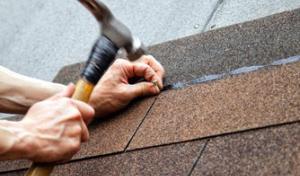
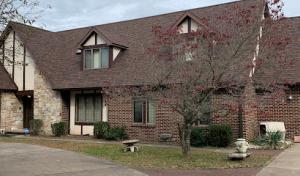
Skylight repair appears as an active specialty in Hazleton, reflecting how common leak-prone roof penetrations are after long winter seasons. When the snow piles up and then melts, the edges around a skylight or chimney see extra stress from expanding ice and shifting decking. The result is a small, slow drip that quietly worsens if left unaddressed. You'll notice that the most persistent leaks often arrive not with a dramatic storm, but as a stubborn, recurring drip after a thaw.
The freeze-thaw cycling in this area puts extra pressure on sealants and flashing around penetrations. That means skylight assemblies, flashing collars, and chimney cricket details are under more strain than you might expect from a straightforward roof patch. If you've had a winter where ice dams formed or gutters iced over, expect the associated flashings to show hairline cracks or gaps where water can chase along the seam. The moisture can travel sideways under shingles before you see any staining, so a cautious eye on the flashing around these points is essential.
Look for aging or brittle sealant around skylight frames, corroded or loose flashing at chimney corners, and any pooling water on the skylight curb after a warm day. After a harsh winter, pay special attention to the transition where the skylight framing meets the roof surface and where the chimney intersects the roof plane. The final inspection focus on proper flashing makes penetration details more important than cosmetic shingle appearance alone.
If you're comfortable, inspect from the attic after a rain or after a thaw to see if water travels along the underside of the roof deck toward the penetrations. Look for dark stains, soft spots, or damp insulation near skylights and chimneys. If any sealant or flashing looks suspect, don't delay calling a local roofer who specializes in penetrations; the longer you wait, the more likely minor leaks turn into costly repairs.
Find contractors experienced in skylight installation, flashing, and leak repairs to bring natural light into your home.
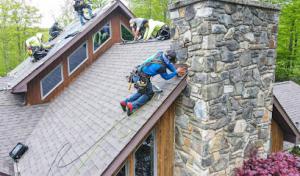
In Pennsylvania, insurers may evaluate prior roof condition and maintenance history, so homeowners in this area benefit from keeping inspection notes, invoices, and before-and-after photos. This history helps prove proactive care and can influence claim outcomes after a severe weather event. When a contractor completes a major repair or retrofit, file a concise summary with dates and scope of work so the record is easy to reference later.
Because Hazleton sees both winter storm stress and spring hail exposure, documentation should distinguish sudden storm damage from long-term wear. If a wind-blown shingle or hail impact occurs, photograph the affected areas within 48 hours and note wind direction, hail size, and any resulting leaks. Compare the new condition with prior photos to separate temporary weather effects from preexisting deterioration. This clarity helps insurers assess claims accurately and supports timely decisions about repairs or replacements.
Insurance decisions in this area are influenced by regional storm timing, making prompt photo documentation after a weather event especially important. After a storm, take wide-angle roof shots, close-ups of flashing, valleys, and roof-to-wall connections, and record any interior signs of moisture. Maintain a simple ledger of dates, weather notes, and actions taken (temporary protections, contractor visits). A well-organized file speeds communication with the insurer and reduces back-and-forth during claim processing.
Keep inspection notes and invoices in a labeled folder, both physical and digital. Before-and-after photos should be timestamped and organized by date and location on the roof. If you work with multiple contractors, store each report separately but summarize the overall roof condition in a single annual recap. A neighborly habit-regularly updating these records after seasonal checks-builds a reliable history insurers recognize.
Connect with contractors who help homeowners navigate the claims process from damage assessment to final approval.
DTL Construction
(570) 582-7017 dtlconstructionllc.com
409 E Diamond Ave, Hazleton, Pennsylvania
5.0 from 10 reviews