
Last updated: Apr 19, 2026
In Stroudsburg, cold winters bring repeated snow accumulation and freeze-thaw cycling that can shorten roof service life. The Pocono climate nuts this process into the roof system: snow piles up, then melts a little on warm days, then refreezes at night. That cycle pushes on shingles, underlayment, and flashing seams, even on sturdy systems. The result is micro-fractures, loosening of fasteners, and accelerated wear around valleys, penetrations, and edges where ice can back up under the roofing layer. This is not a distant risk-it shows up as faster granule loss, sooner granule wear, and more frequent leaks after a mid-winter warm spell followed by a hard freeze. The neighborhood consensus is clear: the colder the spell, the more vulnerable the roof becomes to ice-related edge damage and water intrusion.
Edge damage is a practical concern here because winter melt-refreeze patterns can work water back under shingles and flashing. Ice buildup along eaves and ridges can pry up edges, create lift, and push water toward vulnerable seams. When water threads under flashing, it can travel unseen until a late-wall drip or ceiling stain appears. In Stroudsburg, many homes sit under stands of maples and pines, which shed ice-laden branches that land on the roof and compound the problem. During thaws, softening ice dams can drive meltwater into gutter lines and into soffit areas, pressurizing attic vents and increasing the risk of interior staining. The practical side for homeowners is to treat edge protection as a frontline defense: keep drainage paths clear, inspect flashing at perimeters, and recognize that any recurring ice dam patterns signal a higher probability of concealed damage.
Replacement timing in Stroudsburg is strongly affected by winter conditions, with snow cover and cold-weather sealing limits making emergency stabilization more common than full replacement during the coldest periods. If a roof shows active ice damting, widespread edge lift, or multiple failed penetration seals, stabilization is the prudent first step rather than waiting for a thaw. The cold season complicates material handling, adhesives, and warranty constraints, so planning a replacement for late winter or early spring, when snow has cleared and temperatures are consistently above freezing, tends to yield a safer, longer-lasting result. In the meantime, focus on interim fixes that address active leaks, improve attic ventilation, and boost underlayment protection around valleys and chimneys. This approach minimizes further freeze-thaw damage while you coordinate a proper replacement plan with a trusted local contractor.
Keep a watchful eye on roof edges after storms and during warm snaps. If ice dam patterns recur, call for a quick professional inspection of flashing, drip edge, and attic seals. Prioritize ventilated attic spaces to reduce interior condensation that exacerbates ice buildup. When rain or melt events are followed by cold nights, inspect ceilings and walls for subtle signs of water intrusion and address them promptly. In this climate, proactive maintenance paired with timely stabilization can preserve shingle integrity and extend the life of the roof until a full replacement can be safely completed in a less severe window.
In this Pennsylvania market, hail and wind claims are common enough that insurers often ask for dated photos, roof age, and a condition report before settling. For a roof that's already showing wear from Pocono winters, the line between sudden damage and older wear can blur quickly. After a severe wind event or a heavy snow load, your first move is to photograph everything as it stands, dated and timestamped if possible. Close-ups of lifted shingles, granule loss in gutters, curled edges, and any frost-related cracking matter. Then take wider shots from multiple angles to show adjacent rooftops for scale. Next, assemble a simple condition report: note visible sagging, chimney flashing gaps, vent boots, and any interior signs of leaks around attic rafters or ceiling spots. If the roof is older than a decade, acknowledge that some deterioration could be wear rather than storm impact, but document every anomaly to avoid ambiguity during the claim review.
Part of that documentation should include the roof's age, the most recent major repair dates, and a brief summary of prior weather stress this season has delivered. Local adjusters often look for a clear link between the storm event and the damage, especially when the roof shows both new issues and signs of long-term aging. Stroudsburg-area homeowners benefit from documenting damage immediately after seasonal wind events and winter weather because claim decisions can turn on whether damage is sudden or tied to older wear. If you have prior inspection reports or maintenance logs, keep those handy for reference.
When a claim is in play, the contractor's scope matters as much as the damage itself. A clear contractor estimate that outlines shingle type, underlayment, flashing details, and ventilation changes helps the insurer understand exactly what was impacted and what's proposed to restore the roof to code and weather-tight condition. In this climate, mid-project underlayment and venting inspection can influence final approval, so make sure the scope reflects the actual work needed and any required tests or inspections. Keep the permit record, material list, and inspection sign-offs together with claim paperwork. Bundling these documents reduces back-and-forth and clarifies what was approved and what was installed.
If a contractor suggests temporary measures to manage snow buildup or wind uplift before the claim is settled, document those measures with dates and photos. Insurers may want to see whether temporary fixes were performed in a timely fashion or if delays contributed to further damage. Always request itemized invoices or receipts that align with the scope of work in the claim, and store them with the claim file in a single accessible location.
Claim decisions can hinge on the relationship between storm timing and existing roof condition. After a winter storm or high-wind event, monitor the roof for new leaks and record when interior signs appear. If interior water intrusion is observed, note its location in the attic and living spaces, as this helps correlate symptoms to exterior damage. When the adjuster arrives, present your photos, the condition report, and the contractor's scope clearly. If gaps exist between what you believe is needed and what the insurer authorizes, request a re-inspection or an itemized explanation of the denial or partial payout.
Finally, maintain a centralized file for all claim communications: emails, letters, adjuster reports, and contractor correspondences. A well-organized file reduces misunderstandings and smooths the path toward a timely settlement, especially after a season of freeze-thaw cycles that can complicate damage evaluation. Remember that the claim mix-outdoor damage, interior signs, and any pre-existing wear-should be visible in both the documentation and the contractor's scope of work so the settlement reflects the actual restoration needs.
Connect with contractors who help homeowners navigate the claims process from damage assessment to final approval.
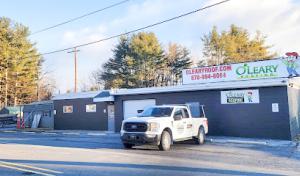
O’Leary Roofing
102 Tanite Rd, Stroudsburg, Pennsylvania
4.9 from 600 reviews
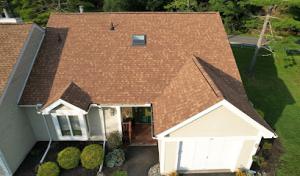
Overmyer Roofing
(570) 656-5964 www.overmyerroofing.com
3371 Turkey Hill Rd, Stroudsburg, Pennsylvania
5.0 from 145 reviews
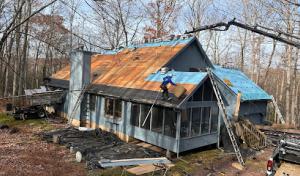
Frankie Contractor
(570) 217-7848 www.frankiecontractorllc.com
903 Lindbergh Ave, Stroudsburg, Pennsylvania
4.9 from 309 reviews
O’Leary Roofing
102 Tanite Rd, Stroudsburg, Pennsylvania
4.9 from 600 reviews
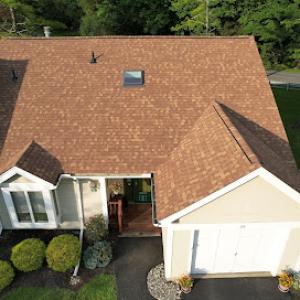
Discover the O'Leary Roofing difference in Stroudsburg, PA, servicing the Poconos and surrounding areas. We specialize in partial or full roof replacements, using high-quality GAF materials. Our core values of integrity and excellence shine through in every project, ensuring superior workmanship and customer satisfaction. With financing options available and manufacturer warranties of up to 50 years, O'Leary Roofing is your reliable choice for enduring and worry-free roofing solutions.
Overmyer Roofing
(570) 656-5964 www.overmyerroofing.com
3371 Turkey Hill Rd, Stroudsburg, Pennsylvania
5.0 from 145 reviews
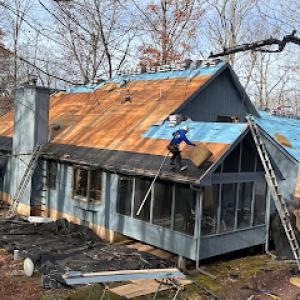
Overmyer Roofing is a trusted family-run residential roofing company based in Stroudsburg, Pennsylvania, providing roofing solutions in Stroudsburg, Monroe County, Mount Pocono, and neighboring areas. Their team of certified roofers delivers top-notch services, roof installations, repairs. As a member of the Chamber of Commerce, they prioritize customer satisfaction, ensuring clients’ roofing needs are met with utmost dedication. Backed by CertainTeed guarantees, their commitment to excellence shines through every project, leaving customers with durable and reliable roofs. For all your residential shingle roofing needs, Overmyer Roofing is the name customers rely on. Contact today for a complementary estimate.
Frankie Contractor
(570) 217-7848 www.frankiecontractorllc.com
903 Lindbergh Ave, Stroudsburg, Pennsylvania
4.9 from 309 reviews
Welcome to Frankie Contractor! Our team has been providing professional roof replacement services to the Stroudsburg area and all Poconos PA area for more than 20 years. We are staffed with experienced roofers who have one goal: delivering excellent customer service and outstanding work. Whether you need work on your siding or new roof installation, were the ones for the job. Give us a call today so we can get started on making sure your roof is in excellent, and safe, condition! License #: PA108463
Simonsays roofing
(570) 202-6631 www.simonsaysroofingpa.com
925 N 9th St, Stroudsburg, Pennsylvania
5.0 from 64 reviews
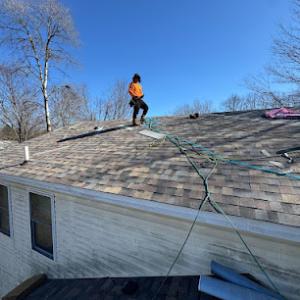
My focus is quality. I never cut corners, even when it’s more expensive. Some of my competitors are cheap, but I will take the time to make sure you are 100% happy .
Nice Roof
1068 Foxtown Hill Rd Unit 2, Stroudsburg, Pennsylvania
4.9 from 224 reviews
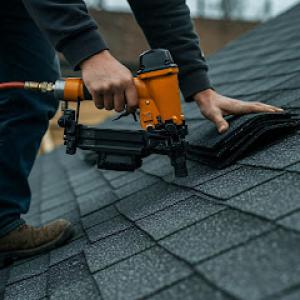
Discover top-notch roofing solutions with Nice Roof, in Stroudsburg, PA. Specializing in roof repair, roof leak repair, and seamless gutter installations, we're your go-to local roofing contractors for both residential and commercial needs. Looking for the best roofer or affordable roofing services "near me"? Our dedicated team, led by Angel Pineda, offers high-quality services and customer satisfaction across the Pocono area, including Monroe County. Enjoy competitive rates, $500 off complete roof replacements, and flexible financing to meet your budget. Trust Stroudsburg's best roofing company for professional, prompt, and reliable service.
Family Restoration Home Improvement
(570) 420-9520 www.famrestinc.com
300 Main St, Stroudsburg, Pennsylvania
4.8 from 66 reviews
We take on every project here at Family Restoration with the utmost care and attention to detail. Thats because we know it's important to you, and that makes it important to us. That's a personal promise from us to you.
187slp Roofing & Siding
Stroudsburg, Pennsylvania
5.0 from 10 reviews
We are the best company We make sure for you don't have a problems with your roof No water leaks no flights shingles We do not have cheaper prices But we make sure everything is safe on your roof for you & your family. In case of any problem we go see your roof faster . If you go cheap you gonna have a problem believe me You get what you pay. We give reasonable price for our customers.............................
Lema & Rojas Roofing & Siding
1140 W Main St, Stroudsburg, Pennsylvania
5.0 from 10 reviews
We pride our company on reliability, great communication, integrity, and quality work. We are experts in our trade and will do our best to keep you as educated as we can on your particular task or project. We look forward to earning your business! feel free to give us a call or text today!
Fastway Contractor
(570) 730-7481 www.fastwaycontractor.com
403 Butterfield Drive, Stroudsburg, Pennsylvania
4.7 from 16 reviews
Fastway Contractor is a company that does mostly labor work and was established in 2018. This company has been around for 4 years but I have 18 years of experience in the work force and my company can help peoples' houses and community by doing hand on hand work or labor work such as repairing, renovation, cutting trees, landscaping peoples' area, construction, plumbing, tree services, roofing, masonry: concrete, brick walls, brick stairs, electric, installation.
PA Home Roofing & Construction
Serving
5.0 from 47 reviews
PA Home Roofing & Construction has been a trusted roofing contractor in East Stroudsburg, PA, for over 50 years. We specialize in roof inspection and roof replacement, ensuring homes stay protected from the elements. Our expert team identifies leaks, storm damage, and aging materials, providing durable solutions with high-quality materials. Whether you need a thorough inspection or a full roof replacement, we guarantee reliable workmanship and exceptional customer service. We work with a variety of roofing materials to meet your needs and budget. Trust PA Home Roofing & Construction for professional, long-lasting roofing solutions. Contact us today for a free estimate!
Advanced Home Improvement | Roofing Services in the Poconos
(570) 420-8684 advancedroofingpa.com
Serving
5.0 from 13 reviews
Advanced Home Improvement Contracting is your best option for expert roofing services in the Poconos. Roofing, siding, and seamless gutters. We specialize in roofing, siding, and seamless gutter services tailored to meet the unique needs of homeowners in the Poconos. If you're looking for roofing services in Honesdale, Hawley, Lake Ariel, Lake Wallenpaupack, and the surrounding areas, Advanced Home Improvement has got you covered. Ready to enhance your home with expert roofing, siding, and seamless gutters services? By choosing Advanced Home Improvement, you're opting for quality, reliability, and exceptional roofing services. Serving all of NEPA, Lehigh Valley, The Poconos, and beyond!
Houster Choice - Metal Roof Certified Contractor
(570) 664-8558 www.housterchoice.com
Serving
5.0 from 27 reviews
Houster Choice is known for its ability to consistently deliver quality projects and exceed client expectations. We provide new home improvement products, such as skylights, vertical windows, roof hatches, metal roofing tiles, metal roofing sheets, roof vents, exterior, and interior European style doors...etc. We look forward to assisting you!
Asphalt shingles dominate locally because they fit the area's large stock of pitched residential roofs and offer a lower entry cost for weather-exposed replacements. In the Pocono climate, a standard, well-installed asphalt system with a proper underlayment and attic ventilation handles freeze-thaw cycles reliably. The key here is quality layering: choose a shingle with good granule adhesion and a robust mineral-surfaced top layer, and pair it with a continuous, weatherproof underlayment. In regions with frequent freeze-thaw, mechanical fastening patterns and securing every strippable tab help prevent wind uplift during heavy snows. Regular inspection after heavy storms or thaws helps catch micro-cracks or lifted tabs before they become leaks. For homeowners evaluating a retrofit, asphalt remains the most forgiving option if the roof deck and flashing are solid, and maintenance intervals are straightforward to keep a long-term seal in winter conditions.
Metal roofing has a meaningful local presence and is often considered for better snow shedding and durability through repeated winter weather cycles. The slick surface reduces moisture retention between storms, which can minimize ice dam formation when combined with proper underlayment and insulation. In Stroudsburg's freeze-thaw environment, metal panels or shingles can tolerate repeated cycles without warping or curling, provided fasteners are corrosion-resistant and seaming is designed to handle thermal movement. Metal shines on steeper roofs common to the region, where faster snow slide reduces ice build-up at eaves. When selecting metal, look for coatings that resist snow-driven abrasion and consider a standing-seam system to reduce vulnerable edges. A well-ventilated attic and an effective ice and water shield at eaves further enhance performance during severe winters.
Tile and wood options exist in this market but require closer attention to structural load, moisture exposure, and freeze-thaw performance than in milder climates. Clay tiles bring excellent longevity and a classic look, but their weight is substantial, which can demand reinforcement of the roof framing. Concrete tiles offer similar advantages with potentially lower weight in some profiles, yet still demand careful integration with flashing, gutters, and drainage to avoid moisture pooling. Freeze-thaw exposure can cause microcracking if water infiltrates joints, so robust underlayment and sealed penetrations are essential. In addition, tiles must be installed with attention to roof pitch and eave protection to prevent ice buildup. For homes with limited structural capacity or older framing, tile options should be vetted with a structural engineer and a seasoned local roofer who understands Pocono-specific moisture patterns.
Wood shingles or shakes bring a distinctive look that suits some mountain neighborhoods, but the material is more sensitive to moisture and rapid temperature swings. In this climate, wood can suffer from accelerated granule loss on adjacent areas, warping due to snow-freeze cycles, and increased maintenance for mold or mildew on shaded surfaces. If wood is chosen, select a durable species, consider dense coatings, and plan for routine treatment against moisture intrusion. Proper ventilation and continuous underlayment help reduce interior condensation and preserve the wood's life. For many homeowners facing frequent freeze-thaw cycles, wood requires a more proactive maintenance plan and periodic refinishing to maintain performance and curb appeal.
Ultimately, asphalt shingles remain the most practical choice for a large majority of pitched homes, offering reliable performance, ease of repair, and familiar installation for the winter-hardiness demands of the Pocono climate. Metal provides a compelling alternative for snow shedding and durability on suitable roof geometries, while tile and wood offer aesthetic variety but demand careful structural and moisture considerations. Regardless of material, prioritize a solid underlayment, careful flashing details, and a ventilation strategy that minimizes condensation and ice dam risk during long, cold seasons.
In a Pocono climate, most homes rely on pitched roof systems, which means tear-off, staging, and weather protection become noticeably more labor-intensive when temperatures are low or the ground is wet. The configuration requires careful staging to keep from damaging existing roofing substrate and to protect interior spaces during replacement. Expect higher labor overhead during winter and early spring when crews contend with ice, frozen nails, and slower evaporation of rainwater around underlayment. This is a key factor that pushes a Stroudsburg replacement toward the higher end of local ranges, even before material choice is considered.
Seasonal spikes follow winter storms and heavy snowfall events. When a major storm hits, crews can be booked weeks out, and prices can shift upward as demand tightens the schedule. If a project starts in late winter or early spring, you may see a premium to secure a crew and equipment, as well as shorter windows for weather protection between thaw cycles. Planning ahead, when possible, helps keep the project cost more predictable and minimizes the impact of a rush timeline after a damaging event.
Material selection matters sharply in this market. Lighter options, such as synthetic or asphalt shingles, generally keep load and installation complexity manageable. Heavier systems, notably clay and concrete tile, may trigger structural review in a snow-prone setting. Those tiles demand solid framing and, in some cases, additional underlayment or retrofit work to resist mid-winter freeze-thaw cycles. If the home has an older structural deck, a tile replacement could require reinforcing work that adds cost beyond the price-per-square of the material itself. In Stroudsburg, where snow load is a real concern, this structural diligence should be part of the front-end assessment.
When you compare options, recognize that the same square of roof can cost more in this market due to labor intensity and weather risk. Asphalt shingles sit near the lower end of the spectrum, with metal and synthetic options usually mid-range; clay and concrete tiles sit higher and may require added structural work. A practical approach is to match your roof's expected life, snow load exposure, and existing deck condition to a material that offers the best balance of durability and installability for the Pocono climate.
Don't let upfront costs delay a critical repair - these contractors offer payment plans to fit your budget.
O’Leary Roofing
102 Tanite Rd, Stroudsburg, Pennsylvania
4.9 from 600 reviews
Overmyer Roofing
(570) 656-5964 www.overmyerroofing.com
3371 Turkey Hill Rd, Stroudsburg, Pennsylvania
5.0 from 145 reviews

Nice Roof
1068 Foxtown Hill Rd Unit 2, Stroudsburg, Pennsylvania
4.9 from 224 reviews
In this area, a residential roof replacement generally requires a building permit through the Stroudsburg Borough/Monroe County process. If the project moves without that permit, you risk work stoppages, fines, and potential disputes with the borough that can delay occupancy of the home. The permit step exists to ensure the roof performance, ventilation, and underlayment meet local standards that handle Pocono winters and heavy snow loads. Rushing the permit part or attempting to go around it often leads to more headaches than you expect once inspection windows close.
Contractors typically submit the application with project scope and roofing material details rather than homeowners trying to navigate the process alone. A knowledgeable local contractor understands the documentation, plan reviews, and any site-specific code interpretations that come with Monroe County. If you do not have a contractor handling the permit packet, you can still participate by keeping a clear, written record of the materials and the exact roof layout, but the responsibility for accuracy and compliance rests with the professional submitting the package. Make sure the chosen crew is licensed, insured, and accustomed to the borough's expectations, especially when mid-project decisions affect venting or attic access.
Local inspection flow commonly includes one inspection after underlayment and venting are in place and another at completion to confirm code compliance. In mid-project checks, inspectors verify that the underlayment type, installation pattern, drip edge, and venting align with the approved plan, which is critical for winter resilience. The second, final inspection ensures that penetrations, flashing, and roof-fastening methods withstand freeze-thaw cycles and snow weights typical to the Pocono area. If anything in the plan changes-such as a switch in shingles or vent placement-coordinated re-submission or amendments may be required, which can extend timelines and affect weather-dependent milestones.
To avoid delays and complications, communicate openly with both the municipality and the contractor about the project sequence. Expect that the inspection windows are not merely bureaucratic hurdles but practical checkpoints designed to prevent leaks, ice damming, and structural issues that commonly arise after harsh winters. Before signing off on the permit, review with your contractor the critical moments that will be checked during each inspection, and keep a clear on-site log of venting, underlayment, and flashing details to reference if questions arise during the process.
In this Pocono climate, roof penetrations like skylights and chimney flashing are common weak points when sealants age or flashing details loosen. Winter freeze-thaw cycles push sealants and joints to their limits, and wind-driven rain can force water to seek gaps at transitions. The local contractor market shows notable demand for both skylight work and chimney-related exterior work, signaling that these details are frequent homeowner concerns here. Leak diagnosis often needs to distinguish between field shingle wear and water entry at flashing transitions after winter weather or wind-driven rain.
Begin with a careful visual sweep after a thaw or a windy rain event. Look for dark stains or moisture tracks along the base of skylight curb or along chimney flashing, then check the curb itself for hairline cracks or lifted shingles nearby. On the skylight, inspect the sealant bead around the frame; if it's stiff, cracking, or missing in places, moisture can bypass the flashing even if the shingle line looks intact. At the chimney, focus on the step and counter-flashing where it meets the siding and roof surface. These corners are common failure points when wind-driven rain pushes water under the flashing.
If the skylight sits on a flat or low-slope section, ensure the flashing boot remains present and well-seated. Re-seal any compromised joints with a high-quality, weather-rated sealant and verify the skylight is properly integrated with the adjacent shingles. For older skylights, consider replacing the glazing seal and reapplying a continuous, smooth seal along the curb. In heavy snow years, clear the area around the skylight after storms to reduce snowmelt pooling that can backflow into sealants.
Chimney flashing should be checked where it meets both the roof plane and the chimney brick or stone. Look for loose or lifted counter-flashing and for mortar joints around the chimney that may have cracked from freeze-thaw. Re-secure or replace flashing as needed, and re-point any compromised masonry to reduce water intrusion. Sealant lines at the top edge of the flashing should be even and continuous; if older sealant shows gaps, remove and reapply with a chimney-specific sealant that remains flexible in cold temperatures.
Schedule a seasonal quick-check after the heavy snow and after the first big thaw. Keep debris from skylight and chimney areas, and treat any flashing metal with a corrosion-resistant coating if you notice oxidation. If a leak persists after targeted resealing, trace it during daylight with a flashlight from the attic to pinpoint whether the entry follows the field shingle line or the flashing transitions.
Find contractors experienced in skylight installation, flashing, and leak repairs to bring natural light into your home.
Overmyer Roofing
(570) 656-5964 www.overmyerroofing.com
3371 Turkey Hill Rd, Stroudsburg, Pennsylvania
5.0 from 145 reviews
Frankie Contractor
(570) 217-7848 www.frankiecontractorllc.com
903 Lindbergh Ave, Stroudsburg, Pennsylvania
4.9 from 309 reviews
Nice Roof
1068 Foxtown Hill Rd Unit 2, Stroudsburg, Pennsylvania
4.9 from 224 reviews
Because Stroudsburg roofs face both winter stress and warm-season humidity, workmanship details around ventilation, flashing, and underlayment matter as much as the shingle brand. In practice, that means ensuring ridge vents and soffit intakes are balanced, so attic heat and moisture don't press on cold surfaces that crack or lift. Flashing at chimneys, valleys, and dormers should be continuous, with properly sealed joints that tolerate freeze-thaw cycles without developing slow leaks. Underlayment needs to be continuous and correctly overlapped, not lightly stapled or gaps-filled with improvised patches. When these details are neglected, a minor ice dam or condensation can cascade into deck rotting or fastener corrosion long after a new roof looks sharp.
A visible share of local contractors advertise warranties, which makes warranty scope and exclusions an important comparison point for homeowners here. Read beyond the glossy label: some protections hinge on specific installation practices, or on regular maintenance by the homeowner. Look for coverage that addresses wind resistance, hail impact where relevant, and algae or mold resistance in humid summers. Note how long coverage lasts and whether it mirrors the expected lifespan of the chosen materials in Pocono conditions. A warranty that sounds generous can turn costly if it excludes common wear from freeze-thaw cycles or requires strict maintenance records you may find hard to keep.
Homeowners should confirm whether warranty protection depends on documented permit closure and inspection approval in this local replacement process. If inspection gaps exist, some guarantees may be voided or limited. When choosing a contractor, request a written list of required inspections, proof of proper venting and flashing, and a clear statement of what the warranty covers and what voids it. In Stroudsburg, where seasonal stress is real, having those assurances in writing helps prevent disputes after the first cold snap.