
Last updated: Apr 19, 2026
Middletown's cold winters bring repeated snow accumulation followed by daytime thaws, a combination that drives ice damming as the primary roof threat. When the sun warms the roof, snow melts and flows toward the eaves, but the cold gutters and overhangs refreeze the meltwater, creating a dam that pushes water back up under shingles and underlayment. As this cycle repeats, melted water can back up into the attic and along interior ceilings, threatening insulation, drywall, and electrical components. This isn't a distant concern; it is a recurring stressor for homes with common Hudson Valley roofing configurations, especially those with shallow slopes, poor ventilation, or limited attic ventilation.
Water intrusion related to ice damming often starts as a small, persistent drip at the ceiling near exterior walls, followed by staining or buckling drywall. If you notice icicles hanging from the eaves during daylight hours and a sudden spike in attic heat loss, that combination signals active dam formation. In homes with vented attics or radiantly heated upper floors, the problem can escalate quickly after a thaw, when meltwater refreezes at the edge and forces moisture inward. In many cases, the problem is invisible from the ground until a warm-up day reveals hidden leaks in ceilings or walls. If snow remains piled along the overhang after a melt, the odds of a dam grow considerably; once ice bridges form at the eaves, interior damage can accelerate.
Prioritize ventilation and insulation in vulnerable roofs. A well-ventilated attic creates a cooler roof deck, reducing the amount of heat that escapes to melt snow in place. Seal gaps where warm air escapes into the attic from living spaces, focusing on penetrations around chimneys, plumbing stacks, and light fixtures. Consider adding or upgrading attic baffles to maintain a continuous flow of cold air along the roofline. Improve attic insulation so that heat loss is minimized during the frequent freeze-thaw cycles. For metal or shingle roofs with existing ice dams, prompt snow removal from the roof edge can prevent dam formation, but use a roof rake from the ground to avoid risky climbs. Never strike ice near the edge with a hammer or rock-this can fracture the shingles and create new leak paths. If you must work on ladders, have a helper and secure footing, since slippery winter surfaces demand extra caution.
If a thaw ends with a rapid nighttime freeze and you notice active dripping, address it as a priority. Use a tarp to cover the affected area from above if you can reach it safely, but do not climb onto a snowy, icy roof to apply protection. Keep interior doors to the affected area closed to minimize water intrusion into living spaces, and place buckets under active drips to limit collateral damage. If you find ceiling softening or bulging, reduce traffic around the area and contact a local roofing professional promptly. Pro roofers in the area can perform a careful rain-check assessment, identify damming sources, and implement a targeted plan to contain and repair the damage before spring storm season arrives.
Winter damage that is detected and repaired before spring storms tends to yield better outcomes than waiting for the next thaw cycle. Snow and ice events typically concentrate damage along eaves and roof edges, where failure pathways are most likely to begin. A rapid response that improves ventilation, strengthens insulation, and removes imminent ice dams can reduce risk of interior leaks and secondary damage. In this climate, act quickly when you see moisture signatures or hear dripping during a thaw, because the next round of freezing temperatures can lock in more extensive damage if left untreated.
Asphalt shingles remain the dominant local choice because they fit the broad stock of existing homes and align with typical replacement budgets. In a climate shaped by winter freeze-thaw cycles, asphalt sings are easier to inspect for ice dams along eaves and verify attic ventilation. They handle recurring snow loads and are forgiving if occasional shingle damage occurs after a heavy freeze. Look for cooler-temperature or architectural profiles that shed and hide minor granule loss, and prioritize shingles with good adhesive strength to resist wind-driven ice during mid-winter storms. When considering aging or remaining life, think about how well the shingle stack will resist moisture cycling through a Middletown winter, not just warm days.
Metal has strong local relevance because snow shedding and freeze-thaw durability matter in this winter climate. A metal roof reduces the risk of ice dam backflow by promoting rapid snow shedding, and its panels are typically more resistant to repeated freeze-thaw cycles than many other options. Metal's surface also dries quicker after precipitation, which helps limit moisture intrusion at cold interfaces. Weight is a practical consideration: most metal systems sit lightly on the structure, but a full standing-seam installation still requires solid roof framing. If longevity and minimal maintenance after heavy snows are priorities, metal offers a straightforward path, provided the underlying sheathing and fascia are prepared to support long-term exposure to winter moisture and wind-driven debris.
Clay tile and concrete tile appear in the market but require careful evaluation for weight, moisture cycling, and maintenance under local seasonal swings. These tiles are sturdy in dry periods but can become brittle with repeated freeze-thaw cycles if installers don't account for expansion, contraction, and proper underlayment. In Middletown's climate, performance hinges on a roof that is well vented and moisture-isolated at eave lines to prevent ice buildup under the tile edge. The weight of these tiles calls for a structural assessment; not every home foundation or roof deck is ready to bear the load without reinforcement. If a home already has a robust, well-insulated attic and a solid underlayment, clay or concrete tile can deliver an elegant exterior with long service life, but plan for careful inspection after severe winters.
Wood shakes and synthetic shingles appear in the market but require careful evaluation for weight, moisture cycling, and maintenance under local seasonal swings. Wooden surfaces are vulnerable to moisture intrusion and deformations during freeze-thaw cycles, especially if attic ventilation is insufficient. Cedar shakes, in particular, can suffer from coating wear and fungal growth when moisture enters through microcracks created by temperature shifts. Synthetic shingles can stand up to winter conditions and often mimic the look of natural wood, but still rely on a sound underlayment and proper venting to manage condensation and ice concerns. If choosing these, insist on a proven installation method that accommodates local snow loads and allows for air movement beneath the surface to curb moisture buildup.
As the region shakes off the cold, spring storms and hail can disrupt project calendars in Middletown and create a backlog for inspections and contractor availability. When planning a spring roof upgrade, set expectations early with your contractor about potential weather delays and inspection windows. Have backup dates ready and confirm that any required water tests or flashing checks can be performed promptly once skies clear. If your roof is near the freeze line, wait for a stable stretch of days above freezing to allow shingles to seat properly and to avoid wind uplift during gusty spring showers.
Summer heat and humidity affect shingle adhesive behavior and installation conditions during peak roofing season in the city. Local crews may prioritize shade breaks and hydration, so scheduling matters. Consider arranging most of the work for mornings when temperatures are cooler, and plan for longer-than-average installation timelines if heat slows adhesive curing. Maintain vegetation around the roof to reduce debris that can trap moisture, and keep attic ventilation in check to prevent interior temperatures from accelerating shingles' aging. If you anticipate a late summer storm, coordinate with the crew to cover exposed areas promptly to prevent moisture intrusion during a sudden downpour.
Fall leaf drop is a practical local concern because clogged drainage increases water backup risk before winter freeze events. Prior to the first hard freeze, clear gutters and downspouts and ensure roof valleys are free of fallen leaves. Fallen debris can trap moisture against the roof deck, accelerating rot and ice dam risk once temperatures dip. If you're timing a roof project in autumn, aim to complete final inspections and resealing before leaf drop peaks; otherwise, schedule a cleanup day soon after peak leaf shedding to keep drainage pathways clear. Be mindful of early-season winds that can lift loose materials; secure any temporary coverings promptly.
With Hudson Valley freeze-thaw cycles, the risk of ice dam formation and crack propagation increases. Plan any sizable repairs to occur during a stretch of consistently cold, dry days or after a mild spell when the roof is dry and stable. For maintenance visits, expect shorter days and potential pauses due to snow cover. Have emergency provisions for ice dam prevention, such as keeping heat cables or professional clearance options ready for sudden ice buildup. If a full re-roof is being considered, coordinate timing around anticipated heavy snowfall periods to minimize exposure to winter weather while work progresses and to support interior protection measures.
Get a clear picture of your project costs upfront - no commitment required.
Green Collar Roofing & Exteriors
(845) 344-2029 www.greencollarroofing.com
20 Academy Ave, Middletown, New York
5.0 from 248 reviews
Guaillas Roofing
(800) 605-5314 guaillasroofing.com
248 E Main St first floor, Middletown, New York
4.9 from 183 reviews
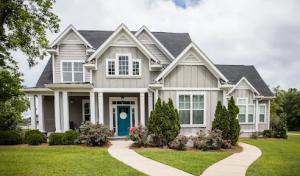
A full re-roof in Middletown typically requires a building permit issued by the City of Middletown Building Department. The permit process is not optional paperwork-it's a real gatekeeper that keeps installation standards aligned with the New York State Building Code and local amendments. Before any shingles come off or new underlayment goes on, you should confirm that the contractor has the permit in progress and that the permit holder is identified clearly. If the wrong person pulls the permit or if the permit is filed late, you may face delays, rework, or even enforcement action that interrupts your project.
Inspections are not a single box-tick at the end of the job. In Middletown, inspections are scheduled during and after the roofing work to verify compliance with the code and local rules. Expect at least one roof-to-frame inspection while the deck and underlayment are being installed, another once the shingles or roofing material are laid, and a final occupancy or completion check once the project is finished. These inspections help catch common Middletown-specific issues-such as proper ice and water shield placement in cold snaps and ensuring proper ventilation-before the work is covered up.
Because the city uses an active permit-and-inspection process, homeowners should confirm who is pulling the permit before work starts. If the contractor changes midstream or if subcontractors take on the permit, you risk gaps in oversight that could lead to noncompliance with the Building Code and local amendments. Keep a visible copy of the permit and the inspection schedule at the job site, and verify that the follow-up inspections are actually completed. In a climate with heavy freeze-thaw cycles, a lapse in oversight can translate into unexpected failures down the line, including leaks or premature material wear. Being proactive on the permit front protects your home long after the project is done.
In Middletown, your roof replacement costs run from asphalt shingles at roughly 350 to 650 USD per square to clay tile in the 1000 to 1700 USD per square range. Metal roofing, concrete tile, wood shake, and synthetic products sit between these ends, giving you a broad spread to match both budget and climate resilience. Heavier tile systems and premium metal options tend to raise labor complexity, especially on homes built for conventional shingle roofs. For ordinary to mid-range homes, most projects land near the asphalt-to-metal middle, with premium products pulling the total higher once installation challenges are counted.
Middletown pricing is noticeably affected by winter damage urgency, seasonal scheduling pressure after storms, and the need to readdress roof systems when freeze-thaw cycles intensify. Snow load can demand faster, more cautious work, which can push material orders and crew availability into tighter windows. If a storm has compromised a section of roof, expect the contractor's crew to prioritize those areas, potentially impacting overall project timeline and cost. Heavy roof assemblies, like certain tiles or premium metals, may also require additional staging or equipment in winter, influencing both price and pace.
Material choice matters more here because the mix of homes with older framing and varied roof pitches can change how labor is allocated. Tile systems, especially concrete or clay, demand careful handling and sometimes higher carpenter input for spacing, underlayment compatibility, and roof deck assessment. Premium metal options can add weight-bearing considerations and fastening requirements on structures not originally designed for them. Synthetic or composite shingles often offer a favorable balance, delivering reasonable durability without excessive installation complexity. When budgeting, weigh the long-term durability and the risk of ice dam influence against the upfront cost per square, as you may recoup value through a longer service life and reduced heat loss in cold months.
Don't let upfront costs delay a critical repair - these contractors offer payment plans to fit your budget.
Green Collar Roofing & Exteriors
(845) 344-2029 www.greencollarroofing.com
20 Academy Ave, Middletown, New York
5.0 from 248 reviews
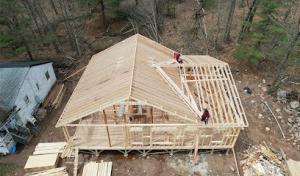
Residential Homes Services
(845) 820-8991 residentialhomesny.com
169 Watkins Ave, Middletown, New York
5.0 from 21 reviews
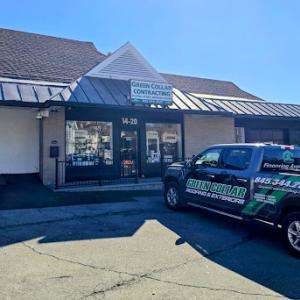
Green Collar Roofing & Exteriors
(845) 344-2029 www.greencollarroofing.com
20 Academy Ave, Middletown, New York
5.0 from 248 reviews
Green Collar Roofing & Exteriors is a roofing contractor in Middletown, NY serving Orange county the entire Hudson Valley. Our roofing company offers residential roofing, commercial roofing, asphalt shingle roofing, and metal roofing. We also specialize in siding, windows, doors and gutter installations. Customers love us because of our unmatched commitment and our affordable financing options. We also lead in industry affiliations and certifications such as IKO Craftsman Premier Roofer, Owens Corning Preferred Roofing Contactor and many more. If you want to experience how your most trusted Orange County, NY roofing company will exceed you expectations call us for a no pressure no obligation free estimate on your remodeling project!
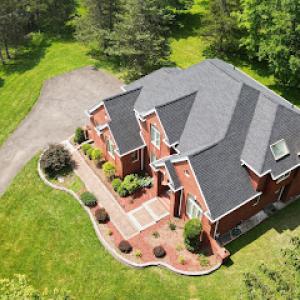
Gonzales Roofing & Gutters
(845) 381-0384 gonzalesroofing.com
80 Wisner Ave, Middletown, New York
4.9 from 284 reviews
We offer roof replacement and roof repairs. Gonzales Roofing is fully insured . This is our assurance to you that our company has proven stability and is committed to safety. At Gonzales Roofing we definitely understand the meaning of Customer Service. Our goal is to always ensure that our customers are extremely satisfied with the roofing repairs we have completed and have a hassle-free experience – no headaches and no surprises.
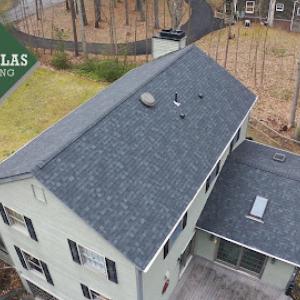
Guaillas Roofing
(800) 605-5314 guaillasroofing.com
248 E Main St first floor, Middletown, New York
4.9 from 183 reviews
Introducing Guaillas Roofing, Gutters, & Siding, your local roofing contractor in Middletown, NY. Since 2010, our team of seasoned professionals has dedicated itself to maintaining and restoring the protective layers of your home. Our keen eyes and skilled hands expertly assess, repair, or replace your roof, gutters, and siding, ensuring the structural integrity and aesthetic appeal of your property for years to come. Trust Guaillas to safeguard your home from nature's elements with uncompromising quality and unwavering attention to detail.
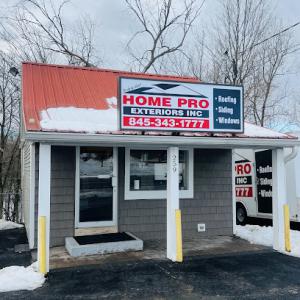
Home Pro Exteriors
(845) 343-1777 www.homeproexteriorsinc.com
259 Dunning Rd, Middletown, New York
4.8 from 334 reviews
Home Pro Exteriors, Inc is truly ‘One Stop for ALL of your Exterior Needs’! Trust in us to professionally handle your exterior updates to restore curb appeal, protection & energy efficiency while boosting the value of your home. We are the Area’s TOP certified roofing professional with the industries most trusted & utilized shingle brands. *GAF Master Elite *GAF Gold Elite Commercial Contractor *Owens Corning Platinum Preferred *GAF Solar Certified *Fortified Roofing Energy efficiency destination for window and door upgrades…offering premium products at a practical price. Provia Direct Dealer & Certified Installer. EnergyStar 7.0 Lifetime products without the middleman!
Atlas Builders Group
(845) 800-5992 www.atlasbuildersgroup.org
34 Monhagen Ave, Middletown, New York
5.0 from 40 reviews
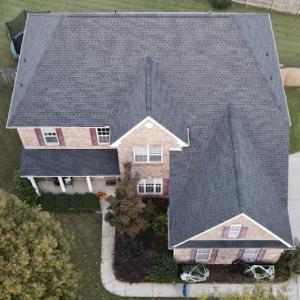
Established in 2015, ABG Roofing & Gutters is a Middletown, NY based roofing contractor specializing in both roof replacement and gutter services. Our team prioritizes customer satisfaction on every project, ensuring a professional experience from start to finish.
NL Roofing & Carpentry Services
(646) 509-4534 nlroofingandcarpentryservicesinc.com
298 North St, Middletown, New York
4.9 from 45 reviews
NL Carpentry Services was founded over 15 years ago in Middletown, New York with the mission of helping homeowners and businesses with their different needs. We are ready to help you achieve what you have always wanted for your living or workspace.
Residential Homes Services
(845) 820-8991 residentialhomesny.com
169 Watkins Ave, Middletown, New York
5.0 from 21 reviews
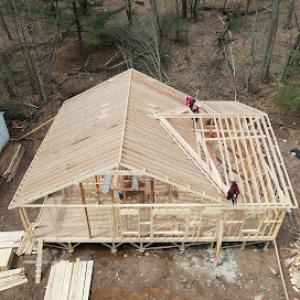
Residential Homes Services is your trusted partner for all home exterior projects. Specializing in comprehensive roofing, siding, and gutter services, their expert team delivers exceptional craftsmanship and reliable solutions. As skilled carpenters and deck builders, they enhance the beauty and functionality of your outdoor living spaces. Committed to quality and attention to detail, they provide full-service repair and installation, ensuring your home is protected and looks its best.
VL Roofing & Siding
(845) 801-2104 vlroofingandsiding.com
402 E Main St, Middletown, New York
4.8 from 30 reviews
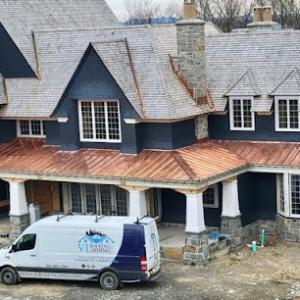
At VL Roofing and Siding, we believe that every home deserves care and attention. With over 20+ Years of experience , you're not just getting top-notch craftsmanship but joining a community that values your needs like family. From roof repairs to siding transformations, we're here to make your vision a reality. Join us, and let's build something amazing together!
Serrano II
(845) 692-2226 www.serrano2roofing.com
449 E Main St Suite 100, Middletown, New York
4.7 from 46 reviews
The Middletown roofing contractors at Serrano II are continuing a family tradition of building excellence that goes all the way back to 1968! Our second-generation of roofing contractors can service all of your roofing related needs. Our Middletown Roofing Contractors are excited to put our best effort forward to help you with your next project.
Good Speedy Construction
7 Lenox Pl, Middletown, New York
4.6 from 10 reviews
Roofing Painting Siding Remodeling Roof Repairs
MZ Home Construction
13 W Conkling Ave, Middletown, New York
4.5 from 4 reviews
Business that is dedicated to the installation, repair and replacement of roofs and siding on commercial and residential properties.
Northern Windows, Siding, Roofing & Insulation
(845) 294-4444 northernwindows.com
Serving
5.0 from 263 reviews
Northern Windows, Siding, Roofing & Insulation was founded in 1989 by the Furman family. Owner Mike Furman and our seasoned staff of professionals are known throughout the region for offering high-quality products, excellent installation services and superior warranties. Plus, you'll enjoy top-notch communication between you, our valued clients, and our office staff and technicians. In a world where big box stores often treat customers like numbers, we'll treat you with the respect you deserve. Thanks for your trust and confidence in Northern W.S.R.I.!
In the Middletown area, insurers commonly expect documentation of roof condition before and after a loss, including photos and contractor invoices. You should start gathering clear photos from ground level and from the attic if possible, showing attic insulation and any signs of leak intrusion on ceiling drywall. Have a dated record of any pre-existing damage, and keep contractor invoices that detail materials, scope, and workmanship. This evidence helps establish the baseline and the scope of the work needed, and it can prevent misunderstandings when coverage decisions are made.
Adjusters in this region review wind and hail history when evaluating roof-related claims, which matters after spring storm events. If your home experienced a strong gust or hail impact, document the date, approximate hail size if known, and patch any leaks temporarily to prevent further interior damage. Insurers sometimes compare your claim to neighborhood exposure history; a cluster of losses in a single block can affect evaluation. A thorough storm photo log paired with repair receipts gives the adjuster a credible timeline for wind-driven or hail-related issues, aligning the claim with local weather patterns that Middletown homes routinely face.
Depreciation and replacement-cost treatment vary by carrier, so homeowners need to verify coverage terms before authorizing major replacement work. Some policies reimburse the actual cash value and hold back depreciation until final completion, while others move straight to replacement-cost coverage with appropriate proof. Understand how your policy handles second-round claims if subsequent weather events reveal additional damage. Keep notes on communications with the insurer and the contractor, and ensure any scope changes are documented and supported by new photos and invoices to avoid post-approval disputes.
Connect with contractors who help homeowners navigate the claims process from damage assessment to final approval.
Residential Homes Services
(845) 820-8991 residentialhomesny.com
169 Watkins Ave, Middletown, New York
5.0 from 21 reviews

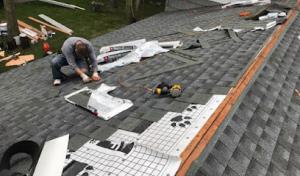
Skylight work is a meaningful specialty in the local contractor market, reflecting recurring homeowner demand for leak-prone roof penetrations. In this area, skylights often sit on older roof lines or add-ons where winter snow and ice begin to press against seals. When choosing a installer, look for proven experience with both the flashing details and the interior trim around skylights. A well-detailed boot, continuous curb flashing, and proper drainage around the frame can prevent small drips from turning into big problems after a heavy snowfall or rapid thaw.
Chimney-related roofing coordination is common locally, given the prevalence of masonry chimneys in older stock. Roofers who routinely coordinate with masons understand how to treat the transition from brick or stone to shingle or metal, and how to manage concrete flashing where the chimney meets the roof plane. Pay attention to the chase cap, flashing at the base, and any mortar gaps that allow moisture to migrate toward decks or attic spaces. Regular checks after thaw cycles help catch cracked mortar or separated flashing before leaks worsen.
Freeze-thaw cycling increases the importance of flashing integrity around penetrations where leaks often first appear. In Middletown's climate, ice dam pressure can lift or split flashing at skylights, dormers, and chimneys. Inspect around these points for hairline gaps, lifted metal, or deteriorated sealants. A proactive approach-replacing worn sealant, reseating flashing, and ensuring proper counter-flashing-helps maintain a continuous moisture barrier through winter storms.
During routine roof assessments, focus on the most vulnerable penetrations: skylights, chimneys, vent pipes, and attic access hatches. Note any staining, softened shingles, or frost buildup along these seams after heavy freezes. When planning work, prioritize methods that create durable, temperature-tolerant seals and avoid quick fixes that fail in the next thaw.
Find contractors experienced in skylight installation, flashing, and leak repairs to bring natural light into your home.
Green Collar Roofing & Exteriors
(845) 344-2029 www.greencollarroofing.com
20 Academy Ave, Middletown, New York
5.0 from 248 reviews
Gonzales Roofing & Gutters
(845) 381-0384 gonzalesroofing.com
80 Wisner Ave, Middletown, New York
4.9 from 284 reviews
Guaillas Roofing
(800) 605-5314 guaillasroofing.com
248 E Main St first floor, Middletown, New York
4.9 from 183 reviews
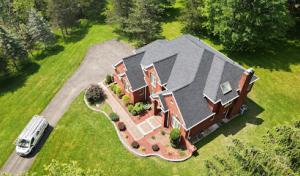
Flat and low-slope roofing is present but not dominant in this area, so it tends to be a secondary concern next to the main steep-slope roof. Freeze-thaw cycles, winter snow, and ice dam pressure can hit these sections hard, especially when a buildup in the main roof spills onto the low-slope area. When leaf debris and drainage blockage combine with those freeze-thaw conditions, the risk of ponding, membrane damage, and delayed water backup increases noticeably.
Porches, additions, or mixed rooflines require attention as their own maintenance zones. These areas often collect more debris due to shading or overhang patterns, and drainage paths can diverge from the primary roof. Regularly check where gutters, scuppers, and downspouts discharge relative to these zones. A clogged or poorly directed drainage path in a low-slope section can sit water-logged longer, accelerating membrane wear and ice-related damage.
Start with a seasonal sweep of all low-slope surfaces to remove leaves, small branches, and pine needles. Ensure the edge detailing and flashing at transitions to steeper roofs are intact, since those joints are common failure points under freeze-thaw stress. In late fall, preemptively clear drainage channels and verify that scuppers remain open after storms. Install or verify a secondary ice-dam barrier at the lowest edge of the low-slope area, and consider adding a robust cover or insulation strategy in attic spaces above to minimize heat transfer that drives meltwater toward the membrane. When snow accumulates, remove it carefully from these zones first, reducing the chance of ice backing up into the transition areas.
Low-slope sections typically use membranes paired with insulation and protective layers designed for shedding rather than carrying heavy loads. Expect these areas to require more frequent inspection after winter storms, with attention to edge termination, seam integrity, and any observed ponding. Keeping a dedicated maintenance cadence helps prevent small issues from escalating into leaks that compromise the addition's structural and envelope performance.
Find specialists in TPO, EPDM, and built-up flat roofing systems for residential and commercial properties.
Green Collar Roofing & Exteriors
(845) 344-2029 www.greencollarroofing.com
20 Academy Ave, Middletown, New York
5.0 from 248 reviews
Guaillas Roofing
(800) 605-5314 guaillasroofing.com
248 E Main St first floor, Middletown, New York
4.9 from 183 reviews
VL Roofing & Siding
(845) 801-2104 vlroofingandsiding.com
402 E Main St, Middletown, New York
4.8 from 30 reviews
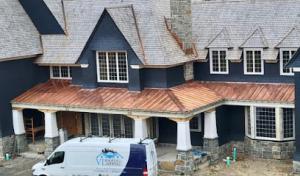
In this market, you prioritize cleanup after storms, proven re-roofing experience, affordability, and a quick response when a leak shows up after a nor'easter. You want crews that show up with tarps, ladders, and rooftop boots ready, not excuses. The goal is to limit freeze-thaw damage when the next glacial front rolls in. Look for a track record of handling snow load and ice dam scenarios, plus a clear plan for rapid mitigation when the first melt freezes again at night.
Long-established contractors are common here, so tenure and a local track record matter. Look for crews who have repaired shingles around ice dam episodes, who know how to manage gutter lines, and who can reference projects that endured repeated winters. Ask for a realistic winter window for work and a schedule that won't drag into the thaw season. The ability to mobilize quickly after a storm often differentiates dependable teams from those that leave you waiting.
Drone inspections appear often enough to be a practical differentiator. A quick aerial check helps document storm damage, flags soft spots under snow, and reveals shingles tucked under heavy ice dams that you can't see from the ground. If a contractor offers this, it signals structured documentation and fewer surprises on the job. When you pair this with solid repair methods and efficient cleanup, you reduce callbacks and keep the roof watertight through another cold snap.