
Last updated: Apr 19, 2026
Newburgh's cold snowy winters and repeated freeze-thaw cycles make ice damming a primary roof-system risk between December and February. When daytime sun melts a little on the roof and nighttime freezes hard, that melt refreezes at the eaves. Over time, a solid ice dam forms and pushes water back under shingles, into soffits, and around flashing. In older homes with steep rooflines and chimneys, melt-water has more routes to travel, and the damage can escalate quickly before it's even obvious from the ground. This isn't a summertime concern-it's a wintertime crisis that compounds with humidity later in the year.
Older housing stock often combines steep rooflines, chimneys, and aging attic ventilation. That trio creates two big trouble spots: melt-refreeze at eaves and at flashing transitions where the roof meets walls or chimneys. In many houses, attic spaces were never fully upgraded for modern moisture control, so condensation from winter heating sits up there, dampening sheathing and slowing drying during the shoulder seasons. By spring, with added moisture from rain and muddy ground, those damp areas have less chance to dry out before the next season rolls in. The result is a cycle of wet decking that becomes a liability once frost returns.
Look for a combination of soft or curling shingles near the eaves, staining on interior ceilings below attic spaces, and icicles hanging from gutters that are unusually large for the weather. If gutters are sagging or there's visible frost along the roof edge well after storms, that's a signal to investigate the attic and flashing. Pay particular attention to the space around chimneys, dormers, and skylights, where flashing transitions can crack or pull away with age. If you notice damp or musty odors in the attic or attic rafters that feel cool to the touch during winter, moisture is building up behind the scenes.
Prioritize improving attic ventilation and sealing. Ensure the soffit vents are clear, and add or upgrade ridge or turbine vents if the space is chronically damp. Insulation matters: bring attic insulation up to an effective level so warm ceiling air doesn't migrate to the roof plane and melt snow from the interior first. Seal gaps around chimneys, joints, and rafters with high-quality sealants and metal flashing that's properly anchored. Consider upgrading old downspouts and gutter systems to reduce the chance of water backing up against the fascia and creating a path for meltwater to re-enter the roof line.
As winter shifts toward spring, keep an eye on the roof and gutters for any ice still clinging to the eaves. Debris removal is critical; leaves and pine needles trap moisture and promote slower drying of the decking. If ice dams form despite best efforts, shingle integrity is at risk and may need targeted repairs-don't let a small leak become a large one after a thaw. Periodic inspections after heavy snowfalls help catch issues before they spill into the attic or interior ceilings.
This isn't a problem to defer until spring. Freezing cycles between December and February are the most destructive window for older roofs with chimneys and limited ventilation. Acting now to improve ventilation, seal flashing transitions, and clear the eaves sets the stage for a drier, more durable roof through the rest of the year and into the next winter.
As spring arrives, the area sees hail and high winds that can dent shingles, loosen ridge caps, undermine flashing, and corrode skylight perimeters. These openings invite moisture intrusion just as days lengthen and contractor schedules tighten. If you notice granule loss, cracked shingles, or flashing lifted along the eaves, treat it as an urgent warning rather than a cosmetic issue. Inspect after every severe wind event and document damage with photos from multiple angles. Create a short list of must-do repairs and prioritize those that protect vents, chimneys, and skylines where water can cascade into the attic or ceiling. In this climate, small failures snowball quickly when freeze-thaw cycles resume, so act promptly to prevent a leak from becoming a full interior repair.
Summer thunderstorms bring another local surge period for leak calls and emergency dry-ins, especially on roofs already softened by winter movement. Shingle edges can peel when wind gusts push rain under seams, and ridge caps can fail where the weight of accumulated moisture has stressed the fasteners. Plan ahead by scheduling a mid-season roof check once the worst storms have passed but before the next heat spike arrives. A quick inspection after a storm should focus on roof penetrations, skylight perimeters, and any signs of exposed underlayment. If a leak develops, isolate the affected area to limit interior damage while a repair crew is en route. Consider temporary tarping only if you have the proper equipment and the forecast calls for more storms, to prevent further water ingress and wind-driven damage.
Because weather can delay municipal inspections, storm-season repairs and replacements in this climate can face both contractor backlog and inspection rescheduling. Proactive planning matters: secure a trusted contractor before peak season, map out a staged repair plan that covers emergency fixes first, and set expectations for weather-related delays in writing. When choosing materials for an older property with steep angles and historic features, prioritize flashing materials and ventilation details that tolerate rapid temperature shifts and moisture. Keep an eye on the attic: increased humidity during storms and after thaw cycles can mask hidden damage, so regular attic vent checks and insulation integrity become essential components of preventing ice dam progression. In Newburgh, staying ahead of storm timing saves posture and peace of mind when the next round of hail, wind, or rain rolls in.
Find local contractors experienced in assessing and restoring roofs after hail, wind, and severe weather events.
Cpg General Services
(845) 245-3072 www.cpgroofing.com
2 Winding Ln, Newburgh, New York
4.9 from 92 reviews

Xpress Builders Roofing & Siding
(845) 527-0150 xpressroofsiding.com
255 NY-17K #103, Newburgh, New York
4.9 from 63 reviews

TE Roofing Contracting
(914) 755-0143 manueltecontracting.com
5 Pleasant Pl, Newburgh, New York
4.9 from 43 reviews
Xterior PRO™ ROOFING & SIDING
(845) 549-2069 xteriorproroofsiding.com
171 S Plank Rd, Newburgh, New York
5.0 from 298 reviews
Quality, trustworthiness and superior customer service are the defining traits of Xterior PRO Roofing & Siding, LLC. These are the traits we bring to your project. Every team member understands just how important each client is. That’s why we focus so diligently on each project we handle. Get in touch with the roofing specialists at Xterior Pro to get your free estimate and on-site consultation. Our company is: ✔ Fully Licensed & Insured ✔ Quality Workmanship ✔ Fast Turn-Around Times ✔ Locally Owned ✔ Customer Satisfaction ✔ GAF Certified Contractor ✔ Owens Corning Preferred Contractor ✔ Warranties ✔ 5-Star Rating
Angel's Renovation
(845) 549-8595 www.angelsrenovationinc.com
5152 US-9W, Newburgh, New York
4.9 from 71 reviews
General Contractor specialized in Roofing and Home Improvements. With over 10 years experiences.
Cpg General Services
(845) 245-3072 www.cpgroofing.com
2 Winding Ln, Newburgh, New York
4.9 from 92 reviews
CPG Roofing And Siding, established in 2012, is a premier roofing company in Newburgh, NY. As a locally-owned business, we specialize in residential roofing, offering new installations, emergency repairs, and maintenance with unparalleled quality and service. Our team of experienced roofers in Newburgh is committed to excellence, ensuring every project meets our high standards. Whether it's a repair or a complete roof overhaul, CPG Roofing And Siding is your trusted partner for durable, high-quality roofing solutions. Choose us for reliable, professional roofing services in Newburgh.

Xpress Builders Roofing & Siding
(845) 527-0150 xpressroofsiding.com
255 NY-17K #103, Newburgh, New York
4.9 from 63 reviews
Welcome to Xpress Builders Roofing & Siding, LLC – Your Premier Roofing Solution in Hudson Valley Area. At Xpress Builders, we take pride in safeguarding your home and turning your roofing dreams into reality. Our workmanship is our warranty, a testament to our unwavering commitment to quality. Our team comprises skilled and certified professionals who are passionate about what they do. With years of experience, we bring expertise, precision, and dedication to every project.
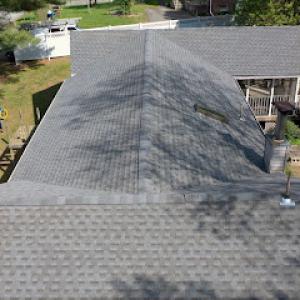
Cassas Brothers Construction
75 Lake St Unit 2, Newburgh, New York
5.0 from 32 reviews
Cassas Brothers Construction provides homeowners in the mid Hudson Valley with over 35 years of experience in siding, roofing, windows, gutters, additions. We work hard to exceed expectations with both our services and our competitive pricing, and have built our business on honesty and dependability, craftsmanship, and an unmatched attention to detail. As an established community business, we also strive to give back to our customers by always providing the best installation and restoration experience possible. Our quality work and stellar customer service has earned us the important recognition within our service areas.

TE Roofing Contracting
(914) 755-0143 manueltecontracting.com
5 Pleasant Pl, Newburgh, New York
4.9 from 43 reviews
One of the best roofing & siding services If you are in need of residential or commercial roofing services, contact T. E. Roofing Contracting today for a free estimate. In addition to our competitive rates, we also offer military discounts; just request a quote or schedule an on-site inspection with one of our roofers. We go above and beyond to ensure your needs are met from the start. We offer our services in the Orange NY, Dutchess NY, Sullivan NY, and Westchester NY areas.
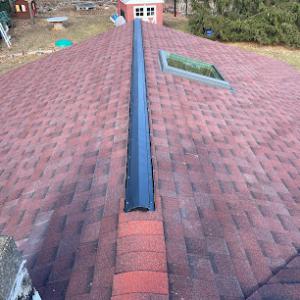
SSKM Construction
(845) 549-7944 sskmconstructioncorp.com
283 N Plank Rd, Newburgh, New York
5.0 from 26 reviews
SSKM Construction stands as a beacon of construction excellence in Newburgh, NY, with a legacy spanning over 25 years. Founded on the principles of hard work, dedication, and a relentless pursuit of quality, we have grown from a modest family-run operation into a prominent leader in the construction industry. Our journey has been marked by a commitment to innovation, sustainability, and adapting to the evolving needs of our clients and the environment.
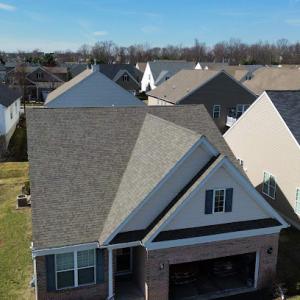
Roberts Roofing
(845) 552-1830 robertsroofingny.com
1430 NY-300, Newburgh, New York
4.7 from 267 reviews
With 39+ years of experience, Roberts Roofing has been a reliable name in the roofing industry, offering top-quality services in Newburgh, NY, and surrounding areas. Our expert team specializes in shingle, metal, EPDM, flat, and low-slope roofing, catering to both residential and commercial needs. We also provide roof repairs, maintenance, and full replacements. In addition, we offer professional gutter installation, siding, and window services. As a Master Elite contractor and Owens Corning Platinum Preferred Contractor, we provide exceptional warranties and zero-interest financing. For the best roofing solutions in Newburgh, NY, trust Roberts Roofing!
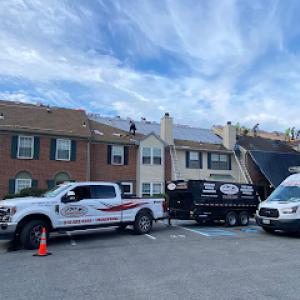
DBI Roofing & Siding
(914) 403-4399 www.dbiroofsiding.com
68 Cronomer Heights Dr, Newburgh, New York
4.8 from 39 reviews
When you need a new roof for your home, trust our family-owned business to take care of your family. We have been serving homeowners throughout the Hudson Valley area for over 20 years. We can tackle any projects for your property's exterior, such as your roof, siding, gutters, windows & more. As a family run business we strive to offer quality and experienced work at a fair price because we know how pricey remodeling your home can get, so don't hesitate to reach out to us. Unlike other companies, we do not use subcontractors and you can be confide We offer Free Quotes! We want our clients to feel confident in our work. So do not hesitate to get in touch with us. 914-403-4399 dbiroofinginc@gmail.com
Espinoza Allpro Remodeling
(845) 476-4526 espinozaallpro.com
801 Broadway, 41 NY-17K, Newburgh, NY
5.0 from 7 reviews
Roofing & siding Restoration Framing & scavator

All Seasons Roofing & Siding
(845) 377-4339 roofallseasons.com
Serving
4.9 from 585 reviews
All Seasons Roofing & Siding is a family owned business that performs Residential roof repair and roof replacement services as well as gutter installation and repair, siding repair, siding replacement, and home renovation. We are the trusted roofing contractor in your neighborhood of Newburgh, Woodbury, New York City, and other southern New York communities. We pride ourselves in performing the best in the services that not every roofing company can offer. Our goal is to leave your home with a functioning and safe roof that fits the quality of your home. Our roofing contractors pride themselves on the work they do for your home. Book with All Seasons Roofing & Siding Today for a Free Estimate!

TH Construction Group
(845) 567-9743 thconstructiongroup.com
Serving
4.7 from 249 reviews
TH Constructions philosophy since 1999 is "DO IT RIGHT THE FIRST TIME!" We care & we want to help. We want you to trust us, but we will earn this by more than our words. We will show you through our actions, our craftsmanship, our team, by the men & women Involved, and our follow-up. You will see why we have so many positive reviews. Companies promise many things and deliver “Nothing”. Anyone can do that. Our Work is everywhere & it speaks for itself. TH Construction Group offers Roof repairs, Roof installations, as well as Siding, Gutters, Window, Door, Decks & Additions. We take great pride in the work we do on every project, large or small. Let our attention to detail, workmanship, and professionalism shine through. Licensed & Insured.
Newburgh homeowners commonly choose among asphalt shingles, metal, cedar shakes, slate, clay tile, and concrete tile, reflecting both everyday residential needs and the city's older architectural mix. When evaluating options, consider the typical Newburgh climate: freeze-thaw cycles, humid summers, and regular snow. Asphalt shingles remain the most familiar and approachable for a standard reroof, offering straightforward installation and broad repair access. Metal options perform well in snow shedding and moisture cycling, while cedar adds character but demands closer attention to ventilation, deck condition, and proper flashing to avoid moisture ingress around older structures.
Slate and tile are relevant in a way they are not in many smaller markets, but their weight and repair complexity make deck condition and structural suitability especially important before replacement. For older homes with steep pitches or limited attic space, structural assessment is essential before choosing a heavy material. If the existing rafters or supports show signs of wear or sag, upgrading framing or adding a reinforcement plan becomes part of the project. In historic areas, matching the roof's profile and weight to the underlying structure helps preserve both the look and performance across freeze-thaw seasons.
Metal roofing is a practical local option for shedding snow and resisting moisture cycling, while asphalt remains the most budget-flexible choice for standard reroofing. Metal's reflecting properties and quick shed of snow can reduce ice dam risk on exposed eaves, particularly on homes with good ventilation and a clear attic airflow path. If a roof already has ventilation gaps or poor attic air movement, metal alone won't fix underlying condensation issues; addressing soffit, ridge, and vapor barriers is still necessary to prevent interior damage and deck deterioration.
The mix of newer and older homes in the area means choices should honor the existing architectural language. Cedar shakes bring warmth and texture, but require consistent maintenance to prevent moisture penetration in shady or damp zones. Slate and clay or concrete tile can elevate curb appeal on Restoration-era houses, yet the heavy load demands careful site evaluation and compatible flashing details. When prioritizing a first replacement, consider how the chosen material will address both leak resistance and long-term durability against Hudson Valley freeze-thaw cycles.
No matter the material, proper flashing at chimneys, vent stacks, and transitions remains crucial in this climate. Ice dams often form where heat escapes from the attic or where finish carpentry around the roofline is compromised. Regular inspection of decks, underlayment, and fasteners helps catch early signs of wear. For older homes, developing a maintenance schedule that ties attic ventilation checks to seasonal roof inspections can extend the life of the roof and minimize costly surprises after harsh winters.
When planning a replacement, know that typical Newburgh material costs run about $450-$800 per square for asphalt shingles, $800-$1600 for metal, $700-$1200 for cedar shakes, $2000-$4000 for slate, $1300-$3000 for clay tile, and $1100-$2600 for concrete tile. These figures reflect the Hudson Valley climate and the mix of older, steeper roofs you'll encounter in town neighborhoods. For a mid-size house, the difference between asphalt and the heavier, longer-life options can be the swing between a single-season renewal and a multi-decade upgrade.
In older homes, a tear-off often reveals deteriorated decking, sometimes with hidden rot or warped plywood. If decking needs replacement, budget accordingly because that work is layered on top of the roof itself. Chimney flashing issues are common near historic-laden properties and can require careful detailing to prevent leaks. Ventilation upgrades may be needed to satisfy inspection expectations and to keep attic temps from frying shingles in summer or freezing in winter. All of these contingencies tend to add to the bottom line, especially if you're dealing with complex or non-standard roof lines.
Steeper roof geometry adds labor time and safety considerations, which raises costs across the board. Heavier materials, such as slate or concrete tile, not only cost more per square but also demand specialized crews and longer installation windows. In the same breath, weather-driven demand spikes after winter damage or spring storms can push pricing upward quickly, as crews shift to prioritize urgent repairs and replacements. If you're weighing materials, the practicality in Newburgh often leans toward a durable, weather-resistant option that balances upfront cost with long-term performance given freeze-thaw cycles.
Plan for a baseline that matches the common ranges, then add a contingency for decking, flashing, or ventilation upgrades if inspection reveals gaps. For steep or intricate roofs, expect labor to account for a larger portion of the total. In short, the final bill reflects not just the chosen material, but how much prep and protection your specific Newburgh roof demands after years of freeze-thaw and summer humidity.
Don't let upfront costs delay a critical repair - these contractors offer payment plans to fit your budget.
Roberts Roofing
(845) 552-1830 robertsroofingny.com
1430 NY-300, Newburgh, New York
4.7 from 267 reviews

A full roof replacement in this area is typically handled through the local building department rather than treated as simple over-the-counter maintenance. Before any shingle or paneling comes off, you need to confirm the scope with your inspector and file for a permit that reflects a complete roof replacement. The process is designed to verify that the ventilation, flashing detail, and attic conditions meet current standards, especially on older homes with steeper pitches and historic features. If the plan changes mid-project, the permit may need to be amended, which can slow things down and increase the likelihood of a re-review.
Inspections in this climate-heavy locale tend to occur at major milestones-rough-in, mid-project, and final completion. The approach is practical: ensure that attic ventilation aligns with the roof design, that all flashing around chimneys, valleys, and vent penetrations is properly integrated, and that any retrofits or upgrades satisfy local code expectations. In homes where the roof interfaces with historic trusses or original detailing, inspectors pay close attention to how those elements are preserved or appropriately updated. The goal is to catch ventilation or flashing issues before they become freeze-thaw problems that can lead to leaks or ice dams.
Weather in this area can throw a wrench in timing, especially during late fall and early spring when freeze-thaw cycles are common. Scheduling inspections around expected cold snaps or heavy precipitation is prudent, because delays can trigger paused work and the need for re-inspections. If roofing work is paused for an extended period, anticipate possible follow-up visits to confirm ongoing protection of the interior and to verify that ventilation remains unobstructed and compliant when work resumes. Keep the permit post visible on-site and ensure the contractor coordinates with the building department to minimize avoidable hold-ups.
Keep a detailed log of all inspection notices and responses, and review the final inspection checklist with the contractor ahead of time so nothing is missed. If a historic or older property has nonstandard details, engage a roofer who understands local nuances-ventilation, flashing complexity, and trim alignments can vary widely. Finally, treat the permit as a safeguard rather than a bureaucratic hurdle: proper compliance reduces the risk of leaks and interior damage that winters here can magnify.
When a storm hits, insurers generally cover a standard reroof project, but wind-driven storms and hail common in the Hudson Valley can trigger extra scrutiny. An adjuster may visit to verify damage, so be prepared with a clear narrative and organized records.
Collect photos from multiple angles, including the attic and decking where visible. Note the roof age and any existing weaknesses. Document current decking condition, flashing at valleys and chimneys, and signs of water intrusion inside ceilings or walls. Detailed visuals help the claim move efficiently.
Keep a dated file of every communication with the insurer and contractor. After a spring storm or a winter leak, claims reviews tend to be thorough; having contemporaneous notes helps. Photographs tied to the dates of the damage reduce back-and-forth about causation.
Older roofs may receive depreciation holdbacks; pre-claim documentation that shows the roof's original condition and known wear can support a fair adjustment. Clear links between weather events and observed damage strengthen the claim.
Share your documentation with the chosen contractor so estimates align with documented damage. If an adjuster requests additional details, provide scope descriptions and any weather-era repair notes promptly to keep the process moving.
Remember that spring runoff and freeze-thaw cycles can exaggerate damage between storms. Keeping your own storm log with dates, weather, and observed leaks gives you leverage when negotiating a fair outcome with the carrier for a smoother claim.
Chimney-related roof work is a notable local hiring priority in Newburgh, reflecting how often masonry penetrations complicate flashing and leak diagnosis on older homes. When evaluating a chimney, inspect the chase detailing, step flashing where it meets the roof plane, and any mortar gaps that can wick moisture. In freeze-thaw winters, ice can push against mis-seated flashing and crack sealants. Have a specialist check crown condition, flue liner integrity, and any mortar deterioration that could create a hidden path for water behind the flashing.
Older roofs in the area often rely on patched transitions, which become common leak sources after years of settlement and weather. Focus on the transition from masonry to the roof deck: look for lifted shingles, corroded metal, or missing sealant at the base of the chimney. Replace damaged step and counter-flashing, and ensure a continuous seal that can handle wind-driven rain and ice dam formation. Pay attention to the narrow valleys and any area where felt or underlayment may have degraded, exposing the deck to moisture infiltration.
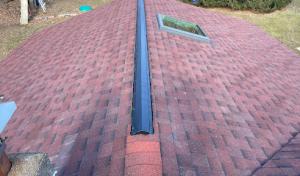
Skylight service is also meaningfully active in the local contractor market, which matters because perimeter flashing and curb details are vulnerable during freeze-thaw and wind-driven rain events. Inspect skylight curb flashing for buckling, caulk separation, and simple debris buildup that can trap moisture. In cold snaps, ice accumulation at the perimeters can pry flashing loose; consider upgrading to a more robust curb and reinforcing the sealant line around the base. Ensure the skylight is properly flashed to shed water toward the roof plane, not into the interior.
On older reroofs, leak sources are often tied to transitions and penetrations rather than field shingles alone, especially where patches have been performed multiple times. Start diagnosis at visible penetrations-chimneys, skylights, vents-and work outward to nearby joints. If water shows up in ceilings after a wind event, trace the leak to a single perimeter or flashing seam rather than assuming a broad shingle failure. Document any repeated patchwork and plan targeted flashing repairs rather than broad re-cover options.
Find contractors experienced in skylight installation, flashing, and leak repairs to bring natural light into your home.

Xterior PRO™ ROOFING & SIDING
(845) 549-2069 xteriorproroofsiding.com
171 S Plank Rd, Newburgh, New York
5.0 from 298 reviews
Cpg General Services
(845) 245-3072 www.cpgroofing.com
2 Winding Ln, Newburgh, New York
4.9 from 92 reviews
TE Roofing Contracting
(914) 755-0143 manueltecontracting.com
5 Pleasant Pl, Newburgh, New York
4.9 from 43 reviews
While steep-roof reroofing dominates the local market, there is meaningful demand for low-slope work on porches, additions, and homes with mixed rooflines. In this climate, transitions between pitched and low-slope areas demand careful detail because snow retention, spring runoff, and summer humidity stress seams, edge details, and drainage points differently than the main roof. A smart approach here treats the whole drainage system as a single, linked piece rather than as separate repairs.
In Newburgh's freeze-thaw winters, water can creep under poor edge flashing and low-slope seams when temperatures swing. On mixed roofs, these failures often show up at transition points where a porch roof meets the main house roof or where a dormer intersects a flat or low-slope section. Pay particular attention to drip edge continuity, backwater flashing, and the alignment of any valley or parapet details. The humid summers amplify the risk of corrosion on metal flashings and fasteners, so ensure coatings, sealants, and metal components are appropriate for continuous exposure and vapor movement.
Planning should start with a unified drainage strategy that covers both the main roof and the low-slope areas. Ensure that all valleys and edge lines converge toward the same drainage plane and that scuppers or outlets are sized to handle peak spring runoff. Flashing details need to extend across transitions with compatible materials and proper integration at the interface, so there are no gaps where ice can form or water can back up. When dealing with a mixed roof, keep an eye on continuity where a low-slope runs into a steeper section; mismatches here are a common source of leaks after winter thaw.
Seasonal inspections should explicitly include the low-slope zones and transition areas. Clear debris from any drainage outlets and check for lifted or damaged flashing after heavy snows. In homes with historic detailing, preserve original edge conditions where feasible but upgrade compromised transitions with modern waterproof flashing that still respects the property's character. A proactive, integrated approach to these areas pays off when the next freeze-thaw cycle arrives.
Find specialists in TPO, EPDM, and built-up flat roofing systems for residential and commercial properties.
Xterior PRO™ ROOFING & SIDING
(845) 549-2069 xteriorproroofsiding.com
171 S Plank Rd, Newburgh, New York
5.0 from 298 reviews
SSKM Construction
(845) 549-7944 sskmconstructioncorp.com
283 N Plank Rd, Newburgh, New York
5.0 from 26 reviews
Roberts Roofing
(845) 552-1830 robertsroofingny.com
1430 NY-300, Newburgh, New York
4.7 from 267 reviews
In a town where reroofing crews dominate the scene, you want a contractor who routinely handles tear-offs, cleanup, and hidden issues under older decks and flashing. Look for a track record of returning to address problems after a project, not a one-and-done approach. The winters here test roofs with freeze-thaw cycles and ice dam risks, so crews that have proven they can diagnose moisture intrusion behind siding, chimney flashings, and attic ventilation are the ones to trust. A contractor with repeat jobs on similar homes will have seen the same failure points you're likely facing.
Fast response matters because winter leaks and storm-season figures can shift work plans on short notice. Seek a company with a local presence, reliable crews, and a plan for snow days or rain delays. Long-standing firms often offer better continuity-owners who stay involved through multiple seasons tend to deliver more consistent follow-up and reassurance when weather throws a curveball. You want someone who can commit to a realistic timeline and keep you informed when conditions push work into a tighter window.
Chimneys, ventilation corrections, and storm documentation frequently influence projects here. The best fit is usually a contractor who can handle more than basic shingle installation: proper attic ventilation assessment, flashing detail fixes around chimneys, curbs, and vent stacks, and documentation of storm-related damage. This broader capability helps prevent ice damming and improves long-term performance on older homes with complex roof lines.
Ask about who performs the tear-off, who does the cleanup, and who handles the tricky details of hidden deck conditions. Request a short pilot reference from a recent job in a similar neighborhood. Visit a live project if possible and watch how the crew protects interior spaces and neighbors' property during material removal and disposal. A grounded, communicative contractor who coordinates with you and your home's existing features tends to deliver fewer surprises when the first thaw hits.