
Last updated: Apr 19, 2026
Allentown's cold winters regularly bring snow followed by temperature swings that refreeze meltwater at eaves, a pattern that accelerates ice dam formation. When ice dams form, water can back up behind the dam and leak into the attic and walls, finding paths around nails, flashing, and fasteners. In older homes, those pathways multiply because the roof geometry, masonry connections, and historical materials don't cooperate with modern ventilation and insulation. The result is hidden damage that can rot roof decks, saturate ceilings, and undermine masonry-adjacent flashing long before a visible stain appears from the living space.
Older Allentown homes often combine aging attic insulation, uneven ventilation, and masonry chimneys, which makes leak tracing harder when water backs up under shingles. A finicky combination of a cool attic, a partly sealed roof line, and a brick or block chimney that breathes differently from the roof plane creates pockets where meltwater refreezes and pushes under shingles. When this happens repeatedly through freeze-thaw cycles, sealants and exposed fasteners lose their bite sooner, even if the field shingles still look solid from the ground. The result is a slow bleed of moisture that travels along rafters and into drywall, often behind finished surfaces where the homeowner doesn't notice until staining appears.
Watch for frequent, sudden changes in attic temperature or moisture indicators after storms. Ice damming typically starts near eaves and butt joints where gutters meet the roof line, then progresses if insulation gaps and ventilation bottlenecks aren't addressed. Be alert to small icicles that trap meltwater on the roof surface, the appearance of pink or dark staining along ceilings, and musty attic odors after warm spells. In older housing stock, flashing at masonry transitions-chimneys, dormers, and corner gutters-tends to fail first under repeated freeze-thaw cycling, so pay special attention to these seams during checks.
If ice dams are forming, clear the eaves carefully from the ground with a roof rake, never standing under the edge of a sagging roof. Use a calcium chloride-based de-icer in a sock or commercial dam-creator method that keeps meltwater moving toward gutters, not back under shingles. Seal obvious attic air leaks from the living space, especially around attic hatches, window frames that vent into the attic, and around chimney flues. Improve attic ventilation where possible by opening soffits or installing baffles to ensure cold air circulates and keeps the roof deck closer to the exterior temperature, reducing the incident meltwater that refreezes at the eaves.
Prioritize reducing heat loss in the attic by addressing insulation gaps and ensuring a balanced attic ventilation scheme that minimizes warm roof spots. Reevaluate flashing details at masonry connections and around chimneys, because freeze-thaw cycling wears sealants and fasteners faster in this climate. Consider updating or upgrading the roof edge details to resist bold freeze-thaw action and to create a more forgiving transition between roof plane and exterior walls. For those with mixed materials or older flashing, plan for targeted flashing upgrades where leaks most often originate, particularly at eaves and masonry interfaces.
In Allentown, spring storms commonly combine heavy rain with wind, so homeowners often see lifted shingles, ridge damage, and leaks around roof penetrations after a single event. The combination of humid, thaw-prone air and energetic winds can push water under the edges of shingles and behind the flashing that seals chimney and vent penetrations. If a storm hits during a freeze-thaw cycle, that water can refreeze in seams and cause micro-cracks that expand with the next wet spell. The net effect is a slow drip that starts small and becomes a costly headache if left unaddressed. The urgency here is not just a single leak; it's the potential for accelerated deterioration along weaker roof lines that were built to older standards or with aging materials.
Because this area sits in the Lehigh Valley, storm-driven moisture can expose weaknesses around chimneys and step flashing on older brick and stone-adjacent rooflines. Those details are especially common on older rowhomes and vintage detached houses where masonry work meets roof planes. If flashing around a chimney shows discolored sealant, loose metal kick-out pieces, or rusted countersunk nails, moisture can track down into the soffit and wall cavity. Likewise, step flashing along low-slope transitions where roof planes meet masonry is a frequent failure point after a heavy wind event, particularly where sealants have aged or where the brick has shifted over years of seasonal changes. After a storm, you may notice staining on exterior brick, damp felt at the eaves, or a damp smell in attic spaces-clear signs that water has found a path through flashing failures or compromised seams. These issues compound quickly in older structures where rooflines butt against masonry and where ice dam history has already loosened fasteners.
When the first gusts arrive, walk the attic only if safe to do so and look for daylight or damp insulation near penetrations. From the exterior, inspect for lifted shingles, displaced ridge caps, or loose metal trim. If you see any tarry patches or the sealant around a chimney is brittle, treat that as a true emergency point. Tighten or secure loose vent or pipe flashing in a temporary fashion only if you have the right materials and don't risk falling from height. For immediate protection, place sturdy plywood patches over obvious gaps to reduce further ingress until a professional can assess. Do not attempt to reseal or reseal with caulk beyond temporary sealing; incorrect patches can trap moisture and accelerate rot. If rain is still active, avoid stepping on saturated sections of the roof and do not climb along mossy, slick slopes.
Post-storm assessments should prioritize safety and reliability. If lifting shingles is evident, if flashing shows corrosion or movement, or if attic moisture or staining persists after a dry spell, contact a local roofer promptly. In Allentown, peak-season demand spikes after regional storm events can slow inspections and contractor scheduling in the city, so securing an earliest possible appointment is wise. A qualified roofer will perform a comprehensive moisture survey, verify the integrity of step flashing where masonry meets roofing, check chimney crickets and through-flashings, and test for hidden moisture behind fascia and gutters. The goal is to stop the root cause-whether flashing failure, fastener loosening, or shingle lift-before a minor leak escalates into structural damage or costly interior remediation.
Find local contractors experienced in assessing and restoring roofs after hail, wind, and severe weather events.
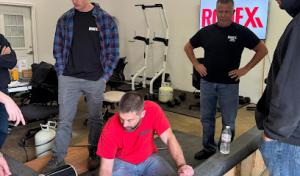
ROOFX Roofing
3416 Hamilton Blvd, Allentown, Pennsylvania
5.0 from 139 reviews
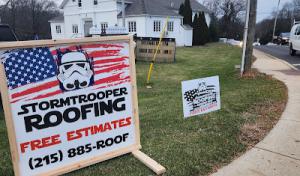
Stormtrooper Roofing
(215) 885-7663 stormtrooperroofingllc.com
40 S 5th St, Allentown, Pennsylvania
5.0 from 242 reviews
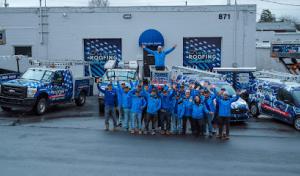
In The Light Roofing
(484) 553-0213 inthelightroofing.com
871 N Fenwick St, Allentown, Pennsylvania
4.9 from 237 reviews
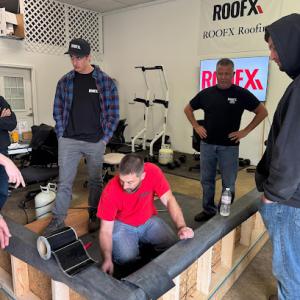
ROOFX Roofing
3416 Hamilton Blvd, Allentown, Pennsylvania
5.0 from 139 reviews
Roofx Roofing & Siding, nestled in the heart of Allentown, PA, is your premier destination for top-tier roofing and siding solutions. With a commitment to excellence, we specialize in a comprehensive range of services to safeguard your property. Our adept team excels in seamless roof replacements, expert roof repairs, and cutting-edge metal roofing installations. For businesses seeking robust solutions, we provide specialized commercial roofing services tailored to industry standards. At Roofx, we blend expertise with innovation, delivering unparalleled craftsmanship to meet all your roofing and siding needs. Trust us to elevate your property's protection and aesthetic allure with precision and care. Contact us today!
Stormtrooper Roofing
(215) 885-7663 stormtrooperroofingllc.com
40 S 5th St, Allentown, Pennsylvania
5.0 from 242 reviews
Storm Trooper Roofing, located at 40 S 5th St, Allentown, PA, is your trusted partner for top-notch roofing services in the Lehigh Valley, Northampton ,Bucks and Montgomery Counties. Specializing in roof repair, roof replacement, and comprehensive roofing solutions, we serve Allentown, Bethlehem, Easton, Emmaus and beyond. As a leading roofing company near you, our team of certified roof contractors excels in both residential and commercial projects. We use premium materials such as GAF & Owens Corning asphalt shingles, Metal roofing, and EPDM for commercial flat roofs. Our customer-first approach, supported by numerous awards, makes us a standout choice for all your roofing needs. Save Thousands over Competitors. 250 +5☆ Google Reviews ..
In The Light Roofing
(484) 553-0213 inthelightroofing.com
871 N Fenwick St, Allentown, Pennsylvania
4.9 from 237 reviews
In The Light Roofing is a leading roofing company dedicated to ensuring that your home's roofing not only provides protection but also enhances its aesthetic appeal and value. With extensive experience and a commitment to excellence, we take pride in delivering tailored roofing solutions that meet your requirements. Whether it's a minor repair or a total roof replacement, our skilled professionals approach each project with keen attention and superior craftsmanship. We understand the importance of clear communication and transparency, which is why we collaborate closely with you throughout every stage of the process, from the initial consultation to the final inspection.
Roof Maxx of Bethlehem, PA
Allentown, Pennsylvania
5.0 from 63 reviews
Roof Maxx offers a revolutionary roof restoration service, providing an eco-friendly, cost-effective solution for extending your roof's life. Specializing in roof rejuvenation, our innovative treatment revitalizes aging shingles, ensuring they remain flexible and waterproof. Ideal for roofs over 7 years old, Roof Maxx's unique formula penetrates deep into shingles, restoring their original functionality. This process not only enhances roof durability but also postpones the need for expensive replacements. Our professional roof maintenance services further protect your investment, keeping your roof in top condition. Trust Roof Maxx for sustainable, efficient roofing solutions.

3 Days Later Roofing + Renovations
(484) 709-1443 www.3dayslaterroofing.com
1825 Roth Ave, Allentown, Pennsylvania
5.0 from 56 reviews
3 Days Later Roofing & Renovations is a family-owned roofing contractor serving Allentown, Bethlehem, Easton, and the greater Lehigh Valley, PA. We specialize in roof replacement, roof repair, storm damage restoration, siding installation, kitchen remodeling, deck construction, and full-home renovations. As a GAF Certified contractor with a BBB A+ rating, our crew delivers expert craftsmanship backed by industry-leading warranties on every project. Our name reflects our commitment to efficiency most roofing jobs are completed within three days, keeping your home and life on track.
Roofera Roofing
(484) 429-4411 www.roofera.com
277 E South St, Allentown, Pennsylvania
5.0 from 39 reviews
Roofera is a locally owned roofing company serving homeowners in Allentown, Bethlehem, Easton, and surrounding areas. In 2016, we came to the United States with a dream and a strong work ethic. We started as exterior contractors, learning the trade from the ground up before focusing on roofing. Today, we specialize in roof installation, roof repair, and roof replacement. Roofera is led by two brothers who stay personally involved in every project. We believe in honest work, clear communication, and standing behind what we build, because a roof isn’t just another job—it protects everything underneath it.
Builders & Management Plus
(610) 440-4082 www.buildersmanagementplus.com
1820 E Tremont St, Allentown, Pennsylvania
4.9 from 45 reviews
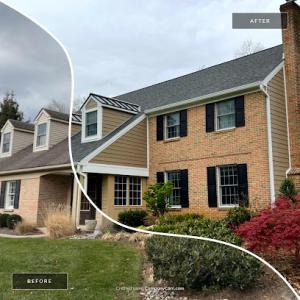
Builders & Management Plus is an experienced roofing company serving the greater Lehigh Valley specializing in repairing and replacing roofs damaged by storms. We work with your insurance company to get the most out of your homeowners policy so that your home can go back to normal by replacing the damaged roof, siding, gutters, and windows. No storm damage and just need a new roof? We do that too. Asphalt, wood shake, or metal roofs - the choice is yours! We look forward to providing you with excellent service and the comfort of living under a quality roof.
Advance Exterior Solutions of Macungie
(484) 601-5137 advanceexteriorsolutions.com
Allentown, Pennsylvania
5.0 from 26 reviews
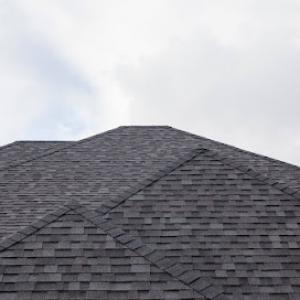
Advance Exterior Solutions of Macungie is a roofing and siding company based out of Macungie, Pennsylvania, USA. With our honesty, trustworthiness, and attention to detail, we have been helping Pennsylvania homeowners with their roofing and siding problems since 2012, powered by management who has been in the construction business for over 25 years. As specialists in residential roofing and siding services, we are dedicated to providing customer service that is second to none. Whether you have a new construction project or it is time for repairs, we offer the exterior services you need. We stay in constant communication with our customers until the job is done. If you have questions or special requests, just drop us a line.

Home Genius Exteriors
(267) 930-2956 homegeniusexteriors.com
2132 S 12th St #204, Allentown, Pennsylvania
4.8 from 43 reviews
Elevate your home with Home Genius Exteriors, setting the standard in Allentown by offering full-service solutions for roofing, siding, windows, doors, gutters and insulation. We support our veterans and communities by supporting local and national charitable organizations through our Home Genius Cares initiative. With an Owens Corning® Platinum Preferred designation, we also offer flexible payment options, industry leading warranties and a wide range of premium products tailored for your home. It’s time for a different experience, entrust your next home project to a genius and schedule your free inspection today!
Ortiz Roofing & General Contracting
(484) 957-6068 www.ortizroofinggeneralcontractingllc.com
Allentown, Pennsylvania
4.8 from 36 reviews
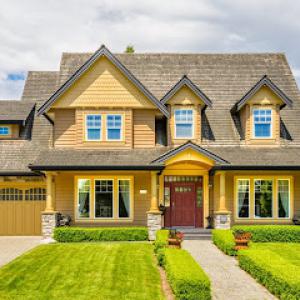
Ortiz Roofing & General Contracting provides roofing, siding, chimney and gutter cleaning, and fencing to the Allentown, PA, area.
All Pro Roof Stone Atlas
429 S West St, Allentown, Pennsylvania
5.0 from 13 reviews
All Pro Roof Stone Atlas is Allentown's premier destination for high-quality roofing materials. Located at 429 S West St, this store offers a comprehensive selection of products to meet the needs of professional roofers and DIY enthusiasts alike. With a focus on exceptional service and durable supplies, All Pro Roof Stone Atlas ensures every project is built to last. Their knowledgeable team is dedicated to helping you find the perfect solutions for any roofing challenge, ensuring your next project is a success.
DryMaster Roofing
(781) 281-8103 drymasterroofing.com
3300 Lehigh St SPC 224, Allentown, Pennsylvania
5.0 from 12 reviews
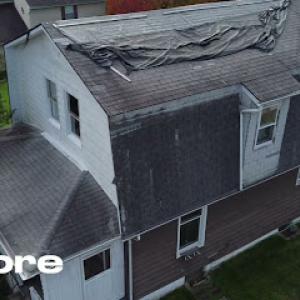
At DryMaster Roofing, we offer a comprehensive range of roofing services to ensure your home is well-protected and looking its best. Whether you need a new roof installation, prompt repairs, thorough inspections, or routine maintenance, our team of roofing experts is here to deliver excellence at every step. We take pride in using top-tier materials and a meticulous approach that guarantees the longevity and durability of your roof. Our commitment to superior craftsmanship and customer satisfaction sets us apart.
Asphalt shingles remain the practical default for Allentown homes because they fit the city's common residential roof forms and the local contractor base is heavily geared toward shingle re-roofing. When you consider the winter ice dams and the high freeze-thaw cycle, asphalt shingles offer straightforward repairability and a predictable performance profile. Look for a high-quality underlayment and, if possible, an upgraded ice-dam protection strategy along eaves and valley flashings. For aging rowhomes with close-proximity adjoined walls, ensure proper edge detailing and adequate ventilation to minimize moisture buildup that can worsen frost-related damage near masonry-adjacent flashing.
Metal roofing is a stronger fit for homeowners prioritizing snow shedding and resilience through winter-to-summer swings, but detailing matters near older masonry features. If the roof spans over brick or stone parapets, flashing transitions must be carefully integrated to prevent water ingress at joints and chimney lines. In Allentown, a metal roof can offer durable performance with the right coatings and venting, yet undertile or underlayment choices should be compatible with the existing structure. Consider concealed fasteners or well-sealed exposed fasteners to reduce maintenance calls after heavy snow. For homes with a history of ice dam issues, plan on enhanced edge insulation and an integrated intake/exhaust vent strategy to keep the attic space closer to a uniform temperature.
Tile, wood shake, and synthetic products appear in the market but require careful structural and flashing evaluation on older homes before replacement. Concrete and clay tiles bring durability, yet their weight demands a verified roof structure and reinforced supports, especially on masonry-bearing walls. Wood shakes add charm but can struggle with moisture and rot if flashing around chimneys and dormers isn't integrated with modern underlayment systems. Synthetic options offer reduced weight and easier maintenance, but flashing around existing masonry features still governs long-term performance. In tight rowhome configurations, a thorough assessment of roof-to-wall junctures, soffit ventilation, and valley details helps prevent unexpected leaks as temperatures swing.
When choosing among these materials, prioritize compatibility with existing roof geometry and the condition of masonry-adjacent flashing. For older homes, a detailed evaluation of surrounding structures, valley lines, and parapet connections reduces the risk of ice dams forming at critical joints. In all cases, ensure the chosen system integrates with effective attic ventilation and a robust moisture barrier strategy to mitigate freeze-thaw damage over many winters. All choices should align with a plan for routine maintenance and timely repairs at the first sign of flashing failure or water intrusion.
In this market, you'll typically see asphalt shingles priced around $350-$600 per square, with metal roofing running $650-$1100 per square. For heavier options, clay tile sits in the $900-$1800 per square range, concrete tile $800-$1500, and wood shingles or shakes $550-$1000. Synthetic or composite shingles land between $450-$900 per square. These ranges reflect standard residential re-roofs on accessible homes and assume typical removal of old roofing and disposal. You'll notice asphalt remains the most common, especially for straight-forward re-roof projects after winter damage.
Costs in Allentown can rise on older homes where tear-off reveals multiple layers, deteriorated decking, or flashing work around chimneys and wall intersections common in the city's housing stock. When that happens, crews often need to remove more material, repair or replace decking, and address blown or cracked flashing. In practice, a straightforward roof on a newer, single-layer structure stays closer to the lower end of the asphalt range, but a century-old rowhome with tight access and brick-adjacent flashing can push the bill upward across several line items.
Seasonal demand after winter damage and spring storms can tighten labor availability in the local market, while straightforward asphalt re-roofs on accessible residential homes tend to price more competitively because so many area contractors focus on re-roofing. If a project lands after a harsh stretch of weather, expect shorter scheduling windows and potentially higher labor costs due to rushed timelines or need for temporary protection to prevent further freeze-thaw damage. Planning a spring or early-summer replacement can help lock in crews and minimize premium charges.
Think about material choice in relation to long-term durability against freeze-thaw cycles and ice dams. If clay or concrete tile is selected, the weight and flashing details around chimneys and walls should be evaluated carefully, since Allentown winters stress these joints. For many owners, an accessible asphalt replacement remains the most cost-effective path, but ensure the scope includes proper ice-dam detailing and attic ventilation checks. When requesting bids, ask for a clear breakdown: tear-off, decking repair, flashing around penetrations, and disposal.
Get a clear picture of your project costs upfront - no commitment required.
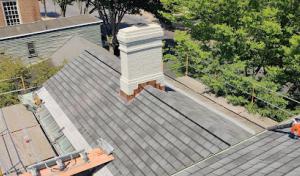
Paul Wright Roofing
(610) 770-3979 www.paulwrightroofing.com
1229 Airport Rd, Allentown, Pennsylvania
4.3 from 87 reviews
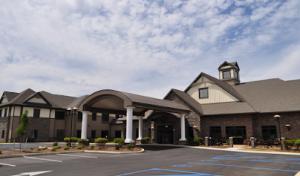
J.O.N. Construction
(610) 841-3722 www.jonroofingandsiding.com
6426 Memorial Rd, Allentown, Pennsylvania
4.6 from 20 reviews
A full residential re-roof project in this area is handled through the City of Allentown Building Department rather than as a simple no-permit maintenance task. That means the project starts with a permit application and ends with an official sign-off after a final inspection. The department treats a re-roof as a construction project that affects the building envelope, attic ventilation, and flashing details around masonry openings and dormers. When weather, freeze-thaw cycles, and aging roofing components collide in older rowhomes or detached houses, the permit process helps ensure the work complies with current codes and improves long-term performance against ice damming and interior leaks.
Permit review focuses on scope, materials, and workmanship that affect safety and durability. Inspectors look for proper nailing patterns, underlayment installation, vented soffits, and flashing around chimneys, valleys, and adjoining masonry. Since the inspections are tied to the project timeline, the permit essentially anchors the sequence from tear-off through installation to final approval. In practice, the City reviews the application, schedules the inspections, and coordinates a final inspection after the roofing work is completed. The emphasis is on ensuring the roof system integrates with attic ventilation and moisture-control details that are especially critical in this climate.
In Allentown, the inspection process is tightly linked to the contractor's schedule and the city's calendar. Homeowners should expect that the contractor will handle much of the inspection coordination, including arranging access for rough inspections, intermediate checks, and the final sign-off. Peak-season demand-often in late summer to early winter-can create backlogs that extend the time from permit issuance to final approval. Planning ahead with the contractor for a clearly defined sequence helps minimize delays and keeps the re-roof moving toward a timely finish.
On inspection days, an Allentown building inspector will verify that the chosen roofing system is installed to code and that the components align with the building's specific layout. Common focus areas include secure attachment of roof decking, the integrity of underlayment under all slope conditions, correct flashing details around masonry openings, and proper installation of ice-dam-mitigating features like ventilation and drip edges. If any deficiency is found, the contractor will need to correct it and request a re-inspection. The final inspection confirms that the project is complete and the roof is considered compliant, allowing the city to close the permit with a lasting approval that supports the home's performance in the next freeze-thaw cycles.
In the Lehigh Valley, insurers generally continue covering standard roof replacements in markets like Allentown, but repeated severe weather has increased scrutiny on documentation for storm-related claims. When a winter ice dam or spring storm hits, the clock starts on building a solid file. Thorough records help avoid later disputes if a claim is challenged after materials dry out or leaks seem intermittent.
For older roofs in Allentown, carriers may ask for photos, a contractor assessment, and more detailed adjuster review before approving full replacement versus repair. Older roofing and masonry-adjacent flashing failures tend to attract closer examination, so you should expect questions about shingle condition, attic ventilation, and interior moisture. A concise timeline of events, including freeze-thaw cycles, can anchor the claim in observable damage rather than speculation.
Documenting damage immediately after winter ice events or spring storms is especially important in Allentown because leak evidence can change quickly once temperatures rise and materials dry out. Take exterior photos from multiple angles, focusing on flashing joints, valleys, and areas where ice dams formed. Inside, photograph any staining, warped boards, or ceiling bubbles as soon as they appear, then note dates and weather conditions. Prompt, accurate evidence reduces the chance that a claim will be curtailed later by questions about when damage actually occurred.
A contractor assessment should accompany a claim in older neighborhoods with mixed construction. A written estimate that clearly separates repair versus replacement options helps the adjuster understand the scope. If possible, schedule a joint inspection with the insurer's adjuster so questions can be answered on site, reducing back-and-forth that can delay coverage decisions.
Keep a running log of storm dates, observed leaks, and any temporary weatherproofing you implement. After each new event, refresh photos and notes, and share updates with the insurer promptly. Consistent, organized documentation often makes the difference between a repair path and a full replacement decision, especially when the weather pattern in the Lehigh Valley continues to test older roofs.
Many Allentown homes have masonry chimneys that create recurring leak points where counterflashing, step flashing, and mortar condition all interact. When inspecting, look for cracks in the mortar joints, loose or missing counterflashing at the chimney crickets, and any gaps where the chimney meets the roof deck. In winter, freeze-thaw cycles push and pull at these joints, widening gaps and directing water into the attic or ceiling. You want to validate that the chimney flashing is continuous along the sidewall and that the counterflashing extends up past the highest water line of the shingles. Don't assume one fix fits all; each chimney has its own set of transitions against brick, stone, or stucco.
On older city homes, roof leaks are often misdiagnosed as field-shingle failure when the actual issue is at a chimney saddle, sidewall transition, or skylight curb. Start with a close-up water test around the chimney and skylight-spray along mortar joints, the saddle, and the curb while someone indoors looks for the first drips. If you locate dampness pooling at the base of the saddles or along the sidewall step flashing, plan for targeted repair rather than blanket shingle replacement. This approach pays dividends when winter returns and moisture routes through the same vulnerable points again.
Skylight curb details deserve extra attention in Allentown because freeze-thaw movement and moisture exposure stress these transitions more than broad roof planes. Inspect the flashing around the skylight for signs of fishmouth cracking in the base seal, and verify that the curb is solidly insulated where it meets the roofing material. Ensure the top flashing integrates with counterflashing properly and that any sealant remains flexible after cold cycles. If multiple seasons show recurring condensation or dampness at these transitions, plan a careful reseal or curb refresh rather than a general roof re-cover.
Find contractors experienced in skylight installation, flashing, and leak repairs to bring natural light into your home.

Roofera Roofing
(484) 429-4411 www.roofera.com
277 E South St, Allentown, Pennsylvania
5.0 from 39 reviews
J.O.N. Construction
(610) 841-3722 www.jonroofingandsiding.com
6426 Memorial Rd, Allentown, Pennsylvania
4.6 from 20 reviews
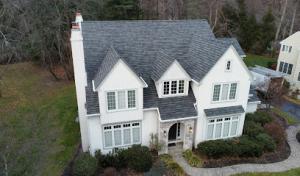
The mix of rowhomes, porches, additions, and some multifamily buildings means low-slope sections are common even when the main roof is pitched. In winter, snow and ice linger longer on those areas, increasing the risk of ponding-related leaks once thaw begins. Pay close attention to any flat or near-flat transitions between sections.
Look for aging tie-ins where a rear addition meets the main roof, or where a porch roof connects to the house. These junctions are a frequent source of repeat leaks after a retrofit of only the main shingle roof. Inspect flashing, caulking, and membrane transitions at these points, especially where masonry sits nearby.
Start with a walk-around after a heavy snow event or a thaw. Note any standing water on the low-slope sections and check interior ceilings for damp spots near these joints. During replacement in colder months, verify that low-slope areas behind additions and porches receive the same attention as the primary roof.
Keep drainage pathways clear year-round, including scuppers and edge outlets. Install or restore proper drip edges and ensure membrane seams are intact at all low-slope connections. Consider upgrading to a compatible low-slope covering or adding ice-guard provisions in vulnerable stair-steps and tail sections to mitigate freeze-thaw damage.
Find specialists in TPO, EPDM, and built-up flat roofing systems for residential and commercial properties.
ROOFX Roofing
3416 Hamilton Blvd, Allentown, Pennsylvania
5.0 from 139 reviews
Stormtrooper Roofing
(215) 885-7663 stormtrooperroofingllc.com
40 S 5th St, Allentown, Pennsylvania
5.0 from 242 reviews
Builders & Management Plus
(610) 440-4082 www.buildersmanagementplus.com
1820 E Tremont St, Allentown, Pennsylvania
4.9 from 45 reviews