
Last updated: Apr 19, 2026
Those long Bethlehem winters, with heavy snows followed by rapid thaws, hammer roofs with ice damming at the eaves and moisture sneaking into weak points around flashing. When the temperature swings, melted snow refreezes at the gutter line and in valleys, pushing shallow surfaces apart and forcing water under shingles or under any compromised flashing. For steep-roofed, older homes with masonry chimneys and tight wall intersections, that pressure concentrates at the very edges you rely on to keep moisture out. The result isn't a single leak-it's a creeping failure that often starts at the most overlooked transition points: eaves, rake edges, where roof decks meet brick, and around chimney bases where the flashing has stretched or rusted over decades.
The steep roofs common on Bethlehem's historic South Side and West Side neighborhoods present a particular risk: ice dams form quickly along the eave line, backing up meltwater under shingles that are already aged or cupped. Flashing around masonry chimneys and at wall intersections is a recurring leak point, because the temperature swings stress those joints year after year. In many homes, old lead or apron flashings have aged into brittle bends, leaving gaps that let water creep behind the siding or down into soffits. Valleys, once covered by overhanging snow, become channels for water if shingles and underlayment have deteriorated or if flashing has shifted with freeze-thaw cycles. Pay extra attention to areas where adjacent slopes meet, and where gutters terminate at masonry joints.
Watch for interior frost buildup on ceilings that aren't directly under a known leak-this can indicate hidden moisture behind wall cavities. Run a corner-to-corner inspection from the attic after a thaw and look for damp insulation or dark spots around the chimney chase, around flashing seams, and at wall flashing intersections. On the exterior, inspect for loose or missing shingles, lifted edges, and rust or corrosion on metal flashing. If the roof is pre-1950s or shows heavy wear at the flashing transitions, treat as high-risk: those decades didn't design for modern ice dam behavior, and the cumulative damage compounds with each freeze-thaw cycle.
Prioritize securing and repairing flashing at brick chimneys and where wall intersections occur. Replace deteriorated step and counter-flashing with materials that resist cold cracking and movement, and ensure counter-flashing sits above the high point of damming potential. Seal any gaps around vent boots and re-bed ridges where ice damming is likely to form. For steep slopes, install or upgrade ice and water shield along eaves and in valleys to create a robust barrier against meltwater that refreezes at the eave. When possible, extend drip edges outward to encourage water shedding away from vulnerable seams and toward well-functioning gutters.
Late spring through early fall is the favored window for major work because winter weather and repeated freeze-thaw conditions can delay tear-off and compromise installation conditions. If a leak is actively causing damage, prioritize temporary measures to seal eaves, resecure loose flashing, and reduce attic moisture until the main project can be scheduled. When planning a replacement, align the project with a stretch of stable weather to ensure new materials can settle and seal properly without being subjected to a mid-winter freeze.
Consider upgrading to flashing that offers better thermal movement tolerance in cold conditions and adding a secondary membrane system beyond the eave line to address any residual risk of moisture intrusion. And for homes with masonry chimneys, pairing flashing work with improved chimney crown and cap detailing helps prevent recurring seepage at the most leaks-prone junctions. Regular inspections after heavy snow events are essential to catch shifting flashing or rising moisture before it propagates through multiple building layers.
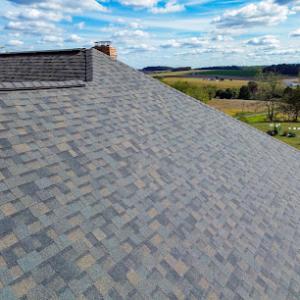
Valley Peak Roofing
(484) 602-6863 www.valleypeakroof.com
3005 Brodhead Rd # 105, Bethlehem, Pennsylvania
5.0 from 116 reviews
Valley Peak Roofing is the top Pennsylvania roofing company serving Bethlehem PA and its surrounding areas. Our roofers specialize in residential shingle roof replacements and repairs as well as commercial roofing and metal roof installation. Our team of highly skilled contractors are proficient at dealing with wind and hail damage repairs as well as the installation of vinyl siding and fiber cement siding products.
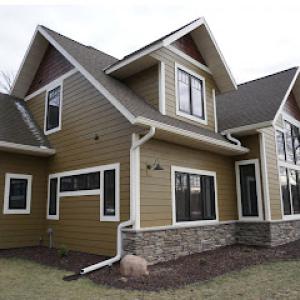
Home Shield Pro's Roofing & Siding,
(484) 838-1866 homeshieldpros.com
306 S New St, Bethlehem, Pennsylvania
4.9 from 49 reviews
Home Shield Pro's, is a family-owned business serving Lehigh County where we provide top-notch roofing, vinyl siding, and chimney sweep and repair services. Our team is dedicated to delivering quality services and maintaining a high level of customer satisfaction. Trust to provide you with the residential roofing and siding solutions in the industry, including chimney cleaning and repair services. replacement windows, gutters, Contact us today to learn more about our-spectrum expertise and how we can help you with all your roofing siding and Chimney Service needs. We service Lehigh County, central and southern Northampton County
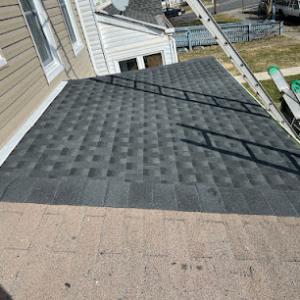
Handlovic Brothers Roofing
(484) 591-1845 handlovicbrothersroofing.com
Bethlehem, Pennsylvania
4.9 from 40 reviews
Serving the Lehigh Valley and surrounding areas. We offer free estimates and guaranteed work. Call us today to see how we can suit your needs.
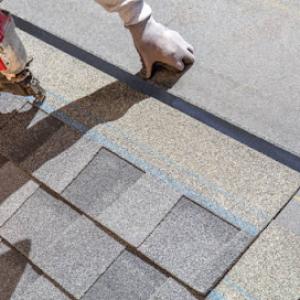
Bethlehem Roofing Pros Plus
(484) 510-8061 bethlehemroofingprosplus.com
2119 Eaton Ave, Bethlehem, Pennsylvania
5.0 from 12 reviews
Proudly serving the Bethlehem community with exceptional roofing services, we've built our reputation on quality workmanship, transparent pricing, and outstanding customer service. Our team of certified roofing professionals brings years of expertise and dedication to every project, ensuring your home receives the protection it deserves. Why Choose Us? Licensed and Fully Insured Professionals 24/7 Emergency Response Available Free Estimates and Roof Inspections Premium Quality Materials Competitive and Honest Pricing 100% Customer Satisfaction Guarantee
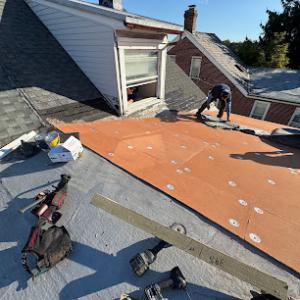
Santiago Rc roofing
711 Pennsylvania Ave, Bethlehem, Pennsylvania
5.0 from 10 reviews
Somos una empresa con mucha experiencia Hacemos excelente trabajo donde los clientes quedan totalmente satisfechos
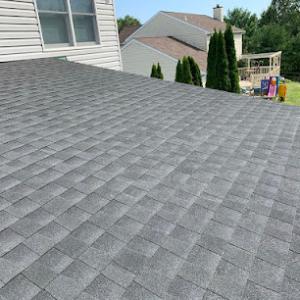
K2 Industries
Bethlehem, Pennsylvania
5.0 from 7 reviews
Are you looking to add a deck for lounging at your home? Maybe you want to completely transform your home's interior. Whatever your project is, you'll need an expert remodeling contractor. K2 Industries handles a wide range of remodeling projects for clients within a 60-mile radius of Bethlehem, PA. You can make your dream home a reality when you work with our construction company. Call now for a free estimate on our remodeling services.
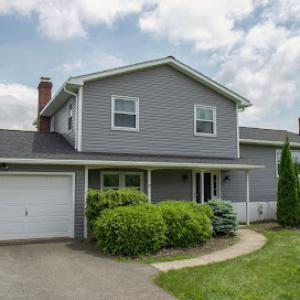
Master's Home Solutions
(610) 621-5961 mastershomesolutions.com
2147 Avenue C, Bethlehem, Pennsylvania
4.2 from 34 reviews
Masters Roofing Solutions. Do you have a roof leak or storm related roof damage? Masters Roofing Solutions is a local roofing contractor you can trust. When it’s time for that bathroom remodel you want a home improvement company that can make your bathroom beautiful. The team from Master’s Home Solutions has been that go-to home improvement company for decades. With services like roof repair, new residential roof replacement, leaky skylight repair and replacement, new windows, siding, custom doors, and gutters, Master’s wants to be your go-to home improvement company. At Master’s Home Solutions our #1 goal is customer experience. Master’s always puts customers first. Call Master’s today if you have a roof leak or need a bathroom remodel
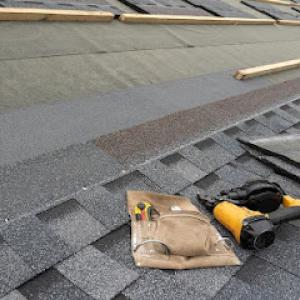
Novak Home Improvements
2121 Ritter Ave, Bethlehem, Pennsylvania
4.1 from 53 reviews
Novak Home Improvements is your trusted choice for a professional contractor in Bethlehem, PA. We’re a full-service general contractor who can seamlessly coordinate your projects to make your experience as comfortable as possible. Together, we can renovate any parts of your house that need maintenance and replace features that are old, outdated, or need to be modernized. Our experienced home contractor team combines industry-leading materials with proven expertise and design talent to make your home better than ever. Call for a free estimate today.
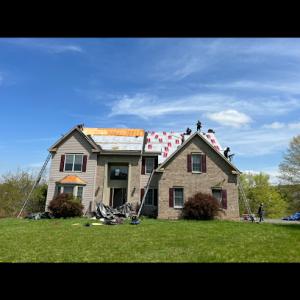
Bart’s General Contracting
Bethlehem, Pennsylvania
5.0 from 6 reviews
Bart's General Contracting is a reputable roofing contractor offering a comprehensive range of services, including siding, gutters, windows, doors, and more. With a commitment to excellence, we take pride in delivering high-quality workmanship that exceeds our clients' expectations. Our team is dedicated to providing top-notch customer service, ensuring clear communication and transparency throughout every project. We understand the importance of competitive pricing and strive to offer cost-effective solutions without compromising on quality. Choose Bart's General Contracting for all your roofing and construction needs, and experience outstanding craftsmanship that stands the test of time.
Ziggy's
(610) 868-1284 ziggysroofing.us
3874 Klein St, Bethlehem, Pennsylvania
4.3 from 15 reviews
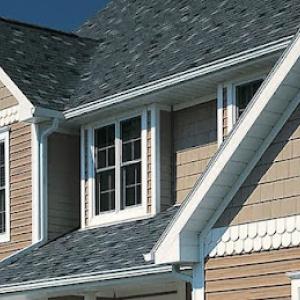
New roofing, repairs, replacement, siding, gutters and exterior and restoration work to Lehigh Valley homes and businesses. Quick response, guaranteed work. Excellent work job after job.
A&M Roofing
(610) 894-7965 aandmrooftop.com
407 Grandview Blvd, Bethlehem, Pennsylvania
5.0 from 4 reviews
At A&M Roofing we believe in creating organized spaces that enhance your life and work. Our team is dedicated to providing an exceptional customer experience, with a focus on reliability, attention to detail, and a personal touch. We offer a variety of specialist roofing services tailored to your needs.
Element Roofing
(610) 737-0641 www.lehighvalleyroofer.com
1909 Aripine Ave, Bethlehem, Pennsylvania
4.3 from 9 reviews
Element Roofing Provides Residential Roof Replacement and Repair Services to the Lehigh Valley and Surrounding Areas. Call for a Free Estimate!
In Bethlehem, spring rain and wind storms commonly interrupt roofing schedules and create short-term spikes in repair and claim activity. Those shoulder months bring quick shifts from sunny days to gusty afternoons, and that rapid weather swing can catch homeowners off guard, especially for older steep roofs on the South Side and West Side. The abrupt changes increase the likelihood of loose shingles, lifted flashing, and hidden damage that isn't obvious at first glance. Plan ahead for a tighter timeline after storms, and keep a lean, prioritized repair list to avoid project creep when winds pick up again.
The local insurance environment is not unusually high-claim, but carriers in this region often want pre- and post-work photos, permit records, and documentation of roof condition before approving storm-related claims. If a shingle lift or flashing issue appears after a heavy wind or heavy rain, collect clear images from multiple angles, focusing on any hail impact, edge failures, and visible wear that predates the event. After work is completed, re-shoot the same views to show the repair results. It helps to have a simple file that tracks the roof's age, material, and maintenance history, especially for older steep-roof sections that sit near institutional buildings or historic districts. When dealing with a claim, provide a concise notes summary that links each photo to a specific problem area and a corresponding proposed fix. Expect adjusters to request details on attic insulation, attic ventilation, and the condition of dormer or chimney flashing, and respond promptly with documentation.
Older roofs in Bethlehem may face heavier depreciation scrutiny during claim processing, especially when damage is mixed with age-related wear. If the roof shows signs of long-term exposure-granule loss on asphalt, hairline slate cracks, or corroded metal flashing-ensure the documentation makes a clear distinction between pre-existing wear and storm-caused failures. A seasoned contractor can help you prepare a pair of condition reports: one that documents baseline aging and one that highlights new impact or uplift from the storm. When presenting the claim, align repairs with the actual damage pattern rather than replacing large sections preemptively. This approach helps maintain a fair assessment of the roof's remaining life while addressing the immediate storm-related needs.
Find local contractors experienced in assessing and restoring roofs after hail, wind, and severe weather events.
Valley Peak Roofing
(484) 602-6863 www.valleypeakroof.com
3005 Brodhead Rd # 105, Bethlehem, Pennsylvania
5.0 from 116 reviews
Master's Home Solutions
(610) 621-5961 mastershomesolutions.com
2147 Avenue C, Bethlehem, Pennsylvania
4.2 from 34 reviews
Novak Home Improvements
2121 Ritter Ave, Bethlehem, Pennsylvania
4.1 from 53 reviews
In the Lehigh Valley, the roofscape blends steep historic homes with institutional and older masonry buildings. Asphalt shingles remain the dominant practical choice for many Bethlehem homes because of availability, repairability, and performance under the local freeze-thaw cycles. Yet the city also shows meaningful use of slate, tile, metal, and synthetic products, reflecting its varied housing stock and enduring architecture. When choosing between these options, you'll weigh how each material handles snow, ice, and rapid temperature swings that are common in the area.
Slate continues to be a significant feature on older homes and many institutional-style buildings around the downtown and university-adjacent districts. Its longevity aligns with the era when steep slopes and durable materials were central design priorities. If your roof is already slate, repairs should emphasize preserving the slate's integrity and the historic look while ensuring water tightness and proper ventilation beneath the slate. For property owners restoring historic slopes, slate can be a consistent aesthetic match, but expect more specialized maintenance and compatible flashing to manage freeze-thaw behavior without compromising the masonry and embankments around the roof line.
Asphalt shingles provide straightforward installation, good value, and broad contractor familiarity. When converting from slate or tile to asphalt, you'll want to carefully coordinate underlayment, ventilation, and flashing systems to suit Bethlehem's humid summers and cold winters. A well-sealed underlayment layer protects against meltwater and ice dams that form when warm interior air meets cold roof surfaces. Proper attic ventilation is essential to limit condensation and ice dam risk, especially on steeper slopes where heat loss can be uneven. Flashing details around chimneys, dormers, and intersections should be upgraded to heavy-duty metal and matched sealants to resist repeated freeze-thaw movement.
Metal roofing and synthetic shingles offer durable performance with faster installation and improved resistance to ice shedding on steep pitches. In historic districts, metal may be chosen to mirror the angular lines of older roofs or to provide a modern, low-maintenance option that still respects the structure's silhouette. Synthetic products can imitate slate or tile while offering enhanced impact resistance and easier repair. When installing metal or synthetics on a steep slope, ensure compatibility with existing flashing, ridge ventilation, and drip edge details to prevent moisture ingress during thaw cycles.
Regardless of material, aggressive winter cycles demand diligent maintenance. Inspect after heavy freezes for loose fasteners, cracked flashing, and any signs of membrane exposure on underlayment. On steep roofs, safe inspection access is crucial; consider professional checks after heavy snows. Keeping gutters clear helps reduce ice dam buildup, and ensuring proper attic insulation minimizes heat-driven meltwater that accelerates damage at eave lines and valleys. The mix of Bethlehem's historic stock and newer constructions means a tailored approach: preserve the historic look when possible, but upgrade flashing, underlayment, and ventilation to maximize performance against freeze-thaw cycles.
Bethlehem homes show a broad material mix, from lower-cost asphalt shingles to high-cost slate and tile that are still locally relevant. When planning replacement budgets, you'll want to map your roof's material choice against the long-term performance you expect in our freeze-thaw winters. Asphalt shingles sit at the lower end of the cost spectrum, typically 350 to 550 USD per square, while synthetic or composite shingles run 350 to 650 USD per square. If your house features steep pitches or historic ascents with plenty of angles, those numbers can stretch toward the upper end or beyond, because labor and waste increase with complexity.
Costs can rise on Bethlehem homes with steep pitches, chimney-heavy rooflines, and older decking or flashing conditions uncovered during tear-off on aging housing stock. Slate and clay or concrete tile push the upper end of the scale, often 1200 to 1900 USD per square for slate and 900 to 1700 for clay tile, with concrete tile commonly 900 to 1500 USD per square. If existing decking or flashing is degraded, expect additional line items for lumber, underlayment, and metal flashing, which can add to the total even before tear-off debris removal is counted. In practice, a thorough inspection at tear-off is not just about replacing roofing material-it's about addressing hidden rot and rust before the new roof sits for decades.
Scheduling pressure after spring storms and winter leak events can affect labor availability in Bethlehem's active re-roofing market, especially for quick-turn repairs and full replacements. In busy windows, you may see tighter crews and higher subcontractor demand, which can nudge timelines and occasionally prices. If a storm season or a sharp freeze stirs urgent repairs, consider staged replacements: stabilize leaks first, then complete the full roof when crews are more readily available. For steep, complex roofs, book the crew well ahead of anticipated high-demand months to avoid price spikes driven by urgency.
Your cost planning should account for the city's broad material mix, alongside the realities of local labor. Asphalt remains a practical baseline, with costs typically 350 to 550 USD per square, while more premium routes-metal roofing at roughly 700 to 1100 USD per square, clay tile 900 to 1700, concrete tile 900 to 1500, synthetic/composite 350 to 650, and slate 1200 to 1900-reflect both materials and installation challenges. If your roof has multiple pitches or features like dormers or skylights, expect a proportionate rise in both materials and labor.
Get a clear picture of your project costs upfront - no commitment required.
Handlovic Brothers Roofing
(484) 591-1845 handlovicbrothersroofing.com
Bethlehem, Pennsylvania
4.9 from 40 reviews
Bethlehem Roofing Pros Plus
(484) 510-8061 bethlehemroofingprosplus.com
2119 Eaton Ave, Bethlehem, Pennsylvania
5.0 from 12 reviews
A full roof replacement in Bethlehem typically requires a building permit. This isn't something to skim or skip just because the project is routine. The permit process formalizes the work and helps protect the home from future freeze-thaw damage by ensuring proper materials, ventilation, and alignment with local code. Without a permit, you risk complications if later problems arise, including difficulties with insurance claims or city inspections when you go to sell.
Permit applications are generally submitted by the contractor to the City of Bethlehem's Department of Community and Economic Development. It's reasonable to expect the contractor to handle the paperwork, but you should stay involved. Confirm who is responsible for submitting plans, notices, and any required documentation. In Bethlehem, the permitting office is used to reviewing projects against the specifics of historic and masonry structures that dominate the older housing stock on the South Side and West Side, where steep slopes and perched soffits require careful planning.
Bethlehem roofing work is typically inspected during and after the project, with rough and final inspections, and the permit must be closed out with the city. Rough inspections catch issues early-ventilation, flashing around chimneys and skylines, and damage to underlying decking-before it becomes a larger, more expensive problem. Final inspections confirm everything meets code, and the project can be officially closed. If a permit isn't closed, future work or resale could be delayed, and insurance coverage might be questioned.
Coordinate with your contractor to schedule the rough inspection at a logical midpoint, such as after the underlayment and flashing are installed but before shingles are fully placed. Prepare for weather-related delays common in this climate, especially during late winter and early spring when freeze-thaw cycles can affect workmanship timelines. Keep a copy of the permit and inspection notices accessible on-site so workers, inspectors, and the mortgage holder can verify compliance quickly. If a problem is identified during an inspection, address it promptly, since minor issues can cascade into significant reroof costs later if left unresolved.
Treat the permit and inspection process as part of the roof project, not afterthought paperwork. The city's review recognizes the unique mix of steep-roof historic housing and older masonry nearby universities, where proper flashing, ice dam prevention, and drainage are crucial to a durable, long-lasting roof.
For homeowners in this region, dated photos matter because carriers may request condition documentation tied to the claim. Keep images from three key moments: before any work begins, during tear-off, and after completion. This clarity helps distinguish what existed, what was removed, and what the new roof delivered. The sequence reduces back-and-forth battles with adjusters who scrutinize the roof's history and the scope of repairs.
Bethlehem-area homeowners should keep permit receipts and closeout records because insurers in this region may ask for proof that replacement work was properly permitted and completed. Store these documents in a dedicated folder or cloud folder labeled by job date and address. When a claim hits, having a neat trail can shorten the review and reduce the chance of denials based on missing paperwork or questions about workmanship provenance.
Because storm claims here are present but not extreme, homeowners often need clearer evidence separating sudden wind or hail damage from long-term wear on older roofs. Use your photo log to capture ongoing signs of aging-cupped or curling shingles, missing granules, flashing gaps-paired with date stamps. Clear, honest documentation helps both you and the insurer assess whether a claim covers sudden damage or anticipated maintenance, avoiding surprises during settlement negotiations.
Chimney flashing on older steep roofs is a common issue in this mix of historic homes and institutional-era buildings, where masonry details meet modern roofing. Ensure step flashing along the chimney is continuous and sealed where mortar has cracked. Inspect around flue collars for cracks and missing sealant after heavy snows. In historic and institutional districts, stack flashing should tie into parging or brick courses without gaps that trap ice. When replacing shingles, pocket the chimney flashing carefully so it remains exposed to wind-driven rain and snow melt.
Flat and low-slope sections show up on additions, porches, and some urban structures, especially where older construction abuts newer work. Use a proper drip edge and a robust transition between flat and steep sections. In the freeze-thaw cycle, pooled water and ice can back up under edges; consider improved edge detailing and cold-applied sealants that hold through repeated freezes and thaws. Inspect periodically for blisters, ponding, or loose membrane near parapets, and keep a keen eye on drainage paths before winter sets in.
Skylight and transition flashing details are vulnerable in this climate because repeated expansion, contraction, and winter moisture can expose seal and flashing weaknesses. Check curb flashings for buckling, dried or cracked sealant, and misaligned weather seals. Secure halo flashing at the base and confirm the skylight shroud seals against drafts and inward moisture. Replace gaskets after particularly harsh winters, and re-seal joints with compatible sealant to prevent leaks during spring thaws.
In late autumn, walk the roof with a flashlight to spot hairline cracks in flashing and frozen gutters. Clear debris from scuppers and ensure ice barriers at eaves extend to the roof edge. For brick surroundings, reseal mortar joints near flashing to reduce water migration during thaw weeks. Maintaining careful, timely attention to these details helps prevent ice dam damage and preserves historic look and integrity.
Find contractors experienced in skylight installation, flashing, and leak repairs to bring natural light into your home.
Valley Peak Roofing
(484) 602-6863 www.valleypeakroof.com
3005 Brodhead Rd # 105, Bethlehem, Pennsylvania
5.0 from 116 reviews
Master's Home Solutions
(610) 621-5961 mastershomesolutions.com
2147 Avenue C, Bethlehem, Pennsylvania
4.2 from 34 reviews
Element Roofing
(610) 737-0641 www.lehighvalleyroofer.com
1909 Aripine Ave, Bethlehem, Pennsylvania
4.3 from 9 reviews