
Last updated: Apr 19, 2026
Cold winters in this region push and pull at the roof like a tug-of-war. Freeze-thaw cycling in steep residential profiles-colonials, capes, and split-levels with steep roofs-opens pathways around flashing, shingle tabs, fasteners, and roof penetrations. When a night drops below freezing and daytime temperatures rise, water trapped under shingles or around flashing can freeze and expand. That micro-expansion pries joints, loosens nail heads, and torques sealant systems. By early spring, what began as a hairline gap may have become a larger, leak-prone seam. The familiar high-contrast sounds of dripping on a quiet winter night aren't just weather theater-they're a sign to inspect for potential entry points before the next thaw cycle starts the process anew.
Summer and spring in the inland western part of the state bring humidity, heavy rains, and warm days that can mask small winter failures until they manifest as attic moisture or active leaks. Asphalt shingles that survived a harsh winter may show hairline cracks or lifted tabs; those tiny openings can accumulate moisture that migrates to interior roof lines, especially around valleys and dormer intersections. Attics become the telltale room: musty odors, damp insulation, or staining along rafters indicate a problem that quietly grew over months. In a climate where warm spells buttress storms, a seemingly minor winter misstep can simmer into a full leak once the humidity climbs and rain pounds on already-weakened seams. The result is a moisture pattern that doesn't scream urgency at first glance but becomes a genuine headache when the next storm arrives.
Valleys, dormers, chimneys, and intersections where the roof planes meet are where this area's housing stock tends to leak first. The steep-slope layouts common to colonials and capes create natural trouble zones: flashing around chimneys and vent pipes that are not perfectly sealed, misaligned or loose shingle tabs that lift with wind and gravity, and fasteners that loosen from freeze-thaw stress. In a split-level, those pockets of clay and cedar or asphalt joints in the valleys face the brunt of water traveling from higher planes to lower ones. Each intersection acts like a funnel for rainwater-especially after a cold spell followed by rain-so keep a sharp eye on any discoloration, soft spots, or peeling paint near roof lines and overhangs.
Start with a seasonal walk-around after the harshest winter snaps and before the first spring rain. Inspect all flashing seams around chimneys, vents, and skylights for any lifting or gaps. Pay close attention to shingle tabs near valleys and dormers; if any tabs are cracked, curled, or missing, the entry path expands. Look for powdery residue or dark staining along joints, which can indicate moisture intrusion. In the attic, search for damp insulation, discoloration on sheathing, or mold growth near penetrations. A strong sign of an unseen issue is a recurring drip-especially during or after a heavy spring shower. If anything looks suspect, do not delay: infiltrations tend to worsen quickly with the next cycle.
If multiple leak points appear after a storm, or if attic moisture persists despite surface maintenance, a certified roofer should perform a targeted diagnosis. A focused inspection will identify whether flashing needs resealing, fasteners require re-fastening, or a higher-grade membrane should be installed at critical points. For steeper roofs and weathered intersections, professional assessment helps prevent the cost and disruption of widespread damage. In households with dormers or complex valley configurations, proactive resealing of flashing and targeted shingle replacement can often halt ongoing leaks before they intensify with another freeze-thaw cycle. Timely action protects interior spaces and preserves the integrity of the steep roofline for years to come.
Asphalt shingles are the dominant replacement choice for older homes with steep roofs in this area, and they fit the region's schedules, snow, and wind. In established neighborhoods you'll still see slate on select homes, especially where the roofline is prominent and the historical character calls for a durable, long-lived surface. The practical balance here is to match the roof's load, appearance, and the local climate's freeze-thaw cycle without overloading the structure.
For most Danbury homes, asphalt shingles deliver straightforward performance. When replacements are planned on older Cape or Colonial roofs, you'll often see architectural or laminated shingles chosen to better stand up to winter wind-driven rain and occasional hail. The key practical step is to align shingle type with existing roof geometry and attic ventilation so that moisture and heat don't concentrate at the eave line or along the chimney. If the chimney flashing shows signs of prior leakage, address it in the same session, since patching a leak at the top of the wall can save downstream damage. Stay attentive to the triple risk points: transitions at valleys, roof-to-wall details, and where the dormer meets the main roof.
Beyond asphalt, heavier materials like wood shakes, clay tile, concrete tile, and metal appear in the market but usually require installers familiar with heavier or specialty systems not found on every crew. In Danbury's climate, slate and concrete tile offer exceptional longevity, but their weight means structural checks and careful framing are essential. If you're considering a switch from shingles to a heavier system, verify the attic's current rafter capacity and verify that the local crew can address expansion and contraction through seasonal cycles without compromising flashing details.
Older Danbury homes often pair roof work with chimney flashing and masonry interface repairs because chimney-related roofing work is common in the local contractor market. Expect to coordinate with masons or chimney specialists when the brick crown, mortar joints, or the flashing at the chimney base shows cracking or movement. Proper integration of chimney flashing with the main roof surface helps prevent repeated leaks during spring rains and winter thaws. A well-sealed interface also protects the interior ceilings from the recurring freeze-thaw stress that can drive hairline cracks into the roof deck.
The steep rooflines of older homes in this area demand a proactive maintenance habit. After heavy storms or a harsh winter, inspect for lifted shingles, loose fasteners, and any dark staining along valleys or chimney transitions. If a rapid thaw coincides with wet doorways or attic condensation, address ventilation and attic insulation promptly to curb moisture travel toward the chimney and masonry edges. In practice, routine inspections that emphasize the intersections-shingle-to-flashing, flashing-to-masonry, and valley seams-save larger repairs later on.
Spring and fall are typically the best reroofing windows here because they avoid the worst winter freeze-thaw stress and the stickiest summer humidity. In spring, the ground is thawed, crews can work steadily, and surface conditions are generally drier than in mid-winter. Fall offers similar advantages: cooler temperatures help workers handle shingles and underlayment without heat-induced warping, and a clear schedule often aligns with fewer long heat waves. For properties with steep roofs common to older colonials and capes, these seasons reduce the risk of ice dam formation during installation and help ensure sealants cure properly before winter.
Spring storms and heavy rainfall in the region can interrupt tear-off schedules and increase the need for careful dry-in planning during replacement. If a forecasted storm rolls in mid-project, crews will shift priorities to protect the interior, which can push back milestones. When planning, set a realistic sequence that builds in extra buffer days for weather windows, and confirm a dry-in plan for the roof deck and underlayment if rain is unavoidable. In Danbury's climate, frequent gusts and late-season rain can also affect material protection; ask for tarping and edge protection that minimize wind-driven debris exposure. For homes with complex rooflines or multiple penetrations, insist on a meticulous staggered sequence so no vulnerable area is left exposed longer than necessary.
Fall weather in Danbury can shift quickly with wind events and occasional hail risk, so late-season projects need tighter scheduling than homeowners often expect. Plan for a short, well-coordinated tear-off and replacement window, with contingency days reserved for unexpected wind or early frost. Coordinate with the crew to confirm that drying conditions for applied underlayments and sealants meet the manufacturer's guidance, and arrange for timely protection of interior spaces during short, dry intervals. On steeper pitches, communication about ladder safety, fall protection, and material handling becomes critical as daylight shortens. If a fall storm threatens the schedule, establishing a priority sequence that minimizes time spent with exposed wood helps reduce potential damage and keeps the project moving toward a solid dry-in before the season changes. For homes with older ridge lines or rare architectural details, use this season to address any flashing and edge detailing while temperatures remain comfortable for sealant work and coating touch-ups.
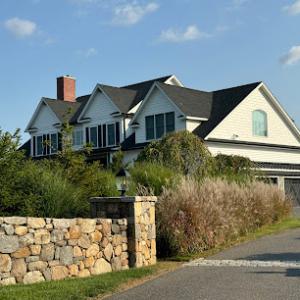
Xpert Roofing Pro
(475) 750-0330 www.xpertroofingpro.com
51 Sugar Hollow Rd UNIT 101, Danbury, Connecticut
5.0 from 85 reviews
Xpert Roofing has been helping homeowners and businesses with roofing, gutters, and siding since 2009. We are based in Danbury, CT, and work hard to give you the best service and quality. Whether you need a new roof, a repair, or gutter work, our skilled team is here to help. We are fully licensed, insured, and always make sure the job is done right. At Xpert Roofing Pro, we care about keeping your home safe and looking great.
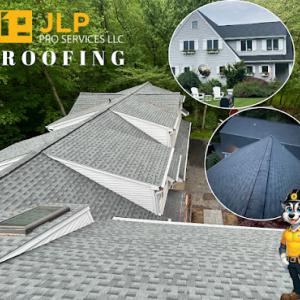
JLP Pro Services
(475) 252-5002 jlpproservices.com
40 Newtown Rd, Danbury, Connecticut
5.0 from 63 reviews
Welcome to JLP Pro Services, Connecticut's go-to roofing company! With expertise in roofing, siding, and gutters, we redefine quality and professionalism in Danbury. Your home deserves the best, and our team of expert roofers in Danbury, CT, delivers nothing short of excellence. From roofing contractor Danbury services to Danbury roofing, gutter installation in Connecticut, and siding installation, we've got you covered. Don't wait to give your home the treatment it deserves. Call us today, and let’s make your home improvement dreams a reality. Your home, our passion – JLP Pro Services.
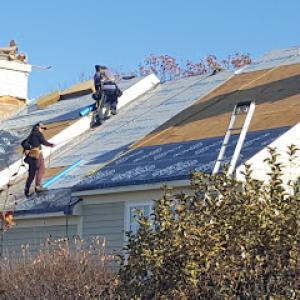
Able Roofing
(203) 746-1877 www.ableroofingct.com
178 Middle River Rd, Danbury, Connecticut
5.0 from 93 reviews
Located at 178 Middle River Rd, Danbury, CT, Able Roofing is your top-choice roofing contractor with over 25 years of experience in roof installation, roof replacement, and comprehensive roofing services. Serving Fairfield County, CT, and parts of Putnam, Westchester, and Dutchess County, NY, we ensure quality craftsmanship and integrity under the guidance of owner Chris Sanservino. Trust us to resolve all your roofing needs with our honest pricing, exceptional customer service, and same-day services. From detailed roof inspections to cutting-edge low-slope systems, discover why we're the preferred roofing company near you. Contact us at (203) 746-1877 or visit our website for a free estimate today!
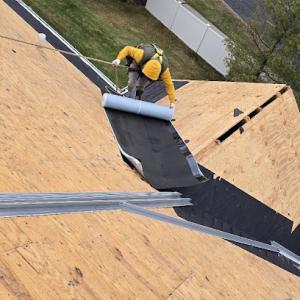
Matfi Renovations
(203) 305-3217 www.matfirenovations.com
27 Crows Nest Ln Unit #20E, Danbury, Connecticut
5.0 from 25 reviews
Matfi Renovations is a family-owned company in Connecticut specializing in roofing, siding, and home remodeling. We help homeowners restore their properties by managing the entire insurance claim process. With a high approval rate, we are a reliable and effective option. Our licensed team is committed to quality work, code compliance, and your complete satisfaction. We offer free inspections and serve Fairfield, New Haven, and Litchfield counties. Trust Matfi Renovations to protect your home with honesty, experience, and proven results. Give us a call!
HAB Roofing
(475) 256-2291 www.hab-roofingllc.com
7 Harmony St #1, Danbury, Connecticut
5.0 from 21 reviews
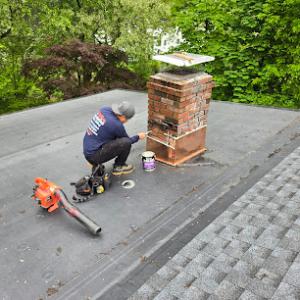
Contact HAB Roofing for all your roofing needs. We are serving the greater Danbury area and beyond, up to a 75 mile radius in Connecticut and NY State. We also handle all types of exterior renovations such as siding, windows, doors, and more. With over 12 years of experience our professional staff will evaluate your needs, provide a fair estimate, and get the job done right the first time!
CY & Son Contracting
(845) 576-9839 www.cysoncontractingincny.com
Danbury, Connecticut
4.8 from 39 reviews
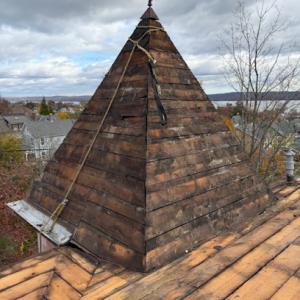
Since 2000, CY & Son Contracting has provided New York with top-tier roofing and home improvement services. As a licensed and insured company, they offer dependable solutions and exceptional craftsmanship for every project. The team's professionalism and attention to detail have earned them a reputation as a leading choice for all your roofing needs, ensuring quality results that stand the test of time.
Tactical Construction Services
(800) 816-4501 tacticalconstructionsvcs.com
46 Federal Rd, Danbury, Connecticut
4.9 from 29 reviews
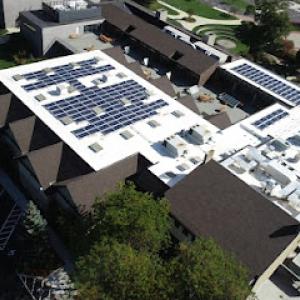
Tactical Construction Services, LLC., was established in 2017 by Pablo Jimenez. The full-service construction company specializes in roofing and siding for both commercial and residential clients throughout the state of Connecticut. Jimenez maintains a sales and labor team comprised of skilled, knowledgeable, and reliable employees with a combined 30-40 years of industry experience. He’s proud to be changing the face of the industry by employing a larger female workforce to take on both sales and labor roles within the company. Whether the job is big or small, Jimenez treats every home or business as his own. Hands-on, he oversees all projects, working one-on-one with clients from beginning to end and provides quality.
Isa Construction
(203) 278-2217 isaconstructionllc.com
55 Myrtle Ave, Danbury, Connecticut
5.0 from 13 reviews
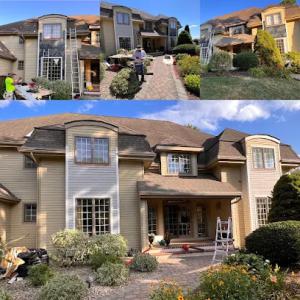
Isa Construction is a premier roofing company, specializing in top-quality residential and commercial roofing services. With extensive experience in the industry, we are dedicated to providing reliable, efficient, and durable roofing solutions tailored to meet the unique needs of our clients. Our team of skilled professionals is committed to excellence, ensuring every project is completed with the highest standards of craftsmanship and safety. Whether you need a new roof installation, repair, or maintenance, Isa Construction is your trusted partner for all your roofing needs. Contact us today to ensure your property is protected with the best roofing services available!
Connecticut Commercial
(475) 271-8523 connecticutcommercialroofing.net
51 Sugar Hollow Rd UNIT 10, Danbury, Connecticut
5.0 from 11 reviews
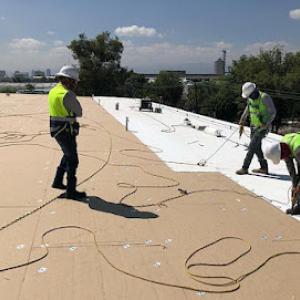
Connecticut Commercial Roofing is your trusted source for top-tier commercial and industrial roofing solutions across the state of Connecticut. With years of hands-on experience, we specialize in delivering strong, reliable, and long-lasting roofing systems tailored to meet the unique needs of your business or industrial facility. Our certified roofing experts use cutting-edge technology and follow industry-leading best practices to ensure every project is completed efficiently, on time, and to the highest standard. From new roof installations and repairs to routine maintenance and full roof replacements, we are committed to excellence keeping your operations running without interruption and safeguarding your commercial roof investment.
A&C Roofing & Restoration
8 Mallory St APT 2, Danbury, Connecticut
4.8 from 17 reviews
At A&C Roofing , we’ve been providing excellent roofing and siding roofing contractor Danbury, Connecticut for over 8 years. Experience, confidence, trust, and a proven record of success are the cornerstones that form the foundation of A&C Roofing. Our company focuses on building relationships, not just roofs. We are an integral part of the Danbury community. The hallmarks of our brand are distinctive designs, the use of quality materials, and experienced craftsmanship. The team of talented professionals at A&C Roofing offer their expertise, along with the latest roofing and siding products to make every project amazing. When you choose to work with A&C Roofing, you can have complete confidence that you have entered into a partnership

Roofing y Siding Services in Connecticut
(808) 480-4869 www.roofingysiding.com
20 West St, Danbury, Connecticut
5.0 from 9 reviews
ROOFING AND SIDING is a business owned by SKY GUARD COMPANY a roofing and siding company in Connecticut. We offer high-quality services to guarantee the satisfaction of our clients and exceed their expectations. Our commitment to workplace safety, customer service, quality of work, environmental responsibility, and business ethics distinguish us as a reliable and professional company in the roofing and siding industry.
New Roofing & Siding
(203) 312-3249 newroofingandsiding.com
Danbury, Connecticut
5.0 from 6 reviews
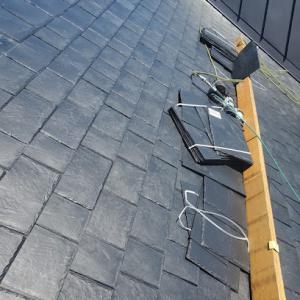
For more than 12 years, residents and business owners in Danbury, CT have trusted New Roofing & Siding to upgrade their properties. Roofing and siding are important features for any building, and our team wants to ensure you have the highest-quality structure possible. Our siding and roofing company is fully licensed and insured, providing exceptional service for every client. Whether you want to install a new roof or replace damaged siding, our team can handle it.
In Danbury, you start with local material ranges per square. Asphalt shingles typically run about 400 to 700 USD per square, metal about 600 to 1100, clay tile 900 to 1600, concrete tile 850 to 1500, wood shingles or shakes 600 to 1100, and slate 1200 to 2600. Those numbers reflect the typical Downeast hills and steep pitches found on many Danbury-area homes, and they anchor the budgeting process as you compare bids. Expect the higher end of the range when the roof is older and the supplier must bring in specialty components or handle complex framing.
Homes on Danbury's hills commonly feature steep rooflines, dormers, and multiple valleys. Each of these design elements adds labor and material considerations that push costs upward. Steep sections demand extra safety gear, specialized scaffolding, and slower progress, while dormers and intersecting ridgelines increase cutting, flashing work, and the chance of needing additional underlayment or roof-to-wall detailing. If a reroof includes rebuilding chimney flashing or skylight detailing, prices trend toward the upper portions of the per-square ranges, even if the surface area is modest. Plan for a tighter bid window if the project must coordinate multiple trades or weather windows.
Pricing in the region can move upward after strong storm periods when quick-response leak repair crews and full reroof teams are in high demand across western Connecticut. Danbury's freeze-thaw cycles add urgency for timely leak prevention, especially after late-wall condensation events or summer thunderstorms that expose vulnerable flashings. If a storm recovery cycle coincides with your project, be prepared for shorter notice bids and potential material surcharges. Weather-driven scheduling may also extend project timelines, subtly affecting final costs through labor front-loading or temporary protective measures.
Start with your home's roof type and measure the square footage covered by each material category. Compare bids that clearly separate material costs from labor, and verify who covers removal, disposal, and flashing replacement. For steep or intricate roofs, request a breakdown of additional charges for scaffolding, safety systems, and extra flashing around chimneys and skylights. In Danbury, a thoughtful bid will account for local climate stresses, ensuring the chosen material, underlayment, and fastening method deliver long-term resilience against freeze-thaw damage and storm-driven leaks.
Don't let upfront costs delay a critical repair - these contractors offer payment plans to fit your budget.
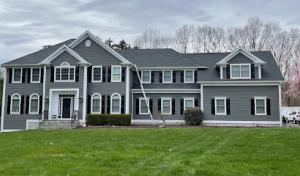
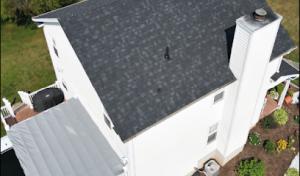

Most full reroofs in this area require a permit handled through the City of Danbury Building Department. Before any shingle, metal, or tile work begins, you'll want to confirm your project qualifies for a permit and which specific forms are needed. The process is designed to ensure the work meets local codes for freeze-thaw durability, proper flashing at valleys and eaves, and roof ventilation-critical factors on a steep residential roof in a climate with harsh winters. If the project involves venting changes, skylights, or structural alterations, the permit inquiry should cover those elements as well.
Typically, the contractor takes the lead on submitting the permit application. Expect the package to include a detailed project scope, property address, and contractor license information. The scope should clearly describe the roofing material type, underlayment, and any ancillary work such as chimney flashing or gutter integration. For houses with steep pitches common in the area, the plan should indicate temporary protection measures for gutters, siding, and landscaping during the install. Take time to verify the contact person at the contractor's office who handles the permit submission and any updates from the Building Department.
Inspections are a two-step reality: one during the build and one after completion. In practice, that means there are at least two touchpoints where city staff will review the work for code compliance and safety. The contractor often schedules these inspections, but the property owner must confirm who is responsible for calling in each inspection and when. Ask for a written schedule that lists the dates or time windows for framing, underlayment, final roof installation, and the final inspection. For a steep roof subjected to freeze-thaw cycles, it helps to align the final inspection soon after completion to verify proper drainage, flashing, and ventilation are in place before winter sets in.
Have a copy of the permit, the project scope, and a current contractor license on site during every inspection. If any amendments were made after the permit was issued (for example, a change to the roofing system or underlayment), ensure updated documentation accompanies the inspection request. Keep notes on who to contact in the contractor's office for rescheduling or addressing any deficiency cited by the inspector. Clear communication with the Building Department helps prevent delays, especially when weather windows or material deliveries crowd the schedule.
Know that permit compliance isn't just bureaucratic redundancy-it protects the roof's performance against storm-driven leaks and wind uplift in a four-season climate. If it's your first reroof under four seasons in a hilly neighborhood, consider requesting a pre-inspection consult through the contractor to review critical points like flashing around chimneys and vents, edge metal, and proper insulation of the roof deck.
Storm-driven leaks often arrive after the weather swings, so timely record-keeping matters. A steep residential roof on older colonials and capes can hide damage until a thaw or a late-winter wind event reveals itself. When you notice any interior staining, attic moisture, or exterior streaks, document them right away. Take dated photos of attic rafters, insulation, and any brown or black stains. Keep a simple log of dates when leaks appear or worsen, and note specific weather conditions that preceded the issue. This is the kind of trail insurers expect to see to connect damage to a real event rather than a routine wear point.
In Connecticut, roof claims are commonly tied to wind, snow, and hail, so the paperwork should clearly map how those elements interacted with the roof. Expect requests for the roof's age and the material type, plus a concise repair history. Insurers may also want contractor estimates and dated photos before approving standard reroofing work. If there were prior repairs, list what was done, by whom, and when. Having a clear, organized chronology helps prevent back-and-forth delays during windy springs or wet early summers when storms return.
After a winter or spring storm, look for moisture in the attic and any sagging look along eaves or ridge lines. Exterior damage such as missing shingles, granule loss, or dented metal flashing should be photographed from multiple angles, with a date stamp where possible. Note any debris or tree limb contact near the roof line. If interior staining appears later, photograph the affected ceiling area and track how it progresses with subsequent storms. This proactive documentation helps you and your claim navigate the inevitable questions that follow a Danbury-seasonal shakeup.
Connect with contractors who help homeowners navigate the claims process from damage assessment to final approval.
Xpert Roofing Pro
(475) 750-0330 www.xpertroofingpro.com
51 Sugar Hollow Rd UNIT 101, Danbury, Connecticut
5.0 from 85 reviews
JLP Pro Services
(475) 252-5002 jlpproservices.com
40 Newtown Rd, Danbury, Connecticut
5.0 from 63 reviews
Matfi Renovations
(203) 305-3217 www.matfirenovations.com
27 Crows Nest Ln Unit #20E, Danbury, Connecticut
5.0 from 25 reviews
In Danbury's hilly neighborhoods, crews that have done reroofing on occupied homes understand tight yards, limited driveways, and the need to protect landscaping during tear-off. Look for evidence of previous projects where families lived in the house during the job, not just new construction sites. A crew that can coordinate staging to avoid blocking a driveway or yard with debris earns trust quickly.
Danbury's contractor market strongly signals demand for reroofing rather than only new construction, so homeowners should compare crews based on replacement experience on occupied homes. Ask for a short list of completed reroofs on houses similar in age and roofline to yours. Check references and visit at least one finished job if possible. Community reputation matters in this town, where neighborhood word-of-mouth is common.
Cleanup is a major local hiring priority, which matters on tighter suburban lots and driveways where tear-off debris, nails, and landscaping protection affect the homeowner experience. Confirm that crews use magnetic nail sweepers, bring tarps, and lay down plywood or boards to protect fragile areas. A clear plan for waste containment, daily cleanup, and weather downtime helps prevent surprises after the crew leaves for the day.
Quick response, family-owned firms, and long-established companies are common in Danbury, reflecting a market where homeowners hire for leak response speed and neighborhood reputation. When a leak strikes, you want a crew that can prioritize your roof and return calls promptly. Ask how they manage emergency calls and what their typical turnaround looks like during storm months.
In this climate, the best time for a clean roof swap often hinges on forecasted freeze-thaw cycles and spring storms. A Danbury crew with a proactive schedule will set weather windows, secure materials indoors when possible, and stage tarps for quick coverage during a sudden shower. Choose a team that communicates a plan for delays and keeps you informed clearly.