
Last updated: Apr 19, 2026
Storm-driven roof damage in this area comes fast and often repeats. Nor'easters, summer thunderstorms, and remnants of tropical systems push wind and hail across a barrier-island-adjacent coastline, leaving shingles peeled back, flashing lifted, and leaks that show up as staining inside within hours. The risk is not just a patch job; a single event can expose structural decking and sheathing to moisture, inviting rot if not addressed promptly. After a major blow, expect emergency tarping crews to appear quickly and a crush of re-roof demand as neighbors scramble to protect homes and interiors. That surge can translate into tight scheduling windows and crowded contractor calendars for days or weeks, so preparation and speed matter.
Insurers scrutinize wind and hail claims closely here. Before you authorize temporary repairs, collect solid evidence. Take date-stamped photos of every vulnerable area-shingles lifted at edges, damaged flashing around chimneys and vents, broken or missing vent boots, and any interior staining or water spots on ceilings and walls. Photograph the attic and underside of the roof deck if accessible, showing how widespread the damage appears from above and below. Keep a written log noting when each issue was observed and by whom. If you can, gather a quick neighborhood snapshot of the storm event itself: wind direction, prevailing gusts, and the time of day. This documentation helps prove the claim timeline and the damage scope, reducing back-and-forth with the insurer and supporting a faster decision about replacement versus repair. Do not begin permanent repairs until you have a clear claim path or written guidance from your insurer; temporary tarping can be appropriate, but the record you build beforehand is the critical foundation for recovery.
Because wind-driven damage and leak events spike after coastal weather, expect scheduling pressure to tighten almost immediately after a regional storm. If you're facing urgent leak symptoms, prioritize securing a reputable local contractor with storm-response experience and a track record in Ocean County weather patterns. Communicate clearly with your insurer about the storm date, the nature of the damage, and your documentation plan. Ask for an assigned adjuster visit window and keep that appointment consistently; delays can complicate coverage if the damage evolves with subsequent weather while waiting. When arranging temporary protection, choose materials and methods that minimize further water intrusion and avoid creating additional damage to hidden components. After the storm season passes, revisit the roof with a detailed re-roof plan: confirm the extent of replacement needed, select durable materials suited to coastal conditions, and align the timeline with the next favorable weather window to avoid repeated exposure during installation. Stay proactive, stay organized, and communicate promptly to navigate Brick's storm-driven insurance process with the least disruption to your home.
Find local contractors experienced in assessing and restoring roofs after hail, wind, and severe weather events.
Right Service Roof Repair & Roofers
(848) 346-2527 rightserviceroofrepairandroofers.com
Serving
5.0 from 31 reviews
Neighborhood Roofing Howell Township
(732) 820-5627 neighborhoodroofingllc.com
Serving
5.0 from 30 reviews

Ralphs Construction Company
(732) 475-3424 ralphsconstructioncompany.com
Serving
5.0 from 16 reviews
Ralph's Construction Company is your top choice for full-service construction in New Jersey, specializing in residential and commercial remodeling. Our skilled team handles roof replacements, siding, kitchen and bathroom renovations, electrical work, plumbing installations, and basement finishing. We aim to bring your vision to life with exceptional craftsmanship, timely service, and fair pricing. As a trusted general contractor, we ensure every project is completed with quality materials and attention to detail, guaranteeing customer satisfaction. Contact us for a free consultation and discover why we are highly rated in New Jersey!
Pyramid Roofing & Renovations
(732) 840-6888 pyramidrenovations.com
Serving
5.0 from 75 reviews
Licensed bonded & Insured NJ lic # 13V06828900 30yrs in the ROOFING & SIDING business! Don't be fooled by "NEW" Roofing contractors coming to the market in the past few years who wont be around for long! Pyramid Renovations has been tried & true for decades serving Ocean & Monmouth Counties One stop shop, for all your Exterior Renovation needs! Roofing, Siding, Windows, Doors, Decks, custom Carpentry, Landscaping, Hardscapes, Man & Machine for hire.
Roof Plus
Serving
5.0 from 161 reviews
At Roof Plus, our goal is to make exterior building renovations easy for homeowners, business owners, and home associations in Ocean and Monmouth County NJ. As a family-owned business we have been setting the standard for quality roofing for decades. We’re dedicated to honesty, dependability, and delivering quality results. Our services include roof replacements, roof repairs, roof cleanings, siding services, skylights, gutters, and window installations. We use industry-leading materials and ensure our installers are highly trained and certified to exceed your expectations. With 24/7 live phone support, great communication is guaranteed. Contact Roof Plus today for your roof analysis and experience the difference!
Green Apple Roofing Brick
(732) 564-4099 greenappleroofing.com
Serving
4.9 from 45 reviews
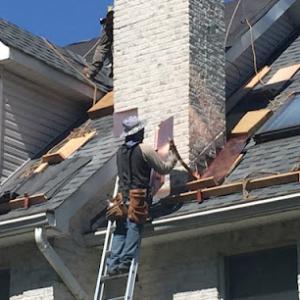
Green Apple Roofing Brick is a premier commercial and residential roofing company located in Brick, NJ. We offer a wide variety of roofing services to meet all of your roofing needs. We have dozens of options for Energy Star rated tile, flat, shingle, rubber, asphalt, and metal Roofing products to keep your roof and home cool. A Green Apple roof can save you money on energy by reflecting the sun away from your roof and home. We also offer competitively priced shingle, flat and tile roof repair services and roof maintenance. We offer competitive pricing, outstanding customer service, and strive to exceed your every expectation!

Superior Lakewood Roofing Services
(848) 285-1245 superiorlakewoodroofingservices.com
Serving
5.0 from 33 reviews
About Superior Lakewood Roofing With years of experience serving Brick Township and surrounding areas, Superior Lakewood Roofing Services is your trusted partner for all roofing needs. We pride ourselves on quality workmanship, exceptional customer service, and competitive pricing. Our team of certified professionals is available 24/7 to handle any roofing emergency or scheduled service. We use only the highest quality materials and the latest techniques to ensure your roof stands the test of time.
NJ Metal Roofing Company
(732) 998-5531 nj-metal-roofing.com
Serving
5.0 from 3 reviews
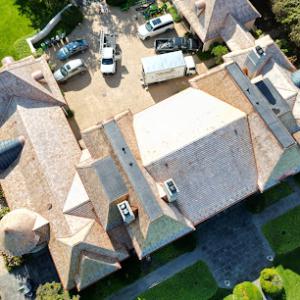
NJ Metal Roofing is a full service metal roofing contractor handling both residential & commercial projects, large and small. Whether you need simple roof repair, solar panel installation, or complete roof replacement, we are the company for you. We are fully insured and licensed, and are certified to install metal roofs. We serve the state of New Jersey.
Right Service Roof Repair & Roofers
(848) 346-2527 rightserviceroofrepairandroofers.com
Serving
5.0 from 31 reviews
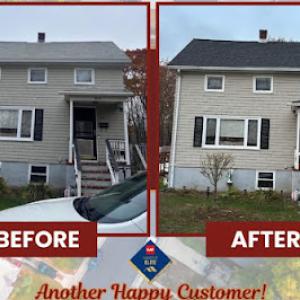
Right Service Roof Repair and Roofers is a family-owned company in Toms River known for delivering awesome roof repair services with over 25 years of experience. Our licensed team specializes in roof leak repair, shingle replacement, flashing repair, roof inspections, and storm damage restoration. We use high-quality products to ensure lasting results and offer fair prices with honest estimates. Our dedicated owner and crew focus on excellent customer care, teamwork, and reliable same-day emergency roof repair. Trust us for expert roof maintenance and roof replacement across toms River.
eMgee Contracting
Serving
4.8 from 29 reviews
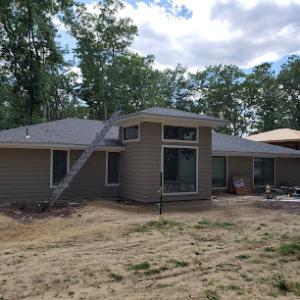
We are an exterior home contractor With over fifteen years of experience Attention to detail and here to help our customers make an informed decision thats right for them it's that simple!
Wayne’s Roofing
(732) 847-6201 waynesroofingco.com
Serving
5.0 from 304 reviews
Wayne’s Roofing your trusted local roofing contractor serving Ocean and Monmouth Counties, including Toms River, Lakewood, Jackson, Howell, and Manchester, NJ. We specialize in roof replacement, roof repair, shingle and flat roofs, leak detection, vinyl siding, seamless gutter installation, and gutter cleaning. Our team delivers fast turnaround, honest service, and affordable roof financing—so you can protect your home without the stress. Wayne’s Roofing Please Call, WhatsApp, or text us today at (732) 847-6201 for a free estimate! Include: • Address • Service needed • Email • Photos (if possible)
Toms River Roofer | LGC Roofing
Serving
4.8 from 21 reviews
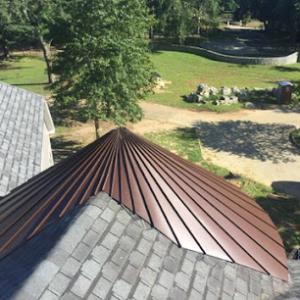
We are a family owned, Toms River NJ based full service roofing contractor company handling both residential & commercial roof projects, large and small. Whether you need simple roof repair or complete roof replacement, we are your top quality Toms River NJ roofer. We are fully insured and licensed to do roofing and siding work in New Jersey. We are certified to install variety of roofs from shingle to slate from pitched to flat roofs
Epic Exteriors Roofing
(609) 342-9829 www.epicexteriorsnj.com
Serving
5.0 from 29 reviews
Epic Exteriors Roofing is a Residential/Commerical roofing contractor, certified by the roofing product manufacturer, GAF, and offering up to 100% project financing to those who qualify. We are located out of Chatsworth, NJ, although we primarily service Ocean, Monmouth, and Burlington County. No job is to big, or to small. We take pride in what we do, and that is leaving you with peace of mind, from the start, to after a complete roof replacement. Give us a call today to schedule your free, no-obligation, roof inspection and estimate!
J&M Elite Contractors
(609) 770-1603 www.jmelitecontractors.com
Serving
4.9 from 49 reviews
J&M Elite Contractors is a trusted family-owned roofing company serving Toms River, Brick, Lakewood, Manchester, and all of Ocean County, NJ. Specializing in roof replacement, roof repair, emergency storm damage repair, siding installation, gutter services, and window replacement across South Jersey. With over 30 years of experience, our licensed and fully insured team delivers elite customer service for residential and commercial projects. We serve Atlantic, Ocean, Gloucester, Cumberland, and Cape May Counties. From urgent roof repairs to complete replacements, our expert roofers provide fast, reliable service. Call today for your free roofing estimate!
Brick experiences cold winters with snow and ice, hot humid summers, and seasonal storms, creating a roof aging pattern driven by both freeze-thaw stress and summer heat exposure. Materials crack and seam over time when exposed to repeated thaw cycles, while heat accelerates granule loss and glaze deterioration on asphalt or expands metal panels. In Brick, roofs endure a longer cycle of moisture infiltration potential during spring thaws and summer humidity, which can loosen roofing components and invite costly micro-damage if not addressed promptly.
Winter ice damming is a real concern, especially on older homes where attic ventilation and insulation are uneven, leading to eave leaks after snow events. When warm attic air melts bottom-edge snow, the water refreezes at the eaves, backing up under shingles and into soffits or ceilings. In practice, this means older roofs with inconsistent insulation or under-insulated attic access will show more frequent signs of staining, ceiling bulges, or tile or shingle edge lift after heavy snowfalls. A practical check is to inspect attic hatches and insulation thickness before the first freeze. If you notice heat leaks around penetrations or sump-like condensation, upgrades to insulation, air sealing, and venting pathways can significantly slow dam formation and extend roof life.
Hot, humid summers push roofing materials to expand and contract, stressing fasteners, seals, and valley intersections. In Brick's climate, you may notice popping noises or loose shingles after mid-summer heat spikes followed by cool nights. Over time, repeated thermal cycling contributes to granule loss on asphalt and loosened seam joints on metal or synthetic membranes. For clay or concrete tiles, heat can accelerate aging if underlayment or bedding compounds lose flexibility, causing cracks or movement during heavy summer storms. Expect broader wear patterns on southern and exposed slopes, where sun exposure is highest and wind-driven spray from storms intensifies moisture intrusion.
Leaf buildup in fall can be a localized issue in Brick's established neighborhoods, where clogged valleys and gutters can trap moisture before winter freeze cycles. Accumulated debris blocks drainage, creating standing water that seeps into fastener heads or underlayment edges. When frost hits these damp zones, micro-cracking and edge delamination can occur sooner than on cleared roofs. Regular fall clearing of gutters and valley intersections reduces moisture retention and lessens the risk of early-age deterioration from freeze-thaw cycles.
Different materials age in distinct ways under Brick conditions. Asphalt shingles show surface granule loss and edge curling with freeze-thaw and sun exposure. Metal roofs may develop oxidization or panel seam fatigue after multiple cycles of heat stress and salt-influenced coastal air. Tile roofs, whether clay or concrete, face cracked battens or broken patches if fasteners loosen from thermal movement. Wood shingles or shakes are particularly vulnerable to moisture retention and insect activity in humidity-rich summers, while synthetic or composite shingles resist moisture well but can fade and lose flexibility over time.
A proactive maintenance cadence centers on seasonal checks. In late fall, prune overhanging limbs and clear leaf debris from gutters and valleys to prevent moisture retention. After winter, inspect for ice dam damage, focusing on eaves and fascia lines; address any signs of water intrusion promptly to prevent deeper rot. In spring, reassess attic insulation and ventilation effectiveness, tightening any air leaks around penetrations. A yearly roof inspection-ideally after the peak storm season-helps catch early signs of aging tied to Brick's coastal weather swings and keeps the roof performing through the next cycle.
Asphalt shingles dominate in Brick because they fit the township's large stock of detached suburban homes and keep replacement costs lower in a market where affordability is a major hiring factor. The typical Brick roof line often prioritizes straightforward installation, reliable performance, and a balance between wind resistance and curb appeal. When choosing asphalt, consider a composition that includes heavier granules and a reinforced bottom edge to better withstand Nor'easter winds that sweep across the bay and river humidity. A solid shingle with good sealant tabs helps deter wind uplift, which matters after coastal storms. Maintenance is practical: keep the valleys clear of debris, inspect flashing around chimneys and vents after storms, and watch for algae or moss in shaded portions of the roof. In this market, asphalt provides predictable, dependable performance that aligns with long-term homeowner needs without overstraining the budget.
Metal roofing is relevant in Brick not as a niche luxury but as a practical upgrade for homeowners prioritizing wind resistance and longer service life in a coastal-weather market. Metal panels or shingles can shed wind more efficiently and resist impacts from hail or heavy rain, which are not uncommon after coastal weather swings. If choosing metal, pay attention to panel seams, edge detailing, and the quality of the underlayment. A standing-seam system tends to perform well in exposed coastal conditions, with fewer penetrations and strong resistance to wind-driven moisture. Consider the weight load on the existing structure and ensure proper attic ventilation to prevent condensation issues in winter. Metal also performs well in heat and sun, which helps during humid Brick summers. Regular inspection after storms is wise, as salt spray and coastal exposure can accelerate panel corrosion on some alloys; choosing the right coating and color can help manage both longevity and energy performance.
Tile, wood shake, and synthetic products appear in smaller pockets of the market, but their suitability in Brick depends heavily on structural load, maintenance tolerance, and exposure to wind and winter moisture. Clay or concrete tiles offer robust weather resistance in certain roof footprints, but their weight requires a strong existing structure and careful assessment of foundation load. Wood shakes provide a distinctive look and good insulation, yet they demand vigilant maintenance to prevent moisture-related rot and insect intrusion, especially in damp Bay-area climates. Synthetic shingles mimic the appearance of tile or shake while offering lighter weight and improved resistance to moisture and mildew, but performance still depends on the climate-driven challenges Brick faces. If selecting these materials, ensure a thorough evaluation of the roof's structure, attic ventilation, and the roof's drainage plan to avoid wind-driven moisture infiltration and snow-related stress during winter months. These options shine when a homeowner seeks a specific aesthetic or enhanced curb appeal but require ongoing maintenance discipline and careful system matching to the coastal exposure.
In this market, a roof system should harmonize with Brick's coastal weather swings: strong wind performance, good moisture handling, and a structure that can support the chosen material. Asphalt remains a reliable, balanced choice for most homes, especially for replacing or updating an existing roof without changing the footprint. For homeowners prioritizing wind resistance and durability, metal roofing offers meaningful advantages with careful installation. Tile, wood shake, and synthetic options can work, but require careful evaluation of load, maintenance tolerance, and exposure to winter moisture. A well-chosen roof in this area should align with the home's architecture, the local climate cycle, and the long-term goal of keeping interior spaces dry and secure.
Explore specialists in steel, aluminum, and standing seam metal roofs built to last 50 years or more.
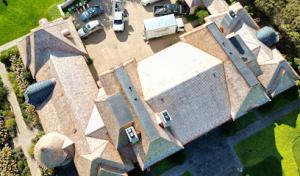
When a nor'easter or summer coastal storm hits, Brick sees a spike in re-roof demand that tightens labor and stretches material availability. Local pricing ranges run about $350 to $700 per square for asphalt shingles, $800 to $1400 for metal, $1100 to $1900 for clay tile, $900 to $1500 for concrete tile, $650 to $1100 for wood shingles or shakes, and $750 to $1300 for synthetic or composite shingles. Those brackets reflect typical projects after storm-driven damage, not premiums for initial installations.
In the weeks after a coastal storm, crews and crews' suppliers can vanish from the market quickly. Emergency repairs crowd the schedule, and full replacements may be necessary when roofs sustain widespread damage. Expect longer lead times for materials and a noticeable bump in crew availability windows. If a storm hits during peak season, a homeowner may face bid deltas across contractors who are vying for the same crews. Budget for at least a 10-20 percent cushion over the local price ranges when storm recovery momentum is high, and be prepared for incremental costs if rapid tear-off, debris disposal, or roof penetrations (vents, chimneys, skylights) complicate the job.
Tear-off work tends to be more involved on older Brick houses. Multiple roof penetrations, chimneys, skylights, or prior patch layers add inspection time and labor. Each additional layer or penetration can push the job from a straightforward swap to a staged process-especially if careful resealing of flashing and drum-lining is needed to withstand nearby damp humidity and bay breezes. As a result, labor hours hinge not just on the shingle type but on the roof's internal geometry and the condition of venting and ventilation channels.
You will want to document preexisting damage and plan for possible insurance coordination, knowing that Brick's coastal climate can push replacement timelines. Keep a running list of compromised areas, and align replacement timing with anticipated weather windows that minimize the risk of new leaks during tear-off. Coordination with a local contractor who understands Brick's environmental patterns can help stabilize costs and minimize disruption during peak storm seasons.
Get a clear picture of your project costs upfront - no commitment required.

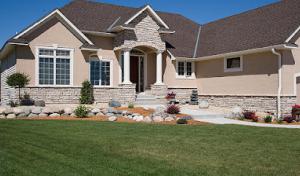
A full re-roof in Brick Township typically requires a permit through the local Building Department rather than being treated as a no-paperwork maintenance item. The township's approach reflects the coastal exposure, where a timely rebuild after a storm can impact both the structure and surrounding properties. If a contractor suggests skipping the permit, you should pause and verify with the Building Department, because doing so can lead to penalties, delays, or a future insurance-audit headache. The permit acts as a formal record of scope, materials, and workmanship, and missing it can complicate insurance documentation and resale later.
Brick's process commonly includes plan or scope review, a rough inspection after tear-off and installation work is underway, and a final inspection once the roofing job is complete. Plan review helps ensure the chosen material and drainage, venting, and ventilation details align with local codes and the home's design. The rough inspection is your early signal that the job is on track; it gives the inspector a look at the deck, roof deck protection, and fastener patterns before the new layers go on. If the plan includes a coastal venting strategy or enhanced underlayment for humidity, expect the plan to reflect that, and be prepared to adjust details if the inspector flags a gap. The final inspection confirms compliance with all permit conditions and the completed work's fit with neighborhood storm expectations. Failing the final inspection is not just a bureaucratic setback; it can delay occupancy and any post-storm insurance processing.
Processing times in Brick can vary with department workload, so homeowners trying to schedule around storm season or insurance deadlines should account for permit timing early. If a nor'easter or coastal storm window closes doors to access, the permit review and inspections may slide, creating a domino effect on tear-off schedules and material deliveries. Plan for the possibility of weather-related delays in both the plan review phase and the inspection pipeline. Coordinating with a contractor who understands Brick's timing quirks can help you avoid last-minute setbacks that stall your replacement window.
Keep a copy of the permit and approved plan on site during work, and ensure the contractor's crews are aware of inspection stages and the required access. Have a designated contact in the Building Department for expedited questions during peak storm times. If a storm is imminent, discuss temporary protective measures with your roofer to shield interior spaces while the permit work catches up in the background. The permit is part of the project's backbone; treating it seriously reduces risk when filing insurance claims and when the final certificate of occupancy lands.
Skylights show up in Brick's contractor market as a frequent leak source after nor'easters and quick coastal storms. The flashing transitions around skylights are a common failure point, especially where roof surface meets curb or flush-mounted units. In a city with high humidity and salty air, those joints can corrode or deteriorate faster than surrounding shingles. When planning a replacement or repair, expect the skylight flashing to be a primary focus during both scope reviews and claims documentation. Water intrusion often travels along the flashing seam and behind adjacent shingles, so look beyond the glass itself and inspect the flashing membrane, sealant lines, and the convergence with surrounding roof planes.
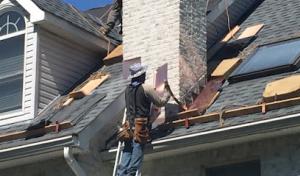
Chimneys and other masonry penetrations are a recurring concern after winter moisture and summer storms. The Brick climate subjects brick-and-mortar interfaces to freeze-thaw cycles, which can widen gaps in mortar joints and loosen flashing. When a roof is opened for repairs, inspect the base flashing where the chimney meets the roof deck, plus any sidewalls and step flashing along the chimney sides. A leak may appear far from the chimney base, following mortar lines or cap flashing into attic joints. If there is brick discoloration or staining on interior ceilings, trace it to the chimney area to verify flashing integrity and masonry condition.
Homes with multiple penetrations require closer inspection of flashing details during claims and before final scope approval. Do not evaluate the roof by surface condition alone; the more penetrations, the higher the risk of hidden leaks. In Brick, the combination of coastal humidity and storm cycles means flashing must be scrutinized at every transition-from skylight upstacks to chimney throats. Ensure that each flashing component is tied into a coherent waterproofing plan, with attention to seam integrity, counterflashing, and proper shingle-to-flashing overlaps.
Find contractors experienced in skylight installation, flashing, and leak repairs to bring natural light into your home.
Ralphs Construction Company
(732) 475-3424 ralphsconstructioncompany.com
Serving
5.0 from 16 reviews
Right Service Roof Repair & Roofers
(848) 346-2527 rightserviceroofrepairandroofers.com
Serving
5.0 from 31 reviews
In a price-sensitive market like Brick, the true value of a warranty often hinges on whether the installer follows the manufacturer's system requirements. A bid that looks cheapest can backfire if it skips essential steps, gaps in sealant sequences, or improper fastening that voids coverage. When a claim hits after a coastal storm, the insurer and the manufacturer will look for adherence to the prescribed installation method. If the installer didn't follow that method, you may face delays or a partial denial, leaving you with expensive out-of-pocket repairs.
Manufacturer-certified contractors are present, but they are not the dominant option in this area. That means you should not assume certification automatically guarantees a stronger warranty. Check the fine print to see whether enhanced warranty claims depend on a specific installation standard or system approach. A certified contractor who still deviates from the required sequence or uses non-approved fasteners can undermine the extended warranty, even if the roof performs well in the first few years. In practice, confirming the contractor's certification status and their track record with the exact product line matters more than the badge alone.
Storm repairs are common locally, and many homes carry some prior damage history from nor'easters or summer coastal blows. When a roof undergoes new replacement work on top of older damage, workmanship coverage can become complex. Confirm how the warranty covers mixed histories: does the coverage extend to the entire roof, or only the newly installed portion? Ask for a written statement that outlines whether the original workmanship issues are addressed under the current claim, and how overlapping timelines affect coverage. Clear, documented expectations can save headaches when the next coastal storm rolls in.
In neighborhoods with coastal storms, solar panels are appealing but require careful appraisal. The existing roof's age, wear from salt spray, and prior repairs influence whether mounting a system makes long-term sense. Panels add weight and can obscure shingle wear, so verify substrate integrity first and plan for potential racking that minimizes punctures at transitions. In Brick, where coastal weather swings can drive rapid moisture changes, ensure the flat of the deck and rafters are dry and solid before any install. If the roof is weathered by storms, a thorough assessment of the underlying sheathing and flashings is essential to avoid leaks around penetrations.
Flat-roof work is relevant for additions, porches, and commercial-style sections found in Brick. Drainage, edge detailing, and membrane transitions require different detailing than steep-slope roofs. Look for signs of head-of-wall movement, pooled water, or blistering where the membrane meets parapets. A local contractor should verify that flashing terms align with coastal humidity and that ballast or ballasted systems are installed without compromising wind uplift resistance. Regular drainage checks after nor'easters help prevent damage to the substrate and underlying decking.
Roof coatings should be evaluated carefully when the existing roof has endured coastal storms. Coatings can extend life for sound substrates, but a weathered deck can mask rot or delamination. Before overlays or mounted systems, test for moisture infiltration, wood decay, and prior repairs. If coating is considered on a damaged roof, expect additional repairs to expose a solid base. In this climate, coatings shine most when the substrate is solid, and the coating is paired with a proven sealant strategy.
Regular inspection after coastal events helps you catch hidden damage. If a roof is aging or weathered, prioritize structural fixes before any new coating or solar work. Choosing materials that tolerate salt spray and humidity will pay off across seasons.
Find specialists in TPO, EPDM, and built-up flat roofing systems for residential and commercial properties.
Brick sits in a damp, storm-exposed pocket where the Metedeconk River system and the barrier-island corridor push humidity and wind right up to every home. That means roof wear tends to show up as accelerated shingle granule loss, faster edge deterioration, and higher susceptibility to wind lift after nor'easters or summer coastal storms. Expect seasonal cycles of damage and a market that swings toward rapid re-roofing rather than long, leisurely replacements. The emphasis here is on resilient performance during wet springs and hurricane-season swings, with attention to joints, penetrations, and venting that can corrode quickly in salty air.
As a suburban township with broad single-family tracts, Brick experiences high-volume residential re-roofing. Contractors in the area often juggle emergency response, cleanup, and quick repairs in the wake of weather events. Homeowners should plan for a responsive crew that can mobilize soon after a storm, assess attic condensation and ventilation, and provide clear timelines for temporary protection, debris removal, and full replacement. When timeframes tighten after a nor'easter, expect communication to center on sequencing work, staging of materials, and access to power and water supply for cleanup and tarping.
Given damp air and wind-driven rain, durability and water shedding are paramount. Asphalt shingles remain a common, versatile choice in Brick's stock, but metal panels and synthetic options can offer longer life and faster installation in storm-prone periods. Heavier tile options demand structural allowance and careful anchor detailing to resist coastal gusts. In coastal pockets, confirming proper underlayment, secure fasteners, and corrosion-resistant connectors is essential to long-term performance.
When planning around weather swings, prioritize timelines that accommodate potential supply delays and on-site safety contingencies. Make sure crews perform a thorough attic and chimney-flue inspection for moisture intrusion and ensure proper drainage around the home to prevent backfill from storm runoff. Document all damaged areas with photos and keep a running log of weather events that correlate with observed wear to support any future insurance discussions.
The local contractor mix favors re-roofing, emergency response, and cleanup, so you should expect a straightforward process for site access, tarp installation, and debris containment. Look for contractors who can demonstrate a recent track record of storm-related projects, provide clear staging plans, and communicate promptly about weather-impacted scheduling. Your goal is a dependable, coordinated team that can reach you quickly after a storm and minimize downtime while protecting the home from further exposure.