
Last updated: Apr 19, 2026
Brooklyn's housing stock features stacked attached rowhouses, brownstones, and mixed-use buildings where flat or very low-slope roofs are common. The practical reality: ponding water shows up fast after a storm, and that standing water sits against edges, parapets, and penetrations long enough to threaten leaks. When the sky opens, every inch of water around drains and scuppers matters, because a slow drip becomes a cascade lurking behind parapet flashing or along masonry joints. A flat roof here isn't a simple surface you skim; it's a logistics hub where water management, drainage, and edge details drive the symptom you'll actually notice indoors.
Shared party-wall conditions on attached buildings complicate leak tracing. Water can travel along the roof edge, bounce over the top of a parapet, or ooze through a defective coping-then appear as a seepage on a neighboring side. In practice, that means you should treat every roof edge, parapet junction, and bulkhead as a potential culprit, not just the "ceiling-staining" spot inside your unit. Don't assume a leak is coming from your own field of the roof; water routinely crosses property lines via the roof edge, wall flashings, and even utility penetrations. The quickest way to misdiagnose is to chase a single spot in isolation-inspect the entire perimeter, the parapet cap, and every connection where metal and masonry meet.
Many Brooklyn roof problems reveal themselves first around roof drains, scuppers, coping, bulkheads, and masonry parapets rather than in the broad expanse of membrane or felt. A clogged drain during a storm can back up water into the curb area or along the parapet joint. Scuppers that aren't pitched or have deteriorated seals trap water at the surface edge, accelerating seepage into wall assemblies below. Coping stones that aren't properly sealed allow capillary action to pull moisture into the top course of brick or block. Bulkheads and chase penetrations present multiple opportunities for water to migrate downward, especially where flashing meets a masonry face. In this environment, routine visual checks should pay close attention to edges, corners, and transitions rather than assuming a flat surface is problem-free.
Start with a walk-around after heavy rain, focusing on gutters or drainage paths that feed the system. Look for standing water around drains, scuppers, and along the parapet line. Note any damp patches that run from edge details inward along the wall, particularly near masonry joints and coping. If the parapet flashing looks loose, cracked, or has gaps where water can intrude, mark it for treatment. For shared walls, coordinate with neighbors to inspect both sides of the line-water follows the path of least resistance, and a joint issue on one side may be silently undermining the other. When in doubt, trace the flow with a flashlight at dusk after a rain, and watch where the moisture travels along edges and joins. Quick fixes like resealing flashing, cleaning debris from drains, or reinforcing coping joints can save a lot of interior turmoil, but resist the urge to patch only the obvious stain; pursue the hidden pathways that feed the stain. In these conditions, proactive maintenance isn't luxury-it's a line of defense against persistent, year-round moisture intrusion.
Brooklyns rowhouse blocks often mix masonry parapets with aging penetrations where the roof meets brick. Those transition points are where flashing tends to fail first, and leaks can mimic a full roof failure. Start by inspecting the parapet cap and counter-flashing at the base of each brick wall. Look for cracks in mortar joints, loose coping stones, and any rust stains along the parapet edge. If evidence of movement appears, address it before chasing a leak further-intermittent weeps behind brickwork can fuel long-term rot in framing if left unchecked. When patching, use a compatible mortar mix for older brick and seal any joints that show hairline cracks. Do not assume a single culprit; multiple small failures along the parapet can combine to push water into interior ceilings.
Older chimney penetrations are common on Brooklyn rowhouses and are a frequent source of leaks that travel through brick and framing before appearing indoors. Inspect the chimney base for loose or missing mortar, rusting flashing, and deteriorated boot flashings where the chimney meets the roof deck. Pay attention to the step flashing along the chased-out sides, where brick and metal meet. If flashing is damaged or overly compressed, water will travel down the brick face and into the attic or walls even when the roof edge seems dry. At the chimney crown, look for spalling concrete or cracked mortar lines. When resealing, use a crown sealant and reflash with a continuous metal strip that overlaps the brick courses, ensuring proper toe-in into the brick and a clean, tight seal at the chimney-to-roof junction.
Skylights and rooftop hatches are common on tighter blocks where access is limited but daylight is valued. These points introduce additional flashings and curb details that must be integrated with the parapet and chimney flashing. Inspect skylight or hatch curb seams for hairline cracks, degraded sealant, or pooling water at the curb corners. The drain paths around skylights can choke with debris, especially in narrow access zones. On Brooklyn rowhouses, debris control is a constant task because adjacent walls, rear yards, and limited access routes complicate staging and cleanup. Keep the surrounding decking clear of leaves and sediment, and verify that the skylight flashing sits underneath the curb flashing rather than overlapping it in a way that creates a trap for moisture. When resealing, run a continuous bead of sealant along the curb-to-roof joint, then cover with a compatible flashing cap that directs water away from the joint.
In older homes, stains can appear far from the actual leak point-water travels through brick and framing before showing indoors. Start at the most probable entry points (parapets, chimney bases, skylight curbs) and trace moisture along visible framing to identify hidden failures. Use a moisture meter to map any damp zones in the attic or upper walls, especially near penetrations. Because blocks are tightly spaced, roof-edge work requires careful staging to avoid disturbing neighbors and to maintain debris control. Plan a careful, methodical inspection path that moves from parapet to chimney to skylight, inspecting each transition area thoroughly before moving on.
Find contractors experienced in skylight installation, flashing, and leak repairs to bring natural light into your home.
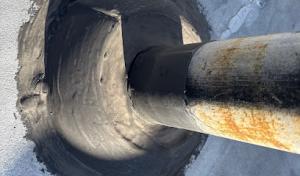
Paragon Chimney & Roofing
(646) 844-2022 www.paragonchimneyandroofing.com
312 Grand St, Brooklyn, New York
5.0 from 806 reviews
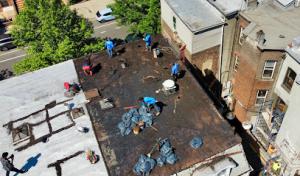
United Roofing & waterproofing
(718) 844-9192 www.unitedcontractingny.com
416 E 8th St, Brooklyn, New York
5.0 from 98 reviews
N.V. & Roman Commercial Roofing Brooklyn
(917) 440-1800 commercialroofingbrooklyn.com
12 Broome St 1b 12, Brooklyn, New York
5.0 from 97 reviews
Coastal storms pack wind-driven rain that finds its way through the tight gaps of rowhouse roofs. In Brooklyn, that rain slams against flat and low-slope surfaces, then rides up along flashing and seams with every gust. The result is accelerated wear on rooftop penetrations, joints, and edge details. When a season's worth of wind and rain pockets the same area, a handful of small leaks can become noticeable leaks quickly, especially after a strong storm or a rapid temperature swing. The takeaway: treat every drip or damp spot as a signal, not a nuisance, and prioritize prompt inspection after severe weather.
Winter weather swings are a particular test for masonry parapets and metal flashing details that are common on older buildings. Freeze-thaw cycles cause expansion and contraction that can widen cracks, loosen mortar, and bend metal. In practical terms, that means gutters can sag, flashing may separate at corners, and parapet cap detail can crack or spall. If you live in a masonry-clad brick or stucco parapet, regular attention to sealant joints and coping integrity is essential. A small crack left unaddressed becomes a larger, more expensive problem after a season of freeze-thaw.
Spring rain and gusty conditions don't just stress the roof; they complicate work logistics. Tear-offs on dense city blocks with parked cars and busy sidewalks slow to a crawl when weather shifts. Debris containment becomes harder when street activity returns, and the last thing you want is a wind-blown pile of shingles or flashing clippings around pedestrian paths or parked vehicles. Plan for containment strategies that stage debris away from sidewalks and driveways, and anticipate delays during wetter weeks.
Flat and low-slope roofs live or die by flashing quality. With each thaw-freeze cycle, thin metal details can fatigue, seam tapes can lose adhesion, and penetrations around vents or skylights can develop small gaps. On older structures, expect that some flashing pieces might already be nearing the end of their service life. The practical response is proactive inspection: run a dry daylight check along the seams after heavy rain, and if there's any trembling at joints or a visible misalignment, flag it for a targeted repair before the next storm.
A conservative maintenance mindset pays off in this climate. Track the roof's surface for pooling water, check edge details after storms, and keep an eye on masonry parapets for cracks or mortar deterioration. If a flashing detail or seam shows repeated signs of movement or leakage, plan for a targeted repair rather than a broader, more disruptive intervention. In a tight urban setting, choosing repair strategies that minimize street interference and keep debris off sidewalks is not just convenient-it's essential for safety and neighborliness.
Find local contractors experienced in assessing and restoring roofs after hail, wind, and severe weather events.
Paragon Chimney & Roofing
(646) 844-2022 www.paragonchimneyandroofing.com
312 Grand St, Brooklyn, New York
5.0 from 806 reviews
United Roofing & waterproofing
(718) 844-9192 www.unitedcontractingny.com
416 E 8th St, Brooklyn, New York
5.0 from 98 reviews
N.V. & Roman Commercial Roofing Brooklyn
(917) 440-1800 commercialroofingbrooklyn.com
12 Broome St 1b 12, Brooklyn, New York
5.0 from 97 reviews
For a Brooklyn flat or low-slope roof, the material you choose drives the bulk of the upfront cost. Use these local material ranges: Asphalt Shingles $350-$600 per square, Metal Roofing $700-$1100, Clay Tile $900-$1800, Concrete Tile $800-$1500, Slate $1200-$2500, and Fiber Cement Shingles $450-$900. In practice, many rowhouse projects lean toward lower-cost flats or lightweight metal, but every choice must balance weight, durability, and weather exposure from coastal breezes. When budgeting, assume installation labor will mirror the material spread, with metal and tile showing larger swings due to stair-stepped access and material handling in tight yards.
Brooklyn pricing is often pushed up by difficult access on attached homes, limited space for dumpsters and material staging, multi-story setups, and the labor needed to protect neighboring properties and sidewalks. The crew may need to maneuver through narrow hallways, climb tight exterior stairs, and shield sidewalks from debris and falling water. That extra logistics work translates to higher rates for both materials and labor. Expect longer timelines on projects that require temporary protection for adjacent façades, stoops, and planted zones, especially in dense blocks where street space is scarce.
Costs can also rise when older rowhouses need deck repairs, parapet or flashing rebuilds, or DOB documentation for unusual assemblies and non-standard materials. If the roof's edge details show rusted parapets, cracked counterflashing, or wood deck rot, the contractor will factor those repairs into the overall price. Uncommon or hybrid assemblies-like a non-standard vent stack, unusual monotone deck layering, or heavy tile overlays-can push costs higher due to specialized fasteners, longer installation times, and careful coordination to avoid disturbing neighboring apartments. In such cases, budgeting for extra containment and protection of sidewalks and curbside work zones is prudent, as is expecting some added coordination to keep neighboring units dry during staged roof work.
Begin with a material choice aligned to roof slope, weight constraints, and exposure. Get at least two written estimates that detail material cost, waste disposal, staging, and per-square installation rates, then ask how access will be managed during peak hours. If the roof appears to need deck or flashing work, request a separate line item for those repairs so the total reflects the true scope. Finally, prepare for contingencies tied to existing parapets or unusual assemblies that may require additional documentation or non-standard fasteners to ensure a durable finish.
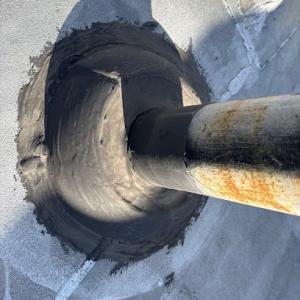
Paragon Chimney & Roofing
(646) 844-2022 www.paragonchimneyandroofing.com
312 Grand St, Brooklyn, New York
5.0 from 806 reviews
Since 1994, Paragon Chimney and Roofing has been Brooklyn’s premier choice for expert home exterior and heating solutions. With a skilled team of professionals, they specialize in a full range of services, including meticulous chimney sweeping, masonry work, and comprehensive roofing installations. Paragon is committed to delivering unparalleled craftsmanship and reliable service on every project, whether it involves a shingle, metal, or flat roof. Trust their proven expertise to enhance the safety and integrity of your home's most vital systems.
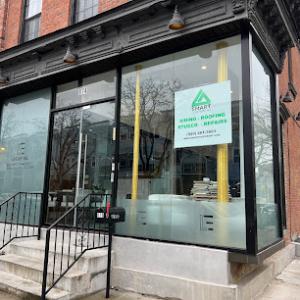
Smart Roofers NY
(929) 298-4177 smartroofersny.com
874 Hancock St, Brooklyn, New York
5.0 from 158 reviews
Smart Roofers NY is one of the most trusted roofing contractors in New York, delivering top quality roofing installation, roof repair, and roof maintenance services for both residential and commercial properties. Our licensed and experienced team ensures every roof is built to withstand New York’s toughest weather while enhancing the safety and value of your property. We proudly serve homeowners and businesses across Brooklyn, Manhattan, and Queens, providing reliable solutions tailored to your roofing needs. From small repairs to complete roof installations, we use premium materials and industry approved techniques for long lasting performance.
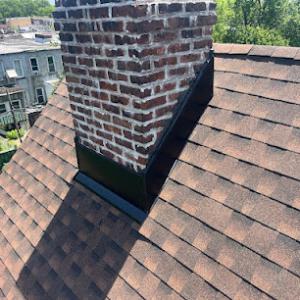
Brooklyns Best Roofing Williamsburg
brooklynsbestroofingwilliamsburg.com
239 Conselyea St, Brooklyn, New York
5.0 from 121 reviews
Brooklyns Best Roofing Williamsburg delivers exceptional roofing solutions for homes and businesses. As a trusted leader, we are dedicated to providing top-quality residential and commercial roofing services in NYC. Our commitment to excellence shines through in every project, ensuring durability and complete customer satisfaction. From expert installation to meticulous repairs and ongoing maintenance, our skilled team uses only the best materials and provides reliable craftsmanship tailored to your specific needs. Choose us for roofing projects done right, every time.
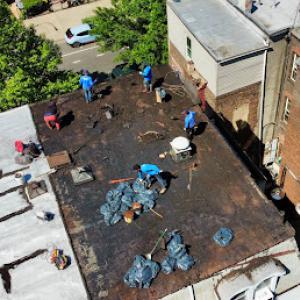
United Roofing & waterproofing
(718) 844-9192 www.unitedcontractingny.com
416 E 8th St, Brooklyn, New York
5.0 from 98 reviews
United Roofing & Waterproofing is a trusted, family-owned best roofing contractor in Brooklyn, NY. We specialize in a wide range of services, including emergency roof repair, roof replacement, and expert installation of flat, shingle, and EPDM rubber roofs. As a certified Kemper Roofing System installer, we deliver durable waterproofing solutions in Brooklyn, NY. Our skilled team also provides high-quality foundation waterproofing, siding installation, gutter repair, installation, and skylight installation and repair. From tuckpointing and brickwork to full indoor remodeling, we bring reliability to every project. Led by Abu, our company is committed to exceptional service, top materials, and the latest roofing technologies.
N.V. & Roman Commercial Roofing Brooklyn
(917) 440-1800 commercialroofingbrooklyn.com
12 Broome St 1b 12, Brooklyn, New York
5.0 from 97 reviews
Established in 1987, N.V. & Roman Commercial Roofing Brooklyn has been the premier choice for professional roofing services across New York City. As a fully licensed, insured, and bonded team of experts, they specialize in top-rated commercial roof installations and comprehensive property management solutions. Their commitment to quality and unmatched expertise ensures every project is completed to the highest standards, providing reliable and durable roofing for businesses throughout the five boroughs.
Side by Side Roofing & Siding Contractors
(718) 627-5225 sidebysidehome.com
3618 Quentin Rd, Brooklyn, New York
4.9 from 501 reviews
Throughout our history, our main goal has remained the same; to deliver quality, value and, most of all, service. This commitment means we work harder and smarter than our competition. We are at the forefront of the home improvement industry and offer our customers the latest services, technology and information available. Give us a call today and let us show you the Side by Side Roofing & Siding Contractors difference. Our aim is—and always has been—to help homeowners achieve professional-looking results from their home improvement projects. We tackle everything from roof replacements, roof repairs, custom siding solutions and gutter systems. Our work expands to new construction homes to local Brooklyn homes that are over 100 years old.
Mighty Roofing & Siding
(718) 873-1236 mightyroofingny.com
44 Court St 1217 #1004, Brooklyn, New York
5.0 from 87 reviews
Brooklyn’s Top-Rated Roofer Contractor At Mighty Roofing, we provide expert roof repairs, replacements, and installations to keep your home safe and secure. As experienced roofers in Brooklyn, we deliver top-quality craftsmanship and long-lasting results for every project, whether it’s fixing a small leak or a complete roof replacement. ✅ Fast & Reliable Roofer Services ✅ Free Estimates – No Obligation! ✅ Brooklyn’s Trusted Roofing Professionals Don’t wait for roofing issues to get worse! Contact us today for a FREE estimate and let our expert team ensure your roof is in top condition.
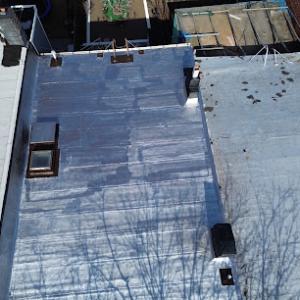
S. Elite Roofing & Construction
(718) 255-5254 www.seliteconstructionllc.com
239 S 1st St Suite 1D, Brooklyn, New York
5.0 from 69 reviews
Company providing roofing and waterproofing services.
N.V. Roofing Services
(646) 717-3737 nvroofingny.com
163 Bay 7th St #1F, Brooklyn, New York
4.9 from 124 reviews
Since 1987, N.V. Roofing Services has been the trusted name for roofing in Brooklyn. This local roofing contractor is renowned for its commitment to honesty and high-quality craftsmanship, treating every residential and commercial project with the utmost care. Specializing in expert roof repairs, replacements, and detailed inspections, the dedicated team ensures every project, from a minor leak to a complete installation, is completed with precision. Their focus on superior workmanship and client satisfaction has built a legacy of lasting relationships and exceptional results.
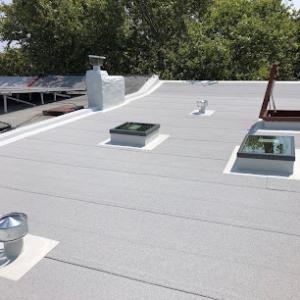
B&P Consulting
(646) 715-3223 bnpconsulting.nyc
1329 E 17th St, Brooklyn, New York
5.0 from 60 reviews
We are a family-owned and operated business. We have many years of experience with commercial flat roofs, brownstone roofs, and liquid-applied membranes. We maintain the highest customer service possible in our years of servicing homeowners, architects, and engineers in re-roofing and repairs work. Today, we are one of the top-rated small roofing contractors in the tri-state area. We stand out above the rest due to our dedication, outstanding customer service, quality, and superior craftsmanship.
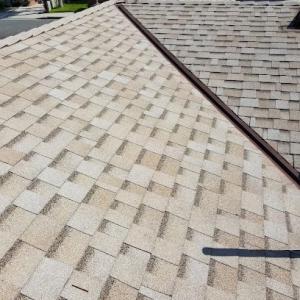
Delta Roofing
(917) 900-9440 deltaroofingnyc.com
300 Cadman Plz W 12th Floor, Brooklyn, New York
5.0 from 60 reviews
Delta Roofing - The Most Reliable Roofing Contractor in New York! With decades of experience, our roofing company commits to excellence in building and repairing residential and commercial roofs, meeting international benchmarks with precision and care. Is your roof showing signs of wear and tear? Contact Delta Roofing for a free consultation.
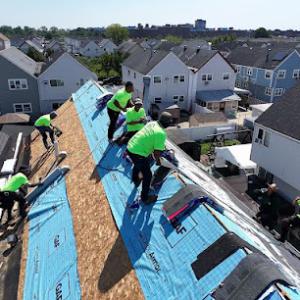
Power Roofing
(718) 600-1133 powerroofingnyc.com
1267 E 72nd St Apt 1, Brooklyn, New York
5.0 from 55 reviews
Power Roofing, Inc. is a trusted and experienced roofing company providing high-quality residential and commercial roofing services. We specialize in roof repair, roof replacement, flat roof systems, shingle roofing, roof leak repair, waterproofing, and preventative roof maintenance. Our team is committed to delivering durable solutions, excellent workmanship, and outstanding customer service on every project. With years of hands-on experience, Power Roofing, Inc. uses premium materials and proven installation techniques to ensure long-lasting protection for your property. Whether you need emergency roof leak repair, full roof replacement, or routine inspections, our licensed and insured roofing professionals handle every job
A full roof replacement in this area requires a New York City Department of Buildings permit, typically filed by the contractor or property owner. The permit process is not optional even on a tidy, straight-forward rowhouse-the city wants to see plans that comply with current code, including fire separation, drainage, and structural considerations. Your roofer should be able to submit the application and coordinate with the DOB, but you as the homeowner should understand that the permit sits like a bookend on the project: once granted, it frames what gets installed and how.
DOB inspections occur at required milestones and after completion, and backlog can affect project timing even when weather is favorable. In practice, that means you may experience a few scheduled checks that must be cleared before the next stage moves forward. It's common to see delays from the office side-especially in peak seasons or after storms when backlog grows. Plan for a realistic timeline that accounts for potential hold points at framing, waterproofing, and final occupancy or street-facing work clearance. Stay proactive by keeping furniture, gutters, and entrances unobstructed so inspectors can access the roof hatch, crawl spaces, and any fire-rated assemblies.
Brooklyn homeowners should verify that the roofer holds a current NYC license and that the proposed assembly meets local wind and fire requirements, especially when using less common materials. Flat and low-slope roofs pose unique challenges in coastal exposure, where wind-driven rain and debris can test seams and parapets. If a specialty product is proposed, ensure it carries NYC-accepted listings and that fasteners, underlayment, and flashings meet the city's wind uplift and fire code standards. For rowhouses with mixed-use occupancy, the DOB will look closely at fire separation and egress implications-confirm that any rooftop access doors, stair enclosures, or mechanical curbs align with code and do not compromise escape routes.
Start by asking for the exact DOB filing number and the permit status from your contractor. Request a copy of the approved plans and any addenda related to wind and fire compliance. Schedule pre-work site visits to review temporary protections, drainage backups, and material storage so that when inspections occur, you are prepared. If you've ever stalled at a critical milestone due to paperwork, you know the value of staying in regular contact with the contractor and, when needed, the DOB's borough office. Keep an eye on the chain of responsibility: the permit holder is accountable for ensuring that the work aligns with the approved plan and applicable NYC rules.
In this market, a well-documented roof project can be the difference between a smooth claim and a long, frustrating wait. Insurers commonly expect a clear paper trail that proves the roof's condition before damage, what was done to address the damage, and how the outcome looks after repairs. That means dated photos, organized repair records, and receipts that show the roof's status at key moments. Without this, an adjuster may push back, delay, or deny coverage for certain work, especially on aging flat or low-slope roofs found on rowhouse blocks.
Your file should start with a clean set of dated photographs taken from multiple angles-before any removal, during work, and after completion. Include close-ups of flashing, parapets, drainage paths, and any visible wear or prior patches. Collect prior repair records, including invoices or service notes, so the insurer can see a history of performance and failure points. Receipts should cover material quality, scope of work, and subcontractor notes, tying every expenditure to a specific area of the roof. A clearly labeled folder that tracks the sequence of events-pre-damage condition, damage assessment, initial repair, tear-off, installation, and final inspection-helps the adjuster follow the narrative without guesswork.
Adjusters in the NYC market may ask for detailed inspection findings when projects involve large, multi-story, or unusual roof configurations. Prepare a concise summary from the inspecting contractor or a third-party engineer that outlines the scope, targeted drainage improvements, and any nonstandard details that affect performance. If an urban project requires specialized materials or complex membrane systems, include product data sheets and installation notes that connect these choices to expected longevity and leak resistance. Thorough documentation ahead of tear-off reduces back-and-forth and can prevent surprises that stall coverage.
Lay out a clear timeline of events, from initial discovery to post-repair status, and attach contractor certifications where applicable. Keep digital copies organized by date and category, and ensure all photos carry date stamps. Clear, well-structured documentation signals to the adjuster that the project is being managed with care, reducing the chance of complications later in the claim process.
Connect with contractors who help homeowners navigate the claims process from damage assessment to final approval.
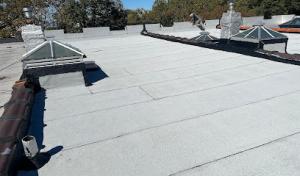
Daniel's Roofing:Best roofing contractor Queens/Brooklyn Ny
(917) 204-2906 danielsroofingnyc.com
Serving
5.0 from 78 reviews
Chavez & Sons Roofing & Construction
(551) 292-7000 chavezsonsroofingconstruction.com
Serving
4.8 from 78 reviews

Flat and low-slope roofs dominate many rowhouse blocks, with aging membranes perched over tight city lots and shared parapets. Asphalt shingles are relevant mainly on pitched sections and smaller residential applications, while many Brooklyn buildings rely more heavily on flat-roof systems than detached-house markets do. The choice of material should align with how the roof meets the street, the appearance of the façade, and the way rainwater is collected and channeled to downspouts along narrow yard runs. Flat roofs require careful detailing at transitions, penetrations, and edge curbs to prevent leaks where spray and wind-driven rain are common.
Slate, clay tile, concrete tile, and fiber cement are most relevant where Brooklyn homes have older steep-slope architectural features or historic-looking facades rather than broad flat roof fields. If you're preserving a historic look or dressing a gable-ended roof, these options offer long service lives and a traditional silhouette. The installation must respect underlying sheathing, attic venting, and the need for proper flashing at dormers, chimney abutments, and cornices. In existing historic facades, keep the profile harmonious with neighboring structures to avoid a jarring urban contrast.
Humid shaded conditions can encourage moss or algae on clay and concrete tile, while summer heat and UV are harder on asphalt surfaces and sealants. Regular inspection for algae growth, ridge vent integrity, and failure at sealants around penetrations helps you catch trouble before it migrates. Tile roofs demand careful clearance of debris in valleys and around tree overlaps; shading from neighboring buildings can exacerbate moisture retention, so ensure adequate drainage paths and clean gutters frequently.
When choosing among materials, balance longevity, drainage compatibility, and the visible character of the building. Flat roofs benefit from robust membrane systems with reliable flashing at edges and penetrations, while steep-slope segments can be evaluated for color, texture, and how well the system handles year-round weather cycles. For mixed-use blocks, compatibility with neighboring roof types and the overall streetscape can influence both performance and curb appeal.
The most popular roofing material in the US. Find pros who install, repair, and replace asphalt shingles.
United Roofing & waterproofing
(718) 844-9192 www.unitedcontractingny.com
416 E 8th St, Brooklyn, New York
5.0 from 98 reviews
Side by Side Roofing & Siding Contractors
(718) 627-5225 sidebysidehome.com
3618 Quentin Rd, Brooklyn, New York
4.9 from 501 reviews
Mighty Roofing & Siding
(718) 873-1236 mightyroofingny.com
44 Court St 1217 #1004, Brooklyn, New York
5.0 from 87 reviews
Flat and low-slope roofs on rowhouses in this area respond best to a replacement planned for spring or fall. Those seasons bring milder temperatures, more predictable drying times, and less risk of winter freeze-thaw cycles or peak summer heat stressing crews and materials. If you can avoid mid-winter work, you reduce the chance of rapid degradation from moisture exposure and salt air intrusion during stormier months. Use those shoulder seasons to line up a crew, confirm access for scaffolding, and align warranty start dates with a calm period between storms.
DOB scheduling and inspection backlog can be as important as the weather when planning a Brooklyn project. Expect lead times for permits and inspections to stretch beyond a single week, sometimes longer after storms when officials are prioritizing safety-critical work. A practical approach is to coordinate with a contractor who can pre-schedule inspections ahead of time and then lock in a start window with the city clock rolling. In dense blocks, coordinating with neighbors for equipment access and debris containment can shave days off the timetable and prevent driveway or curb blockage that slows crews.
Emergency leak work may need to be separated from the full replacement schedule when storms hit during wet or cold periods. If a sudden roof leak is actively damaging the interior, prioritize containment and temporary waterproofing to stop further damage, then slot the full replacement into a dedicated window as soon as practical. In late-season storms, temporary patches might buy enough time to avoid interior damage while you secure the longer, more intensive project during the next spring or fall run.
Begin by identifying a preferred replacement window in spring or fall and confirm with a contractor a tentative start date. Simultaneously, assess access needs, neighbor coordination, and material lead times. Contact the contractor to begin the permit-related scheduling buffer and align inspection dates. If an active leak exists, assign a separate, provisional plan for immediate mitigation while the main replacement is scheduled in the calmer window. Maintain flexibility for weather delays, keeping the choice of start date contingent on a forecast of at least several dry days in a row.
Get a clear picture of your project costs upfront - no commitment required.
Mighty Roofing & Siding
(718) 873-1236 mightyroofingny.com
44 Court St 1217 #1004, Brooklyn, New York
5.0 from 87 reviews
Power Roofing
(718) 600-1133 powerroofingnyc.com
1267 E 72nd St Apt 1, Brooklyn, New York
5.0 from 55 reviews
Williamsburg Roofing
(718) 690-7084 www.williamsburgroofingny.com
366 Grand St, Brooklyn, New York
5.0 from 55 reviews