
Last updated: Apr 19, 2026
Niagara Falls sits in western New York's lake-effect snow zone, so roofs here face repeated snow accumulation events rather than just occasional winter storms. That pattern pushes more snow to linger on the roof longer, and when sun or a warm spell arrives, meltwater must travel toward the eaves. If the ice dam forms, meltwater backs up under shingles and leaks into the attic and ceilings. The risk multiplies for roofs with shallow slopes or older underlayments, where a single heavy melt-and-freeze cycle can create structural moisture problems and interior staining before a homeowner even notices.
Freeze-thaw cycling is a defining local roof stressor, with meltwater refreezing at eaves and around gutters, increasing the risk of ice damming and interior leaks. In practical terms, every thaw-and-freeze pattern during midwinter can create multi-layered ice near the lower edge of the roof. That ice blocks drainage, lifts shingles, and breaks sealant over time. The result is not just a stain on a ceiling but hidden moisture that travels through decking, into wall cavities, and around attic penetrations. Ignoring these cycles invites recurring damage that compounds with each season.
Attic ventilation and insulation details matter more in Niagara Falls because winter heat loss combines with prolonged snow cover to accelerate shingle edge damage and decking moisture problems. If the attic is poorly vented, warm indoor air rises and meets the cold roof deck, adding to the thawing of snow from above while keeping the roof edge warmer. That creates more frequent melt and refreeze at the eaves, which drives ice dam growth. Insulation that is too thin or uneven lets heat leak to the roof edges, expanding the window for ice dams to form and for moisture to rappel into attic spaces. In contrast, a well-insulated, properly vented attic reduces those edge temperatures and slows dam development, protecting shingles and decking from premature wear.
Practical actions you can take now start with a thorough inspection focused on the roof edge, gutters, and attic hatch areas. Look for missing or damaged shingles at the eaves, gaps around vent pipes, and signs of moisture staining on decking from past cycles. Clear gutters of ice, but avoid breaking icicles with force, which can damage fascia and support structures. Ensure soffits have unobstructed intake vents and that attic exhaust vents are not blocked by insulation. If insulation in the attic is damp or compressed near the roof line, add or redistribute it to create a uniform blanket that continues to the eaves without blocking vents.
In this climate, roof edge protection matters. Consider installing heat cables only where necessary and ensure proper spacing to avoid overheating sections of the roof. Use ice-damming barriers or underlayment at the eaves during re-roofing, and choose roofing materials with strong edge seals. For existing homes, a professional assessment can verify that the attic is adequately vented and insulated for Niagara Falls' winter regime, and identify targeted upgrades that will reduce the frequency and severity of ice damming, so you can sleep with fewer worries during the next prolonged cold snap.
Roof Wizard
5935 Prospect St, Niagara Falls, Ontario
5.0 from 84 reviews
Roof Wizard is highly experienced with all types of residential roofing projects, from small homes to large commercial structures. We handle both sloped roofing and flat roofing projects. We work closely with property managers and Strata/Multi-Family buildings to ensure successful roofing projects are completed. With any roofing installation or repair job, Roof Wizard aims to deliver both added attractiveness as well as enhanced protection. Leaks and other issues can slowly deteriorate the integrity of your home, but our roofing experts can stop the damage in a cost-effective manner. Let Roof Wizard put your mind at ease, with our friendly and knowledge staff taking care of your residential roofing problems. Call us and we will arrange to
Ace 1 Quality Roofing Siding & Eavestroughs / Niagara
(289) 219-1665 ace1qualityroofing.com
6613 Erwin Crescent, Niagara Falls, Ontario
5.0 from 103 reviews
Ace 1 Quality Roofing stands out in the industry by providing a customer-centric approach through its offer of free, no-obligation consultations and estimates. Recognizing the importance of informed decision-making when it comes to roofing projects, the company ensures that potential clients can access professional advice without any financial commitment. This commitment to transparency not only underscores Ace 1's dedication to customer satisfaction but also establishes a foundation of trust
Mcpherson Roofing
(289) 668-5404 www.mcphersonroofing.net
4974 Duke Ave, Niagara Falls, Ontario
4.9 from 97 reviews
Mcpherson Roofing is a company built upon the foundation of honesty, safety, quality and professionalism, providing residential roofing and exterior services throughout the Niagara region. Located in Niagara Falls and working with a small crew for both increased safety and quality, Jesse Mcpherson, owner and contractor oversees every project himself, from start to finish and will do his best to be available to speak with the customer throughout the progress of the job about any concerns or questions. Jesse's old fashioned style using hammer and nail is always offered to ensure top quality workmanship at no extra cost to you. Whereas compared to some competitors, Mcpherson Roofing never rushes a job, and the quality offered is unsurpassed.
Noble Roofing
(289) 929-4806 www.nobleroofingniagara.com
7246 Rolling Acres Crescent, Niagara Falls, Ontario
4.9 from 117 reviews
Noble Roofing is a Better Business Bureau accredited business that offers quality roofing services throughout the Niagara Region. We are owner-operated, meaning all jobs are inspected by the owner. You can rest assured that your roofing project will be done right, on time, and on budget.
Fiddler Roofing
(716) 284-1322 fiddlerroofing.com
2335 Niagara Falls Blvd, Niagara Falls, New York
4.8 from 102 reviews
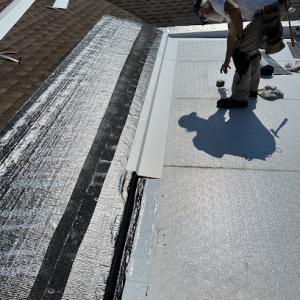
Fiddler Roofing has been a trusted contractor in the Niagara Falls area for over 47 years. Their experienced, factory train, SM certified team tackles roofing, siding, and general contracting projects directly, ensuring clear communication, quality work and immaculate clean up . Fiddler Roofing has a proven track record of completing over 12,000 roofs in neighborhoods throughout Western New York. We serve Amherst, Buffalo, Clarence Center, East Amherst, Getzville, Grand Island, Kenmore, Lewiston, Niagara Falls, North Tonawanda, Pendleton, Ransomville, Sanborn, Tonawanda, Wheatfield, Williamsville, Wilson, and Youngstown Fiddler Roofing recommend Certinteed products NO SUBCONTRACTORS Fiddler Roofing your best and safest choice

Niagara RoofMasters | Eavestrough & Roofing
(647) 277-4983 niagararoofmasters.com
4551 Zimmerman Ave, Niagara Falls, Ontario
4.8 from 53 reviews
At Niagara RoofMasters, we take pride in our knack for understanding homeowners' unique requirements, and tailoring roofing solutions that not just meet but exceed their expectations. Our experts have experience with various services that include roof replacement, repair, and maintenance; eavestrough installation and repair. To assist homeowners throughout Niagara Falls, we offer complimentary estimates, aiding you in making informed choices for your property. Opt for Niagara RoofMasters for a complete solution, unmatched craftsmanship, and budget-friendly options, transforming your dream of a secure, aesthetically pleasing home into a tangible achievement.
Centofanti Construction
(716) 622-9563 www.centofanticonstruction.com
404 55th St, Niagara Falls, New York
4.7 from 53 reviews
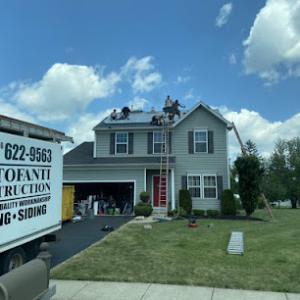
Our team of licensed and insured professionals specializes in residential and commercial roof installation and repairs using only top-grade materials that meet local building codes while providing superior protection against the elements. We can also assist you with siding, gutters, custom garages, and EPDM/flat roofs – so no matter your needs, you can count on us to provide reliable services with an unbeatable guarantee. At Centofanti Construction, we understand that each project is unique and requires the utmost attention to detail. That's why our dedicated crew takes the time to discuss your individual needs and budget constraints before recommending the best solutions for your home or business. Plus, all of our estimates are free of ...
BB’s Regional Roofing & Siding
Niagara Falls, Ontario
4.9 from 13 reviews
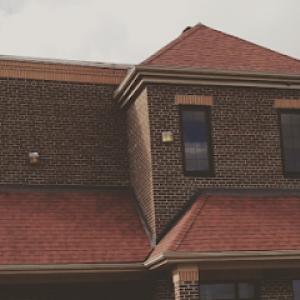
BB's Regional Roofing and Siding is a fully insured local Fort Erie business, family owned and operated for over 30 years. Our services include and are not limited to:asphalt and metal roofing, siding/soffit/fascia/eavestrough installation. Located within the Niagara Region.
Construction Works Roofing
8168 Mountain Rd, Niagara Falls, Ontario
4.8 from 17 reviews
Construction works roofing has been focussed on only one goal all these years in business ..professional quality workmanship every job we are a part of ! that goal has become a true statement and platform for us and has driven our name ahead of the competition ,We have made so many great clients that count on us multiple times each year , you can count on construction works Roofing to handle your complete roofing project from start to finish,We only use the best products in the industry . 2815013 Ontario o/a CONSTRUCTION WORK ROOFING
The Pink Hard Hat
(905) 347-0823 www.thepinkhardhatco.com
7855 Hoptree Rd, Niagara Falls, Ontario
4.7 from 15 reviews
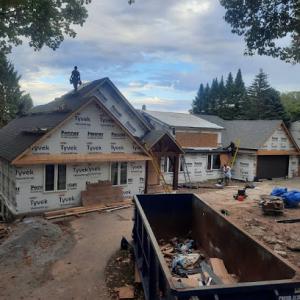
The Pink Hard Hat specializes in Roofing, Siding, Fascia, Soffit and Eavestroughs. On top of our excellent workmanship we offer a 25 year workmanship warranty on all our installs and make sure that your property is cleaner than when we arrived. We offer free estimates and are fully insured.
Blue Ox Roofing
(716) 731-6671 www.blueoxroof.com
2139 Lockport Rd, Niagara Falls, New York
4.6 from 20 reviews
Welcome to Blue Ox Roofing, an industry leader in commercial roofing solutions and a beacon of excellence in residential repair services. Founded in 1996, our mission is to deliver superior craftsmanship with an unparalleled customer experience. From the start of a project to completion, we collaborate closely with each client to ensure every project meets the highest standards of quality and precision. Our commitment to customer satisfaction, rooted in nearly three decades of experience, is evident in every project we undertake. As a fully licensed and insured company, our dedication to quality and safety sets us apart. Choose Blue Ox Roofing for exceptional results and an unwavering commitment to roofing excellence.
Robert Benevento Roofing, Siding & Windows
(905) 358-4550 www.robertbeneventoroofing.com
4700 Montrose Rd, Niagara Falls, Ontario
4.0 from 70 reviews
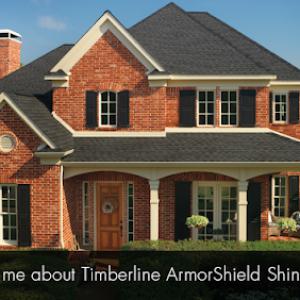
We are an exclusive distributor of the highest quality of aluminum insulated products that include: patio covers, sunrooms, and pergolas. All of our products are built with the highest quality standards and are fully guaranteed by one of the best warranties in the industry. We have a wide range of colours and designs. Additionally, we offer casement, double hung, awning windows and sliders, bays and bow windows, all of which are custom made to fit your home perfectly.
Niagara Falls roofs are exposed to autumn wind events and seasonal storms that can lift aging shingles and drive rain into vulnerable flashing details. When gusts race off the escarpment and sweep across the river corridor, even well-sealed roofs can experience shingle lift, accelerated wear on edge caps, and exposed underlayment where ice and water shield layers have aged. Watch for loose granules in gutters, shingles curling at edges, and new dark spots along valleys and vents after each windy storm. Delays in addressing these signs turn minor leaks into costly, interior damage fast.
Western New York sees elevated claim activity during wind and hail periods, so Niagara Falls homeowners often need detailed photo documentation and contractor estimates after storm events. After a major wind event, photograph all sides of the roof from ground level and from a safe ladder angle. Focus on torn or uplifted shingles, damaged flashing around chimneys, skylights, and vents, and any displaced drip edge. Keep a dated photo trail that shows preliminary conditions, then follow up after rainfall to capture any subsequent leaks or interior staining. When gathering estimates, require clear notes on flashing replacement, underlayment condition, and any necessary fascia or soffit repairs-these items frequently fail first during high-wind scenarios.
Homes near open corridors influenced by the Niagara River and escarpment-adjacent exposure can experience stronger wind effects than more sheltered inland neighborhoods. In practical terms, roofs facing prevailing southeast or west winds may show uneven shingle wear or edge blow-off on the high-slope sides. Metal flashings may bend, and valley linings can loosen when fasteners back out under sustained gusts. If a roof has mixed materials-shingles alongside metal or tile-watch for differential movement where faster-expanding surfaces pull at slower ones. Those weak seams demand attention before a winter freeze locks the damage in.
Autumn is critical. Before the snow starts, inspect for wind-stripped edges, compromised drip edge, and missing or damaged cap shingles. A rapid, targeted check after every stiff wind event in late fall can prevent ice dams from forming as temperatures flip between thaw and freeze. Replace damaged shingles promptly and reseal any flashing joints with materials rated for freezing temperatures and wind-driven rain. For roofs with older underlayment, consider tests that reveal moisture infiltration under wind-driven rain-today's higher elevation snow loads demand keeping the deck dry to reduce ice dam risk.
If a storm shifts the landscape around the roofline, create a clear file for the insurer and contractor. Compile the storm date, wind speeds if available, and a concise description of visible damage. Use a logbook approach: note which sections of the roof were affected, the time of day, and any interior signs of leakage. When contacting a contractor, request a written scope that prioritizes flashing repair, edge stabilization, and underlayment assessment. The goal after a storm is to stabilize the roof quickly, minimize interior exposure, and set up a plan for a durable repair that holds up through the next season's gales.
Find local contractors experienced in assessing and restoring roofs after hail, wind, and severe weather events.
Roof Wizard
5935 Prospect St, Niagara Falls, Ontario
5.0 from 84 reviews
Ace 1 Quality Roofing Siding & Eavestroughs / Niagara
(289) 219-1665 ace1qualityroofing.com
6613 Erwin Crescent, Niagara Falls, Ontario
5.0 from 103 reviews
Mcpherson Roofing
(289) 668-5404 www.mcphersonroofing.net
4974 Duke Ave, Niagara Falls, Ontario
4.9 from 97 reviews
Late spring through early fall is typically the best reroofing window in Niagara Falls because winter snow, spring thaw, and wet conditions can delay tear-offs and dry-in work. For a homeowner planning a full roof replacement, aim for a stretch when temperatures stay consistently above freezing and daytime humidity levels are moderate. That reduces the risk of ice dams forming during the project and helps ensure shingles cure properly once installed. Scheduling around a couple of solid, dry weeks can make a noticeable difference in finish quality and long-term performance.
Spring projects can be disrupted by thaw-driven moisture and heavy rainfall, which affects deck drying and scheduling reliability. If a replacement starts in early spring, expect occasional delays from lingering snowmelt and rising groundwater around the foundation. The deck system and underlayment must stay dry for the sealants to set correctly, so plan for contingencies like temporary coverings or staggered stages on days with precipitation. In this season, extra attention should go to snow retention details and ensuring ice-dam prevention measures are prepared in advance, since a late cold snap can bite into progress.
Summer installations must still account for humid conditions and sporadic severe storms common in western New York. High heat can accelerate shingle aging during the install phase if fasteners are not set properly or if adhesive-backed products rely on moderate temperatures. Humidity complicates drying times for any roof deck or underlayment work, so scheduling should align with extended dry periods and avoid peak heat windows that can overheat tarps or covers. Severe afternoon storms can disrupt work and require extra precautions for staging areas, ladder safety, and temporary edge protection.
Coordinate a phased plan that minimizes exposure of the interior to weather while maximizing daylight hours for the crew. Start by confirming roof removal during a period of expected dry weather, then align shingle or tile installation with days forecasted to stay dry long enough for sealants and underlayment to set. If a thaw or rain spell interrupts progress, have a fallback window within the same season to complete tear-off and dry-in without compressing the schedule too tightly. For roofs with complex planes or near the river corridor, factor in wind exposure and potential debris from seasonal storms when choosing tear-off order and securing materials.
Choosing the right season also helps with future maintenance. A properly dried and sealed roof installed in a window that minimizes freeze-thaw stress reduces the likelihood of early ice dam formation and moisture intrusion during the next few winters. In Niagara Falls, the goal is to align installation with a stretch of steady weather that allows the roof system to acclimate as a single unit, resisting movement from the lake-effect snow and freeze-thaw cycles that characterize the local climate.
Get a clear picture of your project costs upfront - no commitment required.
Ace 1 Quality Roofing Siding & Eavestroughs / Niagara
(289) 219-1665 ace1qualityroofing.com
6613 Erwin Crescent, Niagara Falls, Ontario
5.0 from 103 reviews
Noble Roofing
(289) 929-4806 www.nobleroofingniagara.com
7246 Rolling Acres Crescent, Niagara Falls, Ontario
4.9 from 117 reviews

Niagara RoofMasters | Eavestrough & Roofing
(647) 277-4983 niagararoofmasters.com
4551 Zimmerman Ave, Niagara Falls, Ontario
4.8 from 53 reviews
In a climate shaped by lake-effect snow, persistent freeze-thaw cycles, and wind from the Niagara River corridor, choosing the right roof material is about managing moisture and reducing ice dam risk as much as it is about curb appeal. You'll see a consistent line of pitched residential roofs across the area, and the right material helps shed snow, dry quickly, and resist uplift during winter storms. The emphasis for Niagara Falls homes is pairing durability with sensible maintenance, so your roof handles freeze-thaw stress year after year.
Asphalt shingles remain the dominant local choice because they fit the large stock of pitched roofs found on older and newer homes alike. You'll find they're a dependable first step for reroofing projects, offering straightforward installation and a familiar replacement path when roofs age. In this climate, asphalt performs well with proper underlayment, ridge venting, and proactive ice dam protection strategies. For many homeowners, asphalt provides a balanced blend of performance and value, especially when paired with features designed to reduce moisture intrusion and improve attic ventilation.
Metal roofing appears frequently in discussions among Niagara Falls homeowners who want stronger snow shedding and greater durability against wind-driven moisture. In practice, metal can outperform traditional shingles in shedding heavy snow and resisting impact, while providing a longer service life. When considering metal, look for concealed fasteners or standing-seam designs that minimize exposed seams where ice can form. A metal roof often pairs well with robust attic ventilation and heat-trapping details to limit ice dam formation at the eaves, which is a recurring concern near the water's edge.
Slate, clay tile, concrete tile, and wood shakes appear in the market, but require careful structural and moisture planning in a city where freeze-thaw exposure is a constant concern. These materials bring distinctive aesthetics and feel, but they demand stronger decks and precise installation to manage moisture movement. In areas with frequent freeze-thaw cycles, performance hinges on meticulous underlayment, correct slope, and reliable drainage to prevent moisture from lingering at transitions and fastener points.
Your best choice considers the roof's pitch, existing framing, and how well the attic is ventilated. If the structure already handles heavy snow loads, asphalt remains a straightforward, effective option, while metal can provide superior snow shedding and wind resistance where the framing supports it. If you're drawn to non-shingle options, plan for enhanced moisture management and confirm the deck can support added weight and potential long-term moisture exposure.
Flat and low-slope sections are a meaningful local service category in Niagara Falls, especially on porches, additions, garages, and mixed residential-commercial buildings. The combination of lake-effect snow and persistent freeze-thaw cycles means moisture can linger on these surfaces longer than on steeper roofs. When water sits, it finds every little edge, seam, or joint to exploit, and those areas become the weak links in a system that should be shedding moisture efficiently.
Low-slope leaks often overlap with drainage, flashing, and seasonal ponding concerns rather than only missing-shingle issues. In this market, ice dams are not just an end-of-season nuisance; they can push water under edges and into attic failures if the system isn't draining properly. Snow retention on flat sections can create heavy loads that stress fasteners and edge details, especially where additions tie into older structures. Expect to encounter unexpected damp spots around flashings, parapet walls, and transitions to steeper rooflines.
Look for pooled water that lingers days after a thaw, especially near any porch roof, garage canopy, or intersection with a gutterless edge. Inspect metal flashing along parapets and around skylights or vents for gaps or corrosion. If a low-slope surface has a noticeable slope toward an interior drainage point, that's a sign to reassess slope and drainage paths. In winter, observe if ice builds up behind low-profile edges or along seams where snow melt channels away should be constricted by clogged channels or blocked gutters.
Any plan to upgrade or repair a flat or low-slope roof should prioritize reliable drainage, robust flashing, and thoughtful transitions to adjacent surfaces. Given the air and water movements near the river corridor, gradual improvements that improve debris clearance, surface protection, and sealed joints tend to outperform quick fixes. When a project touches porches or additions, treat these areas as weather-sensitive links in the house, not standalone shells. In the Niagara Falls climate, small, deliberate improvements now can prevent expensive, disruptive damage later.
Find specialists in TPO, EPDM, and built-up flat roofing systems for residential and commercial properties.
Roof Wizard
5935 Prospect St, Niagara Falls, Ontario
5.0 from 84 reviews
Centofanti Construction
(716) 622-9563 www.centofanticonstruction.com
404 55th St, Niagara Falls, New York
4.7 from 53 reviews
Blue Ox Roofing
(716) 731-6671 www.blueoxroof.com
2139 Lockport Rd, Niagara Falls, New York
4.6 from 20 reviews
In Niagara Falls, the reroofing market can spike after harsh winter storms and lake-effect snow events. Local crews stay busy, which pushes some scheduling and material access pressure into peak spring and early summer. If a weather event reveals ice dams or long-simmering leaks, pricing can shift quickly as crews reallocate resources and materials. Understanding this pattern helps you plan with a realistic window and avoid rush costs.
Material choice matters sharply here. Local ranges run from asphalt shingles at 350 to 550 USD per square up to slate at 1200 to 2500 USD per square, while metal commonly falls between 600 and 1000 USD per square. The stark difference isn't just upfront; it affects how durable the roof will be under freeze-thaw cycles and wind exposure near the Niagara River corridor. If you're eyeing metal, you gain through-ice resistance and longer life, but the mid-cut budget often lands in asphalt or premium composites. Slate and concrete tiles deliver longevity, yet their weight and decking demands can raise installation complexity and cost, especially if structural reinforcement is needed after moisture exposure.
Costs in Niagara Falls can rise when tear-off reveals moisture-damaged decking from ice dams, long-term leaks, or repeated freeze-thaw exposure. A damaged deck can require replacement or reinforcement, adding a substantial line item to the base price. In practice, expect to budget for both the roof and the exposed substructure when winter damage is evident. Addressing insulation and ventilation gaps now pays off later by reducing future moisture intrusion and ice dam formation.
When planning, start with an honest assessment of existing decking and ventilation. If ice dam history is strong, a full tear-off with a careful inspection of sheathing may be prudent. Compare material grades within the local ranges, factoring in anticipated storm-driven maintenance cycles. If a short window opens after a bad season, prioritize scheduling with a reputable installer who understands the river corridor's wind and snow loads to avoid surprises during the next freeze-thaw cycle.
Don't let upfront costs delay a critical repair - these contractors offer payment plans to fit your budget.
Five Star Roofing Consultants & Services
(716) 828-6279 www.fivestarserviceswny.com
Serving
4.9 from 121 reviews
When planning a reroof, a permit through the City of Niagara Falls Department of Permit and Inspection Services is typically required. Start by checking the project scope with the permit office to confirm whether a full reroof, replacement, or structural work triggers review. The process moves faster if the plans show updated drainage, attic venting strategy, and a proposed underlayment system that can withstand the local freeze-thaw cycles.
Niagara Falls commonly schedules an inspection after work begins and another at completion to verify code compliance, including wind-resistance and ventilation requirements. Before the first inspection, ensure that the roof deck, flashing, and eave detailing are visible and accessible for a quick review. Be prepared to demonstrate that ventilation openings meet calculations and that attic spaces have sufficient intake and exhaust pathways. If any ice-dam mitigation measures are proposed, present accompanying documentation during the early inspection to avoid delays.
Some Niagara Falls roofing projects may need added documentation tied to energy-code compliance or attic ventilation details. In practice, this means bringing measurement data for vent-area ratios, insulation placement in the attic, and specifications for continuous soffit, ridge, or soffit-vent systems. If the project includes attic insulation upgrades or radiant barrier work, attach the appropriate energy-code worksheets and product data to support the calculations. Keep a copy of the storm-season ventilation plan on site, especially for homes with complex roof lines or multiple dormers, as inspectors will verify that air flow remains unobstructed after installation.
To minimize back-and-forth with the permit office, assemble a complete packet: a permit application, a site plan showing roof scope, product selections, and any existing structural notes, plus contractor credentials. Schedule inspections with the permit desk in advance and align them with the anticipated milestones: initial work progression and final completion. Having ready access to stamped plans or verifications that address wind exposure and moisture control helps make the review smoother in a climate where ice dam risk is a real concern.
New York's homeowners insurance market remains available, but claim-driven rate changes can influence whether you repair or replace aging roofs. In Niagara Falls, that dynamic can become visible quickly after a harsh season, when a single large claim might shift your policy's terms or renewal outlook. You should expect insurers to weigh the roof's remaining life, the cause of damage, and your overall claim history before offering a settlement.
Insurers in this market commonly ask Niagara Falls homeowners for roof age records, prior damage history, and detailed contractor estimates before approving larger roof claims. Having organized documentation-photos spanning several winters, a clear timeline of observed leaks, and a professional assessment with itemized repairs-helps keep the process on track. If your roof is older, prepare to show any maintenance you've done to extend its life, as that can influence settlement decisions.
Because western New York sees meaningful wind and hail claim activity, Niagara Falls homeowners should document damage immediately and compare settlement amounts against current replacement value. Weather-driven incidents like ice dam stress and wind-driven shingle damage are exactly the issues insurers scrutinize after a storm. Store digital copies of all communication, keep receipts for temporary fixes, and have your contractor's written estimate ready to substantiate a claim.
A settlement may cover more than the visible surface damage, so you must assess whether the payout aligns with replacement costs rather than just patchwork fixes. If the claim arrives with a low offer, you can request a re-inspection or a second estimate. In a market where rate changes can follow a claim, careful documentation and a clear comparison to the cost of a full replacement help you determine whether repair or full replacement is the prudent path.
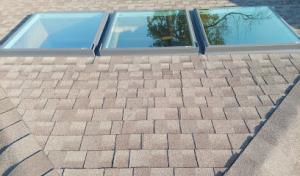
Skylight repair is an active specialty in Niagara Falls, reflecting a local need to address leak-prone roof penetrations during freeze-thaw seasons. When snow sits atop the roof for days and meltwater refreezes at the flashing, the seal around the skylight edge becomes a chronic weak spot. Without timely attention, you can end up with interior condensation, stained ceilings, and unseen water damage that worsens as temperatures swing. Inspect skylights after every heavy snowfall and after thaws, paying close attention to the flashing seams, curb, and the glass-to-frame interface. If you notice damp drywall or peeling paint near the skylight, treat it as a potential leak source rather than a single failed seal.
Chimney-related roofing work is common in this market, which fits the area's older housing stock and the number of contractors advertising chimney-adjacent services. The combination of brick or stone chimneys, aging flashing, and tall, wind-exposed ridges creates persistent leak opportunities. In colder months, flue cap runoff and deteriorating step and counter-flashing around the chimney can allow meltwater to travel along the chimney wall and into the roof decking. If you own an aging chimney, expect seasonal inspections to focus on the transition between the chimney and roof surface, plus the mortar joints where heat and moisture exchange between indoors and outdoors.
In Niagara Falls winters, flashing around skylights and chimneys is especially vulnerable when snow sits for extended periods and meltwater refreezes at transitions. The most stubborn leaks often follow the path of least resistance, traveling along cracks in flashing or where flashing meets the roof deck. Do not overlook small gaps or displaced shingles near these penetrations. A proactive approach-timely resealing, reseating flashing, and replacing degraded sealant-can prevent larger ice dam-related failures when spring thaws reopen the system.
Find contractors experienced in skylight installation, flashing, and leak repairs to bring natural light into your home.
Roof Wizard
5935 Prospect St, Niagara Falls, Ontario
5.0 from 84 reviews
Mcpherson Roofing
(289) 668-5404 www.mcphersonroofing.net
4974 Duke Ave, Niagara Falls, Ontario
4.9 from 97 reviews
Noble Roofing
(289) 929-4806 www.nobleroofingniagara.com
7246 Rolling Acres Crescent, Niagara Falls, Ontario
4.9 from 117 reviews