
Last updated: Apr 19, 2026
In the Niagara region, the repeated winter freeze-thaw cycling is the main hammer on roofing materials around town. When temperatures bounce above and below freezing, water that seeps into tiny seams, nail gaps, or shingle overlaps freezes, then expands. That freeze-thaw action pries apart protective edges, loosens fasteners, and can crack or delaminate layers that looked solid at first glance. In older homes with mature roof decks, this cycle accelerates wear on asphalt shingles, underlayment, and flashing, turning what seems fine after a thaw into a vulnerability that can worsen with the next storm. The result is progressive damage that often goes unnoticed until a heavy thaw or spring rain pushes the issue into the open. The local climate compounds this effect: Niagara-region winters bring more cycles and more moisture exposure than a milder climate, and a roof that wasn't fully protected against moisture at installation will show the signs sooner rather than later. In practical terms, you're looking at a roof that might still look whole from the ground but hosts microcracks, granule loss, and slight shifting that amplifies with every seasonal swing. That creeping deterioration raises the risk of leaks, attic condensation, and interior damage when spring rains arrive with warmth and wind.
Snow cover and ice can keep roofs inaccessible in winter, so many homeowners discover damage only during thaw periods or spring rains. When pathways to safe inspection are blocked, the first visible clues often appear after a sudden warm spell or during the first steady rain following a cold snap. By then, minor weaknesses have had months to widen, letting water find routes through shingles, underlayment, or around flashing. In Western New York, that delayed discovery means you're paying for repairs that could have been mitigated with earlier detection. Look for signs from the ground that signify deeper trouble: dark streaks indicating moisture penetration, shingles that curl or lift at the edges, and granules gathered in gutters or at the downspouts. If you feel a damp, musty smell in the attic after a thaw, that's a reminder that ice damming and sustained moisture exposure may be at work. Don't wait for a visible leak to act-addressing creeping damage early can save more invasive repairs later and protect insulation and interior finishes from freeze-thaw-driven moisture.
Warm summers and cold snowy winters create seasonal expansion and contraction that shorten the service life of exposed roof components in Western New York. Asphalt shingles, metal panels, and flashing respond to temperature swings with subtle bending, loosening, and micro-movements. Repeated cycles can misalign valleys, loosen seam seals, and compromise vent and chimney flashing where water intrusion is most likely. In older neighborhoods, older sheathing or deteriorating underlayment can amplify the impact, making what seemed like a minor wrinkle in the roof surface a doorway to leaks after the next heavy storm. Regular checks after the thaw period-especially around hips, ridges, and penetrations-help catch the early signs: lifted corners, powdery granules in the gutters, or a soft feel to the roof deck when you press gently with a palm. If you notice a small damp patch along a seam during a thaw, treat it as a warning sign: continued cycles will push that patch from a warning to a full-blown leak. Proactive inspection and timely maintenance focused on these high-stress areas preserve the roof's structure through another cycle of freeze and thaw.
In North Tonawanda, Western New York sees enough wind and hail activity to keep roofing claim volume active, especially after regional storm events. The neighborhoods with older homes often bear the brunt of freeze-thaw cycles that loosen shingles, lift flashing, and weaken edge trim. Storms can arrive quickly, with gusts that rattle soffits and snap loose granules, leaving small, telling signs that aren't always obvious to a casual eye. Understanding how these forces interact with an aging roof helps you spot trouble before it becomes a bigger, costlier repair later.
Insurers in this market commonly expect photo documentation and clear records of storm-related damage before approving roof claims. A simple set of images can save weeks of back-and-forth, especially after a strong wind event or hail sweep. Focus on granule loss scattered across shingles, exposed felt, peeled or lifted shingles, dented flashing and vent hardware, and any interior evidence like staining near attic vents or ceiling leaks that align with wind-driven impact. Time-stamped photos from multiple angles convey the severity more convincingly than a single shot. Keep a running file: note the date of the storm, the observed damage, and any temporary repairs you make to prevent further water intrusion. If you're able, capture a wide exterior shot that shows roof slope and chimney or dormer features, then close-ups of the affected areas. This isn't about sensationalizing a claim; it's about providing the insurer with a clear, traceable record that aligns with what the roofer documents later.
Premiums and claim handling can shift after large regional loss events, so North Tonawanda homeowners benefit from documenting damage immediately. Quick action reduces the risk of water intrusion worsening during thaw cycles and winter storms, which helps preserve interior finishes and prevents secondary damage. Scheduling an inspector or reputable roofer soon after a storm not only yields a timely assessment but also helps you build a credible claim file. If you notice any sudden attic condensation, damp insulation, or ceiling stains after a storm, prioritize high-quality documentation and a professional evaluation while the evidence is freshest. Delays invite questions about timing and cause, which can complicate the claim process later.
The local climate's blend of lake-influenced winds and hail exposure accelerates typical wear on older shingles and flashing. Look for lifted edges, cupping or curling shingles, mismatched granules in gutters, and irregular roof edge gaps. Metal valley flashing can dent or loosen after strong gusts, and vent boot seals may crack under repeated freeze-thaw cycles that stress sealants and joints. In neighborhoods with mature trees, branches and impacts from hailstones can leave pockmarked surfaces that aren't always obvious from ground level. A careful roof inspection, ideally with a seasoned local contractor who understands the age and installation practices common to these homes, will reveal the subtle shifts that signal costlier problems if left unchecked. Be mindful that some signs are easier to spot from the ground, while others require a careful climb or access to the attic to verify insulation and deck conditions.
If storm exposure or aging components raise concerns about shingles, flashing, or ventilation, schedule a professional evaluation promptly. A credible, North Tonawanda-experienced roofer can document the condition, note weather-induced wear patterns, and outline responsive steps, from temporary measures to a full re-cover. The goal is to preserve the roof's performance through the thaw and winter months, mitigate interior damage risk, and establish a solid basis for any insurance discussion with clarity and documentation you've gathered.
Connect with contractors who help homeowners navigate the claims process from damage assessment to final approval.

JP Construction
(716) 528-6350 jproofingny.com
3967 Niagara Falls Blvd, North Tonawanda, New York
4.9 from 80 reviews

Junior Exteriors
(716) 939-9541 juniorexteriors.com
963 Fairmont Ave, North Tonawanda, New York
5.0 from 89 reviews
Call us for your exterior home remodeling needs! Repairs Or Replacements.

AVA Roofing & Siding
(716) 226-0661 www.avaroofing.com
7293 Schultz Rd, North Tonawanda, New York
4.9 from 53 reviews
We are AVA Roofing, a family owned and operated company. We are four brothers that joined together to serve WNY and to provide premium craftsmanship for a fair price. We have served over four thousand customers and have over 500 online references.

JP Construction
(716) 528-6350 jproofingny.com
3967 Niagara Falls Blvd, North Tonawanda, New York
4.9 from 80 reviews
Looking for reliable roof repair or roof replacement services in Lockport, NY? JP Construction has been proudly serving residential clients in the area for over 20 years. As a fully insured home contractor, we specialize in high-quality roofing solutions and home improvement projects tailored to your needs. Our dedication to exceptional workmanship and top-notch customer service ensures every job—big or small—is completed to the highest standards. From minor roof repairs to full roof replacements, we stand out by using premium materials and maintaining a meticulous attention to detail. Trust JP Construction to deliver durable, precise, and dependable results for your home.
R & A Roofing
699 Erie Ave, North Tonawanda, New York
5.0 from 26 reviews
R & A Roofing Company is a locally family owned and operated company, proudly serving WNY for 10 years. We pride ourselves on top notch quality service. Roofing Siding Trim, Gutters, and More. Call Today for your Free Estimate.
MP Roofing & Siding
Serving
4.8 from 64 reviews
MP Roofing and Siding is a family-owned and operated business specializing in roofing and siding. We offer a wide range of services, are fully licensed and insured, use the highest quality materials and offer financing options. We understand every project is different and work with our customers to create a customized plan that meets their specific needs. We are committed to providing the best possible service and are confident we can exceed your expectations.
Beautiful Homes of W.N.Y
(716) 500-1969 beautifulhomesofwny.com
Serving
4.9 from 16 reviews
Roofing Company in Lockport N.Y. serving Niagara and Erie Counties
Equity Contracting
(716) 867-8383 www.equitycontractinginc.com
Serving
4.7 from 15 reviews
Roofing, siding, gutters,& chimney contractor in Buffalo, New York. Fully licensed and insured.
Stellar Roofing - Buffalo
(716) 320-7663 www.stellarroofing.com
Serving
4.7 from 446 reviews
Stellar Roofing is the leading Roofer in Buffalo, NY & the surrounding areas. We proudly offer Roof Repair & Replacement in Buffalo, NY! Get in touch with us if you need Gutter Installation. Here at Stellar Roofing, we operate by the golden rule. We treat your home as we would treat our own. With our combined experience of over 50 years, we know what works and what doesn’t. We have spent years researching the market for the absolute best products for your home. If you are going to replace your roofing system you only want to do it once and you want it done right. You also want the best products and workmanship at a fair price. That’s what we offer here at Stellar Roofing. Contact us if you looking for "Commercial Roofing near me".
OConnor Contracting
(716) 600-7663 www.oconnorroofingbuffalo.com
Serving
4.9 from 273 reviews
OConnor Contracting was founded to help the homeowners of Western New York with their roofing and siding needs. The Western New York area experiences four distinct seasons, with cold and snowy winters, rainy spring weather, hot summers, and unpredictable autumns. Changes in temperature and wet weather can create difficulties for residential roofing in particular. Your roof is a strong and weathertight guardian against the outside world, including wind, rain, and even pests. However, it can be vulnerable to storms and severe weather; In addition, every component needs to work seamlessly together to prevent damage. Even the smallest problem in your roof can cause moisture damage, which in turn creates a snowball effect.
William C Rott & Son
Serving
4.2 from 120 reviews
We are one of the oldest residential roofing companies serving the Buffalo area for more than 100 years. Apart from roof cleaning & roof replacement, we also replace windows, sidings, and rain gutters. Based in Tonawanda since 1909, we specialize in offering full-service Buffalo roofing & remodeling services that suit your budget and requirements. If you are looking for a dependable roofing contractor in Buffalo or the surrounding areas, call us today to schedule an appointment.
Lifetime Siding, Roofing & Construction
(716) 239-6476 www.lifetimesidingandroofing.com
Serving
4.9 from 115 reviews
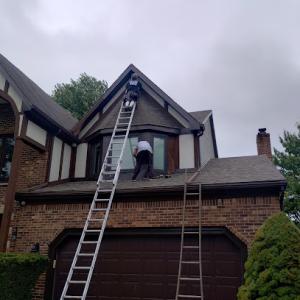
We are a team of professional roofing contractors that service Buffalo, NY as well as Cheektowaga and Niagara Falls. Our services include new roof installations, roof trimming, roof repairs, chimney services foundation works, or decks and porches. We are here to make sure your family and your homes are protected from the harsh weather seasons in WNY during the most unexpected time of the year. Get your FREE quote today!

Try-Lock Roofing
(716) 447-1688 www.trylock.com
Serving
5.0 from 18 reviews
Try-Lock Roofing is Western New York's most qualified and experienced commercial flat roofing and residential roofing contractor. We are proud to be a customer driven company that strives to give prompt, quality service for your roof repair and installations. We provide our clients with the most current roofing products available and utilize only time tested roof systems to ensure total customer satisfaction.
Replacement timing is commonly pushed into spring and early fall because Niagara-region winters are snowy and summers can be warm. Plan for a window when outdoor temperatures stay above freezing and moisture is manageable. In practice, that means targeting late March through May, then late August through October. Concrete planning should align with Mother Nature's typical swing-avoid mid-winter projects and the hottest parts of summer when crews wrestle with heat and material handling.
Winter snow cover can delay tear-off access and inspection timing on local projects. Snow piles at eaves and on the roof edge create safety concerns and slow progress, so expect some downtime if a storm hits or if the forecast calls for accumulating snow. Freeze-thaw cycles, even in early spring, can complicate temporary repairs or asphalt shingle reseaming, so a flexible schedule helps keep the project on track. Fall delays can also occur when leaves blanket gutters and valleys; moisture from autumn rain increases traction needs for crew members and can affect stripping and installation rhythm.
When you pick a start date, build in a cushion for weather variability typical to Western New York. Have a primary target window (spring or fall) and a backup window in case extended cold snaps or wet spells arrive. Coordinate with a contractor to secure material deliveries ahead of the tear-off to minimize exposure time. Ensure the crew has clear access to the roof and that fallen leaves from the surrounding trees are cleared from the eaves, valleys, and downspouts before work begins. Use a short pre-work walkthrough to identify any pre-existing damage that could worsen with a longer project timeline in cool, damp conditions.
Inspect gutters and downspouts for clogging and ensure safe access from ground level prior to the project start. Trim back encroaching branches if they occupy the eave line or overhang the roof edge, reducing debris during fall installation. If a spring project is planned, target a period after the last expected freeze and before heavy spring storms, giving crews a stable, workable window. For fall projects, schedule earlier in the season to avoid peak leaf buildup and to allow for a dry spell between rain events and the first hard frost. Keep a weather eye on the forecast and communicate any sudden changes to the contractor as soon as they appear.
Get a clear picture of your project costs upfront - no commitment required.
Lifetime Siding, Roofing & Construction
(716) 239-6476 www.lifetimesidingandroofing.com
Serving
4.9 from 115 reviews
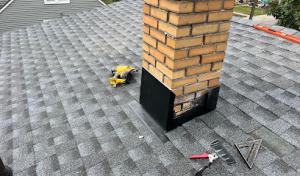
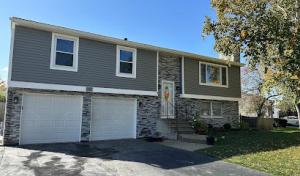
Asphalt shingles are a dominant choice in North Tonawanda, aligning with the city's large stock of traditional residential homes and re-roof projects. They're familiar to local crews, readily available from area suppliers, and straightforward to install on modest to mid-sized roofs. In the Niagara climate, a standard asphalt system benefits from a solid underlayment and a vented ridge line to manage winter moisture and summer heat. When choosing asphalt, pay attention to impact resistance and warranty options, since storm exposure and freeze-thaw cycles can test the aging process of the top layer. The typical North Tonawanda home with asphalt will often feature a straightforward slope and chimney or vent details that are common risk points for water intrusion if flashing isn't properly maintained.
Metal roofing is also common locally because homeowners in this climate often weigh snow-shedding performance and long-term durability. A metal roof can shed snow more readily than asphalt, reducing the risk of ice damming and heavy snow loads pressing on eaves. In older neighborhoods with complex roof lines, metal panels or standing-seam systems require careful installation around valleys, transitions, and penetrations to prevent leaks after freeze-thaw cycles. Look for a finish that holds up to local temperature swings and resist corrosion from road salt and lake winds. A well-installed metal roof can offer extended service life with relatively low maintenance, which is appealing in a neighborhood where aging structures are common and storm exposure is a factor.
Clay tile, concrete tile, wood shakes, and synthetic/composite products exist in the market but are more specialized choices compared with the area's mainstream asphalt re-roofing demand. Clay and concrete tiles bring distinctive aesthetics and excellent longevity but can be heavier and require structural assessment of existing rafters. Wood shakes deliver a traditional look and strong insulation value, yet they demand meticulous maintenance to prevent moisture-related issues and decay in the face of winter weather. Synthetic and composite shingles offer versatility and often improved impact resistance, balancing traditional appearances with modern durability. In homes with limited attic ventilation or older deck layouts, these options may necessitate additional engineering considerations to ensure performance through the Niagara region's freeze-thaw cycles.
When evaluating roof materials for these Niagara region conditions, consider how each option handles snow, ice, and wind-driven rain, as well as the house's historical character. In neighborhoods with older roofs, compatibility with existing fascia, soffit details, and flashing around chimneys or skylights becomes critical to prevent recurring leaks after heavy storms. For long-term performance, choose a material whose installation favors precise flashing, robust underlayment, and proper attic ventilation. Remember that the surrounding landscape and exposure to lake winds can influence shingle or panel wear, so local experience matters.
In this market, typical local pricing is commonly discussed per square, with asphalt shingles at 350 to 700 USD per square. For most older homes in the area, these stay the most common option because they balance upfront cost with functional performance through freeze-thaw cycles and wind exposure. Expect costs to move higher if the existing roof deck needs substantial repair or if multiple layers must be removed before re-nailing. In milder installation windows, scheduling can compress, nudging labor costs upward if crews are in high demand during peak season.
Metal roofs run 700 to 1200 USD per square in this area. The durability against lake-influenced winds often makes metal appealing for storm-prone years, but the heavier lift and potential need for additional decking or structural checks can push total numbers higher. If the roof has complex geometry or numerous penetrations, the project tends to require longer installation time, which translates to higher labor costs even before materials are considered. On older homes with mixed rooflines, ensure the contractor accounts for flashing continuity and roof edge detail to prevent ice damming and wind-driven leaks.
Clay tile costs range from 1100 to 2500 USD per square, while concrete tile runs 900 to 1800 USD per square. Wood shingles or shakes sit at 600 to 1100 USD per square, and synthetic/composite shingles are 800 to 1400 USD per square. These materials are less common in the region's typical neighborhood layouts and deeper roof pitches, but storm exposure and older construction can make them a viable option when a long-term performance boost is desired. Expect higher labor rates for installation, especially where roof framing or underlayment needs reinforcement to handle the weight and the local freeze-thaw stress.
North Tonawanda costs can move upward when storm activity creates a surge in repair demand, when older homes require more tear-off and deck correction, and when seasonal scheduling is compressed into the region's milder installation windows. In practice, that means a project can spike if a summer storm pattern drives crews into overtime or if the house needs extensive deck repair after years of freeze-thaw cycling. An accurate quote should itemize tear-off, deck repair or replacement, underlayment upgrades for colder months, and ice/water shield in valleys and eaves. Planning ahead for these contingencies helps keep the project from drifting beyond the initial budget.
Don't let upfront costs delay a critical repair - these contractors offer payment plans to fit your budget.
Five Star Roofing Consultants & Services
(716) 828-6279 www.fivestarserviceswny.com
Serving
4.9 from 121 reviews

In North Tonawanda, a full re-roof typically requires a building permit. Permits are issued through the City of North Tonawanda Building Department, and doing the paperwork up front helps prevent delays caused by weather or neighbor complaints when storm season hits. Before starting any tear-off or new installation, confirm the scope with the Building Department so you're not surprised by a required plan review or an additional permit for changes to eaves, venting, or flashing.
A complete package usually includes a project description, roof plan, and details on materials, underlayment, and fasteners. In older neighborhoods, inspectors pay extra attention to eave and venting configurations, drainage alterations, and compatibility with original rooflines. Have your contractor provide manufacturer installation instructions and an abrupt weatherproofing plan to address North Tonawanda's freeze-thaw cycles and wind exposure. If any trees overhang the roof, be prepared to address access routes and debris management during work to avoid delays.
A final inspection is required after roof installation to close out the permit. The inspector will verify proper nailing patterns, flashing around chimneys and skylights, proper underlayment installation, and correct ventilation. Expect at least one intermediate check if the project involves structural work, attic modifications, or changes to roof geometry. If you're re-roofing around a historic or older home, the inspector may note compatibility with existing materials and aesthetics, so having a plan for matching trim and fascia can help keep the process smooth.
Schedule the permit and inspection early in the project timeline to align with your chosen weather window. Keep the site accessible for the inspector-clear weapons of debris, secure access to attic spaces, and have evidence of weatherproofing ready. If a permit run is slow, your contractor can often provide a temporary protection plan to bridge gaps between permit approval and work start dates, minimizing exposure to freeze-thaw cycles and storm-driven wear.
North Tonawanda's established neighborhoods have bred a re-roofing market where replacement work is more common than brand-new installations. That means many homes you'll see threading their way along older streets are coping with decades of weather, nailed-down flashings, and settled chimneys. When you inspect an aging roof, expect to find subtle shifts in the line where roof meets wall, plus penetrations that never quite lined up perfectly after previous repair work. Those little misalignments compound freeze-thaw wear and can trap moisture in valleys or around vent pipes if not addressed during replacement.
Older homes here often carry chimney stacks, skylights, and exhausts that create extra places for water to seep in during a harsh lake breeze storm. During replacement, you must treat every penetration as part of the plane of the roof, not a separate add-on. That means meticulous flashing around corners, vent boots that fit snugly against warped decking, and careful integration of any chimney cricket or cricketless configurations. If a contractor skips step-by-step sealing around these features, you'll pay for it later with leaks, ice dams, or accelerated deck rot.
Cleanup and quick response are a steady drumbeat in this market because many homes are lived-in properties with occupant schedules to respect. Expect crews that coordinate access, protect landscaping, and tidily remove debris while keeping driveways and sidewalks clear. If a project promises speed at the expense of thorough inspection-especially around older rafter tails or compromised decking-pause. A trusted contractor will slow down to verify that the roof's core structure remains sound after years of freeze-thaw cycles and storm exposure.
Find contractors experienced in skylight installation, flashing, and leak repairs to bring natural light into your home.
Junior Exteriors
(716) 939-9541 juniorexteriors.com
963 Fairmont Ave, North Tonawanda, New York
5.0 from 89 reviews

AVA Roofing & Siding
(716) 226-0661 www.avaroofing.com
7293 Schultz Rd, North Tonawanda, New York
4.9 from 53 reviews
Flat and low-slope roofing is a meaningful niche in the North Tonawanda market even though the city is primarily residential. Additions, porches, garages, or mixed rooflines drive more flat-slope work than a simple gable, so planning for drainage, insulation, and wind uplift matters from the start. The local climate's freeze-thaw cycles push edges and seams to fatigue faster, so addressing transitions between old and new roofing is routine.
Many re-roof projects involve a combination of low-slope sections tied into existing steeper angles. That means you will encounter valley details, parapets, and edge flashing that must be integrated with the original roof line. Pay attention to expansion joints where metal and membrane meet traditional shingles, as these junctions are frequent failure points after a cold season and a windy storm.
Begin with a precise assessment of the existing structure, focusing on the deck condition, insulation gaps, and current venting. Choose a low-slope system with proven wind performance and a compatible underlayment that resists snow buildup. Ensure flashing around penetrations-pipes, skylights, and parapet caps-stays watertight through rapid temperature swings. Plan for robust drainage details to prevent ponding, which accelerates wear in older neighborhoods.
In this market, routine inspection after heavy storms helps catch early issues on additions where the roofline changes. Keep an eye on seals at transitions and around the perimeters. Address minor repairs promptly to prevent larger leaks that can compromise the adjoining structure and interior finishes.
Find specialists in TPO, EPDM, and built-up flat roofing systems for residential and commercial properties.
Lifetime Siding, Roofing & Construction
(716) 239-6476 www.lifetimesidingandroofing.com
Serving
4.9 from 115 reviews
In neighborhoods with Niagara-region freeze-thaw cycles and frequent storm exposure, the local market leans toward re-roofing that offers quick response, thorough cleanup, and affordability. Contractors often emphasize being long-established, family-owned, or residential-focused, which resonates with homeowners who value trust and personal service. Look for firms that clearly advertise rapid on-site assessments after a storm, strong cleanup practices, and predictable scheduling. These traits aren't just marketing points here; they reflect how work gets done in older, dense streets where driveways and yards double as debris catchers.
Call or message a few local roofers and ask about how they handle a typical North Tonawanda job after a wind or freeze event. Which crews perform the work, and who stays on site? Do they provide same-week assessments when conditions permit? Confirm that debris containment, tarp protection for vulnerable areas, and routine cleanup are included in the scope. Ask for examples of similar older homes they've completed, with notes on how they mitigated wind-driven or ice-impacted damage.
Prioritize contractors with a steady local presence and a track record on older housing stock. Request a short list of North Tonawanda homeowners they've served in the last year, and call a few references about timeliness, workmanship, and post-installation follow-up. Check that the company can speak clearly about handling the project from tear-off to final inspection, and that they have a plan for addressing potential freeze-thaw wear around flashing, eaves, and vent connections.
With dense streets and a history of rapid weather changes, scheduling can be tight. Expect crews to adjust to wind or rain windows, but insist on a clearly posted timeline and daily finish goals. Ensure the contract calls for thorough clean-up at the end of each day, and a final sweep for nails and debris before the job is considered complete.
Choose contractors who routinely handle permit paperwork and inspection completion, so the closeout process goes smoothly. Confirm in advance that they will manage the documentation and coordinate with the inspector, reducing homeowner hassles after the re-roof is installed.