
Last updated: Apr 19, 2026
Cold winters, heavy snow accumulation, and repeated freeze-thaw cycles push Lancaster roofs to their limits. When snow sits on the roof, meltwater runs toward the eaves as temperatures dip and rise. If attic heat escapes, that meltwater refreezes at the gutter line, forming ice dams that back up under shingles and leak into the attic and ceiling. This is not a cosmetic issue: sustained ice backup can rot sheathing, bend flashing, and force water behind the fascia during thaw cycles. Here in Lancaster, the pattern repeats year after year, making timing and mitigation critical rather than waiting for a roof's age alone to tell the story.
You'll notice ice along the eaves, wet-dark stains running down interior walls, and often a second set of leaks near vents or chimneys where flashing is stressed by ice buildup. In a typical suburban roofscape, steep asphalt re-roofs are common, and older decks may already carry prior ice backup damage. The telltale sign is a leak history tied to recent snow events rather than a single event. If attic insulation is thin or blown-in insulation has settled, heat loss during a freeze-thaw cycle accelerates the problem, turning a minor drip into a sizable roof and ceiling repair.
During a snowfall or an approaching thaw, protect the most vulnerable areas first. Clear snow from the roof edge where safe to do so, leaving a small buffer to avoid causing damage or falling ice. Install temporary, fabric-based roof protection where possible to slow meltwater from running directly into the soffit. If leaks are already visible in the interior, limit further water intrusion by placing clean, dry towels and buckets where drips are strongest, and avoid DIY attempts that risk climbing on a slick, ice-coated roof. Schedule a quick emergency assessment by a local roofer who can identify compromised flashing, damaged decking, or failed ice barriers and propose a targeted plan that respects the realities of Erie County winter schedules.
The core approach is to reduce heat loss from the attic and to interrupt the ice dam cycle. Improve attic insulation and attic air sealing so warm air doesn't rise into the roof sheathing. Consider upgrading roof-to-wall detailing where flashing or underlayment has aged, and strengthen or replace compromised gutter systems to handle rapid meltwater without backing up under shingles. For homes with repeated spillover risks, a proactive ice and water shield in key eaves, valleys, and penetrations buys time during freeze-thaw swings. In this market, the most effective plan combines better insulation, improved ventilation, and careful flashing in the problem zones, paired with a responsive, ready-to-act maintenance rhythm.
Winter delays in tear-offs and rescheduling are a reality, so timing around snowfall matters more than in milder regions. Build a winter-ready response that prioritizes protecting the roof edge first, followed by a targeted repair window when weather permits. A homeowner's readiness-shortening emergency response time, having temporary protection in place, and coordinating with a trusted local roofer-can keep a small problem from turning into a winter-long repair. In the end, a fast, decisive plan tailored to Lancaster's freeze-thaw pattern protects the home's structure and interior living space when the next storm rolls in.
Asphalt shingles dominate Lancaster replacements, and for good reason in this climate. The suburban roofscape here often features modest to mid-range pitches, where asphalt reliably sheds snow and is straightforward to repair after winter leaks. The basic maintenance cycle-inspect after heavy snows, address ice dams promptly, and reapply sealant at drip edges-fits most homeowners' routines. Metal roofing sits as a meaningful second-tier option, particularly for those looking to shorten snow shedding and reduce freeze-thaw vulnerability. It isn't the default, but it can be a practical upgrade on the right house.
Metal roofs excel at shedding snow and resisting wind-driven disturbances, which matters in Erie County winters that bring repeated freeze-thaw cycles. If you have recurring ice-dam problems or a history of interior leaks during thaw events, metal can help by offering a steeper surface for rapid snow release and better heat dispersion across the roof deck. Homes with partially shaded roofs or long, uninterrupted eave lines can benefit from metal's durability and reduced risk of shingle splitting during cold snaps. Keep in mind that a metal roof's value for snow management hinges on proper installation and compatible attic ventilation.
Pitch matters more here than curb appeal when deciding between asphalt and metal. Steeper slopes tend to perform well with either material, but very shallow pitches increase the likelihood of water infiltration unless underlayment is top-notch. In Lancaster, a roof with a robust ventilation plan and an effective ice barrier across a few feet from the eave often fares better in winter. If the attic remains poorly ventilated or has a history of frost on the underside of sheathing, the choice tilts toward a system that minimizes ice dam formation and keeps the deck drier, which can tip the scales toward metal in some scenarios.
Clay tile, concrete tile, wood shakes, and synthetic products exist in the market, but they are far less common than asphalt on typical suburban homes. Those options can offer distinctive aesthetics or endurance, yet they introduce different winter performance traits. Clay and concrete tiles, for example, are heavy and may require structural upgrades; wood shakes can be susceptible to moisture-related warping and faster degradation in winter conditions; synthetic options vary in cold-weather behavior. For most Lancaster homes, these choices are a narrower path and often chosen for specific architectural goals or long-term durability preferences rather than winter-first performance.
Material choice in this area is tied closely to winter performance, roof pitch, and whether the home has recurring ice-dam or ventilation problems rather than purely curb appeal. If your current roof struggles with ice dam spills and you have a straightforward attic setup with reliable ventilation, metal can be a strategic choice. If your goal is straightforward maintenance, ease of repair, and proven winter reliability on a common suburban roof, asphalt remains the practical default. In either case, ensure the underlayment, flashing, and drip edge details are sound, because these details govern how well the roof handles Lancaster winters.
In this market, price swings are driven by winter-related tear-off complexity, the need to replace wet decking after ice backup, and seasonal scheduling pressure after storms. The numbers below reflect a typical attic-to-roof replacement scenario when a full tear-off is required, plus the added costs that snow and ice events tend to push into the late fall and early spring. Asphalt shingles sit on the lower end of the spectrum, while metal and tile options push higher, especially when heavy ice dam prevention and drainage corrections are needed. Expect line items for ice-and-water protection, flashing replacement, ventilation corrections, and cleanup, since snow and regular precipitation expose weak details quickly.
For a standard re-roof, asphalt shingles commonly run from about 400 to 700 USD per square in this area. In winters with heavy ice dam risk, the price can drift higher due to additional ice-and-water shield, drainage, and possible deck repairs. A typical Lancaster project with a mixed crew and efficient scheduling may see costs cluster toward the middle of that range, but a storm surge or a need to replace compromised decking can push it upward.
Metal options range roughly from 800 to 1,400 USD per square. In practice, winter weather tends to widen the spread because metal systems require careful flashing, underlayment preparation, and sometimes over-layment adjustments to manage ice dam channels and attic venting. If the project involves significant snow load work, or if existing roof geometry demands extra attachment points and additional underlayment, costs trend toward the higher end of the band.
Clay tile tends to fall between 1,200 and 2,600 USD per square. Firms note that cold-season crew logistics, heavier tile handling in snowfall, and potential substrate repair after ice backup contribute to seasonal variability. When deck integrity is compromised by repeated freeze-thaw cycles, expect incremental increases for reinforcement, waterproofing, and careful tile replacement.
Concrete tile typically runs from 1,000 to 1,800 USD per square. Snow-related exposure raises the likelihood of needing enhanced underlayment, better ventilation details, and reliable ice-dam protection at eaves. The cost can approach the higher end if long runs require staging, extra cleanup, or if deteriorated decking must be replaced.
Wood shingles or shakes are commonly about 600 to 1,200 USD per square. In Lancaster winters, moisture ingress during melt cycles accelerates rotted decking discoveries, triggering patchwork and replacement. Ventilation corrections and flashing updates add to the bill when complex roof lines meet stubborn ice dam behavior.
Synthetic or composite shingles range roughly 600 to 900 USD per square. Seasonal demand and storm-driven timing influence scheduling, and the need for enhanced ice-and-water protection or venting work can nudge total costs upward in peak seasons.
Pricing can move with Erie County demand surges after wind events and with Building Department workload during peak roofing season. Plan for potential delays and price shifts when storms pass and after heavy precipitation, as work may compress into shorter windows and crews may need to prioritize high-priority leaks first. A practical approach is to lock in material and crew in the shoulder season when possible, and to build in a contingency for decking or ventilation corrections that snow and ice exposures frequently reveal.
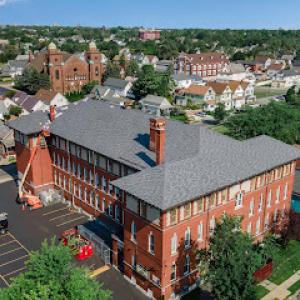
Besroi Roofing & Siding
(716) 684-0355 besroiroofing.com
5434 Genesee St, Lancaster, New York
4.8 from 219 reviews
Besroi Roofing & Siding is a complete exterior company. Family-owned and operated since 1960, Besroi has been trusted by home builders, developers, federal contractors, and individual homeowners for over 64 years. We offer every customer the highest quality and service for any size job, including transferable manufacturer and labor warranties. For year-round roofing, siding, and other construction services, call us now!
716 Brothers Construction
(716) 393-1199 716brothersconstruction.com
3637 Walden Ave, Lancaster, New York
4.9 from 25 reviews
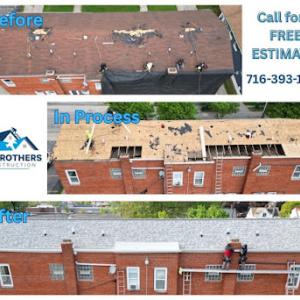
716 Brothers Construction is a BBB accredited Roofing Service located in Lancaster, NY. We offer Roofing Services, Demolition Services, Gutter Services, Deck Installation Services, Renovation Services, Roof Repair, Roof Installation, Roof Replacement, Concrete Repair, and Masonry Repair. At 716 Brothers Construction, we have been helping homeowners in Western New York get a full roof replacement paid by the insurance company! with top-quality roofing, siding, masonry, and renovation services. Specializing in both exterior and interior projects, we are committed to delivering durable and stylish solutions for every home. Trust 716 Brothers for expert craftsmanship and reliable service. Contact us today for a Free Estimate!
LJ Construction WNY
(716) 989-9494 www.ljconstructionwny.com
3439 Walden Ave, Lancaster, New York
4.6 from 19 reviews
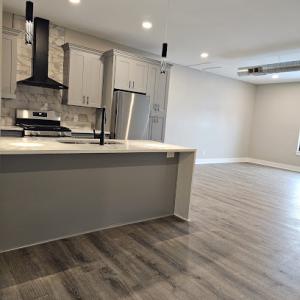
LJ Construction proudly adds to the local landscape by building Western New York custom homes. We provide exceptional customer service for all home remodeling needs - from building your dream kitchen to giving your bathroom a modern look that includes professional tiling and so much more. We don't stop there! LJ Construction also offers services in roofing, HVAC, and plumbing. Call us today for a free quote at (716) 989-9494 and let us help you begin building your dreams.
Roof Leopard
(716) 249-9550 roofleopard.com
Serving
5.0 from 74 reviews
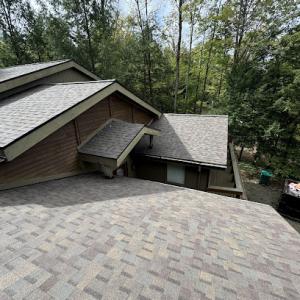
At Roof Leopard, we’re dedicated to providing top-notch roofing and siding services with a focus on exceptional customer experience. Roof Replacements and Roof Tune-Ups are what we do! Here's what sets us apart: High Detail site visits and quotes! Exceptional Customer Service: We prioritize clear communication and a smooth process from start to finish. Professional Installation: Our detail-oriented installers respect your property, ensuring quality workmanship. Got flowers and landscaping to protect? We got you Thorough Cleanup: Our motto is "Leave the place better than you found it." We go the extra mile to clean up, ensuring no stray nails are left behind. Visit us today for your instant quote and experience roofing done right!
Buffalo's Best Roofing Company
(716) 276-3673 www.buffalosbestroofing.com
Serving
4.9 from 564 reviews
🏠 Buffalo’s Best Roofing & Concrete – Trusted. Local. Proven. Proudly serving Buffalo and Western New York, we specialize in residential and commercial roofing solutions built to last. Whether it’s a leak, full roof replacement, or seasonal inspection, our licensed, insured team delivers fast, reliable, and high-quality work—every time. ✅ Shingle & flat roof systems ✅ Emergency storm damage repair ✅ Roof inspections & maintenance ✅ Expert concrete, siding, gutters & more With over 100 years of combined experience and thousands of satisfied customers, we’re Buffalo’s go-to choice for durable, dependable roofing. 📞 Call now or message us to schedule your free estimate—your roof deserves the best! #BuffalosBestRoofing #WNYRoofing
Thrifty Roofs
(716) 577-7777 thriftyroofs.com
Serving
4.3 from 70 reviews
Thrifty Roofs is a reputable, family-owned roofing company, proudly serving the Buffalo, NY, area for over 35 years. Our team specializes in roofing, siding, and gutter services, focusing on top-notch workmanship and exceptional customer service. Our dedicated team of experienced roofers excels in various roofing services, including but not limited to roof replacement, repair, maintenance, and inspections. At Thrifty Roofs, we prioritize customer satisfaction and aim to exceed expectations on every project we undertake.
Erie Home
Serving
4.7 from 71 reviews
Since 1976, Erie Home has manufactured, supplied, and installed the best-performing roofing on the market. By providing ironclad warranties and convenient financing, we ensure that every homeowner we work with receives top quality service and value for their homes and properties. Erie Home professionals are the roofing company of choice in the greater Buffalo, NY area. Whether you need roof inspections or roof damage repair services, Erie Home has been the go-to roofing contractor for nearly 50 years because of our attention to detail and dedication to making sure our customers are satisfied with their results. Contact us today for a quote and see why we're the trusted roofing company Buffalo counts on.

Neth & Son
(716) 259-1856 www.nethandson.com
Serving
4.5 from 24 reviews
Neth & Son is certified installer of all major commercial roofing systems available on the market serving Buffalo, Rochester, NY & Orlando, FL. We are a roofing contractor authorized to install manufacturers' top-line products – many of which require special training and certification. Call us for a free estimate today.
Graves Brothers Home Improvement
Serving
4.7 from 487 reviews
Graves Brothers Home Improvement has been locally-owned and operated in Upstate N.Y. since 1977. As one of the fastest growing businesses in the region, they offer their residential and commercial clients Roofing, Siding, Windows, and other Home Improvement services. Graves is a nationally-recognized contractor that has been repeatedly named a Top 100 company in the region as well as one of the top 500 home improvement companies in the United States, annual Angie’s List certification holder, countless product certifications, and more. Graves Brothers services Upstate and Western New York, the Finger Lakes Region and the Capital District from their facilities in Rochester, Buffalo, Albany and Syracuse.
Buffalo Roofing
(716) 444-7663 www.buffaloroofing.com
Serving
4.8 from 381 reviews
Buffalo Roofing is Western New York's expert local roofing contractor. We provide a wide array of reliable services, that includes everything from comprehensive residential roofing solutions to a full slate of modern commercial roofing resources. Our professional team utilizes cutting edge equipment, combined with a wealth of knowledge and experience to complete projects on time, within budget and to the highest quality.
Roofologists
(716) 870-2574 www.roofologistsny.com
Serving
4.7 from 36 reviews
Providing Quality Roofing Work for All of WNY!
A full roof replacement in Lancaster typically requires a permit through the local Building Department in Erie County. Before any shingle tear-off or new roof goes on, the permit sets the project limits, material types, and any energy code considerations that impact ventilation and insulation. Applications generally require project details from the homeowner or contractor, including the scope of work, roofing materials, and a basic plan for ventilation and underlayment. Submitting this information up front helps avoid delays when the department schedules inspections during the installation process.
Inspections may occur during and after installation to verify that the work aligns with code requirements and the conditions of the permit. In practice, expect at least one inspection while the roof is being replaced to confirm nailing patterns, underlayment coverage, and flashing at penetrations. A final inspection typically occurs after completion to ensure all components meet the permit scope and local standards. Turnaround times vary by season and department workload, so building a loose calendar around peak freezes or snow events can help prevent scheduling bottlenecks.
Local inspections emphasize proper ventilation to manage attic moisture, the presence and quality of underlayment, flashing details around chimneys, valleys, and vent stacks, and correct nail placement and fastener spacing. Snowy and freeze-thaw cycles in this climate make membrane integrity and secure flashing even more critical to resist ice dam-related leaks. Inspections will confirm that vent openings are not blocked by roofing material and that the attic and roof deck are adequately vented to minimize condensation risks during winter weather.
Have the permit number, contractor contact, and project description readily accessible for the inspector. Gather any architectural drawings or venting calculations if required, and keep a log of material deliveries and job progress to facilitate quick verification. Plan for a dedicated contact on site during critical stages-especially when flashing and valleys are installed-to address any questions the inspector may raise. Weather windows and seasonal workload can influence inspection timing, so coordinating early with the Building Department helps keep the project on track.
In this market, the moment a wind or hail event rattles through the neighborhood, the claim hinges on solid documentation. Local insurers commonly want evidence of prior damage, a detailed estimate, and clear photo records before and after the work. Keep a dated album of the roof's condition, especially after storms, and preserve any notes from neighbors who witnessed the debris or uplift. A careful, door-to-door inspection by a trusted roofer who can document attic conditions, edge damage, and missing shingles helps your file stand up when adjusters arrive.
Adjusters in this market may verify venting and underlayment details as part of their assessment. That means installation quality matters not only for the claim outcome but also for warranty support down the line. If vent chutes, ridge vent, or underlayment show signs of improper sealing, moisture intrusion can masquerade as wind or hail damage and complicate settlement. A recent, code-appropriate installation with proper underlayment and ventilation helps prevent fast claim disputes and reduces the risk of repeat leaks during Lancaster winters.
Some carriers have become more selective with older roofs and certain materials, pushing homeowners toward replacement sooner when a roof is near the end of service life. That reality underscores the value of a candid early assessment after a storm: if the deck is exposed or significant deck rot is found, a full-replacement approach can be preferable to patchwork repairs. In winter-torsion conditions, a roof near the end of its life has a higher chance of recurring leaks, ice dam risks, and higher long-term repair costs. Consider how a proactive replacement aligns with the home's overall performance, especially if the claim process flags preexisting vulnerabilities that weather-heavy winters would otherwise expose.
Keep a consistent after-storm documentation routine, prioritize quality venting and underlayment during any repair, and engage a local contractor who understands Lancaster's snow-driven wear patterns. This tends to smooth claim processing and helps protect the roof from the unique freeze-thaw cycles that define the area.
Connect with contractors who help homeowners navigate the claims process from damage assessment to final approval.
716 Brothers Construction
(716) 393-1199 716brothersconstruction.com
3637 Walden Ave, Lancaster, New York
4.9 from 25 reviews
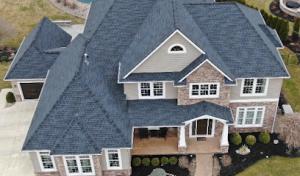
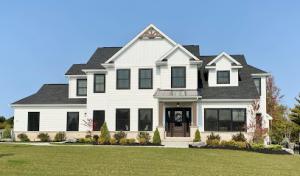
Spring rains and temperature swings in Lancaster can affect shingle sealing, underlayment exposure windows, and crew scheduling. Start projects after a few dry days have firmed up the roof deck, but before the peak of spring showers. Plan for cautious sealing windows on days when daytime temperatures rise above 40-45°F and nighttime lows stay above freezing. If a cold snap hits, you may need to pause work to protect newly installed underlayment and starter courses. Communicate with the crew about expected rain patterns and allow extra time for moisture-related waits, especially on steeper roofs where exposure can linger. Schedule critical sealing steps for the warmest part of the day, and choose weather buffers that keep you from chasing last-minute rain days.
Fall wind events and debris can complicate shingle installation and cleanup, making timing important for homeowners trying to finish work before winter. Aim for a window when winds are moderate and leaf fall is tapering, typically after a few dry days without strong gusts. Clean gutters and roof edges ahead of the crew's arrival to minimize debris transport and to keep shingles from being damaged during wind-driven cleanup. If you must work near leaf drop peaks, plan for additional cleanup time and an extra pass for nail and shingle alignment. Completing critical roof edges and flashings before the first heavy debris period helps prevent misalignment and reduces post-install touch-ups.
Because winter snow can delay projects, Lancaster homeowners often face tighter scheduling windows than markets without prolonged cold-season interruptions. Plan to have the crew on site earlier in the season to lock in a sequence before snow storage becomes a factor. If a delay occurs due to snow, maintain clear communication about rescheduling priorities and backup dates. Pre-order materials with longer lead times to avoid winter hold-ups, and keep access paths clear for snow days so crews can return quickly when skies clear.
Skylights are a notable specialty in the local market, and they become higher-risk leak points when snow, ice, and freeze-thaw movement stress surrounding flashing. In practice, condensation and ice buildup tend to push water inward at the curb and joints long before a visible roof leak forms across open field shingles. Regular inspection after heavy storms helps catch hairline failures before they turn into drips.
The repeated freeze-thaw cycles that define Lancaster winters take a toll on skylight flashing. When ice forms against the flashing flange, it can pry seams apart or create small gaps where meltwater can creep in. If the skylight sits near a valley or at a roof transition, misalignment or aging boot seals amplify the chance of a leak, especially after a storm when the attic pressure shifts.
Chimney-related roof intersections also matter locally because many established homes in this market have masonry penetrations that need careful flashing during re-roofing. A compromised counter-flashing or deteriorated step flashing at the chimney can channel water directly toward skylight seals during melt events. If a chimney and skylight sit on adjacent planes, a small shift in one can expose the other to increased moisture.
Recurring winter moisture problems in the area often show up first at penetrations and transitions rather than across open field shingles. Skylights and chimneys are common culprits because heat loss concentrates moisture around seals, leading to repeated ice dam stress at the edges. Address these areas proactively with targeted flashing inspection, resealing, and, when needed, strategic re-flashing to slow or halt intrusion.
Find contractors experienced in skylight installation, flashing, and leak repairs to bring natural light into your home.
Besroi Roofing & Siding
(716) 684-0355 besroiroofing.com
5434 Genesee St, Lancaster, New York
4.8 from 219 reviews
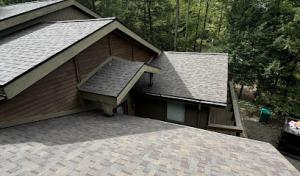
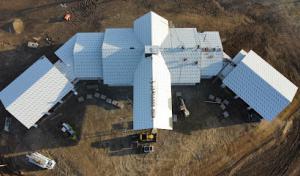
While the typical Lancaster home leans toward steep asphalt, there are enough flat sections-porches, additions, and attached garages-to make low-slope roofing a real local issue. These areas sit in the shadow of the taller main roof, so snow can linger and freeze-thaw cycles pressure the seams, edges, and drainage points first. When cold snaps hit and the snow sits, ice builds at transitions and around any penetrations, and small leaks can become noticeable quickly along a low-slope edge.
Begin with a careful walk-around after each heavy snowfall or thaw cycle. Focus on low-slope transitions where the porch roof meets the main roof, where gutters or downspouts terminate, and at any skylight or vent curb on a flat patch. Look for bubbled or cracked underlayment, lifted flashing, and signs of ice buildup near seam lines. If a drip edge or flashings have been bent by weight or freeze-thaw, that edge becomes a prime leak path. Capture any staining inside the attic near these joints as a clue to hidden leaks.
Edges, parapets, and drainage connections are the most vulnerable. Frozen water can back up at a flat seam, forcing water under the shingles or underlayment and into the roof deck. Penetrations-vents, pipes, and electrical entries-tend to fail first when ice dam pressure grows. Scuppers and gutters, if blocked, create pockets of standing water that re-freeze and pressure-wrap the core of the low-slope section. Poorly integrated ventilation between the main roof and the flat area also invites moisture buildup and deck rot.
When replacing the main shingle roof, ensure adjoining low-slope sections are included in the scope so drainage and flashing align properly. Extend robust underlayment onto the flat areas, and reinforce flashing at all transition points. Improve insulation and ensure proper ventilation around the junctions to minimize freeze-thaw stress. Prioritize sealing all seams and joints, and plan for regular winter-time inspections to catch early signs of trouble before leaks emerge.
Find specialists in TPO, EPDM, and built-up flat roofing systems for residential and commercial properties.
716 Brothers Construction
(716) 393-1199 716brothersconstruction.com
3637 Walden Ave, Lancaster, New York
4.9 from 25 reviews
Buffalo's Best Roofing Company
(716) 276-3673 www.buffalosbestroofing.com
Serving
4.9 from 564 reviews
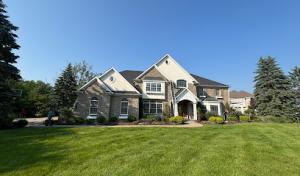
Lancaster homeowners are in a market where quick response, cleanup, affordability, and proven re-roofing experience carry more weight than premium, boutique systems. When evaluating bids, look for a crew that can promise a timely start, a clean site during debris removal, and a clear plan for snow season readiness. The right choice should show a track record of handling typical Lancaster winter challenges-freeze-thaw cycles, ice dam risk, and rapid leak mitigation-without sacrificing basic workmanship.
Long-established, family-owned firms are a visible and trusted part of the local landscape, and that reliability often translates into better warranty follow-through after winter damage. Seek references from neighbors with similar houses and winters. Ask what pieces of the job the contractor handles personally and which parts are delegated. A company that remains involved through final cleanup and post-install inspections is more likely to stand behind its work when the first heavy thaw arrives.
Because insurers may scrutinize venting and underlayment, homeowners in this area should weigh workmanship and documentation habits as heavily as price. Confirm that the roofer uses proper attic ventilation designs for snow-heavy winters and installs a robust underlayment system suited to freeze-thaw cycles. Insist on a written venting plan, a complete materials list, and a photo timeline of key installations. Clear notes about flashing details and ice-dam防 strategies help with future claims and inspections.
Given Lancaster's propensity for sudden snow loads, request a concrete plan for winter readiness: timely tarping of exposed areas after a storm, prioritized leak response, and a numbered point of contact during severe weather. A straightforward service agreement that outlines response times and repair windows reduces downtime when a leak appears in the middle of January.
When comparing bids, favor contractors who provide a transparent project schedule, on-site supervisor presence during key milestones, and a thorough cleanup protocol. Look for consistency in crews and a willingness to revisit small imperfections after the job completes. The best choice aligns reliability with clear communication, practical winter-forward details, and a practical approach to insulation, ventilation, and flashings that address Lancaster's winter realities.