
Last updated: Apr 19, 2026
Heavy snowfall and repeated freeze-thaw cycles drive relentless aging on roofs in this Buffalo-area winter corridor. Each heavy storm layers weight onto overhangs and ridge lines, while daily temperature swings push melt water back up under shingles or underlayment. The result is a short window where ice dams form, gutters clog, and roof deck moisture accelerates deterioration. In practice, this means your roof bears a concentrated combination of snow load stress and thawing pressure that accelerates leaks, shingle curling, and flashing failure if left unchecked. Understanding this pattern helps you spot trouble early and respond with purpose before interior damage shows up.
Ice dams do not announce themselves with a loud warning; they creep in quietly as ice builds along the eave and behind it as meltwater refreezes. Pay attention to a few concrete signs: dark staining along eaves, a frozen edge that sits like a dam, icicles that extend from gutters, and warmer attic spots indicating heat loss. If you notice interior staining near ceilings or walls during winter, treat it as a roof problem in progress. Don't wait for a drip to become a leak; ice dam activity often precedes visible damage by days or weeks. Action is urgent: remove attic heat sources where safe, ventilate the attic to restore cold roofing conditions, and prepare for a careful, well-timed roof replacement or repair once weather allows.
Snow accumulation is not a one-and-done event. Each snow episode increases the load the structure must carry, and each thaw followed by overnight freeze tightens the cycle. Over time, shingles fatigue, underlayment can weaken, and flashing around chimneys, vents, and valleys becomes vulnerable. In practical terms, this means minor leaks today can become major failures next winter if preventive steps are deferred. Pay particular attention to flashing at valleys, dormers, and roof-to-wall transitions-these are common catastrophe points after repeated freeze-thaw cycles in this region.
Local conditions push replacement timing toward late spring through early fall because winter tear-offs are constrained by cold, wind, and snow. Planning ahead for that window yields the safest, most durable installation, and it also reduces the risk of interim leaks during a harsh winter. If replacement is unavoidable during winter, ensure a robust plan for protecting the interior during the job, and prioritize crews with proven experience handling snow roof conditions and rapid insulation controls. Delaying a full replacement into the shoulder seasons minimizes weather-related risk and helps guarantee proper installation quality in this climate.
Ice and water shield compliance is a notable review point in the Town of Amherst roof replacement documentation. This protection matters because it directly counters the most common failure mode in Buffalo-area winters: meltwater that finds its way under the shingle layer and then refreezes. Ensuring full, properly installed ice and water shield in critical zones-along eaves, behind metal kickouts, around penetrations, and in valleys-can dramatically reduce the chance that an early winter melt becomes a mid-winter disaster. If a contractor cannot demonstrate a solid shield strategy for these zones, treat that as a red flag and insist on a shield-first approach before any tear-off proceeds.
Asphalt shingles and metal roofing are the practical workhorses for this area. The active contractor market in Amherst clearly signals asphalt shingles and metal roofing as the go-to choices, with fewer crews routinely handling clay tile or cedar. This matters because the local climate and housing stock align with how these two materials perform when heavy snow, ice, and rapid freeze-thaw cycles push edge details and flashing to the limit. If your house has standard 3-12 pitch and typical suburban eaves, you'll find the most reliable long-term service from asphalt or steel to match what most neighbors already chose.
Cold Buffalo-region winters push water to find paths under the roof, then refreeze along the edge. Freeze-thaw cycling shortens roof lifespans and makes underlayment, flashing, and edge detailing more consequential than in milder markets. Asphalt shingles are forgiving when nailed with proper spacing and good overlap, but they depend on a sound ice-dam strategy and reliable edge detailing to prevent water entry near rake and gutter lines. Metal roofs resist puncture from hail and shed snow more predictably, yet they demand precise flashing transitions at chimneys, skylights, and roof-to-wall connections to avoid ice dams forming at the eave. Either choice benefits from a well-sealed transition from roof to wall and from a robust attic ventilation plan that minimizes warm attic pockets that feed ice dam formation.
When it comes to long-term resilience through a typical Amherst winter, consider how each material handles edge conditions. Asphalt is strong in standard detailing and can be highly durable with quality underlayment and correctly installed drip edges. In areas where eaves collect significant snow, ensure the contractor emphasizes ice-and-water shield along the lowest 24 inches of the roof and continuous valve-free underlayment at valleys and penetrations. Metal, while excellent at shedding snow, requires careful flashing at all penetrations and clean, continuous seals at ridge and eave transitions to deter ice dam leakage during thaw cycles. Both systems benefit from vented attics and insulation that keep the roof deck cold enough to minimize rapid thaw near the eaves.
The local signal mix shows meaningful specialization in these two materials, so you'll see consistent performance when the installation follows best practices you'd expect from East Amherst crews. Look for installers who detail a comprehensive plan for underlayment, edge detailing, and flashing, plus a clear approach to maintaining clean snow loads on the roof during heavy storms. For asphalt, verify shingle granule quality and proper nailing in areas prone to wind uplift. For metal, confirm panel seams, sealants, and attic ventilation are aligned to handle Buffalo-region temperature swings. In either case, choose a crew that can tie the roof's water management directly to wall and gutter interfaces, because that's where many of the winter failures start.
The Buffalo-area storm pattern drives recurring roof claim activity, driven by hail and wind exposure that routinely tests shingles, seams, and flashing. In this neighborhood, the combination of heavy snows, ice dam risk, and freeze-thaw cycles compounds roof stress even during milder days. When a spring thunderstorm rolls in, or a late-season hail event clips exposed edges and valleys, the resulting damage is often concentrated along the eaves, rake edges, and near vent pipes. This local climate means that small leaks can become big problems quickly if left unaddressed, especially on steeper suburban roofs where the surface is repeatedly stressed by shifting ice and shifting temperatures.
Insurers in this market want clear, well-documented evidence of damage and a credible repair plan before they authorize a repair or replacement. The typical file will include a detailed roof evaluation, before-and-after photos, and contractor estimates that map out the scope of work with specific line items. In practice, this means you should photograph every affected area from multiple angles after a storm, note any granule loss, lifted shingles, punctures, or damaged flashing, and keep a running record of any leaks inside the attic or ceilings. If a contractor identifies hidden damage under shingles or in the underlayment, document that as well with close-up photos. Having organized records accelerates the review process and reduces back-and-forth with adjusters.
Before approving repair or replacement, insurers expect an assessment that ties the damage to a storm event and demonstrates the adequacy of the proposed remedy. A comprehensive scope should distinguish between superficial cosmetic wear and structural or waterproofing concerns. They may request notes on ice dam exposure, wind-driven rain, and any freeze-thaw damage that affects attic ventilation and insulation. In this market, it helps to present a phased plan if the roof shows widespread wear but not catastrophic failure, so the insurer can see that the approach minimizes future risk and aligns with the home's exposure profile.
If you suspect damage, start with a temporary but effective protection plan: tarps or heavy-duty waterproofing over vulnerable valleys and exposed seams, and careful removal of standing water inside the attic to prevent secondary damage. Arrange a professional roof evaluation promptly, focusing on the attic space, eaves, and flashing details. When you speak with a roofer, request a written assessment that highlights both visible damage and potential hidden issues behind the fascia and underlayment, especially in areas affected by ice damming and freeze-thaw cycles. Keep contractor estimates organized, as these will be key documents for the insurer's decision.
Spring storms and hail events are a local immediate risk, with rapid escalation in a few hours if a strong front passes. Windier transitional seasons can complicate temporary repairs and seam sealing, so plan for prompt, weather-aware scheduling. If the roof has signs of moisture intrusion or struggling ventilation, don't wait for a calm stretch-the sooner a credible evaluation is in, the better the chances of a smooth claim and a secure, long-lasting repair.
Connect with contractors who help homeowners navigate the claims process from damage assessment to final approval.


Amherst Roofing
(716) 304-4554 www.amherstroofingwny.com
8900 Transit Rd, East Amherst, New York
4.7 from 135 reviews
From asphalt shingles and metal to tile and solar, there are many different types of roofing you can choose from to install. If you need help making the best choice, we’re just the team to help you out. Our team has 40 years of combined experience in the roofing industry, so rest assured we’ll help you make the right choice. We service Clarence, Orchard Park, Amherst, Buffalo and the surrounding areas.
Buffalo Roofing
(716) 444-7663 www.buffaloroofing.com
Serving
4.8 from 381 reviews
Buffalo Roofing is Western New York's expert local roofing contractor. We provide a wide array of reliable services, that includes everything from comprehensive residential roofing solutions to a full slate of modern commercial roofing resources. Our professional team utilizes cutting edge equipment, combined with a wealth of knowledge and experience to complete projects on time, within budget and to the highest quality.
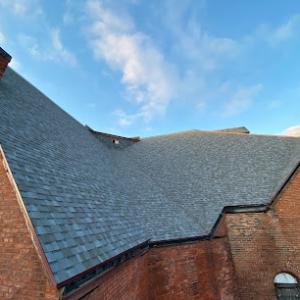
NBS Roofing
(716) 302-5522 www.nbs-roofing.com
Serving
4.5 from 57 reviews
NBS Roofing is a local roofing contractor that is family owned and has more than 50 years of combined experience.
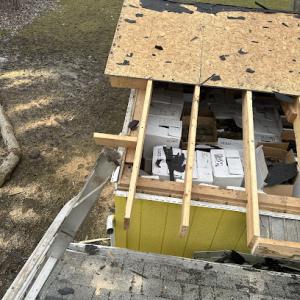
Clarence Roofing of WNY
(716) 406-7251 clarenceroofingofwny.com
Serving
5.0 from 49 reviews
Clarence Roofing of WNY: Expert Roofing Contractors in Clarence, NY & WNY Clarence Roofing of WNY offers top-notch roofing maintenance and repairs to ensure your roof lasts for years. Our highly skilled roofing contractors are committed to delivering outstanding service and quality workmanship. Services Include: Roofing Maintenance: Prolong the life of your roof with our comprehensive maintenance services. Roofing Repairs: Expertly handle all roofing repairs with efficiency and care. Highly Skilled Contractors: Trust our trained professionals for exceptional roofing solutions. Outstanding Service: Experience superior customer service and exceptional results. Choose Clarence Roofing of WNY for all your roofing needs in Clarence & WNY!
Graves Brothers Home Improvement
Serving
4.7 from 487 reviews
Graves Brothers Home Improvement has been locally-owned and operated in Upstate N.Y. since 1977. As one of the fastest growing businesses in the region, they offer their residential and commercial clients Roofing, Siding, Windows, and other Home Improvement services. Graves is a nationally-recognized contractor that has been repeatedly named a Top 100 company in the region as well as one of the top 500 home improvement companies in the United States, annual Angie’s List certification holder, countless product certifications, and more. Graves Brothers services Upstate and Western New York, the Finger Lakes Region and the Capital District from their facilities in Rochester, Buffalo, Albany and Syracuse.
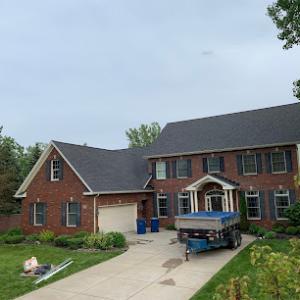
Bors Pros Roofing Company
(716) 903-2253 borsprosroofing.com
Serving
4.8 from 73 reviews
Bors Pro Roofing has been repairing roofs and installing new roofs in Lockport, Clarence, Amherst and nearby areas for over 20 years. Our mission is to resolve your roofing issue promptly We deliver top-notch roofing solutions and more to enhance your home's durability and curb appeal. We know how hard it can be to find a Roofing contractor that does quality work at an affordable price. That's why we take the time to go over our invoices with our customers. Transparent pricing is super important. Specializing in roofing, siding, gutters, ventilation soffits, skylights, windows, and flat roofs, we ensure every project meets our high standards of quality and safety. Contact us today to schedule a free consultation
OConnor Contracting
(716) 600-7663 www.oconnorroofingbuffalo.com
Serving
4.9 from 273 reviews
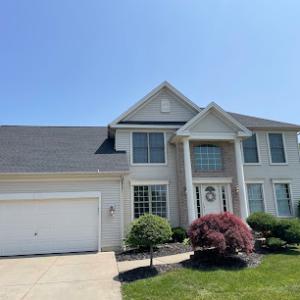
OConnor Contracting was founded to help the homeowners of Western New York with their roofing and siding needs. The Western New York area experiences four distinct seasons, with cold and snowy winters, rainy spring weather, hot summers, and unpredictable autumns. Changes in temperature and wet weather can create difficulties for residential roofing in particular. Your roof is a strong and weathertight guardian against the outside world, including wind, rain, and even pests. However, it can be vulnerable to storms and severe weather; In addition, every component needs to work seamlessly together to prevent damage. Even the smallest problem in your roof can cause moisture damage, which in turn creates a snowball effect.
Stellar Roofing - Buffalo
(716) 320-7663 www.stellarroofing.com
Serving
4.7 from 446 reviews
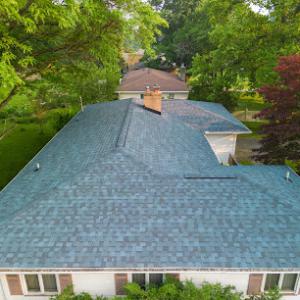
Stellar Roofing is the leading Roofer in Buffalo, NY & the surrounding areas. We proudly offer Roof Repair & Replacement in Buffalo, NY! Get in touch with us if you need Gutter Installation. Here at Stellar Roofing, we operate by the golden rule. We treat your home as we would treat our own. With our combined experience of over 50 years, we know what works and what doesn’t. We have spent years researching the market for the absolute best products for your home. If you are going to replace your roofing system you only want to do it once and you want it done right. You also want the best products and workmanship at a fair price. That’s what we offer here at Stellar Roofing. Contact us if you looking for "Commercial Roofing near me".
Roofologists
(716) 870-2574 www.roofologistsny.com
Serving
4.7 from 36 reviews
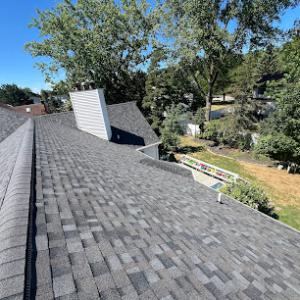
Providing Quality Roofing Work for All of WNY!

AVA Roofing & Siding
(716) 343-7663 www.avaroofing.com
Serving
4.8 from 562 reviews
We are AVA Roofing, a family owned and operated company. We are four brothers that joined together to serve #WNY and to provide premium craftsmanship for a fair price. We have served over four thousand customers and have over 500 online references.
Lifetime Siding, Roofing & Construction
(716) 239-6476 www.lifetimesidingandroofing.com
Serving
4.9 from 115 reviews
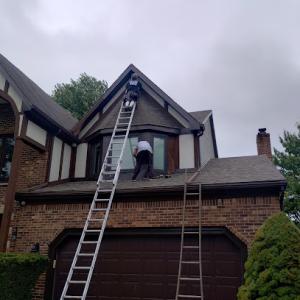
We are a team of professional roofing contractors that service Buffalo, NY as well as Cheektowaga and Niagara Falls. Our services include new roof installations, roof trimming, roof repairs, chimney services foundation works, or decks and porches. We are here to make sure your family and your homes are protected from the harsh weather seasons in WNY during the most unexpected time of the year. Get your FREE quote today!
A full roof replacement in East Amherst typically requires a permit through the Town of Amherst Building Department. This ensures that the work meets local structural standards and snow-load considerations common to Buffalo-area winters. The permit process helps verify that ventilation, underlayment, and ice-dam prevention methods align with the town's expectations for steep suburban roofs.
Applicants generally submit a permit application describing project scope and contractor details. The application should clearly specify the start and finish timelines, material types, and any structural work involved, such as rafters, sheathing, or reinforcement for heavy snow loads. The department may request plan review materials, including roof framing diagrams, underlayment choices, and details on ice-water shield installation. Having these documents ready can speed the review, especially after a tough winter when the town focuses on preventing ice dam-related damage.
During review, inspectors look for adherence to local code requirements and performance under freeze-thaw conditions. Expect questions about venting, attic insulation, and proper underlayment installation around valleys and penetrations. The reviewer may request additional specifications for snow-load support and roof edge details to mitigate damming risk. If your project includes re-flashing around chimneys or skylights, be prepared to provide product data and installation notes that demonstrate compatibility with existing exterior materials and flashing continuity.
Inspections are commonly scheduled at rough-in and final completion, with underlayment and ice/water shield documentation potentially reviewed for compliance. The rough-in inspection verifies that structural framing and fasteners meet design loads, while the final inspection confirms that waterproofing and finish materials are properly installed and sealed. Any deviations found during inspections may require corrective work before a certificate of occupancy or final approval is granted. Coordination with the contractor and scheduling ahead of weather-sensitive windows helps keep the process on track through the winter season.
In this market, replacement timing is driven by Buffalo-area snow loads and the frozen-rrost cycle. Late spring to early fall is the preferred replacement window, and demand can compress into that period. Local pricing tends to reflect that seasonality, with bids tightening when the calendar fills with back-to-back projects after a cold, heavy winter. Storms-hail, high wind events, or sudden freeze-thaw cycles-can push scheduling pressure and push pricing higher for a short stretch in East Amherst.
Pricing is aligned with material choice, roof size, and the steepness of the slope. Typical cost ranges, per square (one square equals 100 square feet), illustrate the local spread. Asphalt shingles sit at the lower end, roughly 350 to 600 USD per square, while metal options run 700 to 1,100 USD per square. Clay and concrete tile push higher, commonly 1,100 to 1,900 USD per square and 900 to 1,700 USD per square, respectively. Wood shingles and synthetic/composite shingles fill out the middle, about 600 to 1,100 USD per square for wood and 600 to 1,000 USD per square for synthetic. For a typical suburban roof, this translates into a substantial, but predictable, budgeting line when sizing up a replacement project in East Amherst.
Ice dam risk and freeze-thaw stress are real constraints to plan around. A roof that faces a northern slope or a house with mature trees nearby will collect more snow and ice, increasing the odds of ice dam development and gutter line damage. Selection of underlayment, insulation, and proper attic ventilation should be treated as part of the replacement package, not a afterthought. A well-sealed attic space reduces heat transfer to the roof deck, which, in turn, diminishes ice dam formation and minimizes further damage during thaw cycles.
Step-by-step planning helps avoid surprises. First, confirm the roof size and slope to estimate square count accurately. Second, shortlist materials based on climate resilience and local roof life cycle expectations; metal and synthetic options tend to perform well in freeze-thaw cycles, while traditional asphalt remains the most budget-friendly. Third, align replacement timing with the local peak window but prepare for potential delays driven by storms or high demand. Fourth, ask for a breakdown that separates material costs, labor, and any disposal or equipment fees; weather-related contingencies may also appear on the bid. Finally, ensure the contractor includes ice and water shield in the eaves, and a vented ridge system to counteract ice buildup and moisture issues.
Overall, plan for a winter-hardy installation approach and expect seasonally influenced pricing swings. The right material choice and a properly ventilated, insulated roof assembly can significantly cut long-term risks from ice dams and freeze-thaw damage, keeping East Amherst homes safer through tougher winters.
Get a clear picture of your project costs upfront - no commitment required.
Lifetime Siding, Roofing & Construction
(716) 239-6476 www.lifetimesidingandroofing.com
Serving
4.9 from 115 reviews
Buffalo's Best Roofing Company
(716) 276-3673 www.buffalosbestroofing.com
Serving
4.9 from 564 reviews
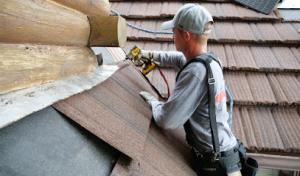
Skylights are a common feature on many East Amherst homes, and the installer's work shows up quickly in the rafters. When replacing a roof, you're likely to encounter multiple skylight penetrations that demand careful planning and precise flashing. Poorly sealed skylight interfaces can become the first leak points after a heavy thaw or a winter storm, especially if the new roof surface meets an aging flashing stack. Expect crews to check every seal, curb, and boot with a skeptical eye, because a small misstep at a skylight can lead to interior staining and repeated ceiling repairs.
Chimneys sit at the edge of the heat load inside and the snow load outside, creating a natural pressure point for water. In this market, chimney-related work is a telling contractor signal; you'll hear about flashing transitions more than you'd expect. The transition from brick or siding to the roof deck is where leaks tend to hide, and consistent temperature swings worsen the risk. A careful roofer will install or renew step flashing, counter-flashing, and a robust seal at the chimney chase to prevent ice dams from creeping into the joint during freeze-thaw cycles.
Penetrations-vents, plumbing stacks, and roof hatches-are chronic weak spots when the temperature toggles between freezing and above-freezing. East Amherst homes with steep pitches face accelerated deterioration around these points if the surrounding shingles or underlayment are compromised. The key is proactive inspection: verify that penetrations have continuous sealant, solid flashing coverage, and a clean, debris-free surface for adhesion. In winter, even small gaps can become pathways for melted snow to refreeze into ice dams, expanding the damage outward along the roof line.
Find contractors experienced in skylight installation, flashing, and leak repairs to bring natural light into your home.
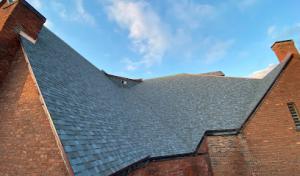
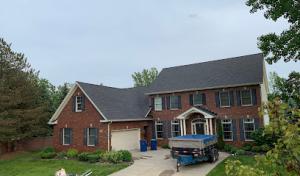
Flat and low-slope roofing is present in the East Amherst contractor market but is clearly secondary to pitched residential re-roofing. Snow retention and aggressive melt cycles from Buffalo-area winters demand precise drainage planning. If a low-slope section ties into a steeper roof, any mismatch in pitch or transition can trap meltwater and refreeze, creating ice dam risk downstream on the higher sheathing. Prioritize a consistent drain path that keeps water moving toward gutters and downspouts, and ensure any transitional flashing sits snug against both surfaces. A reluctant or uneven slope can become a hidden backslip point for ice buildup and accelerated wear along the membrane edge.
Windier transitional seasons can complicate seam sealing and exposed low-slope work in this region. Seams on flat or gently sloped roofs are more susceptible to wind-driven moisture infiltration, especially where older underlayment and fasteners meet. In East Amherst, seasonal gusts can lift exposed edges or disturb sealant beds, allowing water to travel beneath the surface. When planning or evaluating a low-slope section, pay close attention to the integrity of edge details, corner flashings, and the hook-up to the primary pitched roof. Under high wind, even small gaps become pathways for infiltration that eventually show up as staining or dampness inside the attic.
Regular inspections in late fall and after heavy snows are essential for flat sections adjoined to pitched roofs. Look for standing water, pooling along low points, and any hairline cracks in sealants. Debris accumulation from storms can block drainage paths and create freeze-thaw cycles that stress joints. In this climate, proactive maintenance-addressing minor edge deterioration and resealing vulnerable seams before the worst cold arrives-can prevent accelerating damage and preserve the overall performance of the roof assembly.
Find specialists in TPO, EPDM, and built-up flat roofing systems for residential and commercial properties.
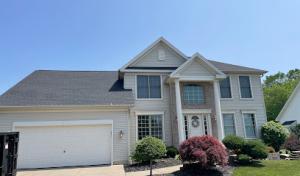
In this market, you'll notice homeowners prioritize roofing teams that bring solid re-roofing experience, respond quickly when winter storms hit, and leave the site clean and safe after work. East Amherst homes often endure heavy snow and freezer-thaw cycles, so the right crew delivers prompt, dependable service and clear communication about scheduling and storm alerts. When you ask for bids, expect contractors to highlight their track record with steep suburban roofs and to provide documented references from local neighborhoods.
A meaningful share of the local roofing landscape is made up of long-established, family-owned firms. That matters to homeowners because these companies tend to maintain a steady workforce, familiar equipment, and a history of steady service across seasons. You'll often encounter contractors who can point to decades of local projects, including repeat customers in the same cul-de-sac. For many homeowners, that local presence translates into easier coordination, a predictable clock for timely maintenance, and a sense of accountability you can verify with neighbors.
Warranty offerings appear frequently in this market and matter to buyers who worry about winter maintenance and long-term performance. While manufacturer-certified positioning is not the dominant signal, you'll still see solid coverage on workmanship and materials from reputable local firms. Pay attention to what the warranty covers during extreme freeze-thaw cycles and how claims are handled after a heavy snow season. A thoughtful contractor will walk you through what is and isn't covered, and how to maintain the roof to keep warranties valid through East Amherst winters.
Winter in this area brings pronounced ice dam risk on steep suburban roofs. Expect questions about ice barrier installation, proper attic ventilation, and insulation improvements that reduce meltwater reaching the eaves. Homeowners look for clear explanations of how a re-roof or retrofit will address dam formation, not just during storms but across daily temperature swings. Reputable crews will lay out a plan that includes snow retention details, gutter protection, and post-storm cleanup so driveways stay clear and safety remains the priority.
The combination of Buffalo-area snow load and freeze-thaw stress shapes material choices and detailing. East Amherst homeowners typically seek proven performance under heavy snow, with attention to rapid intervention if a panel shifts or a limb drops onto a roof edge. Contractors that discuss attic sealing, underlayment choices, and shingle types suited for cold cycles tend to earn higher confidence from neighbors, especially when paired with a strong track record and timely follow-up.