
Last updated: Apr 19, 2026
Erie's position on Lake Erie exposes roofs to lake-effect snow that can accumulate heavily and repeatedly through winter. When the wind shifts, snow can pile up on shingles and in gutters faster than you can shovel it away, especially on homes with limited overhangs or poorly protected valleys. That persistent snowfall isn't just a winter nuisance-it reshapes the way a roof behaves under load and during melt. If your attic is poorly vented, heat escaping upward can soften snow at the roof deck, inviting a cycle of melting and refreezing that creates ice dam pressure along the eaves. This is not hypothetical: a single season can build a pattern of dam formation that undermines shingles, loosens flashing, and drives water into joints you didn't know were vulnerable.
The city's cold winter pattern makes ice dam formation a primary roof risk, especially along eaves where meltwater refreezes. Ice dams act like miniature barriers, backing water up behind them and forcing it under shingles. That seepage travels into soffits, ridges, and drywall, often presenting as stained ceilings in the spring. The most reliable fix starts with how the edge details are constructed and maintained: continuous eave drip edge, properly sealed corners, and flashing that transitions smoothly from the roof plane to the wall. If you notice icicles forming early or ice tails along the gutters, address it promptly. Left untreated, ice dams can undermine underlayment and accelerate deck rot, particularly on older roofs that have seen multiple freeze-thaw cycles.
Heavy snow loading and repeated freeze-thaw cycles in Erie make underlayment, edge details, and attic ventilation more consequential than in milder Pennsylvania markets. The underlayment should be rated for prolonged exposure to moisture and capable of shedding water quickly toward the gutter line, not letting meltwater sit atop the deck. Edge details must be continuous and well-sealed, with flashing that extends far enough to prevent water from bridging the gap between roof and wall during rapid melt events. Consider ice-and-water shield along the first few feet of the roof and into critical valleys where snow tends to accumulate. Regular checks after heavy storms can catch compromised seams or loose fasteners before water infiltration becomes visible inside the attic or ceiling.
The attic is the quiet line in the battle against Erie's winter weather. Inadequate ventilation traps warm, moist air that accelerates snow melt on the upper roof while cooler air at the eaves remains stagnant. That mismatch fuels more frequent freeze-thaw cycles directly above your living space. A robust ventilation plan-combining soffit intake with ridge or high-side vents-helps keep the roof deck closer to outdoor temperatures, reducing ice dam risk and prolonging the life of underlayment. In practice, this means ensuring soffit vents aren't blocked by insulation, baffles are in place to maintain pathway for air, and attic fans operate only in proper conditions to avoid creating negative pressure that pulls moisture into ceiling gaps.
Erie homeowners should adopt a proactive calendar for roof and attic checks. After heavy snowfall, inspect drip edges, flashing joints, and gutter systems for ice-related damage. Look for dark staining or granule loss in shingles near the eaves, which can indicate early damage from dam-related water intrusion. If you see subtle signs of moisture intrusion or interior staining following a thaw, treat the roof as a triage situation: clear gutters and downspouts, recheck flashing seams, and verify that the underlayment remains intact beneath the decking. Quick, targeted maintenance in late fall and after major winter events can dramatically reduce the risk of structural damage and costly repairs driven by lake-effect snow and repetitive freezing cycles.
Long-term resilience rests on edge-to-edge protection: durable flashing, reinforced valley channels, and a dependable underlayment system paired with strong attic ventilation. If your roof is approaching the end of its life or has visible wear at the eaves, prioritizing a roof upgrade with a modern underlayment and precision edge detailing pays dividends during Erie's harsh seasons. In practice, this translates to evaluating the integrity of seals around chimneys and vents, upgrading to heat tape where ice tends to form along the gutter line, and choosing roofing materials that maintain performance under winter stress. When severe storms hit, a thoroughly prepared roof is less likely to suffer enduring water damage, and that readiness starts with solid edge work, effective ventilation, and vigilant maintenance.
Spring in Erie brings wind and hail events that commonly affect exposed roofing after winter wear has already stressed shingles and flashing. After long cold spells, seal strips and metal details can sit cracked or loose, and a storm can pry them further. The lake-effect delivery system means gusts slam ridge lines, vent pipes, and edge metal, turning small dings into active leaks in a hurry. If a spring storm hits while snow still lingers on the ground, the added weight and thaw cycles can unsettle fasteners and loosen flashing more than you expect.
If you notice dripping or wind-driven noise during a spring storm, prioritize safety and then document damage from a clear angle of attack. Move indoors if shingles lift or gutters pull away. Take photos of all impacted areas, especially along valleys, chimneys, and vent flashing. Cover exposed sections with a heavy tarp to minimize rain intrusion while you arrange a repair window. Contact a local contractor who understands Erie's spring rhythm for a quick site assessment, and avoid contractors who promise overnight, low-cost miracles.
Shingles may show curling or loose edges after winter, with granule loss revealing the underlying mat. Flashing around chimneys and skylights can crack or separate, inviting leaks as water follows those gaps. Metal edge details and drip caps often corrode or warp in the freeze-thaw cycle, creating channels for moisture. Look for damp spots on ceilings below attic eaves or in closets adjacent to exterior walls, and check attic insulation for sudden moisture intrusion after a storm.
Local contractor signals show meaningful demand for both emergency repair and storm-damage work, matching Erie's seasonal damage pattern. A qualified roofer can isolate wind-driven damage from winter wear, secure loose components, and outline a repair plan that stands up to repeat spring blows. If a leak persists after tarping, reach out promptly for a full assessment and a prioritized repair schedule to prevent escalating moisture and interior damage.
Find local contractors experienced in assessing and restoring roofs after hail, wind, and severe weather events.
Pinnacle Roofing & Construction
(814) 722-5184 pinnacleconstructionerie.com
1829 W 26th St, Erie, Pennsylvania
5.0 from 367 reviews
Angelo's Roofing
(814) 490-8483 angelosroof.com
1504 Cherry St, Erie, Pennsylvania
5.0 from 1087 reviews
Leon Construction
(814) 450-4601 www.leonconstructioneriepa.com
951 W 19th St, Erie, Pennsylvania
4.9 from 478 reviews
Pinnacle Roofing & Construction
(814) 722-5184 pinnacleconstructionerie.com
1829 W 26th St, Erie, Pennsylvania
5.0 from 367 reviews
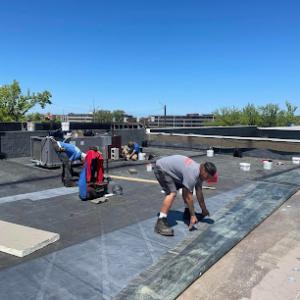
Pinnacle Roofing & Construction is a top-rated roofing company in Erie PA. We have over 15 years’ experience installing roofing, siding, windows, and doors. Our company stays up to date on all new products, materials, codes, and manufacturer installation specifications. It's important as a homeowner to know your roof is always in the best condition. Eliminating any problems such as damages or leaks while ensuring the energy efficiency of your home. When it comes to roofing in Erie PA, we specialize in installations, replacements, maintenance, and repairs. Our motto is only the highest quality craftsmanship. Don't waste time or money and hire the right roofers in Erie PA the first time around. Give us a call today for your free estimate!
Angelo's Roofing
(814) 490-8483 angelosroof.com
1504 Cherry St, Erie, Pennsylvania
5.0 from 1087 reviews
Local roofing company focused on offering every customer the best services on the market. Our goal is to always provide customers with the best experience and satisfaction. It’s crucial for us to ensure that your roof is always in great condition and there are no problems with it. All you have to do is to contact us as we are some of the best roofing contractors in Erie County. Our experience for roofing spans over many decades. We provide a variety of roofing services including installation, repairs, and complete re-roofing. In addition, we use only the best tools and materials to ensure that your roof will last for a very long time. Contact us today for a free roofing estimate!
Leon Construction
(814) 450-4601 www.leonconstructioneriepa.com
951 W 19th St, Erie, Pennsylvania
4.9 from 478 reviews
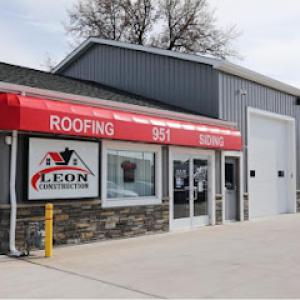
Leon Construction is a trusted commercial roofing contractor serving Erie County, PA, specializing in high-quality roofing services for businesses and commercial properties. In addition to expert roof installation and repairs, we offer comprehensive siding solutions, including vinyl house siding, as well as gutter installation and maintenance. Our skilled team also provides professional remodeling services, including kitchen and bathroom remodeling, ensuring complete property enhancement. Committed to durability, craftsmanship, and customer satisfaction, Leon Construction is your reliable partner for all commercial roofing and exterior building needs in Erie, PA. Contact us for expert service and lasting results.
Tri State Roofing
(814) 923-2313 www.tristateroofingpa.com
204 W 11th St, Erie, Pennsylvania
5.0 from 59 reviews
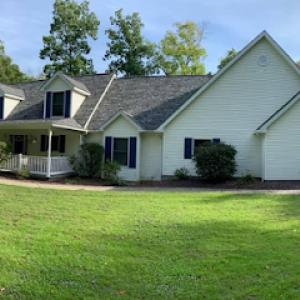
When he was 15 years old, Tri-State Roofing owner Paul Hershberger started tagging along to construction sites with his dad, who was a roofing contractor. It was there he learned the value of a job well done and how to treat customers with honesty and respect. When Paul grew up, he knew he wanted to stay in the business and founded Tri-State Roofing in 2011. Today, along with his brother Caleb and several crews that are highly seasoned and trained, the roofers serve residential and commercial clients within the tri-state area by offering all kinds of roof repair and replacement of asphalt shingle roofs, metal roofing, EPDM roofing, PVC coating and spray foam application. They’ve earned a reputation for excellent workmanship one job at a ...
Advanced Roofing & Construction
(814) 384-4092 www.advancederie.com
1947 E 12th St, Erie, Pennsylvania
4.8 from 77 reviews
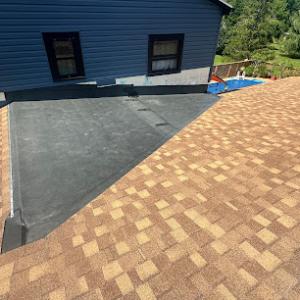
We are proud to serve our community members with quality and affordable roofing services. Call us today!
Neill & Son Roofing
(814) 983-7088 erie.neillandsonroofing.com
4447 W Ridge Rd, Erie, Pennsylvania
5.0 from 20 reviews
Neill and Son Roofing is a leading roofing contractor based in Erie, PA, with roots in Pittsburgh and a reputation for excellence. Our dedicated team offers a comprehensive range of services, including roof replacement, asphalt, metal, and stone-coated steel roofing, seamless gutters, gutter guard installation, residential and commercial roofing, siding installation, and IKO certified expertise. Known for affordability and top-notch service, we provide 15-year warranties, flexible financing options, and unmatched customer care. Contact Neill and Son Roofing today for a free roofing quote and discover why we're the trusted choice in Erie and beyond. Experience the difference with our expert team—where quality meets commitment.
Oaks Roofing & Siding
(814) 584-6257 oaksroofingandsiding.com
141 E 26th St, Erie, Pennsylvania
4.5 from 23 reviews
Kris Oaks founded Oaks Roofing and Siding in 2003 with the goal of providing superior construction services to homeowners throughout Erie, PA and the surrounding communities. For over 20 years, our family-owned and operated construction company has helped hundreds of customers achieve the home improvements of their dreams.
Liberty Roofing Pros
(724) 456-9336 libertyroofingpros.com
2840 W 21st St Suite 310, Erie, Pennsylvania
5.0 from 8 reviews
Liberty Roofing Pros is a trusted roofing company serving Erie County, PA. We provide roof repair, replacement, and maintenance services with a focus on quality workmanship and dependable care. Our experienced team is dedicated to helping homeowners protect their properties with reliable roofing solutions and excellent customer service.
Aaron's Roofing & Construction
Perry Hwy, Erie, Pennsylvania
4.6 from 10 reviews
Roofing & Construction company - specializing in exteriors including but not limited to roofing, siding, windows, doors, gutters, pole barns and new construction framing.
Brink Roofing
(814) 898-4663 erieroofestimates.com
5440 Buffalo Rd, Erie, Pennsylvania
3.9 from 39 reviews
Brink Roofing, your trusted roofing contractor in Erie PA, has been serving the community and surrounding areas for over 25 years. With a track record of thousands of completed roof projects, we specialize in both residential and commercial roofing services. From roof replacements and repairs to chimney repairs and leak diagnostics, our skilled team has got you covered. We also offer roof cleaning, seamless gutters, leaf + gutter guards, gutter cleaning, flat roof repairs, liquid rubber roof coating, and skylight repairs. Trust Brink Roofing for all your roofing needs.
Optima Construction
(814) 860-0365 optimaconstructioninc.com
2024 Schaper Ave, Erie, Pennsylvania
4.8 from 5 reviews
Optimizing the exterior of your home
ROI Roofing & Supply
(814) 881-1267 www.roiroofingandsupply.com
4916 Lee Ave, Erie, Pennsylvania
4.4 from 8 reviews
ROI Roofing specializes in restoring low-slope and flat commercial roofs.
Asphalt shingles and metal roofing are the most practical mainstream choices in Erie. The lake-effect snow and long freeze-thaw cycles mean you want a surface that sheds moisture reliably and can be fastened securely through seasonal temperature swings. Asphalt shingles are familiar, cost-effective, and compatible with a wide range of gutters, vents, and flashing details used by typical Erie homes. Metal roofing offers a tougher option for high snow areas, with strong wind and rain shedding properties that help reduce ice dam formation when installed with proper underlayment and snow guards. When you choose either, plan for a roof assembly that accommodates Lake Erie's humidity in summer and its heavy winter loads, paying attention to rated underlayment, ridge ventilation, and a deck that can carry the anticipated weight.
Slate and clay or concrete tiles show up on select older or higher-end homes. Aesthetically, they can preserve a historic curb appeal, but their weight profiles demand careful structural verification and snow load consideration. If you're upgrading an existing roof with these materials in mind, confirm the framing and decking are rated for the added mass, and evaluate the existing flashing detail around chimneys and valleys. Fiber cement shingles offer a middle ground: they resemble slate in look and can match older neighborhoods while usually being lighter and easier to manage than true slate. In an Erie setting, these options require precise detailing to maintain water shedding through freeze-thaw cycles and to avoid failures at vent penetrations and valleys.
Humid summers and winter freeze-thaw cycles make flashing compatibility, fastening method, and water-shedding performance as important as the surface material itself. With any surface, ensure flashing around dormers, stacks, and skylights is continuous and formed for snow slide behavior. Fastening methods should match the substrate and climate; in high-snow areas, longer fasteners and proper nailing patterns help resist uplift and wind-driven intrusion during ice dam formation. Materials like asphalt, metal, fiber cement, and stone-looking alternatives all need compatible edge metal and sealants that hold up to repeated freezing and thawing. Proactively plan for snow guards or a snow retention system in regions with heavy lake-effect snowfall to minimize unintended loads on eaves and gutters.
In Erie, ongoing maintenance matters as much as choosing the material. After heavy snows or thaws, inspect for gaps, damaged flashing, or displaced shingles. Humidity-driven moisture can creep into vulnerable joints, so keep vents clear and confirm attic insulation and ventilation are balanced to reduce condensation near the roofline. If you're balancing aesthetics with function, remember that fiber cement or slate options require specialized repair approaches that differ from standard asphalt roof replacements, so plan for professional assessment when addressing damaged detailing or repairs after a harsh season.
Explore specialists in steel, aluminum, and standing seam metal roofs built to last 50 years or more.
Tri State Roofing
(814) 923-2313 www.tristateroofingpa.com
204 W 11th St, Erie, Pennsylvania
5.0 from 59 reviews
Advanced Roofing & Construction
(814) 384-4092 www.advancederie.com
1947 E 12th St, Erie, Pennsylvania
4.8 from 77 reviews
Neill & Son Roofing
(814) 983-7088 erie.neillandsonroofing.com
4447 W Ridge Rd, Erie, Pennsylvania
5.0 from 20 reviews
Replacement projects in this market are tightly tied to the short prime window from late spring through early fall, when after-winter damage and spring storms push demand higher. You should expect tighter schedules and higher bids if you wait into late June or July, when crews are juggling multiple jobs with ground-ready access. Start planning early, confirm ice dam mitigation needs, and align material delivery with the most stable weather days. A practical approach is to pace material decisions to avoid back-to-back freezes and thaws that can stress newly installed roofing membranes during curing. In Erie, weather-driven delays are more common than in milder climates, so build a buffer into both your timeline and your cash flow.
Heavier systems such as slate, clay tile, and concrete tile bring additional structural and staging considerations in a snow-prone market. If the home's framing hasn't been upgraded for heavy loads, a full replacement may require reinforcing the roof plane or elevating support members, which can add days to the project and a meaningful uptick in cost. Lighter options-fiber cement shingles or asphalt-will generally move faster and bend less load-related risk into your planning. When a steeper roof is involved, the crew must spend more time on maintenance platforms and securing adequate fall protection, further impacting both cost and duration.
Steeper snow-shedding designs, common in cold-weather neighborhoods, increase labor and staging complexity compared with simple low-slope work. Expect higher waste removal costs due to more material handling and more frequent de-icing checks during the job. Specialty fasteners, enhanced underlayment mats, and additional edge detailing may be required to resist freeze-thaw cycles. If your home features overhangs or complex valleys, expect extra coordination for flashing, drip edges, and valley liners to prevent winter water intrusion once snow begins to melt.
Typical cost ranges per square (100 square feet) reflect both material and installation. Asphalt shingles run roughly from 350 to 550 USD per square; metal roofing from 500 to 900 USD; clay tile from 700 to 1300 USD; concrete tile from 650 to 1100 USD; slate from 1000 to 2000 USD; and fiber cement shingles from 450 to 750 USD. Selecting heavier systems increases both labor and potential structural considerations, while lighter options align with shorter schedules and fewer staging challenges. Planning with these ranges helps you balance performance against upfront cost while keeping ice dam risk manageable.
Get a clear picture of your project costs upfront - no commitment required.
Pinnacle Roofing & Construction
(814) 722-5184 pinnacleconstructionerie.com
1829 W 26th St, Erie, Pennsylvania
5.0 from 367 reviews
Angelo's Roofing
(814) 490-8483 angelosroof.com
1504 Cherry St, Erie, Pennsylvania
5.0 from 1087 reviews
Neill & Son Roofing
(814) 983-7088 erie.neillandsonroofing.com
4447 W Ridge Rd, Erie, Pennsylvania
5.0 from 20 reviews
Full roof replacements are typically overseen by the city or township building department rather than handled informally. In Erie, that means the local authority expects a formal process to be followed, even if the project seems straightforward. The permit requirement is not optional when a full replacement is involved; it helps ensure that the work complies with local structural, drainage, and fire safety standards, especially given Erie's lake-effect snow and freeze-thaw cycles. Rushing through the process without a permit can lead to fines, delays, and complications if a future sale requires proof of compliance.
In most Erie cases, the contractor takes the lead on applying for the permit. That said, you should stay involved and confirm the permit status before any material is ordered or work begins. Depending on the jurisdiction and the scope of the project, a plan review may be part of the process. The reviewer looks for correct underlayment installation, appropriate flashing details around valleys and penetrations, roof venting adequacy, and compliance with local snow load considerations. If the scope includes significant structural work or unusual roof configurations (common in older Erie homes with varying roof pitches), more thorough plan review and additional inspections may be required.
Plan review can range from a quick check of basic compliance to a formal submission with drawings and calculations. If the review is required, expect the city or township to provide a list of conditions that must be met before permit issuance. Inspections are typically scheduled at key milestones: an in-progress inspection to verify underlayment, flashing, and ventilation layout, and a final inspection to confirm all installed components meet code and manufacturer requirements. In Erie, the final inspection is specifically focused on confirming correct installation of underlayment, flashing, and roof venting. Timely scheduling, clear access to the attic space, and having the contractor present or readily reachable helps the process flow smoothly.
During the final inspection, inspectors verify that the roof assembly is properly vented, that flashing detail around chimneys, valleys, skylights, and abutments is sealed and installed correctly, and that underlayment was installed per code and manufacturer guidelines. They also confirm that all penetrations were flashed correctly and that drainage systems, gutters, and downspouts align with the roof design. Given Erie's humid summers and heavy snow events, proper venting and flashing are crucial to prevent ice dam-related issues and water intrusion. If any deficiency is noted, a reinspection will be required after the issue is corrected.
Coordinate closely with the contractor to ensure plans reflect the actual roof layout and any local requirements. Ask for a copy of the submitted permit packet and the schedule of inspections so you know when access will be needed. Have attic access clear and note any known areas that experienced ice dam activity in the past-these are common trouble spots for flashing and venting. If you encounter a delay, contact the building department promptly to understand whether it's a plan review hold, an inspection reschedule, or a required correction notice. Keeping the project well-documented helps prevent misunderstandings and supports a timely final inspection.
In Pennsylvania, Erie-area homeowners generally need documentation of wind or hail damage rather than assuming visible wear alone will support a claim. That reality means photos of storm impact, dated reports, and notes from reputable contractors carry real weight when shaping an adjuster's view. Keep a dated record of each event, and hard-copy copies of any professional assessment tucked into your claim file.
Adjusters reviewing Erie claims may evaluate installation quality, which matters when winter and storm damage overlap with older workmanship issues. Prioritize clarity about flashing, ice dam barriers, and attic ventilation in your documentation. If a prior installation problem is evident, be prepared to connect it to present damage, rather than letting it fade into "aging" assumptions that can stall a settlement.
There have been no broad statewide insurer pullbacks in Pennsylvania, but carrier availability can still vary regionally and roof age or material can affect premiums. In practice, this means a stable insurer can still differ from one neighborhood to the next, especially when lake-effect snow and freeze-thaw cycles strain roof seams and gutters. When contacting your insurer, emphasize how lake drivers of snow load and ice dam formation influence the need for timely repairs and ongoing maintenance.
Keep a running record after every major snow event: photos of ice dams, attic signs of moisture, and any shingle lift. Have reputable local roofing pros assess potential failure points-especially around valleys and roof-to-wall transitions-and request a written scope that aligns with typical Erie winter patterns. This disciplined approach helps translate winter's realities into a stronger, more credible claim.
Flat and low-slope roofing is a meaningful local specialty, reflecting the mix of commercial buildings and residential additions that handle snow and drainage differently from steep-slope homes. In Erie, snow can linger and refreeze, so ensure the drip edge and edge membrane are seamless along all parapets and transitions. Start with a comprehensive inspection after the first heavy thaw: look for pooling, blistering, or soft spots that signal water infiltration paths. Prioritize proper 2:12 to 4:12 slope calculations, and confirm membrane seams are heat-welded or properly adhered to resist lake-effect moisture. When you replace or repair, choose a system with a confident wind and ice dam performance, and verify flashings tie tightly into wall flashings and penetrations with continuous curb flashings for parapets. Keep drainage paths clear of winter debris to reduce winter thaw stress on joints.
Skylights are a recurring local repair category, and in the freeze-thaw climate they need careful flashing integration to avoid winter and spring leak paths. Ensure a continuous, stepped flashing sequence around the curb, interior-trim seals, and proper drain channels to direct meltwater away from the curb. Use a compatible sealant that remains flexible through cold cycles, and verify the curb height relative to the roof deck to prevent ice build-up at the nailing flange. Regularly inspect skylight flashings after heavy snows and during spring thaws; reseal any cracked or lifting edges promptly to avoid capillary infiltration along the curb.
Fall leaf debris in Erie can worsen drainage and accelerate flashing problems before winter refreezing begins. Clear all scuppers, parapet edges, and internal roof drains before the heavy rains and snows arrive. Install or confirm gutter guards and leaf screens where feasible, and schedule a mid-fall inspection to reseal vulnerable seams and flashings. Create a simple maintenance checklist that targets clogged termination bars and loose flashing segments, then perform a quick labor-safe round of cleaning after each heavy wind or snowfall to keep the system flushing freely into the winter months.
Find specialists in TPO, EPDM, and built-up flat roofing systems for residential and commercial properties.
Pinnacle Roofing & Construction
(814) 722-5184 pinnacleconstructionerie.com
1829 W 26th St, Erie, Pennsylvania
5.0 from 367 reviews
Angelo's Roofing
(814) 490-8483 angelosroof.com
1504 Cherry St, Erie, Pennsylvania
5.0 from 1087 reviews
Tri State Roofing
(814) 923-2313 www.tristateroofingpa.com
204 W 11th St, Erie, Pennsylvania
5.0 from 59 reviews
During temperate weeks, crews target late spring through early fall for most full replacements. Cold-weather installation and snow create access problems, increase safety risks, and slow flashing workmanship. If a roof is nearing end of life, plan for a replacement window when the attic is dry and the ground is firm enough to support equipment. In practice, discussions with a contractor should map out a sequence that avoids deep freezes and the worst ice buildup.
Winter emergencies happen, with damaged shingles or exposed underlayment prompting urgent repairs. However, full replacement often waits until temperatures rise and rain or meltwater won't freeze on steel ladders or scaffolding. If an emergency occurs in winter, consider temporary fixes that protect interior spaces while scheduling a proper install when weather allows safe access and inspection.
Fall in this climate brings leaf debris, freezing nights, and the risk of late-season storms. Schedule early to finish flashing, drainage details, and ice-damming prevention before the first hard freeze. Leave enough time to verify attic ventilation and cable or downspout clearance, so gutters aren't clogged when temps swing.
Create a two- to three-week lead time before the target start date for material delivery and crew availability. Choose a start day with moderate temperatures and dry forecasts. Ensure gutters are cleaned, and downspouts directed away from the foundation. Have a clear plan for ice-dam defense, including proper attic insulation and roof edge detailing to reduce meltwater backing up under shingles.
After work completes, confirm that venting, flashing, and drainage heights meet the area's freeze-thaw realities. Document any remaining concerns and schedule a follow-up inspection after the first heavy snowfall to catch potential ice-dam issues early. That follow-up check helps catch leaks before the next winter arrives early.
The contractor landscape in this area leans heavily toward re-roofing, reflecting the wear-and-tear from repeated winter exposure and the need to refresh aging roofs rather than starting from scratch on new construction. Quick response and thorough cleanup are non-negotiables for homeowners because leaks, heavy snow events, and storm debris can disrupt daily life fast. Long-established, family-owned firms are common and valued for continuity-expect a long track record of follow-up service after severe winters and a willingness to stand by workmanship through multiple seasons.
When evaluating candidates, prioritize those with demonstrable experience handling lake-effect snow loads and the glare of humid summers that stress flashing and edge details. Look for a portfolio that includes homes with similar roof types found in your neighborhood, and ask for references from homeowners who faced harsh winters. A contractor with a local reputation for dependable scheduling, disciplined cleanup, and clear communication tends to perform best in Erie's climate, where timely service after a heavy snow event matters as much as the initial installation.
Ask how the team protects underlayment and flashing in areas prone to freeze-thaw cycles, and how they coordinate ice-dam mitigation with a re-roofing plan. Inquire about debris containment during tear-off and the method for waste disposal-fast, clean removal reduces the chance of punctured gutters, siding damage, or new leaks during a late-winter shift. Confirm they provide a written project timeline with milestones, and identify a single point of contact for post-installation checks, since follow-up service is a common preference after severe winters.
Coordinate installation timing to minimize disruption during late-winter thaws and early spring storms, especially if a partial-day heat cycle is needed to improve shingle sealant performance. Discuss how the crew will safeguard landscaping, driveway surfaces, and outdoor fixtures from snow, ice, and wind-driven debris during removal and installation. Finally, establish a clear post-installation inspection plan to verify flashing continuity, ridge vent function, and any needed touch-ups after the first rapid temperature swing, ensuring the roof remains resilient through the next season.