Last updated: Apr 19, 2026
Your roof in this town faces heavy snow loading and repeated freeze-thaw cycling typical of western New York winters. When a long cold spell locks snow in place and then a midwinter thaw nudges temperatures up, the risk of ice dam formation spikes. The ice dam acts like a dam across the eave, backing water up behind it and forcing it to seek small pathways into the attic or along the fascia. That means a single thaw event can unleash interior leaks well after the first snowfall has already melted away. If you've seen interior damp spots appearing after a sunny day or a rapid warm spell, you're not imagining it-this is the signature pattern in this climate.
In this climate, snow on the roof often sits until a cold snap ends and a brief melt cycle begins. The heat escaping from the attic during a warm spell melts the snow near the roof deck, but the cold eaves keep the lower edge frozen. Water then backs up behind the dam, creeps under shingles, and finds its way into your soffits, insulation, or ceiling. Lockport roofs are frequently shaped by older construction and mixed materials, which can complicate drainage and edge protection. A simple answer won't fix the problem long-term: you need a system that both minimizes heat loss at the attic plane and improves roof edge protection during the melt-refreeze cycle.
Listen for rhythm changes in the house as weather shifts-creaks and tiny drips can accompany thaw events after a powdery initial snowfall. Look for icicles that are unusually long or thick along the gutter line; that's a sign of warm attic air heating the roof deck and melting snow at the crown of the dam. If you notice water staining on ceilings after a thaw, it's not just a cosmetic issue-this is a signal that water has bypassed the protective layer and found a path into the attic. In homes with metal or composite edge systems, gaps or loose fasteners near the edge can accelerate dam formation or worsen leaks during a thaw.
Start by addressing attic heat loss: seal gaps around penetrations, add insulation where it's thin, and ensure the attic access is well sealed. A reflective, well-ventilated attic can significantly reduce the amount of heat that migrates to the roof plane, cutting down on melt energy at the eave. Inspect the roof edge and eaves for damaged underlayment or missing drip edges after the thaw cycle passes. If you notice daylight through the attic soffit or signs of moisture near the ceiling, treat that as a wake-up call to act now rather than later. For those with older stock, consider a targeted edge repair or replacement that enhances drip edge integrity and underlayment continuity, particularly at transitions to vented spaces and along the valley lines where water flow concentrates.
Document the leak with dates and weather conditions, and begin drying detected moisture immediately to prevent mold growth. Temporarily protect the interior by drying out insulation and re-sealing penetrations, then plan a pro assessment that addresses both attic insulation improvements and edge protection. In many Lockport homes, the best path combines upgrading edge protection, improving attic ventilation, and restoring a continuous, waterproof deck to resist the next freeze-thaw cycle. Acting decisively after thaw events shields the interior and buys time before the next winter's load hits again.
Spring and fall storms in Lockport bring gusty winds and wind-driven rain that commonly expose flashing weaknesses and lift aging shingles. Those sudden bursts can peel back ridge caps, push underlaying felt, and leave vulnerable edges exposed to melting snow buildup. In neighborhoods with older siding and mixed roofing ages, a single windy afternoon can set off a cascade of small leaks that worsen after the next thaw cycle. When you hear a whoosh of wind along the eaves or see shingle edges fluttering after a storm, treat it as a warning sign rather than a minor cosmetic issue. Early action prevents ice dams and stubborn interior leaks that spike damage over several days.
Western New York insurers see frequent roof claims tied to snow and wind damage, making documentation especially important in this market. If a claim is ever filed, clear records can determine whether the damage is storm-driven or a result of long-term wear. Photograph the ridge lines, flashing around chimneys and vents, and any areas where granules have shed. Take wide exterior shots to show the roof's overall condition, then close-ups of compromised flashing, lifted shingles, and visible gaps. Keep a dated note of when each storm event occurred and how the roof responded in the days that followed. Consistent, organized documentation helps speed the review and reduces back-and-forth questions that slow payout.
Damage assessment in Lockport often needs photos, measurements, and separation of recent storm damage from older wear because insurers scrutinize pre-existing conditions. Start with a careful walk-around in dry conditions if possible, marking any suspicious spots with chalk or a marker. Measure roof sections where shingles appear bowed or lifted, and record the angle and pitch of affected areas to guide temporary fixes. After a wind event or heavy rain, photograph interior signs of leakage-stains on ceilings, warped joists, or soaked attic insulation-and correlate them with exterior findings. If you notice ice dam formation along the gutters or eaves during thaw cycles, document those sections as potential flashings that failed to shed water properly. When you present photos, include a simple map of damaged zones on the roof to avoid misinterpretation during the claim process. In daily practice, coordinating with a local roofer who understands Lockport's snow patterns ensures the assessment reflects real risk rather than isolated patches. Acting quickly with targeted repairs-especially flashing and edge protection-reduces the chance that wind-driven rain accelerates existing flaws into full-scale leaks.
Find local contractors experienced in assessing and restoring roofs after hail, wind, and severe weather events.

SE-ME Roofing
(716) 628-3404 semecontractors.com
6700 Lincoln Ave, Lockport, New York
4.9 from 94 reviews
Bors Pros Roofing Company
(716) 903-2253 borsprosroofing.com
6567 Rapids Rd, Lockport, New York
4.8 from 73 reviews
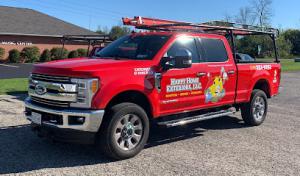
Happy Home Exteriors
(716) 251-0251 happyhomeexteriorsllc.com
6000 Snyder Dr, Lockport, New York
4.5 from 32 reviews
Bors Pros Roofing Company
(716) 903-2253 borsprosroofing.com
6567 Rapids Rd, Lockport, New York
4.8 from 73 reviews
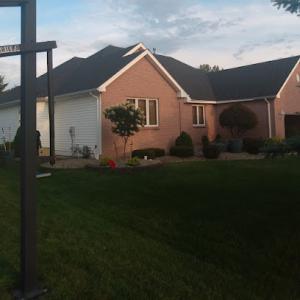
Bors Pro Roofing has been repairing roofs and installing new roofs in Lockport, Clarence, Amherst and nearby areas for over 20 years. Our mission is to resolve your roofing issue promptly We deliver top-notch roofing solutions and more to enhance your home's durability and curb appeal. We know how hard it can be to find a Roofing contractor that does quality work at an affordable price. That's why we take the time to go over our invoices with our customers. Transparent pricing is super important. Specializing in roofing, siding, gutters, ventilation soffits, skylights, windows, and flat roofs, we ensure every project meets our high standards of quality and safety. Contact us today to schedule a free consultation
Affordable Roofing
(716) 500-1969 www.roofingwny.com
205 Washburn St, Lockport, New York
5.0 from 19 reviews
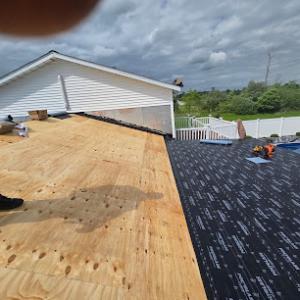
With over 20 years of experience, we will get the job done fast and efficiently. WE'VE GOT YOU COVERED Perfect Installs Your roof is your home's main defense against the elements. Let us walk you through the best options to fit your needs. Once you feel comfortable with your choice, we will handle the rest. Reliable Upgrades If you're looking to update or upgrade your roof and gutters, we've got you covered. Book a free consultation to discuss our six different types of roofing composition and environmentally friendly options. Upkeep & Repair Age and environmental factors can wreak havoc on your roof. Ignoring problems for too long can cause more problems down the road. Start with a free inspection today!
Roofing Company of Buffalo
(716) 766-3800 roofingcompanyofbuffalo.com
6326 Raymond Rd, Lockport, New York
5.0 from 10 reviews
Roofing Company of Buffalo is a dependable local business proudly serving Lockport, NY, and the surrounding areas with expert exterior home services. As a skilled roofer and experienced roofing contractor, the company specializes in durable roof installations, repairs, and maintenance. They also offer professional siding solutions, making them a trusted siding contractor for enhancing curb appeal and protecting homes. With a commitment to quality craftsmanship and customer satisfaction, Roofing Company of Buffalo delivers reliable results on every project.

Happy Home Exteriors
(716) 251-0251 happyhomeexteriorsllc.com
6000 Snyder Dr, Lockport, New York
4.5 from 32 reviews
Happy Home Exteriors is a trusted contractor serving Western New York and surrounding areas with over 30 years of experience. Our licensed professionals specialize in roofing, siding, and exterior maintenance projects.
Roberts Roofing & Siding
(716) 433-2883 www.robertsroofingandsiding.com
6279 Ridge Rd, Lockport, New York
4.4 from 46 reviews
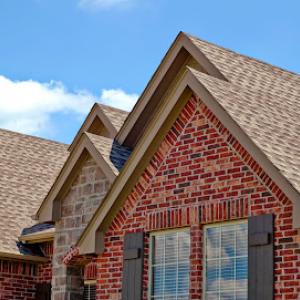
Based in Lockport, NY, we provide high-quality residential and commercial roofing services, including repairs, replacements, and new installations. With over 70 years of experience and a commitment to exceptional craftsmanship, we ensure your roof stands strong against the elements. Our expert team also handles siding installation, exterior door and window replacements, and energy-efficient upgrades that boost curb appeal. Want to enhance your outdoor living space? We’re trusted enclosure and screened porch installers, delivering comfort and style to your home.
Buffalo Fresh Roof
(716) 333-8002 www.buffalofreshroof.com
6567 Rapids Rd, Lockport, New York
4.7 from 10 reviews
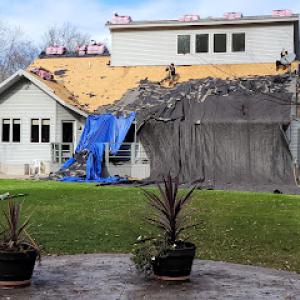
Reverse damage and refresh your roof with Buffalo Fresh Roof, the all-natural, do-it-all solution that-extends the life of roof shingles. One application will add at least six years to your roof!
JP Construction Roofing & siding
(716) 321-0617 jproofingny.com
6193 Raymond Rd, Lockport, New York
4.3 from 11 reviews
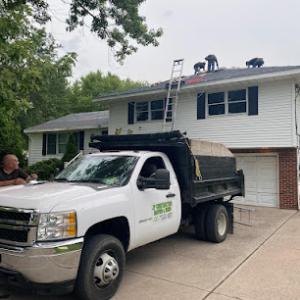
At JP Construction, Roofing & Siding, we’ve proudly provided expert roof repair and roof replacement services across Lockport, Niagara County, and Buffalo since 2000. As a fully insured roofing contractor, we specialize in high-quality residential roofing solutions built to last. Whether it’s fixing leaks, replacing shingles, or installing a brand-new roof, we use top-grade materials and precise craftsmanship to get the job done right. We’re committed to reliable service, honest communication, and durable results that protect your home for years to come.
Residential Roofing Systems
(716) 946-8881 www.rrsroof.com
6298 Dewhirst Rd, Lockport, New York
4.5 from 6 reviews
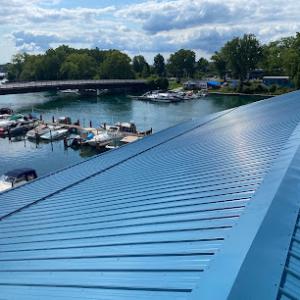
Quality Roofing and Siding Contractor, we have been in business for over 20 years. Serving all of Western NY. Fast friendly service. Free Estimates. We do it all. Roofing, Metal Roofing, Windows, Siding, Gutters, Garages, Pole Barns, Interior/Exterior Remodeling, Bathrooms, Hardwood Flooring, Tile, Kitchens, Additions etc...Please Call Today for a Free estimate ask for Tim the Owner
Duncan Contracting
(716) 572-2076 www.duncancontractingco.com
Lockport, New York
5.0 from 2 reviews
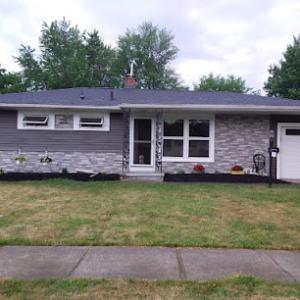
Roofing, Siding and Gutters
Clarence Roofing of WNY
(716) 406-7251 clarenceroofingofwny.com
Serving
5.0 from 49 reviews
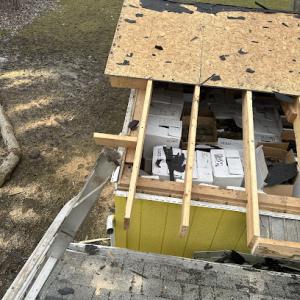
Clarence Roofing of WNY: Expert Roofing Contractors in Clarence, NY & WNY Clarence Roofing of WNY offers top-notch roofing maintenance and repairs to ensure your roof lasts for years. Our highly skilled roofing contractors are committed to delivering outstanding service and quality workmanship. Services Include: Roofing Maintenance: Prolong the life of your roof with our comprehensive maintenance services. Roofing Repairs: Expertly handle all roofing repairs with efficiency and care. Highly Skilled Contractors: Trust our trained professionals for exceptional roofing solutions. Outstanding Service: Experience superior customer service and exceptional results. Choose Clarence Roofing of WNY for all your roofing needs in Clarence & WNY!
Junior Exteriors
(716) 939-9541 juniorexteriors.com
Serving
5.0 from 89 reviews
Call us for your exterior home remodeling needs! Repairs Or Replacements.

AVA Roofing & Siding
(716) 226-0661 www.avaroofing.com
Serving
4.9 from 53 reviews
We are AVA Roofing, a family owned and operated company. We are four brothers that joined together to serve WNY and to provide premium craftsmanship for a fair price. We have served over four thousand customers and have over 500 online references.
Late spring through early fall is the preferred replacement window in Lockport because winter snow and freeze-thaw conditions complicate tear-offs and sealing. The goal is to complete the bulk of the work during a stretch when temperatures are consistently above freezing and the ground is not posing hidden hazards from late-season snowmests or soft foundations. In practice, that means starting as soon as the last stubborn snowpile has melted and finishing before the first significant snowfall of the season, so you avoid the worst of the ice-dam season and reduce the risk of water intrusion during thaw cycles. If a project must push into late fall, plan for an accelerated schedule that accounts for shorter days and more careful moisture management.
Summer heat can affect shingle adhesive behavior, so timing and installation practices matter during hotter stretches. In Lockport, heat waves can cause faster curing of asphalt and synthetic shingles, which may impact sealant and self-adhesive layers if installed during peak afternoon heat. A practical approach is to target morning or late-afternoon work windows when temperatures are milder, with roof tarps or temporary coverings used to keep materials from direct sun exposure between stages. Crews should verify that adhesive strips or sealants are kept within recommended temperature ranges and that nail sets are flush but not overdriven, so shingles seat properly as they cool. Wet conditions, even in summer, should still be avoided for long stretches to prevent moisture from being trapped under the new layer.
Fall demand can tighten scheduling in Lockport as homeowners try to finish replacements before snow season. If your project is planned for September or October, expect tighter windows and earlier contractor commitments. To minimize disruption, coordinate a precise start date, order materials well in advance, and confirm an on-site sequence that reduces the number of visits with leave-behind crews or partial jobs. Consider a staggered plan for roof sections if the roof design includes multiple elevations or dormers, so one area can be finalized and dried while another section is prepped, reducing the time the underlying deck sits exposed to autumn sun and early freeze cycles. Clear communication with the crew about heat- and cold-sensitive details helps ensure the new roof seals properly before the first freeze.
Lockport winters bring recurring ice-dam risk, so the best season aligns with times when moisture movement is predictable and temperatures allow proper sealing. Plan to complete roof deck work, underlayment, and flashing during the warmer, dry days of late spring or early fall before the freeze-thaw pattern intensifies. If a late-season project slips into early winter, insist on full perimeter sealing and a robust drip-edge and gutter plan to mitigate meltwater backing up toward the eaves. By choosing the right window and coordinating with a crew familiar with local conditions, you minimize the likelihood of moisture-related failures once snow starts to accumulate.
Get a clear picture of your project costs upfront - no commitment required.
Happy Home Exteriors
(716) 251-0251 happyhomeexteriorsllc.com
6000 Snyder Dr, Lockport, New York
4.5 from 32 reviews
Residential Roofing Systems
(716) 946-8881 www.rrsroof.com
6298 Dewhirst Rd, Lockport, New York
4.5 from 6 reviews
Asphalt shingles are a dominant choice because they fit the area's residential housing stock and broad contractor familiarity. For many Lockport properties, a standard 3-tab or architectural shingle aligns with existing roof pitches and attic depths found across the neighborhood. The real advantage here is predictability: local crews know how to finish around chimneys, dormers, and soffits common to aging cottages and mid-century rebuilds. When winter freezes and thaws repeatedly, asphalt systems benefit from regular granule retention and proper attic ventilation to reduce ice dam risk. A well-sealed drip edge and proper alignment of valleys help shed late-season snowmelt toward gutters, minimizing dam build-up at overhangs.
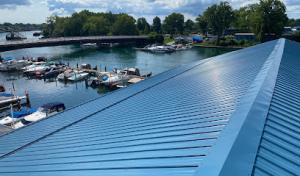
Metal roofing is especially relevant in western New York conditions because snow shedding, durability, and wind-rated performance are valued in these winters. In Lockport, metal panels or standing-seam systems can dramatically reduce the weight the structure carries during heavy snowfall and improve resilience against gusty lake-effect winds. Metal also tends to resist the freeze-thaw cycle better than some other materials when installed with a continuous, well-sealed seam and appropriate underlayment. If choosing metal, pay attention to attic space and heat convergence near attic vents; metal can reflect heat differently, potentially affecting ice dam behavior if insulation and ventilation aren't balanced. A well-reviewed local installer will ensure flashing around chimneys, skylights, and roof-to-wall transitions is tailored to the seasonally abrupt temperature swings you experience here.
Tile and wood options exist locally but must be evaluated carefully against structural load, freeze-thaw exposure, and maintenance expectations in this climate. Clay and concrete tiles bring excellent longevity and wind resistance, but they demand a robust roof structure to handle their weight, especially on second-story sections and older homes with limited framing. Freeze-thaw cycles can also compromise tiles and their setting mortar if the substrate isn't adequately protected from moisture ingress. Wood shingles or shakes offer classic curb appeal, yet they require diligent maintenance to resist moisture intrusion, curling, and invites for insect activity in damp years. In a region where lake-effect snow can sit on sloped roofs, any wood or tile approach should be paired with a high-quality ventilation strategy and careful snow management plan to avoid concentrated dam formation.
In this climate, the best results blend a thoughtful combination of material properties with proven roof assembly details: continuous underlayment, proper attic insulation, and robust ventilation are essential regardless of the surface chosen. For asphalt and metal, ensure integral drip edges and clean, debris-free gutters to promote controlled melt-off. For tile or wood, insist on reinforced framing, high-slope support where practical, and an experienced crew that understands the seasonal freeze-thaw dynamics. The right combination minimizes ice dam formation and guards against winter-related roof failure, while preserving the home's character across Lockport's varied streetscape.
Cost planning in this area must account for seasonal demand spikes. After a brutal Lockport winter, roof damage can surface quickly, driving a surge in material and labor needs. Similarly, major western New York storms can trigger tight schedules and higher bids as crews shift priorities to respond to widespread damage. When planning a replacement, expect shorter windows for storm-weather gaps and longer waits for peak demand periods in late winter and early spring. Scheduling flexibility can help avoid rushed decisions and protect a robust, weatherproof installation.
The typical cost ranges you'll see reflect both local labor realities and material choice. Asphalt shingles remain the most economical entry point, while metal roofing commands higher upfront prices but can offer longer service life in freeze-thaw cycles. Tile and synthetic options sit toward the upper end, with concrete and clay tiles providing distinct performance traits in snow and wind, though they require a stronger deck and precise installation to handle ice dam risks. For an older home with mixed construction, a balanced approach often combines a durable underlayment, effective ventilation, and selective decking repairs with the chosen roof covering.
Older houses in this city frequently need more than a straightforward tear-off. Decking repairs may be necessary where boards show rot or delamination after decades of freeze-thaw exposure. Ventilation may require adjustment to prevent condensation and ice dam formation on a colder, snow-laden roof. Flashing replacement becomes more common around chimneys, skylights, and valleys, as metal ages and seals degrade. Tear-off complexity can add time and labor cost if multiple layers exist or if rooflines are irregular. Expect higher per-square costs in these cases, even for standard shingle materials.
Beyond the roof deck, the overall scope often expands to address attic access, insulation gaps, and a refreshed sealing strategy against wind-driven snow. In practice, this means budget planning should include potential extras for remedial flashing, ridge venting, and improved drip edges. A well-built replacement in this climate prioritizes a continuous moisture barrier, robust ice-damming defenses, and a ventilation plan tuned for western New York winters.
In Lockport, a full roof replacement typically requires a permit through the City of Lockport Building Department. The city generally requires an application describing project scope, contractor registration, and roofing material details before approval. The permit acts as a formal signal that the work will meet local wind, fire, and ice-dam safety standards, which are especially important when dealing with western New York's freeze-thaw cycles. If a project diverges from the initial plan, the permit can be adjusted, but that process adds time and potential complications.
Plan review may take about 1 to 2 weeks, and inspections occur during the work and again at final to confirm code-compliant installation. During the review, city reviewers look for proper underlayment choices, ventilation strategy, and flashing detail around chimneys and vents, all of which must align with Locksport's typical winter weather. Inspections at intermediate stages help catch issues before they become costly leaks or ice-dam trouble once snow piles up. Expect coordination with the contractor to schedule these visits and to ensure access for inspectors.
The permit process in this city is not a placeholder; it shapes how a roof endures repeated freeze-thaw cycles and heavy lake-effect snowfall. Inspections verify that attic insulation is adequate and that eaves and soffits allow proper airflow, reducing ice dam risk and long-term damage. If the installation does not align with permit conditions, the final sign-off can be delayed, and homeowners may incur remediation requirements that complicate insurance claims or future sales.
Skipping or mismanaging permits can lead to fines, halted work, or a denial of the final inspection, which can leave a roof sitting exposed during unpredictable winter conditions. A permit-backed installation reduces the odds of rework after a harsh Lockport winter and helps ensure that the roof remains watertight as temperatures swing. The process is an accountability tool, not a hurdle, for a safer, longer-lasting roof.
You're facing a market where western New York snow, ice, and brisk winds push the claim landscape toward larger losses and more frequent disputes. Locks on underlayment and proper venting matter, because every freeze-thaw cycle can awaken preexisting weaknesses. When a winter storm dumps heavy snow followed by a rapid melt, insurers expect the roof to show how it withstood that stress, not just how it looks after a week of clear skies. The result is a tighter focus on the roof's overall resilience, rather than a quick patch job.
Insurers in this environment often want detailed photos, precise measurements, and clear evidence distinguishing storm damage from long-term deterioration. In practice, that means you'll need high-resolution images of lifted shingles, penetrations around vents and chimneys, and visible signs of wind uplift or ice dam-related interior staining. For a successful evaluation, measurements should capture roof deck condition, flashing integrity, and the condition of drip edge and fascia. The clearer the line between a sudden impact or moisture intrusion and gradual aging, the smoother the claim process.
Code-compliant, wind-rated systems and underlayment choices can matter more in Lockport because insurers closely evaluate replacement scope after losses. A roof that prioritizes continuous weather resistance, proper deck ventilation, and a robust ice-and-water shield in high-risk areas reduces the likelihood of repeat damage. When planning replacements, prioritize systems that demonstrate consistent performance under northern New York weather patterns, so the insurer can see a comprehensive, durable solution rather than a patchwork fix.
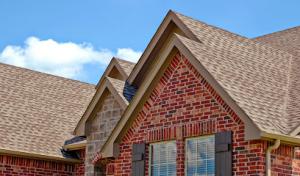
Older housing stock in the area means rooflines are more prone to subtle transitions where planes meet at hips, valleys, or dormers. Intersections with masonry chimneys carry a higher risk of flashing failure as mortar joints settle and parging ages. When replacing, pay close attention to how the new material sits against curved edges, vent stacks, and old ridge lines. Flat portions may hide prior patch jobs or splices, which can fail once freeze-thaw cycles intensify impact.
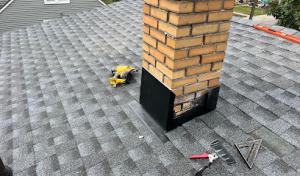
A re-roof in a house with decades of use often uncovers hidden repairs around penetrations rather than only field shingle replacement. Look for softened or corroded step flashing at chimneys and vent pipes, plus any rusted or lifted metal around skylight collars. In older homes, the curb and flashing assemblies themselves can be the weak link; cracked sealant, loose screws, or worn gaskets invite water intrusion as snow loads compress and thaw. Expect to replace or rebuild these details as part of a full roof replacement rather than patching over them.
Skylight leak risk in this climate is amplified when freeze-thaw movement and snow buildup stress older curb and flashing assemblies. If a skylight was installed long ago, its frame may have warped or its sealant dried out. During replacement, test the skylight opening for square alignment and check the curb's foundation for cracks. Sealants should accommodate thermal movement, and fasteners must be checked for corrosion after the first winter.
When planning, anticipate that labor may extend beyond shingle replacement due to penetrations and flashing work. Inspect around attic access hatches, soffits, and vented eave details, since these areas communicate with exterior transitions. Document observed wear, especially at chimney stacks and dormers, and request a step-by-step plan for flashing upgrades, integration with existing masonry, and how the new roof will align with the old crown moldings or fascia. This disciplined approach helps ensure long-term performance through Lockport's demanding winters.
Find contractors experienced in skylight installation, flashing, and leak repairs to bring natural light into your home.
Bors Pros Roofing Company
(716) 903-2253 borsprosroofing.com
6567 Rapids Rd, Lockport, New York
4.8 from 73 reviews
Roberts Roofing & Siding
(716) 433-2883 www.robertsroofingandsiding.com
6279 Ridge Rd, Lockport, New York
4.4 from 46 reviews
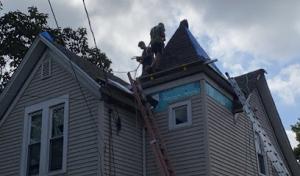
Low-slope sections on additions, porches, and garages are the first places to react when snow lingers and drainage slows during freeze-thaw periods. In this climate, meltwater backs up at seams, edges, and transitions, and ice dams form where water has nowhere to go. Expect these areas to show wear before the main roof.
These roof areas in western New York often fail first at seams, edges, and transitions where meltwater backs up. Look for lifted seams on low-slope roofs, evidence of pooled water near parapets, and flashing where the roof meets walls or vent pipes. Pay particular attention to drip edges and any field seams on metal or membrane sections.
Lockport homeowners should evaluate low-slope sections separately from the main steep-slope roof because replacement timing and materials may differ. A porch or garage membrane may need a quicker backstop against ice damming than the higher main roof. Treat these zones as a distinct subsystem when planning repairs or replacements.
In late winter or early spring, run a careful eye along the low-slope areas after a thaw. Check for evidence of water staining inside ceilings under these sections, and inspect for loose or wrinkled roofing material at seams. If you spot pooled water or ice buildup near transitions, plan targeted repairs rather than waiting for a full roof replacement.
When you prepare for the next winter, prioritize high-quality sealant or flashing at seams and transitions on additions, porches, and garages. Ensure proper edge detailing and adequate drainage paths to minimize backflow during freeze-thaw episodes, and coordinate any updates with the main roof's drainage plan.
Find specialists in TPO, EPDM, and built-up flat roofing systems for residential and commercial properties.
Bors Pros Roofing Company
(716) 903-2253 borsprosroofing.com
6567 Rapids Rd, Lockport, New York
4.8 from 73 reviews