
Last updated: Apr 19, 2026
Pittsford's cold winters come with repeated freeze-thaw cycles that make ice dam formation a primary roof concern, especially along eaves where meltwater refreezes. When heat escapes from the attic into the roof sheathing, meltwater can back up behind a frozen dam, seeping under shingles and into walls or ceilings. Heavy snow accumulation in the Rochester-area climate can stress older asphalt roofs and expose weak flashing around chimneys and roof penetrations. If the flashing around a chimney or vent is compromised, a single burst of warming air can push water inward, feeding interior damage that spreads quickly through ceilings and insulation.
In this climate, interior heat loss is a major driver of winter roof problems. Homes commonly show signs of attic heat escaping: warm attic ductwork near the eaves, damp spots on attic ceilings after a thaw, or ice along the roof edge that seems to grow even when days are cold. Gutters clog and form their own little dams, pushing melting snow to refreeze at the edge. If you notice icicles hanging aggressively and a slick sheet of ice along the eave, that's a clear indicator the roof edge isn't draining properly and the ice dam is threatening more than just aesthetics.
First, address attic heat and ventilation balance. Ensure attic insulation is thick enough to keep heat from leaking into the roof space, and that soffit vents, ridge vents, and baffles work in harmony to maintain a steady, cold roof deck. A balanced system prevents warm, moist air from migrating up into the roof framing and forming that stubborn dam at the eave. Seal gaps around attic kneewalls and hatch openings to reduce unintended heat leakage, and keep ductwork insulated and sealed so warm air stays where it belongs.
Next, inspect drainage and flashing. Look for gaps in chimney flashing, vent collars, and ridge penetrations. Any cracking or lifting in the flashing needs prompt attention before a thaw sets in. Gutter-edge drainage matters just as much as the roof surface; ensure gutters are clear, secure, and pitched to shed water away from the fascia. If gutters are loose or sagging, water can back up and complicate ice dam formation.
Finally, manage snow load actively during storms. When safe, carefully remove excess snow from the roof with a plastic scoop or push broom, working from the edge inward and avoiding contact with the mortar or shingles. Do not climb on a steep roof when ice is present. Consider installing snow guards or a micro-vented ridge cap to reduce heat buildup along the eaves in future winters.
If ice damming appears after a storm and you notice interior staining or active leaks, schedule a quick inspection to assess attic ventilation, flashing integrity, and gutter performance. A local roofing professional who understands Pittsford's climate can pinpoint whether heat loss, damaged flashing, or compromised drainage is driving the problem and tailor a fix that withstands recurring freeze-thaw cycles. In tight older homes with steep roofs and multiple penetrations, a coordinated plan to balance attic ventilation and restore edge drainage is essential to prevent recurring damage.

Mr. Fix It
(585) 266-7663 mrfixofrochester.com
Serving
4.9 from 131 reviews
When you need roofing and roof repairs or any other exterior repairs completed on your home, you want to work with a contractor who’s committed to ensuring your property will stand against wind, rain, and other natural elements. With more than 20 years of experience, Mr. Fix It in Rochester, NY, has the tools, expertise, and services you need. No matter the size of your project, when you need a new roof,roof repairs, soffit and fascia, or any exterior repairs, there’s no one better than the team at Mr fix it. They will make sure all your homes needs will be taken care of. We at Mr fix it are dedicated to quality.and performance. Mr fix it proudly serves all of Monroe County and surrounding counties.
Roof Maxx of Rochester, NY
Serving
4.3 from 12 reviews
Based in Rochester, New York, Roof Maxx of Rochester has proudly provided the community with professional roofing contractor solutions since 2020. We not only repair and install roofs but also specialize in roof rejuvenation, extending the longevity of your roof while keeping your gutter systems unclogged with our gutter guard installation service. Whether you require new gutter installation, dependable roof repair, or rejuvenating treatment, our experienced team is available Monday through Friday to get the job done right. Let us bring new life to your roof and ensure it stands strong for years to come.
Ontario Exteriors
Serving
4.8 from 41 reviews
Ontario Exteriors is a trusted roofing and exterior services company based in Fairport, NY, proudly serving Penfield, NY and surrounding areas. As Rochester’s premier exterior contractor since 1995, we provide dependable residential roofing for Perinton, NY and durable commercial roofing for Penfield, NY. Our team specializes in roof installation and complete roofing systems, along with siding installation, gutters, windows and doors, and skylights. We focus on quality materials, skilled workmanship, and clear communication from start to finish. Whether you’re planning an upgrade or addressing exterior concerns, our experienced team is ready to help. Contact us to learn more or schedule a consultation at your convenience.
F&M Contracting
(585) 732-8701 www.fandmcontractingcorp.com
Serving
5.0 from 19 reviews
F&M Contracting is a highly dedicated roofing service dedicated to providing exceptional care and professionalism to every client. Their services range from straightforward repairs to intricate remodeling, ensuring that every customer's needs are met with diligence and integrity.
Blessed Roof
(585) 831-3649 www.blessedroof.com
Serving
5.0 from 40 reviews
Welcome to Blessed Roof, a trusted roofing company serving the community of Rochester, NY. With over 15 years of experience in the industry, we are proud to be a Christian-based business that values faith, family, and trust. At Blessed Roof, we understand that your home is a sacred place, and we approach every roofing project with the utmost care and dedication. Our team of experienced professionals is committed to providing exceptional service and ensuring the highest level of craftsmanship. When you choose Blessed Roof, you can have peace of mind knowing that we are guided by our Christian values. We believe in treating our customers like family and establishing long-lasting relationships built on trust and integrity.
Skyways Contracting
Serving
5.0 from 59 reviews
At Skyways Contracting, based in Rochester, NY, we’ve been delivering high-quality roofing and exterior renovation services since 2019. Fully insured and locally operated, we treat every project like it’s our own home. We specialize in residential and commercial roof replacements, storm damage repairs, and preventative maintenance. Our team offers free inspections, drone assessments, and strong warranties for your peace of mind, you work directly with us from start to finish. We take pride in honest communication, hands-on service, and results that last.
Five Star Improvements
(585) 547-5477 fivestarimprovements.com
Serving
4.7 from 594 reviews
Five Star Improvements is your trusted roofing contractor Rochester homeowners rely on for quality home remodeling. We offer a full range of services, including roofing, siding, windows, doors, and bathroom renovations. Our team is committed to delivering outstanding results for every project, focusing on using high-quality materials and ensuring proper installations. Whether you're looking to update your roofing system or remodel your home, we bring years of experience to every job. Choose Five Star Improvements for reliable, efficient, and professional services that transform your home into something truly special. Contact us today for a consultation!

Allstate Roofing & More
Serving
4.6 from 266 reviews
Allstate Roofing & More, located at 565 Blossom Road STE G2, is your premier Roofing Contractor offering top-notch Roofing Services for both Commercial and Residential Roofing needs. Specializing in Roof Replacement, Roof Repair, and Roof Installation, we ensure durability and style in every project. Our expert team is dedicated to quality, also providing Gutter Installation, Siding Installation, and Window Installation to protect and enhance your property. Trust Allstate Roofing & More for reliable services that prioritize customer satisfaction and superior craftsmanship. Contact us today for a free consultation and experience unparalleled service excellence!
Graves Brothers Home Improvement
Serving
4.7 from 918 reviews
Graves Brothers Home Improvement has been locally-owned and operated in Upstate N.Y. since 1977. As one of the fastest growing businesses in the region, they offer their residential and commercial clients Roofing, Siding, Windows, and other Home Improvement services. Graves is a nationally-recognized contractor that has been repeatedly named a Top 100 company in the region as well as one of the top 500 home improvement companies in the United States, annual Angie’s List certification holder, countless product certifications, and more. Graves Brothers services Upstate and Western New York, the Finger Lakes Region and the Capital District from their facilities in Rochester, Buffalo, Albany and Syracuse.
Giordano Roof Replacement & Roof Restoration
(585) 467-6767 www.bestroofingcompanyofrochester.com
Serving
4.9 from 311 reviews
At Giordano Roof Replacement & Roof Restoration, our experienced roofing contractors in Rochester NY can handle your roofing needs. Whether you need a roof replacement, repairs, insulation, ventilation, emergency roof repairs, metal roofing or gutter installation, we have got you covered! From Slate, Clay, Terracotta, Concrete Tile to Metal Roofs we can repair all types of roof your home has. Serving in Rochester, Victor, Pittsford, Mendon NY.
Summit Roofing
(585) 455-7160 summitexteriors.org
Serving
4.9 from 259 reviews
Summit Exteriors, based in Rochester NY, is a top-rated and trusted roofing contractor serving homeowners across Upstate NY. As one of the leading roofing companies in Rochester NY, we specialize in roof replacements, storm damage restoration, siding, gutters, windows, and doors. We offer 24/7 emergency service, free inspections, same-day estimates, and full insurance claim support. With zero down and low monthly payments, we make exterior projects stress-free and affordable. Experience the difference with a company that puts customer satisfaction first—your reliable choice for expert roofers in Rochester NY.

Highland Contractors
(585) 507-3658 highlandcontractors.com
Serving
4.8 from 691 reviews
Since opening in 2008, we have become masters of our craft. Our commitment to quality products, exceptional services, and incomparable customer care keep our community coming back again and again. We never stop improving and are continuing to expand our offerings based on how we can best serve the Rochester area. Call us today!
Spring storms bring heavy rain and occasional hail that can bruise shingles, loosen flashing, and create leaks that may not show up until later storms. In neighborhoods with chimneys and skylights, those vulnerable points are magnified by the freeze-thaw cycles that follow late-winter impact. A single windy or hail-laden afternoon can leave unseen damage behind, especially on roof edges, valleys, and around vent pipes where ice dams can form once temperatures shift again. The combination of lingering snowmelt and spring rain can push water under edges and flashing, creating slow-drip leaks that complicate timely diagnosis.
Because regional insurance carriers typically keep standard wind and hail coverage in place, document damage quickly with photos and roof-condition notes after spring events. Capture wide shots of the entire roof, then close-ups of flashing along chimneys, around skylights, and near joints where shingles have bruised or lifted. Note any granule loss on shingles, visible cracking, or curling edges. Record dates and weather conditions for each photo, and keep a running log of observed leaks, roof sounds, or moisture spots inside the attic after a windy or storm day. This documentation becomes a practical reference when conversations start with the insurer or a contractor.
Local claim reviews may look at roof age and maintenance history, so storm-related claims in Pittsford are stronger when homeowners can show prior upkeep and prompt inspection records. Gather maintenance notes, receipts for routine inspections, and records of any previously addressed flashing or vent work. If you had a professional roof inspection in the past year, keep that report handy. Even small, well-documented fixes-re-sealing flashing, re-securement of ridge caps, or addressing a minor shingle lift-can provide a clearer picture for adjusters. What matters is showing a pattern of proactive care that demonstrates the roof was functioning properly before the storm, which supports a smoother, faster recovery path.
After a storm, walk the roof (carefully) if safe, checking for loose shingles, lifted edges, or damaged flashing around chimneys and skylights. In the attic, look for damp insulation, light shining through from the exterior, or concentrated stains along roof lines. If trouble is found, contact a reputable local roofer for a temporary protective measure and a prompt assessment. Even if the interior impact seems minor, take immediate action to prevent escalation during the next rain event. Quick, decisive steps can reduce damage progression and shorten the path back to a watertight roof.
Find local contractors experienced in assessing and restoring roofs after hail, wind, and severe weather events.
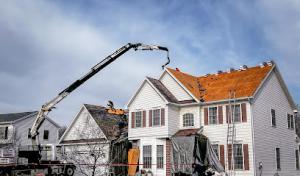
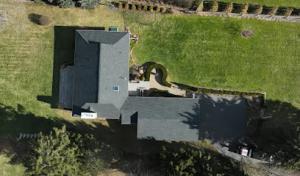
Asphalt shingles dominate replacements in Pittsford because they fit the area's residential housing stock and cost expectations while still handling seasonal snow and summer rain reasonably well. They pair well with the typical roof pitches found on village-era homes and newer builds alike, and they respond predictably to freeze-thaw cycles. When choosing asphalt, look for impact-resistant and higher-wind-rated options to add a margin against winter storms. A key step is ensuring the shingles you select have good granule adhesion and a solid warranty, since steady snow loads and rapid temperature swings test long-term performance. Pair asphalt with adequately designed flashing around chimneys and skylights, and give special attention to eaves and gutters to reduce ice dam risk.
Metal roofing is a meaningful local option in Pittsford because snow shedding, durability, and long-term performance appeal to homeowners dealing with repeated winter weather stress. Standing-seam metal generally handles heavy snow better than many other materials, and its tight seams reduce opportunity for ice buildup along the roof edge. Metal also tends to resist cycling freeze-thaw damage, which matters on steeper pitches and under overhangs where meltwater can refreeze. If opting for metal, consider a color and profile that match the neighborhood's sightlines and avoid overly reflective finishes near sensitive views. Proper underlayment, snow guards, and adequate attic ventilation are essential when you install metal to maintain performance through multiple winters.
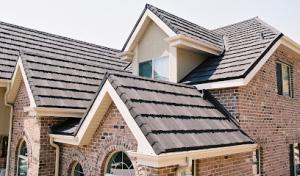
Clay tile and concrete tile appear in the market but are more selective choices in Pittsford, where roof structure, snow performance, and neighborhood home style can limit what is practical. Tile weights are heavier, so structural assessment is crucial before installation. Concrete and clay offer excellent longevity and a classic look, but ice and snow can create heavier snow loads in localized spots, especially on hillier roofs or those with limited drainage. If a tile roof is under consideration, ensure a robust underlayment system, warm attic spaces to minimize freeze-thaw stress, and precise flashing details around chimneys and skylights. Maintenance, repair accessibility, and local wind considerations should guide tile selection and installation tolerances.
Wood shingles and shakes bring a traditional texture that some Pittsford homes appreciate, but they require careful evaluation for winter performance. Wood is more prone to moisture-related issues if ventilation is insufficient or if snow lingers on the surface. In areas with heavy winter roofing stress, wood can experience faster wear or deterioration at flashings and penetrations. If wood is chosen, prioritize treated or fire-rated variants, ensure solid attic ventilation, and plan for periodic maintenance to protect against freeze-thaw cycles that could stress the fasteners and seams.
Synthetic and composite shingles offer versatility in appearance with the potential for good performance in cold-weather cycles. They can mimic wood, tile, or slate while delivering enhanced hail resistance and lighter weights. In Pittsford, select products with proven freeze-thaw resilience and compatible underlayment. These options can be a fit for certain neighborhoods where roof geometry and structure align with their installation requirements, but attention to detailing around penetrations and flashing remains crucial to minimize ice dam risk.
Chimneys are a defining feature of Pittsford's older homes, where masonry sits close to the roofline and the flashing often bears the brunt of freeze-thaw cycles. In practice, that means a small crack or misalignment can become a persistent leak once water freezes and expands. The leak risk rises not only where the masonry meets roofing, but also where chimney step flashing has pulled away from masonry or where crown and end caps have deteriorated. You'll notice attic stains or ceiling spots that appear after a thaw or a heavy snowfall-often a sign that the chimney interface needs attention before a drip appears inside living spaces. When a roofer inspects a chimney, they should check for cracked masonry, rusted cricket or backer metal, and proper shingle-to-flashing transitions that shed water away from the joint rather than toward it.
Skylights are common in this market, and the local pattern of snow and spring rain means curb flashing and seal integrity deserve proactive checks. Curb flashing is the interface where the skylight frame meets the roof deck; aging seals and worn flashing can fail suddenly during thaws or after a heavy storm. In Pittsford winters, ice dam formation can push water into marginal gaps around skylight flanges, especially if the curb is low or the flashing has not been properly integrated with the surrounding shingles. When replacing or resealing a skylight, ensure the curb is solid, the sealant is compatible with the flashing, and the flashing extends a bit beyond the end of the skylight to encourage drainage away from the unit. A robust top seal and continuous counterflashing over the curb reduce the risk of interior leakage during freeze-thaw cycles.
Freeze-thaw movement in the Rochester region makes flashing around chimneys, skylights, and valleys a focal point of durability. Valley flashing is particularly vulnerable because it collects runoff from multiple roof slopes; improper overlap or insufficient metal coverage can permit seepage during rapid temperature swings. Choose flashing with durable alloys and corrosion resistance, and verify that all joints are sealed with a compatible, long-lasting compound that remains resilient in cold conditions. In practice, that means paying special attention to step flashing along chimneys, drip edges, and the transition between curb flashing and shingle courses. After a heavy snow or ice event, a careful roof inspection should focus on evidence of water staining near these flashing joints, which often signals that a reseal or replacement is overdue.
Find contractors experienced in skylight installation, flashing, and leak repairs to bring natural light into your home.
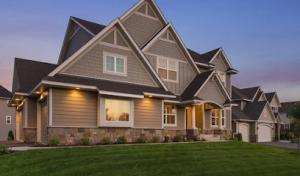
Typical Pittsford pricing runs about $350-$600 per square for asphalt shingles, $900-$1500 for metal, $1000-$2100 for clay tile, $900-$1800 for concrete tile, $600-$1000 for wood shingles or shakes, and $700-$1200 for synthetic or composite shingles. These figures reflect the local mix of older village-area homes with steep residential rooflines, chimneys, skylights, and multiple layers that may need removal. The price per square is the standard measurement in this area, with every square equal to 100 square feet of roof surface.
Steep rooflines are common in the area and can drive higher labor time and safety costs. Chimney flashings tend to be more complex here, and skylights add nontrivial expense due to cutouts, sealing, and potential ice dam considerations. If a tear-off reveals additional roofing layers or winter-weather damage repair, expect costs to climb accordingly. In short, a straightforward asphalt replacement will be at the lower end, while roofs with steep pitches, many penetrations, or heavy ice dam risk will sit near the upper end of the ranges.
Scheduling can affect price locally because permit processing through the Town of Pittsford can take about 1-2 weeks and spring-through-fall demand is strongest when homeowners try to avoid winter installation. If a contractor can fit you in during a quieter window or after a snowfall event subsides, you may see more favorable materials availability and labor rates. Conversely, peak season demand can push the project price upward, especially for complex jobs.
Winter-weather damage repairs often involve not just a full replacement but also reinforcing flashing details around chimneys and skylights, plus ensuring proper drainage for snow melt. A common scenario is an asphalt re-roof with careful ice-dam prevention measures, which keeps costs moderate but still requires attentive flashing and insulation considerations. For tile or metal options, anticipate longer lead times and additional edge detailing, which can elevate both price and scheduling complexity.
Start by confirming the roof surface area in squares, then align material choice with climate priorities: durability against freeze-thaw cycles, effective snow shedding, and reliable flashing around penetrations. Get multiple written quotes, verify scope including tear-off, ice-dam mitigation, and any skylight work, and ask for a detailed breakdown of materials, waste disposal, and labor.
Don't let upfront costs delay a critical repair - these contractors offer payment plans to fit your budget.

A full roof replacement in Pittsford typically requires a permit from the Town of Pittsford Building Department. The permit ensures that work follows local building codes, proper flashing details, and appropriate handling of ventilation and attic insulation in the context of Monroe County snow loads and freeze-thaw cycles. Understanding the permit landscape helps prevent delays when spring arrives and ice dam risk rises.
Pittsford's permit process generally includes inspections during the job and after completion, with underlayment and final inspection stages commonly required. As you plan, your contractor should submit drawings or a scope of work that reflects proper slope and drainage, chimney and skylight flashings, and any necessary structural considerations for a steep residential roofline. Expect at least one inspection during installation to verify proper nailing patterns, underlayment installation, and drip edge placement, followed by a final inspection to confirm full compliance and curb-appeal readiness.
Processing often takes about 1-2 weeks once submitted, so Pittsford homeowners should build that lead time into contractor scheduling, especially before peak season. Weather windows in late winter and early spring can compress timelines, so align permit submission with anticipated weather and contractor availability. If work involves adding attic vents or updating ventilation, those elements may require additional review or documentation, which can extend turnaround modestly.
Coordinate with the roofing contractor to ensure all required forms and site plans are ready for submission, including a clearly documented scope of work, material specifications, and any weather-related safeguarding plans for snow and ice conditions. On the day of inspection, keep access clear to the roof and attic spaces, and preserve any required permits or inspector contact information onsite. Finally, plan for inspection scheduling in your overall project timeline so that unexpected hold-ups don't push replacement into a riskier winter window.
In the Pittsford area, homeowners insurance generally continues to include standard wind and hail coverage rather than reflecting a severe insurer pullback environment. That means a storm-related roof event can still trigger a recovery path, provided the cause and extent fit policy terms and there is clear evidence of loss. Understanding how your carrier views snow-driven damage, ice damming, and freeze-thaw stress helps frame the filing approach.
For Pittsford claims, contractors should be ready to provide photos, a roof condition report, and an itemized estimate because adjusters commonly review documentation closely. Photos should show the overall roof, trouble spots, interior signs of leakage, and close-ups of flashing and ice dam buildup. A concise roof condition report from a qualified professional helps translate observed damage into claimable categories, while an itemized estimate clarifies scope and pricing for each repair or replacement action.
Roof age and maintenance history can affect claim outcomes in this region, making annual records and post-storm photo documentation especially useful for homeowners. Keep an organized folder with yearly inspections, shingle wear notes, and any contractor communications. If a severe winter follows a storm, your prior maintenance log can help establish preexisting conditions, which informs the adjuster's assessment of incremental damage.
When the claim opens, identify the storm's impact on exterior elements that drive water intrusion-roof edges, penetrations, and drainage points. A licensed contractor can act as a liaison, supplying the documentation pack (photos, report, estimate) the adjuster will request. Your contractor's experienced interpretation of flashing details, valley integrity, and ice dam risk supports faster, more accurate evaluation.
After reporting a loss, expect an adjuster to request access for onsite inspection and a review of the provided materials. Cooperate with the process, confirm any noted discrepancies, and secure a written scope of approved work before signing. Maintaining ongoing communication with both your insurer and contractor reduces surprises as the claim progresses.
Connect with contractors who help homeowners navigate the claims process from damage assessment to final approval.
In Pittsford, schedule roof work from spring through fall. Warmer months offer predictable drying times, allow proper flashing sealing, and reduce the likelihood of work interruption from snow or ice. Tear-offs proceed more cleanly when temperatures stay above freezing, and crews can manage underlayment, fasteners, and sealants without constant weather doublings. Winter snow and freezing temperatures complicate tear-offs and shingle sealing, increasing the chance of leaks during the project and complicating warranty defenses if freeze-thaw cycles hit newly exposed materials.
Summer brings its own rhythm. Warm, wet conditions in Pittsford can still affect installation timing because humidity and rain interruptions influence underlayment exposure and shingle handling. Plan for windows of dry weather that allow adhesive products and flashing sealants to cure fully. Humidity can slow fastener seating, and sudden showers can force temporary shutdowns, so expect a few additional days on site. Proper roof ventilation during hot months helps maintain shingle performance and interior comfort during the project.
Fall scheduling requires attention to drainage and uplift-prone areas before the first snows. Fall winds and leaf accumulation are a local concern before winter, so Pittsford homeowners often benefit from late-season inspections focused on valleys, chimney flashings, and edge details. A thorough fall check prioritizes gutter performance, drainage outlets, and any signs of prior ice-dam damage around penetrations. By addressing these now, the roof is better positioned to resist freeze-thaw stress and wind uplift once winter arrives, avoiding pre-winter rework and surprise leaks.
To make the most of the season, coordinate with a contractor who can forecast typical Pittsford weather patterns for the upcoming months. Ask about scheduling buffers for rain delays, and confirm that the crew uses heat- or cold-weather appropriate sealants and underlayment installation techniques. Keep access clear to the roof edge and ensure that nearby landscaping and driveways won't interfere with material deliveries during peak windows.