
Last updated: Apr 19, 2026
Elizabeth City sits in northeastern North Carolina near the Albemarle Sound and Pasquotank River, so roofs face both hurricane-force wind risk and prolonged wind-driven rain exposure. You feel the shift when a tropical system tracks inland and the storm surge is not the only challenge-the sustained wind and rain can stress even well-built roofs for days. The inland-from-the-Outer Banks geography does not remove storm risk; tropical systems can still push damaging winds and heavy rain into Pasquotank County. That means a roof that looks solid in a calm September afternoon may suddenly face gusts strong enough to peel shingles or lift edges if it isn't prepared. Coastal North Carolina insurance and roofing decisions are heavily shaped by storm history, making wind resistance and attachment details more important here than in inland North Carolina markets. The neighborhood houses with low-slope garages, flat parapets, or older decking often reveal wind-related vulnerabilities first after a big event, so vigilance after every storm matters.
In this climate, choosing materials that resist uplift and shed wind-driven rain speeds up recovery after a storm. Look for roofs with proven uplift resistance for your region, and prioritize systems with continuous edge restraint and robust underlayment. Standing-seam metal, properly sealed transitions, and asphalt systems with strong nail patterns can perform better than looser configurations under high winds. If you lean toward shingles, select options with reinforced nailing zones and confirm they can be secured with the local wind uplift recommendations for coastal counties. Pay attention to the roof-to-wall connection details; in gusty events, that interface is where wind can pry the roof free if fasteners or framing aren't adequately tied in.
Coastal exposure makes fastener quality and attachment patterns critical. Verify that edge nails and starter rows are installed to resist wind uplift, and ensure fasteners penetrate into solid framing rather than only shallow sheathing. Look for three- or four-ply underlayment where appropriate, and confirm the roof deck is solid, dry, and free of soft spots. Seaming integrity matters; pay attention to valley and penetration details where wind-driven rain can work its way beneath the surface. If you see sheathing seams or fastener heads exposed after a storm, address those areas promptly to prevent moisture intrusion in the attic and interior spaces.
Elizabeth City homeowners should implement a proactive maintenance cadence that aligns with hurricane season and the moist shoulder months. After every major storm, conduct a thorough inspection focusing on ridge lines, coping, flashing, and any areas where wind-driven rain tends to pool. Address lifted shingles or flashing failures immediately, because small leaks or gaps can grow quickly in humid conditions. Schedule seasonal checks before the peak of hurricane season to catch compromised components while days are calm enough to repair. Keep gutters clear, ensure downspouts direct runoff away from soffits, and inspect soffit venting for blockage, since poor ventilation compounds moisture-related problems in attics. By maintaining a resilient roof system through vigilant inspection and prompt repairs, you reduce the risk of interior damage when the next storm rolls in.
The humid subtropical climate keeps roofs damp longer, which means algae resistance, attic ventilation, and moisture management sit higher on the priority list. In practice, check that attic vents aren't blocked by insulation or soffit debris, and plan for continuous airflow from eave intakes to ridge exhaust. A balanced intake-and-exhaust setup helps keep deck moisture in check, reducing the chance of hidden condensation under shingles or underlayment. When choosing underlayment, look for products with built-in moisture resistance and confirm they're compatible with your chosen roofing material for the long haul. Regularly clearing near-attic louvers and adding a simple, unobtrusive vent screen can prevent moisture buildup that rots sheathing over time.
Salt exposure is a real concern in this region even though the city isn't directly on the ocean. Metal components, fasteners, flashing, and exposed accessories can corrode more quickly in salty air. For metal flashing and fasteners, opt for coatings and materials designed for salt spray tolerance, and consider stainless steel or hot-dip galvanized options where appropriate. If a roof segment is near a coastal-facing ridge or a high-wind exposure, inspect flashing seams and fastener heads annually for any signs of corrosion or looseness. Keep exterior metal accessories clean of salt film by gentle rinsing after heavy spray events or storms, and avoid abrasive cleaners that can hasten wear. For a shingle roof, ensure the color-matched, corrosion-resistant aluminum or steel drip edges and step flashings are installed solidly and sealed properly to prevent salt-laden spray from creeping into joints.
Material performance in this area is shaped more by humidity, storm rain, and coastal air than by hail, so the comparison between shingle, metal, tile, wood, and composite hinges on moisture resilience and rot resistance. Asphalt shingles must be paired with a sturdy, moisture-tolerant underlayment and well-sealed drip edges; consider algae-resistant blends if your roof faces persistent shade or moist microclimates. Metal roofing shines in wet conditions when fasteners and seams stay tight and corrosion-free, but it requires careful flashing at walls, chimneys, and vent penetrations to avoid salt-driven corrosion at edges. Clay and concrete tiles bring excellent longevity but demand a rigid, well-supported deck and careful overhangs to shed storm rain efficiently. Wood shingles and shakes provide natural moisture-handling but need maintenance to prevent mold and rot in shaded or poorly ventilated sections. Synthetic or composite shingles can offer moisture resistance and dimension stability, yet still benefit from proper ventilation and ventilation-driven moisture management.
In practice, adopt a yearly check that aligns with storm-season cues. Inspect for algae growth on shaded slopes and along eaves, and treat affected areas with algae-resistant products compatible with your roof type. Run a visual sweep along flashing at dormers, vents, and chimneys, looking for hairline cracks or loose seals where salt spray or driving rain can infiltrate. Clean gutters and downspouts to prevent standing water near eave edges, especially after heavy rains. If you notice persistent damp spots, inspect the attic for signs of insulation compression or ventilation stalemates, and address them before they worsen. Remember that exposure varies by street position-homes with open exposures to the Pasquotank River or Sound can feel moisture pressure more acutely, so tailor maintenance rigor accordingly.
Given inland-coastal exposure, plan reroof timing around the most humid months and the storm season. Choose a roof system that maintains its performance under humid conditions, with a focus on moisture control, rust resistance, and reliable ventilation. When evaluating options, prioritize products with proven resistance to humidity-driven degradation and assess the long-term performance of fasteners, flashing, and edge details in a salty environment. The right combination will resist dampness, mitigate algae buildup, and keep your roof resilient through Elizabeth City's unique weather pattern.
Asphalt shingles remain a common choice because they fit the area's mainstream housing stock and offer a familiar, approachable option for many homeowners. In this coastal setting, the base price is less relevant than how a shingle is rated for wind and its resistance to algae-driven staining. Look for shingles with a high Wind Resistance rating and a strong algae resistance component, and verify the warranty covers wind-driven leaks. In humid, salty air, a breathable underlayment and proper attic ventilation become just as important as the shingle choice itself. To maximize performance, ensure the installation crew uses higher-quality starter strips and proper nailing patterns that meet or exceed local wind requirements. Your roof's edge details should be well sealed to handle gusts off the Pasquotank River, with adequate drip edge and proper flashing around chimneys and vent pipe penetrations. In practice, the best bets are products that balance a solid wind rating with a proven algae resistance performance, especially on homes with limited shade or mature shade lines from live oaks along the street.
Metal roofing stands out in this coastal North Carolina setting because wind performance and moisture resistance matter more than in many inland markets. A metal roof that uses interlocking panels and corrosion-resistant coatings holds up well against salt-laden air, while its steep or conventional profiles help shed rain quickly during heavy coastal downpours. The faster shedding translates into reduced water intrusion risk during storms typical of the area. For homeowners, metal means not only a longer service life but also resilience against repeated hurricane winds, provided the installation includes proper coastal detailing. Pay attention to panel seams, fastener types, and concealed clips that avoid exposed corrosion-prone points. For best long-term results, select a system with a color and coating designed to minimize heat absorption, which is a small but meaningful energy and indoor comfort consideration in the hot months. Confirm that flashings around roof penetrations are corrosion-resistant and that the entire assembly is designed to resist uplift forces typical of storm surges and hurricane gusts.
Clay tile, concrete tile, wood shakes, and synthetic/composite products appear in smaller numbers and require closer attention to structural load, fastening, and moisture behavior in a hurricane-prone, humid environment. Clay and concrete tiles add a distinctive look but add substantial weight; they demand a structurally sound deck and careful attachment to resist wind uplift. Wood shakes bring a rustic charm and strong performance in dry seasons, but humidity, salt air, and termite pressure necessitate meticulous maintenance and treatment to prevent rot and splitting. Synthetic or composite shingles can offer excellent moisture resistance and lower maintenance, but verify that the product is rated for wind uplift and salt exposure, with robust flashing and sealant strategies. In all cases, the fastener schedule, underlayment selection, and venting details must be chosen with local wind and moisture patterns in mind, prioritizing a secure roof-to-wall interface and a moisture-averse design that reduces the risk of hidden leakage pathways during hurricane events.
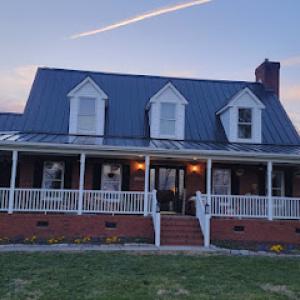
CCC Construction Services
(252) 340-3427 cccconstructionservicesllc.com
212 Leon and Mildred Dr, Elizabeth City, North Carolina
5.0 from 33 reviews
Our company was built with the commitment to ensure cost-effectiveness and high quality in every construction service, project we are hired to work on for the community of Hertford, NC. Our company was founded under the great values of: Professionalism Commitment Diligence Cost-Effectiveness Contact our team today and get a free estimate for any of the services that we offer. If you hire us to do the job, we will work hard and smart until your expectations are exceeded. Contact our professional and reliable company today to save time and money on your construction services
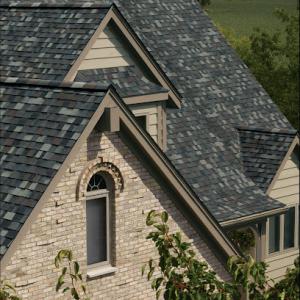
Clark Roofing & Siding
(757) 485-1000 clarkroofingandsiding.com
905 Halstead Blvd Suite 30, Elizabeth City, North Carolina
5.0 from 21 reviews
We are a Class A roof replacement, roofing contractor, siding contractor, and remodeling company. We have established ourselves on quality workmanship and professional service. Our employees receive on going training to achieve the high standards set at Clark Roofing & Siding. We install all types of high end materials including: Owen Corning shingles, standing seam metal roofs, Eco-Star© products, copper roofing, and LP Smartside ExpertFinish engineered wood siding, and vinyl siding including Cedar Impressions©. No job is too big or too small. We provide both commercial roofing and residential roofing & siding services to the Elizabeth City area.
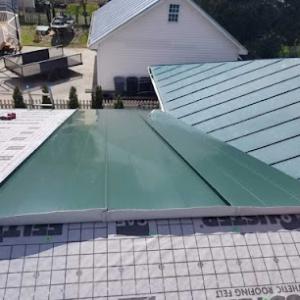
CCC Construction SVS - Commercial Roofing Service, Commercial Roofing Contractor, Commercial Roof Repair
(252) 352-9428 ccc-constructionsvs.com
Elizabeth City, NC
4.8 from 31 reviews
CCC Construction SVS is a professional roofing contractor in Elizabeth City, NC. The services we offer are highly valued by our customers because of our professionalism, integrity, and experience Our specialists can quickly provide you with excellent commercial roofing service with your budget and specific needs in mind.
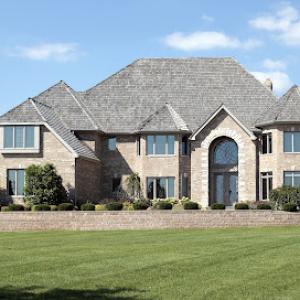
Koala Roofing Company
(919) 925-4802 koalaroofingco.com
100 Corporate Dr unit 2b, Elizabeth City, North Carolina
4.8 from 11 reviews
Welcome to Koala Roofing Elizabeth City your premier destination for top-notch roofing solutions that stand the test of time. With a steadfast commitment to excellence and a passion for delivering unparalleled craftsmanship, we are your trusted partner in safeguarding your home or business. At our company, we understand that a sturdy roof is the cornerstone of a secure and comfortable living or working space. Our team of highly skilled and experienced roofing professionals is dedicated to providing comprehensive roofing services tailored to meet your unique needs. Whether you require a new roof installation, roof repairs, or routine maintenance, we have the expertise to handle it all. Contact us for a free roofing estimate.
CE Roofing Homemaintenance & Repair
Serving
5.0 from 7 reviews
CE Roofing Homemaintenance & Repair offers complete Roofing Replacement, as in shingles, metal, Rubber EPDM, TPO and deck shield for flat roofs along with repairs on all roofs. We also provide replacement, installation and repairs on vinyl siding, soffit & facia, seamless gutters and gutter guards. We do offer a no obligation free estimate on all of the mentioned products and services. Thank you in advance for your time and consideration.
L&S Custom Exteriors
Serving
4.7 from 13 reviews
L&S Custom Exteriors is your one-stop shop for a wide variety of home exterior improvement services, including roofing, window installation, vinyl siding, and much more. Based in Elizabeth City, NC, the company is owned by Shara Chivers and Lenny Plata, a personable, caring husband-and-wife team with a true passion for helping others. Shara and Lenny strive to get to know every client on a first name basis, and provide both top-quality work and exceptional customer service every time.
J.R.'s Roofing & Gutters
(877) 766-3423 www.jrsroofingandgutters.com
Serving
5.0 from 12 reviews
J.R.'s Roofing and Gutters We are now offering a price match Guarantee! We continue to provide the best in roofing, siding, seamless gutters, and Standing Seam metal roofing for both residential and commercial applications. With over 43 years of expertise in all types roofing, we can handle any roofing and siding project that you need help with. We strive to provide the highest quality in materials and workmanship all at reasonable prices. Fully insured for commercial and residential roofing at any height.
Snider's Roofing - Jack Snider
Serving
5.0 from 17 reviews
Snider’s Roofing has been providing outstanding service in the Hampton Roads area for more than 40 years. We are a licensed contractor specializing solely in the replacement and repair of residential roofing. Our mechanics, many of whom have been with us for years, are skilled experts in the removal and installation of shingles.
J. T. Snider Roofing
(757) 439-4100 www.jtsniderroofing.com
Serving
5.0 from 17 reviews
We are a Class A Contractor specializing in residential roof replacement and repair in the Hampton Roads area. Call 757-439-4100 for your free estimate today!
In Elizabeth City, homeowners occupy a higher-claim coastal North Carolina insurance environment where carriers often ask for roof age, material type, and wind-mitigation details. The regional climate-hurricane winds, wind-driven rain, and salt-laden air-makes insurers particularly attentive to how a roof was built and maintained. When a storm tears through, the combination of moisture exposure and aging can push a claim into deeper scrutiny. Understanding that process helps you set realistic expectations about what the adjuster will examine and what documentation will be requested.
After tropical storms and hurricanes, insurers commonly expect thorough documentation such as dated photos, contractor assessments, and records showing pre-loss roof condition. The more you can show pre-storm integrity and post-storm condition, the smoother the claim review tends to be. A clear trail-photos taken over time, a written maintenance history, and a professional assessment that notes visible wind damage and moisture intrusion-reduces ambiguity. In this region, where premium considerations and replacement eligibility often ride on documentation, having a concise packet ready can prevent delays and miscommunication between you, your adjuster, and your roofing contractor.
Because insurer scrutiny is elevated in this region, roofing choices in Elizabeth City are often influenced by premium impacts, replacement eligibility, and post-storm documentation requirements. Materials with proven coastal performance-whether that means better wind resistance, moisture tolerance, or longer service life in high-humidity air-tend to align more readily with insurer expectations. When selecting a roof, think not only about initial performance but also how the chosen system will document its readiness for potential future claims. A roof that demonstrates sound installation, proper sealing at joints, and adequate ventilation is more likely to withstand salt-laden air and heavy rain while presenting a straightforward record trail for any future review.
After a storm, conduct a careful, non-rush assessment of the roof and surrounding structures. Note missing shingles, lifted flashing, or softened decking, and take dated photos from ground level and from the attic if safe. Avoid quick, unverified patch jobs that could complicate a claim later. Coordinate with a local, reputable contractor who understands wind-driven rain patterns and coastal moisture. Ask the contractor for a written assessment that highlights damage, moisture intrusion, and any pre-existing vulnerabilities. Keep copies of all communications with the insurer and contractor, and organize the records so you can present a cohesive narrative if a claim is filed. This approach aligns with the sensitivities of the coastal insurance environment and supports a more efficient, transparent claim process.
Typical local pricing starts around 350 to 650 USD per square for asphalt shingles, 700 to 1500 for metal, 1200 to 2500 for clay tile, 900 to 1600 for concrete tile, 700 to 1400 for wood shingles or shakes, and 500 to 1000 for synthetic or composite shingles. For a standard 1,000-square-foot roof, that translates to roughly 3,500 to 6,500 dollars for asphalt, with higher ranges for the more premium materials. In coastal towns nearby, the spread can widen quickly if the crew is scarce after a strong storm.
Costs in this market can rise after hurricanes or major coastal storm events when regional demand surges across northeastern North Carolina and contractor schedules tighten. That surge pressure can push day rates and material premiums higher for a few weeks or months, even for routine reroofs. Expect price bumps if the job requires expedited timelines, additional ladder and safety equipment, or after-storm debris cleanup that reveals hidden roof deck damage.
Material choice in this market is influenced by coastal durability needs: wind load, salt exposure, and humidity all press contractors to favor certain products or add corrosion-resistant accessories. For example, metal roofs or synthetic shingles often perform well in salt-laden air, but installation complexity and flashing choices can alter total cost. Clay and concrete tiles bring longevity but add weight and may require structural checks; synthetic options can balance cost and resilience. Weathered decking, vented roofs, and upgraded underlayment can also shift numbers upward.
Start with a realistic scope: count attic vents, chimney joints, and any skylights that affect installation. Get two or three local bids to compare material lineups and warranty terms, especially for coastal-grade accessories like corrosion-resistant fasteners and drip edges. If timing is flexible, plan ahead for off-peak seasons to avoid the post-storm price spike. Finally, confirm whether the estimate accounts for debris disposal and any required upgrades to keep the roof watertight during the reroof process.
For a full reroof, the local authorities typically require a building permit rather than treating it as minor work. This means initiating a formal application, submitting basic project details, and aligning with the official scope of work. If the roof change is purely cosmetic or a small repair, double-check with the Building Department, but for a complete re-cover, expect to go through a permit process. The permit record stays tied to the structural and drainage aspects of the roof, so accuracy in material and attachment methods matters.
The Building Department generally handles plan review and the scheduled inspections. After the permit is issued, a review cycle may occur to verify roof framing, ventilation, and moisture-control provisions meet code expectations for wind and coastal exposure. Plan review may request details on underlayment, fastener types, and any retrofit of attic ventilation. Inspections are typically staged: framing, moisture barriers, decking attachment, and a final roof-covering inspection. Prepare to accommodate the inspector's availability windows and potential minor re-inspections if a discrepancy is found.
If the project includes structural changes or ventilation modifications, the city may request added documentation beyond a straightforward reroof application. This can include structural assessments, truss or rafter modifications, replacement of roof-vent sleeves, or updated attic ventilation calculations. Have a licensed professional prepare any required engineering notes or venting diagrams ahead of time to minimize delays.
Before the final inspection, ensure all penetrations are sealed, flashing at hips and ridges is secure, and ridge vents or static vents are installed per plan. Confirm decking is clean and free of debris, and that underlayment choices align with coastal moisture resilience goals. A walkthrough with the contractor to verify sealant lines, drip edge continuity, and gutter integration helps smooth the final approval.
Coordinate with the Building Department early to align permit issuance with weather windows and hurricane-season considerations. Keep all permit documents accessible on site, and have a copy of the approved plan on hand during inspections. Clear communication with the contractor about inspection dates minimizes delays and keeps the reroof project on track.
Hurricane season brings real risk of work stoppages and delayed dry-in periods for a reroof project. When the Tropics are active, a crew may need to pause tear-off and reschedule seal-down to avoid wind-driven debris and blowing rain that can compromise underlayment and flashing. In practice, that means you should build extra weather days into the project calendar and maintain a flexible schedule with the contractor. A clear plan for storm alerts, pre-storm securing of equipment, and a rapid mobilization checklist helps prevent prolonged delays. Expect at least a few days of downtime each season, even with experienced crews, and coordinate any assurances about material staging and access to the jobsite so rain events don't create backlogs or damaged sheathing.
Summer scheduling is affected by frequent afternoon thunderstorms, which can interrupt tear-off and installation windows. The coastal inland humidity and heat can push workers to start early and wrap before the sea-breeze squall line builds. Plan for morning-only or mid-morning work sessions to capitalize on drier hours, with a hard stop before the afternoon pattern begins. If a tear-off is underway, crews should stage materials to minimize daily prep in exposed areas and protect underlayment from sudden downpours. Clear communication about daily forecast changes is essential, so you can adjust the sequence of tasks-switching from roof removal to flashing and seal-down when rain is imminent, then resume once skies clear.
Winter is milder than inland northern climates but occasional freezing or cool fronts can still affect timing, seal-down, and crew scheduling in northeastern North Carolina. Freezer-thaw cycles can impact plywood and sealant performance, so scheduling should consider overnight temperatures and daytime highs that support proper seal-down. Cooler spells may slow adhesive cure times a bit, so plan for a slightly longer dry-in phase and avoid aggressive deadlines when frosty mornings linger. If a cold front moves through, expect slower progress and adjust material handling to prevent warping or premature setting of sealants. Maintain a clear plan for when to suspend work, how to protect exposed edges from wind-driven moisture, and how to bring crews back efficiently when temperatures stabilize.
In this market, roof problems are often tied to wind uplift, wind-driven rain intrusion, and moisture-related deterioration rather than severe hail impact. Hurricanes and seasonal storms push on eaves and dormers, testing shingle edges, sealants, and roof-joint connections. When flashing around chimneys, vents, and skylights isn't a tight, continuous seal, wind-driven gusts find gaps and drive water under the surface. That intrusion isn't always dramatic-a slow seep around a nail line can quietly compromise decking and insulation, setting the stage for hidden rot and accelerated aging.
Corrosion at flashing, fasteners, and roof accessories is a more regionally relevant concern because of coastal air exposure. Salt spray and inland humidity corrode metal components, fasteners, and the edge details sooner than expected if coatings fail or maintenance lags. Look for rust staining, greenish patina, or powdery corrosion around step flashings, rake edges, and the base of metal vents. In areas with salt-laden air, a once-adequate seal can become a persistent leakage path as metal oxidizes and fasteners loosen, inviting slow leaks that degrade sheathing and insulation.
Poor attic ventilation can accelerate shingle aging and moisture issues in hot, humid climate, making ventilation upgrades a frequent reroof discussion. When attic space bakes in summer and fails to exchange humid air, shingles expand and contract excessively, and condensation forms on underside surfaces. This cycle dries slowly, leading to curling, blistering, and accelerated granule loss. Adequate soffit and ridge intake, along with properly sized exhaust, helps temper indoor humidity and prolongs roof life.
Keep an eye on curling granules in gutters, dark staining along penetrations, and any staining on interior ceilings following rain events. Loose or corroded flashings, worn fasteners, and suspicious damp spots near roof-to-wall junctions deserve prompt attention. In Elizabeth City, the combination of wind, salt air, and humidity means that proactive inspection and timely repairs can prevent small issues from becoming costly failures.