
Last updated: Apr 19, 2026
Hampton's location on the Virginia Peninsula leaves roofs exposed to tropical storm remnants, coastal wind, and wind-driven rain moving in from the Chesapeake Bay and Hampton Roads waterways. That combination means sharp gusts can rip shingles, loosen flashing, and drive water right under the edges of your roof line. The salt air accelerates corrosion on metal components and fasteners, so vulnerable spots tend to fail faster than inland systems. This is not a generic coastal warning-it's the rhythm of weather here: sudden squalls, shifting wind directions, and bouts of heavy rain that arrive with little warning and linger.
Late summer and early fall are the city's most disruptive roofing months because storm activity can both damage roofs and delay scheduled replacements. During that window, a single tropical storm can cause enough damage to require emergency repairs, while contractors stagger response times because crew availability and supply chains tighten. After a storm, crews prioritizing coastal airflows will be busiest near shorelines and waterways, which often leaves interior or higher roofs waiting. If a replacement is on the calendar, expect weather-driven postponements that push work into less favorable conditions later in the season.
In Hampton, wind-related damage documentation matters because insurers in coastal Virginia often scrutinize whether shingle loss, lifted flashing, or water intrusion was caused by a covered storm event. Palletized bundles of shingles left exposed on drives or in gutters become suspect after a heavy rainfall and a gusty afternoon. Look for lifted tabs, torn sealant strips, or edges peeling back near vent pipes and chimney flashing. Water intrusion may appear first as ceiling stains near exterior walls that share roofline intersections or under dormers. Remember that salt spray can mask or accelerate subtle corrosion in metal flashings and drip edges, making incremental failures harder to spot until they worsen.
After a storm, inspect the most exposed roof planes first: ridge lines, transitions around skylights, and the apron of eaves where wind-driven rain can wedge under shingles. If a panel is lifted or you discover granule loss concentrated along the drip edge, capture clear photos from multiple angles. Document any clogged gutters that overflow during rain events, as improper drainage can mimic wind damage in early reports. Keep a simple log of dates, wind speeds if available, and observations of moisture intrusion or roof depressions. This record helps establish a cause-and-effect narrative that insurers often rely on for coverage decisions.
Strengthening vulnerable flashings around chimneys and vent penetrations is essential, especially where roof meets the house wrap. Replace failed sealants proactively and consider impact-resistant accessories where storms frequently strike. If you have a pitched roof with wide overhangs, ensure fascia and drip edges are secure and free of corrosion. Regular seasonal inspections-ideally twice a year, and after significant storms-can catch early failures before they cascade. Prioritize gutters and drainage paths to prevent standing water that can back up under soffits and into eaves during heavy rainfall.
When the skies clear, do a targeted, methodical assessment. Start at the highest points and work downward, using binoculars if ladders aren't safe. Look for lifted shingles, torn underlayment, or displaced flashing around penetrations and along roof-to-wall transitions. Photograph damaged areas comprehensively, including the roof edge, dormers, and any interior signs of water intrusion that align with exterior damage. If you have any doubt about whether a roof issue is storm-related, err on the side of documentation and contact a local, reputable roofing contractor for a professional evaluation as soon as possible.
Find local contractors experienced in assessing and restoring roofs after hail, wind, and severe weather events.
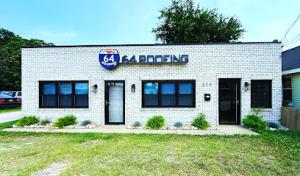

Tidewater Roofing
(757) 244-0000 www.tidewaterroofing.com
701 Industry Dr, Hampton, Virginia
4.6 from 140 reviews
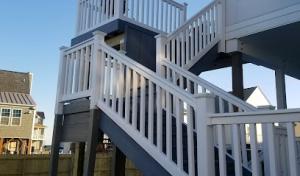
Atlantic Weatherproof Systems
(757) 224-9341 www.atlanticweatherproofsystems.com
14 Oakville Rd, Hampton, Virginia
4.4 from 31 reviews
Spring and fall are commonly preferred in Hampton because hot, humid summers can complicate installation conditions while still leaving projects exposed to sudden coastal storms. The shoulder seasons offer milder temperatures and less intense sunlight, which helps materials cure and seal properly without baking in heat or drying out too fast. If you have a roof with sensitive underlayment or sealant needs, planning for those cooler, steadier days in spring or fall can reduce the chance of call-backs for peeking leaks or poor adhesion.
Spring storms and heavy rainfall in Hampton can interrupt tear-off schedules and increase the risk of moisture exposure if crews cannot dry in the roof quickly. When you map out the project, align the tear-off with a forecasted dry spell of several days. If a rain front rolls in mid-project, consider pausing removal and temporarily covering exposed areas with roof-safe tarping and secondary underlayment to minimize moisture intrusion. Coordinate with your crew to secure flashings and valleys first, so any sudden rain won't cause pooled water inside the attic or along the eaves. Communicate a flexible schedule with the contractor so you're not committed to a hard start during a period likely to shift.
Winter in this area is milder than inland Virginia, but occasional freezes and snow can still slow installation and affect seal-down timing for some roofing systems. If a cold spell hits during the project, expect longer cure times for sealants and adhesives and a higher need for temporary heat management or ventilation adjustments. Plan for a window where nighttime freezes are unlikely and daytime temps stay above the threshold recommended by the chosen roofing system. If a cold snap coincides with critical seal areas-such as around valleys or in metal panel installations-be prepared to adjust the schedule or add temporary insulation measures to maintain consistent temperatures for proper sealant performance.
Start by checking the long-range forecast for a window of at least five to seven dry days in either spring or fall. Confirm that nighttime temperatures are not expected to dip below the recommended minimum for the chosen materials. Then, verify the roof deck is clean, dry, and free of moisture exposure risks, especially in areas of previous leaks or inadequate ventilation. Synchronize tear-off with attic and interior work to reduce the time the interior gets exposed to the elements. Have a contingency plan for sudden coastal storms, including temporary tarping and a rapid crew call-back option to resume work promptly when a lull in weather returns. After the new roof is set and sealed, ensure a proper dry-in before moving to exterior finishes like gutters and flashing, so rain events won't introduce moisture into gaps.
Choose a contractor who routinely handles Hampton's coastal climate and shows a track record of completing projects within favorable windows. Ask about their plan for spring and fall readiness, including how they handle temporary weather interruptions and moisture management during tear-off. Confirm that they will prioritize critical flashing and edge sealants in the first passes, so any unexpected rain has less chance to compromise exposed areas. Finally, ensure clear communication about the expected pace of work and the exact sequence-from tear-off to nail-down to final sealant cure-so you're prepared to adjust as coastal weather shifts.
Asphalt shingles are common in Hampton, but persistent humidity and storm exposure make attic ventilation, underlayment, and flashing details more important than the shingle alone. When humidity remains high year-round, moisture can wick into attic spaces and lead to mold, soffit rot, or trapped condensation that undermines the roof's performance. A well-ventilated attic helps balance interior temperatures and reduces ice dam risk in shoulder seasons. Pair that with a robust underlayment system-preferably a modern synthetic or laminated felt-with sealed edges and a continuous drainage plane. In the salt air environment, flashing around chimneys, vents, and valleys should be copper or corrosion-resistant stainless steel, and all fasteners should be coated or stainless to slow rust. The goal is to keep wind-driven spray from lifting edges and to prevent hidden leaks from salt-soaked sheathing.
Metal roofing has strong local relevance in Hampton because coastal homeowners often value wind performance and lower maintenance around recurring storm seasons. A standing seam or well-fastened metal roof can resist high gusts and provide excellent longevity if installed with precise panel alignment and a fully sealed seam system. The coastal wind climate makes attachment details critical: continuous eave and rake edge detailing, wind-detached area reinforcement, and corrosion-resistant fasteners are essential. Metal also offers a clean path for snow and rain to shed rather than pool on the deck of an older peninsula home. When choosing metal, look for coatings rated for salt spray exposure and consider a color and profile that reduces heat gain and glare. In terms of maintenance, metal roofs typically require less frequent shingle-style inspections, but stray salt spray can still corrode exposed components if gaps exist. A careful inspection plan after storm events helps identify loose panels, compromised sealants, or denting from debris.
Clay tile and concrete tile appear in the Hampton market, but heavier systems can raise structural and installation complexity on older Peninsula homes. Clay and concrete tiles deliver strong impact resistance and long service life, yet their weight demands a structural check and, in some cases, a reinforced roof frame. For homes with limited attic space or sagging earlier framing, a retrofit may be needed to safely carry the load. Tile fasteners and bedding grout should resist salt atmospheres, and flashing details around perimeters must be integrated with the tile layout to prevent wind uplift. Concrete tiles often behave like small weighted shingles; their installation requires careful rafter spacing, proper nailing or clipped systems, and a solid underlayment that remains watertight under salt-laden rain. Clay shows excellent colorfastness in sunny periods but can be more brittle in freeze-thaw cycles if the substrate is not prepared properly. Both options demand exact alignment and professional execution to avoid microleaks around hips and ridges where wind exposure is strongest.
Wood shingles and shakes bring a traditional look to many Peninsula homes, yet their performance under salt air and storm cycles hinges on treatment and ventilation. Without adequate ventilation, wood can warp or rot more quickly, inviting further damage to adjacent underlayment. If wood is chosen, select pressure-treated or naturally durable species with a qualifying coating system that resists moisture uptake and fungal growth. Shake detailing-especially at the corners and transitions-needs meticulous installation to prevent wind scour and edge lift. In salt air, synthetic products offer an alternative to wood that preserves curb appeal while reducing maintenance demands.
Synthetic and composite shingles provide a versatile compromise, balancing weight and installation complexity. They can mimic traditional textures while offering improved moisture resistance and dimensional stability against humidity and salt spray. When selecting composites, prioritize products with proven performance in damp, windy environments and a warranty that covers accelerated weathering from tropical storm seasons. Regardless of material, the most resilient Hampton roof depends on a coordinated approach: airtight underlayment, robust flashing, and a flexible, wind-resistant fastener plan tailored to the home's age and structure.
In this coastal area, asphalt shingles remain the most common choice for standard homes, with published local material ranges from about $350 to $650 per square. That spread covers basic architectural and traditional 3-tab styles, plus color and warranty variations you'll see in Hampton. If the roof is straightforward-no tall peaks, no complicated chimneys-expect the lower end of the range. When you add features like multiple dormers or a steep pitch, the cost climbs toward the upper end. Weather-driven scheduling matters here: after a tropical storm, labor pools tighten and every project takes longer to line up, nudging prices upward depending on contractor backlog and material availability.
Metal roofing typically runs $700 to $1200 per square, which pays off in wind resistance and extended life, especially where salt air accelerates corrosion on other materials. Clay tile often lands between $900 and $1800 per square, and concrete tile between $1000 and $1600; both choices provide superior durability and a distinct look, but require a sturdy deck and careful flashing due to flashing complexity around coastal corners. Wood shingles or shakes, at roughly $800 to $1500 per square, bring a traditional aesthetic but demand meticulous maintenance against wind-driven debris and moisture. Synthetic or composite shingles, $550 to $1000 per square, offer a balance of resilience and easier handling in storm-prone conditions. When tropical storms threaten, expect regional demand to tighten labor availability across the Hampton Roads area, which can push scheduling and crews' mobilization further out.
Coastal leak prevention details are labor intensive, and homes with complex flashing around chimneys, skylights, and low-slope transitions can see higher pricing. The extra time is not merely a precaution; it reflects the need for precision to withstand wind pressures and salt exposure. In these cases, the project may require additional underlayment, refined step-flashing, and high-waterproofing standards. If a roof already has irregular geometry or aging flashing, budget for a focused diagnostic and possible reinforcement to avoid recurring leaks after a storm. This is where Hampton-specific experience matters: installers who know how tropical-storm debris interacts with roof edges tend to optimize the flashing plan for long-term durability.
Vertical challenges, like tall parapets and large skylights, also influence cost beyond material. Early estimates should consider not only the basic square footage but also edging, venting, and drainage integration-areas that become more consequential when a storm threat elevates urgency. Given that costs can rise after tropical storm events due to demand and scheduling constraints, it is prudent to secure an installation window ahead of peak season. A measured approach, with clear milestones for decking inspection, underlayment, flashing customization, and final sealants, reduces the risk of cost creep as storm windows approach.
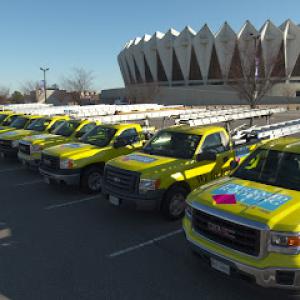
Pyramid Roofing (Peninsula)
(757) 908-6152 www.pyramidroofing.com
2350 50th St, Hampton, Virginia
4.9 from 329 reviews
Pyramid Roofing is a locally trusted residential roofing company since 1986. Proudly serving the Greater Hampton Roads, Middle Peninsula, and Virginia Beach areas. Now offering gutter estimates! You can find more information about us through the BBB. As a BBB accredited business, we are proud of our A+ rating! *Drug Screened, Background Checked and Factory Trained Technicians *100% Satisfaction Guarantee *Financing Available
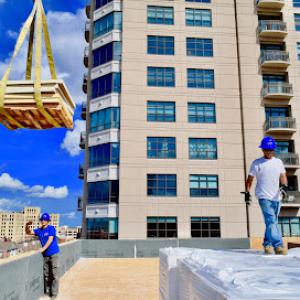
Tidewater Roofing
(757) 244-0000 www.tidewaterroofing.com
701 Industry Dr, Hampton, Virginia
4.6 from 140 reviews
Roofing & Gutter Services for Commercial & Residential Customers in Hampton Roads & Richmond, VA.
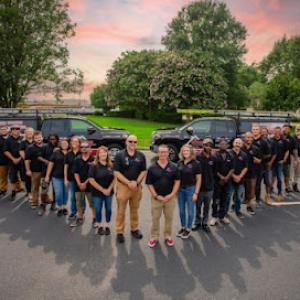
The Roofing Company
(757) 867-6600 theroofingcompany.com
2106 Aluminum Ave # A, Hampton, Virginia
4.5 from 203 reviews
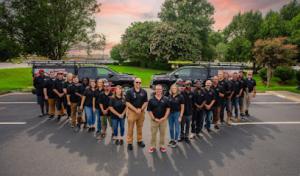
The Roofing Company, Inc. opened its doors in 1998, and ever since we have been providing customers in the Hampton Roads area with the highest quality new roofing, skylights, and gutters. We have an A+ rating with the Better Business Bureau and have won more awards than we can count, including the Angi “Super Service Award”. We work hard to cultivate long-term relationships with all of our clients, so you’ll always feel like your home or business was treated to the highest-grade service. Regardless of what service you need, trust our elite construction professionals to provide you with impeccable workmanship.
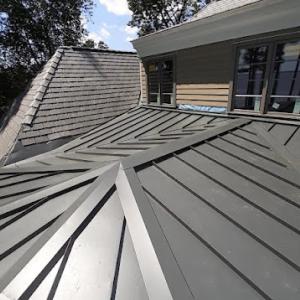
(757) 380-6100 www.commercialroofingincva.com
610 Industry Dr, Hampton, Virginia
4.7 from 22 reviews
Commercial Roofing is a trusted roofing company delivering dependable residential roofing services in Hampton Roads, VA. Our highly skilled and trained staff handles the installation, maintenance, and repair of roofing systems for both commercial and residential customers, ensuring long-lasting protection and quality workmanship. Being locally owned and operated allows us to properly provide these services along with great customer service and responsive support. From inspections to full replacements, we focus on safety, value, and results. Contact Commercial Roofing today to schedule a consultation and protect your property with confidence.
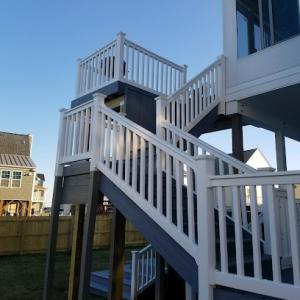
Atlantic Weatherproof Systems
(757) 224-9341 www.atlanticweatherproofsystems.com
14 Oakville Rd, Hampton, Virginia
4.4 from 31 reviews
GAF certified roofers, Weatherproof experts, Interior craftsmen
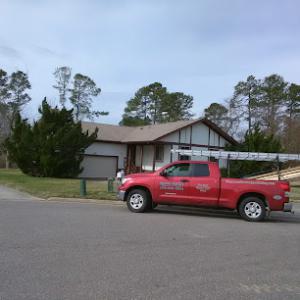
Atlantic Roofing Services
(757) 659-0834 123leakfree.com
3 Shuttle Ct, Hampton, Virginia
4.5 from 16 reviews
Does your roof leak every time it rains? Do you think you're overdue for a new roof? Whatever the case may be, you can turn to the experts at Atlantic Roofing Services, Inc. We're your go-to roofing contractor serving residential and commercial clients. Our company is based in Hampton, VA, but we serve all of the surrounding areas, including Poquoson, Newport News, Williamsburg and York County.
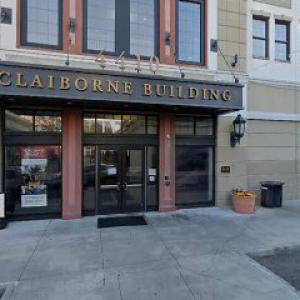
RoofAssistant
(757) 695-4566 roofassistant.com
4410 E Claiborne Square Suite 334, Hampton, Virginia
5.0 from 6 reviews
Free roof replacement estimates & upgrades! Roofing - Gutters - Siding
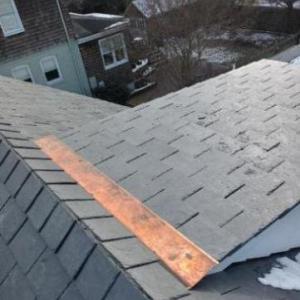
Just Roofing Contractor Hampton, VA
(757) 310-3873 www.justroofingcontractors.com
132 N 5th St, Hampton, Virginia
5.0 from 5 reviews
Looking for professional roofing services, such as installation or repairs? Look no further than the team of professionals at Just Roofing Contractors Give us a call today at 757-310-3873 to discuss your needs, and we will set up a time to inspect your roof. Serving the Norfolk, Hampton, Va. and surrounding areas, we have more than 40 years of experience and expertise in what we do. We are proud to be a family and locally owned and operated small business that provides competitive pricing, superior customer service, and the highest level of workmanship
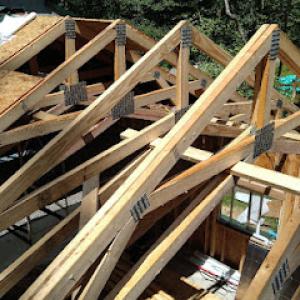
Freddy's Services
(757) 977-4121 www.freddyservices.com
1428 Hastings Dr, Hampton, Virginia
4.5 from 8 reviews
Roof and Exteriors Roof Installs, Repairs, Fascia, Soffit, Gutters, Painting, Decks, Concrete slabs. License and insurance Call or text for a free estimate 7579774121
Maximus Roofing Contractors
3000 Incubator Rd #101, Hampton, Virginia
3.9 from 10 reviews
Maximus Roofing Contracting is proud to provide Virginia with residential roofing and gutter repair and installation services. A family-owned company led by Viviana Fullwood who is passionate about giving back to our community and providing transparent, no-gimmick services at the best prices around. We provide 24-hour emergency repair service means that we can be available when you need us to be to help keep your family and valuables safe and protected. Our technicians stay up to date with the latest in the roofing world, and we use only the highest-quality materials to ensure that your project is completed on-time and to industry standards. Contact us today to experience the Maximus Roofing difference!
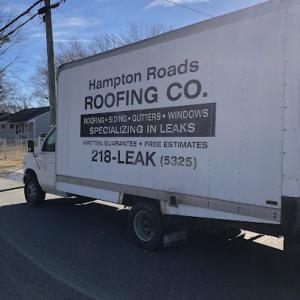
Hampton Roads Roofing
1484 Morgan Dr, Hampton, Virginia
3.2 from 9 reviews
Hampton roads roofing co is a small family owned business located in the Hampton roads area we specializing in roof leak repairs / new roof / flat rubber roof / gutter leak repair/ window leak repair/ siding leak repair- establish 2004 call today for free estimate
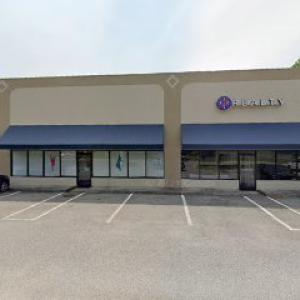
The Roof Coating Company
(757) 515-7050 www.theroofcoatingcompany.com
1498, 63 Wythe Creek Rd #17, Hampton, VA
5.0 from 1 review
The Roof Coating Company offers over 60 years of combined roofing experience with commercial and residential roof coating, replacement and repair services for homes and business throughout the Hampton Roads, Virginia region.
A full re-roof in Hampton typically requires a building permit through the City of Hampton Building Division. Because the permit process is tied to municipal review, you must know whether your project is a full replacement or a repair before work begins. If the contractor presents a plan that could be treated as a repair, you still may be looking at a permit while many repairs won't, and the distinction matters for inspections and code validation. Plan to confirm scope early and document what is being removed and replaced, not just what is being hidden by new shingles.
Hampton inspections occur during the job and again after completion to verify code compliance and proper flashing and venting. The on-site checks are not perfunctory; inspectors will verify attic ventilation, proper eave and rafter flashing, drip edges, and how penetrations like skylights and vents are sealed. If the roof is exposed in an area with salt-laden air and tropical storm exposure, expect emphasis on corrosion resistance of metal flashings and the integrity of valley and chimney terminations. Plan around potential re-inspection windows so a delay doesn't lengthen the project.
Because Hampton's permit process is tied to municipal review, homeowners should confirm whether the scope is a full replacement or a repair before work begins. A full re-roof will trigger comprehensive code checks, including ventilation calculations and flashing upgrades, while a targeted repair may have a lighter review but could still require permit documentation depending on the contractor and neighborhood rules. If storm damage is involved, the distinction often matters more for permitting timelines and the required level of documentation.
Start by requesting a written scope from your roofer that clearly labels full replacement versus repair, the materials chosen, and the flashing plan. Contact the Building Division early to learn the specific permit checklists and any neighborhood covenants that could influence approval. Keep a detailed record of all inspections, be present if possible, and coordinate schedules so weather and lateness don't undermine the permit timeline.
Coastal Virginia brings a relatively active roof-claim environment. Wind, hail, and tropical storm remnants routinely test shingles and flashing on modest Hampton homes, especially after late-season storms. Knowing that insurers frequently see these patterns helps you approach post-storm decisions with a sharper eye and a plan.
Homeowners should gather date-stamped photos, contractor notes, and invoices, because insurers often want thorough documentation for storm-related roof claims in this region. Clear, labeled records speed the process and reduce back-and-forth disputes when a claim lands on the adjuster's desk amid a busy season.
Capture wide shots of the roof from ground level and close-ups of visible damage, flashing seams, and any signs of wind-driven displacement. Include gutters, dormer edges, and any vent flashing. If a contractor advises temporary protection, document the installation and durability of those measures. This local weather-exposed environment makes quick-onset damage common, and precise images help justify repairs.
Regional weather patterns can affect policy terms and claim scrutiny, so you should review wind-related limitations and deductible language before storm season. Understanding how your plan responds to wind-driven damage, seasonal exclusions, or pairings with other claims can prevent surprises when a storm hits.
Use a simple, dated binder or digital folder with separate sections for photos, contractor notes, and invoices. A consistent labeling system-date, location, damage type-minimizes ambiguity and supports a smoother claim path through the Hampton storm rhythm.
Connect with contractors who help homeowners navigate the claims process from damage assessment to final approval.
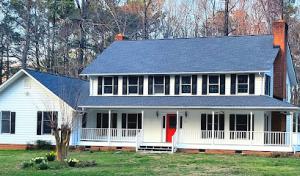

Wind-driven rain in this area tends to find its way through poorly sealed penetrations. Pay special attention to flashing where chimneys, vents, and dormers meet the roof deck. In a wetter climate, even small gaps can lead to persistent leaks after storms. Inspect regularly after wind events and re-seal with compatible materials. Choose factory-flashed components when possible, and check step-flashing transitions where siding meets the roof to prevent backflow of water from wind-driven spray.
Skylights are a meaningful local service category, and they often sit in vulnerable positions on many Hampton homes. Look for slipped or cracked flashing, compromised glazing seals, and worn curb embeds. After storms, test the operation of the skylight to ensure it locks tight and sheds water away from the curb. Maintain surrounding roofing material so debris cannot trap moisture at the flashing. When replacements are needed, select skylights with reinforced flashing and impact-resistant glazing to survive repeated wind-driven rain.
Low-slope sections on additions, porches, and mixed-roof homes can collect water if drainage or seam details are not maintained through humid, rainy seasons. Ensure proper slope, clean gutters, and downspouts that discharge away from the foundation. Inspect seam tape and field seams on low-slope runs, especially where new additions tie into existing roofs. If moss or algae appears, address it promptly to avoid slow leaks and rot that can undermine flashing over time.
Butt joints, seam tapes, and sealants degrade with sun and salt exposure. Create a seasonal checklist that includes flashing visibility, nail heads, and shingle lift near any penetrations. After a tropical storm, perform a careful walk-around to identify lifted shingles, blown debris, and signs of water intrusion near vents, skylights, and edge penetrations. Quick repairs can prevent larger leaks during the next season.
Find contractors experienced in skylight installation, flashing, and leak repairs to bring natural light into your home.
Tidewater Roofing
(757) 244-0000 www.tidewaterroofing.com
701 Industry Dr, Hampton, Virginia
4.6 from 140 reviews
The Roofing Company
(757) 867-6600 theroofingcompany.com
2106 Aluminum Ave # A, Hampton, Virginia
4.5 from 203 reviews