
Last updated: Apr 19, 2026
In the Lower Peninsula, roof systems endure more than inland Virginia storms-they face coastal-storm and hurricane lensing from the James River to Hampton Roads. That means your roof isn't just fighting rain; it's constantly tested against salt spray, higher wind speeds, and rapid shifts in pressure during tropical events. When selecting materials, prioritize products and fasteners proven to resist uplift in sustained winds and gusts common to spring storms and late-summer hurricanes. Metal and synthetic/composite shingles often stand up better to wind-driven debris and salt-imbued corrosion than ordinary shingles, but proper attachment details still drive performance. The right underlayment and a well-sealed ridge line become crucial allies, because every gap left unchecked is a potential wind entry point during a storm surge or a fast-moving squall.
The local climate makes edge securement a first-order concern for full replacements. Wind starts at the eave and works its way up if the edge isn't locked down. For Newport News, edge detailing should emphasize continuous starter courses, corrosion-resistant fasteners, and sealants rated for coastal exposure. Look for flashings that integrate with the roof deck and are continuous along overhangs, hip, and valley lines. A thorough job will also address penetrations-vents, chimneys, and skylights-with wind-rated boot assemblies and properly sealed membranes. If your existing roof shows uplift signs at edges-peeling shingles, lifted flashing, or loose screws-plan a replacement that rewinds those weak points, not just a cosmetic resurfacing. In storm-season readiness, every fastener should be seated and every seam double-checked for salt-related corrosion and wind loading compatibility.
Spring storms and summer hurricanes dominate Newport News's disruption calendar. Wind-related damage risk spikes before and during peak tropical weather season, and delays can cascade through the replacement timeline. Prioritize project milestones that align with the calmer window between late winter and early spring, then set a hard target for completion before late spring's onset of high winds. If a wind event threatens during installation, expect temporary holding patterns and reinforced temporary protections around exposed edges and roof penetrations. Proactively coordinate with the contractor to ensure edge clips, uplift-rated fasteners, and secure ridge vents are installed in a sequence that minimizes exposure time. The goal is to minimize rework caused by sudden gusts or shifting storm tracks that can force premature shutdowns or awnings over exposed eave lines.
Because this coast-facing environment favors rapid wear, an inspection-ready roof is a must. After a replacement, insist on a wind uplift test or inspection that confirms every edge, seam, and anchor point meets coastal uplift expectations. Keep a documented log of fastener types, flashing materials, and sealants used, so future crews can verify performance against the original uplift strategy. During the years immediately after replacement, schedule periodic checks-especially after the Atlantic hurricane season-so minor movements or corrosion issues don't become bigger uplift failures. In a city where permit and inspection processes enforce wind uplift requirements, documenting and maintaining uplift-rated details isn't just best practice-it's the safeguard that keeps your home resilient through the next big coastal storm.
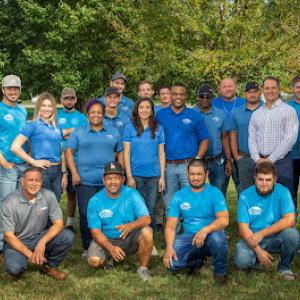
Wholesale Roofers
(757) 271-3803 www.wholesaleroofersva.com
732 Thimble Shoals Blvd Ste. 302A-900, Newport News, Virginia
5.0 from 96 reviews
Wholesale Roofers Newport News is the #1 roofing company in Newport News Va. Our roofing company specializes in roof repair, roof replacement, and other roofing contractor services. We are the best roofer in Virginia Beach, Chesapeake, Norfolk, Portsmouth, Suffolk, Hampton, and Newport News. If you are looking for a “Roofer Near Me,” we are your best choice.
Best Roofing Of Virginia
(757) 463-2378 bestroofingva.com
733 Thimble Shoals Blvd Ste. 170-004, Newport News, Virginia
5.0 from 52 reviews
Since 1997, Best Roofing of Virginia has been a trusted roofing contractor, providing professional, reliable, and high-quality roofing services to homeowners and businesses throughout Newport News, Hampton Roads, and surrounding communities. As a GAF Master Elite® Contractor, we specialize in roof installation, roof repair, and full roof replacements, ensuring every project combines exceptional craftsmanship with aesthetic appeal. Our experienced roofers use premium GAF materials, advanced tools, and proven techniques to protect your property and enhance curb appeal. Whether it’s addressing minor leaks, storm damage, or planning a complete roof upgrade, we manage every step with precision and clear communication.

VA Commercial Roofers
(757) 529-3147 www.vacommercialroofers.com
513 Oyster Point Rd #4, Newport News, Virginia
4.9 from 47 reviews
VA Commercial Roofers is a roofing company based in Newport News, Virginia that provides services to commercial clients. With years of experience and hundreds of active customers, VA Commercial Roofers has established itself as the most trusted contractors for roofing in Newport News.
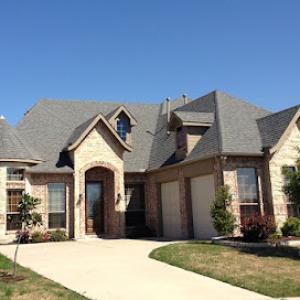
Xport Roofing
(757) 269-8887 www.xportroofingva.net
204 Jakes Ln, Newport News, Virginia
4.9 from 47 reviews
Roofing Leaks Repair Specialists
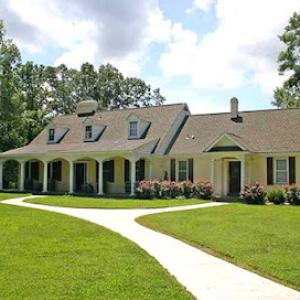
R.A. Woodall Roofing Newport News, VA
(757) 290-1570 www.rawoodallroofing.com
5 Heather Ln, Newport News, Virginia
4.5 from 26 reviews
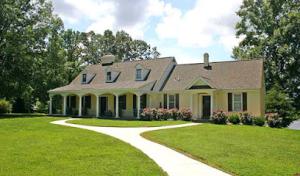
R.A. Woodall Roofing in Newport News, VA, is your premier roofing contractor for top-notch roofing services in Hampton Roads. We specialize in providing services for roof repair, roof replacement, residential roofing, and commercial roofing. As a roofing contractor, we bring over 35 years of experience to every project. Fully licensed and insured Class A Contractor, our team ensures quality craftsmanship with a focus on customer satisfaction. We handle everything from roof repairs to new roof installations, using only high-quality materials like asphalt shingles, metal, and slate. Contact us today at 757-290-1570 or online for a free estimate and experience superior roofing solutions tailored to your needs.
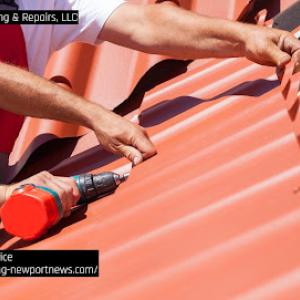
Delmar Roofing & Repairs
(757) 272-9294 roofing-newportnews.com
Newport News, Virginia
4.7 from 13 reviews
Delmar Roofing & Repairs, LLC is an excellent roofing service provider in Newport News, VA that has more than 20 years of experience.
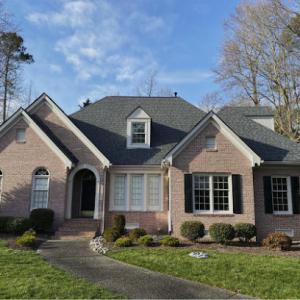
Skyline Roofing
(757) 768-8191 skyline-exteriorsinc.com
5875 Jefferson Ave, Newport News, Virginia
5.0 from 7 reviews
Skyline Roofing provides those products necessary for a quality roofing system typically for a consumer’s home, garage, or other residential applications. With our services we can ensure your roof will provide coverage to your home for the years to come.
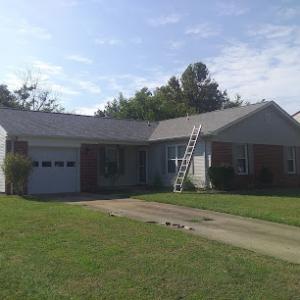
D&S Contracting LLC D&S Roofing
1201 77th St, Newport News, Virginia
5.0 from 3 reviews
D&S Contracting A licensed Home Improvement and roofing company for all your roofing needs. We also offer gutter installation and cleaning. No job too small.
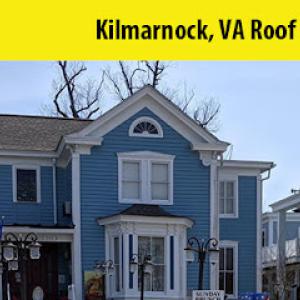
Roof Masters
(757) 219-2106 roofmastersva.com
Serving
4.8 from 57 reviews
Roof Masters provides residential and commercial roofing services to the Hampton Roads, VA area.
Armor Roofing
(757) 508-2212 armorroofingva.com
Serving
5.0 from 71 reviews
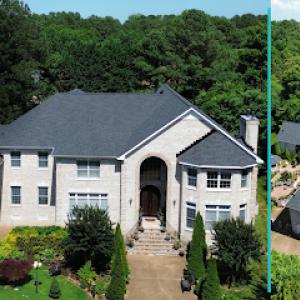
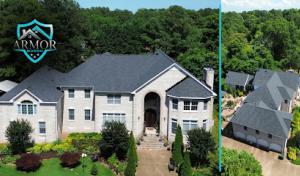
Armor Roofing is a residential and commercial roofing expert in Hampton Roads, Virginia. Locally owned by Ricky Comer. We are committed to you and your roof from the first phone call to years after your roof has been installed. We provide personalized estimates so you get a detailed breakdown on the pricing of your project, not just a ballpark figure. We want to ensure you and your families happiness and safety always, which is why we use the highest-quality materials from leading manufacturers like Atlas, 3M & Scotch. We provide Roof Repairs, Free Roof Inspections, Roof Replacement, Emergency Leak Repairs, Gutters, Siding, Windows, and more!
Chase Roofing
(757) 872-0700 www.chaseroofingva.net
Serving
4.7 from 121 reviews
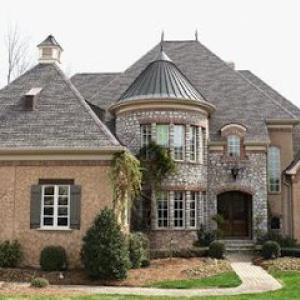
Professional Roofing Done by Roofers When you choose to go with us here at Chase Roofing, you’re getting a team of professional roofers whose specialty is just that: roofing. So many other providers offering roofing in Yorktown or Smithfield do it as an add-on to their core services. Not us. We’re roof people. There isn’t a roofing issue that we can’t handle. Our services include: * Residential roof repair and replacement * Commercial roofing * Metal roofing installation
Pyramid Roofing (Peninsula)
(757) 908-6152 www.pyramidroofing.com
Serving
4.9 from 329 reviews
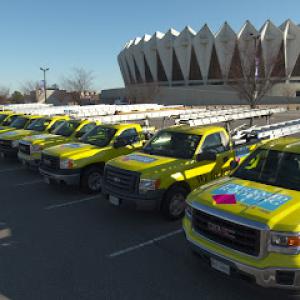
Pyramid Roofing is a locally trusted residential roofing company since 1986. Proudly serving the Greater Hampton Roads, Middle Peninsula, and Virginia Beach areas. Now offering gutter estimates! You can find more information about us through the BBB. As a BBB accredited business, we are proud of our A+ rating! *Drug Screened, Background Checked and Factory Trained Technicians *100% Satisfaction Guarantee *Financing Available
Spring arrives after the humidity spike of early summer, and in this part of the Peninsula the weather tends to settle into workable, predictable patterns for several weeks. The combination of milder temperatures and a lower risk of salt-laced storms means crews can mobilize with less heat stress and more reliable attic drying times. This is the period where tear-off crews can complete most of the heavy lifting before the first round of tropical moisture crab-wites in, which helps reduce the chance of weather delays mid-project. When planning, target stretches after any lingering cold snaps but before the peak rain belts resume. If your home uses asphalt shingles, spring offers the best balance between ease of handling and timely dry-in, provided the forecast shows a window of dry days long enough for a solid complete install.
Summer heat in this coastal climate is more than discomfort; it directly affects crew productivity and the way shingles behave during installation. Hot days can soften asphalt products, complicating nail-fastening and edge seal integrity, which matters in a market where asphalt remains a common choice. Storm-driven interruptions are common, and rapid, localized downpours can halt work and jeopardize a dry-in. If you must replace during midsummer, insist on a sequencing plan that prioritizes shielded areas first, with tarping that stays secure against sudden gusts. Schedule shorter days when heat builds, and ensure ventilation and attic airflow are checked early in the process to prevent moisture traps that could compromise decking and flashing. Choose dates that minimize long stretches of coverage-area exposure to sun and rain-ideally a window of several dry days predicted in advance by your contractor.
Fall offers a practical bridge between summer heat and winter chill. By late fall, humidity is lower, and the risk of abrupt afternoon storms tends to wane, which helps with both tear-off stability and the dry-in phase. In this city, late-fall and even early winter replacements deserve a closer substrate review, because coastal Virginia experiences freeze-thaw cycles that can stress decking, flashing, and fasteners. If a replacement is scheduled in this season, ensure a complete inspection of all underlayment, ridge vent continuity, and drip edge performance. The goal is to lock in a durable seal before winter weather steadily returns, reducing the chance of concealed damage turning into a bigger repair later. Rely on a crew's attention to flashing around dormers, chimneys, and wall penetrations, since these are common weak points that frost can exploit.
Hurricane-season wind resistance should shape your whole timeline. If a storm is forecast within a few weeks of a planned replacement, you might be better postponing to a drier, calmer window to ensure a complete, code-respecting installation that resists uplift. When a project proceeds during peak storm periods, insist on enhanced fastener patterns, proper underlayment, and attention to edge sealing, especially on exposed eaves and rakes. In Newport News, the aim is to complete the dry-in and secure the roof deck before potential high-wind events can stress a partially finished roof. The practical takeaway is to align the replacement window with the calmer parts of spring and fall while maintaining a plan for rapid rescheduling if a named storm threatens. This approach helps protect your home's envelope without sacrificing long-term performance.
Get a clear picture of your project costs upfront - no commitment required.

VA Commercial Roofers
(757) 529-3147 www.vacommercialroofers.com
513 Oyster Point Rd #4, Newport News, Virginia
4.9 from 47 reviews
R.A. Woodall Roofing Newport News, VA
(757) 290-1570 www.rawoodallroofing.com
5 Heather Ln, Newport News, Virginia
4.5 from 26 reviews
In Newport News, homeowners commonly choose among asphalt shingles, metal roofing, clay tile, concrete tile, wood shingles or shakes, and synthetic or composite shingles. That broader material mix reflects a local contractor ecosystem comfortable with both traditional and premium installations. The coastal climate, with frequent humidity and salt exposure, makes each option work differently over the life of the roof. The choice is not only about appearance or prestige but about how the product ages under continuous dampness, salty air, and occasional high-wind events.
Coastal humidity and salt air can accelerate corrosion of exposed metal components and contribute to mold growth on roof decking. This means the underlayment, flashing, and fasteners may need higher-grade insulation and corrosion-resistant materials. Expect heavier attention to the quality of fasteners-coated or stainless options can perform better in this environment. For metal and tile systems, consider how the substrate and fasteners will interact with moisture, including vented attics and roof deck ventilation that prevents condensation from turning into interior moisture problems.
Clay tile and concrete tile offer extended life and a strong wind-resistance profile when properly installed. In this market, tile systems are not simply aesthetic statements; they are actively supported by local contractors who understand coastal wind uplift, the risk of salt-laden debris, and the need for precise flashing at hips, valleys, and penetrations. Clay and concrete tiles shine where long-term durability, impact resistance, and a steady thermal performance are priorities. However, weight considerations and roof structure compatibility remain essential checks before committing to a tile upgrade.
Metal roofs are a practical choice where wind resistance and rapid shedding of rain matter, provided the system uses corrosion-resistant alloys and proper sealant detailing. The salt-laden air can corrode exposed components, so installers frequently specify thicker coatings, zincalume or galvalume substrates, and robust coating warranties. In addition, coastal homes often need meticulous metal panel detailing around penetrations and vents to prevent wind-driven water intrusion. A locally skilled crew will emphasize panel seam quality, fastening patterns, and accessory compatibility with a salty climate.
Wood shingles or shakes bring a traditional look that can coexist with coastal styling, but they demand careful moisture management and routine maintenance. In humid conditions, mold growth on decks and underlayment can influence ventilation and roof assembly design. Synthetic or composite shingles offer a middle path, balancing appearance with dimensional stability and improved resistance to moisture intrusion. When selecting these options, verify the product chemistry for salt exposure and confirm compatibility with local attic ventilation strategies and flashing details.
Tile and metal options are relevant locally not just as premium upgrades but as real market categories with active contractor specialization in this area. A roof crew familiar with coastal wind uplift, salt corrosion, and Newport News storm patterns can structure a replacement plan that times hull-friendly installations and sequences that minimize exposure to the longest weather windows. Look for installers who can demonstrate coastal projects, detailed venting schemes, and flashing systems designed to perform under hurricane-season stress.
In this coastal Virginia port city, you'll typically see asphalt shingles priced around $350-$550 per square, with metal roofing running $700-$1400 per square. If clay tile is on the radar, expect $900-$1900 per square, and concrete tile $700-$1500 per square. For wood shingles or shakes, costs sit in the $450-$900 range, while synthetic or composite shingles come in at about $550-$1100 per square. These ranges reflect the city's blend of older, storm-exposed homes and newer builds along the James River corridor, where material choice often hinges on balancing wind resistance, weight, and local aesthetics.
hurricane-season pressure is real in this area. Storm-driven demand spikes after severe weather can tighten labor availability, which pushes reroofing costs higher during active claim periods. When crews are scarce and travel time to neighborhoods stretches, you'll notice a bump in both material procurement lead times and installation rates. In practical terms, plan for a slower start after a major storm and expect bids to be less predictable in the weeks following a larger event.
The Peninsula's older housing stock often features roofs with unusual geometry or heavier systems that require additional evaluation. Costs can rise when the city reviews unusual roof shapes or when a heavier material-like clay or concrete tile-needs extra structural assessment, support framing, and soak-tested detailing to handle wind uplift. If your home sits on still-smoother underlayment or has hips and valleys common to mid-century designs, expect a careful, architectural approach. Heavier tiles bring lifting resilience but add labor time and sometimes specialist fasteners or intermittent bracing, pushing labor costs upward and extending project timelines.
Start with a conservative estimate that includes a contingency for storm season timing. If a reroof is planned during a known hurricane window, factor in potential scheduling delays and limited crew availability. For homes with unusual geometry, obtain an engineer's input or a clearly scoped assessment from the contractor to avoid surprises in material changes or retrofit needs. Finally, for coastal homes, specify corrosion-resistant fasteners and rust-proof flashings to protect long-term performance, which can reduce future maintenance calls and incremental costs.
Don't let upfront costs delay a critical repair - these contractors offer payment plans to fit your budget.
Wholesale Roofers
(757) 271-3803 www.wholesaleroofersva.com
732 Thimble Shoals Blvd Ste. 302A-900, Newport News, Virginia
5.0 from 96 reviews
A full roof replacement in this city is not treated as simple maintenance. The City of Newport News Building Department requires a permit for a complete reroof, so skipping a permit can lead to fines, stop-work orders, and trouble when you try to sell or refinance. The process is designed to ensure the new roof can withstand typical hurricane-season winds and that ventilation keeps attic temps reasonable. Treat the permit like part of the job, not an afterthought, because delays and rework are common if paperwork isn't in order.
When you apply, you must outline the project scope in clear terms-down to the number of layers to be removed, venting changes, underlayment type, and the chosen roofing material. Inspections hinge on this scope, so be precise. The department uses this information to verify ventilation calculations and wind-resistance considerations for your specific house and roof geometry. If the plan shows any atypical features, you should expect a quick plan review before work proceeds to confirm code compliance and avoid mid-project hiccups.
Inspections are coordinated through the city's permit portal, and rough-in inspections typically happen after decking and underlayment are in place but before shingles or tiles are installed. Final inspections occur after the roof is completed and all penetrations for vents, chimneys, and skylights are sealed. Do not bypass these checks; missing an inspection window can stall the project and extend exposure to weather. Have your contractor align milestones with the portal's timetable to prevent delays.
The department enforces both wind uplift requirements and proper attic ventilation. Wind considerations drive how underlayment, fasteners, and edge details are installed, while ventilation affects attic air exchange and moisture control. If your attic is oddly configured or the eave vents are nonstandard, you may need additional documentation or on-site verifications. Expect questions about rafter spacing, attic baffles, and soffit-to-ridge venting during plan review or inspections.
Unusual roof geometry-irregular pitches, multiple ridges, or complex skylight layouts-may trigger a brief plan review before work begins. This step helps ensure the design can meet local wind-resistance standards and ventilation requirements without later revisions. Prepare to provide accurate drawings or detailed sketches, and coordinate with your contractor to address any concerns promptly.
Newport News sits in a coastal Virginia insurance environment with frequent storm claims and occasional hurricane losses, so roof age and wind-resistance details can directly affect underwriting. After a loss event, carriers will scrutinize whether the roof can withstand the region's typical windloads and salt-exposed corrosion. The age and condition of the deck, underlayment, and fasteners matter just as much as the visible shingles.
Insurers commonly ask for photos, documentation of prior damage, and confirmation that the replacement roof meets wind-resistance requirements after a loss event in this market. That means gathering clear images from before and after the storm, keeping repair receipts, and retaining any contractor reports that note wind-rated components. A well-documented history helps prevent delays or partial denials at claim time.
Because claim activity rises after severe weather in Hampton Roads, homeowners in Newport News need to document damage quickly before temporary repairs, cleanup, or neighborhood-wide contractor surges complicate the record. Photograph all affected areas as soon as it's safe, capture close-ups of lifted shingles or damaged flashings, and log dates of any independent assessments. Delays can complicate underwriting decisions later.
When repairs or replacement are pursued, the chosen roof should meet current wind-resistance expectations used by insurers. This may involve upgraded fasteners, improved underlayment, and wind-rated shingles or panels. If a loss occurs, ensure the final installation aligns with the insurer's wind-resistance criteria to minimize the chance of coverage disputes.
Connect with contractors who help homeowners navigate the claims process from damage assessment to final approval.
VA Commercial Roofers
(757) 529-3147 www.vacommercialroofers.com
513 Oyster Point Rd #4, Newport News, Virginia
4.9 from 47 reviews
R.A. Woodall Roofing Newport News, VA
(757) 290-1570 www.rawoodallroofing.com
5 Heather Ln, Newport News, Virginia
4.5 from 26 reviews
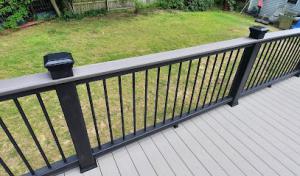
In Newport News, coastal humidity raises the risk of mold growth on decking and in attic-adjacent roof assemblies, making ventilation performance more than a comfort issue. When attic air remains humid, condensation can travel into decking and sheathing, accelerating rot and inviting hidden leaks during storms. You may notice musty odors, warped decking, or stained rafters after heavy rainfall or high humidity spells. The takeaway is that ventilation is a foundational component of roof health, not a bonus feature.
Humidity elevates the moisture content of roof assemblies, especially in attics with insufficient intake or exhaust air. If ridge vents and soffit vents are blocked by insulation or debris, the space cannot dry effectively after rain or a storm front passes. This slows moisture clearance and can lead to mold growth on plywood or OSB and on the inner surfaces of roof decks. Practical steps include ensuring unobstructed soffit vents, adding baffles at the eaves to guide air, and confirming that attic air exchanges align with the roof's design. When replacing a roof, verify that the new ventilation balance supports continuous dry cycles for at least 50-60% of the year's moderate-to-high humidity periods.
Salt-laden air in the Hampton Roads region can shorten the life of metal flashings, fasteners, and accessories even when the primary roof covering is not metal. In cooler, humid mornings, you may see a thin white residue or spotting on metal edges; over time, fastener heads can corrode and flashings may lose surface integrity. To mitigate this, choose corrosion-resistant options for any metal components and verify that the installation uses stainless or coated fasteners, with sealants compatible with salt exposure. Regular inspection after coastal storms helps catch early signs of corrosion before leaks form.
The city's emphasis on ventilation means moisture-related roof failures are tied not only to climate but also to whether the replacement assembly is balanced and code-compliant. A properly vented roof system avoids creating pockets of humid air that linger in attic spaces. During replacement, review the overall system-decking, underlayment, flashing, and ventilation scheme-as a unified package. Ensure flashing transitions are continuous, that ridge and soffit interlock to promote steady airflow, and that any new sheathing is dried and acclimated before sealing. A balanced assembly reduces the risk of wind-driven intrusion and supports longer-lasting performance under storm exposure.
In this city, complex roof geometries and penetrations drive both long-term durability and the ease of future maintenance. Valleys, intersecting slopes, and detail-heavy designs trigger extra planning before replacement, because the geometry can influence wind uplift paths and the way water travels under shingles. When a roof includes multiple planes, a contractor needs to map drainage and flashing changes across all transitions rather than treating each part in isolation. This is especially true where slopes meet or where modern skylights sit between traditional ridge lines and dormers.
Skylights are a common source of homeowner concern and storm-related leakage. Local contractor signals show meaningful demand for skylight work, reflecting recurring issues with leaks around penetrations. If a skylight is beyond its service life or sits on a steep or convoluted roof, expect more careful framing and flashing detail. Ask for a full flashing plan that treats the skylight as a system component, not a stand-alone insert. If replacement is planned, consider higher-performance flashing and a carefully selected curb or curbless system to reduce wind-driven water entry during downpours.
Flashing transitions around skylights and chimneys are particularly vulnerable in this climate. Freeze-thaw cycles in winter and wind-driven rain during storm season stress these points more than flat sections of roof. A practical approach is to require pre-installation mockups of flashing transitions, especially where two roof planes meet or where a skylight sits near a valley. Ensure that the chosen materials resist salt exposure and corrosion in the James River corridor. Look for contractors who clearly outline how they'll seal into existing roof assemblies and how they'll manage reproofing at the joints after installation.
Finally, align material choices with the roof's seismic-quieting or wind-resistance goals. In areas with heavy uplift potential, vented or reinforced skylight frames can reduce the chance of leaks without sacrificing daylight.
Find contractors experienced in skylight installation, flashing, and leak repairs to bring natural light into your home.
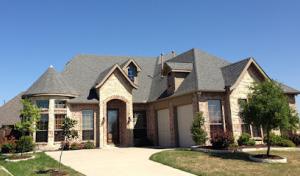
Xport Roofing
(757) 269-8887 www.xportroofingva.net
204 Jakes Ln, Newport News, Virginia
4.9 from 47 reviews
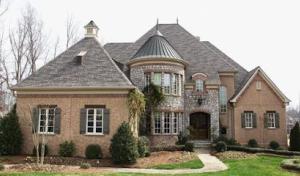
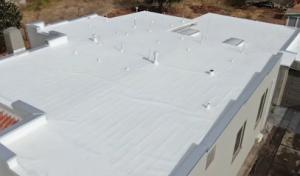
In this humid, storm-exposed peninsula, flat and low-slope sections such as porches, additions, and mixed-roof homes often face drainage and seam challenges that can accelerate wear. The salt-influenced air near the James River and Hampton Roads can corrode metal components and degrade fasteners if not attended to promptly. For many homeowners, this means paying close attention to how water moves across the surface and how joints, penetrations, and transitions perform under heavy seasonal rainfall.
Low-slope roofs perform best when the core choice balances water shedding with edge-to-edge seam integrity. Standing-seam metal panels can offer strong wind resistance when properly fastened and flashed, but require careful seam detailing at penetrations and transitions. In areas with frequent downpours, a proven membrane system with robust edge detailing around parapets, skylights, and gutters helps prevent pooling and slow leaks. Coatings and sealants that are compatible with the underlying substrate can provide an extra layer of protection, particularly on porch roofs and sunrooms that see regular exposure to ocean-air humidity.
Where porches or additions create a low-slope interface with the main roof, ensuring positive drainage toward gutters and scuppers is essential. Gutters must be sized for local rainfall intensity and kept clear to avoid back-ups that can seep into seams and fasteners. Seams and edge write-ups should be inspected for corrosion-prone metals and potential joint movement during hurricane-season winds. In practice, this means prioritizing flashing continuity, secure fastener patterns, and reliable bulkhead and vent terminations that do not create continuous leakage paths.
Coating and restoration options play a meaningful role when full replacement isn't yet necessary. Reflective coatings on exposed low-slope surfaces can reduce heat buildup and slow material degradation, while elastomeric coatings bridge minor cracking and movement in a cost-effective way. For certain assemblies, localized reseaming and targeted patching can extend service life between major replacements, especially on sheltered portions of the roof or on historically sensitive joints. This approach is particularly practical in the city's mix of older and newer homes, where preserving original fascia and parapet details matters.
Find specialists in TPO, EPDM, and built-up flat roofing systems for residential and commercial properties.
In a coastal storm environment, the warranty value hinges on more than the paper term length. The right warranty shows it can pass insurer expectations after coastal storm damage, not just promise protection against manufacturing defects. Look for language that explicitly ties coverage to wind uplift performance, hail exposure, and corrosion resistance near salt-spray zones by the James River and Hampton Roads. A practical warranty describes how accessories, flashing, and workmanship are safeguarded when a severe weather event drives a claim, so a claim doesn't hinge on a narrow interpretation of "defect."
Local contractor signals matter in a market where wind uplift compliance and installation details are scrutinized. Seek firms that regularly publish warranty terms with clear criteria for approved fasteners, adhesive systems, and flashing methods, especially around hips, ridges, and valley penetrations. If a contractor offers a transferable warranty, confirm the transfer process and any prerequisites the homeowner must meet to preserve coverage. Ask how the company handles storm-related scenarios-will they honor repairs that adjacent properties require after a large coastal event, and is there a dedicated service window for post-storm inspections?
Document every aspect of the roof system before weather season hits: the condition of flashing, copings, penetrations, and the fasteners used. When replacing after a storm, insist on a warranty that clearly enumerates coverage for accessories, flashing, and workmanship, with defined repair timelines and a process for dispute resolution. Require written confirmation that the manufacturer and installer are aligned on wind-resistance standards and that the warranty remains valid if you add accessories or perform minor future repairs. Keep all receipts, inspection notes, and correspondence organized, because insurers frequently scrutinize documentation to verify that the installation meets the promised standards and that the claim aligns with the covered terms.