
Last updated: Apr 19, 2026
The fall-line location in central-southern Virginia means hot, humid summers followed by colder winters. On a roof, that translates to repeated expansion and contraction of coverings and flashings year after year. In practical terms, shingles, metal edges, and Chimney and vent flashings endure a constant flex cycle that can loosen fasteners, widen gaps, and accelerate wear on sealant joints. The result is a roof that ages not just by sun exposure or wind, but by the daily rhythm of temperature swings that stress edges, lap joints, and penetrations. In aging homes, this cycle compounds if attic ventilation is inadequate or if the deck has absorbed moisture from past leaks, making replacement timing more nuanced than "just swap shingles."
Petersburg's storm pattern brings wind-driven rain that pushes at joints and penetrations with particular severity. Roof-to-wall flashings can peel, chimney flashings can corrode, and penetrations for vents and plumbing may develop small leaks that are hard to pinpoint. When planning a replacement, pay attention to the condition of these vulnerable interfaces. A retrofit approach that improves flashing detail, uses complementary sealants, and rebranches drainage paths often yields longer-term performance than a simple shingle swap. This is especially true on older homes where former construction practices left margins or laps that don't play well with modern waterproofing standards.
Many older structures in the area carry roof decks that have seen decades of exposure. Replacement timing becomes a broader project when decking shows signs of rot, cupping, or deflection, or when the attic lacks adequate intake and exhaust ventilation. If deck integrity is uncertain, plan for decking repairs or replacements as part of the project. Ventilation upgrades-combining soffit, ridge, or turbine solutions with insulation checks-help stabilize interior moisture and reduce rapid condensation on cold mornings. A well-ventilated roof system improves long-term shingle performance and reduces the risk of ice-dam formation in fringe winters.
Drainage corrections often matter more than surface color or shingle type on aging houses. Poorly directed runoff can pool near fascia lines, run toward vulnerable eave joints, or undermine low-slope transitions. Replacing or upgrading drainage components-such as gutters, downspouts, and kickouts-helps protect the roof deck and siding from water intrusion. When replacing, verify that downspout currents align with nearby grading and that splash blocks or erosion guards are in place to carry water away from the foundation. On historic-era homes, keep an eye on preserving the look while upgrading to modern, watertight details.
With the climate and aging stock in mind, the choice of roofing material should reflect how each option handles expansion, moisture, and flashing compatibility. Materials that resist moisture absorption and maintain structural rigidity under cycles perform better in this setting. For historic shells, choosing a system that blends with the home's character while delivering improved flashing detail and ventilation can extend service life without compromising the house's aesthetic. If a roof has endured multiple seasons of harsh weather, consider a staged plan that prioritizes deck repair, ventilation upgrades, and flashing modernization alongside the chosen surface.
Older neighborhoods in this city showcase steep rooflines, dormers, porches, chimneys, and trim details that are charming but labor-intensive to work around. When a roof that looks simple on the surface is peeled back, those architectural elements reveal themselves as active constraints on the project. The steeper pitches mean more time on the ladder, more careful edge work, and more precise flashing around edge details, dormer junctions, and chimney bases. In practice, that translates to longer installation timelines and more opportunities for weather intrusion if storms roll in during a replacement window. The complexity isn't cosmetic-each feature needs proper sealing and coordinated flashing to keep centuries of framing dry and sound.
On older deck assemblies and ventilation pathways, revealing the structure beneath can change the project plan in real time. Once shingles are removed, decks that have settled or deteriorated deserve frank appraisal rather than a cursory patch. Ventilation that once looked adequate may show deeper deficiencies through soffit health, ridge vent continuity, or attic baffles. In Petersburg, where humidity and storm-driven rain stress roofing systems, any unseen rot, mold, or compromised deck boards can compromise long-term performance. The result is not merely extra labor; it is a shift in strategy to restore a solid, breathable, and watertight core before re-covering with new materials. The eye-opening part of the process is not a failure; it's a pathway to lasting protection through careful rehab rather than a rushed veneer.
Material selection in this climate is often a balancing act between performance and character. Clay tile, wood-look products, and synthetic alternatives are commonly considered because they can echo traditional architecture while delivering modern durability. In practice, clays and concrete tiles offer substantial longevity and resistance to wear from humidity, but their weight and installation nuances demand a well-supported structure and precise detailing around eaves and valleys. Wood-look options can provide authentic texture and color that ancestors might have favored, yet they require attention to moisture management, surface preparation, and UV stability to avoid quick fading or warping. Synthetic shingles can mimic older textures with less weight and simpler installation, but color retention and seam integrity in storm-prone seasons deserve thoughtful evaluation. Asphalt and metal remain reliable workhorses, yet their clean, contemporary appearance can clash with pristine historic aesthetics if not selected with care and paired with complementary detailing.
When planning a retrofit, anticipate the extra steps tied to a historic roofscape. Schedule contingency time for delicate edge work around dormers and trim, and prepare for additional flashing strategies at chimney and valley intersections. Expect ventilation assessment to be foundational, not ornamental; improving air movement and moisture control can be as vital as the surface layer itself. If a historic look is non-negotiable, partner with an installer who understands not just the roofing system, but the architectural storytelling of these homes-where every shingle cut, every flashing corner, and every cap detail counts toward preserving both safety and curb appeal. In the end, the care invested in addressing complexity today yields a roof that preserves the home's character while standing up to Petersburg's climate for years to come.

Timothy's Home Improvement
(804) 526-1694 timothyshomeimprovements.com
Petersburg, Virginia
5.0 from 6 reviews
When it comes to Roofing Contractor, Roofing Company, Roofer and more, no one compares to Timothy's Home Improvements With years of combined experience, Timothy's Home Improvements has worked hard to build the trust of our clients in Colonial Heights and surrounding areas. Visit our website to learn more or better yet, call us today!
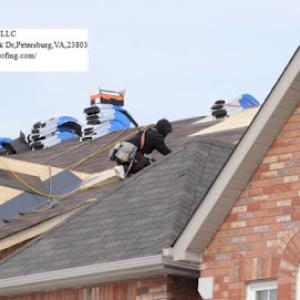
Witt Roofing LLC - Metal Roofing Service, Metal Roof Installation, Metal Roof Repair in Petersburg VA
(804) 223-8179 witt-roofing.com
22904 Airpark Dr, Petersburg, Virginia
3.5 from 8 reviews
Welcome to Walter D. Witt Roofing, we offer you the best in roofing services, materials and supplies to protect your largest investment - your home. Walter, David, Marshall & Skipper Witt have set the standard in the area for over 50 years.
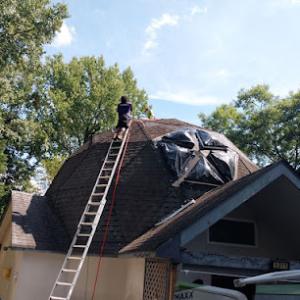
RVA Roofing Services
(804) 609-0535 www.rvaroofingservices.com
Serving
5.0 from 55 reviews
RVA Roofing Services provides residential and commercial roofing installation, rejuvenation, and repair work in Colonial Heights, VA, and the surrounding area.
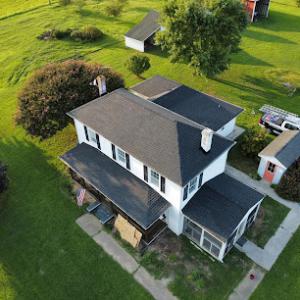
D.L. Williams Roofing
(804) 408-4659 dlwilliamsroofing.com
Serving
5.0 from 185 reviews
If you're dealing with roof damage or planning a replacement, D.L. Williams Roofing is here to help. We’ve served homeowners across Church Road, Dinwiddie County, and the Greater Richmond area for over 20 years — always with honesty, quick response, and reliable results. As GAF Certified Contractors and a Class A licensed company, we deliver expert craftsmanship on every project. We specialise in roof replacements done right — fast turnaround, fair pricing, and zero upselling. Whether you need shingle or metal roofing, storm repairs, or help with an insurance claim, we make the process simple from start to finish. Call today to schedule your free estimate.
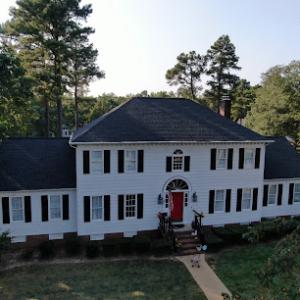
Premier Roofing
(804) 525-8377 www.premierroofingva.com
Serving
4.9 from 104 reviews
A very reputable company and specialize in Commercial, Residential , and Industrial roofing.

Howerton Roofing & Construction
(804) 837-2621 howertonroofing.com
Serving
4.9 from 28 reviews
Are you ready to install a new roof on your home? Do you need prompt and effective roof repair? Howerton Roofing & Construction, LLC is a full-service roofing contractor in Chesterfield, VA, proud to serve Richmond, VA, and surrounding areas with any roofing needs. Our roofing professionals have years of experience and can handle any roofing project, small or large. As a fully insured company for both General Liability and Workman's Comp, you can rest assured that your roof is in good hands with our team.

Mueller Builders
(804) 533-7663 www.muellerbuildersllc.com
Serving
4.9 from 244 reviews
Central Virginia and Eastern North Carolina's Leading Roofing and General Contractor. Mueller is a licensed Class A building contractor based in Prince George that serves Central Virginia and Eastern North Carolina. We provide services for both residential and commercial construction projects.
Walter D Witt Roofing
(804) 862-4040 walterwittroof.com
Serving
4.9 from 513 reviews
Walter D. Witt Roofing in Chester, VA provides commercial and residential Roof replacement and Roofing repairs in Central Virginia.
S W Maclin Roofing
(804) 216-0903 www.swmaclinroofing.com
Serving
5.0 from 5 reviews
S W Maclin Roofing Inc. is your trusted partner for all your roofing needs in Petersburg, VA, and surrounding areas. Whether you need roofing solutions for your home or business, you can count on our 40+ years of experience to deliver results that are sure to surpass your expectations.
McDaniel Roofing
(804) 356-0934 www.mcdanielroofing.com
Serving
4.9 from 68 reviews
Local Roofing Company serving all of Richmond, Chesterfield, Henrico, Hanover, New Kent, Northern Neck, and Williamsburg. Class A Licensed & Insured.
Cross Timbers Roofing
(804) 275-9373 www.crosstimbersroofing.com
Serving
4.9 from 137 reviews
Cross Timbers Roofing has had the pleasure of being Virginia's trusted company for over 30 years. Specializing in both residential and commercial roofing, Cross Timbers Roofing has earned the trust and respect of homeowners and contractors alike by treating each roof like it is our own. Cross Timbers Roofing prioritizes safety and satisfaction above all else. From the initial phone call to the final quality control inspection, Cross Timbers Roofing is there for the customer every step of the way Cross Timbers Roofing has attained the highest certifications possible with four of the largest shingle manufacturers in the United States and the only roofing contractor in Central Virginia to do so. Call us today to see how we can help you!
Save More Roofing
(804) 289-0174 www.savemoreroofing.net
Serving
4.7 from 16 reviews
Full service roofing contractor. Serving all of Central Virginia. Free Estimates! Roof repair and replacement.
Spring in this area can slam your roof with heavy rain and hail, turning a planned tear-off into a scramble and leaving vulnerable areas exposed for longer than you expect. Old homes with composite decks, dormers, and sagging valleys tend to show every drip sooner, so timing becomes critical. If the forecast calls for multiple storm days, or if the wind shifts and exposes ridge lines, postpone nonessential removal until a calm window opens. Your best bet is to stage the project: secure the roof with tarps only when necessary, prioritize temporary leaks patches over full shingle replacement, and line up a contractor who can fast-track debris containment and moisture control the moment rain stops. The humidity can trap moisture under new layers, so meticulous drying and ventilation during the lull between storms matters more than a quick, shiny install.
As summer wanes and tropical systems push inland, you'll see spikes in urgent repairs and partial replacements. A storm arrives with little warning, and the lack of a clear, dry stretch can force contractors to juggle schedules across multiple roofs in the same neighborhood. This is the season when edge flashing, gutter connections, and dormer detailing become high-stress focus areas. You should have a plan for rapid tarping, temporary stabilization of loose shingles, and a ready-to-go material option in case a full replacement becomes necessary after a leak is discovered. Expect more booted valleys and softened underlayment in older stock-these features demand careful flashing and extended ventilation considerations to prevent heat and moisture buildup under new layers.
Winter brings cold, gusty winds that shrink installation opportunities and raise the stakes for moisture management. In a historic home with multiple near-sags and long rooflines, the window for safe, code-compliant installation can be brief. Moisture control isn't just about keeping water out; it's about preventing ice damming and condensation under new shingles in damp, low-ventilation attics. If temperatures hover near freezing, plan for staged work that stalls during hard freezes and resumes with thaw cycles. Proper sealant, breathable underlayment, and a continuous ventilation strategy protect your investment when the days are short and the work crew is racing against a nor'easter that could rework months of plan into a single weather event.
As seasons swing, maintain a weather-aware replacement calendar that prioritizes areas most vulnerable to interior damage-valleys, dormers, and chimney abutments-while keeping an eye on the overall roof age and staining patterns that signal deep-seated moisture. Build in buffer days for post-storm drying and for inspecting flashing and drip edges after each major system change. In historic homes, every detail matters: preserve or replicate original ridge lines where feasible, ensure appropriate ventilation channels, and document any structural changes with care to avoid backtracking after the next storm. Immediate attention to damaged shingles, compromised underlayment, or missing gutter components is essential when heavy rain is forecast, so you aren't left with cascading leaks that compound timber rot and interior damage.
Asphalt shingles remain a common and flexible option for the varied historic and modern homes found around town. They fit a wide range of styles and budgets, which helps when matching a house with the right look and durability. In a climate with high humidity and frequent wind-driven rain, the underlayment, nailing quality, and flashing details become especially important. A solid vertical nailing pattern, corrosion-resistant fasteners, and properly sealed transitions around dormers, chimneys, and vents help resist wind uplift and moisture infiltration. On older homes with irregular roof lines, careful edge detailing and correctly integrated drip edges reduce edge flutter and water tracking along fascia. If a homeowner plans to replace a roof within a few cycles of climate shifts, choosing architectural shingles or high-wung products can provide additional weather resistance without overwhelming the design of a historic façade.
Metal roofing performs well against Petersburg's storm exposure and the tendency for rapid, heavy rain bursts. It sheds water quickly and can offer long service life with proper installation. However, detailing around older chimneys, porch tie-ins, and attic-to-exterior transitions is critical on the city's aging housing stock. For homes with complex profiles, ridge lines, or multiple penetrations, a careful flashing plan and coordinated sealant schedule are essential to prevent leaks at the valleys where different roof planes meet. Metal also presents considerations for attic ventilation and condensation control, so matching ridge vents and soffit intake with the roof's pitch and interior humidity helps maintain indoor comfort and protect the ceiling from damp-related issues.
Clay tile, concrete tile, wood shakes, and synthetic/composite products appear on higher-character homes in the area. Clay and concrete tiles offer a timeless look and strong durability, yet their mass and stiffness demand precise structural support; in some cases, additional framing or reinforcement is necessary to satisfy inspection expectations. Wood shakes and certain synthetic options provide authentic texture but require robust moisture management and periodic maintenance to prevent warping or surface deterioration in humid seasons. In all cases, the detailing around eaves, roof-to-wall interfaces, and penetrations-vent pipes, skylights, and solar mounts-needs meticulous sealing and compatible fasteners to hold up through the region's wind-driven rains.
Older houses with complex rooflines often demand customized flashing, well-sealed lap joints, and careful alignment of membrane layers to accommodate irregularities in decking and framing. When choosing materials, consider how the material's weight, movement, and expansion will interact with the existing structure. The goal is to preserve the home's character while ensuring reliable drainage, solid wind resistance, and durable moisture control across the roof system.
In this climate, asphalt shingles remain the baseline for most homes, with typical Petersburg material pricing running about $350 to $650 per square for asphalt shingles. Homes with aging infrastructure, multiple roof lines, or shallow pitches can push the lower end up as crews address flashing, ventilation, and drainage, especially after heavy fall rains. If the house has a steeper slope or taller eaves, expect the installed price to drift toward the upper end of the range due to safety equipment and longer installation times. Asphalt remains practical when you're balancing cost with the area's humidity and storm-driven rain.
Metal roofing sits toward the higher end of the spectrum, typically $600 to $1100 per square. This option is common on newer additions or properties where long-term durability against humid summers and driving rain matters. On older homes with complex silhouettes-dormers, wraparound porches, or protruding chimneys-metal can still be cost-effective by avoiding frequent shingle replacement, but the wider trim and specialty flashing raise labor costs. If heavy wind exposure from storms or nearby trees exists, metal may also require more precise detailing to manage condensation and venting.
Clay and concrete tiles carry substantial material price ranges, with clay from $900 to $1700 per square and concrete from $700 to $1500. Historic-era homes with clay or concrete accents often justify the premium due to their longevity and aesthetic, but installation becomes more intricate around chimneys, dormers, and steep sections. Hidden deck repairs or failed substrate under tiles add to the bill, especially on older structures where the roof deck and underlayment show age.
Wood shingles or shakes run about $520 to $900 per square. They can be a fit for historic-looking pages or bungalows, but humidity and storm cycles in Petersburg demand careful maintenance. Expect higher costs if milling requires custom profiles to match existing woodwork or if there's significant ventilation work to prevent moisture-related rot.
Synthetic or composite shingles offer a middle ground, roughly $460 to $900 per square. They're a practical choice when replacement timing aligns with humidity-driven moisture control and the desire to minimize ongoing maintenance while maintaining a traditional look on historic-era homes.
Prices rise on older homes with multiple chimneys, porches, dormers, steep sections, or hidden deck repairs discovered during tear-off, underscoring the need to assess the full roof envelope rather than just the shingle itself. Post-storm demand surges in the area can push replacement pricing above a simple material-only estimate, especially when ventilation corrections and drainage improvements are needed to restore proper performance.
In this city, a building permit is required for roof replacements rather than treated as minor work. Before any new shingles are ordered, check with the building department to obtain the permit number and the checklist for submissions. The permit helps ensure the project accounts for the humid fall-line climate, proper ventilation, and drainage improvements on aging historic homes. Expect the reviewer to examine whether structural changes are planned, such as adding or altering supports, and to verify that attic ventilation paths won't create moisture traps or ice dam risks. If the house has historic features, certain detailing may need to respect character-defining elements while meeting modern performance standards. In practice, the permit process prompts a contractor to document deck integrity, roof-to-wall connections, and the alignment of eaves and gutters with downspouts aimed at efficient drainage during heavy rains.
Inspections occur at key milestones and a final inspection is required after completion, so homeowners should confirm who is scheduling inspections and what documentation will be submitted. Typical milestones include a framing or structural preparation check if any changes are planned, a ventilation and attic integrity review, and a drainage and flashing verification once the roof deck and underlayment are in place. The final inspection confirms that the replacement complies with adopted codes and meets Petersburg's standards for moisture control on historic stock. To avoid delays, have the permit number, contractor license, material specs, and a site plan available at each visit. If weather or storms drive changes to the schedule, communicate promptly with both the contractor and the building department so that inspections stay aligned with progress.
Keep a file of approvals, drawings, and any department amendments. If venting or drainage details change, the contractor should submit revised plans. For historic homes, be prepared to provide documentation of exterior detailing adjustments that preserve character while meeting modern moisture controls. Communicate any weather-driven schedule shifts promptly to the building department and to the contractor to preserve inspection windows.
In Petersburg and across Virginia, carriers generally still write standard roof coverage, but claim handling can tighten after hail or wind events. The weather pattern-humid falls, sudden downpours, and gusty fronts-means shingles and flashing take repeated hits. Expect a careful review of whether damage is from a single storm or longer-term aging. The adjuster will look for signs of neglected maintenance that could shift responsibility.
Homeowners should expect insurers to ask for date-stamped photos, repair histories, and an adjuster inspection after storm damage. Photos should capture the roof surface, vents, chimneys, and any interior signs of leaks at the ceiling or attic level. Repair histories help establish pre-storm conditions, especially on older homes with multiple retrofits. An orderly file saves time and reduces back-and-forth during settlement discussions.
Coverage decisions can become more complicated when a Petersburg roof uses non-original materials or when a claim mixes storm damage with age-related wear on an older home. For historic-era framing and felt underlays, inspectors may differentiate between weather-induced failure and long-term degradation. If non-original materials are present, matching and replacement options can influence the payout and permissible repairs. Transparency about material changes from the original design helps both sides.
Begin with a quick, honest assessment after a storm: document with clear, date-stamped photos and video, focusing on joints, valleys, and edge flashing. Keep a repair log, noting weather delays or temporary measures taken to prevent further damage. When interview time arrives, provide a concise history of previous repairs, including any past hail or wind impacts. Clear communication reduces misinterpretations that can slow the claim.
If an insurer questions the role of aging versus storm impact, or if there is any disagreement over material compatibility, consult a local roofing professional experienced with historic homes. A contractor who understands local humidity, storm cycles, and the typical Portsmouth-area roof assemblies can offer an independent assessment that helps protect recoveries while ensuring safe, durable replacements.