
Last updated: Apr 19, 2026
Spring downpours and fall tropical activity shape a roofing risk profile that demands action now. The Tidewater humidity, combined with periodic storms, makes wind-driven rain and moisture intrusion a more immediate concern than dry-climate wear. In this area, a roof isn't just about shedding water-it's about resisting intrusion during the moments when storms slam ashore and humidity stalls drying. A leaky roof isn't just a nuisance; it can warp ceilings, invite mold, and jeopardize insulation during long, hot summers and damp winters. This section cuts to the core: timing, risk, and steps you can take to protect your home before the next storm season arrives.
Two distinct periods drive active leaks and potential delayed reroof schedules. First, spring brings heavy downpours that test flashing, valleys, and edge details after a wet winter. Rapid rain, coupled with stiff winds from passing fronts, pushes moisture into joints that aren't fully protected yet. Then, fall tropical storm activity delivers another round of wind-driven rain and elevated moisture load, often when contractors are busiest and labor windows shrink. In Williamsburg, these two windows aren't abstract forecasts-they're concrete risk moments when you should expect greater potential for water intrusion and more difficulty scheduling replacement work.
Replacement timing in this climate hinges on weather windows rather than temperature alone. Summer humidity can slow drying after a leak or roof work, leaving saturated decking and underlayment vulnerable longer than you'd expect. Winter freezes can pause installation steps, causing delays or intermittent repairs that aren't ideal for a roof that's already stressed from prolonged moisture exposure. The prudent approach is to plan around reliable weather stretches-periods with dry days, moderate temperatures, and low wind-so gaps between rain events don't undo progress or leave you exposed to fresh leaks.
Act now to reduce risk during the upcoming storm cycles. Start with a professional inspection focusing on the attic and roof penetrations-chimneys, vents, skylights, and where shingles meet valleys. Look for moisture staining, soft decking, rusted or loose flashings, and signs of wind uplift along the eaves. If a replacement is on the horizon, set the project within a confirmed dry-weather window that avoids the spring and fall peak storm periods. If feasible, coordinate with a contractor to stage the work so critical roof areas-valleys, hips, and ridge lines-are addressed first, reducing the chance of lingering leaks during a storm.
Prepare an action plan for unloading potential water entry points. Seal obvious gaps temporarily with water-resistant, non-permanent methods only if necessary to bridge a storm-free stretch; never rely on temporary fixes as a substitute for proper flashing and underlayment. Ensure attic ventilation remains adequate during the job to accelerate drying and prevent condensation buildup under decking. Finally, document pre- and post-work conditions with photos and notes, so you can verify improvements when the next weather window arrives.
The Tidewater humidity and frequent tropical-storm rain push you to consider how a roof behaves beyond looks. In this environment, algae staining, moisture retention, and underlayment performance matter more than mere appearance when choosing between asphalt, wood, tile, metal, and composite options. Asphalt shingles are familiar, cost-conscious, and easy to retrofit, but the humid air can drive faster algae growth on shaded, north-facing slopes. Premium synthetic and metal options resist staining and maintain air flow under the deck, helping with long-term roof health in high-humidity cycles. Tile choices, particularly clay and concrete, bring long-term resilience to moisture exposure if they are properly vented and installed with current underlayment standards. The goal is a system that sheds bulk moisture quickly while maintaining a dry underlayment and attic space.
Williamsburg's housing mix features Colonial-inspired architecture alongside newer, higher-visibility rooflines. Clay tile and concrete tile resonate with historic streetscapes and can align with preservation goals while accommodating modern performance expectations. Wood-look products offer a traditional texture that complements details like facades, dormers, and trim. Premium synthetic options provide the look of natural materials with added moisture resistance and dimensional stability. If the roof is visible from the street or public areas, selecting a material with a historically appropriate profile and color helps maintain curb appeal while delivering improved moisture control and lower maintenance over time.
In humid conditions, underlayment quality becomes a pivotal factor in leak prevention. Choose a high-performance synthetic or rubberized underlayment rated for prolonged exposure to humidity and occasional wind-driven rain. Ensure the underlayment is compatible with the selected roofing material and local roof geometry, including steep pitches common on newer homes. Adequate ventilation in the attic is essential to minimize humidity buildup, reduce condensation, and preserve the roof deck. For steeper or more visible rooflines, ensure ridge and soffit ventilation paths are continuous and unobstructed to prevent damp pockets that can accelerate deck rot and algae growth.
Heavier materials such as clay and concrete tile can fit the area's character but require attention to structural suitability before replacement. Confirm the home's framing, decking, and shear stability can support the added load, and verify that the roof-to-wall connections meet current-code reroofing details during replacement. If the existing structure isn't rated for heavy tiles, evaluating beam spacing, rafter size, and potential reinforcement is essential. In homes with Colonial-influenced detailing or retrofit potential, ensure the chosen system preserves architectural lines and roof silhouettes while maintaining energy efficiency and moisture resistance.
Whatever material you select, anticipate regular roof maintenance that aligns with Williamsburg's climate. Address algae staining proactively with appropriate cleaners or preventative coatings, schedule periodic inspections after tropical-storm seasons, and verify flashing and valley conditions where moisture tends to pool. A well-timed reroof, paired with a moisture-focused underlayment and compatible ventilation, helps preserve historic aesthetics while reducing the risk of unseen leaks that can creep through humid weather.
Reroof pricing in this area reflects a broad mix of materials-from common asphalt shingles to tile and synthetic products used on more architectural homes. Asphalt shingles remain a frequent default, with typical square-rate costs ranging from about 350 to 650 USD per square installed, depending on shingle quality and local crew availability. If your home leans toward higher-end finishes or has visible, heritage-leaning design cues, you'll encounter clay tile, concrete tile, or synthetic options that carry higher per-square costs, often pushing a reroof into the 700 to 2800 USD per square band for specialty products. In Williamsburg, the choice between a standard, cost-effective install and a premium, architectural system is frequently shaped by the street's look, the roof's visibility, and how well the material complements existing Colonial-inspired facades. In Williamsburg, this dynamic can tilt the overall project cost beyond the most conservative estimates when a tile or premium synthetic system is selected.
Coastal Virginia's weather pattern drives scheduling realities you'll notice in practice. Storm-driven demand spikes after wind and rain events tighten both material supply and labor availability. When a major coastal storm hits, crews can be fully booked for weeks, and even quick reroofs may experience delays. That congestion tends to push both costs and wait times upward locally, especially for steeper roofs or complex detailing that require more staging and safety precautions. If a replacement coincides with a busy recovery period, expect some premium on labor and expedited material ordering, and plan for possible longer project windows than a calm-season bid would suggest.
Steeper roof designs are common on Williamsburg homes, and they change the math for both tear-off and installation. Higher pitches increase ladder work, scaffold time, and safety measures, which elevates labor charges and can extend project durations. The labor premium is particularly noticeable when paired with architectural features like dormers, skylights, or intricate ridge and valley work. If your home sits on a more visible lot or features a roofline that emphasizes its height, a reroof can involve longer staging, more waste disposal, and additional crew hours, all of which show up in the bottom line.
Start with a candid assessment of your roof's current condition and desired material. If you prefer a cost-sensitive option, asphalt shingles offer a predictable path with solid durability in humid, storm-prone conditions, while still allowing you to preserve a traditional look. For steeper roofs or more architectural homes, consider whether clay tile, concrete tile, or a premium synthetic could deliver the feel you want with an expected price premium. Obtain multiple, detailed bids that itemize tear-off, disposal, underlayment, flashing, and any roof penetrations; in a storm-leaning market, ask bids to include realistic delivery windows and contingency for potential scheduling delays. Setting a reserved start date, aligning it with drier months if possible, and confirming crew accessibility can help tame both cost and timing in Williamsburg.
Streamline Roofing
(757) 585-4362 www.streamlineroofingco.com
150 Strawberry Plains Rd STE B, Williamsburg, Virginia
5.0 from 265 reviews
Streamline Roofing Company is a trusted, licensed roofing contractor serving Williamsburg and Hampton Roads, VA. Specializing in roof replacement, repair, and maintenance, we provide top-quality roofing solutions for both residential and commercial properties. With 30+ years of combined experience, our expert team is committed to exceptional craftsmanship, durable materials, and customer satisfaction. Whether you need a leak repair, storm damage restoration, or a full roof replacement, we guide you through every step of the process with professional service and transparent communication.
R.A. Woodall Roofing
(757) 220-6299 www.rawoodallroofing.com
1115 Professional Dr Suite 5, Williamsburg, Virginia
5.0 from 83 reviews
R.A. Woodall Roofing, located at 1115 Professional Drive Suite 5, is your premier roofing contractor in Williamsburg, VA, offering expert roof repair, replacement, and emergency services for residential and commercial properties. As a family-owned roofing company with over 35 years of dedicated service, we pride ourselves on providing quality craftsmanship, transparent pricing, and reliable roofing solutions to the Hampton Roads and Tidewater regions. Whether you need a roof leak repair, a new roof installation, or are seeking "roof repair near me" or "roofing company near me," trust our licensed and insured team to protect and enhance your home or business.
Pyramid Roofing
(757) 378-0382 www.pyramidroofing.com
5268 Olde Towne Rd, Williamsburg, Virginia
4.9 from 373 reviews
Pyramid Roofing is a locally trusted residential roofing company since 1986. We proudly serving Williamsburg & surrounding areas. Now offering gutter estimates! You can find more information about us through the BBB. As a BBB accredited business, we are proud of our A+ rating! *Drug Screened, Background Checked and Factory Trained Technicians *100% Satisfaction Guarantee *Financing Available
Gray Line Roofing
(757) 263-0232 graylineroofingva.com
1524 Merrimac Trail Z, Williamsburg, Virginia
5.0 from 65 reviews
Gray Line Roofing is a professional and reliable Veteran-Owned Roofing Company in Williamsburg, VA, Hampton Roads, and surrounding communities, proudly serving homeowners and businesses with top-notch roofing solutions. We are highly experienced roofing contractors, specializing in roof repair, roof replacement & roof installation. We pride ourselves, offering long-lasting results that enhance protection and add value to your property. Whether you’re dealing with leaks, storm damage, or aging shingles, our expert team uses durable materials and precise workmanship to restore your roof’s strength and appearance. We handle projects of every size — from small residential fixes to complete commercial installations with honesty.
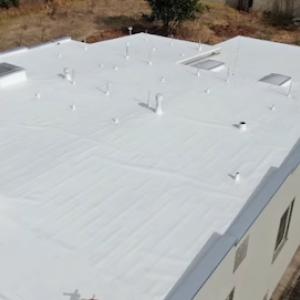
VA Flat Roofers of WIlliamsburg
(757) 586-3540 www.vaflatroofers.com
Williamsburg, Virginia
5.0 from 41 reviews
Your Flat Roofing contractor in Williamsburg, Virginia. We are dedicated to bringing you the highest quality Flat Roofing services at the most affordable rates. Offering No-Hassle Free Estimates. We offer: A Professional & Experienced Staff Free Estimates on ALL Flat Roofing Services Virginia State Insured Workmanship With timely arrivals in the state of Virginia, VA Flat Roofers is your locally trusted Flat Roofing Professionals
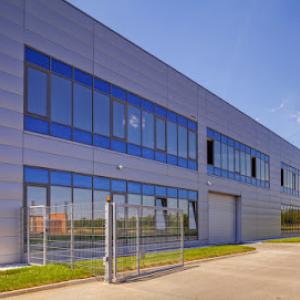
VA Commercial Roofers of Williamsburg
(757) 704-5360 www.vacommercialroofers.com
Williamsburg, Virginia
5.0 from 39 reviews
We are a multi generational, family owned roofing company with over 40 years of experience with all types of roofing. You cannot take your reputation with you when you go but you can leave it behind for your children and that's what we plan to do. Build something that can (and will) be passed down. This means that every job we do will be quality and at a fair price.
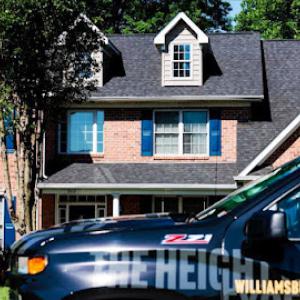
Williamsburg Roofing
(757) 936-7663 williamsburgroofing.com
402 W Duke of Gloucester St Ste 211, Williamsburg, Virginia
5.0 from 30 reviews
Williamsburg Roofing, offering superior protection for your home and business, is the Class A Licensed and Insured Roofing Contractor of distinction in Williamsburg and beyond. Specializing in commercial and residential roof replacement and repair, Williamsburg Roofing is here to serve your every need, including storm damage restoration, handling insurance claims, and emergency service responses. Also experienced in seamless gutter installations, repairs, skylight repairs, and installations, Williamsburg Roofing provides the highest quality craftsmanship for durable, reliable protection that will weather any storm.
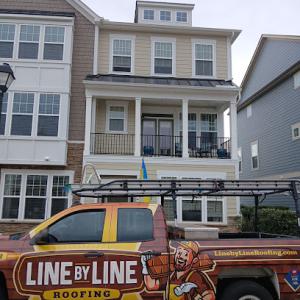
Line by Line Roofing
(757) 251-9022 www.linebylineroofing.com
312 Lightfoot Rd Suite F, Williamsburg, Virginia
4.7 from 123 reviews
Line by Line Roofing is ready for all your roofing needs! Line by Line offers roofing solutions for every household, including emergency storm damage repair, available 24 hours a day. At Line by Line Roofing, we strive to provide industry-leading service and workmanship with every job we do. Big or small, Line by Line roofs 'em all. From small residential repairs, to whole roof replacements, to commercial roofing and new build construction, Line by Line has a roofing solution that's right for you. If you need roofing installation, roof inspection, roof replacement, or roof repairs, don't delay, call us today! Line by Line Roofing: we've got you covered.
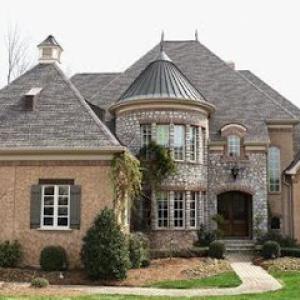
Chase Roofing
(757) 206-1948 www.chaseroofingva.net
4504 John Tyler Hwy, Williamsburg, Virginia
4.7 from 100 reviews
At Chase Roofing we understand the vital role your roof plays in protecting your property, loved ones, and investments. Whether you require residential or commercial roofing services our team of skilled and certified professionals are here to help. We specialize in a wide range of roofing services, including roof replacement, repair, and maintenance.
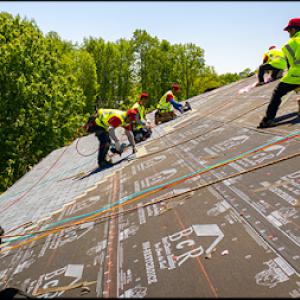
Best Choice Roofing
(757) 600-0905 bestchoiceroofing.com
309 McLaws Cir STE A, Williamsburg, Virginia
4.6 from 169 reviews
Best Choice Roofing is your trusted roofing expert and the Best Choice when it comes to choosing a roofing company with a commitment to impeccable customer service. In business since 2009, Best Choice Roofing’s industry-leading contributions to the roofing industry include a customer-first mentality, a dedication to top-quality products and a leadership team focused on the growth of its people. Because of this framework, we have created a loyal base of customers all over the United States.
Blue sky roofing
(757) 705-0188 www.blueskyroofingllc.us
23 Earl Dr, Williamsburg, Virginia
5.0 from 1 review
Welcome to Blue Sky Roofing! We are leaders in quality, reliable roofing solutions in the region. Our commitment to excellence has made us the preferred choice to protect your home or business with the best roofs on the market. We offer a wide range of roofing services, from installations to repairs and maintenance. Whether it is a residential or commercial roof, we are prepared to provide solutions tailored to your needs.
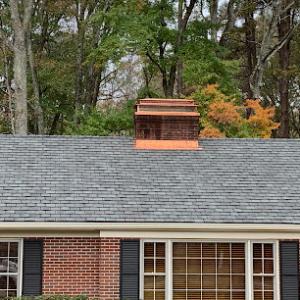
Xtreme Xteriors
Serving
5.0 from 12 reviews
Class A Contractor with over 20 years of experience. Shingles, Copper, Rubber, Metal, Slate, Siding, Seamless K-Style Aluminum Gutter Fabrication, Aluminum Gutter Guard Installation, Skylights, Solar Tubes, Roof Ventilation.
A full reroof in Williamsburg typically requires a permit, and the contractor usually pulls it and submits project details to the local building department for review. This isn't a mere formality: the permit sets the scope, materials, and work sequence that the city expects, especially on steeper, more visible rooflines found in Colonial-style neighborhoods and newer homes alike. Your contractor should provide the permit number and approved plan set before work begins, and you should expect their project binder to include a current wind-resistance and attachment details that align with Tidewater conditions.
Reroof projects commonly move through rough-in and final inspection stages rather than being treated as purely informal replacements. Rough-in checks often happen as soon as deck and underlayment are in place, with emphasis on nailing patterns, underlayment quality, and proper flashing around chimneys and skylights. Final inspection verifies that the roof system complies with current code, that fasteners and attachments meet the latest standards, and that ventilation and condensation controls are correctly executed. Expect a clear inspector's punch list that references present code rather than older roof conditions.
Local review may require compliance with current code and wind-mitigation considerations, so homeowners should expect replacement details to be checked against present standards rather than older roof conditions. In practice, that means your reroof plan should show roof-to-wall connections, hip-and-ridge stability, and proper decking attachment for Virginia's gusty storms. If you have an elder home or a nonstandard framing, be prepared to discuss retrofit options or supplemental bracing during the permit review.
Have the contractor provide a stamped set of roof plans, including typical rafter or truss spacing, nailing schedule, and flashing details designed for high-humidity and wind exposure. You'll also want a written warranty package and a copy of the inspection approvals once the project is complete. Keep all permit documents accessible, as the city may request them during future property transactions or after severe weather events.
Coordinate access with your HOA if applicable, especially on neighborhoods with preservation guidelines. Schedule work during calm weather windows to minimize wind-related interruptions and to protect new underlayment from moisture. Finally, after the final inspection, confirm that all closeout items are addressed and that the permit record is filed with the building department for your property file.
Coastal Virginia carries a distinct claims environment shaped by frequent wind and hail activity. In this area, roof-related claims are scrutinized more carefully than in many inland markets, and insurers expect a tighter trail of evidence before approving or adjusting payouts. A storm can trigger multiple components-roof, gutters, vent flashing-and the adjustment tends to dive into the specifics of each element, not just the overall roof condition.
Insurers in this region commonly require thorough photo documentation, contractor estimates, and clear valuation support before any settlement is considered. High-resolution images should cover the entire roof surface, penetrations, flashing, and any signs of prior maintenance or defects. Estimates need to align with documented damage and be traceable to recognized roofing standards. Expect questions about the roof's age, previous repairs, and the presence of any wind-mitigation features.
Wind-mitigation features can materially affect claim outcomes, making documentation at the moment of damage especially important. Photos showing installed features such as reinforced fasteners, upgraded underlayment, or sealed flashing can influence depreciation considerations and settlement amounts. Depreciation is a common factor in these claims, and having a clear, contemporaneous record helps ensure the valuation reflects the actual condition post-storm rather than retroactive assumptions.
Immediately gather comprehensive documentation: dated photos from multiple angles, close-ups of damage, and a summary of any pre-existing conditions. Obtain a detailed, itemized estimate from a reputable local contractor who understands common Williamsburg-style roof lines and storm exposure. If an adjuster visits, have the gathered documentation organized and ready to reference. A timely, precise presentation reduces back-and-forth and helps avoid misinterpretation of wind-related damage versus wear and tear.
Connect with contractors who help homeowners navigate the claims process from damage assessment to final approval.
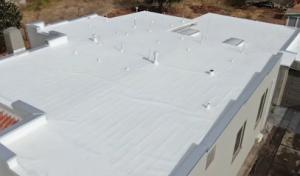
VA Flat Roofers of WIlliamsburg
(757) 586-3540 www.vaflatroofers.com
Williamsburg, Virginia
5.0 from 41 reviews
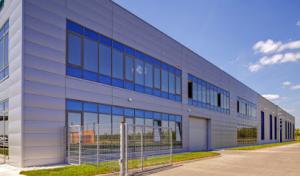
VA Commercial Roofers of Williamsburg
(757) 704-5360 www.vacommercialroofers.com
Williamsburg, Virginia
5.0 from 39 reviews
Williamsburg Roofing
(757) 936-7663 williamsburgroofing.com
402 W Duke of Gloucester St Ste 211, Williamsburg, Virginia
5.0 from 30 reviews
Williamsburg's mix of traditional homes and higher-pitch roof designs makes flashing details around chimneys and skylights a recurring maintenance point in the local market. When inspection reveals loose or buckled flashing, the first priority is reseating and sealing the flashing against the boot or base. In humid, rain-heavy weather, small flashing failures can funnel water into attic spaces quickly, so address even minor gaps promptly. Check the chase flashings where joints meet the roofing surface and ensure the step flashing along chimney sides is continuous and properly folded under the shingles.
Chimneys are a common vulnerable area on steeper roofs where wind-driven rain can drive water under poorly flashed joints. Start with the chimney chase: verify that the counter-flashing seats firmly against brick or stone and that there is an adequate bead of sealant at the interface with the roofing material. If there's any frost-like sheen or mineral staining on interior ceilings near a chimney line, treat it as a warning sign. A cap or cricket behind the chimney can help shed water away from the base; in Williamsburg, where storms bring strong winds, this detail often pays for itself through fewer interior leaks.
Skylight housings in taller or steeper roofs demand careful edge flashing and umbilical sealing to the surrounding shingles. Inspect the flashing flange for nicks or tears and ensure the rooftop sealant remains flexible in seasonal shifts. In wet seasons, test the skylight during a heavy rain by standing at the interior ceiling and watching for any damp spots near the edge. If moisture appears, reseal and reflash promptly, focusing on the corners where water tends to pool.
Schedule a seasonal visual pass that targets penetrations after storm-season storms and before peak humidity spikes. Look for loose screws, lifted shingle corners near projections, and any swelling or cracking in sealants around penetrations. In practice, small, proactive repairs around chimneys and skylights prevent more invasive roof work and interior damage later in the year. The goal is steady, continuous protection, not reactive fixes after a drip appears.
Find contractors experienced in skylight installation, flashing, and leak repairs to bring natural light into your home.
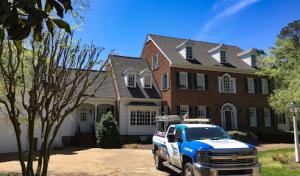
Streamline Roofing
(757) 585-4362 www.streamlineroofingco.com
150 Strawberry Plains Rd STE B, Williamsburg, Virginia
5.0 from 265 reviews
Pyramid Roofing
(757) 378-0382 www.pyramidroofing.com
5268 Olde Towne Rd, Williamsburg, Virginia
4.9 from 373 reviews
Williamsburg Roofing
(757) 936-7663 williamsburgroofing.com
402 W Duke of Gloucester St Ste 211, Williamsburg, Virginia
5.0 from 30 reviews
While this market largely favors pitched roofs, low-slope sections still appear on additions, porches, and some commercial or mixed-use structures in the area. Those shallow pitches can be lurking trouble spots if not planned with the same care as the main roof. In older neighborhoods where additions were tacked on over decades, a low-slope tie-in may sit right against a weathered perimeter wall, increasing the odds of hidden leaks becoming visible only after a heavy storm. Treat these areas as legitimate roof surfaces, not afterthoughts.
Heavy rain and humidity make drainage and seam integrity on lower-slope sections especially critical. Even a small misalignment between the addition and the original roof can trap water in a shallow valley or along a seam. Ponding, which can persist after storms, stresses flashing, sealants, and underlayment. In these zones, prioritize a positive drainage path, robust seam flashing, and a continuous underlayment that can resist moisture intrusion over time. A compromised seal isn't just a nuisance-it can invite rot at the interface where the addition meets the main structure.
Homeowners replacing only the main pitched roof can miss aging low-slope tie-ins, which is a practical issue on homes with later additions common in established neighborhoods. When planning a refresh, inspect the entire system: the edge details where the addition meets the main roof, the condition of gutters along the low slope, and the compatibility of materials across different roof planes. If a tie-in shows even minor signs of wear, address it now rather than waiting for a leak to reveal itself during the next storm-driven downpour. A cautious, proactive approach saves stress when storms roll through.
Find specialists in TPO, EPDM, and built-up flat roofing systems for residential and commercial properties.
VA Flat Roofers of WIlliamsburg
(757) 586-3540 www.vaflatroofers.com
Williamsburg, Virginia
5.0 from 41 reviews
Line by Line Roofing
(757) 251-9022 www.linebylineroofing.com
312 Lightfoot Rd Suite F, Williamsburg, Virginia
4.7 from 123 reviews
Chase Roofing
(757) 206-1948 www.chaseroofingva.net
4504 John Tyler Hwy, Williamsburg, Virginia
4.7 from 100 reviews