
Last updated: Apr 19, 2026
Ashtabula sits on Lake Erie, so lake-effect snowfall is a defining roofing stressor rather than an occasional event. Heavy, moisture-rich snow lands with a punch, followed by rapid cooling that drives freeze-thaw cycles through the season. This combination is a direct hit to eaves, flashing transitions, and the seal lines on shingles. In wind-prone corridors and near the lakefront, snow drifts stay deeper longer, creating persistent weight and moisture exposure that accelerates wear on any roof assembly. Owners must treat these patterns as a recurring, high-priority risk, not a one-off nuisance.
The repeated freeze-thaw cycling is especially hard on roof edges. When heat from the attic migrates to the roof deck, it melts lower-edge snow that refreezes at the eave, forming ice dams. Those dams push meltwater upward under shingles, flashing, and underlayment, inviting rot, leaks, and costly interior damage. In exposed routes along the lakefront, wind-driven snow also slams into ridge lines and intersections, increasing the chance of damming at several points rather than a single vulnerability. Treat ice dam formation as a systemic risk: address insulation, ventilation, and water flow in tandem.
Focus first on stopping heat loss from the attic into the roof line. Increase attic insulation to minimize heat transfer into the roof deck, and ensure soffit vents remain clear to sustain continuous, balanced ventilation. A well-ventilated attic helps keep the roof cold enough to resist ice dam formation, especially during the peak melt cycles of late winter. Seal any gaps around chimneys, plumbing stacks, and vents where warm air can migrate into the attic space.
Second, improve edge protection and water management. Upgrade or maintain proper eave detailing and flashing transitions so meltwater has a clear, unimpeded path to the gutters or ground. If ice tends to back up along valleys or ridge lines, consider reinforcing with snow guards or similar devices to manage snow movement and protect vulnerable flashing.
Third, maintain gutters and downspouts during heavy snowfall. Clogged or overflowing systems trap meltwater against the roof deck, increasing dam risk. Regularly clear debris after heavy storms and before the worst cold snaps, and ensure downspouts direct water well away from the foundation.
Fourth, evaluate roof coverings for freeze-thaw resilience. Some materials tolerate repeated cycles better than others. If a roof is nearing the end of its service life or shows recurring ice dam damage despite good insulation and ventilation, a more durable, seal-friendly option may be warranted to reduce long-term vulnerability.
Look for shingle curling, exposed roof nails, or lifted flashing after a thaw and re-freeze. Damp spots or staining on ceilings below the attic indicate hidden leaks that often trace back to dam-related moisture intrusion. In exposed lakefront zones, don't wait for a visible leak-proactive inspection after heavy snowfalls is essential to catch problems before they cascade into major damage.
Ashtabula's shoreline exposure means spring hail and strong winds are a meaningful second threat after winter snow and ice, creating a mixed damage pattern of bruised shingles, lifted tabs, and bent flashing. That combination can mask itself as ordinary wear, which makes it easy to miss the moment when a claim should be filed. In this climate, winter deterioration and storm losses coexist, so the safest approach is to consider year-to-year changes with a critical eye: if you notice fresh bruising alongside bent metal edging or lifted shingles after the last storm, it's time to inspect closely and document before repairs begin. The goal is to distinguish what grew from the freeze-thaw cycle over the years from what happened the moment a hail burst hit the roof.
Ohio carriers handling claims in this region often want roof age, pre-storm photos, and a detailed replacement estimate because hail and wind events generate periodic claim activity. A clear, chronological record matters. Take photos from multiple angles after any notable precip or wind event, focusing on edges, valleys, and flashing, where damage tends to show first. Keep a simple log noting dates, weather conditions, and observed changes on the roof surface. If possible, have recent professional assessments on hand, but avoid letting a cosmetic patch overshadow a structural concern. Insurance offices will look for a pattern: a sudden spike in damage reports paired with legitimate, verifiable details about the roof's condition prior to the storm and those post-storm changes that align with approved repair practices.
Because this market sees both winter deterioration and storm losses, homeowners need documentation that separates long-term wear from sudden storm damage. That means you should treat each issue on its own terms: chart aging components (shingles, underlayment, flashing) against items that show sharp, localized impacts (granule loss, punctures, dented metal). When in doubt, a reputable local roofer can provide an assessment that differentiates stress from impact. Insurance outcomes tend to be more favorable when claims are grounded in clearly identifiable, storm-driven damage rather than generic aging. Keeping the distinction clear helps protect the house's structural integrity and reduces the chance that a legitimate wind- or hail-induced failure is dismissed as ordinary wear.
Prepare a simple post-storm inspection routine so you're not scrambling after the next lake-effect event. Focus on protruding nails, loose flashing, and any telltale bruising along the eaves and ridges. Invest in a maintenance plan that addresses freeze-thaw vulnerabilities-especially around valleys and chimneys where ice dams tend to form. By documenting the roof's condition promptly and maintaining a proactive repair cadence, you'll make it easier to translate weather-driven damage into a well-supported claim and, more importantly, keep the roof performing through the next season's storms.
ACM Roofing & Repairs
730 W 38th St, Ashtabula, Ohio
4.9 from 81 reviews
Hello, I am Alan Mackenzie, owner of ACM Roofing and Repair; I have been in the Residential Roofing industry for going on 23y . I started young and found I loved what I was doing. In 2016 While working w/another company I was sent to Texas and received my H.A.A.G. certificate for storm damage inspections. For several years prior, I had met with homeowners and Insurance adjusters to complete roofing inspections, all said I have seven years experience doing inspections. I have five years as a foremen and lastly, as well as my favorite, I am also a roofing repair technician. I do a quality job, because I genuinely enjoy what I do. I provide free estimates for repairs. We do require 100% down to schedule your job and no longer accept credit.

Above All Exteriors
1520 Bunker Hill Rd, Ashtabula, Ohio
4.7 from 42 reviews
A family owned company doing quality work for a competitive price
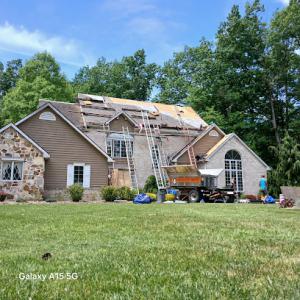
Sibert Pro Roofing
5005 N Ridge Rd W, Ashtabula, Ohio
4.4 from 48 reviews
We provide roofing services and gutter services with a certified and transferable warranty
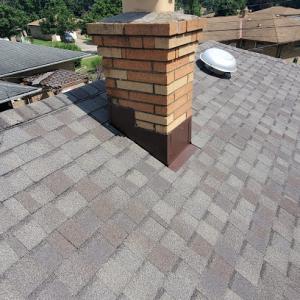
Westcott Construction
Serving
5.0 from 13 reviews
Westcott Construction, located at 515 Eastwood Street, Geneva, OH, has been your trusted expert for roofing, siding, gutter, and masonry services since 2022. We specialize in new installations, comprehensive repairs, and ongoing maintenance to keep your home’s exterior looking great and protected from the elements. Serving Geneva and surrounding areas, our skilled craftsmanship ensures long-lasting quality, giving you peace of mind that your investment will endure. Whether it’s a small repair or a full installation, Westcott Construction is committed to delivering reliable, top-tier service.
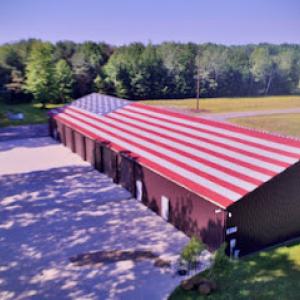
Flanigan’s American Roofing & Construction
Serving
5.0 from 4 reviews
At Flanigan’s American Roofing & Construction, we pride ourselves on providing top-notch roofing replacement in North Kingsville, OH. Our quality service and products set us apart from the competition, and our A+ rating with the BBB is a testament to our commitment to excellence. Whether you need emergency tarp-offs, gutter cleaning, or help dealing with insurance companies, we've got you covered. And with 24-hour availability, you can count on us to be there when you need us most. Trust us to take care of all your roofing repair and replacement needs. Contact us today!
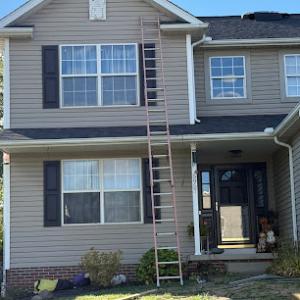
S&K Construction & Remodeling
(440) 588-8412 skroofingandconstruction.com
Serving
4.7 from 317 reviews
S&K Construction And Remodeling is a Roofing Company located in Jefferson, OH. We offer roof installation, roofing repair, asphalt shingles, emergency roofing, & commercial roofing. We offer quality products for Roofing jobs residential, will quality workers. We also offer financing 12 months same as Cash! As well as we have interest as low as 9 percent, on a 84 months terms. We are the local roofing company to go by! Let's get these roofs and gutters on! Also zero down for financing! You only need a 620 credit score to qualify. Which takes roughly 20 to 30 minutes to get Call us today for a free estimate of your roofing needs! Call us today for a free estimate on your roofing needs in Cleveland, Akron, and nearby areas!
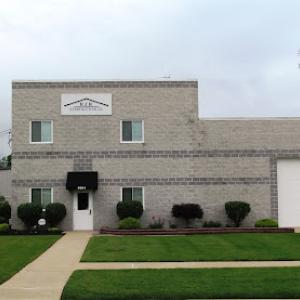
RJK Roofing Solutions
Serving
4.9 from 73 reviews
RJK Roofing Solutions is a full-service roofing repair and replacement contractor providing their professional home improvement services to residents all throughout the Northeast Ohio area. Contact them today for a free estimate!

Biltmore Exteriors
(440) 291-2959 biltmoreexteriors.com
Serving
4.8 from 92 reviews
Since 1992 we have become Ohio’s prefered exterior contractor. Our focus is provide high quality materials, high quality labor with high quality service. For all your roofing, siding, gutters and window needs call Biltmore!
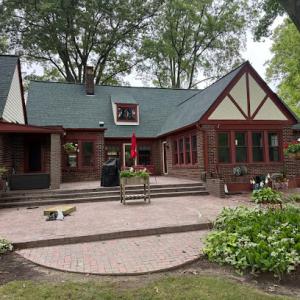
K & K Roofing
(440) 259-4040 www.kkroofingpros.com
Serving
4.3 from 21 reviews
K & K Enterprises is the leading roofing company in Perry, Ohio. We are proud to offer exceptional customer care, affordable prices and efficient, reliable roofing services to the residents and businesses of Perry and the surrounding Northeast Ohio area.
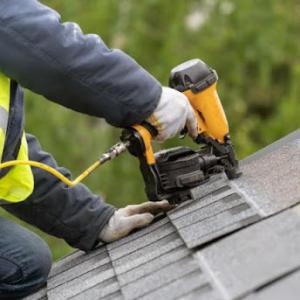
Infinite Roofing Solutions
(440) 782-4002 www.infiniteroofingpros.com
Serving
5.0 from 7 reviews
Are you looking for a roofing contractor who values honesty, reliability, and clear communication? At Infinite Roofing Solutions in Mentor, OH, we embody these qualities in every project we undertake. With 12 years of experience in the roofing industry, we have established ourselves as your premier roofing partner, dedicated to providing top-quality services for our residential and commercial clients throughout the Mentor community. Aside from our experienced and expert consultants, what sets Infinite Roofing Solutions apart is our full roof report service, which provides a comprehensive assessment of your roofing system's condition.

Wheeler Construction
Serving
3.8 from 4 reviews
Our Mission At Wheeler Construction, we are dedicated to making your home safer, more beautiful, and energy-efficient. Trust us to protect and enhance your most valuable investment - your home. We understand the challenges homeowners face in times of crisis. Let us be your guiding light to rebuild your life and restore your home Our Values With a strong commitment to excellence, we specialize in working closely with insurance companies and homeowners to restore homes and lives after unexpected disasters. Our expertise in navigating insurance claims and delivering high-quality construction services has earned us a reputation as trusted leaders in the industry. Our Projects At Wheeler Construction, we are more than just a roofin
Triple C Roofing
(440) 228-8363 triplecroofingpro.com
Serving
At Triple C Roofing, we pride ourselves on providing customers with roofing services that makes a difference. Our team puts our customers and their needs first, which is hard to come by. With more than 23 years in the roofing industry, we've learned a thing or two along the way. Whether your roof is falling apart or you simply want something fresh and new, you can count on our roofing company in Andover, OH.
Late spring through early fall is typically the best replacement window in Ashtabula because it avoids the worst snow-load season and reduces installation problems tied to cold-weather sealing. That timing helps crews manage adhesives, sealants, and flashing in milder conditions, minimizing the risk of cold joints or delayed curing. Plan the project toward the end of winter's freeze-thaw cycles, when air and roof temperatures sit in the workable band for sealants while the roof surface remains stable enough for accurate flashing. Avoid mid-winter work when ice dams and heavy snow can obstruct access and create moisture traps around the new unit.
Summer thunderstorms still matter locally, since high heat and storm cycles can stress underlayment and sealants even during the preferred work season. Choose a contractor who coordinates weather windows, not just calendar dates. Have the roof thoroughly dry before installation, and insist on a complete dry-in for the roof opening prior to interior finishing. Protective coverings should be in place if rain threatens during critical bonding steps. Ensure the window unit includes an effective weep and drainage plan to handle attic condensation and potential wind-driven rain, especially on exposed slopes facing prevailing lake winds.
Select a skylight or roof window with a frame compatible with high humidity and temperature swings. Aluminum or fiberglass frame options tend to hold paint and sealants better near the lakefront, while low-profile curb mounts reduce wind lift risks on gusty days. Opt for glazing with good thermal breaks and low-emissivity coatings to cut heat gain in summer and minimize heat loss in winter. Consider tempered or laminated glass for added impact resistance during hail seasons, and a glazing system that can tolerate occasional rapid cooling from lake-effect events without glazing failure.
Fall temperature swings in this part of northeast Ohio can create contraction-expansion stress at roof edges and penetrations, so late-season jobs need careful detailing. Extra attention should go to flashing at the curb, fastener placement, and sealant joints to prevent creeping gaps as temperatures swing from warm afternoons to cool nights. A dedicated ridge and eave drainage plan helps direct moisture away from the opening, reducing ice dam-related pressure on the new window edges. Ensure drip edges and kick-out flashing integrate smoothly with existing roof geometry to keep pathways clear for meltwater.
Inspect the unit after spring thaws and post-winter cycles for any sealant degradation or wind-driven leaks. Clean glazing to maintain daylight without introducing moisture into the frame. Check interior drywall and insulation around the opening for any signs of dampness, and reseal edges every few years to accommodate ongoing seasonal expansion and contraction. Regular checks specifically target the flashings where roof meets window, as this is the most common leakage avenue after lake-born wear.
In this lakefront setting, asphalt shingles are a common choice, but they bear the brunt of repeated winter freeze-thaw cycles. Granule loss ramps up when ice forms in the gutters and along the eave, exposing the underlying felt to moisture and sun. Seal-strip failures become more likely after sustained cold snaps, and edge damage from drifting snow and wind can compromise the shingle's seal and protection. When selecting asphalt, prioritize products with thicker asphalt layers and enhanced granule adherence, and choose those with a robust microsealant or reflective coating to reduce heat buildup that accelerates granule shedding. The installation details matter just as much as the product: ensure proper eave protection, continuous ventilation, and a well-sealed starter strip to minimize water intrusion from ice dams. Regular maintenance after heavy storms is essential to catch lifted tabs or early granule loss before leaks develop.
Metal sheets shed snow well, which can reduce load and ice dam risk, but the climate near Lake Erie introduces unique considerations. Ice formation and high winds demand meticulous snow movement plans so that accumulated snow does not slide unpredictably onto walk paths or overhangs. A metal roof should be paired with carefully designed flashing around chimneys, skylights, and roof-to-wall transitions to block wind-driven meltwater from seeking entry points. Fastener systems deserve special attention: screws or nails must be chosen for cold-weather performance, with proper sealing, corrosion resistance, and an underlayment that protects against freeze-thaw moisture cycling. In areas prone to wind gusts, consider a panel profile that reduces edge lift, and ensure that snow guards or containment devices are in place where heavy accumulation is likely. A well-planned roof venting strategy complements metal's high thermal conductivity by preventing ice formation from condensation inside the attic.
Tile, wood, and synthetic options can work, but suitability hinges on how they handle snow load, moisture cycling, and winter brittleness in northeast Ohio conditions. Clay or concrete tiles bring excellent longevity and aesthetics but can be heavy; ensure the structure is rated for the added weight and that fasteners and underlayment are designed for seasonal freeze-thaw movement. Wood shingles and shakes respond to moisture with expansion and contraction; severe cycles can cause cupping, splitting, or edge checking if moisture migration isn't controlled. Synthetic or composite shingles can offer improved dimensional stability, but verify that the product's melt and freeze performance aligns with winter conditions and that the installation detail includes adequate underlayment and snow-related protection. Across all non-asphalt options, pay particular attention to ridge and hip ventilation, edge detailing, and moisture barriers to mitigate winter brittleness and ice formation at joints.
Lake-effect snow and periodic ice damming shape every reroof in this area. When winter ice intrudes, moisture control and proper venting become central to preventing premature deck and sheathing failure. Ashtabula homes often ride through freeze-thaw cycles, so upgrades to ice-and-water protection and careful ventilation corrections are common add-ons that push costs higher than a simple tear-off. Chronic moisture intrusion from long winters also means damaged decking is not unusual after screening for hidden rot or warped boards. This reality drives up both material and labor time, especially if crews must address overhangs, valleys, or skylight penetrations that are more intricate on older stock.
When ice dam protection or ventilation corrections are added, material choices may shift toward higher-performance underlayment and more extensive attic detailing. Replacement of damaged decking is common after harsh seasons, and complex rooflines around townships add review time, longer job sequences, and extra coordination. Storm-driven demand spikes after hail or wind events tighten contractor availability, reduce scheduling flexibility, and can push pricing upward temporarily. If the project involves upgraded insulation or sealing around chimneys and vents, costs will reflect both materials and more precise workmanship.
Assess the roof for ice dam risk indicators and existing ventilation gaps, then plan for underlayment upgrades where warranted. For complex rooflines, budget extra for added detailing, flashing, and potential permits or reviews that may extend timelines. In the spring or after a storm, expect scheduling tightness; confirm lead times with multiple local crews and request phased milestones to keep winter damage risk in check.
A full re-roof in this area typically requires a building permit, and the filing is generally handled by the contractor rather than the homeowner. That means you'll want to confirm early in the bidding process that your contractor will pull the permit, compile the required paperwork, and coordinate with the local building department. Keeping the contractor accountable for this step helps prevent hold-ups that can push back the start date.
Permit submissions require project details and job value, which matters for homeowners comparing bids because incomplete paperwork can delay scheduling. Expect to provide a scope of work, roof type, materials, and a rough timeline. If the job includes ventilation improvements, upgraded underlayment, or specialized flashing, make sure those elements are documented in the permit package. Clear documentation helps the inspector understand the scope and reduces the chance of back-and-forth revisions.
Inspections are typically performed during and after installation, with attention to ventilation, underlayment, flashing, and final roof condition. Ensuring proper attic ventilation is essential for moisture control, especially in areas with lake-effect snow and freeze-thaw cycles. Underlayment quality and flashing at chimneys, vents, and valleys are checked to prevent ice dam issues in winter. The final inspection confirms the system is weather-tight and meets local standards before the project is considered complete.
Some surrounding townships may add requirements or plan review for complex roofs. If your home has unusual geometry, multiple roof lines, or nonstandard penetrations, plan review could be part of the process. Your contractor should anticipate these possibilities and advise you early on any additional steps or longer lead times that might apply in your township.
In this area, winter ice damming is a daily concern. Lake-effect snow melts from the heated attic space and refreezes as it reaches the colder eave, creating a backed-up sheet of ice that can seep under shingles and into soffits. When moisture sits at the edge, it weakens the roof deck and invites interior leaks as temperatures swing. You'll notice ice buildup along drip edges and gutters first, and any gap or improper sealing here amplifies water migration. The practical safeguard is ensuring accurate attic insulation and air sealing near the top of the wall line, paired with properly installed overhangs and clear guttering to carry meltwater away from the fascia.
Chimneys, roof valleys, and where the roof meets walls are recurring weak points. Freeze-thaw cycles tug at these details, and wind-driven precipitation can push water into seams that look intact from a distance. Over time, flashing can deform, lift, or corrode, allowing slow leaks that you notice only after the snow melts. The consequence is hidden rot that undermines the roof's ability to shed water during heavy storms. Visually inspect for lifted metal, cracked sealant, or gaps at joints after each thaw cycle. Local guidance suggests resealing and re-flashing at these transitions with durable materials that resist freeze-thaw stress and wind uplift.
Ventilation problems are especially costly here because poor attic airflow worsens snow melt patterns and contributes directly to ice dam formation. When the attic runs hot in winter, meltwater retreats toward the cold eaves and refreezes, feeding dam growth. Poor airflow also accelerates deck warping and shingle deterioration under freeze-thaw pressure. The practical fix is balancing intake and exhaust vents, ensuring soffit vents are unobstructed, and eliminating attic air leaks that pull warm air from living spaces into the attic. Regular checks after heavy snowfall help catch issues before they become costly leaks.